


Here for you: art@pulvisurns.com | (562) 609-4019
7% off your order
Use this code at checkout:
After a loved one has passed, it’s only natural to want to honor them in a special way. Whether it’s planting their favorite flowers or framing a special photo, we crave to create and maintain connections with loved ones. Creating memorials is an important ceremonial way of living that helps us honor those we have lost.
One of the most striking ceremonial habits that can be seen throughout the history books and across cultures is the creation of unique and intentional funerary art. Visually striking and incredibly powerful, funerary art plays an important role in honoring those who have passed away, and it’s a tradition that remains strong today.
Any sort of artistic creation or display that is specifically created to adorn the tomb, be placed within the tomb, serve as the tomb, or memorialize the deceased is considered funerary art. Ornate handcrafted urns, cement sculptures in cemeteries, and decorated gravestones are all common examples of modern funerary art. When the remains of the deceased are buried in a cemetery, funerary art serves as a beautiful way to mark the tomb and create distinction.

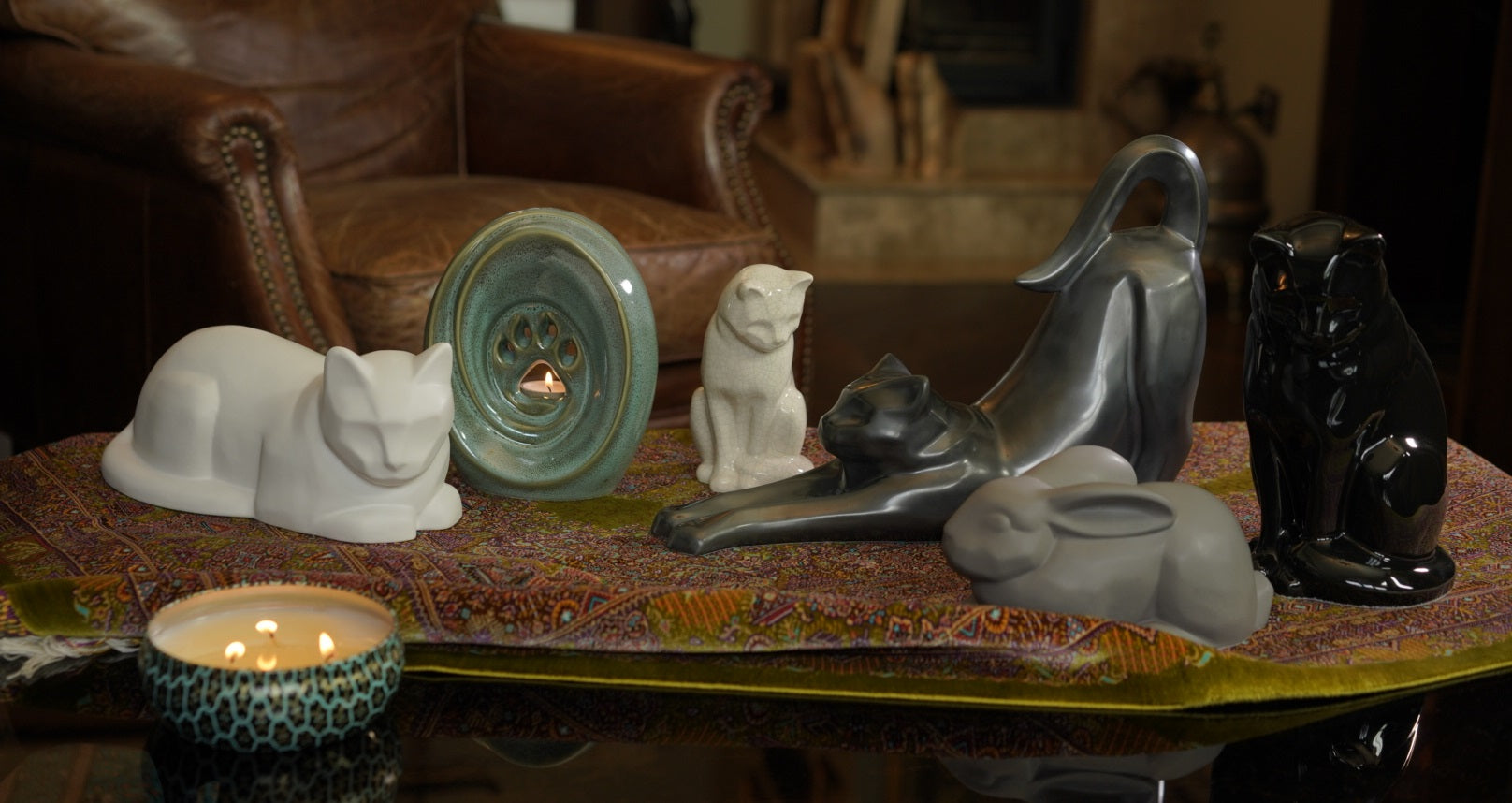
But funerary art is not limited to the cemetery. With more people choosing cremation, funerary art has become a common way to honor late loved ones at home, too. In fact, handcrafted artisan urns have become a popular means for celebrating a loved one’s life with funerary art that can be enjoyed at home.
Funerary art dates back to prehistoric times, and it has been practiced by cultures all over the world – which speaks to its innate importance in honoring the deceased. Though its specific symbolism and meaning changes according to unique cultural beliefs, practices, and religions, funerary art seems to emphasize a shared element – how important memorializing the dead is to the living.
In many communities, including ancient Egypt and ancient China, funerary art included elaborate trinkets that could be considered helpful in the afterlife. This meant burying the remains of important individuals with valuable jewels, ornate ceramic pottery, tools, figurines, and other grave goods. In addition to proving useful in the afterlife, the inclusion of elaborate funerary art often served as a symbol of the person’s power, prestige, and legacy left during their lifetime.

In addition, funerary art was believed to serve another purpose for cultures that believed in the afterlife: help getting to the beyond. In ancient Greece, for example, depictions of angels, chariots, and horses were carved directly on the tomb or gravestone to help escort the deceased to the afterlife safely and easily.
Modern funerary art continues to be a reflection of our deepest belief systems. Today, many artisan urns and funerary gravestones still depict forms of protection and spiritual guidance with angels, saints, and other religious symbols.
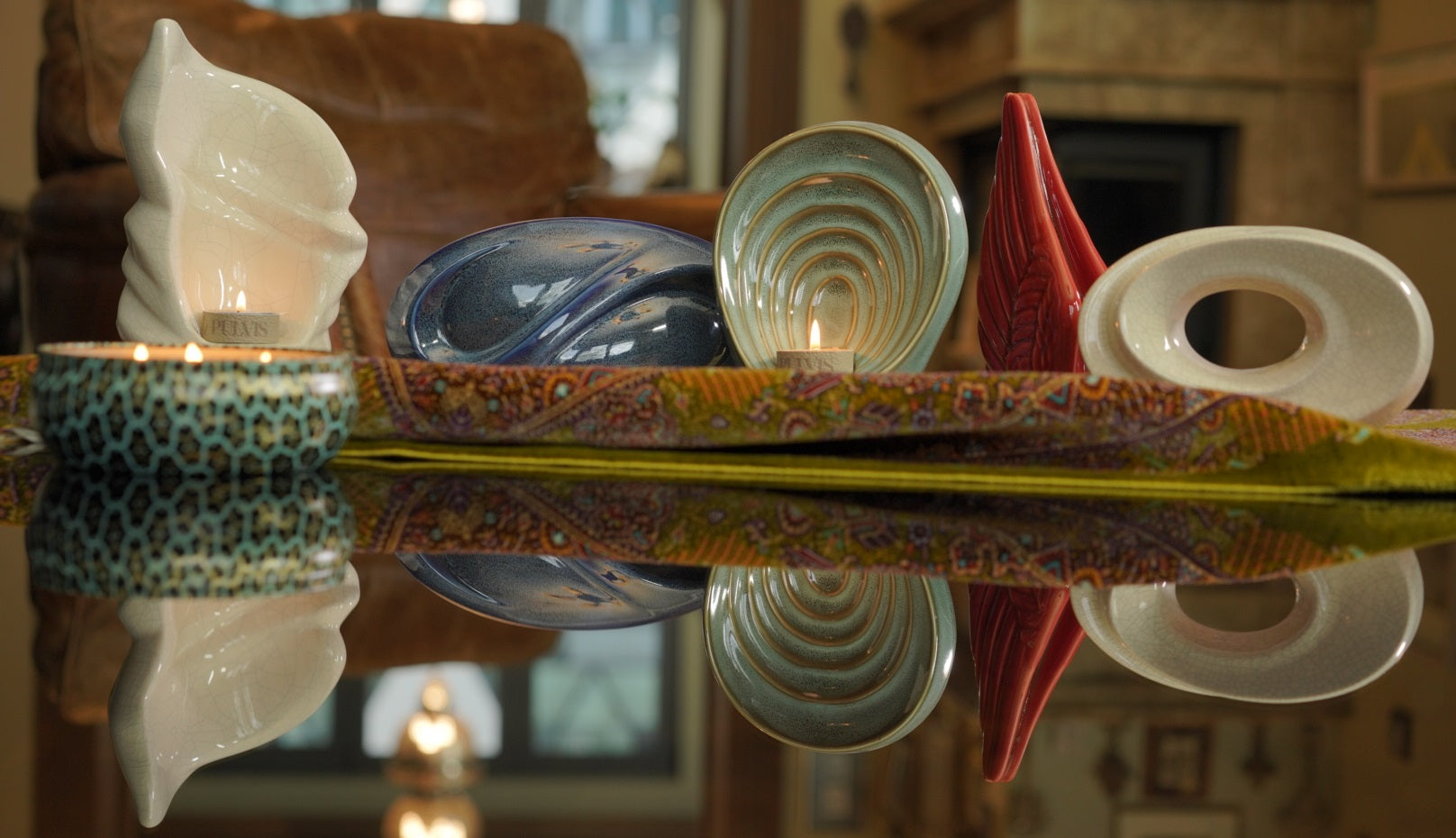
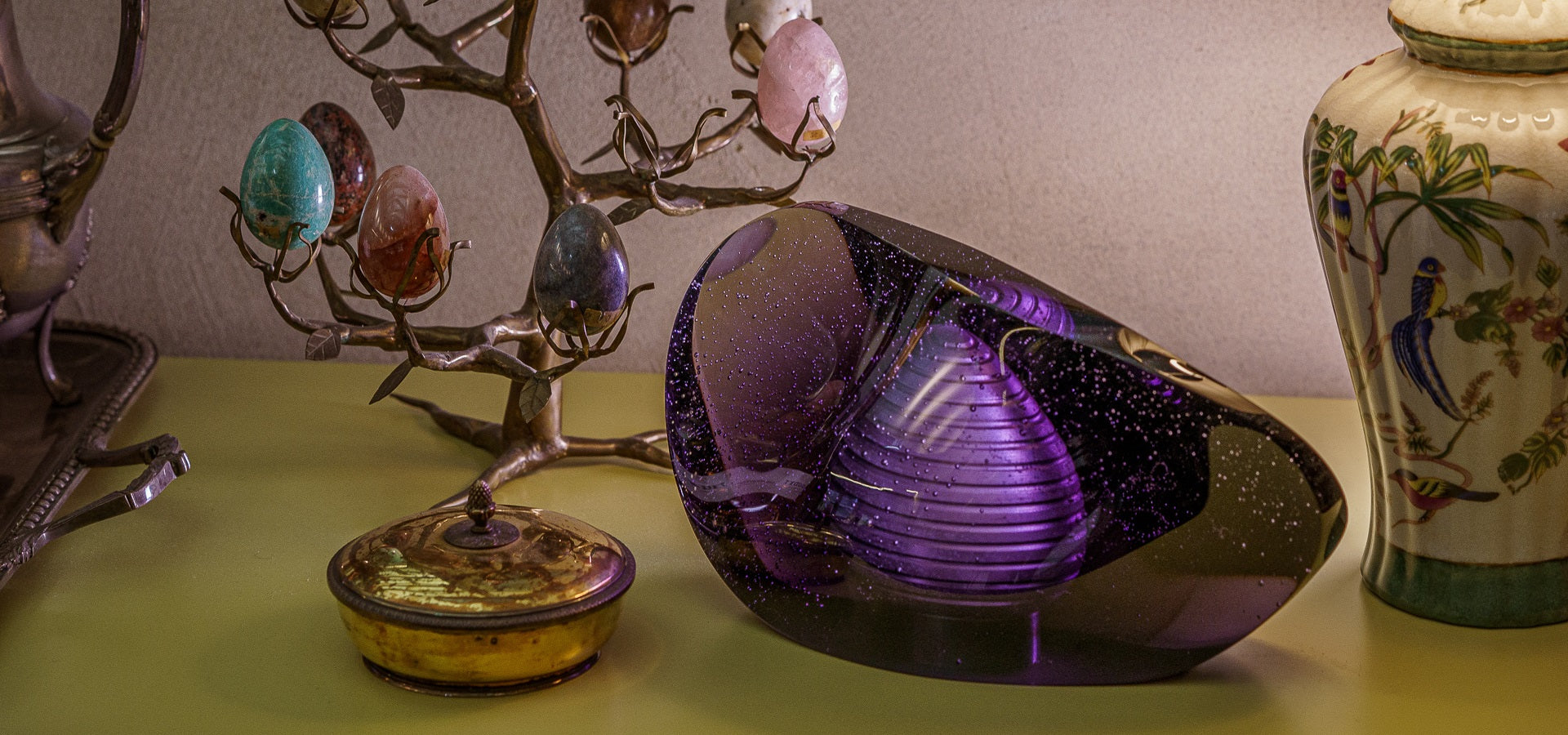
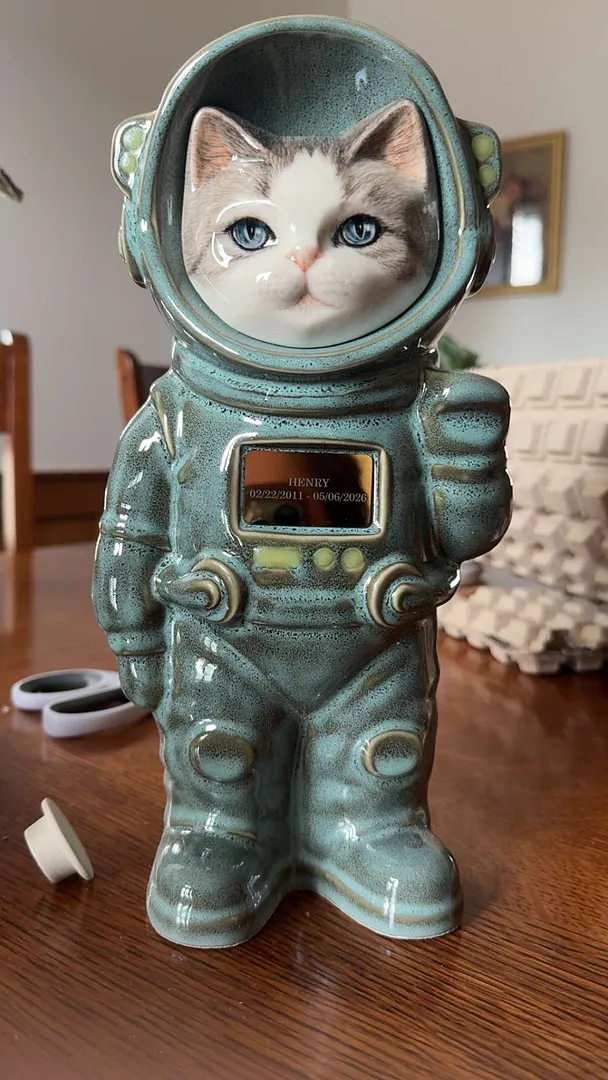
However, with many families keeping urns at home, funerary art has also become much more personal and unique in its design. It’s not uncommon for cremation urns for ashes to feature scenes, symbols, and quotes that represent the person’s distinct life experience and accomplishments. In addition, keepsakes for ashes, like necklaces, candle holders, and glass sculptures, have created an entirely new form of funerary art that is more portable and personal to living relatives.

From stately sculptures atop tombstones to miniature handcrafted urns that resemble modern pieces of artwork, funerary art and urns continue to hold special symbolism for people around the world.
------------------
Our Affiliate Program is now available. at https://www.pulvisurns.com/pages/affiliate-program-by-pulvis-art-urns
Which urn size do I need?
A simple rule: about 1 cubic inch of urn per pound of body weight.
Every product page lists the urn's capacity. Keepsake urns hold a small portion of ashes to share.
Need it by a specific date?
Free shipping · Delivery in 3–5 business days
Express delivery in up to 3 business days – choose it at checkout
Need help choosing?
Talk to our team – we're happy to help you find the right urn.
(562) 609-4019 art@pulvisurns.comSend us a message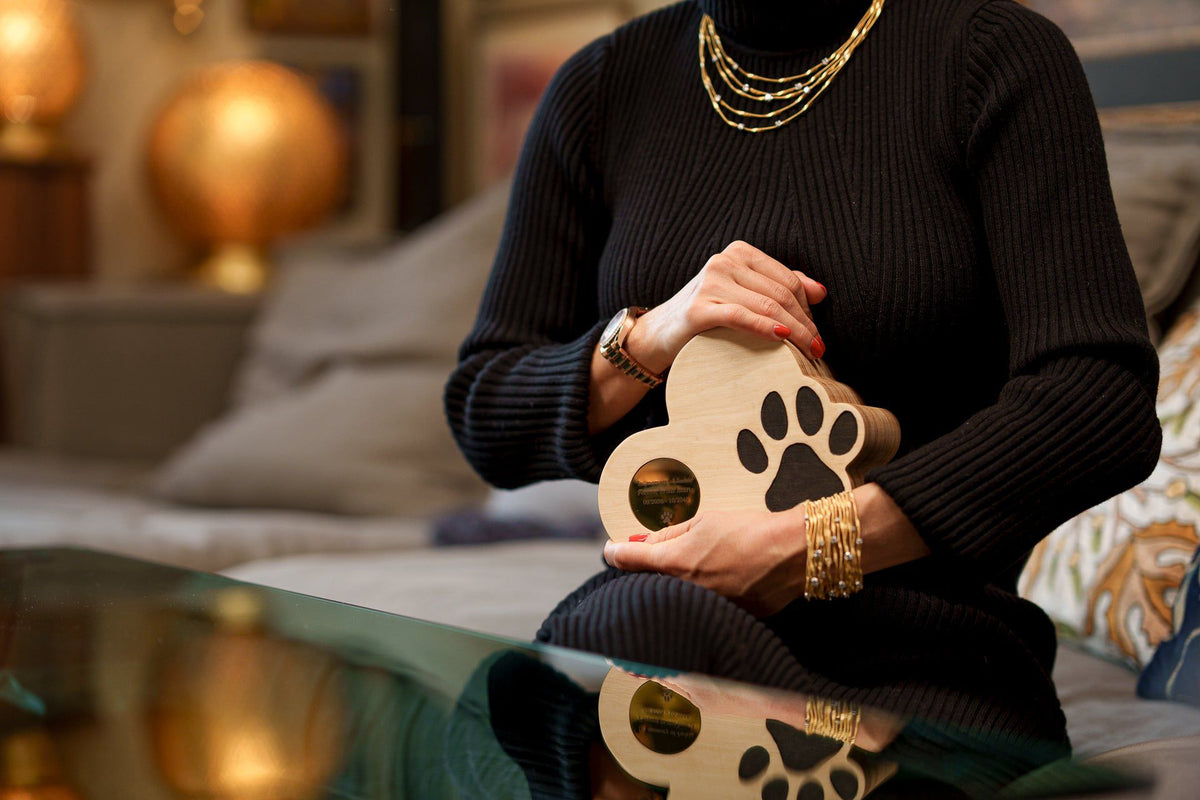
Can You Grieve a Life That Never Had Words?
Discover why losing a beloved pet can be so profound, how wordless bonds shape our lives, and how Pulvis Art Urns brings craftsmanship and thoughtful design to the art of remembering an animal companion.
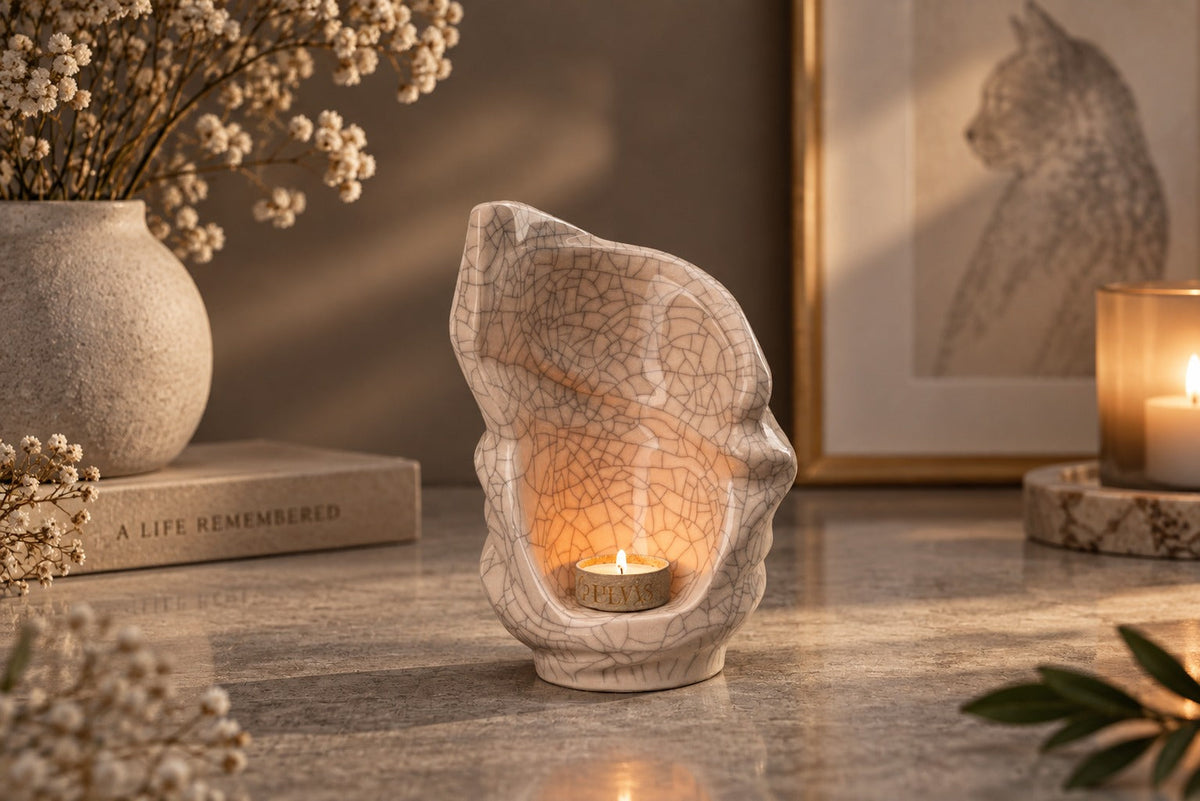
What Does the Bible Say About Cremation?
Explore what the Bible says about cremation, Christian beliefs about resurrection, and meaningful ways to honor a loved one’s memory through a thoughtful memorial.
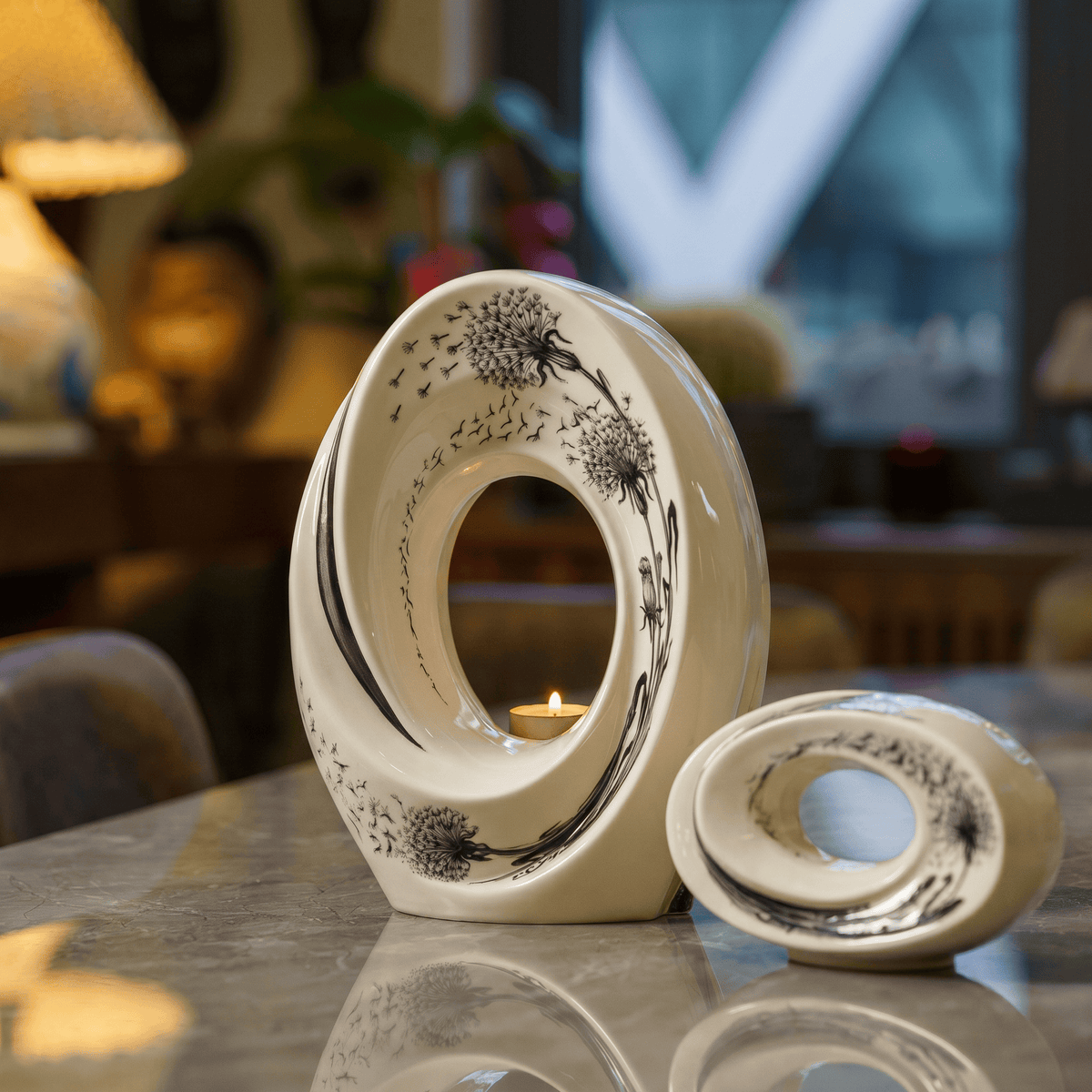
Why Do People Light Candles for the Dead?
Discover the meaning behind lighting candles for the dead, exploring the traditions, beliefs, and emotions that make this simple ritual a lasting expression of remembrance, comfort, and connection within the home.

The Pet as a Witness to a Human Life
Our pets witness far more of our lives than we realise. Explore what it means for an animal to become a quiet witness to our changing homes, relationships, routines and identities — and how a memorial urn can remain as a physical connection to the life they witnessed.

Can You Inherit a Pet’s Memory?
Can we remember a pet we never knew? Explore how stories, photographs, objects and memorials can carry an animal’s memory across generations, turning a private life into part of a family’s shared history.


Share:
Direct Cremation: the Pros and Cons
Living with Cremation Ashes in the House? A rising trend in America.