

Here for you: art@pulvisurns.com | (562) 609-4019
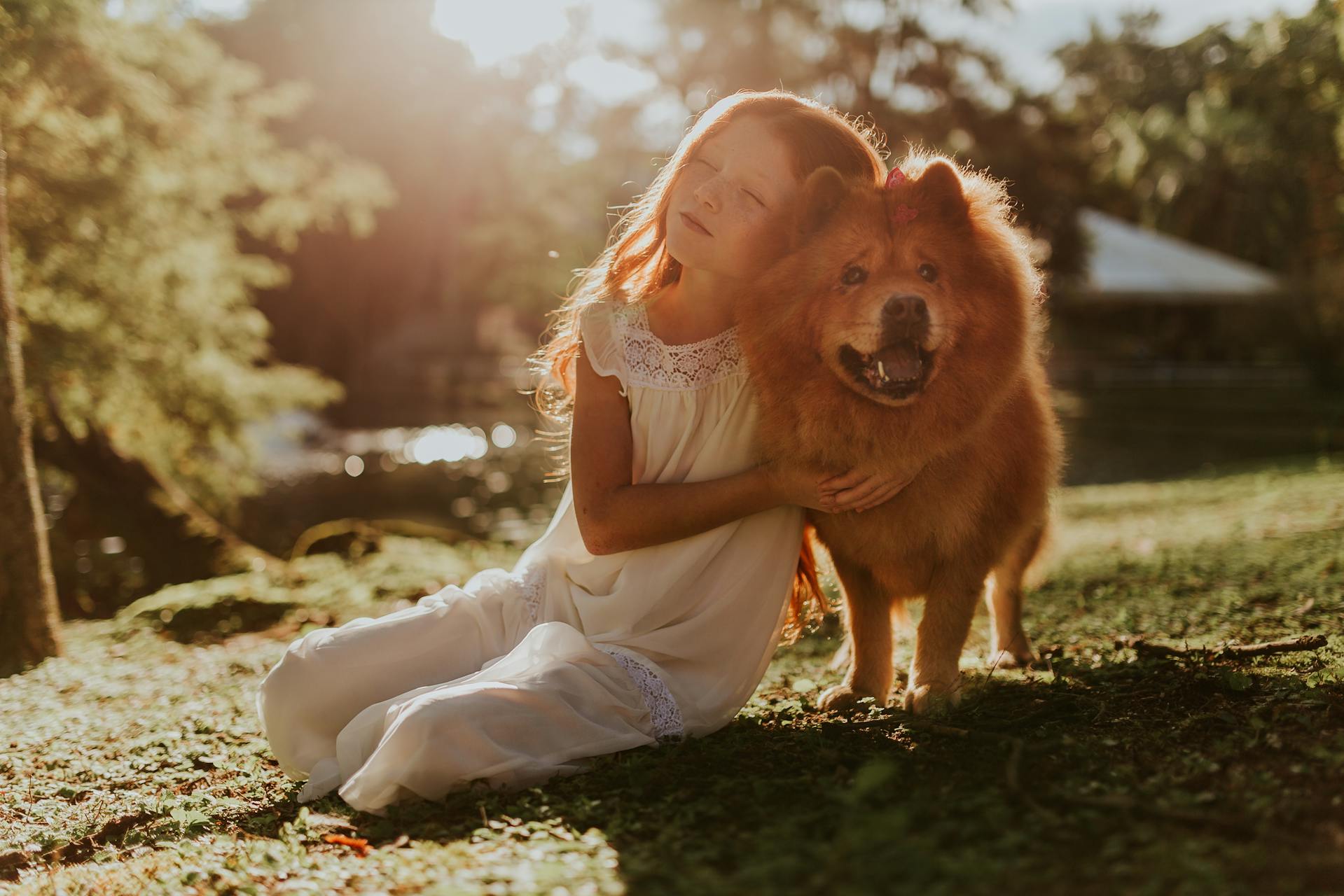
The way children react to the death of a pet varies depending on their age and developmental stage. It's crucial to validate their emotions, whether it's sadness, anger, confusion, or even indifference. Younger children may struggle to grasp the permanence of death, while older children may experience a deeper sense of loss.
Children look to adults for cues on how to process emotions. Allow yourself to show vulnerability and express your own sadness, demonstrating that it's normal to grieve the loss of a pet. Share stories about your own experiences with pet loss or memories of the pet that has passed away. This can help your child understand that adults have these emotions too, and that it's a natural part of life.
 Be Prepared for Questions:
Children may have questions about death and what happens afterward. Encourage an open dialogue, tailored to their understanding and beliefs. Be honest and age-appropriate in your responses, avoiding euphemisms like "gone to sleep" which can be confusing for young children. If they don't bring up questions, especially when you've given them opportunities, it's possible your child might not want to discuss it. Follow their lead and let them know you're available to talk whenever they're ready.
Engaging in a small memorial or ritual can aid in the grieving process. Whether it's planting a tree, creating a collage, or scattering ashes, involve your child in a meaningful way. Discuss different options with your child and allow them to choose what feels most comfortable for them. Keep in mind that some children may find certain rituals uncomfortable or overwhelming, so be flexible and respect their wishes.
 Tailored Support by Age Group
Toddlers have difficulty grasping the concept of death. Offer simple explanations and reassurance, using concrete language that they can understand. Validate their emotions and provide comfort through physical affection and routine. Recommended books can help facilitate discussions and provide a framework for understanding death in a way that is accessible to young children.
Like toddlers, younger pre-schoolers may struggle with comprehending death. Older pre-schoolers may begin to grasp the concept more fully but may still have many questions and concerns. Offer age-appropriate explanations and encourage them to express their feelings through art, play, or storytelling. Reassure them that it's normal to feel sad or confused and that you're there to support them through their grief.
Children in this age group are better equipped to understand death but may still struggle with intense emotions. Prepare them ahead of time if the pet's death is imminent, allowing them time to say goodbye and process their feelings. Recommended reading can provide additional support and understanding, offering relatable stories and characters that resonate with their experiences.
Teenagers can comprehend abstract concepts like death, but their reactions may vary widely. Offer support and encourage open communication, allowing them to express their emotions in their own way. Recommended books may focus less on pet loss specifically but can still provide valuable insights into grief and coping strategies. Respect their need for independence while also providing guidance and reassurance as needed.
 Addressing Common Concerns and Questions
Be honest and age-appropriate when discussing a pet's declining health. Encourage open communication and provide opportunities for your child to say goodbye. Reassure them that it's okay to feel sad or scared and that you'll support them through the process.
Getting a new pet can be a positive experience, but it's essential to frame it as a separate adventure rather than a replacement for the lost pet. Manage expectations and emphasize the unique qualities of each pet. Allow your child to be involved in the process and give them time to adjust to the new addition to the family.
While specialists in pet loss may be rare, mental health professionals can offer support and guidance for children experiencing prolonged or intense grief. Reach out to your child's pediatrician or a licensed therapist if you have concerns about their emotional well-being. They can provide resources and referrals to appropriate services in your area.
Watch for signs such as persistent difficulty functioning, preoccupation with the deceased pet, or changes in behavior that may indicate a need for additional support. Be proactive in seeking help if you notice any concerning symptoms, as early intervention can make a significant difference in your child's recovery.
 Coping Strategies and Moving Forward
Help your child find healthy ways to manage their emotions, whether through creative outlets like drawing, writing, or playing music. Encourage physical activity and spending time outdoors, which can help reduce stress and improve mood. Offer to engage in activities together as a way to bond and provide support.
By sharing your own experiences and coping mechanisms, you demonstrate to your child that it's normal to feel a range of emotions and that grief is a natural part of life. Share stories about the pets you had — and lost — when you were young and how hard it was to say goodbye. This can help your child feel less alone in their grief and provide comfort during this difficult time.
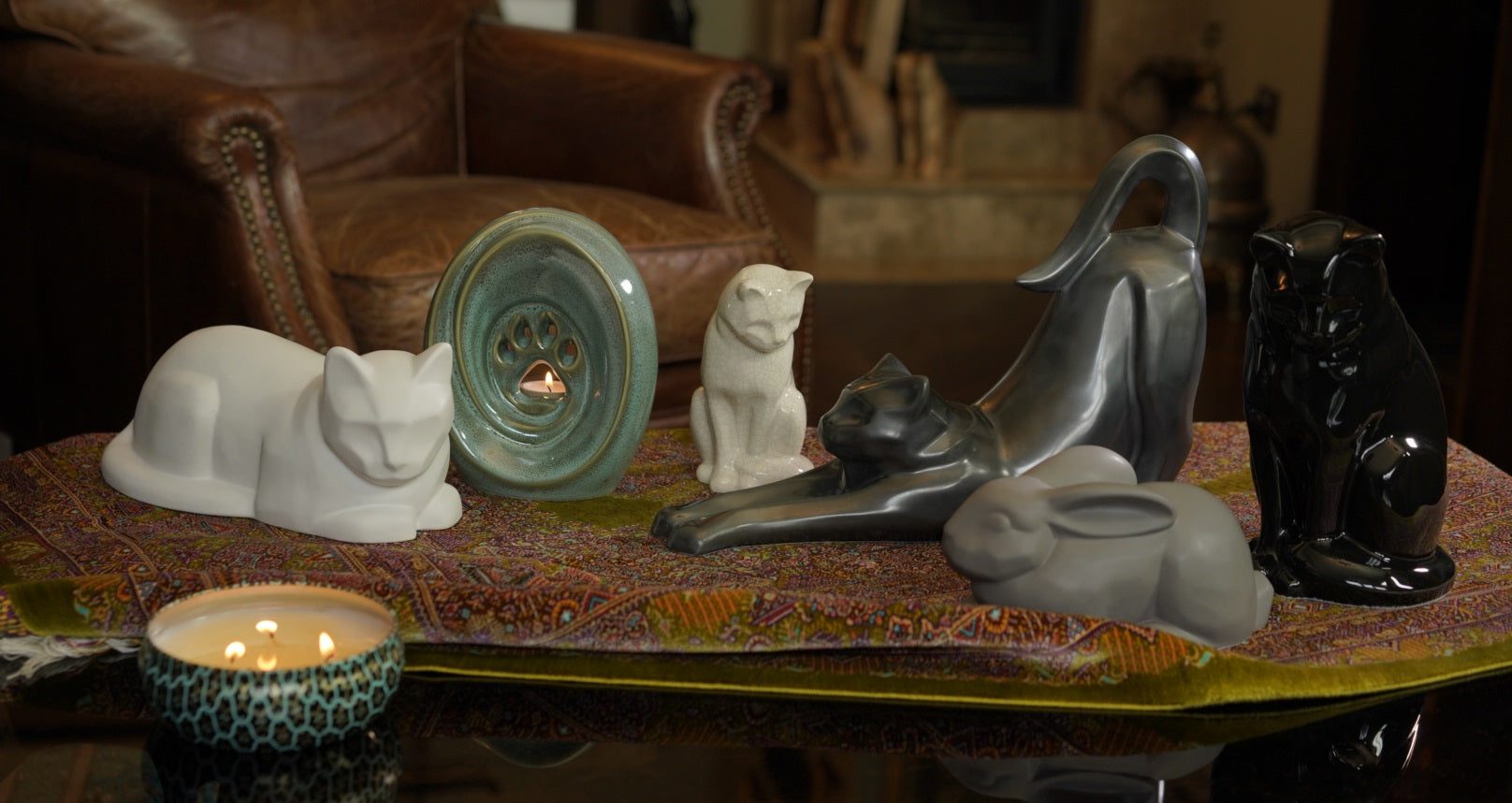
Engage in activities that honor and celebrate the life of the pet, such as creating a memory box, buying memorial urn for you pet, making a scrapbook, or planting a tree in their memory. Encourage your child to share stories and memories of their pet, allowing them to reminisce about happy times and special moments. Consider holding a memorial service or ceremony to commemorate their life and the impact they had on your family.

Understand that grieving is a personal process that takes time. Be patient and supportive as your child navigates through their emotions and adjusts to life without their pet. Offer them reassurance and comfort when needed, and remind them that you're there for them whenever they need to talk or seek support. Encourage them to lean on friends, family, and other trusted individuals for support as well.
Losing a pet is a significant event in a child's life, presenting opportunities for growth, resilience, and learning valuable coping skills. By providing understanding, support, and guidance tailored to their needs, you can help your child navigate through the grieving process and emerge stronger from the experience. Remember, the love and memories of a cherished pet will always endure, serving as a source of comfort and solace for years to come.
-----------------------------------------------------------------------------------------------------------------------------------
Join us in helping families honor the memory of their loved ones and pets through art!
Our Affiliate Program is now available at https://www.pulvisurns.com/pages/affiliate-program-by-pulvis-art-urns
The New Aesthetics of Pet Memorials
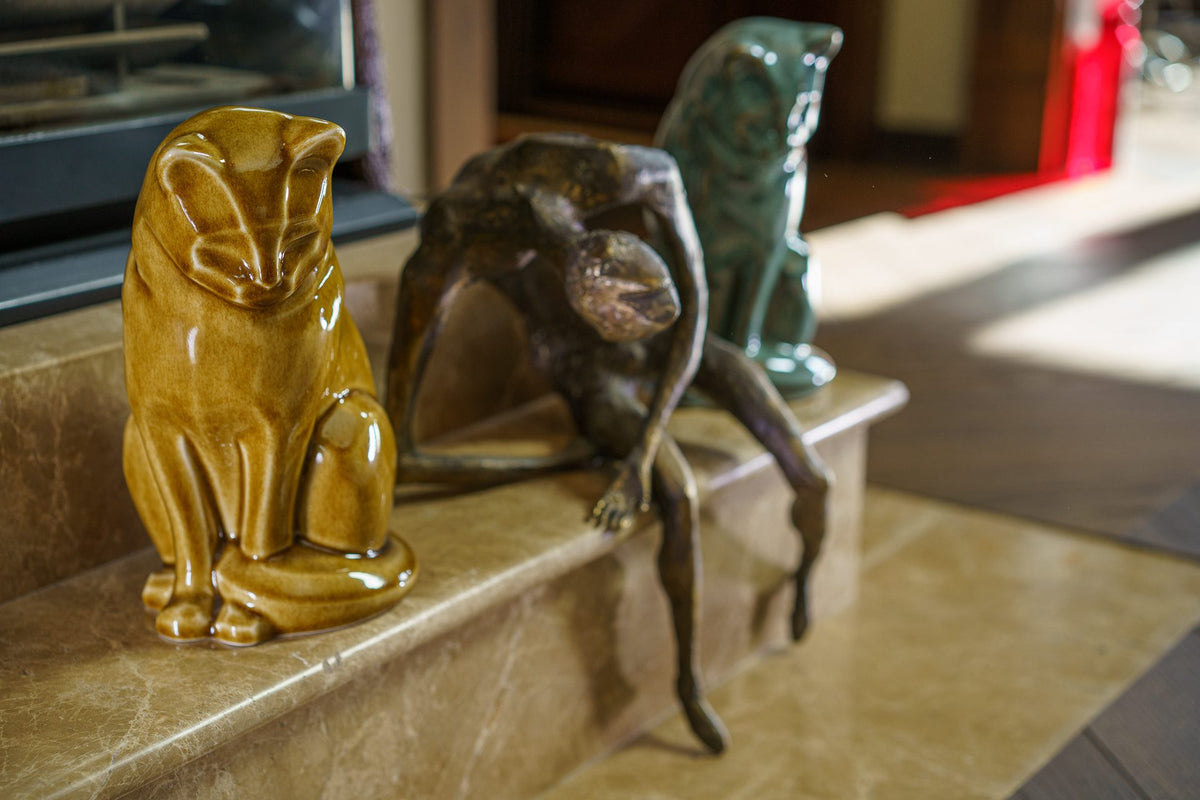
Pet memorials are moving beyond traditional symbols of mourning. Explore how contemporary design, art, craftsmanship and materials are creating a more personal and understated aesthetic for remembering a beloved animal.
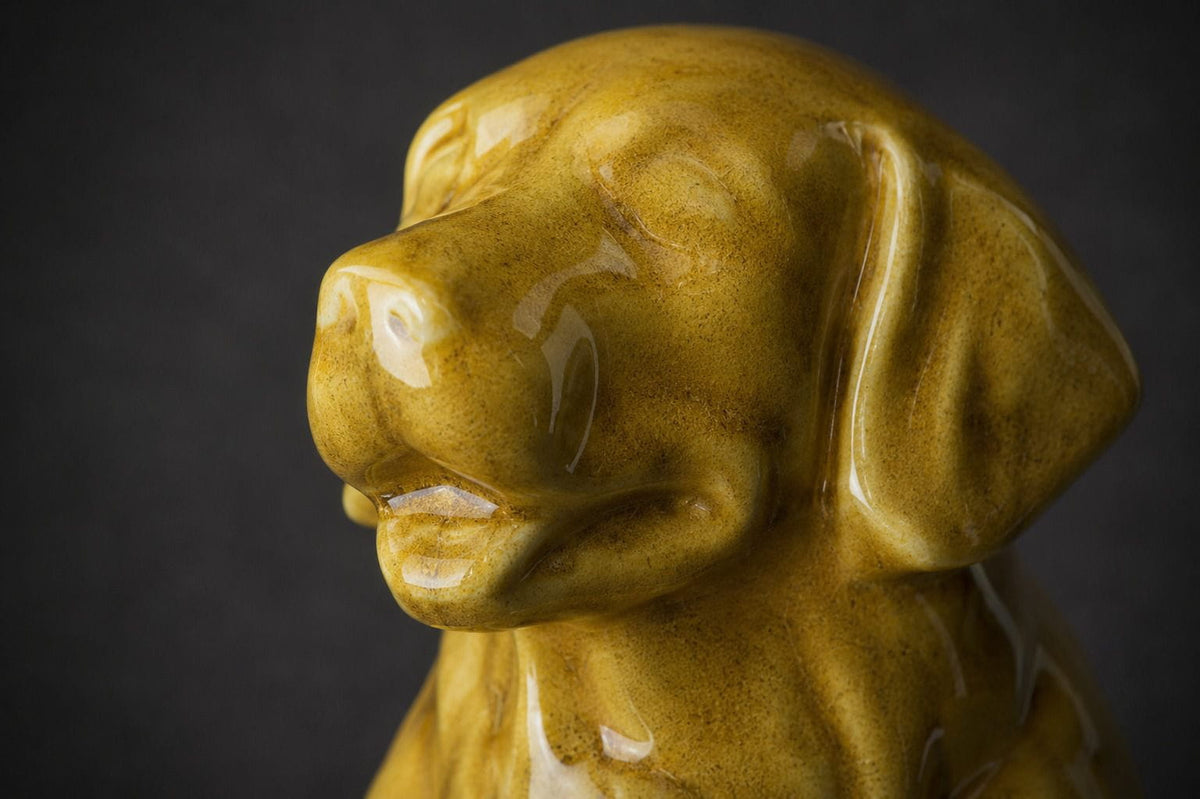
Can a pet urn be more than a vessel for ashes? Explore how craftsmanship, materials and sculptural design can transform a memorial urn into a meaningful work of art that keeps the memory of a beloved companion present.

The Pet Funeral Is Changing: What Modern Goodbyes Look Like
Pet funerals are changing as animals become an increasingly important part of our families. Discover how cremation, memorial ceremonies, personalized urns and new rituals are creating more personal ways to say goodbye to a beloved companion.
Can the Design of a Pet Urn Change the Way We Grieve?
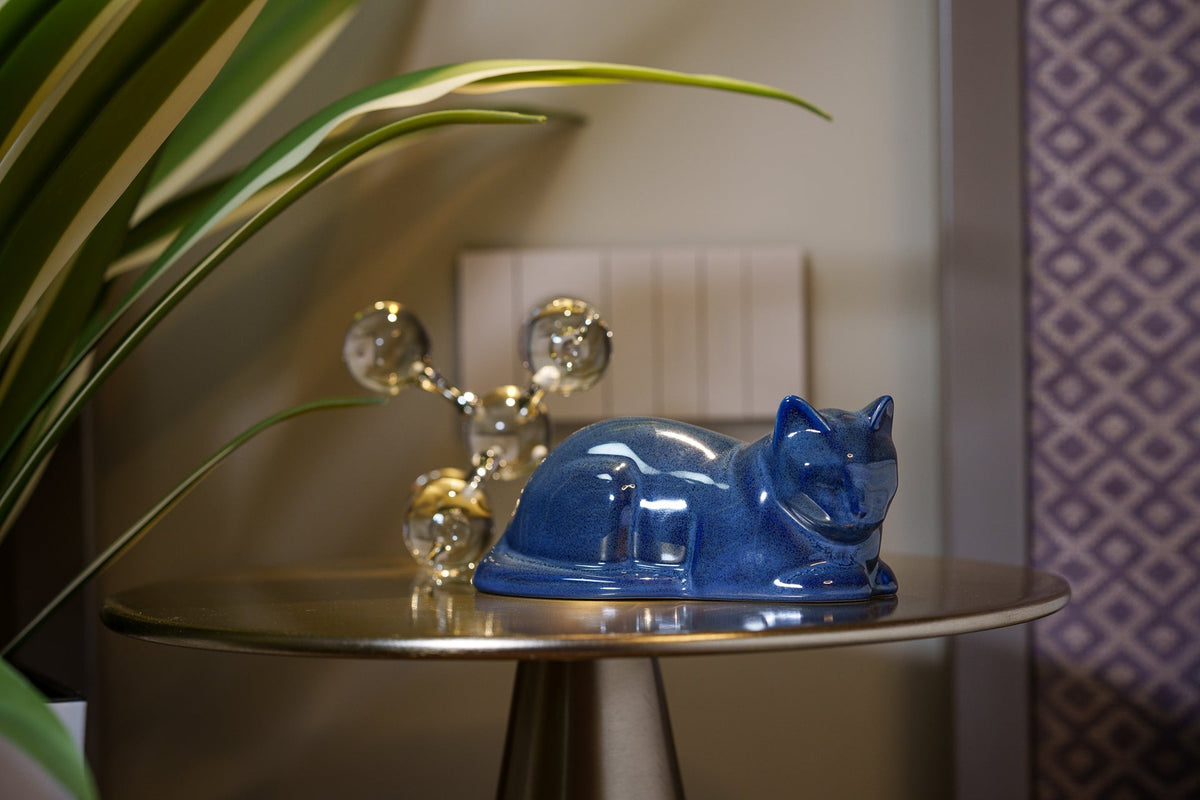
Can the design of a pet urn influence the way we experience grief? Explore how meaningful materials, forms and memorial design can help transform loss into a lasting connection with a beloved companion.

What Are the Most Unique Urns Available Today?
Discover the most unique cremation urns available today, from handcrafted ceramic and sculptural designs to glass, nature-inspired, personalized, and keepsake memorials. Learn what makes an urn distinctive and how to choose a meaningful design based on capacity, material, placement, and personal significance.




Share:
Keeping Cremation Urn at Home. Finding a Suitable Memorial for a Loved One .
What Does God Say About Keeping Ashes? Discover the Biblical Truth