


Here for you: art@pulvisurns.com | (562) 609-4019
7% off your order
Use this code at checkout:
According to the The NFDA Cremation and Burial Report by 2040, the cremation rate in the U.S. will reach almost 82%. This rise is not a surprise as cremation becomes even more and more popular mainly because of the lower costs, lack of space and environmental impact, compared to the traditional funeral. It’s not a secret that the COVID 19 pandemic also played a major role in this trend.
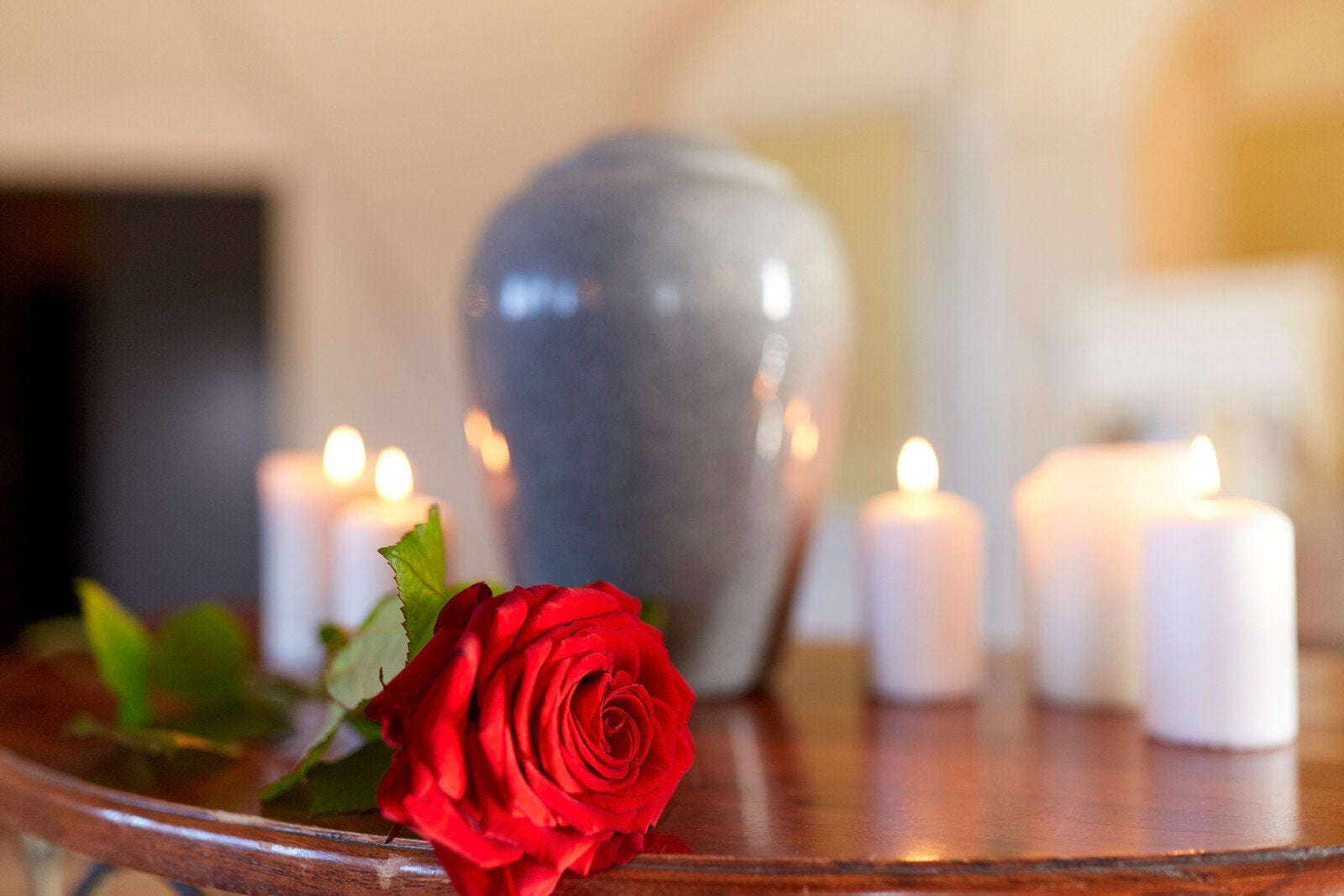
Because cremation is on the increase, more and more people are considering to keep the ashes of their loved ones as a remembrance of the deceased.
We are probably the first generation that will inherit the cremains of our loved ones on a broad scale. However, estimates widely vary as to the actual percentage of individuals who keep cremation ashes at home.

As the growing number of cremations that are performed annually, it is most likely that the numbers of people who keep cremation urns at home will rise.

According to recent industry reports by some of the largest cremation associations in the world, almost one-fourth of people who obtain cremains bury them, two-fourth keep them, and the last fourth scatters them. Burial is often performed in cemeteries or funeral parks or along with a tree in a memorial garden.

Scattering ashes sometimes can be a challenge since states, counties, and cities have different laws about where cremains may be scattered. If a scattering ashes ceremony is to be held within a city or town limits, city/town ordinance and bylaws should be consulted. The opposite – If the ceremony is to be held outside of town then county or municipality laws should be followed.
It is still hard to say if this trend will continue its growth, but with the rising popularity of cremation and the infinite number of urns and keepsakes for ashes on the market it most definitely will. Keeping pets’ ashes is also getting popular.

Keeping an urn at home is pretty common for those who choose to hold on to a loved one’s ashes, but what are the reasons?
A survey conducted by a group of crematories and funeral homes in the USA, shows that two in three respondents kept the ashes of a loved one in their home because they want to memorialise and remember their loved ones more often and cremains being close really helps. The other less than one third responded they don’t know where else to keep the urn for ashes.

From those same respondents, almost 50 percent say they’re holding on to the ashes of a parent, but a smaller 15 percent say they’ve got the ashes of their spouse stored in their home. 35% answered with “other”.
Of the all people surveyed, majority claimed they only had one person’s cremains in their house, almost 76 percent, with 24 percent announced they had more than one urn for ashes in their home.”

The two most common choices for those who decide to keep cremation ashes are:
Don’t’ forget that it is not uncommon to be at a loss as to what to do with cremation ashes once they are in hand. This is totally fine, as people who lost a loved one recently go through a lot of stress.
Finding a suitable cremation urn for your loved one may be overwhelming and distressing. You may want to think about the final resting place of a loved one's cremation urn before looking at different urns. Nowadays, a huge variety of urns, boxes and other keepsakes are available, so it’s just a case of thinking about what will work best for you. Take your time, as this is something special. If you need more information on this topic, take a detailed look at our article 4 Basic Rules for Choosing the Right Urn For Ashes.

With the rising trend in keeping cremains at home, we may be coming full circle toward ancient practices around honouring ancestors. Keeping the ashes at home is a good way to eternalize the memory of our loved one and to show how much they meant to us.
------------------
Our Affiliate Program is now available. at https://www.pulvisurns.com/pages/affiliate-program-by-pulvis-art-urns
Which urn size do I need?
A simple rule: about 1 cubic inch of urn per pound of body weight.
Every product page lists the urn's capacity. Keepsake urns hold a small portion of ashes to share.
Need it by a specific date?
Free shipping · Delivery in 3–5 business days
Express delivery in up to 3 business days – choose it at checkout
Need help choosing?
Talk to our team – we're happy to help you find the right urn.
(562) 609-4019 art@pulvisurns.comSend us a message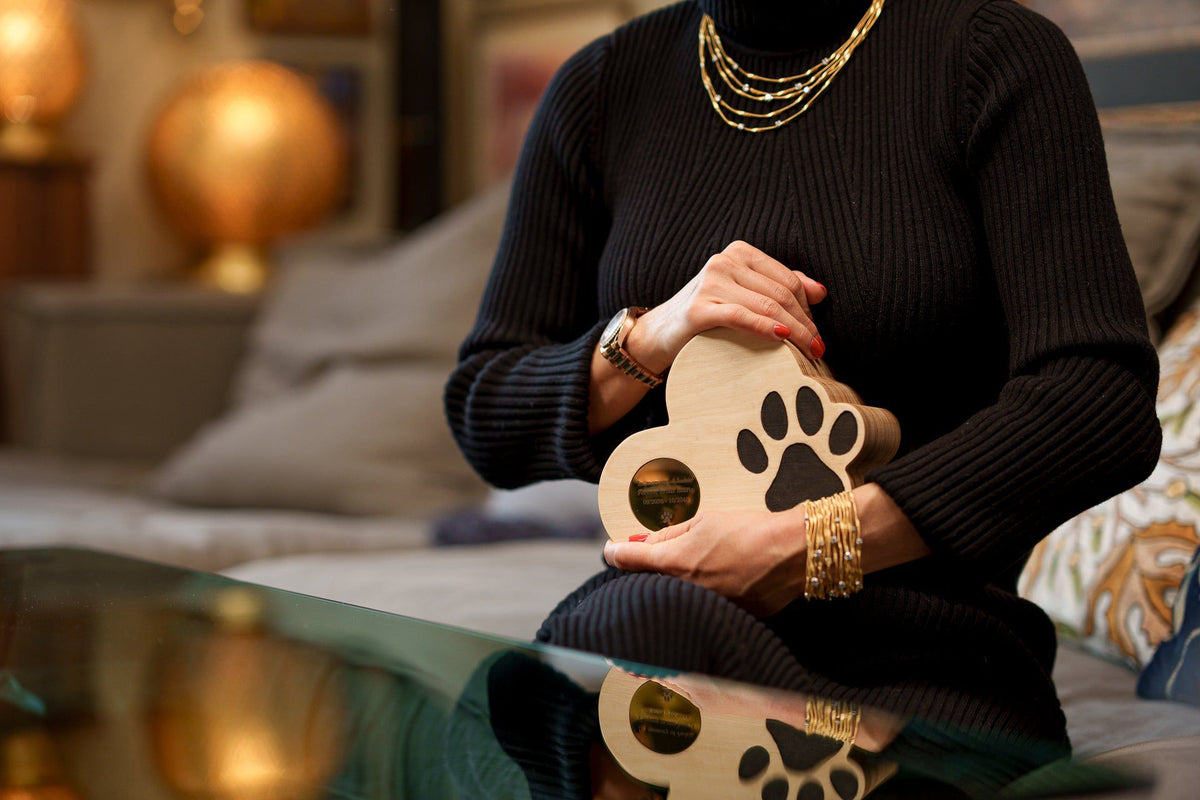
Can You Grieve a Life That Never Had Words?
Discover why losing a beloved pet can be so profound, how wordless bonds shape our lives, and how Pulvis Art Urns brings craftsmanship and thoughtful design to the art of remembering an animal companion.
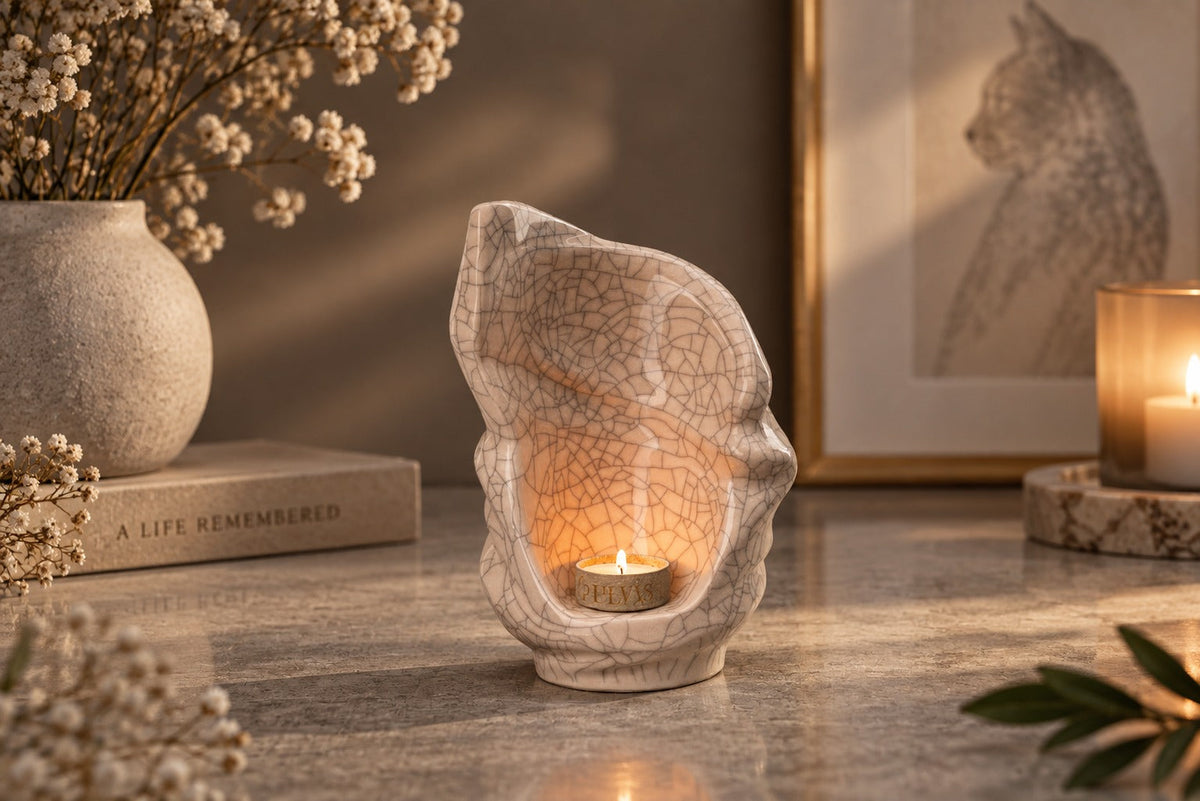
What Does the Bible Say About Cremation?
Explore what the Bible says about cremation, Christian beliefs about resurrection, and meaningful ways to honor a loved one’s memory through a thoughtful memorial.
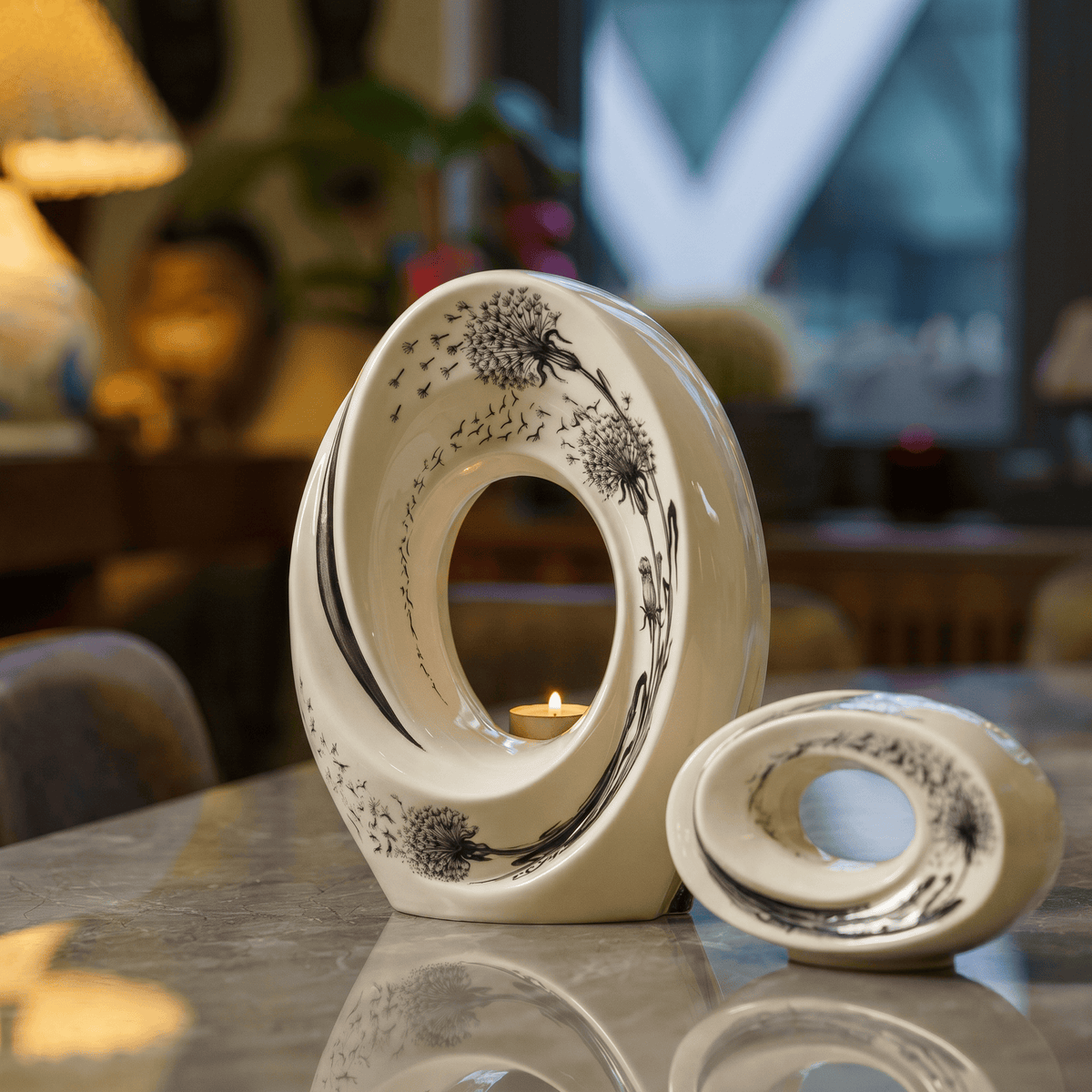
Why Do People Light Candles for the Dead?
Discover the meaning behind lighting candles for the dead, exploring the traditions, beliefs, and emotions that make this simple ritual a lasting expression of remembrance, comfort, and connection within the home.

The Pet as a Witness to a Human Life
Our pets witness far more of our lives than we realise. Explore what it means for an animal to become a quiet witness to our changing homes, relationships, routines and identities — and how a memorial urn can remain as a physical connection to the life they witnessed.

Can You Inherit a Pet’s Memory?
Can we remember a pet we never knew? Explore how stories, photographs, objects and memorials can carry an animal’s memory across generations, turning a private life into part of a family’s shared history.


Share:
Funerary Art and Urns
Eight Reasons Why Most Families Are Choosing Cremation