Understanding the Key Drivers of Cremation Costs
When families need to arrange a cremation, they need to understand the financial impact. While there are many factors to consider, some have a bigger influence on costs than others. The region where the cremation service is provided plays a pivotal role in determining cost. This variance is due to a combination of local economic conditions, real estate prices, and varying regulatory requirements that affect funeral homes and crematoriums. Individual preferences for the type of cremation service directly affect financial outlays. Families choose from a spectrum of services, each carrying its price tag
Service Preferences: Personal Choices Matter
- Direct Cremation: A no-frills approach involving simple cremation without viewing or ceremony.
- Full-Service Funeral: This option includes viewing, ceremony, and often a more elaborate cremation casket before the actual cremation.
Urn Selection: A Crucial Consideration
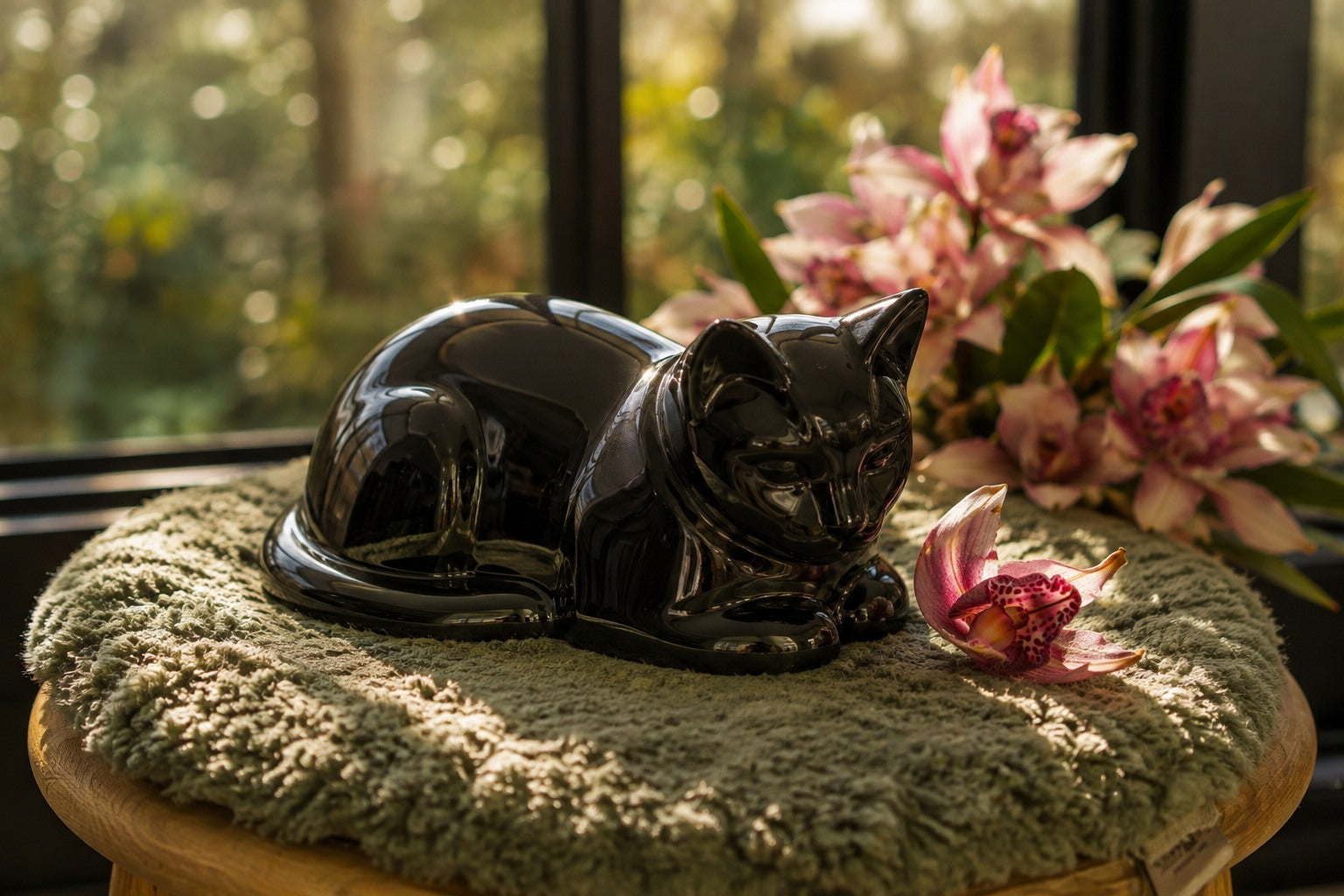
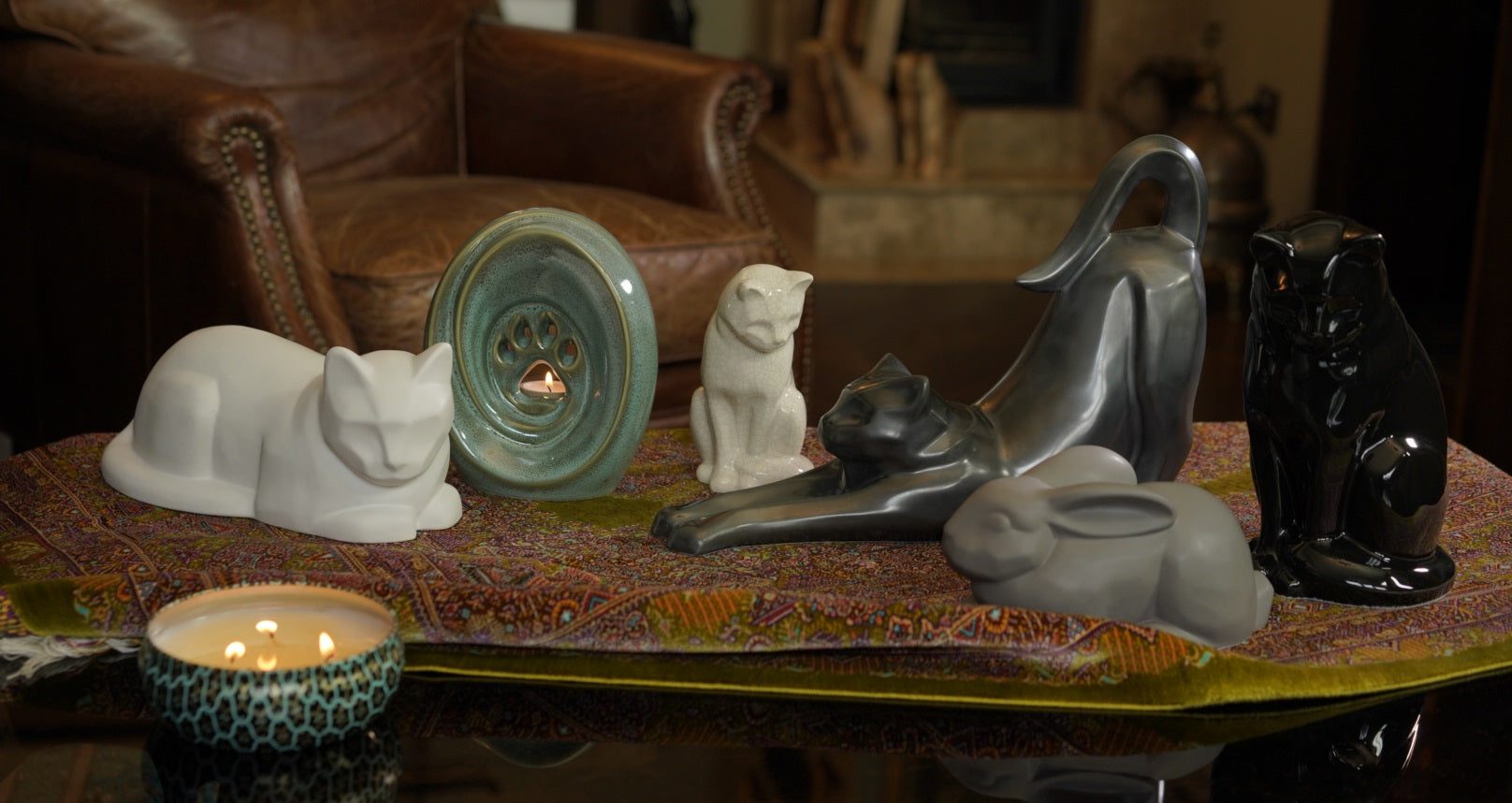
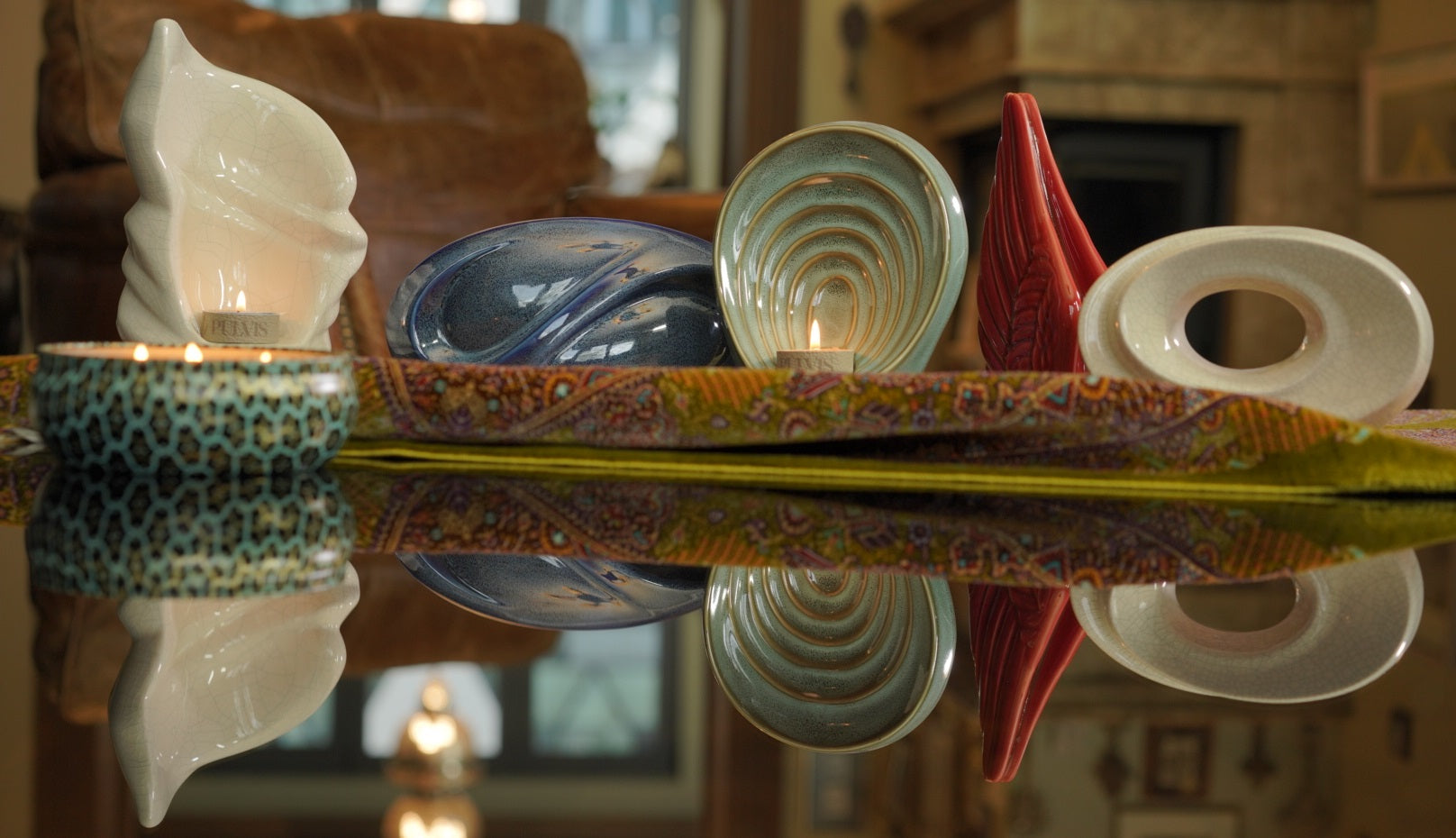
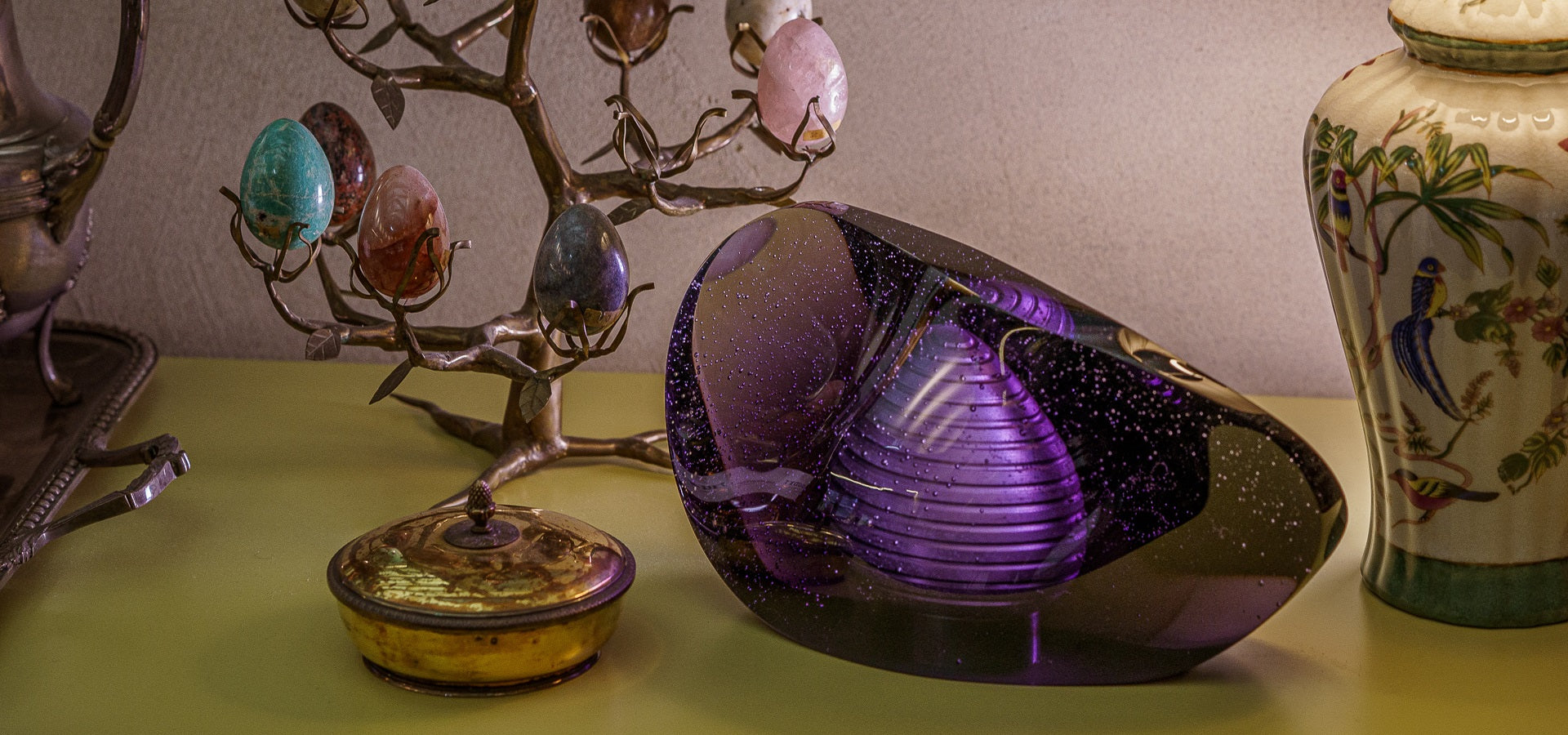
election: A Crucial Consideration The choice of urn becomes central in honouring the memory of a deceased loved one. Pulvis Art Urns exemplifies this aspect with its high-end memorial product design:
- Handmade urns cater to those seeking exclusive designs that serve as art pieces while commemorating loved ones.
- Keepsake urns allow family members to retain a portion of the ashes in specially crafted small urns.
These products adhere to ISO standards, endorsing their quality and durability.
Memorial Services: Celebrating Life
Organizing memorial services entails considerations such as venue rental, audio-visual equipment, and catering—all contributing factors to increasing costs.
- Venues can range from simple reception halls to more elaborate locations like gardens or beaches.
- Additional aspects such as printed programs or floral arrangements further add to expenses.
Personalized Keepsakes: Lasting Remembrances
Families may opt for personalized keepsakes such as jewellery containing ashes or custom-engraved mementos. These items create lasting tributes but also reflect rising budgetary considerations.
The Role of Geographical Location in Cost Variations
Geographical factors play a pivotal role in shaping the cost of cremation services. The price differences in cremation services are often stark when comparing diverse locations, with urban centres typically commanding higher fees than their rural counterparts . For instance, a cremation service in a major city like New York or Los Angeles could be significantly more expensive than one located in a rural town in the Midwest. The average cost for a basic cremation service might range from 2,000 to 4,000 USD in metropolitan areas, while rural locations may offer similar services for 1,000 to 2,500 USD
To illustrate these discrepancies more concretely:
-
New York City: Considered one of the most expensive cities for funeral services, an average direct cremation can exceed 3,000 USD
-
Los Angeles: With its vast urban sprawl and high demand for services, families can expect to pay between 1,500 and 3,000 USD for basic cremation.
-
Rural Iowa: In contrast, smaller towns and communities offer more modest pricing with some services starting as low as 800 USD
These examples underscore how regional dynamics impact pricing structures within the industry.
Additional Factors Influencing Regional Costs
Beyond the basic urban-rural divide, other regional characteristics can influence the cost of cremation services:
-
State Regulations: Each state has distinct laws regarding funeral and cremation services which can affect pricing. States with stringent regulations may require additional procedures that increase costs.
-
Market Saturation: Areas with a higher concentration of funeral homes and crematoriums might experience competitive pricing due to market saturation.
-
Local Customs and Demand: Cultural norms and preferences can affect the demand for specific types of services. In regions where cremation is the norm, economies of scale could potentially lower costs.
Navigating Cost Variations with Informed Choices
Families seeking cremation services are encouraged to conduct thorough research into local providers to understand the full spectrum of pricing within their region. Soliciting multiple quotes and exploring package deals may yield significant savings without compromising on service quality.Additionally, it's essential to consider that while geographical location is influential in determining costs; it's not an insurmountable factor. Providers like Pulvis Art Urns have harnessed innovation and artistry to create memorial products that cater to various budgetary constraints without sacrificing excellence or aesthetic appeal.In summary, understanding geographical factors is crucial when considering cremation costs. Families must navigate these variations by staying informed about local market dynamics while seeking out providers that align with their financial capabilities and personal preferences.
Examining Different Types of Cremation Services and Options
Direct Cremation: A Simple, Budget-Friendly Option
- Low Cost: With direct cremation, costs such as embalming, casket purchase, or rental for viewing are eliminated. As a result, families can avoid many expenses typically associated with a traditional funeral.
- Simplicity: Direct cremation takes place soon after death without a prior viewing or service. Hence, it simplifies the process for families during a time of grief.
- Flexibility: Families have the freedom to arrange their memorial service at a later date in a meaningful location.
No-Cost Cremation (Body Donation for Research)
- Scientific Contribution: Donated bodies contribute significantly to medical research and education. They help in developing new surgical procedures, understanding disease progression, and even training future healthcare providers.
- Cost Reduction: Most institutions that accept body donations cover the cost of cremation post-research.
Traditional Funeral Service with Cremation
- Personalization: This service can include a viewing, religious ceremony, or eulogy before cremation.
- Emotional Comfort: Families often find closure and comfort in bidding a traditional farewell.
- Flexibility: The ashes can be stored in an urn, scattered in a meaningful place, or even used to create keepsake jewellery.
Donating the Body to Science
- Scientific Contribution: These donations significantly aid in medical research and education.
- Cost Reduction: Most institutions cover all costs related to the donation process.
- Considerations: It's important to understand that this option may not provide families with ashes or remains after the process. As such, those who wish to have a physical remembrance of their loved one may not find this option suitable.
Considering Religious Views and Beliefs in Cremation Planning
Christianity and Cremation :
-
Roman Catholic: The Roman Catholic Church previously opposed cremation but lifted its ban in 1963. While cremation is now allowed, the Church prefers that the body be present for the funeral mass before cremation.
-
Protestant: Most Protestant denominations, such as Baptists, Lutherans, Methodists, and Presbyterians, do not have specific prohibitions against cremation.
-
Eastern Orthodox: The Eastern Orthodox Church is one of the few Christian denominations that still strictly forbids cremation.
Judaism and Cremation
According to Jewish law (Halakha), cremation has traditionally been forbidden as it is seen as a desecration of the body, which is considered a sacred gift. However, Reform Judaism tends to be more accepting of individual choices, including cremation.
Islam and Cremation
In Islam, it is mandatory to bury the deceased promptly after death, and cremation is strictly prohibited. This belief comes from teachings in the Quran that emphasize honouring the body both in life and after death .

Hinduism and Cremation
Cremation holds significant importance in Hinduism, as it is considered a sacred and crucial rite for the deceased. According to Hindu beliefs, the body is a temporary vessel for the soul, and cremation is seen as a way to release the soul from its earthly ties, allowing it to move on to the next stage of existence.The process of cremation typically involves several rituals and customs. The body is bathed and adorned with fresh clothes, flowers, and sometimes sandalwood paste. Family and friends gather to pay their respects and offer prayers for the departed soul. Then, the body is taken to the cremation ground, where it is placed on a pyre made of wood. Cremation is widely practiced among Hindus, although there may be variations in customs and rituals based on regional, cultural, and familial traditions. Overall, it is regarded as a solemn and respectful way to honour the departed and facilitate their spiritual transition.
Buddhism and Cremation
Buddhism does not have a strong preference for cremation or burial. Instead, the focus is more on how a person lives their life rather than specific rituals after death. Buddhism emphasizes respect for all forms of life. Cremation is seen as a way to dispose of the deceased's remains respectfully and without causing harm to other living beings. Burial, which involves the decomposition of the body, may be considered less hygienic or respectful in certain Buddhist cultures. Some Buddhist traditions believe that cremation helps release the soul from the physical body, allowing it to transition to its next life or attain liberation (Nirvana). The purification of the body through fire is symbolic of the purification of the soul from attachment and desires.
The Impact of Cremation's Rising Popularity on Costs
The growing popularity of cremation has also led to an increase in demand for these services. Funeral homes have had to adjust their prices to attract customers. Here are some ways this demand has affected costs:
- More Competition: With more people choosing cremation, funeral homes have had to find ways to make their prices more affordable. This includes offering different packages for people with different budgets and preferences.
- Cheaper Options: Funeral homes are now offering cheaper options like direct cremation, where there is no viewing or ceremony before the cremation.
- Clearer Prices: In response to calls for fair pricing, many funeral homes have started using clearer pricing models, making it easier for families to understand how much things will cost.
- Building More Crematoriums
- Meeting Demand: By having more facilities, funeral homes can ensure that they can handle the increasing number of people choosing cremation without any delays or problems.
- Lowering Transportation Costs: In the past, families often had to travel long distances to reach the nearest crematorium. But with new ones being built closer to where people live, especially in suburban and rural areas, transportation costs have gone down.
The Financial Impact of the Cremation Trend in 2024
The trend of choosing cremation over burial is expected to continue in 2024, and it will have economic effects on both consumers and funeral homes:
- Lower Costs: As more cremations are done, funeral homes may be able to reduce their costs for each one. This could lead to lower prices for consumers.
- Investing in Technology: Some funeral homes are investing in new technologies that make cremations faster and more environmentally friendly. While this may require upfront expenses, it could result in lower prices in the long run.
- Prepaid Plans: To avoid future price increases, many people are choosing to pay for their cremation ahead of time at today's rates. This gives them peace of mind knowing that they won't have to pay more later on.
Average Cremation Costs in 2024: What You Should Know
When planning for end-of-life arrangements, it is essential to consider the financial aspects carefully. Recent data indicates a range in the cost of cremation services. Here are some key findings:
- Direct Cremation: Often the most economical option, prices for direct cremation without any additional services can start from approximately 1,000 USD to upwards of 3,000 USD
- Cremations with Memorial Services: When including memorial services or viewings before the cremation, families might expect to invest anywhere from 3,000 to 7,000 USD or more.
- Full-Service Cremation: This includes all aspects like a traditional funeral service followed by cremation and can cost between 5,000 and 10,000 USD
Breakdown of Crematory Expenses
- Basic Service Fee: This covers professional services from funeral home staff and is typically non-negotiable.
- Crematory Charges: Reflecting facility use and technical processes involved in cremation itself.
- Transportation and Care of the Remains: Includes transferring the body to the crematorium and any necessary preparation.
- Urns and Keepsakes: Optional purchases that allow for personalized remembrance. Companies like Pulvis Art Urns provide a selection of artful urns that reflect meticulous craftsmanship and innovation. These items vary widely in price depending on materials and design sophistication.
Variations Across Service Providers
- The average price of cremation in 2024 also varies based on the provider chosen:
- Corporate vs. Independent Funeral Homes: Corporate entities often have higher overhead leading to elevated pricing while independent homes may offer more competitive rates.
- Package Deals: Some providers offer bundled services which can be more cost-effective than a la carte options.
Statistical Insights / Reflecting on Consumer Behaviour
Statistical analysis reveals that median cremation costs in 2024 reflect an uptick when compared with previous years. This increase correlates with inflationary trends affecting all sectors of the economy. However, it's important to note that despite this rise, cremation remains a less expensive alternative compared to traditional burial methods. Consumer behaviour demonstrates an increasing preference for personalized and meaningful experiences rather than lavish spending. This shift affects how families approach end-of-life services, seeking value without compromising on honouring their loved ones.
Market Trends Impacting Costs
As market trends evolve with consumer preferences and economic conditions:
-
Economies of Scale: An increase in demand for cremations has led providers to scale operations sensibly.
-
Price Transparency: With consumers becoming more cost-conscious, there is a push towards clearer pricing models in the industry.
Managing Cremation Expenses: Tips and Strategies
Navigating Additional Planning Costs
- Funeral homes often provide package deals that bundle various services at a reduced rate.
- Packages may include transportation, basic service fees, cremation process, and a minimal urn or alternative container.
- Compare packages from multiple providers to ensure the services included are necessary and cost-effective.
Bundled Services
- Some providers offer bundled services that may include elements such as obituaries, floral arrangements, and online memorials.
- Evaluate which bundled offerings align with personal preferences and financial constraints.
Implementing Cost-Saving Strategies
Rental Caskets
- Opt for rental caskets for viewings or ceremonies before the cremation; a practical choice that significantly cuts down on expenses.
- These caskets are designed for ceremonial use and have an interior container for the body, which is then cremated.
Eco-Friendly Urns
- Eco-friendly urns serve as an economical alternative to traditional urns.
- Materials such as biodegradable paper, salt, or sand can be less expensive while also being environmentally considerate.
Streamlined Memorials
- Personalize memorial services in cost-effective ways using items that reflect the individual's life without incurring hefty expenses.
- Host memorials at home or in a community space rather than renting expensive venue facilities.
Affordable Cremation Options
Direct Cremation Providers
- Direct cremation involves the body being cremated shortly after death without embalming, viewing, or ceremony beforehand.
- Seek out providers specializing in direct cremation to find more affordable rates.
Financial Assistance
- Non-profit organizations and community programs may offer financial assistance to help cover costs for those in need.
- Investigate local resources available to reduce financial burdens during this challenging time.
Honouring Loved Ones Within Your Budget: A Balanced Approach
It's important to remember that creating a meaningful tribute doesn't have to be expensive. With careful planning and creative solutions, you can honour your loved ones in a heartfelt way while also being mindful of your budget.
-
Prioritize Emotional Significance: Identify the elements of the service that hold the most sentimental value for you and your family. Whether it's a specific reading, a favorite song, or a personal item displayed alongside the urn, these touches can add deep meaning without costing much.
-
Choose Customization Over Cost: Look for providers like Pulvis Art Urns that offer unique and artistic urns that can serve as focal points for memorial services. An urn that reflects the individuality of your loved one can become a cherished keepsake without requiring additional expensive arrangements.
-
Make Use of Technology: Use digital platforms to create online memorials or livestream services. This allows extended family and friends to participate from afar, reducing the need for larger physical venues or travel expenses.
-
Invite Community Involvement: Encourage friends and family to share memories or perform readings during the service. Their participation adds personal touches that are priceless yet free.
-
Create Your Own Memorials: Making memorial items or decorations yourself or with loved ones can be therapeutic. It also replaces costly store-bought alternatives while infusing the service with unique personal significance.
-
Consider Environmentally-Friendly Options: Besides being better for the planet, choices such as biodegradable urns often come at a lower cost compared to traditional ones. They provide a meaningful way to return your loved one to nature.
The Importance of Value-based Decision Making
When making these choices, it's crucial to focus on what truly matters to you and your family rather than trying to meet external expectations or industry norms. The right way to say goodbye is deeply personal and should reflect both the essence of the departed loved one and the emotional needs of those honoring their life
-
Treasure Memories, Not Material Possessions: Remember that it's the shared stories and memories that form the heart of any memorial service. These moments are priceless yet don't require any money.
-
Be Honest with Service Providers: Communicate your budget limits when discussing options with funeral directors or crematorium staff. They can often offer suggestions on how to personalize services within your financial means.
Embracing Simplicity
There is beauty in simplicity. A direct cremation followed by a small gathering at home or a meaningful place can be just as meaningful as more elaborate events. The focus remains on honouring the memory of your loved one rather than on extravagant displays.
There is beauty in simplicity. A direct cremation followed by a small gathering at home or a meaningful place can be just as meaningful as more elaborate events. The focus remains on honouring the memory of your loved one rather than on extravagant displays.
Pulvis Art Urns embodies this philosophy by offering exquisite handmade urns that stand testament to artistry and remembrance without imposing undue financial burden. Through their products certified by ISO standards, they demonstrate how quality and elegance can align with affordability.
Conclusion: Understanding Cremation Costs in 2024
It's crucial to understand the details of cremation expenses so you can make informed choices. This complete guide has explained the various factors that affect cremation costs in 2024, such as location, preferences, beliefs, and the growing popularity of cremation.
Here are some key takeaways:
-
Be proactive: Use this information to plan and explore your options. Have open conversations with your family about their wishes, financial limitations, and alternative ways to honor them affordably.
-
Prioritize meaning over money: Remember that the way we celebrate life should matter more than how much we spend. Companies like Pulvis Art Urns understand this sentiment and offer beautiful yet affordable urns and keepsake memorials.
-
Share knowledge: Spread awareness by sharing this cremation cost guide with others who might find it helpful. By understanding these expenses, we can better manage our expectations, reduce stress, and focus on honouring our loved ones' memories.










Share:
What you Need to Know About Keepsake Cremation Urns for Ashes?
From Darkness to Dawn: Embracing Life After Losing Your Husband