

Here for you: art@pulvisurns.com | (562) 609-4019
Honoring a loved one following cremation can be a tricky topic to navigate when there are different opinions involved. Many individuals yearn for finding a solution that feels personal and special without hurting the feelings of other family members. Whether you’ve decided on keeping urns at home or you’re still managing to come up with a creative solution that appeases everyone, keepsake urns can be a wonderful compromise that delivers convenience and uniqueness.
Just like standard cremation urns for ashes, keepsake urns are durable vessels created with a small internal compartment intended for holding a person’s cremated remains. Keepsake urns can be kept at home and displayed in a variety of ways, offering a beautiful means to memorialize a late loved one and keep them close to the heart and mind.

The major difference between a traditional urn and a keepsake urn is size. Keepsake urns are much smaller than standard urns, and they are specifically designed to hold just a small portion of cremated remains. While a standard-sized urn holds 200 cubic inches, a keepsake urn typically holds less than 50 cubic inches. There are even miniature keepsake urns that have space for just a single cubic inch.
The small size of keepsake urns actually makes them perfect for several situations. For one, it allows the family to separate the cremated remains of their loved one into multiple urns so that each family member can share a piece of their memory. In some areas, keepsake urns are actually referred to as ‘sharing urns’ for this very reason.
Allowing several individuals to take a small portion of ashes for their own keepsake urn can be a wonderful solution for large families.

Some families have already chosen interment in a cemetery or columbarium, or to scatter their loved one’s ashes in a special place, perhaps according to their wishes. Storing a small portion of ashes in a keepsake urn allows these families to keep a part of their loved one close by while still respecting original plans.
Finally, others choose keepsake urns for the convenience of their size. Those with limited living quarters, like small apartments or retirement homes, tend to find that keepsake urns are easier to manage and find an appropriate space for.
Keepsake urns can be made from a variety of materials, including metal, ceramic, wood, and glass, and can be highly personalized with engravings or other decorative elements.
Keepsake urns allow for the sharing of ashes among family members or friends. This is particularly useful when multiple people want to have a personal memorial or keep a small amount of ashes as a memento.
Keepsake urns come in various designs and materials, providing versatility in memorialization. They can be customized to reflect the personality, hobbies, or interests of the departed.
Due to their smaller size, keepsake urns are portable and can be displayed in multiple locations. This flexibility allows family members to keep a meaningful reminder of their loved one close by, whether at home, in the office, or even while traveling.

Keepsake urns provide the opportunity to create multiple memorials or tributes in different locations. This can be especially important if the family wants to scatter a portion of the ashes in a meaningful place while keeping a keepsake urn at home.
Keepsake urns are often more affordable than full-sized urns, making them a cost-effective option for families with budget considerations.
Families can incorporate keepsake urns into memorial ceremonies or events, allowing each participant to have a personal connection with the departed.
Keepsake urns are typically easier to handle than larger urns, making them suitable for various memorialization options, including scattering, burial, or display.
While keepsake urns offer many advantages, it's essential to consider the preferences and wishes of the family and departed individual. Communication among family members is key to ensuring that everyone is comfortable with the chosen memorialization solution. Additionally, individuals should be aware of any specific regulations or guidelines regarding the handling and distribution of cremated remains in their region.
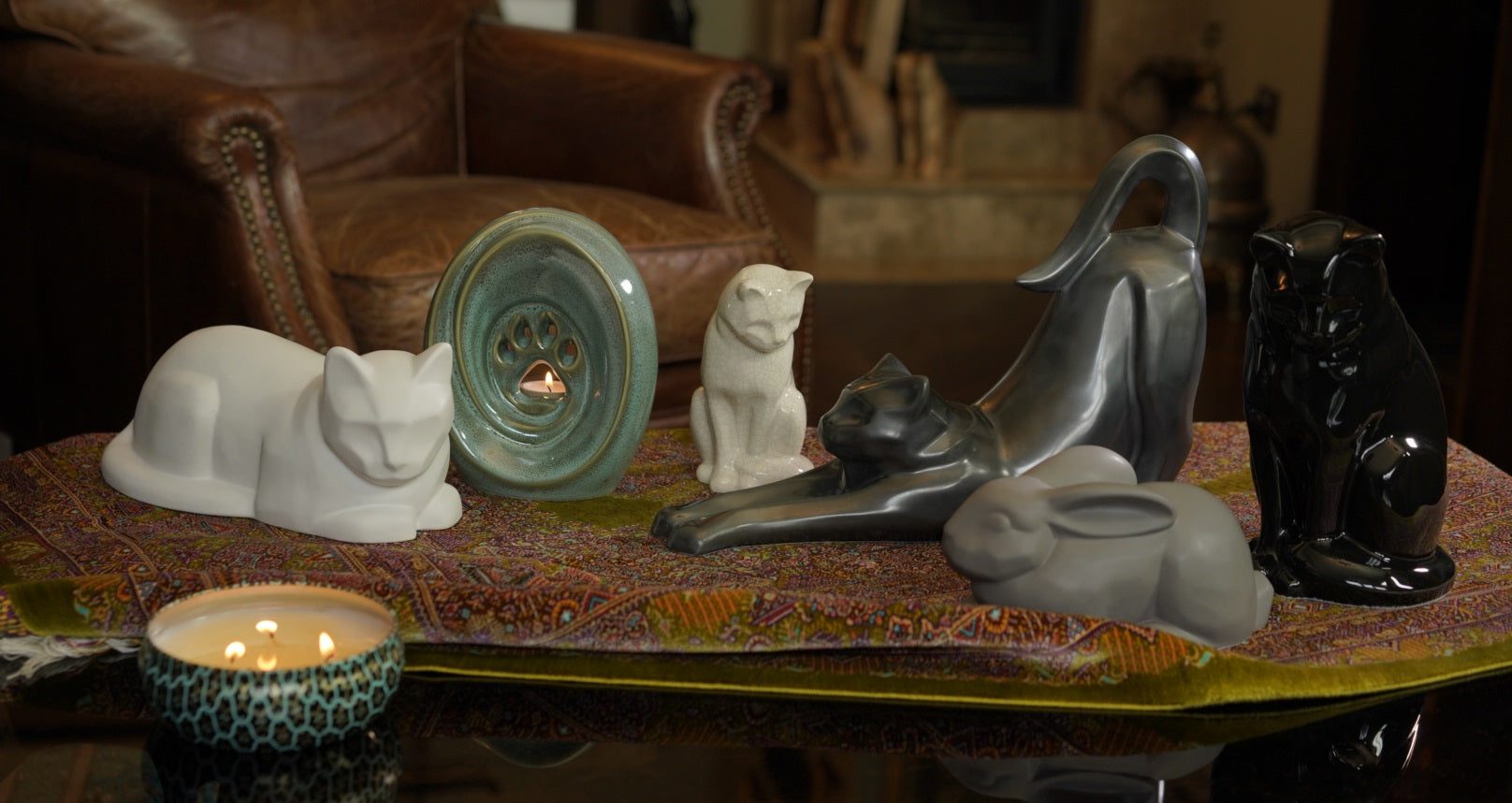
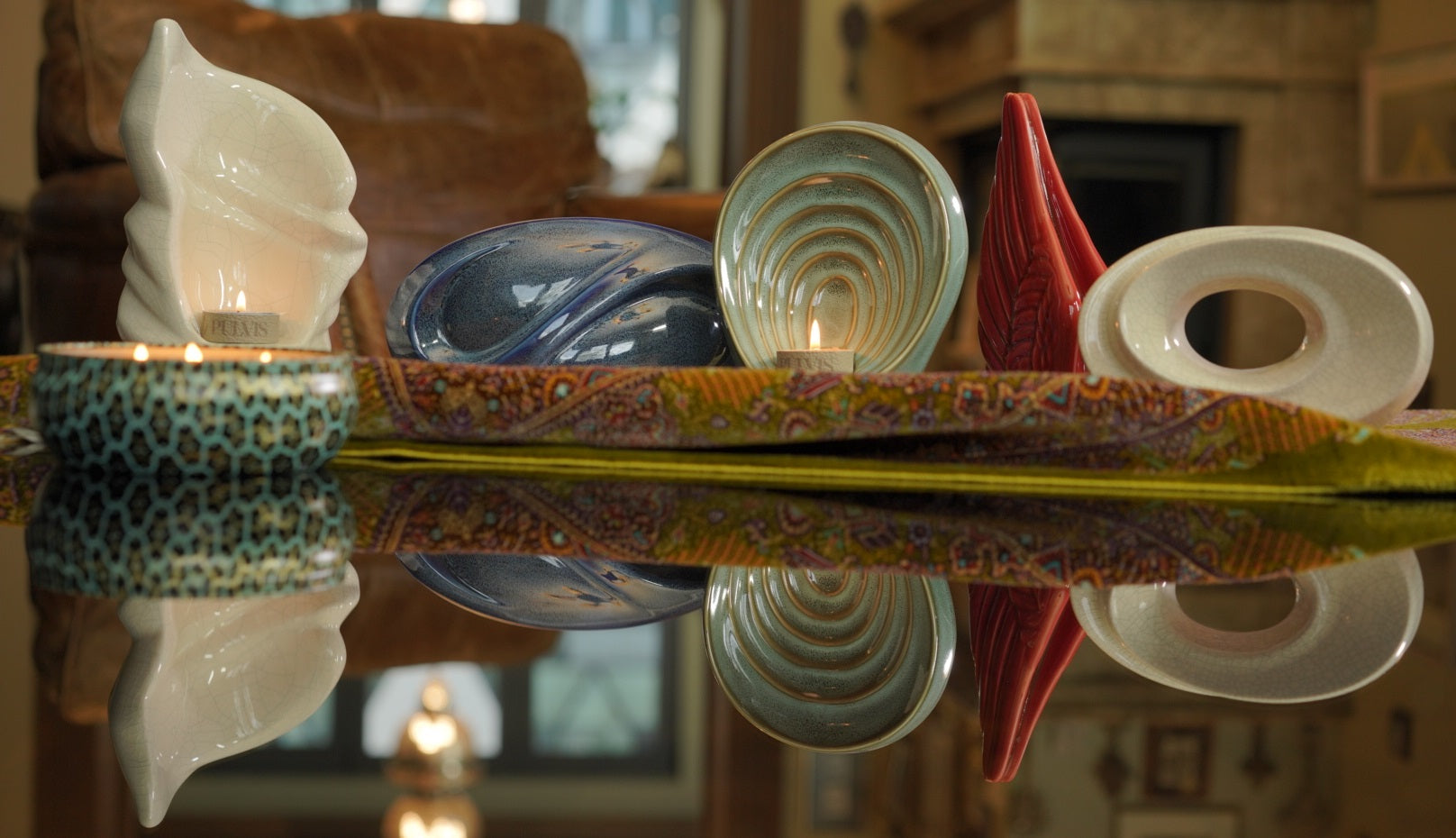
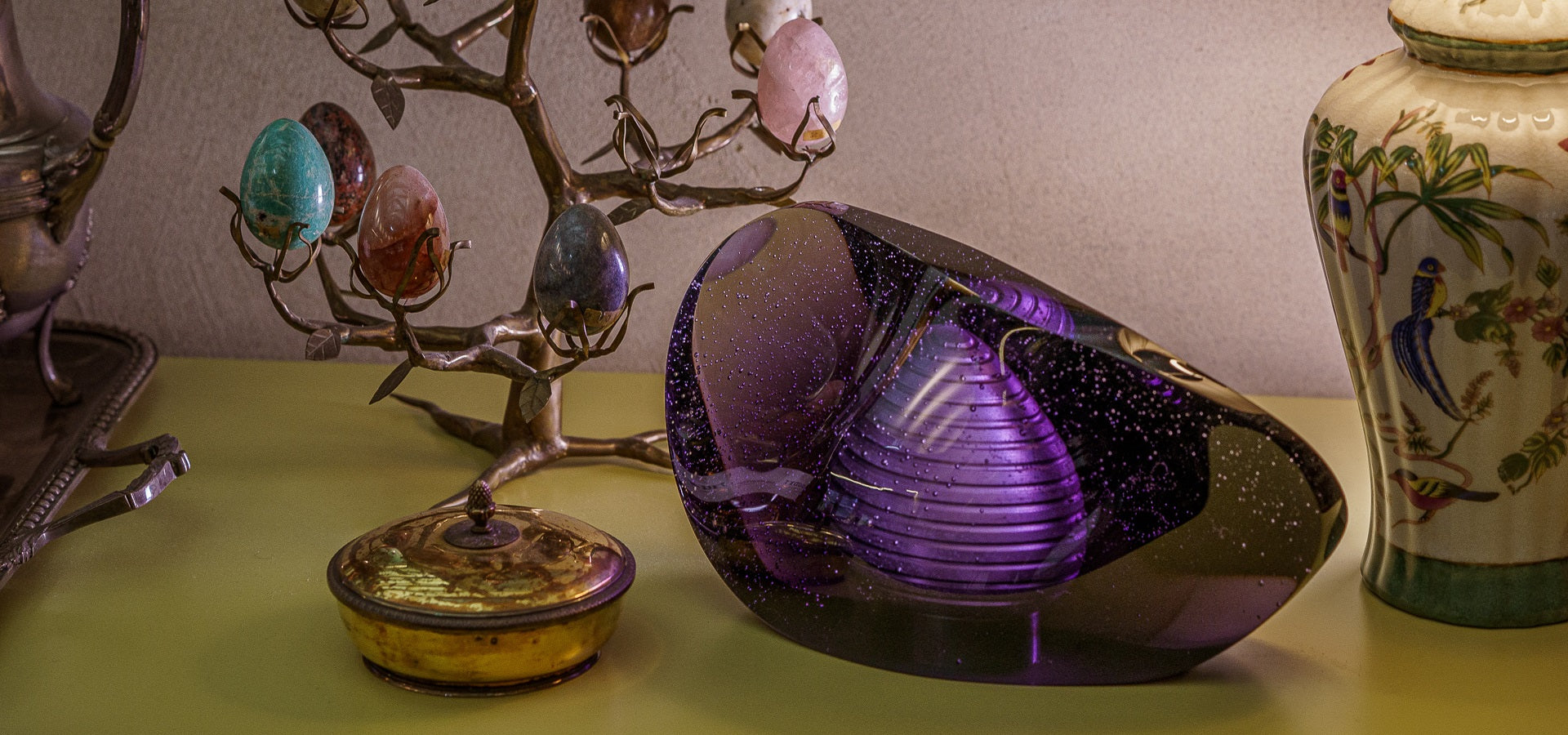
Much like traditional urns, keepsake urns come in a variety of materials. Naturally, ceramic urns tend to be quite common, but there are also handcrafted urns that feature gorgeous woodwork, stone, and glass features. Because keepsake urns are meant to be displayed in the home, they are usually crafted with beautiful, durable materials designed to last.
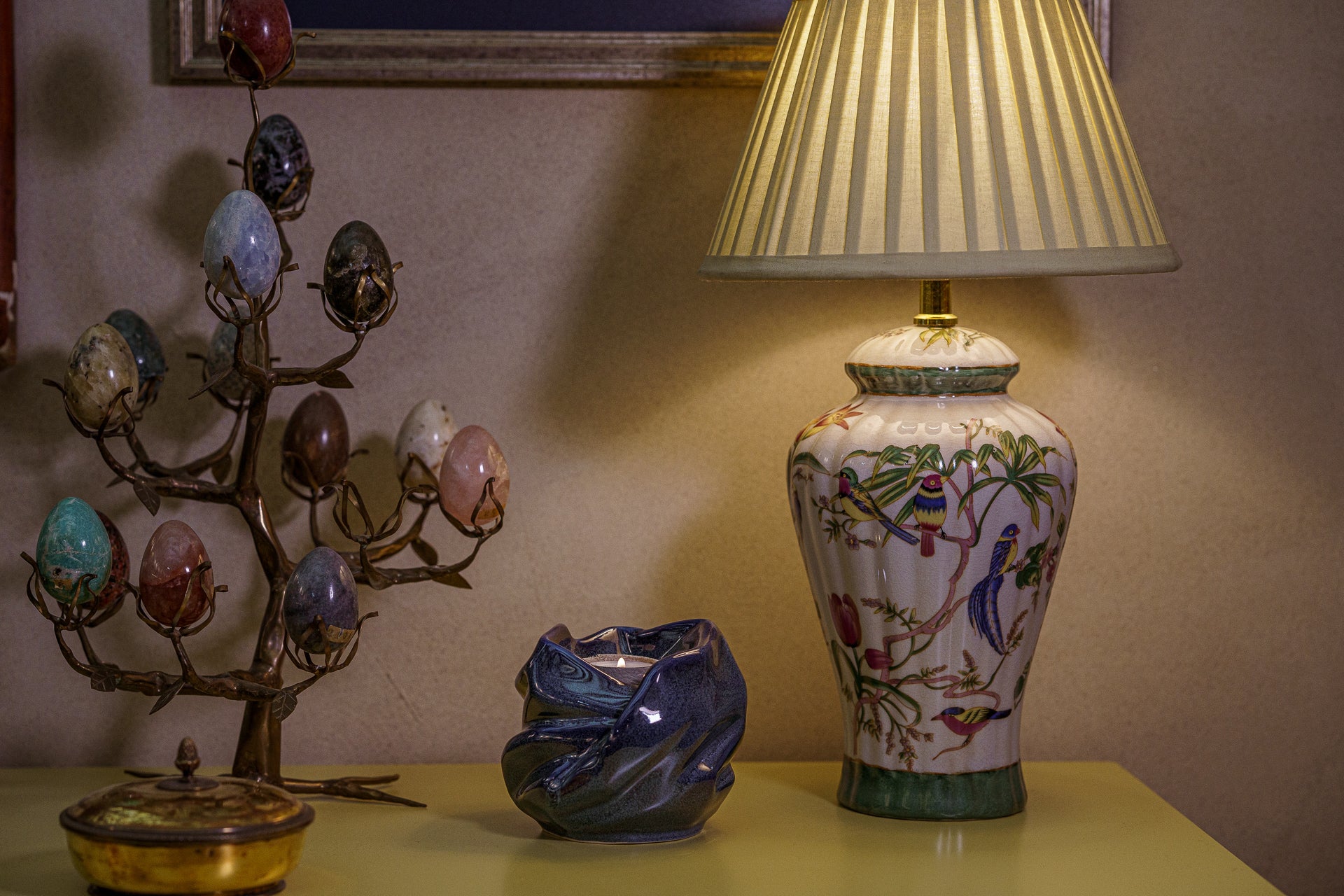
Keepsake urns come in an impressive array of designs and styles. Whether you prefer dramatic, eye-catching art urns that stand out or more subtle pieces that remain beautiful and modern without drawing too much attention, there are keepsake urns that suit all of these tastes. There are even some keepsake urns that are designed to incorporate candles in the display, creating a more intentional memorial for remembering a late loved one.

However, it's important to keep in mind that keepsake urns are not suitable for holding the entire amount of cremated remains. If you want to keep the full amount of ashes at home, a larger urn may be a better option. Additionally, it's important to ensure that any keepsake urns you choose comply with any applicable laws or regulations in your area.
Yet the true beauty of keepsake urns is that they are designed to accommodate a small portion of ashes, which can be an ideal solution for large families and those who already have memorial plans arranged.
------------------
Our Affiliate Program is now available. at https://www.pulvisurns.com/pages/affiliate-program-by-pulvis-art-urns
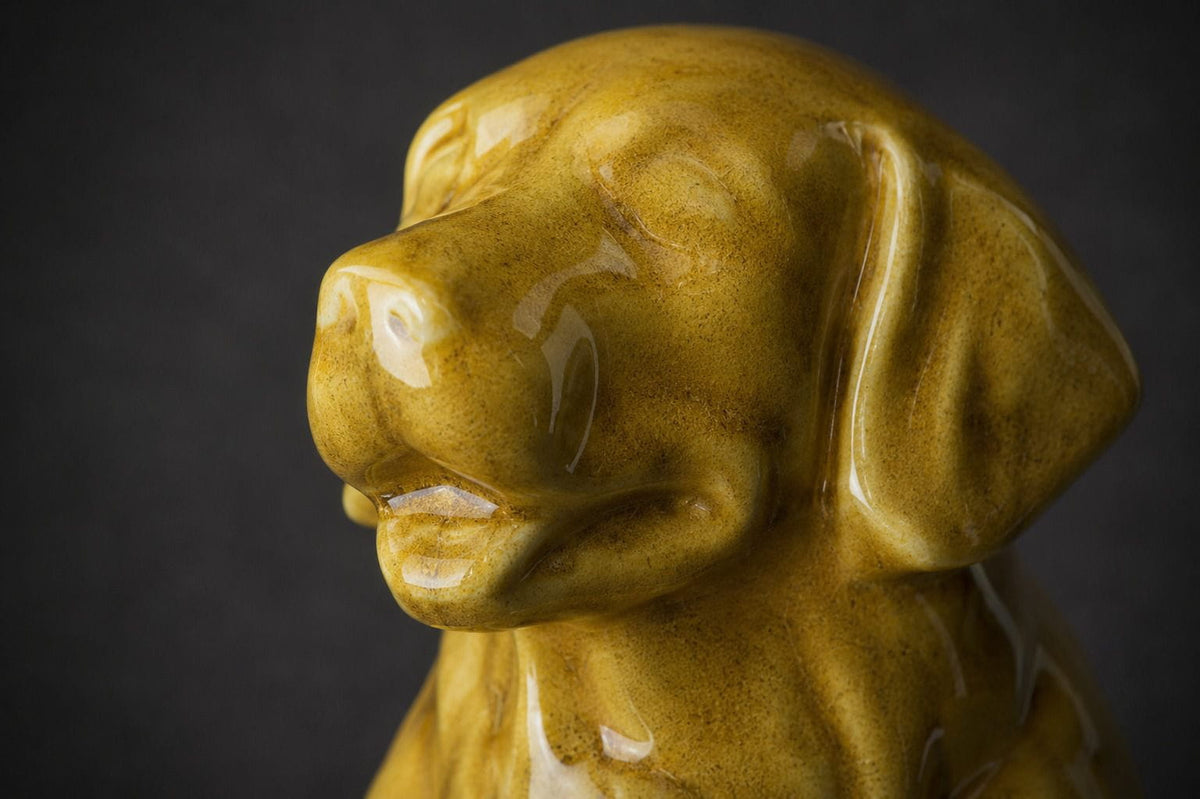
Can a pet urn be more than a vessel for ashes? Explore how craftsmanship, materials and sculptural design can transform a memorial urn into a meaningful work of art that keeps the memory of a beloved companion present.
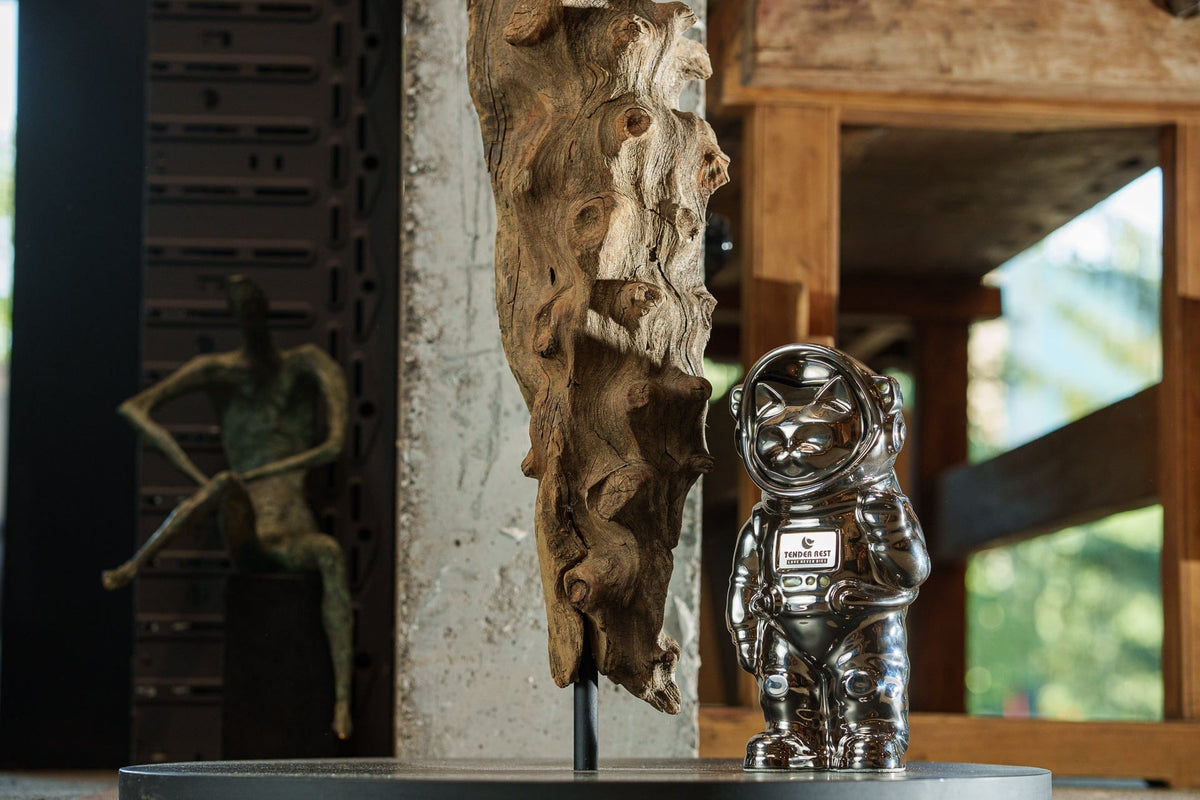
The Pet Funeral Is Changing: What Modern Goodbyes Look Like
Pet funerals are changing as animals become an increasingly important part of our families. Discover how cremation, memorial ceremonies, personalized urns and new rituals are creating more personal ways to say goodbye to a beloved companion.
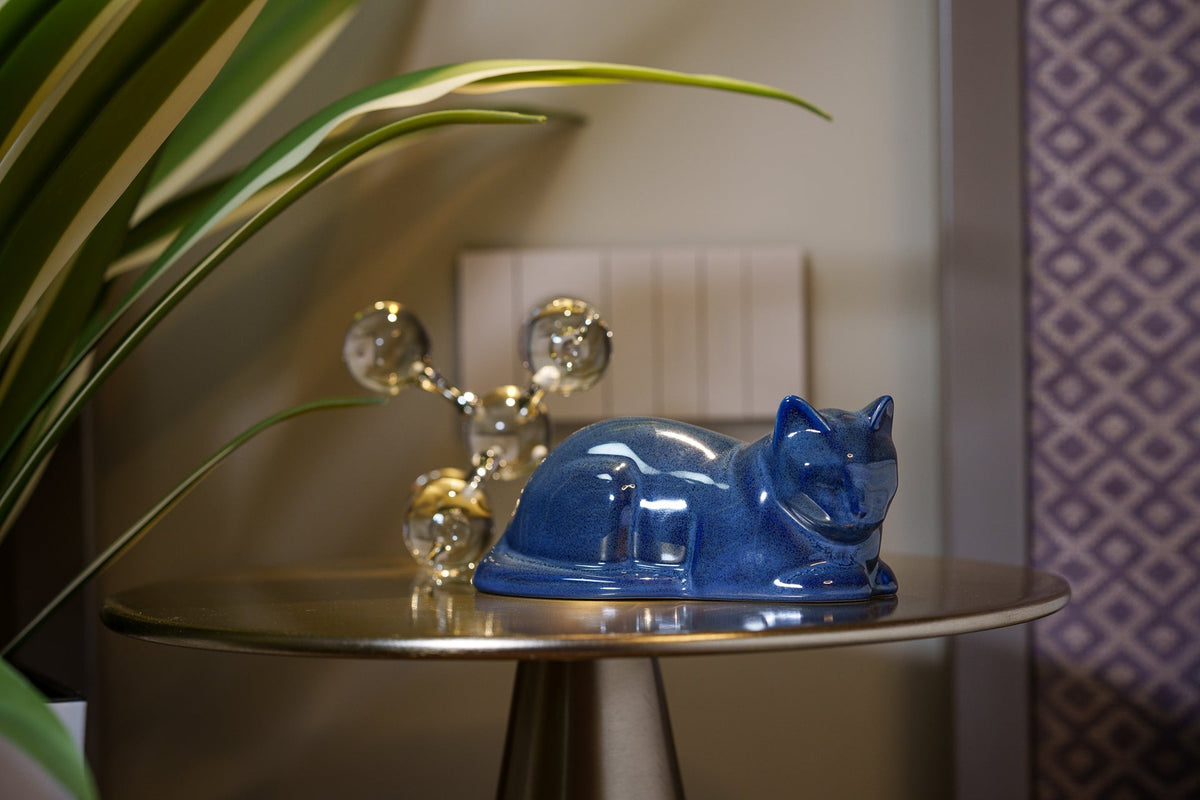
Can the Design of a Pet Urn Change the Way We Grieve?
Can the design of a pet urn influence the way we experience grief? Explore how meaningful materials, forms and memorial design can help transform loss into a lasting connection with a beloved companion.

What Are the Most Unique Urns Available Today?
Discover the most unique cremation urns available today, from handcrafted ceramic and sculptural designs to glass, nature-inspired, personalized, and keepsake memorials. Learn what makes an urn distinctive and how to choose a meaningful design based on capacity, material, placement, and personal significance.
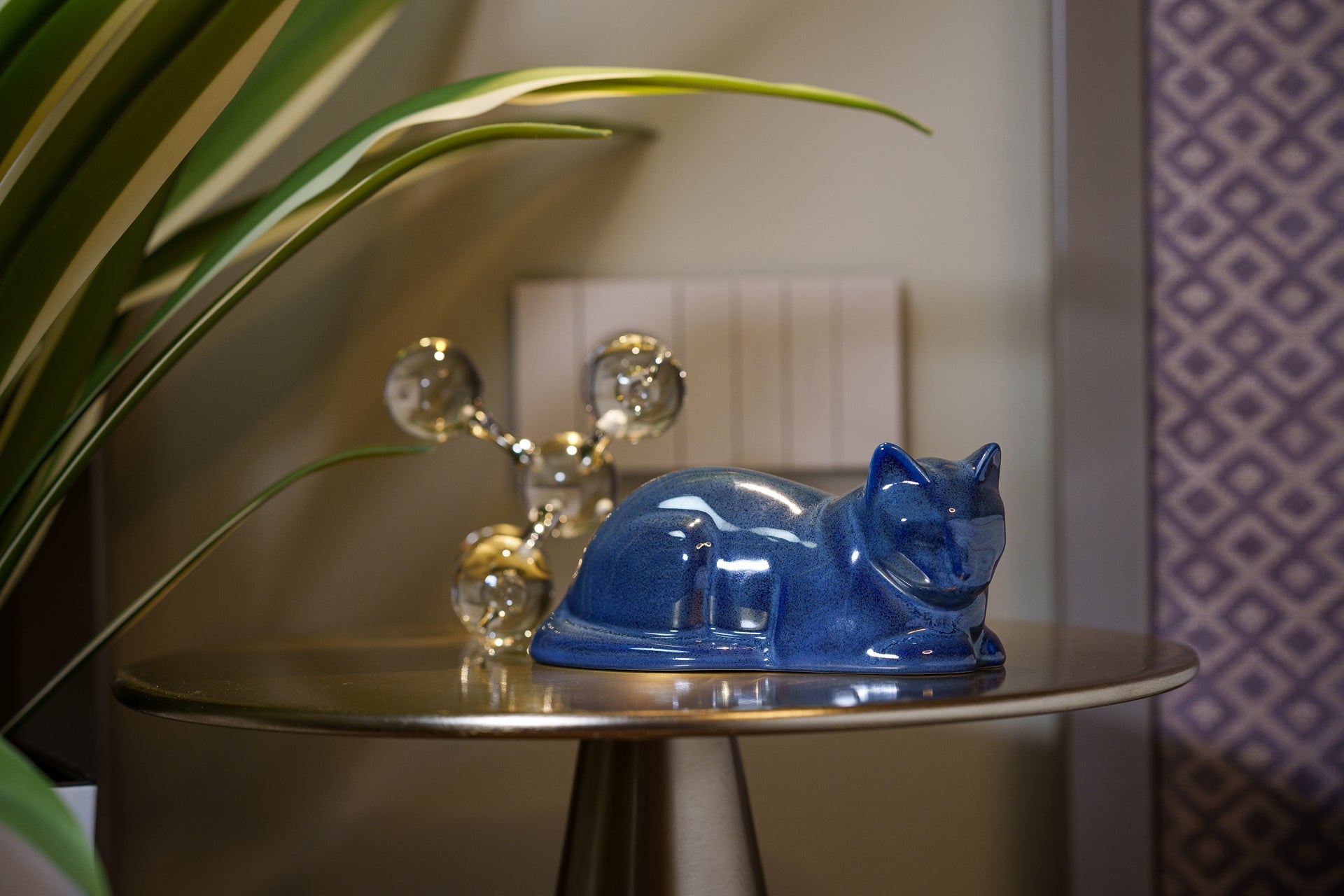
How Do You Choose the Right Pet Urn?
A practical guide to choosing the right pet urn, covering size, capacity, materials, personalization, closure, and meaningful ways to memorialize your beloved companion.


Share:
How to Choose the Best Pic for Your Pet’s Cremation Urn
10 Unique Ideas for Cremation Ashes in 2024