



Here for you: art@pulvisurns.com | (562) 609-4019
7% off your order
Use this code at checkout:
Cremation is a comparatively new trend in the USA history. In 1970, only 4.5% of Americans chose cremation as an alternative to the traditional funeral. Today, more than half of Americans choose cremation and probably almost 80% of Baby Boomers will choose to be cremated.

In the lifespan of a single generation, cremation went from something unpopular to by far the most preferred choice. What changed and why cremation became the primary choice when it comes to end of life ceremony?
Here are eight broad-brush reasons why most Americans are choosing cremation:
Cremation can replace the need for the more elaborate ground burial ceremony involving casket, viewings, pall bearers, etc. A cremation urn or a keepsake is smaller and therefore much easier to handle than a full-sized casket. The ceremonies after cremation are usually simpler, but not less meaningful and respectful.

In comparison, the cost of a cremation is much less than that of a traditional burial. Depending on whether you choose to include a service as well, you can expect to pay anywhere from $2,000 - $8,000. The cremation process demands the transporting the deceased to your chosen crematorium in a coffin or casket. This is usually included in the price of the service.

Cremation does not require a grave or headstone and many families skip embalming. Not to mention that cremation urns for ashes are generally much cheaper than caskets.
The popularity of cremation has grown with the environmental movement and greater awareness for the nature and global warming. As Americans have become more focused on sustainability and the importance of protecting our planet, more and more of them choose cremation.

Cremation does have some effects on the environment with carbon emissions, but as technology advances the impact on the nature is lessening. There is of course some debate, but generally cremation is greener and more eco-friendly.
While family and religious traditions still play an important role in people’s lives, there is a general trend away from traditionalism, or tradition for the sake of tradition. For some, it’s an extension of religious beliefs, and people often put much thought into their wishes.

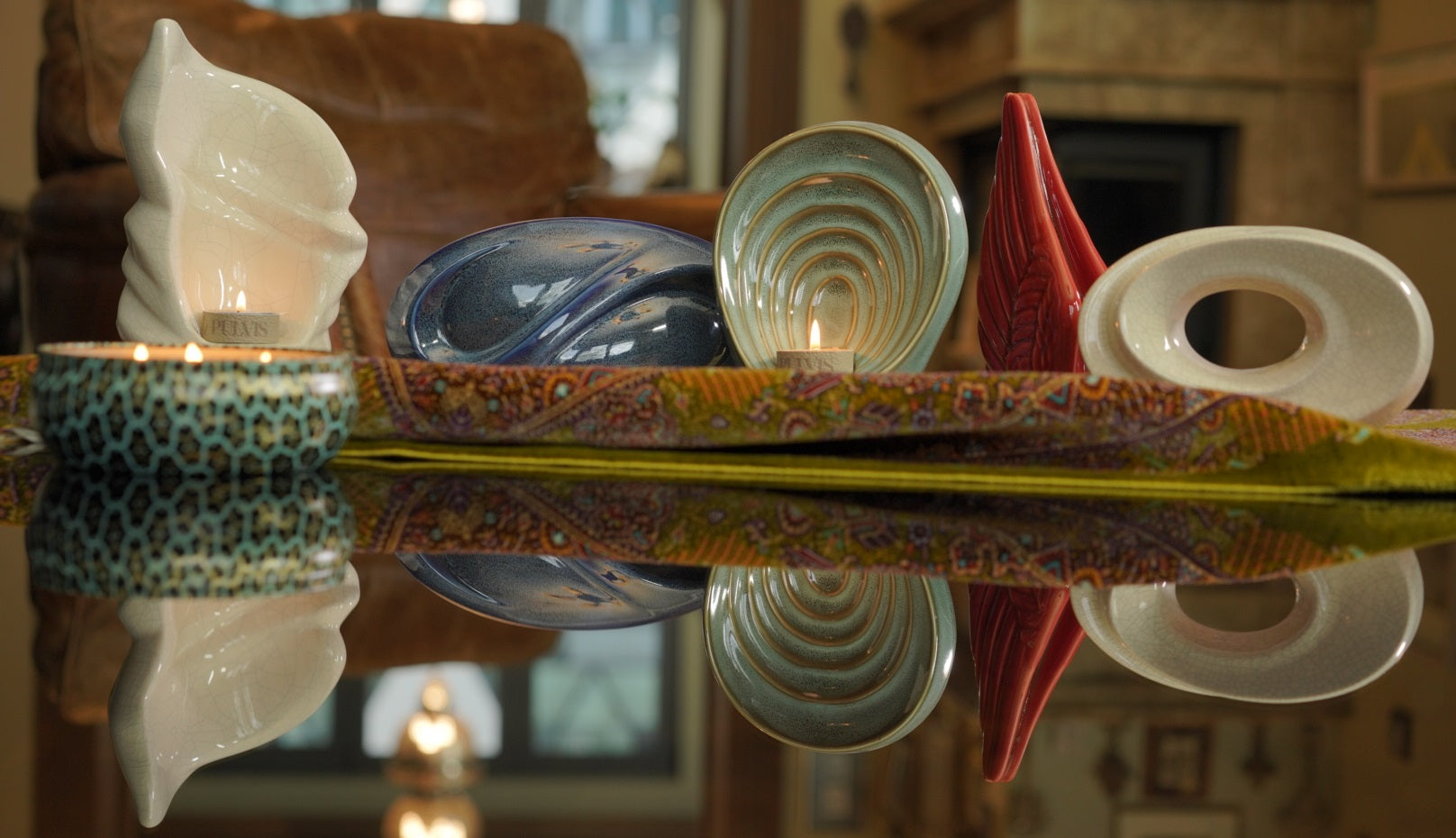
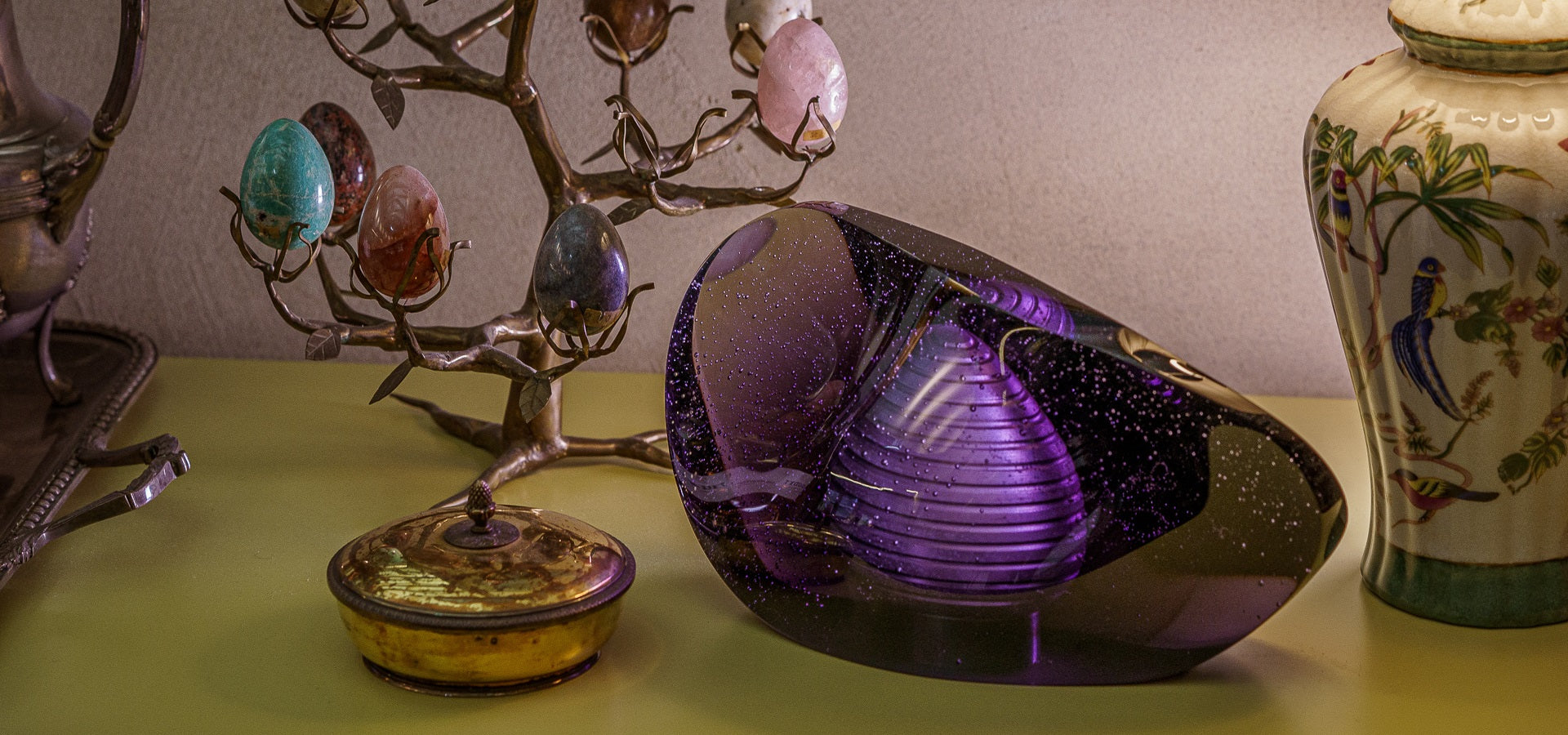
More and more families prefer to celebrate their loved one’s life in a unique and personal way. Cremation offers the flexibility for loved ones to choose a completely one-of-a-kind memorial urn or keepsake for their loved ones. Urns come into numerous shapes and materials, as well as in different price range.
Numerous urban cemeteries in some of the biggest cities in the U.S. (and not only) are experiencing a land shortage and face the prospect of running out of room for more burial ceremonies in the near future.

Given that 78 million Americans will reach the life expectancy age of 77 between 2025and 2045, if all those individuals were buried in standard plots, U.S. cemeteries would need an additional 140 square miles, according a recent study. That is one of the main reasons why cremation is becoming a preferrable choice.
Scattering ashes is often thought to be a spiritual act for saying goodbye. It provides an opportunity to memorialize them in a way that is unique only to your loved one. After the cremation has taken place, there’s almost a countless number of places you can think of to scatter the cremains. Storing them in a unique urn for ashes and scatter them later is always an option.
As family members move to new cities throughout the world, it also became harder for the children to visit their family burial plots. Parents often find it hard to decide if they should be buried near their own parents or their children. When multiple children have moved across the country, it becomes even more difficult to find a family place.

A beautiful urn or keepsake for ashes solves this problem, as cremation ashes can be moved freely in one place to another.
Many people choose to donate their bodies to medical science after their death. This can mean research, organ donation, or a combination of the two. Donating your body for medical research certainly helps science, but it can also mean good savings. Facilities that accept donations provide a free cremation — which typically costs $1,500 to $3,000 — and generally return the ashes after a couple of weeks.
------------------
Our Affiliate Program is now available. at https://www.pulvisurns.com/pages/affiliate-program-by-pulvis-art-urns
Which urn size do I need?
A simple rule: about 1 cubic inch of urn per pound of body weight.
Every product page lists the urn's capacity. Keepsake urns hold a small portion of ashes to share.
Need it by a specific date?
Free shipping · Delivery in 3–5 business days
Express delivery in up to 3 business days – choose it at checkout
Need help choosing?
Talk to our team – we're happy to help you find the right urn.
(562) 609-4019 art@pulvisurns.comSend us a message
Can Animals Sense When Another Animal Is Dying? What Science Reveals About Their Awareness
Can animals sense when another animal is approaching death? From dogs' extraordinary ability to detect changes in scent to elephants' responses to dying companions, scientific research reveals how animals recognise illness, respond to changes in their social environment and react to death.
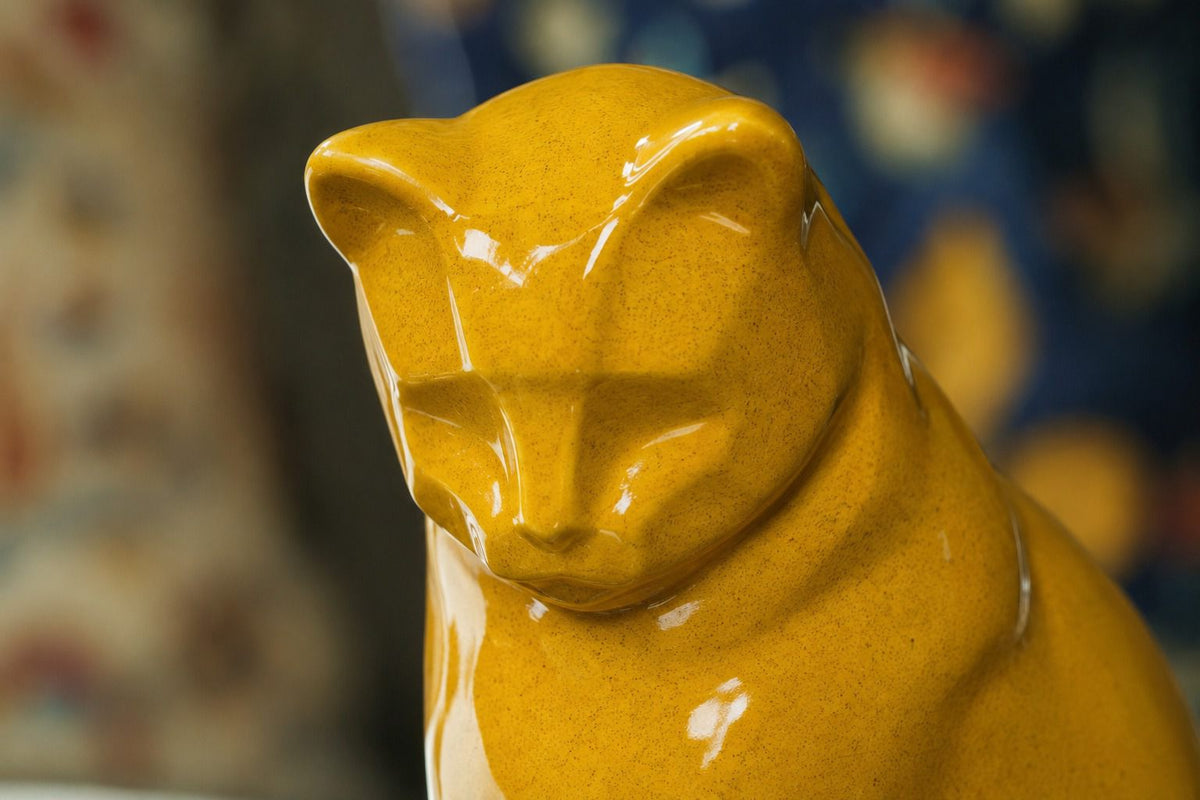
Who Regulates the Pet Aftercare Industry? Understanding the Rules Behind a Final Goodbye
Pet aftercare is often treated as a matter of trust, but who ensures that cremation providers handle animals' remains responsibly? From European legislation and voluntary industry standards to licensing requirements in the United States, this article examines the regulations, gaps and questions surrounding an industry that deserves greater transparency.
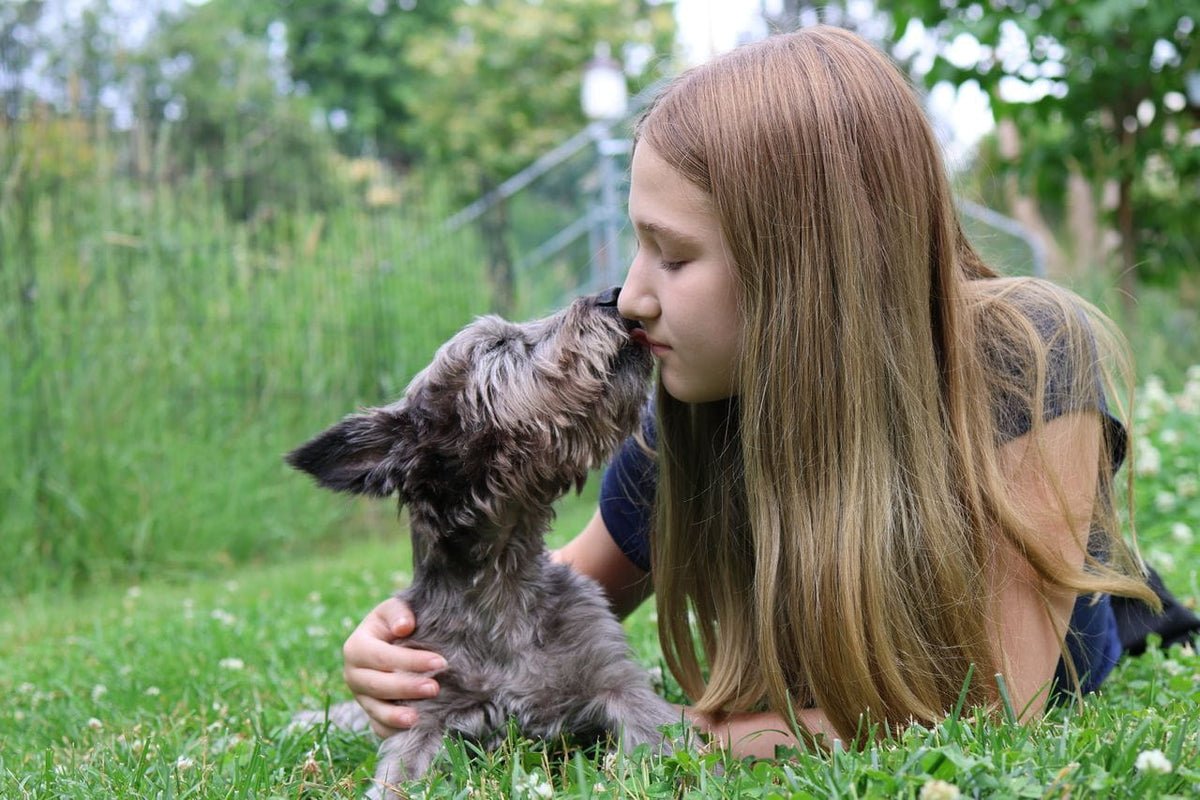
What Happens When a Pet's Ashes Are Not Collected?
What happens when a pet's ashes are never collected? Discover how crematoriums handle unclaimed remains, what owners should know about collection policies and what options may be available.

The Guilt of Feeling Better After Losing a Pet
Feeling better after losing a pet can bring unexpected guilt. Discover why happiness does not diminish the bond you shared and how grief changes over time.
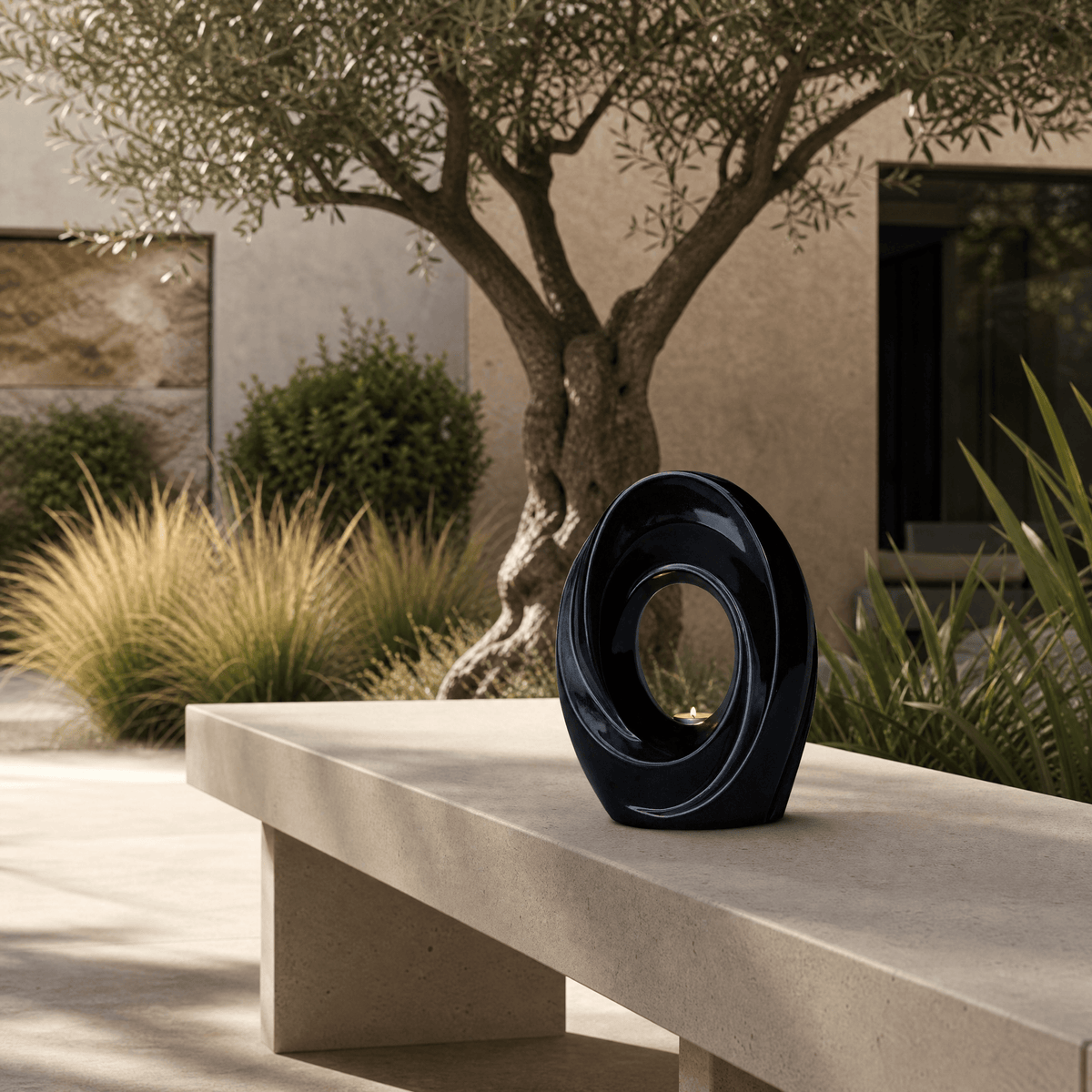
What Is the Best Material for a Cremation Urn?
Discover the best material for a cremation urn by comparing ceramic, metal, wood, glass, and biodegradable options to find a meaningful, lasting memorial for your loved one.


Share:
Living with Cremation Ashes in the House? A rising trend in America.
10 Creative Cremation Ashes Ideas (part two)