


Here for you: art@pulvisurns.com | (562) 609-4019
7% off your order
Use this code at checkout:
Whether you’re familiar with keeping urns at home or you’re just learning about this way to honor a loved one, there are few important things you may have overlooked. Keeping the cremation ashes of a loved one at home can be a meaningful way to honor their memory and keep them close.
One common myth is that cremation ashes all end up the same – in a dull, dark vessel that collects dust. This couldn’t be further from the truth! There is no longer a one-size-fits-all approach to storing ashes, and the format you select can truly be as unique as the person you’re honoring.

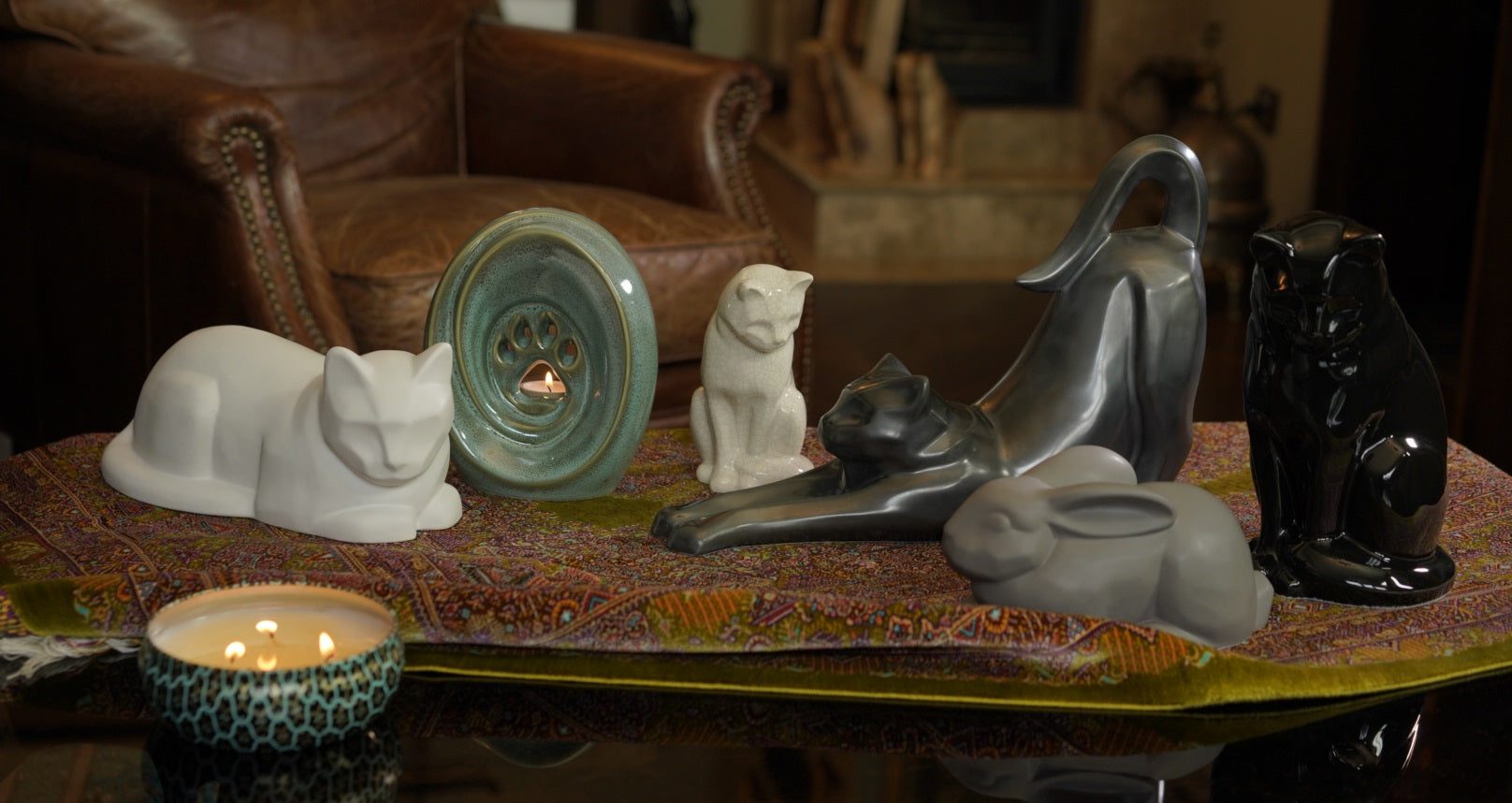
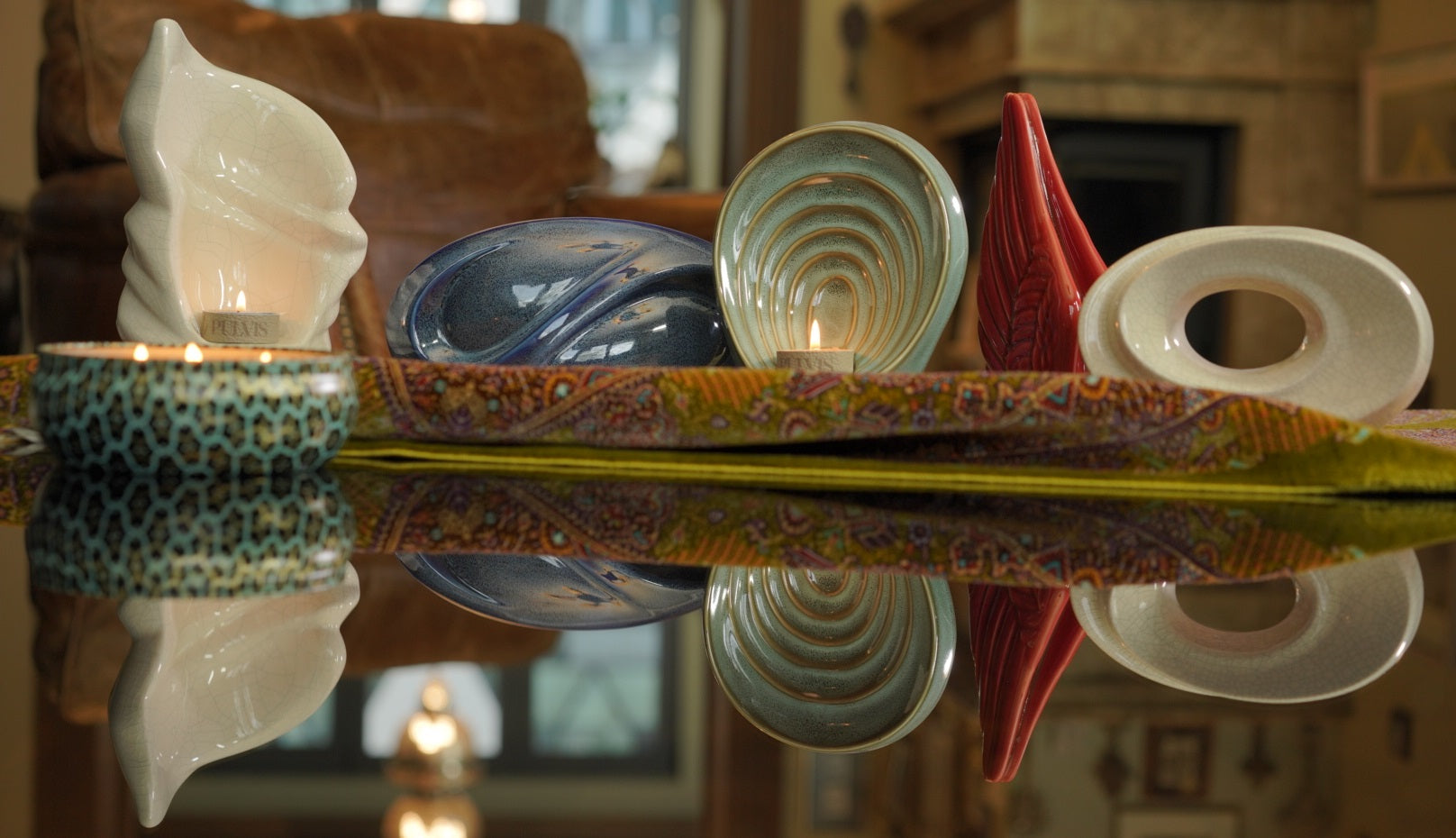
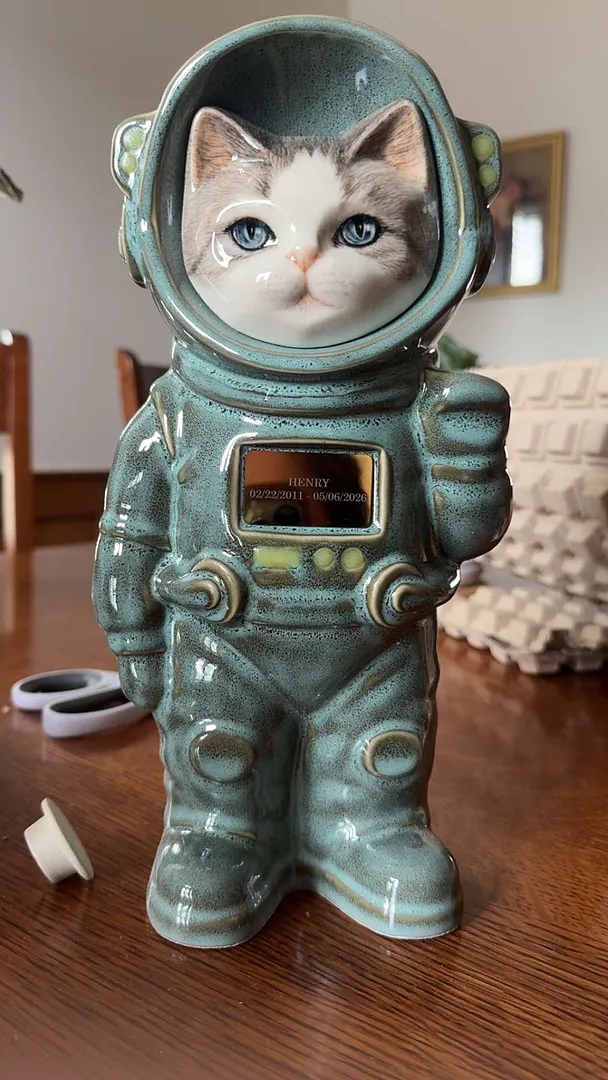
The options are endless, including stylish metallic keepsakes for ashes, biodegradable vessels, and even tattoos applied using the ashes of a loved one. If you decide on a ceramic urn, you’ll have a wide array of options. With artisan urns and handcrafted urns providing a dazzling selection of vessels, it can be a beautiful process to select the unique ceramic urn that best captures the spirit of your loved one.
Be sure to check local laws and regulations regarding the storage and scattering of cremation ashes. Some areas may have specific guidelines or restrictions that you need to follow.
While many picture the ceramic urn on a mantle, this isn’t the only spot to consider. It’s important to recognize how big of a role you want the urn to play in your home. For those who want the ceramic urn to remain prominent enough to be enjoyed by visitors, selecting a table, mantle, or bookcase in the living room may be perfect. Others may select a more private space, such as the bedroom. Or, consider a space your loved one enjoyed frequently, such as a reading room. Discuss with other family members if they are comfortable with the idea of keeping the ashes at home. It's important to come to an agreement that everyone is comfortable with.
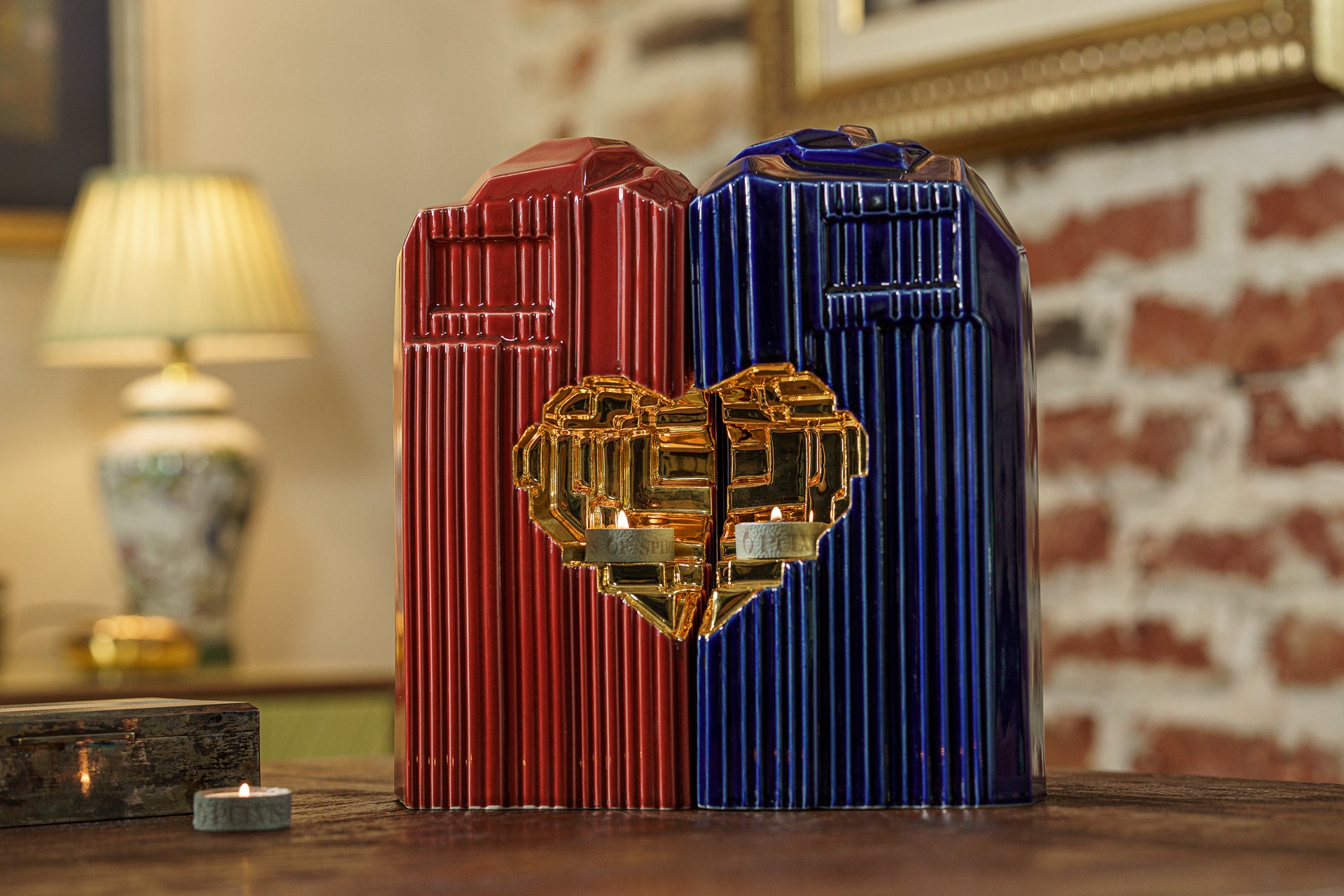
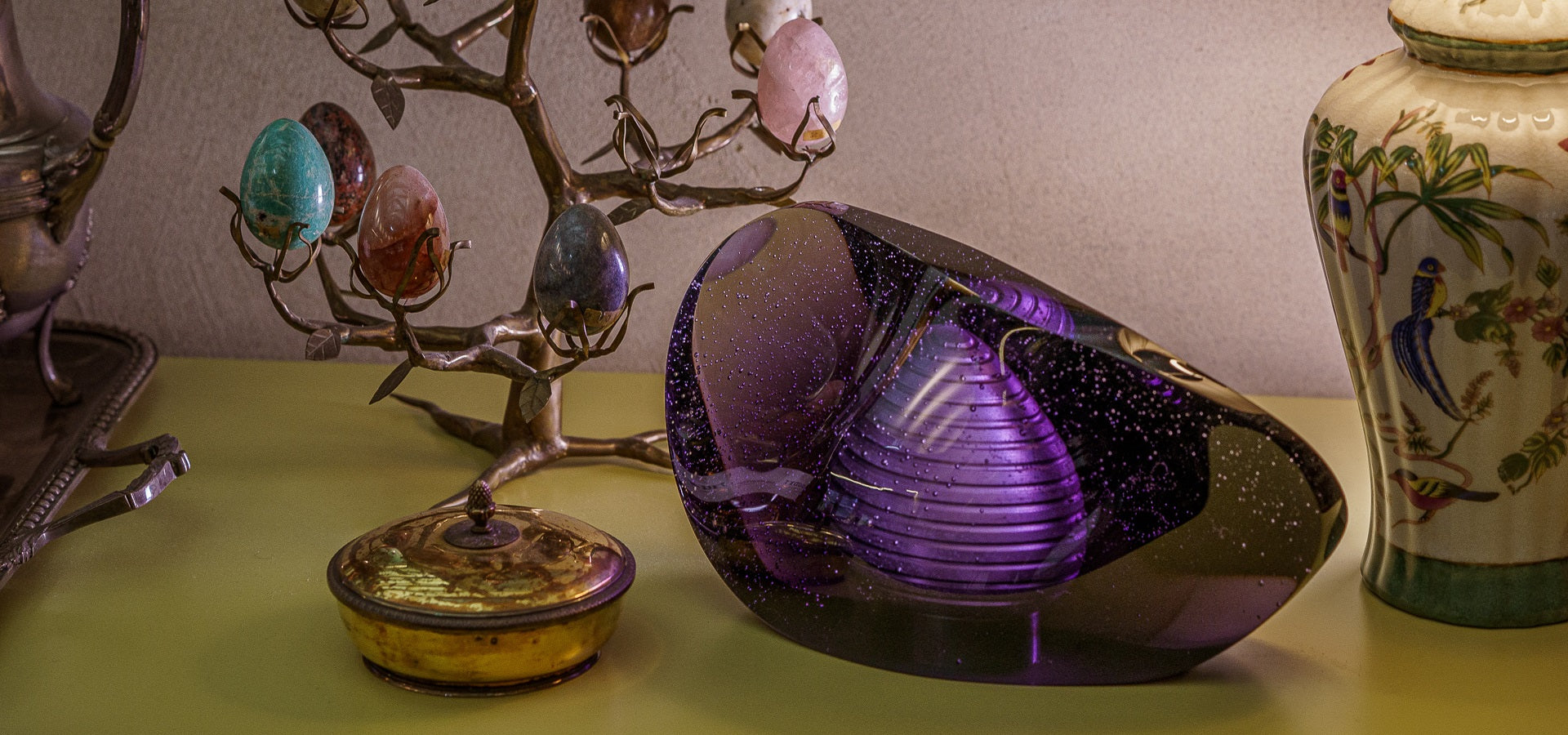
Another element to consider is how the urn can be integrated into the décor. Art urns are particularly advantageous in this regard. Many of our handmade urns feature alluring designs that blend well with any interior. From subtle to striking, religious to natural, Pulvis Art Urns feature stunning designs that emanate the sincerity and emotion of remembering a loved one.

When selecting the perfect spot, consider height and stability. If children or pets are present, display the urn in a place they’re unable to reach. It’s also important to ensure that furniture is stable. Even a slight wobble can pose a problem.
When transferring ashes into a new container, take your time and prepare. Check the new vessel in advance to ensure that it’s large enough. If the ashes were provided in a sealed bag, cut a small hole at one of the corners so you can easily pour the ashes into the new container. Or, simply transfer the entire bag.
Store the ashes in a secure and safe location away from pets, children, and potential hazards. It's also a good idea to keep the urn or container clean and well-maintained.
Because handcrafted urns rely on high-quality materials and finishes, they do require specific care. The material will determine what cleaning element to use or avoid. For ceramic urns, wipe away dust using a soft, dry cloth. Avoid using water or any other damp cleaning solution, as this can damage the delicate finish on ceramic urns.

Finally, honoring your loved one’s wishes can be a powerful experience. Some request to have their ashes scattered in a favorite place, such as near a tree in the backyard. Others determine a specific spot in the house that they loved, and thus a ceramic urn or keepsake can be displayed there, bringing the peace of knowing your loved one’s wishes were fulfilled.
Think about what you plan to do with the ashes in the future. If you move or pass away, who will be responsible for the ashes? It's important to have a plan in place.
Ultimately, the decision to keep cremation ashes at home is a personal one. Consider these factors carefully before making your decision, and do what feels right for you and your family.
Join us in helping families honor the memory of their loved ones and pets through art!
Our Affiliate Program is now available at https://www.pulvisurns.com/pages/affiliate-program-by-pulvis-art-urns
Which urn size do I need?
A simple rule: about 1 cubic inch of urn per pound of body weight.
Every product page lists the urn's capacity. Keepsake urns hold a small portion of ashes to share.
Need it by a specific date?
Free shipping · Delivery in 3–5 business days
Express delivery in up to 3 business days – choose it at checkout
Need help choosing?
Talk to our team – we're happy to help you find the right urn.
(562) 609-4019 art@pulvisurns.comSend us a message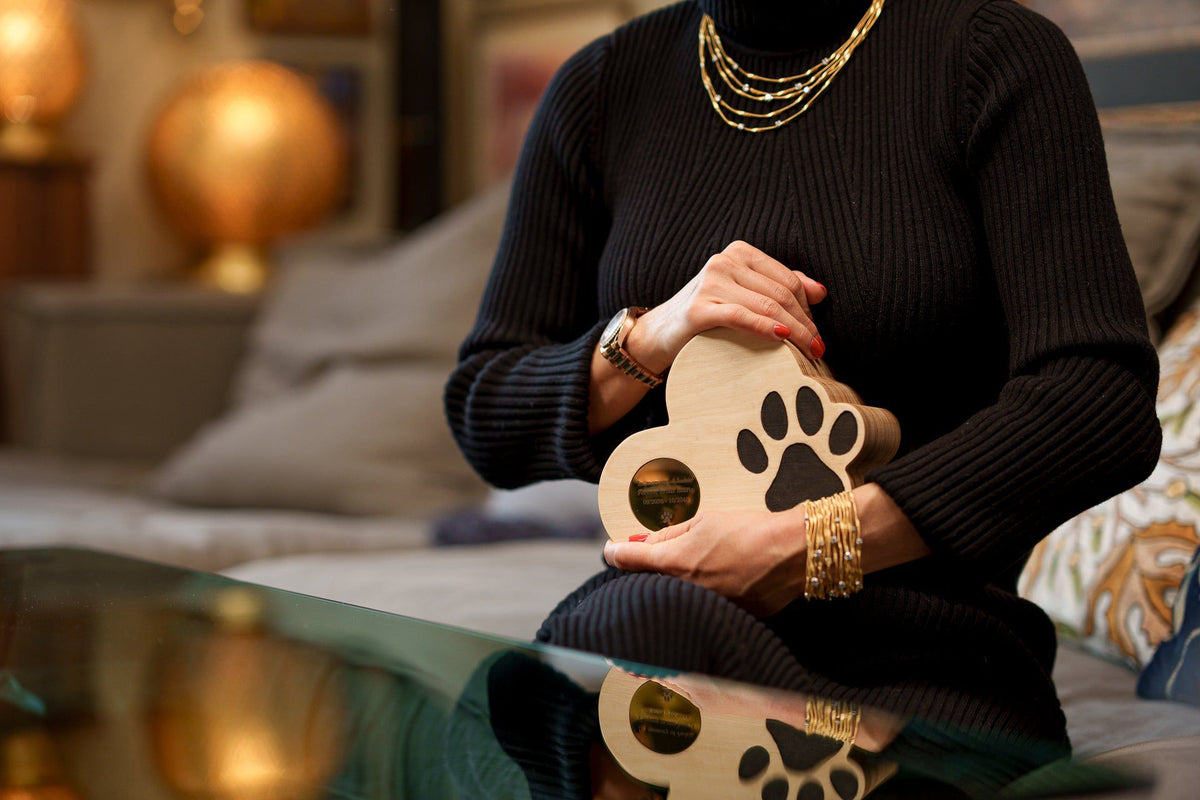
Can You Grieve a Life That Never Had Words?
Discover why losing a beloved pet can be so profound, how wordless bonds shape our lives, and how Pulvis Art Urns brings craftsmanship and thoughtful design to the art of remembering an animal companion.
What Does the Bible Say About Cremation?
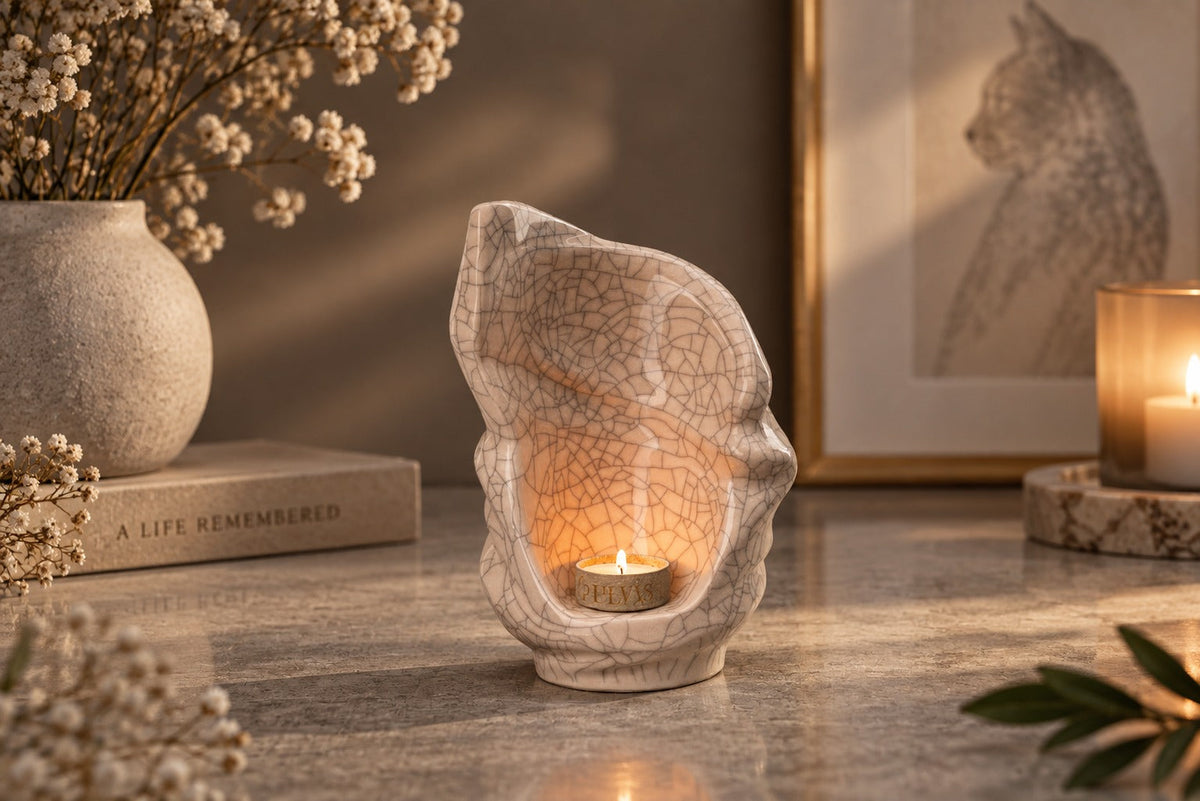
Explore what the Bible says about cremation, Christian beliefs about resurrection, and meaningful ways to honor a loved one’s memory through a thoughtful memorial.
Why Do People Light Candles for the Dead?
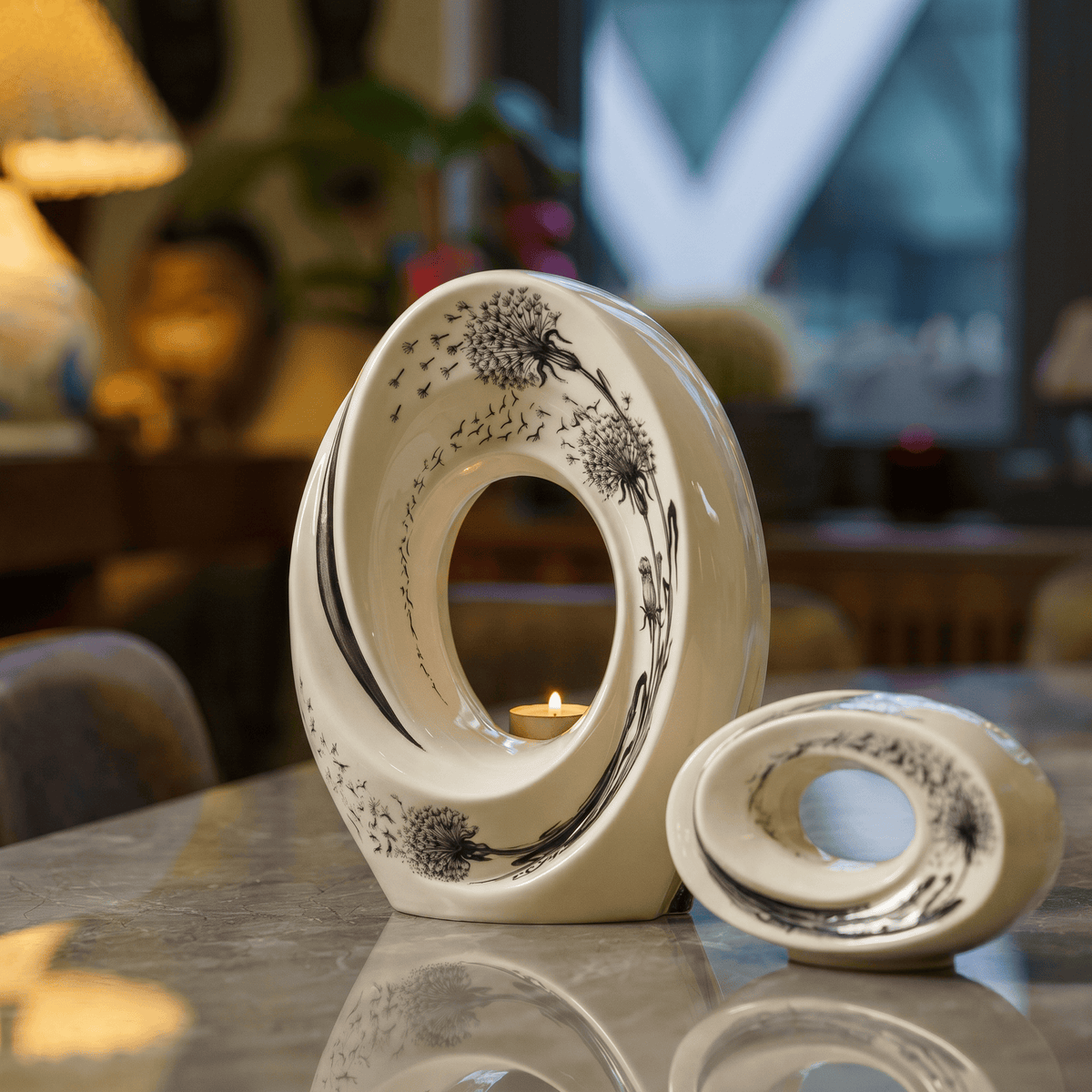
Discover the meaning behind lighting candles for the dead, exploring the traditions, beliefs, and emotions that make this simple ritual a lasting expression of remembrance, comfort, and connection within the home.

The Pet as a Witness to a Human Life
Our pets witness far more of our lives than we realise. Explore what it means for an animal to become a quiet witness to our changing homes, relationships, routines and identities — and how a memorial urn can remain as a physical connection to the life they witnessed.

Can You Inherit a Pet’s Memory?
Can we remember a pet we never knew? Explore how stories, photographs, objects and memorials can carry an animal’s memory across generations, turning a private life into part of a family’s shared history.


Share:
Cremation and Religious Beliefs
Cremation Costs Breakdown: All You Need to Know