

Here for you: art@pulvisurns.com | (562) 609-4019
Cremation can save you a lot of money, but it’s still important to familiarize yourself with the options available so you know how much to set aside for this important service. Cremation urns for ashes, keepsakes for ashes, traditional visitation, direct cremation, columbarium options – there’s a lot to think about!
This guide provides a practical breakdown of cremation costs to relieve stress and make the entire process easier.
Cremation is a great option for families on a budget, and affordability is one of the reasons why this process is becoming more popular than traditional burial.

The average baseline cost (meaning the minimum) is $9,400 for a traditional burial – including the casket, embalming, funeral home expenses, a cemetery plot, and gravestone. Compare that with the national average of $3,000-$4,000 for cremation.
Something people don’t think about is the fact that there are many different cremation options available, allowing for a range of services – and price points. Whether you need a direct cremation without a memorial or you’d like to arrange a celebration of life event with keepsakes for ashes and other embellishments, there is plenty of flexibility.
Direct cremation is the most affordable option and can typically cost $550-$900, depending on the location. Though the actual cremation itself may only cost $250, working with a funeral home is ideal, because they know who to contact and how to organize the paperwork required.

Direct cremation typically does not require fancy cremation urns for ashes or other embellishments. As the name suggests, this service does not include any viewing or visitation, nor a traditional burial plot. Direct cremation is ideal for people who prefer simple, practical arrangements.
Another thing to keep in mind is that cremation costs can vary by region. Unsurprisingly, the most expensive cities for cremation are large metropolitan districts, including New York City, Washington, DC and Houston. The larger the city, the more services available. Elaborate cremation services in these cities can easily cost $6,000 to $10,000.
As mentioned, this is mostly because there are a greater number of services available. Families who request an ornate service with expensive cremation urns, long visitation hours, and incredible memorial services should be prepared to pay more. With that said, it’s still possible to find basic cremation services in these cities for as low as $700.
Unlike burial caskets, cremation caskets are affordable. While a casket is not necessary for most cremations, it’s needed if the family chooses to have a wake or visitation before the cremation process. In this case, a casket specifically designed for cremation is ideal, and it can typically cost $500-$600.

Cremation urns for ashes are also important to keep in mind if you plan on keeping them at home or making keepsakes for ashes to distribute to close family members. Cremation urns for ashes can cost anywhere from $50 to $1,000, and ceramic urns are usually preferred for creating a beautiful display at home.
Though the funeral home usually provides urn options, it can be better to shop for cremation urns online. An abundance of options can be found online – including artisan urns and unique handmade urns – making it easier to discover something really special to honor your loved one.

Don’t forget to plan for these optional items if they aren’t part of your selected cremation package.
Cremation costs can vary. The more you know, the better prepared you’ll be to coordinate the perfect memorial for your loved one.
------------------
Our Affiliate Program is now available. at https://www.pulvisurns.com/pages/affiliate-program-by-pulvis-art-urns
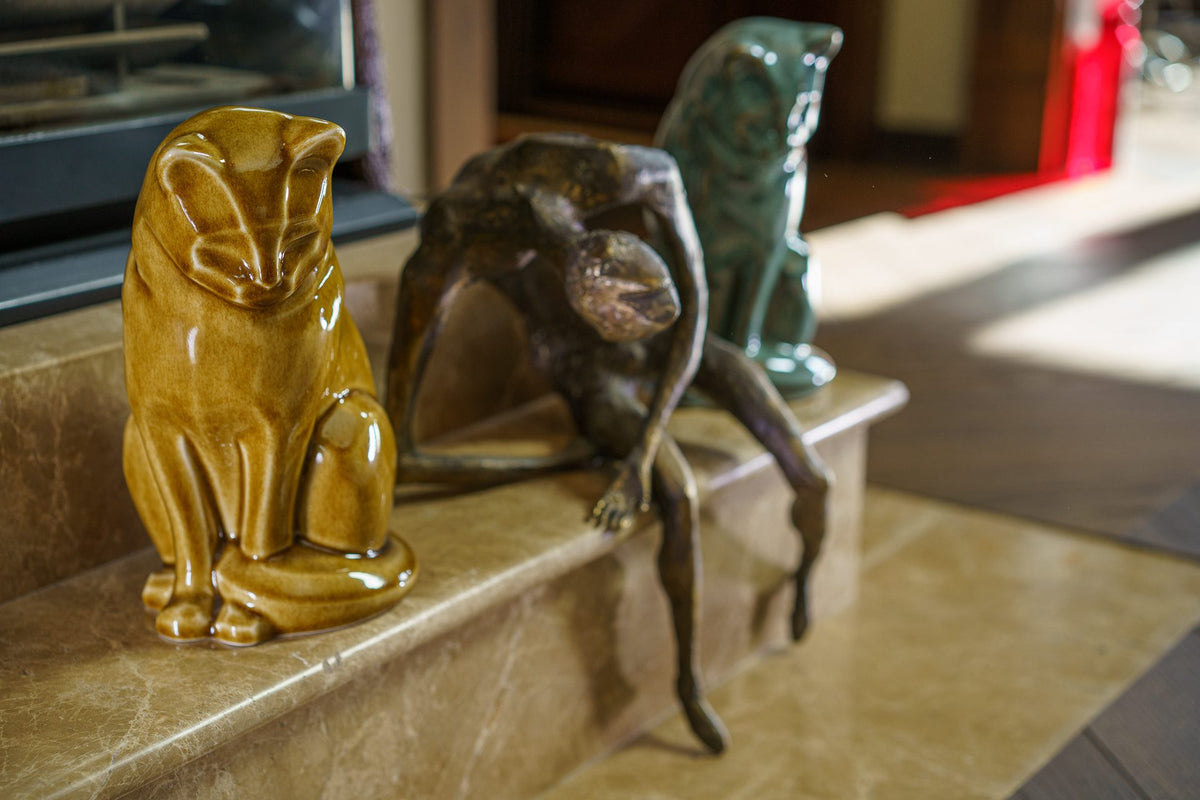
The New Aesthetics of Pet Memorials
Pet memorials are moving beyond traditional symbols of mourning. Explore how contemporary design, art, craftsmanship and materials are creating a more personal and understated aesthetic for remembering a beloved animal.
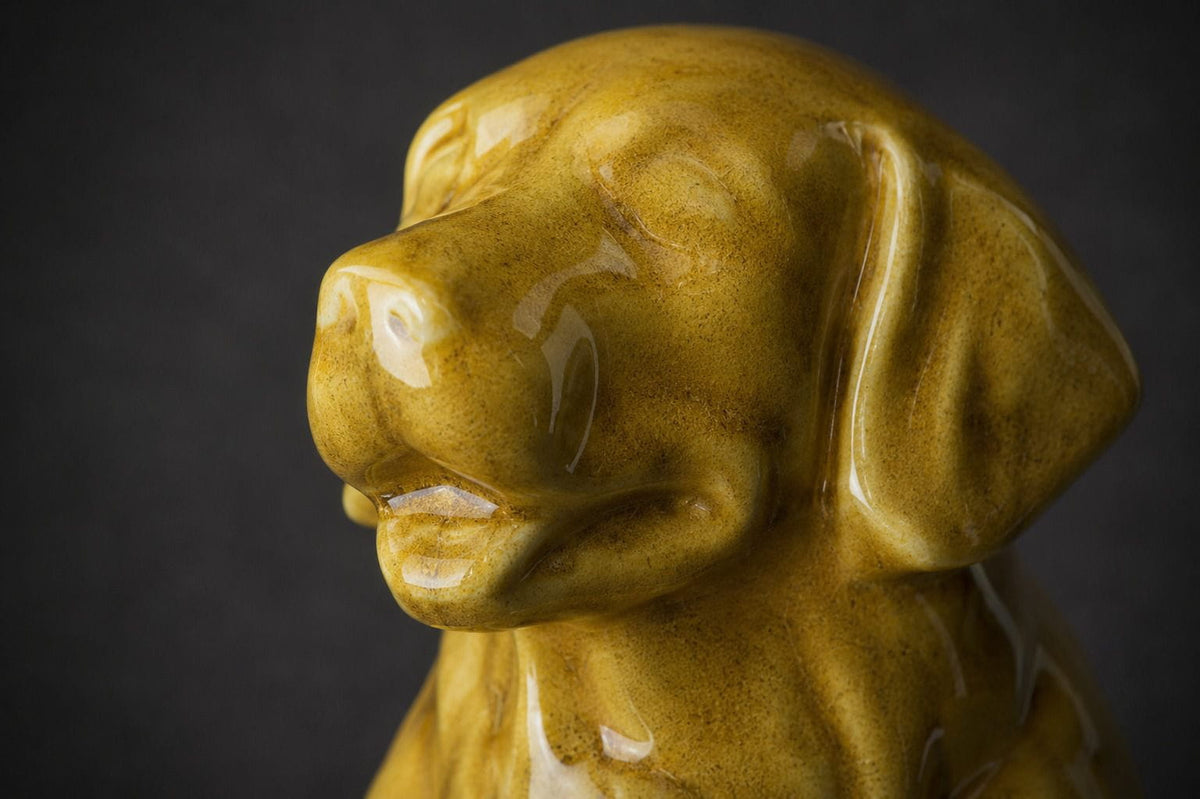
Can a pet urn be more than a vessel for ashes? Explore how craftsmanship, materials and sculptural design can transform a memorial urn into a meaningful work of art that keeps the memory of a beloved companion present.
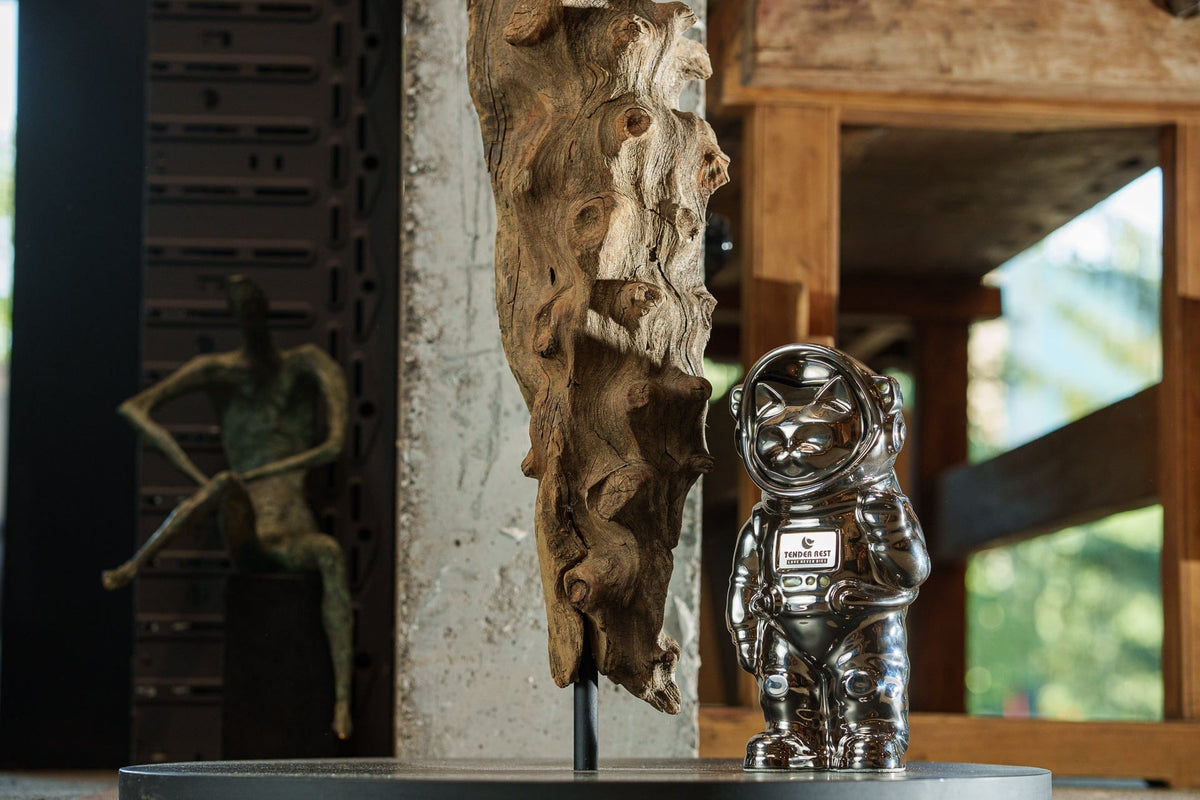
The Pet Funeral Is Changing: What Modern Goodbyes Look Like
Pet funerals are changing as animals become an increasingly important part of our families. Discover how cremation, memorial ceremonies, personalized urns and new rituals are creating more personal ways to say goodbye to a beloved companion.
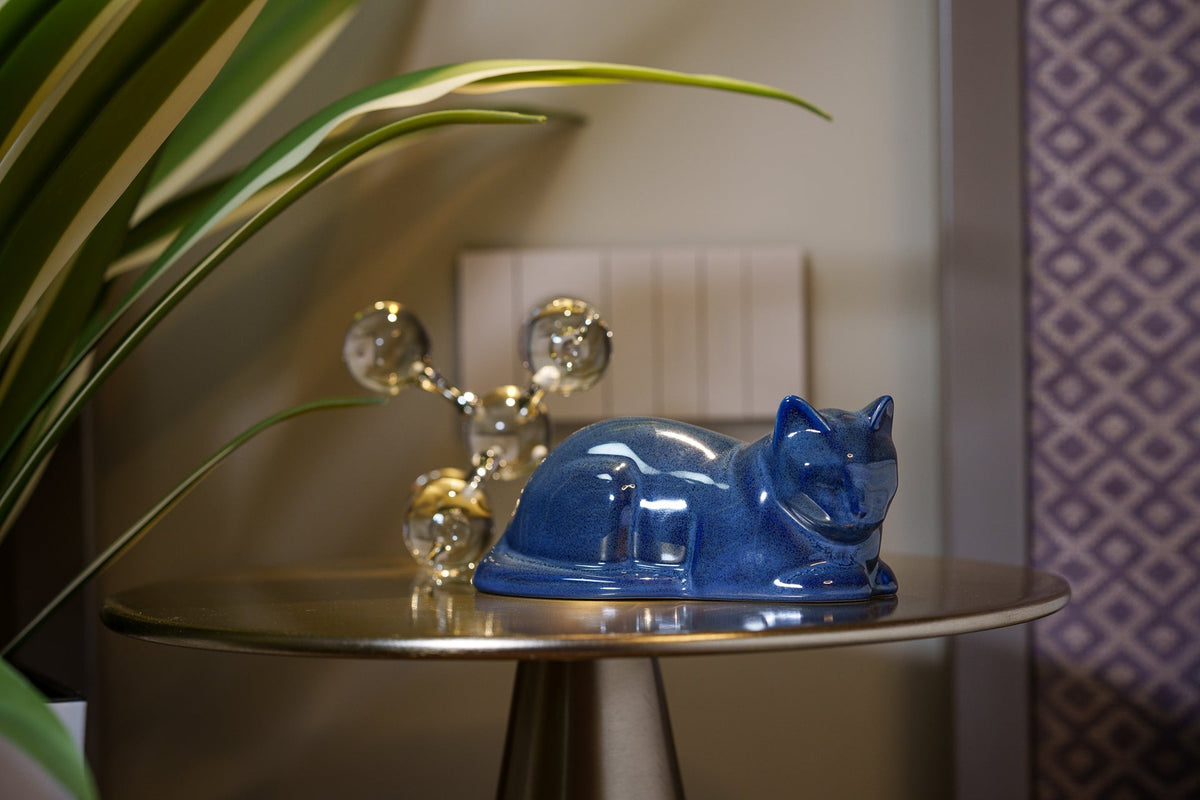
Can the Design of a Pet Urn Change the Way We Grieve?
Can the design of a pet urn influence the way we experience grief? Explore how meaningful materials, forms and memorial design can help transform loss into a lasting connection with a beloved companion.
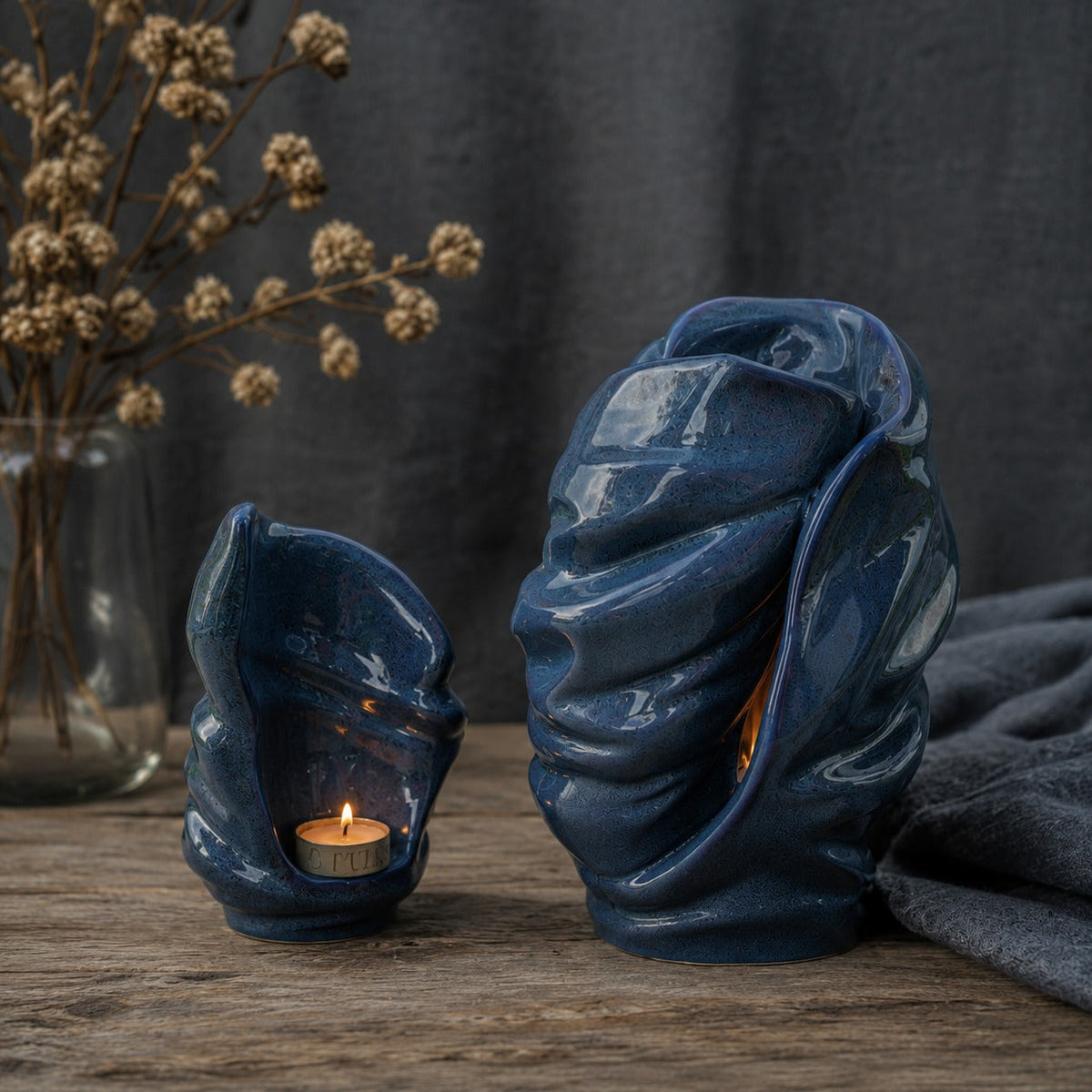
What Are the Most Unique Urns Available Today?
Discover the most unique cremation urns available today, from handcrafted ceramic and sculptural designs to glass, nature-inspired, personalized, and keepsake memorials. Learn what makes an urn distinctive and how to choose a meaningful design based on capacity, material, placement, and personal significance.


Share:
6 Things to Consider When Keeping Cremation Ashes at Home - 2023
Cremation Services in California – What You Should Know