


Here for you: art@pulvisurns.com | (562) 609-4019
7% off your order
Use this code at checkout:
When saying goodbye to a loved one, one of the most important and personal decisions families face is how to handle their final resting place. Cremation has become an increasingly popular choice due to its flexibility, affordability, and the various meaningful options it offers for memorialisation. Central to this process is the cremation urn—a vessel designed to hold the ashes of the departed. But what exactly is involved in the cremation urns process, and what are the benefits of choosing one?
This blog aims to provide a complete overview of the cremation urns process, from cremation itself to selecting the ideal urn and understanding the emotional, spiritual, and practical benefits it can bring.
A cremation urn is a container designed to hold the cremated remains—commonly referred to as ashes—of a deceased individual. Urns can be made from a wide range of materials including ceramic, wood, metal, glass, or biodegradable substances. The style, size, and design of the urn are often selected based on personal preference, cultural or religious traditions, and intended use—whether for display, burial, scattering, or keeping in a columbarium.

Before discussing the urn, it’s important to understand the cremation process itself:
1. Preparation: The body is prepared and placed in a combustible container. Identification procedures are followed strictly to ensure the remains are accurately returned to the family.
2. Cremation: The body is exposed to high heat in a cremation chamber. This typically takes two to three hours, reducing the body to bone fragments.
3. Processing: Once cooled, the remaining fragments are processed into a fine, sand-like consistency—what we typically refer to as "ashes."
4. Transfer to Urn: The cremated remains are then placed into a basic container or a chosen urn. Families may provide their own urn, or select one from the crematorium or a specialised provider like Pulvis Urns.
Selecting a cremation urn is both a personal and symbolic decision. The urn not only serves as a container but often reflects the personality or memory of the loved one. Here are some key factors to consider:
Each material has its own aesthetic and symbolic qualities:
· Ceramic: Classic and artistic, ideal for display
· Metal: Durable and traditional, often chosen for burial
· Wood: Warm and natural, often used in home memorials
· Biodegradable: Perfect for eco-conscious burials or water ceremonies
Urns come in various sizes to accommodate different needs:
· Standard urns: Hold the full remains of one adult
· Keepsake urns: Smaller urns for sharing ashes among family
· Companion urns: Designed for two individuals
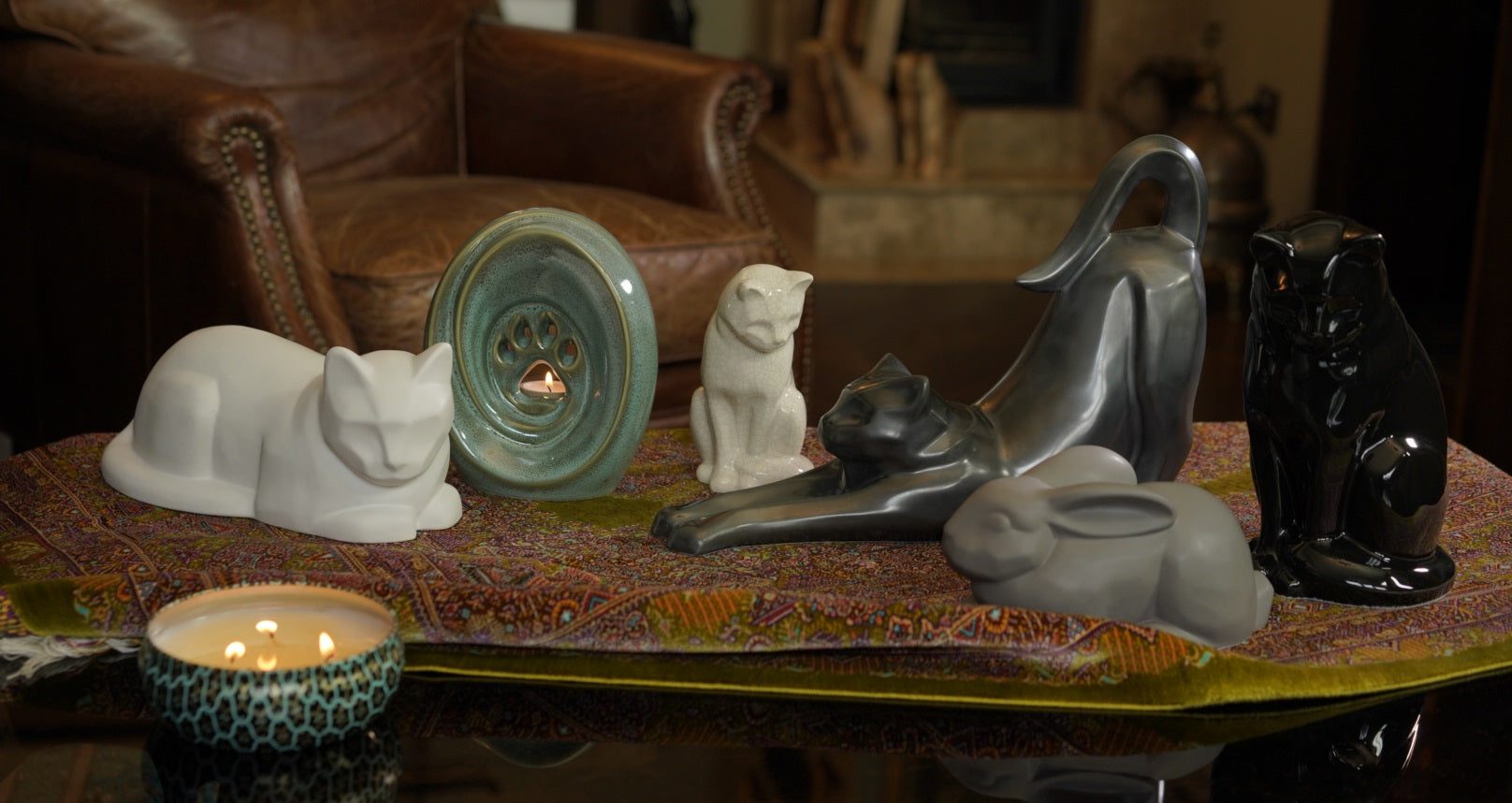
· Pet urns: Specifically designed for the cremated remains of pets
The intended use of the urn helps guide the selection:
· Display: Consider aesthetic appeal and craftsmanship
· Burial: Choose a durable or biodegradable option
· Scattering: Lightweight and easily portable
· Columbarium: Ensure it meets niche size specifications
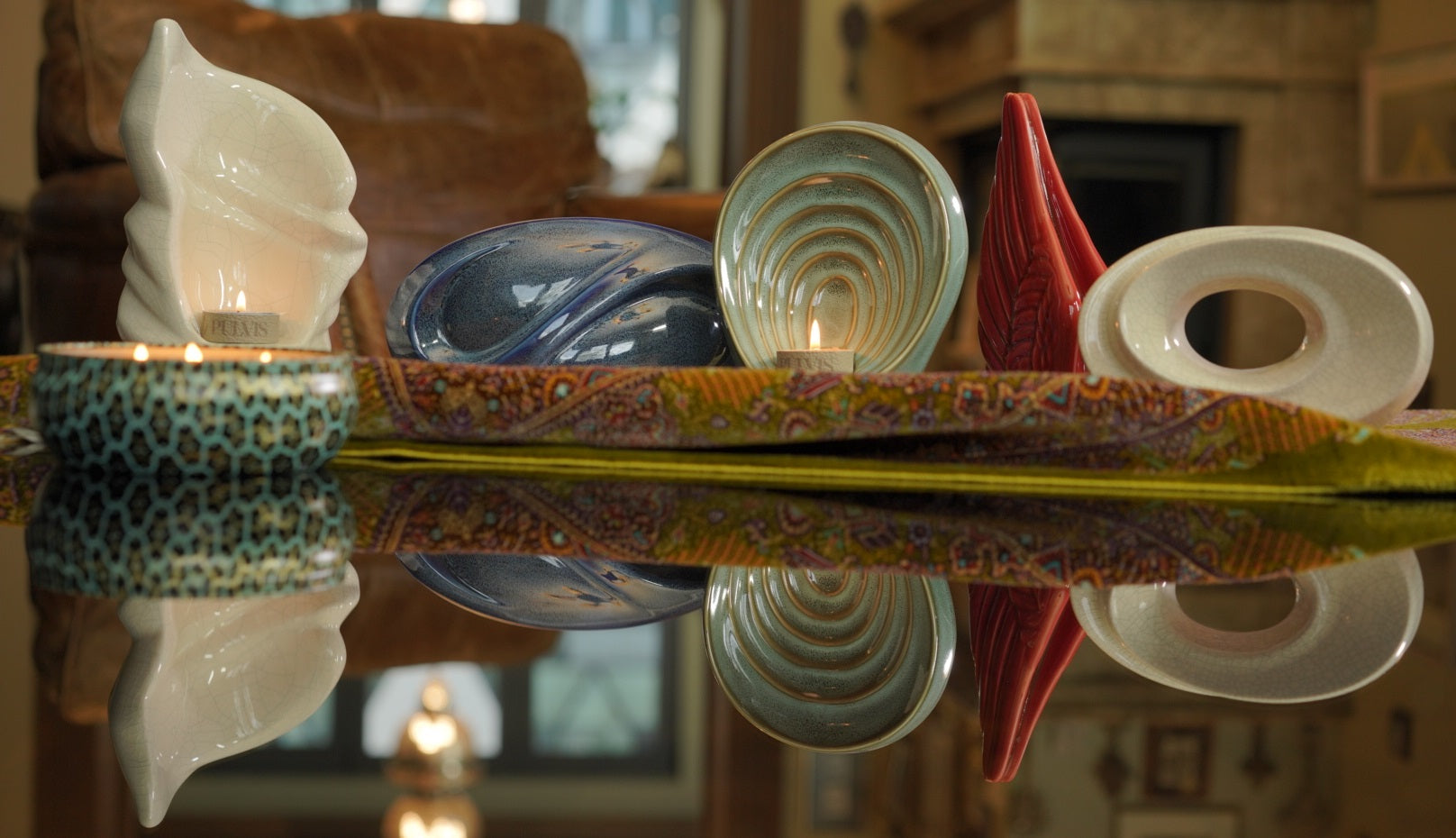
Many families look for symbolic elements in the urn’s design—such as a tree of life, angel wings, or a custom engraving. At Pulvis Urns, for example, artistic urns are handcrafted with unique designs that honor the individuality of the person.

The use of a cremation urn offers many advantages, both practical and emotional. Here are some key benefits:
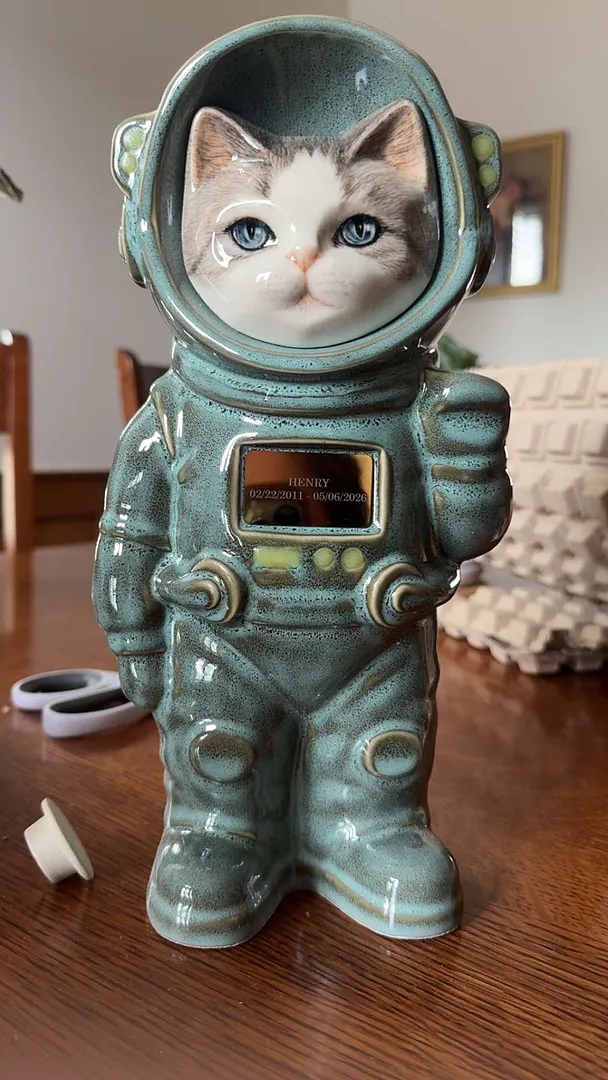
Cremation urns allow for a deeply personal tribute to the deceased. From handcrafted designs to custom engravings, urns can reflect hobbies, beliefs, or values of the individual. This personalisation can offer comfort and a sense of closeness to those grieving.
Unlike traditional burials, urns offer flexibility in terms of location and future movement. Families who move frequently, or those unsure of a final resting place, often find this aspect valuable. Keepsake urns also enable multiple family members to hold on to a part of their loved one.
For those concerned with environmental impact, cremation paired with a biodegradable urn offers an eco-conscious alternative to traditional burials. Biodegradable urns can be used in water or earth burials, returning the remains to nature in a respectful way.
Cremation urns are more space-efficient and generally more affordable than traditional coffins and cemetery plots. Families often choose to keep the urn at home, in a memorial garden, or in a columbarium, avoiding ongoing maintenance costs.
Having a designated and meaningful urn can aid in the grieving process. It provides a tangible focal point for remembrance and allows for ongoing rituals such as lighting a candle, placing flowers, or simply sitting in reflection.
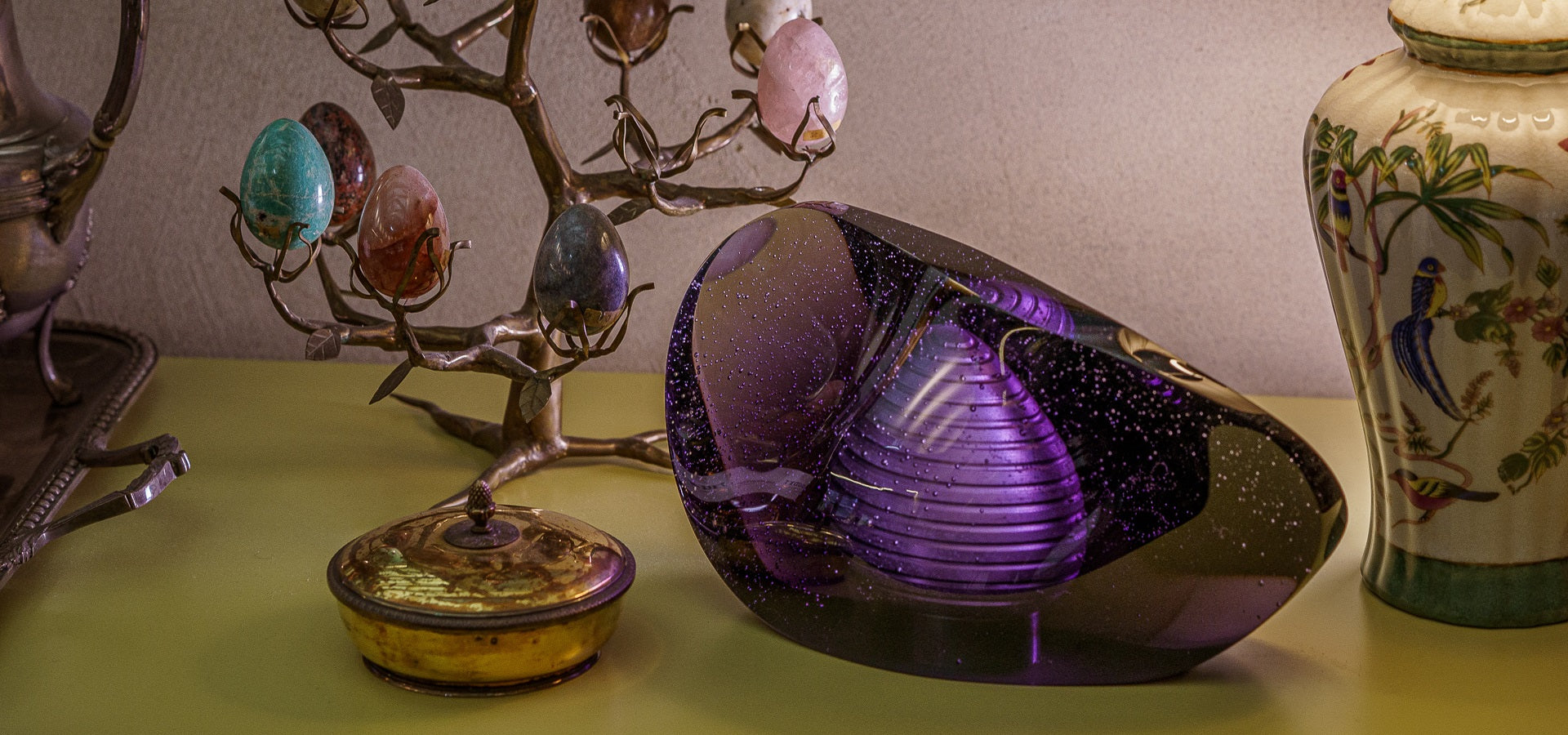
At Pulvis Urns, there is a strong focus on combining artistry with functionality. Each urn is crafted by hand, blending traditional ceramic techniques with contemporary design to create not just a container, but a meaningful piece of memorial art.
Pulvis offers a wide range of designs, including:
· Abstract artistic urns for modern tastes
· Religious-themed urns for spiritual expression
· Minimalist styles for understated elegance
· Companion sets for couples or family members
By offering urns that are both beautiful and symbolic, Pulvis helps families celebrate the life and legacy of their loved ones in a distinctive way.
 Memorial Options Beyond the Traditional
The rise of cremation has also led to innovative ways of honouring and remembering loved ones. Some families choose:
· Scattering Ceremonies: In gardens, seas, or mountains
· Memorial Jewellery: Lockets or rings containing a small portion of ashes
· Urn Gardens: Landscaped areas in cemeteries designed specifically for urns
· Columbarium Niches: Structures that house multiple urns for public or private visitation .
Cremation urns are central to all of these memorial options, offering flexibility while keeping the memory of the departed close.
Different cultures and religions have unique traditions surrounding death, cremation, and memorialisation. While some faiths encourage cremation, others prohibit it. When choosing an urn or planning a memorial, it’s important to consider the cultural and spiritual background of the deceased.
Pulvis Urns offers designs that align with various cultural sensibilities, helping families honour traditions while personalising their tribute.
Understanding the cremation urns process is an important part of preparing for and navigating end-of-life arrangements. From the practical steps of cremation to the deeply personal choice of an urn, each aspect plays a role in how we remember and honour our loved ones.
Choosing the right urn provides not only a resting place for the ashes but also a meaningful symbol of the life that was lived. With options for customisation, portability, and artistic expression, cremation urns have become a powerful way to celebrate memory, preserve legacy, and support the healing process.
At Pulvis Urns, every piece is made with care, respect, and creativity—offering families around the world a beautiful way to say goodbye.
1. What materials are most commonly used for cremation urns?
Common materials include ceramic, metal, wood, glass, and biodegradable substances. The choice depends on the intended use, such as display, burial, or scattering.
2. How do I know what size urn to choose?
Urn sizes are typically based on the weight of the individual before cremation. A general rule is one cubic inch of urn space per pound of body weight. Keepsake and companion urns are also available for different needs.
3. Can cremation urns be customised?
Yes, many urns can be personalised with engravings, colours, symbols, or even unique shapes. Customisation allows families to reflect the personality and spirit of their loved one.
4. Are biodegradable urns safe for the environment?
Biodegradable urns are designed to break down naturally in soil or water, making them an environmentally friendly choice for those who prefer green burials or scattering ceremonies.
5. Why should I choose Pulvis Urns for my memorial needs?
Pulvis Urns offers handcrafted, artistic urns that combine meaningful design with high-quality craftsmanship. Each piece is created with care, allowing families to honour their loved ones in a distinctive and heartfelt way. Visit www.pulvisurns.com to explore our collections.

Which urn size do I need?
A simple rule: about 1 cubic inch of urn per pound of body weight.
Every product page lists the urn's capacity. Keepsake urns hold a small portion of ashes to share.
Need it by a specific date?
Free shipping · Delivery in 3–5 business days
Express delivery in up to 3 business days – choose it at checkout
Need help choosing?
Talk to our team – we're happy to help you find the right urn.
(562) 609-4019 art@pulvisurns.comSend us a message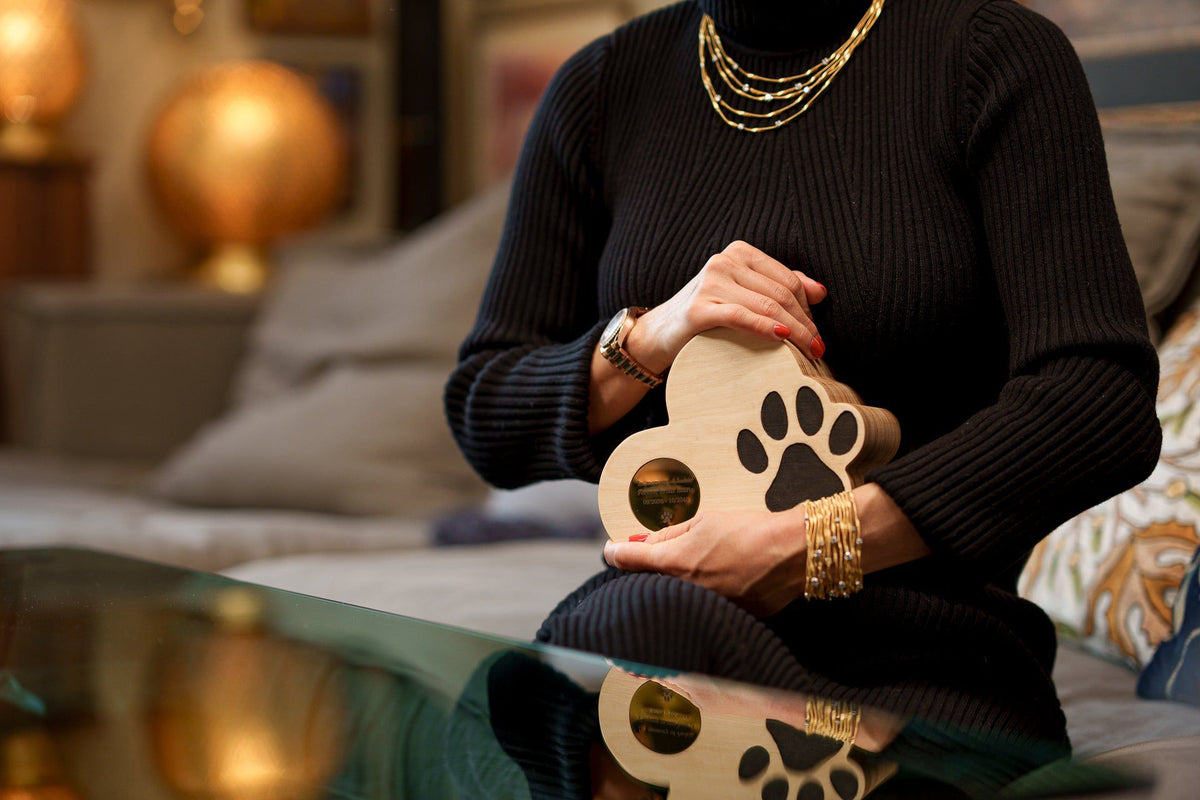
Can You Grieve a Life That Never Had Words?
Discover why losing a beloved pet can be so profound, how wordless bonds shape our lives, and how Pulvis Art Urns brings craftsmanship and thoughtful design to the art of remembering an animal companion.
What Does the Bible Say About Cremation?
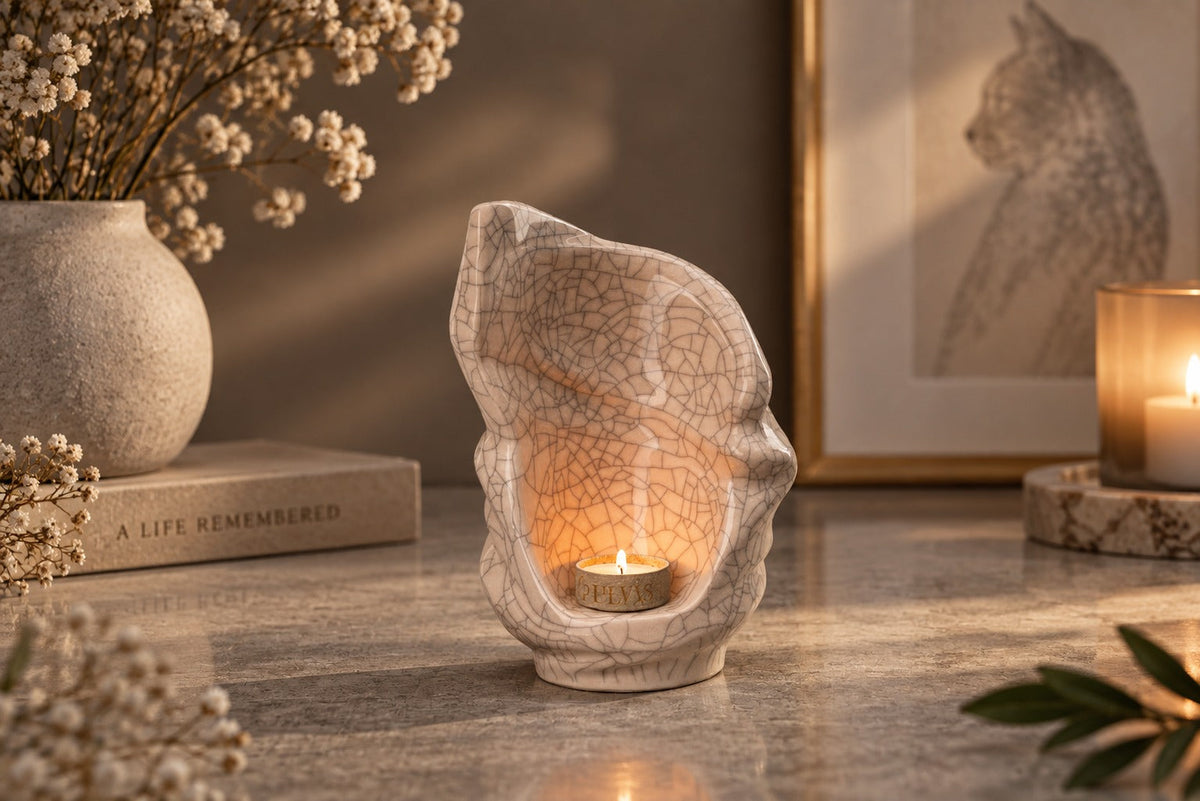
Explore what the Bible says about cremation, Christian beliefs about resurrection, and meaningful ways to honor a loved one’s memory through a thoughtful memorial.
Why Do People Light Candles for the Dead?
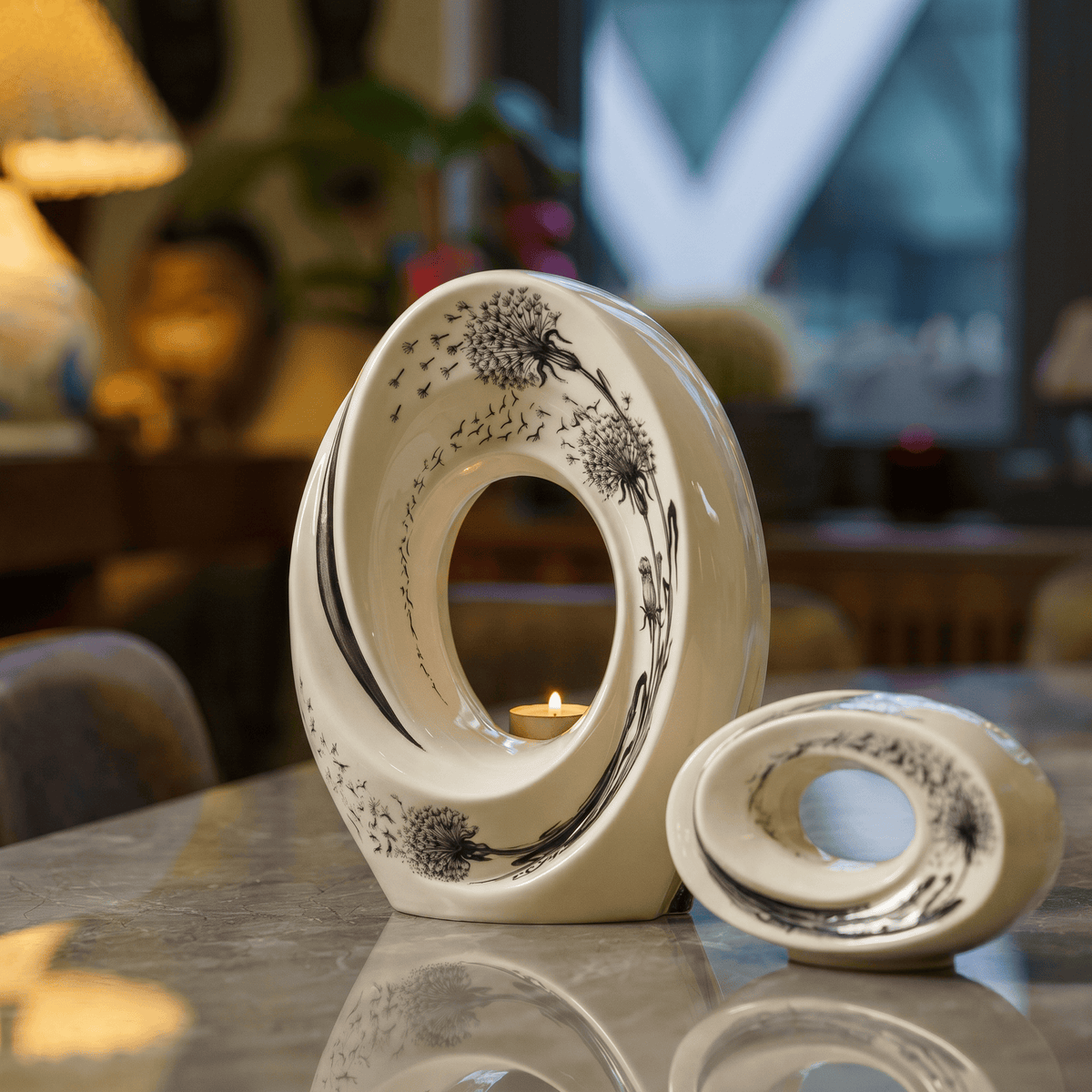
Discover the meaning behind lighting candles for the dead, exploring the traditions, beliefs, and emotions that make this simple ritual a lasting expression of remembrance, comfort, and connection within the home.

The Pet as a Witness to a Human Life
Our pets witness far more of our lives than we realise. Explore what it means for an animal to become a quiet witness to our changing homes, relationships, routines and identities — and how a memorial urn can remain as a physical connection to the life they witnessed.

Can You Inherit a Pet’s Memory?
Can we remember a pet we never knew? Explore how stories, photographs, objects and memorials can carry an animal’s memory across generations, turning a private life into part of a family’s shared history.


Share:
How Custom Urns Can Honor Your Loved One’s Memory
Pet Cremation and Memorial Urns: Preserving Your Pet’s Memory