

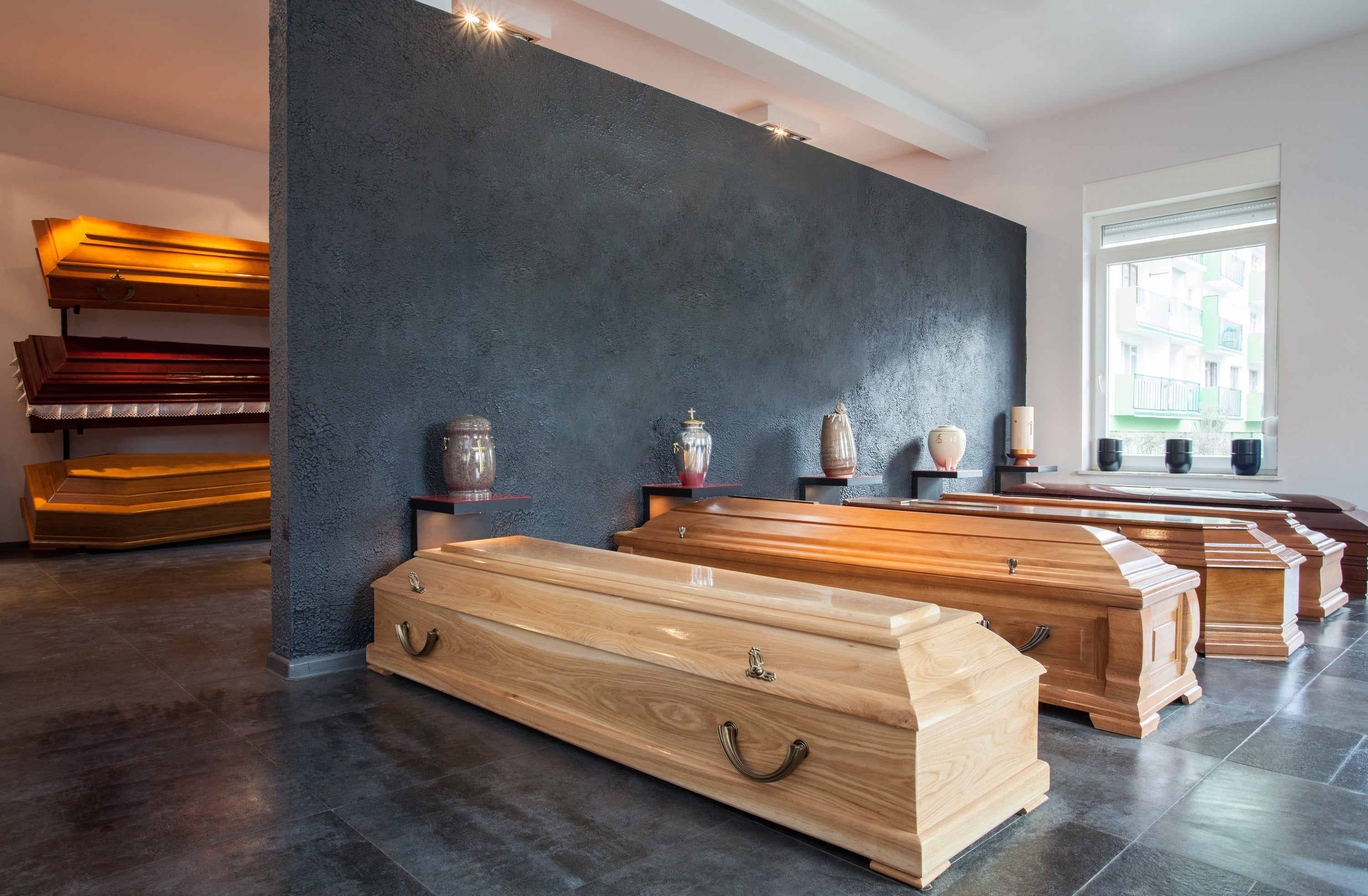
Here for you: art@pulvisurns.com | (562) 609-4019
Did you know that keeping urns at home isn’t your only option after cremation? While many begin the process of honoring a loved one by browsing a wide selection of cremation urns for ashes to be kept at home, it’s important to note that cremation offers additional possibilities.
Ceramic urns with ashes can also be perpetually honored with a final resting place in a cemetery. If you haven’t decided yet how to best honor your loved one, take a look at some of the benefits and options available with keeping urns and ashes in a cemetery.
Entrusting a cemetery with the care of a loved one’s ashes can have several advantages. Many people feel insecure about the responsibility of keeping urns at home. Often, individuals worry about break-ins or simple accidents that can compromise the safety of ceramic urns, like bumping and knocking over the urn. By choosing to keep ashes at a cemetery, families can find comfort knowing that their loved one’s ashes are protected in a safe and professional environment.
Another great reason to keep ceramic urns in a cemetery is the fact that anyone can visit the loved one at any time. This is particularly practical for large families who anticipate several visitors looking to spend private moments with their loved one.

Cremation offers an abundance of options, and there are many different ways to honor a loved one by storing ashes at a cemetery.
Many cemeteries provide freestanding structures that respectfully store the cremated remains of the deceased. Choosing to keep ashes in a columbarium or mausoleum can be a profound way to provide a dignified location to serve as the final resting place.

There is an incredible amount of variation available, from individual freestanding structures to large buildings with several individual storage compartments. Some are indoors; some are outdoors. Some are decorated with ornate designs; others are more modest and simple. Depending on the cemetery, families may be allowed to place photos or small memorabilia alongside the ashes of the deceased to help personalize their space in the columbarium or mausoleum.
Another option for keeping ashes at a cemetery is to bury the remains in a reserved plot. An important benefit of this option is that ashes can be buried near other family plots for loved ones who have not been cremated, allowing multiple individuals to have a final resting place together.

The process of burying ashes in a plot is similar to traditional interment, as it is often accompanied by a memorial service. However, the burial plot for urns is much smaller, more affordable, and buried at a shallower depth. While many cremation urns for ashes are designed to sustain burial, some cemeteries require artisan urns or handcrafted urns to be placed within a slightly larger vessel so the integrity of the urn isn’t compromised from contact with the soil.
Some cultures or religions have specific customs or requirements for the handling and placement of cremated remains. Respect and adhere to these practices if applicable. Consider the long-term implications of keeping ashes in a cemetery. Families might relocate, circumstances could change, so having a plan for the future care of the urn and remains is important.

Lots of cemeteries offer additional options, such as memorializing ashes in the form of a bench or a stone marked with the individual’s name, dates, or favorite quote. In addition, some cemeteries have designated memorial gardens that allow a place for families to scatter ashes in a special ceremony.

These creative memorial options can be a respite for families who seek comfort in a more natural setting with beautiful, symbolic reminders of their loved one.
Thank you for reading this article. If you are planning to buy one of our handmade products, use the coupon READER10 at checkout to receive 10% off your order.
------------------
Our Affiliate Program is now available. at https://www.pulvisurns.com/pages/affiliate-program-by-pulvis-art-urns
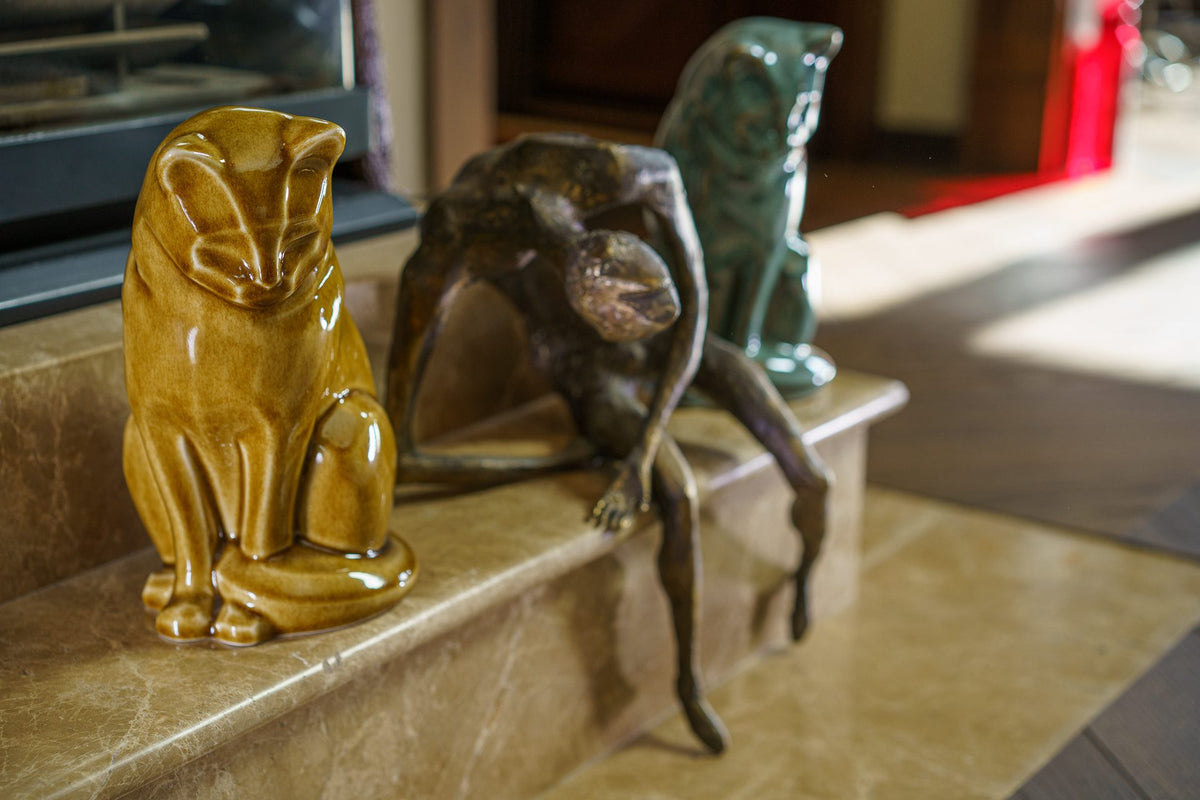
The New Aesthetics of Pet Memorials
Pet memorials are moving beyond traditional symbols of mourning. Explore how contemporary design, art, craftsmanship and materials are creating a more personal and understated aesthetic for remembering a beloved animal.
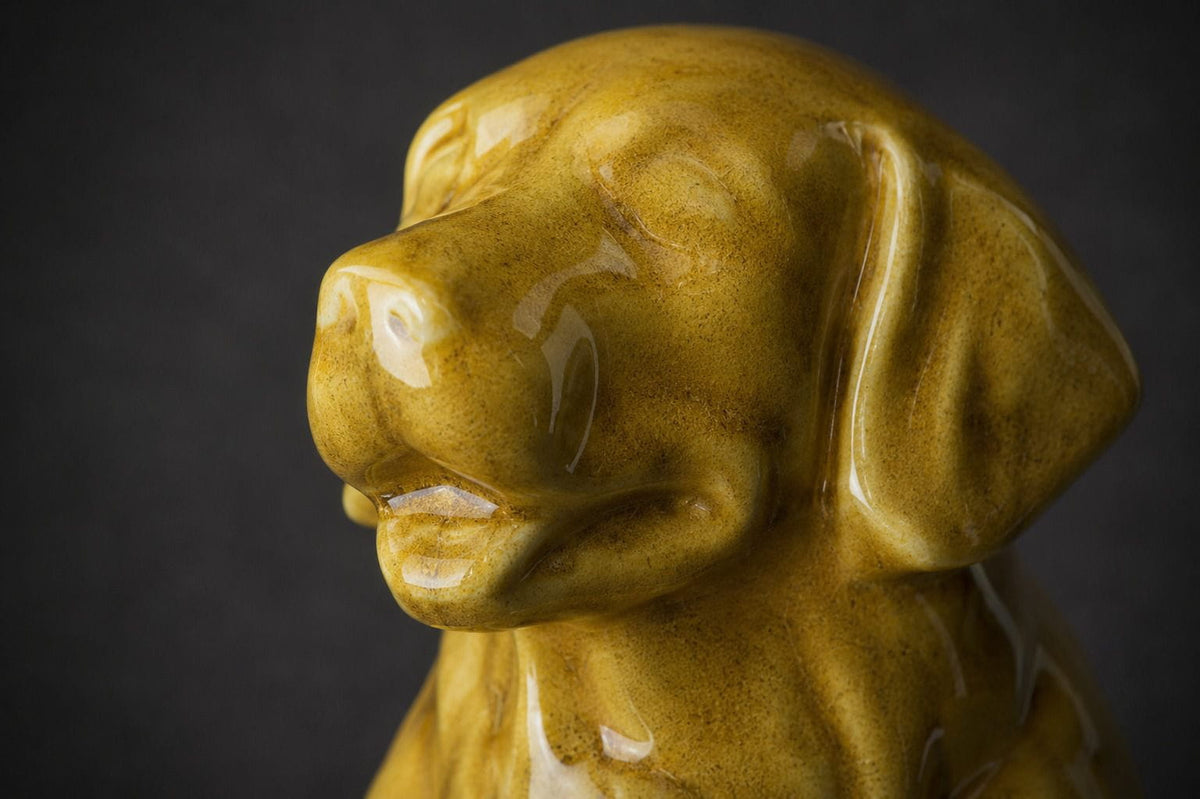
Can a pet urn be more than a vessel for ashes? Explore how craftsmanship, materials and sculptural design can transform a memorial urn into a meaningful work of art that keeps the memory of a beloved companion present.
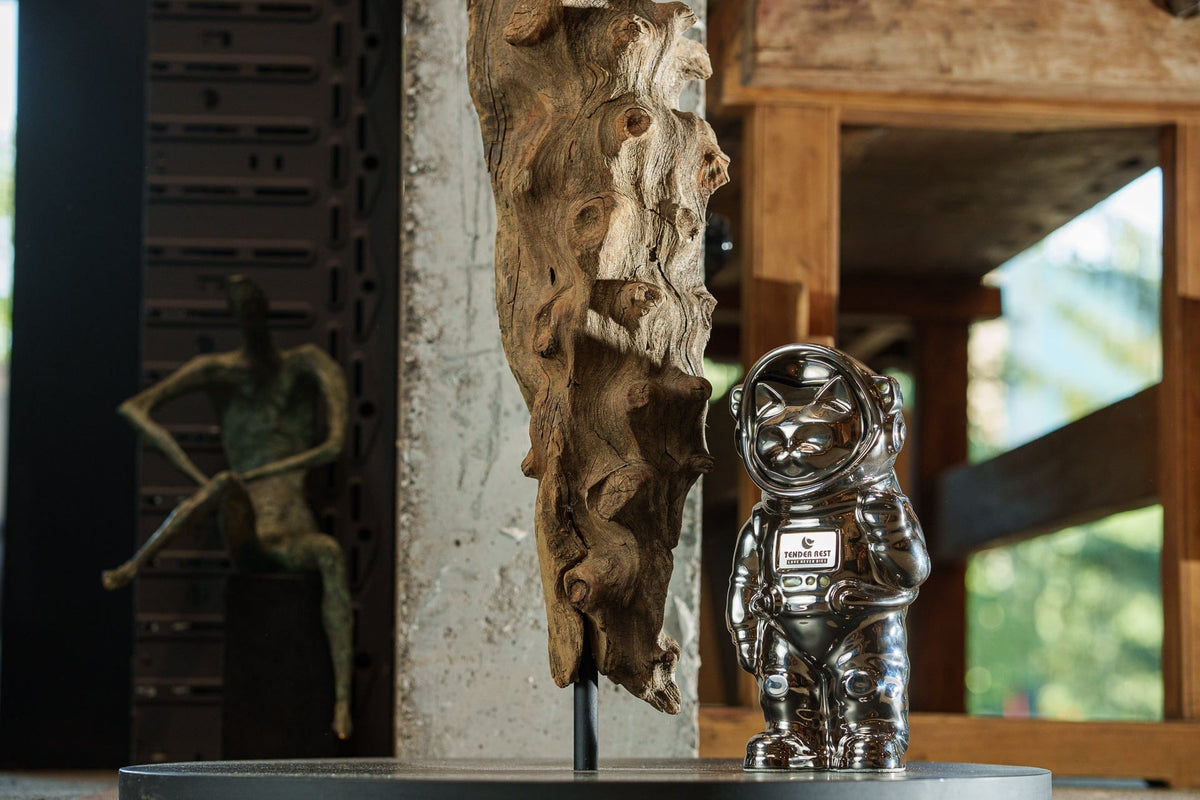
The Pet Funeral Is Changing: What Modern Goodbyes Look Like
Pet funerals are changing as animals become an increasingly important part of our families. Discover how cremation, memorial ceremonies, personalized urns and new rituals are creating more personal ways to say goodbye to a beloved companion.
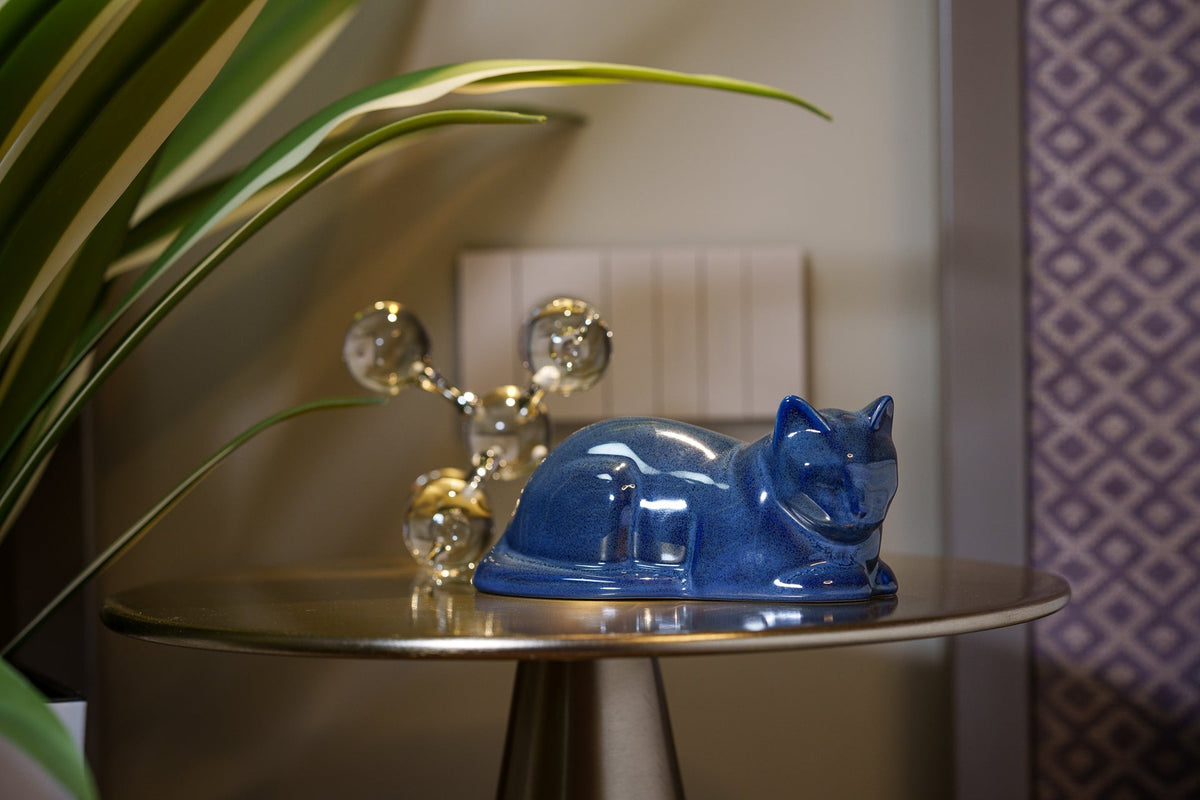
Can the Design of a Pet Urn Change the Way We Grieve?
Can the design of a pet urn influence the way we experience grief? Explore how meaningful materials, forms and memorial design can help transform loss into a lasting connection with a beloved companion.
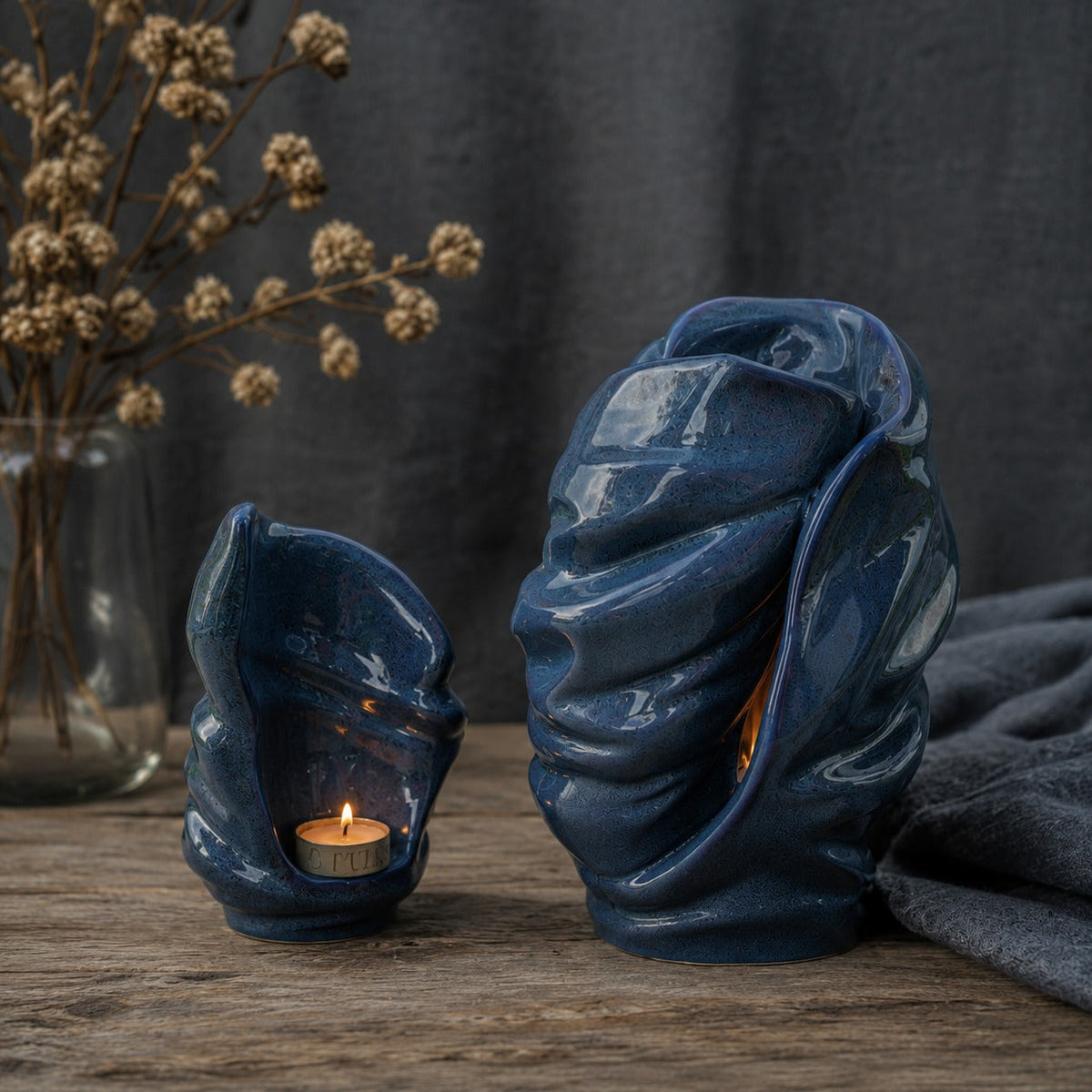
What Are the Most Unique Urns Available Today?
Discover the most unique cremation urns available today, from handcrafted ceramic and sculptural designs to glass, nature-inspired, personalized, and keepsake memorials. Learn what makes an urn distinctive and how to choose a meaningful design based on capacity, material, placement, and personal significance.


Share:
What you need to know about dividing cremation ashes ?
Pulvis Art Urns at Funeral Service Times