

Here for you: art@pulvisurns.com | (562) 609-4019
When it comes to funeral plans, many people choose cremation because it’s simple and economical. But some religions actually mandate or encourage cremation as part of a religious ceremony. These fascinating religious traditions show that cremation can be a moving, spiritual, and even creative choice, helping you and your loved ones along your grieving journey. Lets take a look at some examples
Cremation is a funeral practice that has been performed in various cultures around the world for thousands of years.
Buddhists believe in reincarnation, so Buddhist teaching tends to deemphasize the importance of the human body. This belief, combined with the huge variety of cultures that practice Buddhism, has led to a number of fascinating burial practices, from Tibetan sky burial to mummification.

Siddhartha Gautama Buddha, the founder of Buddhism, was, however, cremated. Legend holds that Buddha’s ashes were divided in 84,000 lots which were distributed to his followers as “relics.” His relics were spread across the world, buried, and covered by architectural memorials called stupas and pagodas. These monuments are now among the most significant architectural treasures in Asia and are visited by devotees from all over the world.
Today, in order to emulate the founder of their religion, many Buddhists choose cremation. Often, family members or monks will sit near the body and chant while the body is cremated.
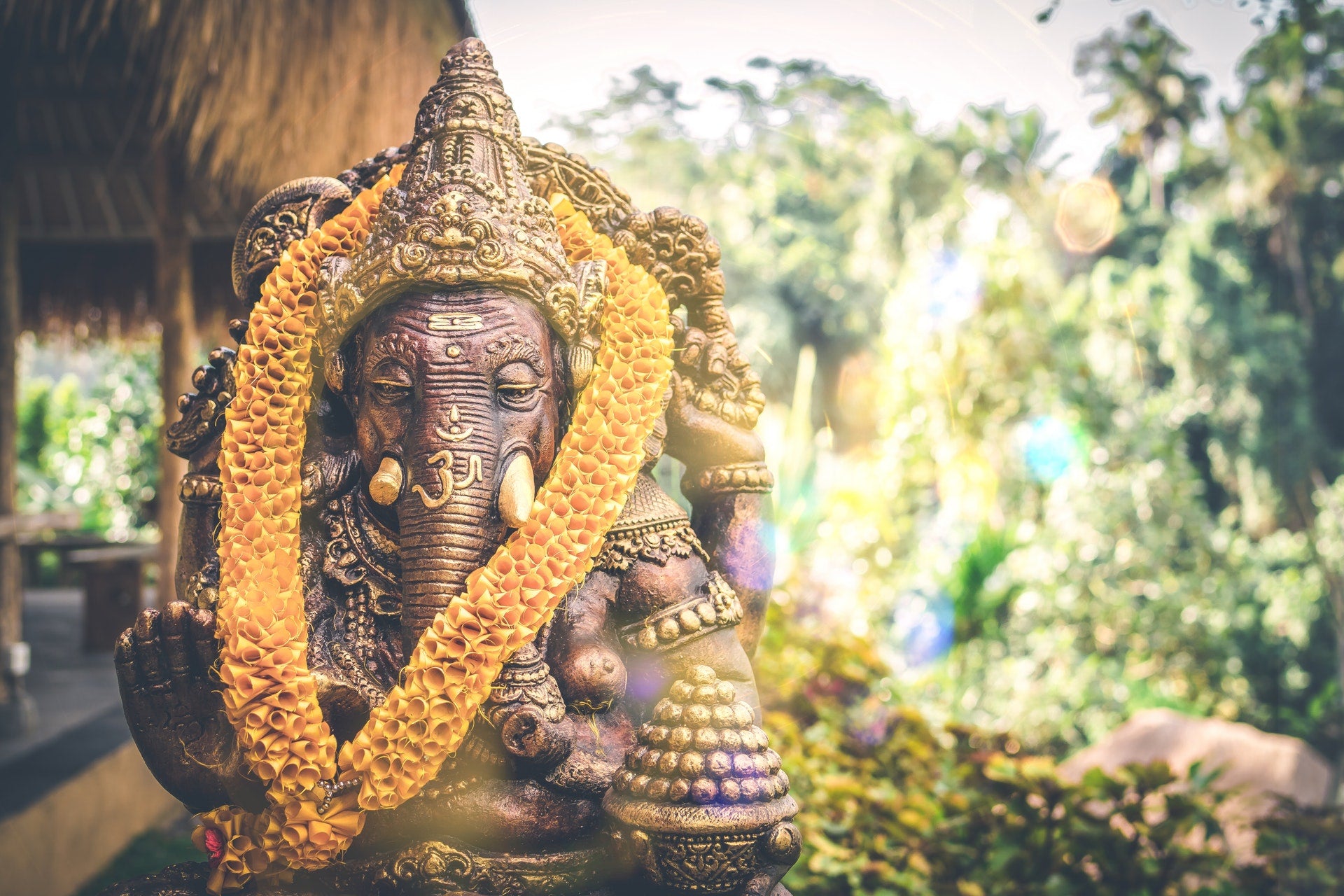
Hinduism is unique because it actually mandates cremation for its followers to help shed the physical form and prepare the soul for rebirth. In India, cremations are held at crematoriums along the holy Ganges river, called Shmashana ghat.

During the cremation, the oldest son will chant Vedic prayers while ghee (clarified butter) is poured into the flames. The ashes must then be immersed in the holy river. In other parts of the world, Hindus sometimes have their bodies shipped to India for a traditional cremation along the Ganges river.
A sect of monks who are devotees of the god of death Shiva, spend their time in these crematoriums. Monks can often be seen meditating covered in the ashes of the dead at the cremation grounds. While visiting India, you may also see families scattering ashes of their loved ones into the Ganges.

Like Buddhism and Hinduism, Sikhs believe in reincarnation. As a result, many of their practices are similar to the other religions born on the Indian subcontinent, Hinduism, Buddhism, and Jainism. Traditionally, the oldest son or closest family member will light the body during the cremation, after the appropriate hymns have been sung. Afterwards, food blessed by a guru will be shared.
While these three religions encourage, or even mandate cremation, not all religions are in agreement. Although followers of mainstream Christianity usually accept cremation, Mormons and Orthodox Christians tend to disavow the practice because of the belief in bodily resurrection. In Catholicism, the largest branch of Christianity, cremation has been permitted since the 1960s.
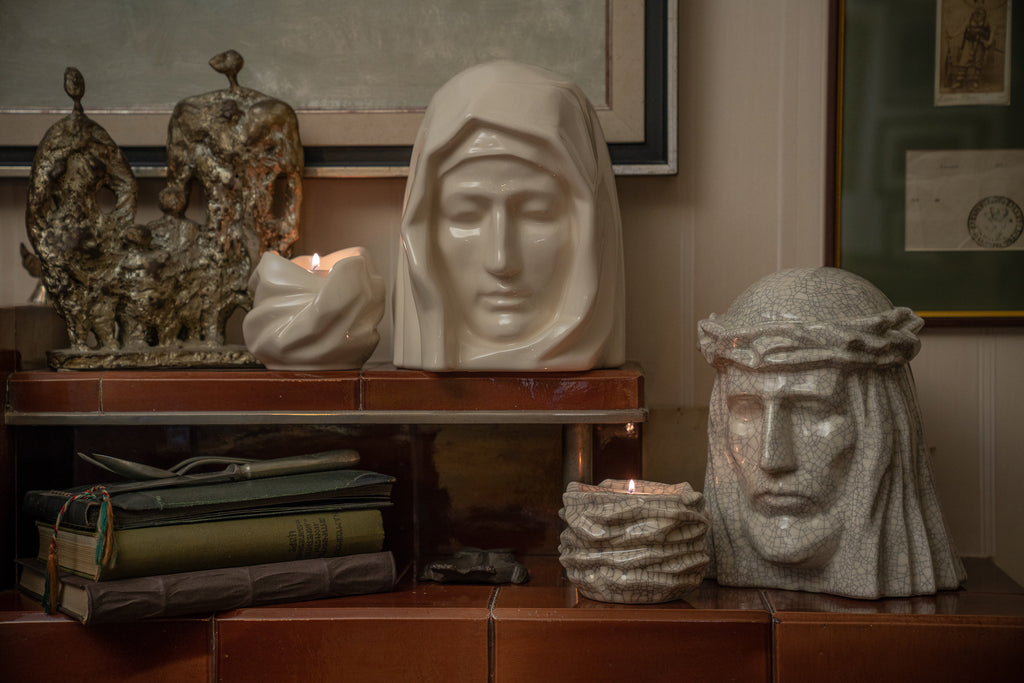
For Muslims, cremation is not permitted. Likewise for Orthodox Judaism, although followers of Reform Judaism often choose cremation over traditional burial.
Whether you choose to scatter the ashes, immerse them in water, or keep them in a unique art urn, designing a cremation ceremony is an intimate process that should help you along your path to healing. Get inspired by these beautiful traditions from around the world to design the ceremony that’s unique to the needs and inspirations of your family.
Join us in helping families honor the memory of their loved ones and pets through art!
Our Affiliate Program is now available at https://www.pulvisurns.com/pages/affiliate-program-by-pulvis-art-urns
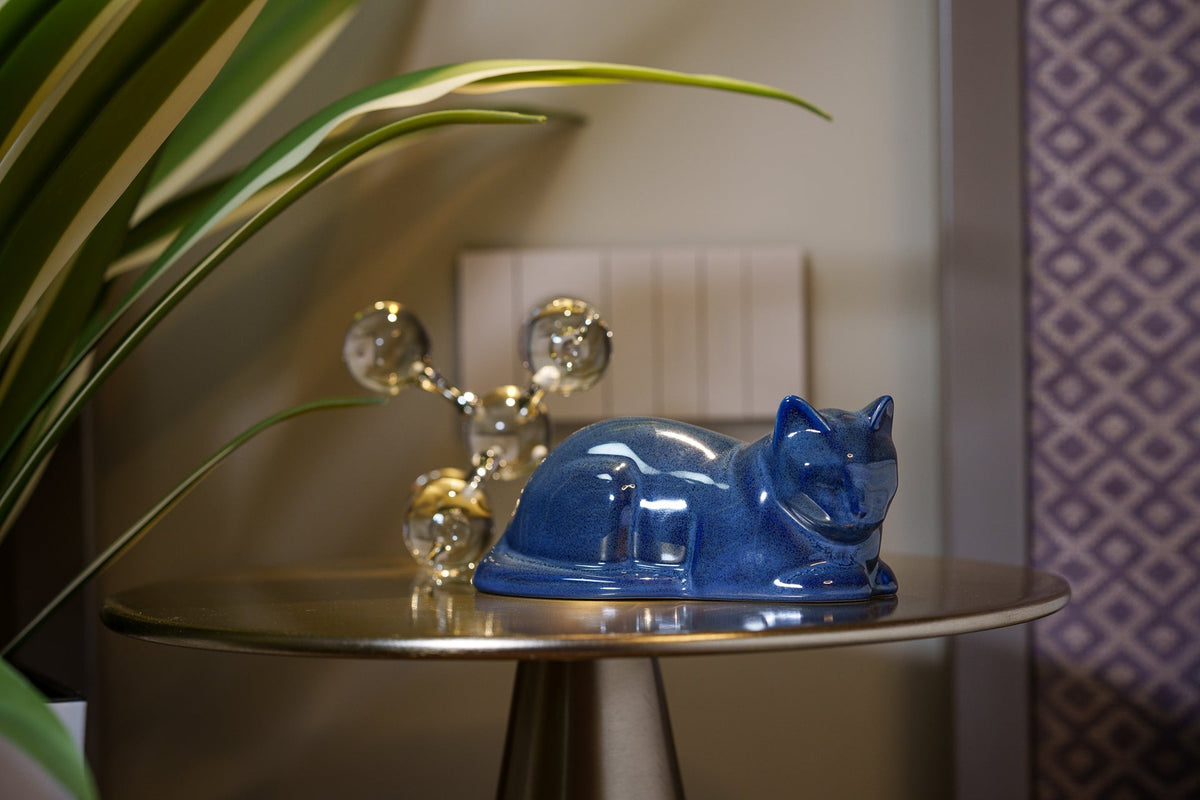
Can the Design of a Pet Urn Change the Way We Grieve?
Can the design of a pet urn influence the way we experience grief? Explore how meaningful materials, forms and memorial design can help transform loss into a lasting connection with a beloved companion.

What Are the Most Unique Urns Available Today?
Discover the most unique cremation urns available today, from handcrafted ceramic and sculptural designs to glass, nature-inspired, personalized, and keepsake memorials. Learn what makes an urn distinctive and how to choose a meaningful design based on capacity, material, placement, and personal significance.
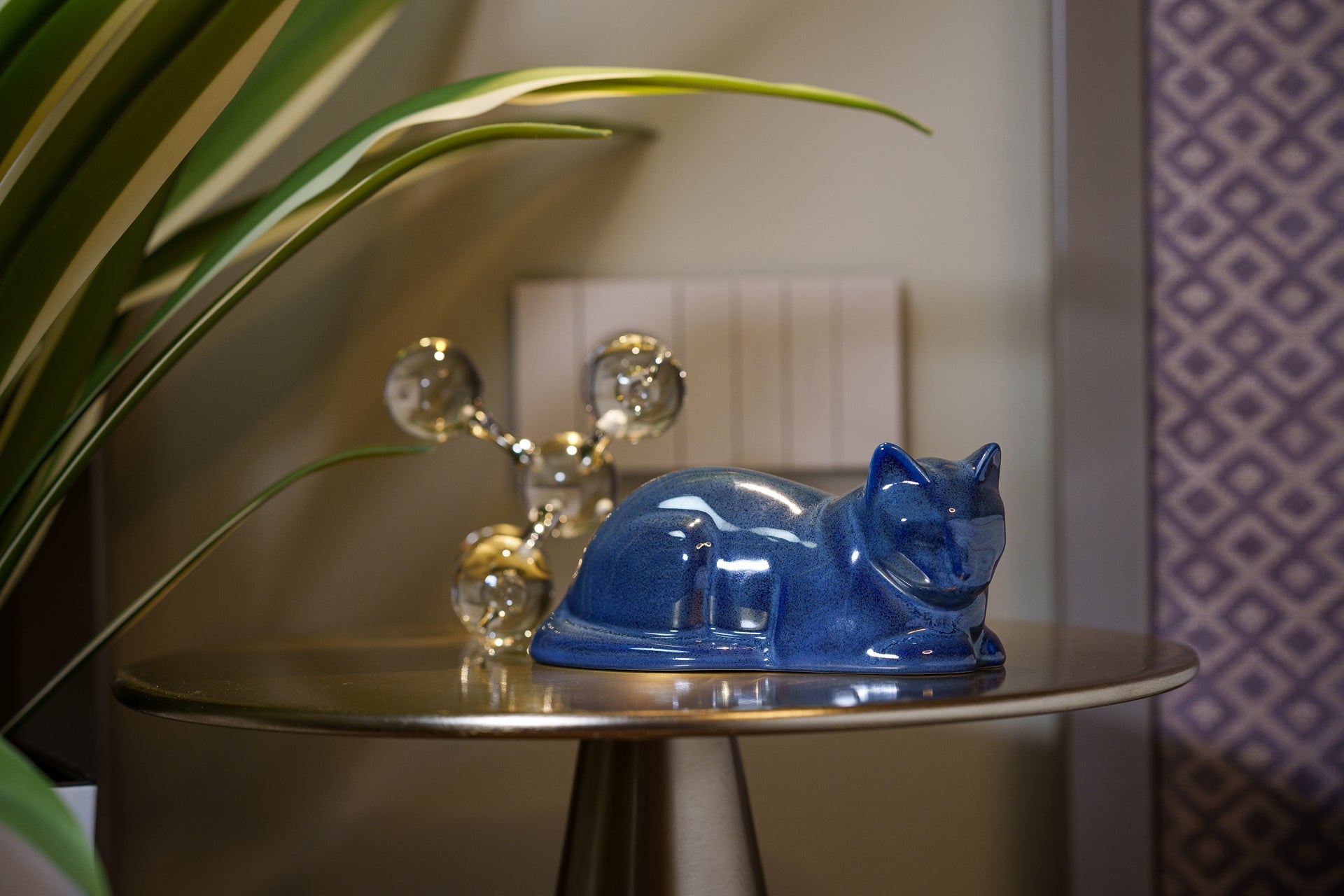
How Do You Choose the Right Pet Urn?
A practical guide to choosing the right pet urn, covering size, capacity, materials, personalization, closure, and meaningful ways to memorialize your beloved companion.
Why Pet Grief Doesn’t Always Get Easier. It Gets Different
Pet grief does not always become easier with time. It changes. Discover how loss evolves, why memories take on new meaning, and how memorial objects such as urns can become quiet reminders of a life once shared.
Why Your Pet’s Smell Can Bring Back an Entire Memory
Why can the smell of a pet bring back an entire moment? Discover how scent, emotion and memory are connected, and why the familiar smell of an animal can preserve some of our most intimate memories of life together.


Share:
Atheists and Death – A Basic Guideline for Understanding
6 Moving Ways to Scatter Ashes from Around the World