


Here for you: art@pulvisurns.com | (562) 609-4019
7% off your order
Use this code at checkout:
When someone we love passes away, we often search for ways to keep their memory close. Cremation offers families the opportunity to carry that connection forward through a tangible keepsake—an urn. But an urn is far more than a vessel for ashes; it’s a deeply personal memorial, a reflection of a unique life, and a symbol of the love and respect we hold.
Urns for ashes for adults are carefully crafted to hold the full remains of a loved one, offering both dignity and beauty in remembrance. Available in a range of materials such as wood, metal, ceramic, and biodegradable options, these urns can be personalized to reflect their personality and legacy. They serve as a lasting tribute, keeping their memory close and cherished.
The process of selecting an urn is both emotional and practical. It requires balancing factors like size, material, and budget with deeply personal considerations such as symbolism, style, and cultural traditions. This guide is designed to walk you through every step, so that your choice honors your loved one in a way that feels right for you and your family.

Before looking at materials and sizes, it’s important to understand the symbolic meaning of an urn.
· A physical connection: Many people find comfort in knowing the urn is close, whether displayed at home or kept in a dedicated space.
· A storytelling piece: An urn can be personalized to reflect hobbies, passions, or personal milestones.
· A lasting memorial: A high-quality urn can be passed down through generations as a family heirloom.
This emotional dimension should guide your choices just as much as practical concerns.

The material you select impacts not only the appearance of the urn but also its durability, symbolism, and suitability for different settings.
· Common options: Brass, bronze, stainless steel, aluminum
· Benefits: Extremely durable, resistant to wear, ideal for long-term display indoors or in columbariums
· Style: Can range from sleek and minimal to ornate with engravings
· Common options: Oak, walnut, cherry, maple
· Benefits: Warm, natural feel; perfect for those who appreciated craftsmanship and nature
· Style: Smooth finishes, carvings, or inlays for a rustic or classic aesthetic
· Benefits: Elegant, artistic, allows intricate detailing and vibrant colors
· Considerations: More fragile, so better for safe indoor display
· Benefits: Unique, eye-catching, can be custom-blown for one-of-a-kind designs
· Considerations: Delicate; requires safe placement out of direct sunlight
· Made from: Recycled paper, clay, salt, sand, cornstarch
· Best for: Eco-friendly burials or water ceremonies
· Benefit: Gradually returns ashes to the earth or sea

Urn capacity is measured in cubic inches. The general formula is:
One pound of body weight = one cubic inch of urn space
· A person weighing 160 lbs. → 160 cubic inches needed
· Standard adult urn → about 200–220 cubic inches
· Keepsake urns — smaller, hold a portion of ashes (often 3–50 cubic inches)
· Companion urns — for two people, typically 350–400 cubic inches
· Pet urns — sized according to your pet’s weight
If placing the urn in a columbarium niche, measure the available space first—niches can have very specific dimensions.
Choose an urn that complements your home’s style while reflecting your loved one’s spirit. Consider:
· A decorative wooden urn in a living room bookcase
· A ceramic urn with hand-painted motifs in a private space
Select a material that resists humidity and temperature changes. Simple, elegant designs often work best in these spaces.
For ground burials, you might need an urn vault depending on cemetery rules. If you prefer a natural burial, a biodegradable urn is the best choice.
Special water-soluble urns are designed to float briefly before gently sinking and dissolving.
If transporting ashes, especially by air, select a TSA-approved urn made of a scannable material like wood or certain biodegradable composites.

At Pulvis Art Urns, we craft each urn with care, combining timeless artistry and lasting quality to help you find the perfect tribute for your loved one. The design of an urn can be inspired by the life it represents.
· Classic vase shape: Timeless and traditional, often chosen for its elegance.
· Sculptural or art-inspired designs: Perfect for those who loved art or unique aesthetics.
· Nature themes: Flowers, trees, ocean waves—ideal for nature lovers.
· Religious or spiritual symbols: Crosses, doves, or other icons reflecting faith.
Color also plays a role:
· Warm tones (gold, bronze, wood) convey comfort and tradition
· Cool tones (blue, silver, marble) evoke peace and serenity
· Bright colors can celebrate a joyful, vibrant personality
Personalized details can turn an urn into a truly unique memorial:
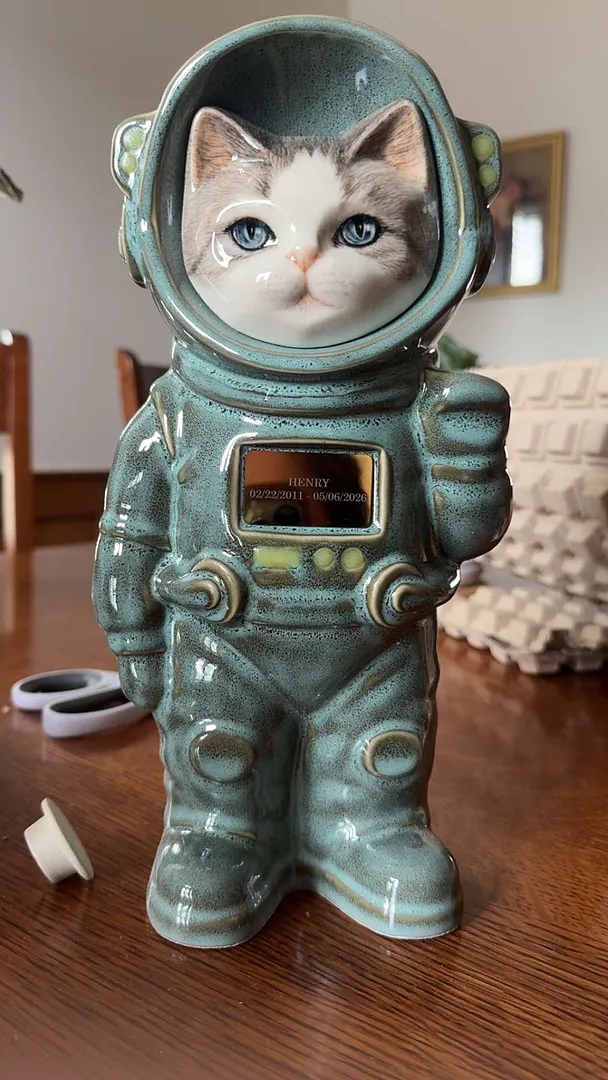
· Engraving: Name, birth and passing dates, favorite quotes, or song lyrics
· Photo integration: Frames or embedded glass images
· Symbolic artwork: Custom designs based on hobbies or passions
· Combination memorials: Urns that incorporate candle holders, jewelry compartments, or memory boxes
Personalization is a way to infuse love, memory, and meaning into the urn so it becomes a piece that tells a story.
Urns range from very affordable to highly intricate and costly. Your budget should account for:
· Material quality
· Craftsmanship and design
· Regulatory requirements (e.g., urn vaults)
Remember: this choice is part of your memorial legacy. A slightly higher investment in quality may bring greater comfort in the years ahead.
Think of what made your loved one unique:
· An avid gardener? A floral motif urn.
· A world traveler? A globe-shaped urn.
· A minimalist? A sleek, unadorned design.
This helps create a tribute that feels authentic and meaningful.
Many traditions influence how urns are chosen:
· Some religions prefer certain materials or shapes.
· Certain cultures favor bright colors to celebrate life rather than mourn loss.
· Some require urns to be kept in a specific place or orientation.
Always check family customs before purchasing.
1. Identify placement location (home, burial, columbarium, scattering).
2. Calculate capacity based on weight and division of ashes.
3. Choose material suitable for location and desired style.
4. Decide on design that reflects personality and memory.
5. Consider personalization for added meaning.
6. Review regulations for cemetery, niche, or travel.
7. Confirm budget without sacrificing quality or sentiment.
Choosing an urn can stir powerful emotions. Some find it helpful to:
· Take breaks during the decision-making process
· Involve family members in the choice
· View it as a celebration of life rather than solely a reminder of loss
· Dust regularly with a soft cloth
· Avoid direct sunlight for wood, ceramic, and glass
· Keep in a safe location to prevent accidental damage
· For outdoor urns, choose weather-resistant materials and finishes

Selecting the perfect urn is a deeply personal process, blending practical needs with the desire to honor a loved one’s memory. By considering materials, size, style, personalization, and cultural traditions, you can choose an urn that not only holds ashes but also carries love, respect, and remembrance into the future.
An urn is more than a container—it is a story, a symbol, and a lasting tribute. Choosing it thoughtfully is one final act of care for someone who meant the world to you.
If you need guidance in selecting the right urn to honor your loved one’s memory, our caring team is here to help. Reach out to us for compassionate advice and personalized recommendations. Contact us today – we’ll walk you through every step with warmth and understanding.
The size of an urn is measured in cubic inches, and a simple guide is that each pound of body weight requires approximately one cubic inch of space. For example, a person weighing 160 pounds would need an urn with at least 160 cubic inches of capacity. If you plan to share the ashes among family members or keep only a portion, a smaller keepsake urn may be appropriate.
The “best” material depends on your intended use and personal preference. Metal and stone urns are durable and ideal for long-term display or placement in a columbarium. Wood offers a warm, natural aesthetic for indoor memorials. Ceramic and glass urns allow for artistic, detailed designs but require careful placement. Biodegradable urns are suited for eco-friendly burials or water ceremonies.
Yes, most urns can be personalized. Common options include engraving a name, dates, or meaningful quotes. Some urns can feature images, symbols, or artwork that reflect the loved one’s life and passions. Personalization adds a unique, heartfelt touch that turns the urn into a lasting tribute.
Yes. Cemeteries and columbariums may have requirements regarding urn size, material, and whether an urn vault is needed. It’s important to check these guidelines before purchasing to ensure the urn meets all specifications.
Consider their hobbies, values, and aesthetic preferences. A nature lover might be honored with a floral or tree-themed design, while an artist may be remembered through a colorful, hand-painted urn. Choosing a style, color, or symbol that resonates with their life story can make the urn feel truly personal.

Which urn size do I need?
A simple rule: about 1 cubic inch of urn per pound of body weight.
Every product page lists the urn's capacity. Keepsake urns hold a small portion of ashes to share.
Need it by a specific date?
Free shipping · Delivery in 3–5 business days
Express delivery in up to 3 business days – choose it at checkout
Need help choosing?
Talk to our team – we're happy to help you find the right urn.
(562) 609-4019 art@pulvisurns.comSend us a message
Can You Grieve a Life That Never Had Words?
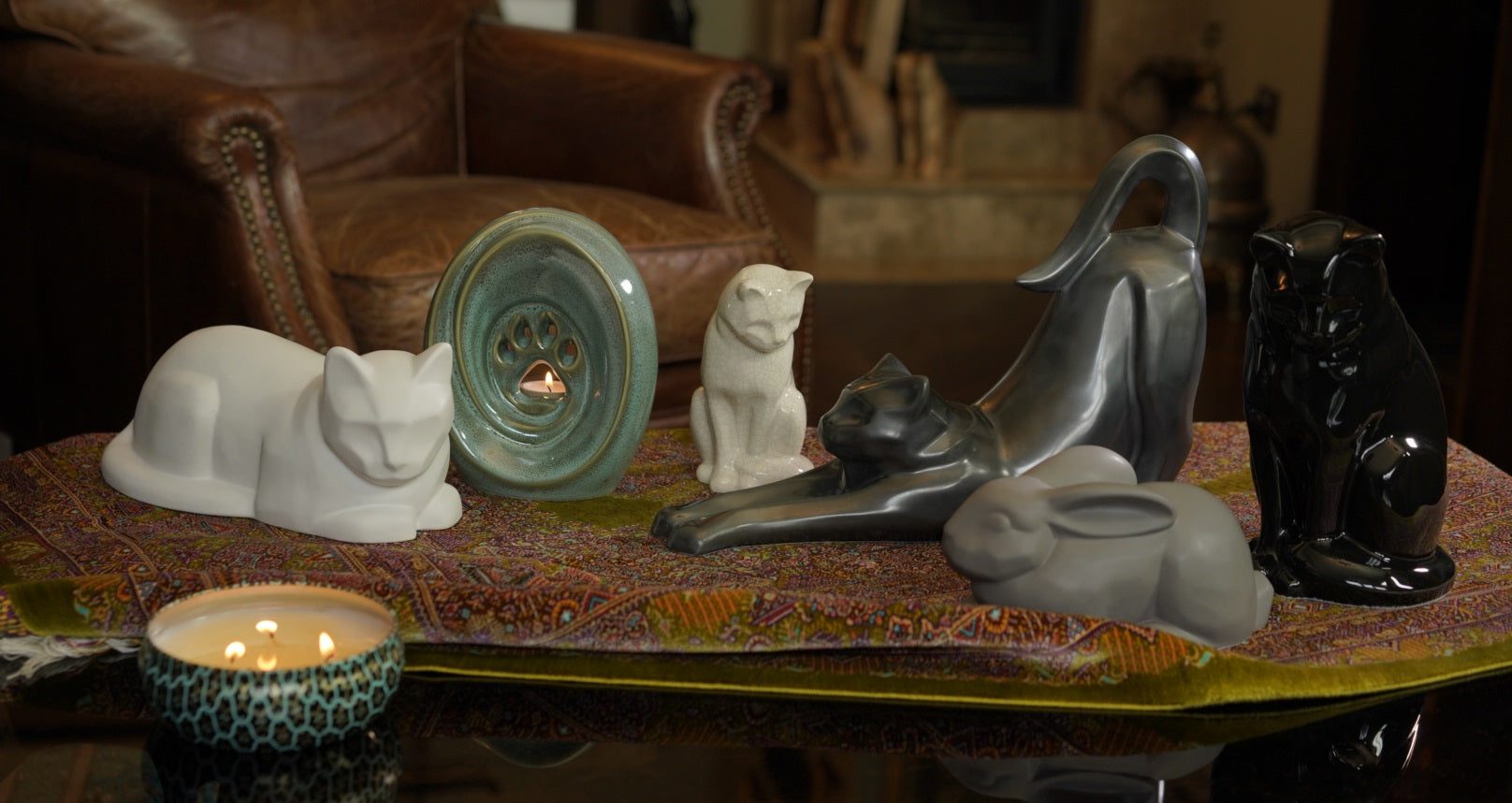
Discover why losing a beloved pet can be so profound, how wordless bonds shape our lives, and how Pulvis Art Urns brings craftsmanship and thoughtful design to the art of remembering an animal companion.
What Does the Bible Say About Cremation?
Explore what the Bible says about cremation, Christian beliefs about resurrection, and meaningful ways to honor a loved one’s memory through a thoughtful memorial.
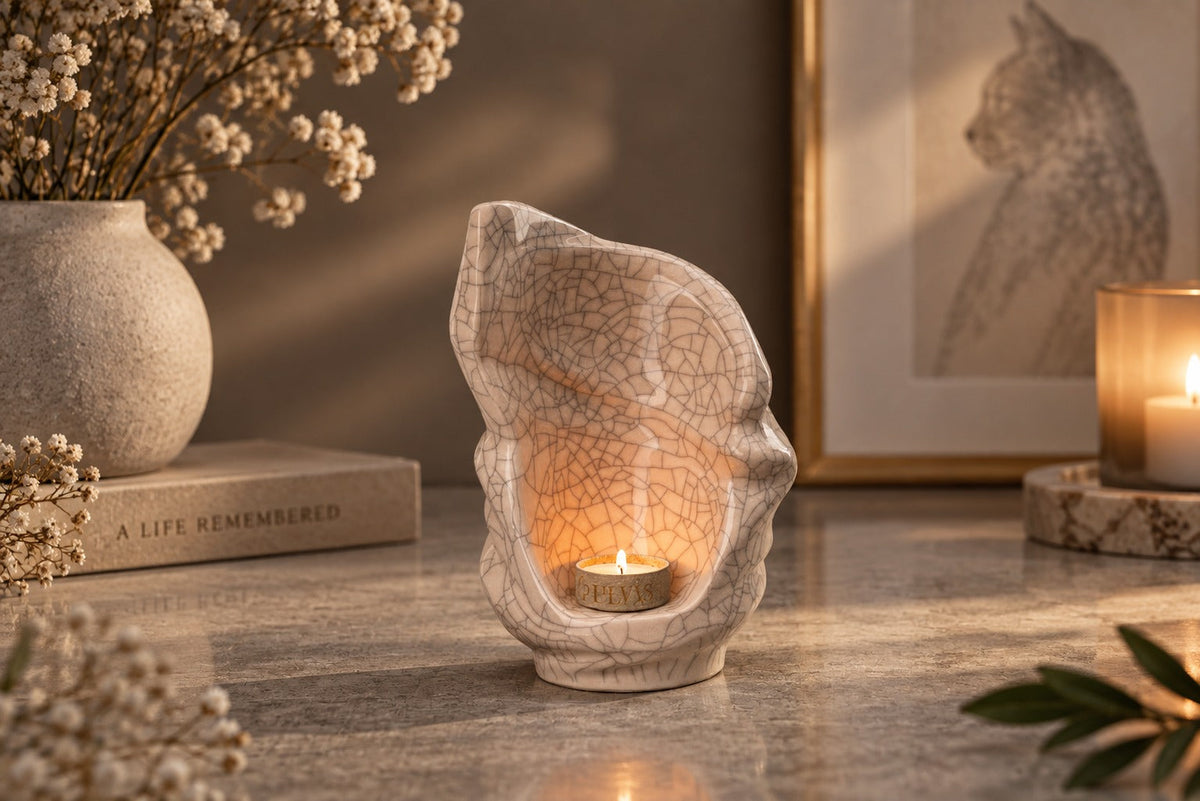
Why Do People Light Candles for the Dead?
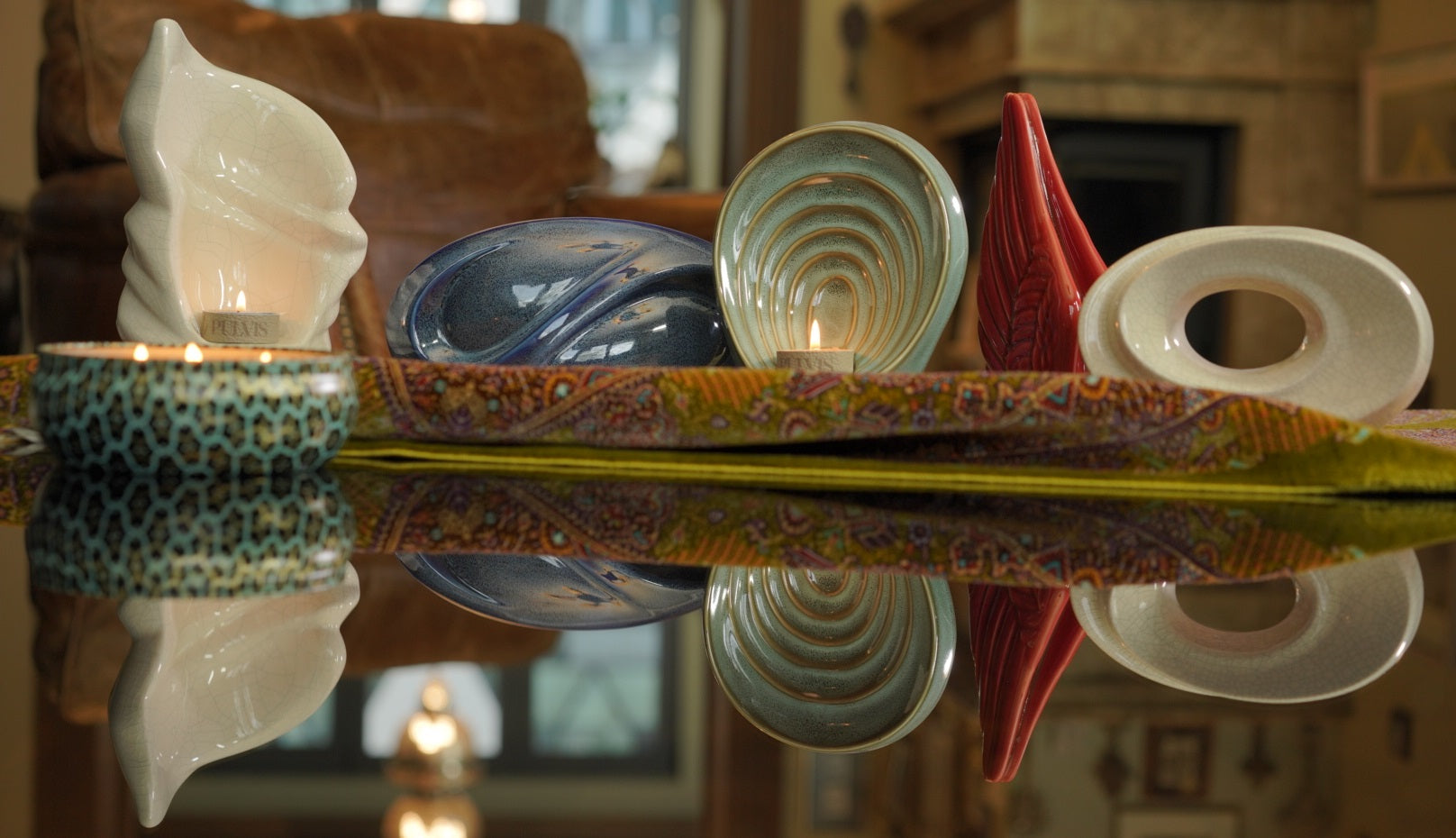
Discover the meaning behind lighting candles for the dead, exploring the traditions, beliefs, and emotions that make this simple ritual a lasting expression of remembrance, comfort, and connection within the home.

The Pet as a Witness to a Human Life
Our pets witness far more of our lives than we realise. Explore what it means for an animal to become a quiet witness to our changing homes, relationships, routines and identities — and how a memorial urn can remain as a physical connection to the life they witnessed.

Can You Inherit a Pet’s Memory?
Can we remember a pet we never knew? Explore how stories, photographs, objects and memorials can carry an animal’s memory across generations, turning a private life into part of a family’s shared history.


Share:
Echoes of Farewell: How Britain’s Funeral Traditions Blend the Past and Present
How to Safely Ship Cremation Urns and Memorial Products