



Here for you: art@pulvisurns.com | (562) 609-4019
7% off your order
Use this code at checkout:
By the time mourners gather, long before the first prayers or eulogies are spoken, color has already begun its quiet work. It signals loss, shapes ritual, and reflects beliefs about what comes next. Across continents, the shades worn in mourning: black, white, red, gold and others, tell stories as old as civilization itself.
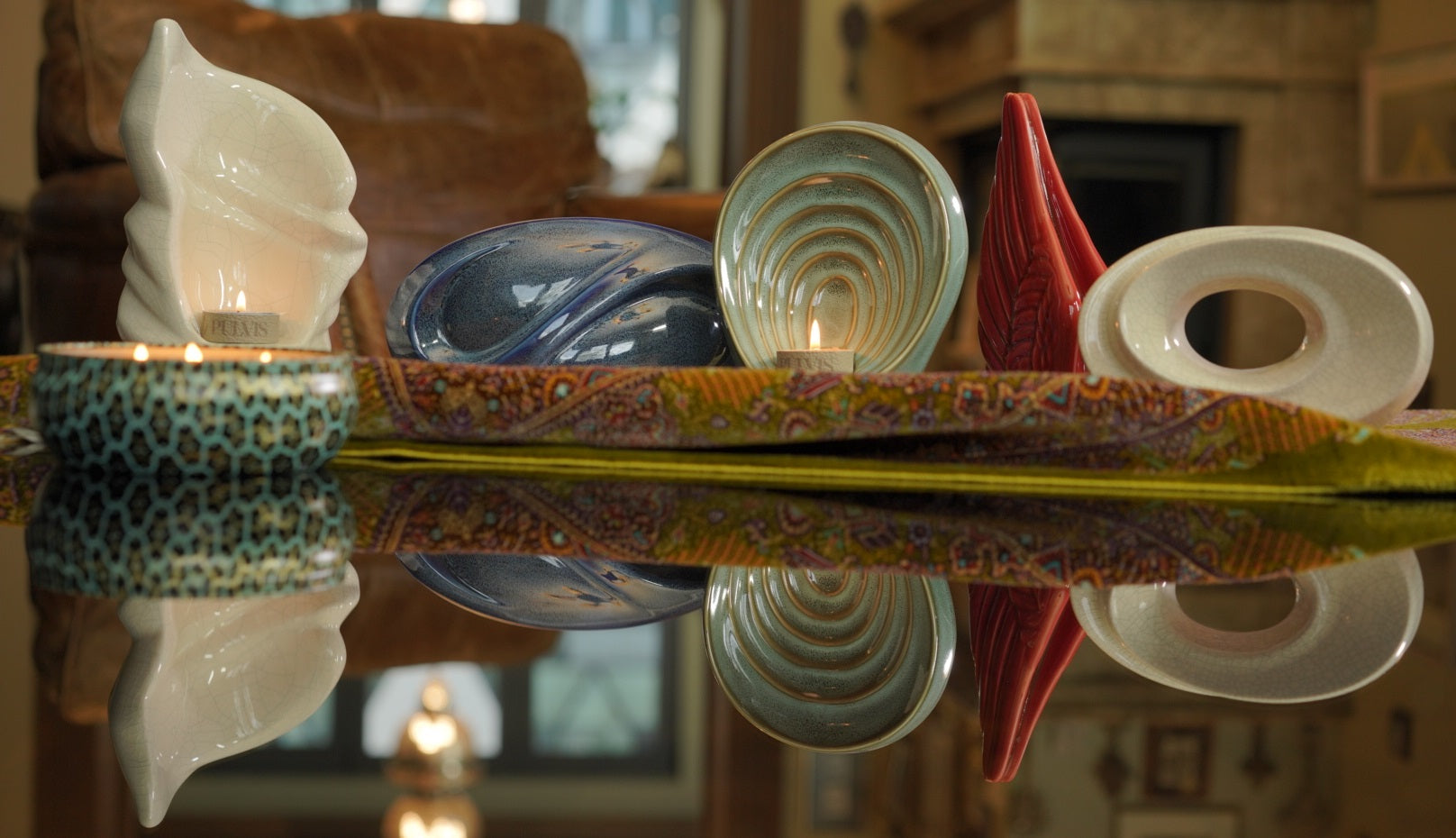
These traditions persist even as modern funerals take new forms and families blend personal choice with inherited custom. Today, people who design memorials, clothing and funerary art, such as the European company Pulvis Art Urns, known for sculptural ceramic urnssay they see families increasingly selecting colors not just for tradition, but for the symbolic language they carry.

In much of the Western world, grief wears black. The custom has roots in ancient Rome, where mourners donned the toga pulla, a dark wool garment meant to signal solemnity in public life. Centuries later, Queen Victoria’s famously unyielding mourning for Prince Albert transformed the practice into near ritual. Her decision to wear black for the remainder of her life shaped expectations across Britain, the United States and beyond. Widowhood became, for many, a uniform of unbroken darkness.
Though strict etiquette has softened, the symbolism remains. In the United States, the United Kingdom and Canada, black dominates funeral attire even as modern mourners favor subtler interpretations: navy, charcoal, muted grays. The emphasis today is less about adhering to a code and more about conveying respect in a palette that feels timeless.

If Western grief seeks the shadows, much of Eastern mourning is cast in white. In India, Cambodia, Japan and among many Buddhist communities, white is tied to purity, simplicity and the cycle of death and rebirth. During Hindu funerals in India, white clothing reflects the belief that the soul is moving into another stage of existence, free of earthly attachments.
In parts of Australia, Indigenous communities use white body paint and attire for mourning periods that can last days or months. The color’s starkness, rather than its solemnity, serves as a reminder of continuity and spiritual cleansing.
Even Western royalty has occasionally drawn from this symbolism. When Queen Victoria planned her own funeral, she requested white horses and accents alongside the traditional black - an acknowledgment of both mourning and renewal.

Red may seem an unlikely choice for mourning, but in South Africa it carries weight born of struggle. During and after the apartheid era, red became intertwined with the fight for equality and the blood shed in its pursuit. Funeral garments in red honor that collective history and pay tribute to those who died resisting injustice.
Elsewhere, the color carries contrasting meanings. In China, red symbolizes joy and therefore is avoided at funerals. In parts of Ghana, however, red clothing is reserved specifically for the immediate family of the deceased. The vivid hue marks the depth of personal grief and sets close relatives apart from the larger community of mourners.

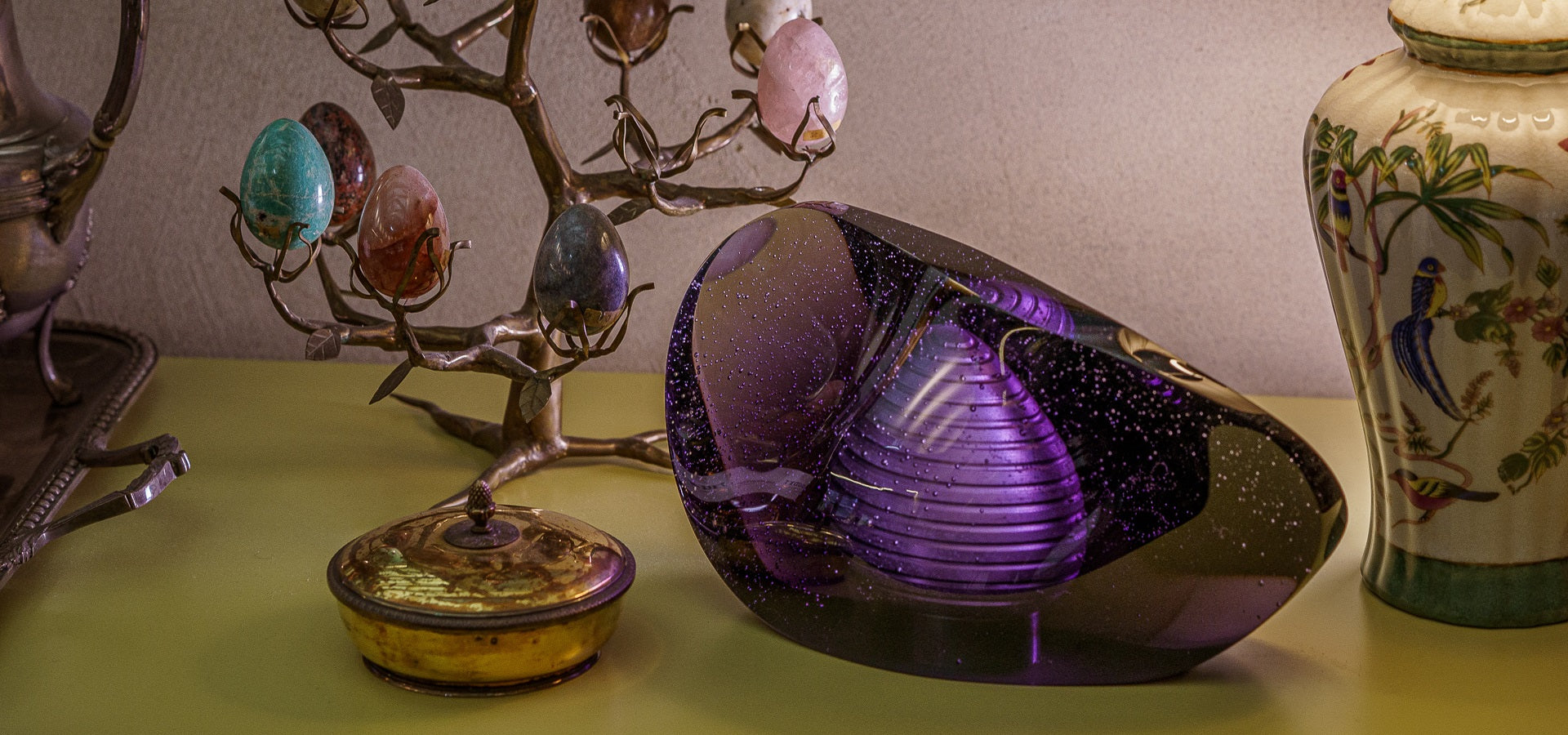
Purple sits at the intersection of sorrow and the sacred. In Guatemala, men and boys wear purple robes during processions on Good Friday to honor the suffering of Christ. Similar practices appear in Brazil, where purple signifies spiritual reflection and is often paired with black during periods of grief.
In Thailand, purple takes on specific meaning for widows, who wear it after the death of a spouse. Other mourners typically wear black, making the widow’s color both personal and unmistakably symbolic.

While rarely a mourning color today, gold once held exceptional meaning in funerary rites. For the ancient Egyptians, the metal represented eternity, indestructibility and divine power. Pharaohs were entombed with gold jewelry, masks and amulets believed to protect the soul on its journey into the afterlife.
Modern memorial art still borrows from that symbolism - gold remains a color associated with remembrance, endurance and the belief in something beyond this life.

In parts of Papua New Guinea, mourning is expressed through the earth itself. Widows traditionally coat their skin in grey clay and wear layered grey necklaces during a period of ritual grief. As months pass, each necklace is removed until only one remains; when the final loop is taken off, the mourning period formally ends. It is a slow, physical shedding of sorrow.
As families navigate both heritage and personal meaning, color now plays an increasingly intentional role in the objects that accompany mourning. Companies such as Pulvis Art Urns, which crafts ceramic urns with sculptural forms and rich glazes, say they’ve witnessed families choose urn colors not only for aesthetic reasons but also for cultural significance white for spiritual purity, black for formality, blue or grey for tranquility, red for cultural heritage, or gold for remembrance.
The blending of historical symbolism with contemporary design reflects a broader shift: mourning today is as much about honoring tradition as it is about creating new ways to tell a loved one’s story.

Taken together, these colors form more than a chart of customs. map an emotional landscape shared across humanity. Though the shades vary black’s austerity, white’s purity, red’s defiance, purple’s spirituality, gold’s promise of eternity. Тhey speak to a common desire: to make sense of loss and to mark the space left behind.
Grief may be private, but color makes it visible. And in doing so, it reminds us that while mourning rituals differ from place to place, the impulse to honor those we lose is universal.

Which urn size do I need?
A simple rule: about 1 cubic inch of urn per pound of body weight.
Every product page lists the urn's capacity. Keepsake urns hold a small portion of ashes to share.
Need it by a specific date?
Free shipping · Delivery in 3–5 business days
Express delivery in up to 3 business days – choose it at checkout
Need help choosing?
Talk to our team – we're happy to help you find the right urn.
(562) 609-4019 art@pulvisurns.comSend us a message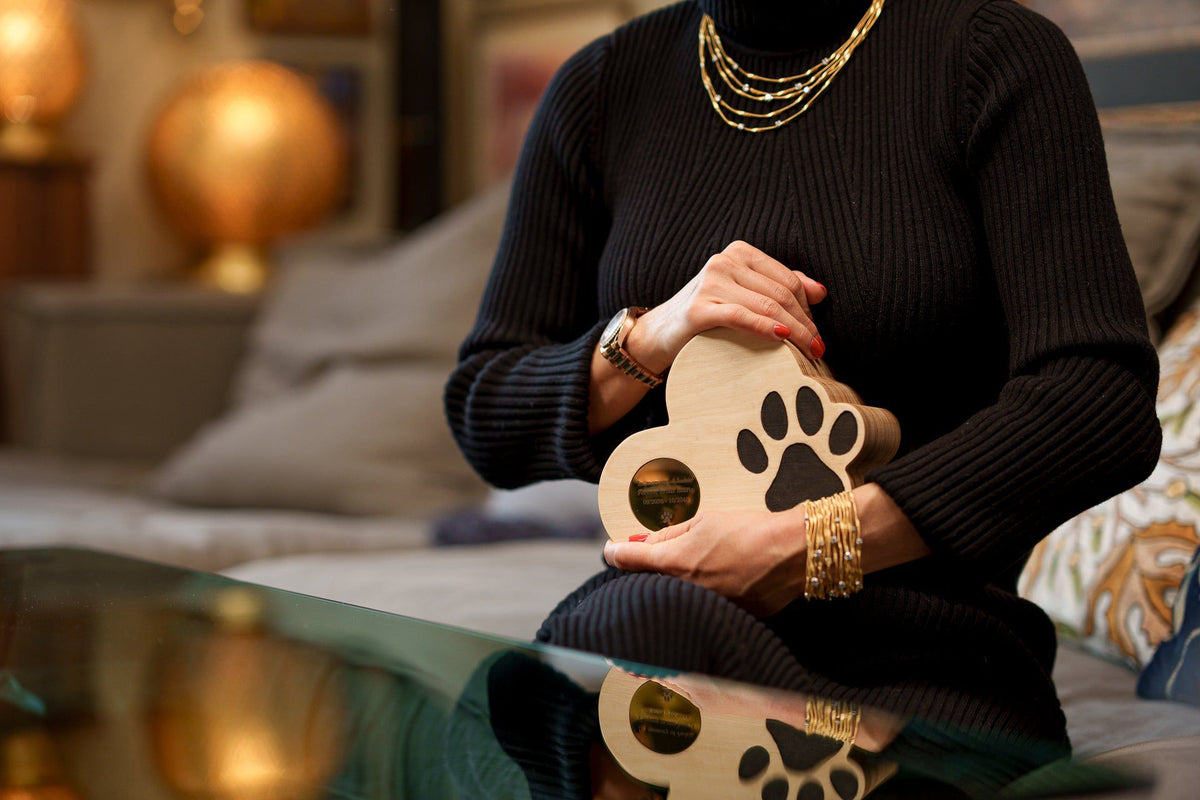
Can You Grieve a Life That Never Had Words?
Discover why losing a beloved pet can be so profound, how wordless bonds shape our lives, and how Pulvis Art Urns brings craftsmanship and thoughtful design to the art of remembering an animal companion.
What Does the Bible Say About Cremation?
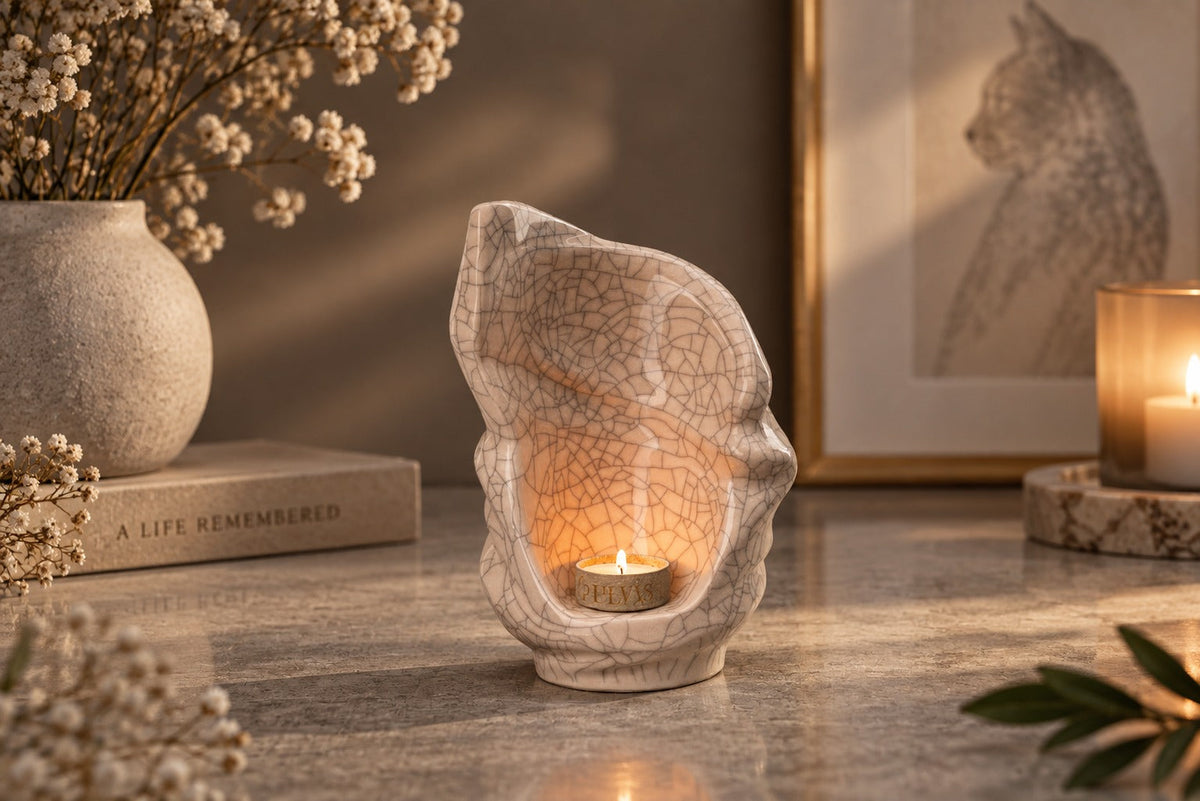
Explore what the Bible says about cremation, Christian beliefs about resurrection, and meaningful ways to honor a loved one’s memory through a thoughtful memorial.
Why Do People Light Candles for the Dead?
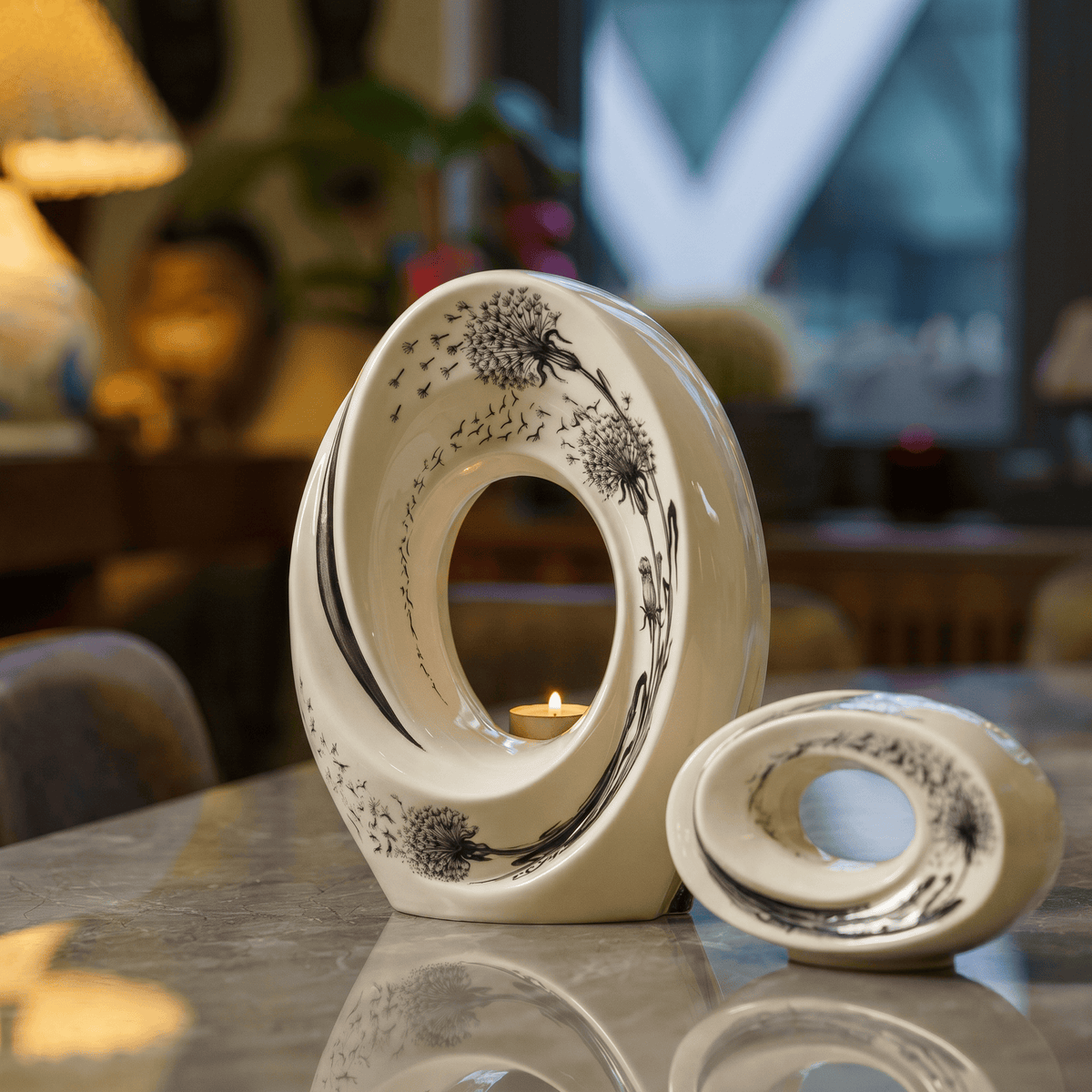
Discover the meaning behind lighting candles for the dead, exploring the traditions, beliefs, and emotions that make this simple ritual a lasting expression of remembrance, comfort, and connection within the home.

The Pet as a Witness to a Human Life
Our pets witness far more of our lives than we realise. Explore what it means for an animal to become a quiet witness to our changing homes, relationships, routines and identities — and how a memorial urn can remain as a physical connection to the life they witnessed.

Can You Inherit a Pet’s Memory?
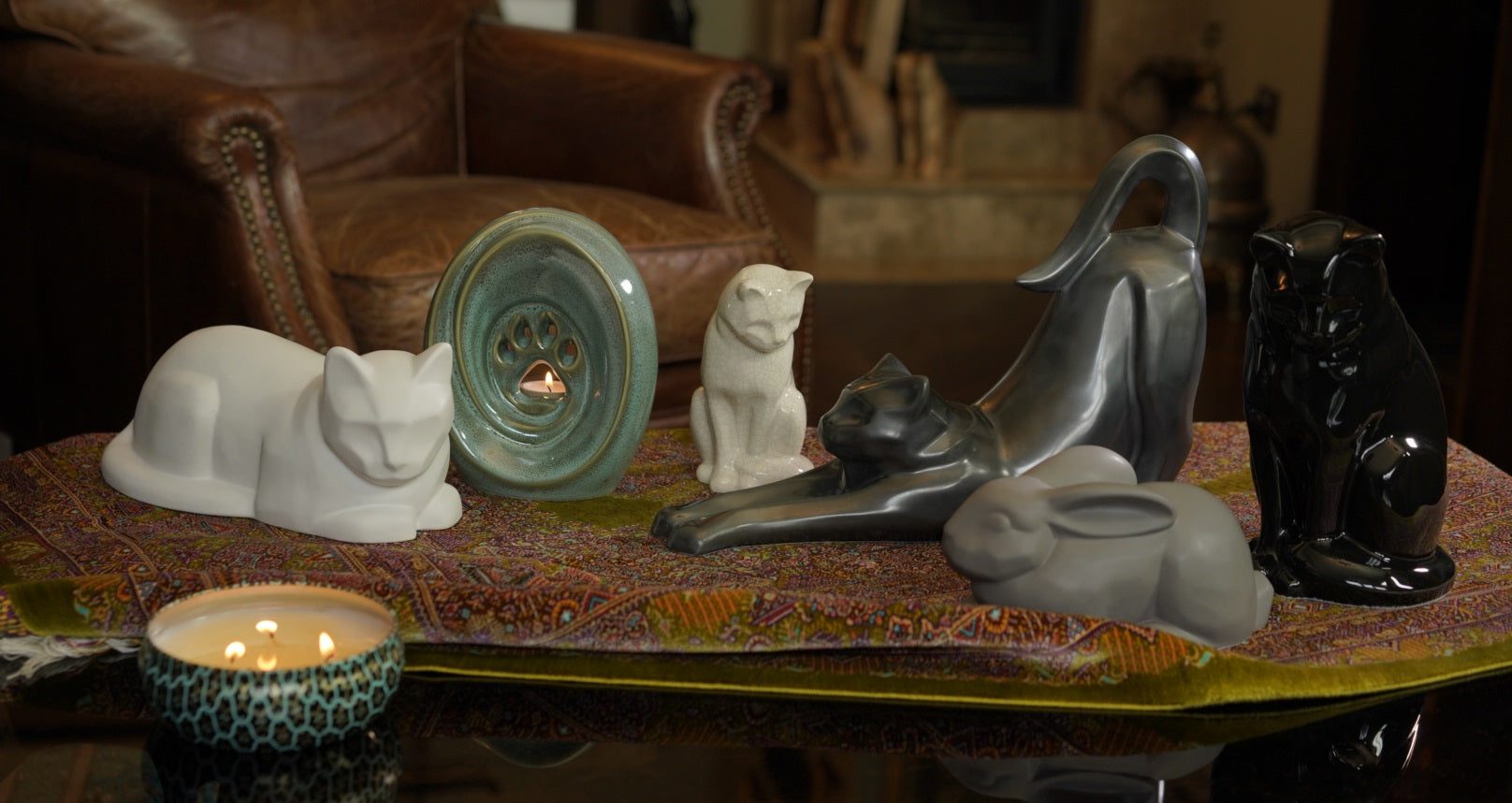
Can we remember a pet we never knew? Explore how stories, photographs, objects and memorials can carry an animal’s memory across generations, turning a private life into part of a family’s shared history.


Share:
Honoring Loved Ones: Special Memorial Gift Ideas for the Holidays
Custom Urn Designs: How to Work with Artisans for a Unique Memorial