


Here for you: art@pulvisurns.com | (562) 609-4019
7% off your order
Use this code at checkout:
The urn serves as a vital, permanent memorial, providing comfort and a physical place of remembrance for a loved one. While modern urns are designed to be highly durable and last for generations, factors like age, material degradation, and changes in their environment can significantly impact their condition over time. Recognizing the subtle and obvious signs that an urn may need to be replaced is crucial for maintaining its integrity and ensuring the memorial remains preserved with dignity.
This comprehensive guide outlines the critical indicators that suggest it is time to replace urn materials, details common durability issues across different materials, and provides actionable best practices for extending the life of your cremation urn for ashes. Understanding these factors helps families make proactive, informed decisions about protecting their cherished tribute.

Several physical and aesthetic changes can signal that a cremation urn for ashes is reaching the end of its useful lifespan and may require an upgrade urn. These indicators are typically linked to the material's prolonged reaction to its surrounding environment.
Visible Degradation and Structural Damage
Physical damage is the most straightforward sign that an urn needs attention. It is highly recommended to inspect the memorial regularly, particularly if its display environment is variable or if it has been moved recently.

Different urn materials possess varied inherent lifespans and vulnerabilities, leading to distinct durability issues over time. Familiarity with the expected resistance of your material can effectively guide your routine inspection schedule:
|
Urn Material |
Common Degradation Signs |
Best Practice Environment |
|
Warping, splitting along seams, dull finish, susceptibility to insect pests |
Cool, stable, and dry indoor setting, strictly away from direct sunlight |
|
|
Ceramic/Porcelain |
Fine hairline cracks in urn surface, chipping, fading of intricate glazed designs |
Stable indoor display, protected from impact, vibration, or extreme temperature shifts |
|
Metal (Bronze/Brass) |
Pitting, severe irreversible tarnishing, surface corrosion, or unintended green/blue patina |
Dry, low-humidity environments; may benefit from specialized polish and wax |
|
Stone/Marble |
Surface etching from cleaners, rough patches, small fissures, or noticeable cracks in urn material |
Stable surface, less susceptible to typical indoor changes; requires proper sealant for outdoors |
|
Softening, visible structural breakdown, or change in color/texture |
Follow manufacturer instructions; intended to degrade quickly upon natural burial or water scattering |

Understanding why an urn might degrade over time is key to both proactive prevention and accurately determining the necessity to replace urn features. The primary causes are directly related to environmental exposure and the inherent qualities of the construction material.
Environmental Stressors
The location where an urn is displayed or stored significantly impacts its long-term longevity and condition.
The cremation urn for ashes' inherent quality and method of construction directly dictate its long-term resistance to durability issues.

While minor damage can often be repaired, a full replacement, or upgrade urn, is the wisest long-term choice when the structural integrity of the original cremation urn for ashes is critically compromised or when family needs change.
Severe Damage and Protection
If the damage to the urn is extensive or fundamentally affects its purpose, replacing it is the best solution for dignified preservation.

An upgrade urn can also be a positive choice driven by changing family circumstances or evolving memorial preferences.
For minor durability issues, professional care can often extend the life of the memorial and delay the need to replace urn features.
Maintenance and Repair Options
|
Option |
Application |
Benefit |
|
Re-sealing |
If the only issue is a loose lid or base plug. |
A professional can re-seal the urn securely using high-grade, permanent sealant. |
|
Refinishing |
For faded or worn exterior finishes on wood or metal. |
Wood urns can be sanded and re-stained or varnished; metal can be cleaned and re- lacquered to prevent corrosion. |
|
Minor Structural Repair |
Small, superficial cracks in urn ceramic or stone pieces. |
An expert artisan specializing in memorial restoration can stabilize the damage and maintain the original piece. |
|
Careful Cleaning |
Routine dust and surface grime buildup. |
Use only soft, lint-free cloths and avoid harsh chemical cleaners to protect the finish and prevent etching. |
The cremation urn for ashes is a lasting tribute, and ensuring its longevity helps preserve the memory it represents. Paying close attention to warning signs like cracks in urn surfaces or general material degrade issues empowers families to take proactive steps to protect the memorial. Whether through professional maintenance to restore an existing piece or thoughtfully selecting a new upgrade urn, the core goal is to maintain a respectful, dignified, and structurally sound vessel that honors your loved one for generations to come.
For guidance or assistance in selecting or maintaining an urn, please Contact Us.

If you find cracks in urn material, especially large or deep ones, assess the structural stability immediately. For minor hairline cracks, consult a material specialist or artisan for repair. If stability is compromised, the safest course of action is to carefully transfer the contents to a new, secure cremation urn for ashes.
It is a good practice to inspect your memorial at least annually, paying close attention to seals, finishes, and the base. For urns placed outdoors or near extreme temperature fluctuations, inspections should be more frequent to look for signs of degrade or water damage.
Yes. Moving an urn, especially during moves between residences, is when accidental damage or cracks in urn structure most often occur. Always handle the memorial with two hands, support it from the bottom, and ensure the seal is secure before transport.
No. Only urns specifically designed for outdoor display, typically made of high-quality stone, bronze, or treated composites, should be placed outside. Wood and many ceramic cremation urns for ashes will quickly degrade due to moisture, temperature changes, and UV exposure.
An upgrade urn allows you to correct durability issues from a previous material, choose a style that better suits a new memorial space, or create a stronger, more secure container for the long term. It is a positive step toward maintaining the dignity of the memorial.

Which urn size do I need?
A simple rule: about 1 cubic inch of urn per pound of body weight.
Every product page lists the urn's capacity. Keepsake urns hold a small portion of ashes to share.
Need it by a specific date?
Free shipping · Delivery in 3–5 business days
Express delivery in up to 3 business days – choose it at checkout
Need help choosing?
Talk to our team – we're happy to help you find the right urn.
(562) 609-4019 art@pulvisurns.comSend us a message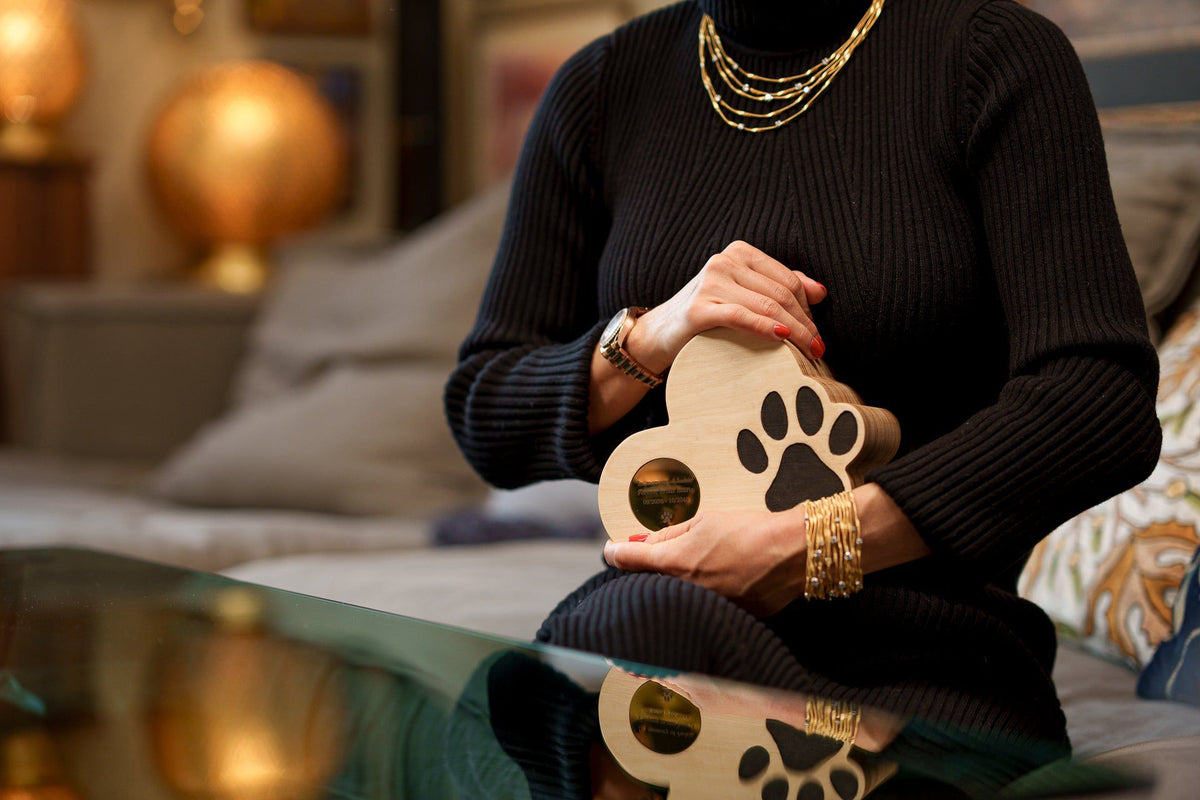
Can You Grieve a Life That Never Had Words?
Discover why losing a beloved pet can be so profound, how wordless bonds shape our lives, and how Pulvis Art Urns brings craftsmanship and thoughtful design to the art of remembering an animal companion.
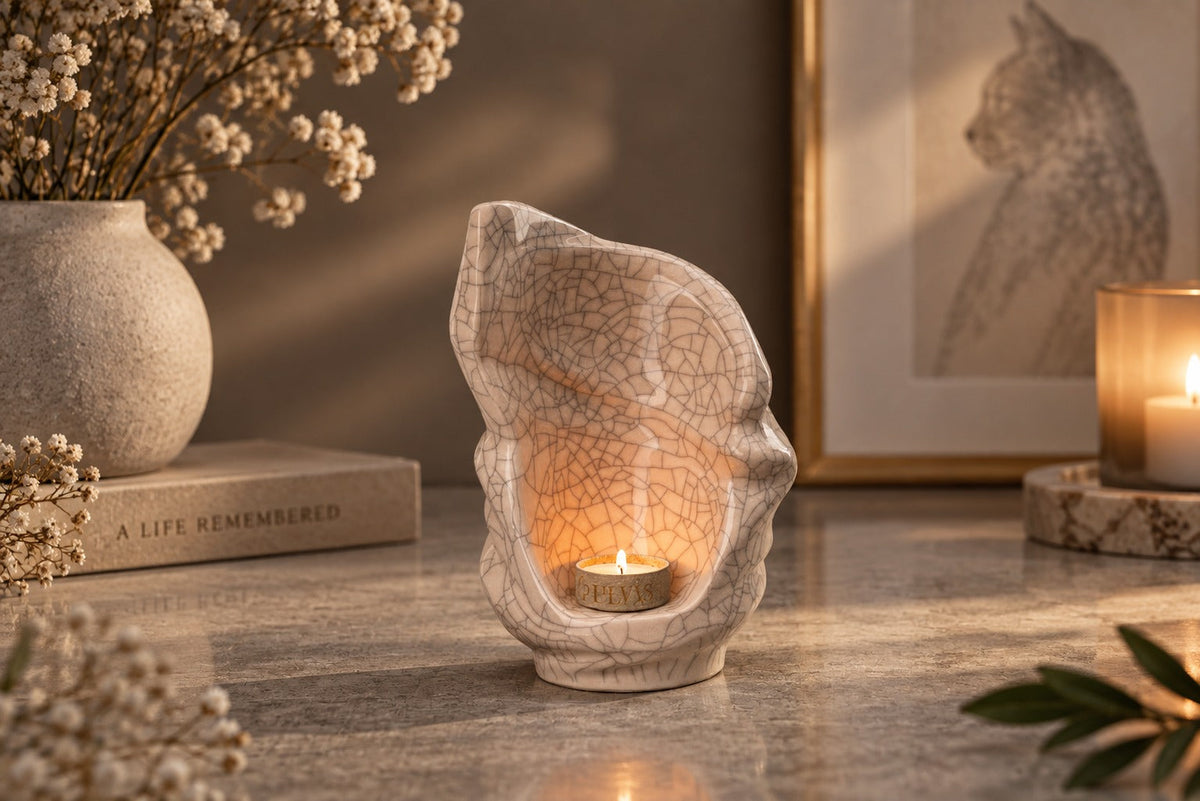
What Does the Bible Say About Cremation?
Explore what the Bible says about cremation, Christian beliefs about resurrection, and meaningful ways to honor a loved one’s memory through a thoughtful memorial.
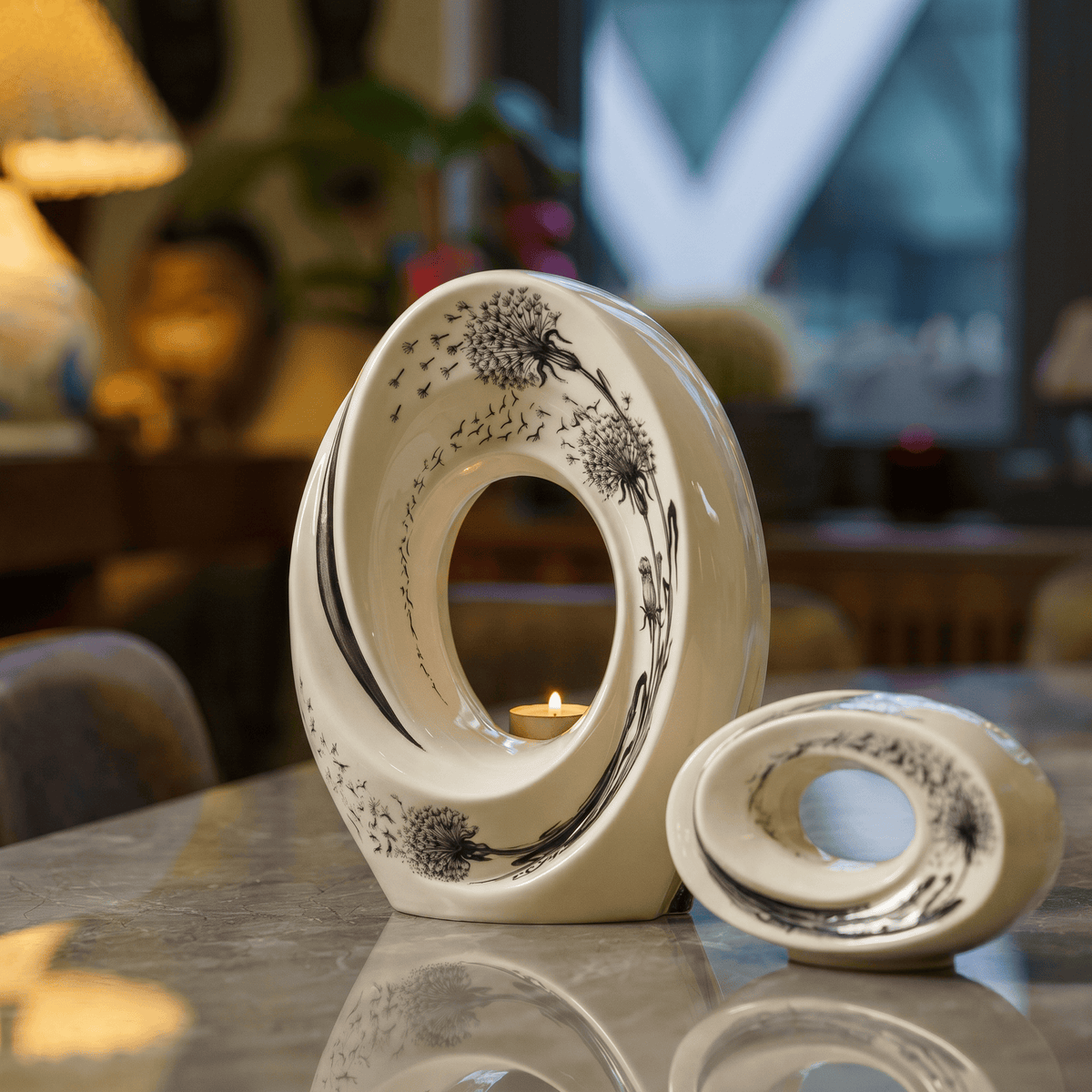
Why Do People Light Candles for the Dead?
Discover the meaning behind lighting candles for the dead, exploring the traditions, beliefs, and emotions that make this simple ritual a lasting expression of remembrance, comfort, and connection within the home.

The Pet as a Witness to a Human Life
Our pets witness far more of our lives than we realise. Explore what it means for an animal to become a quiet witness to our changing homes, relationships, routines and identities — and how a memorial urn can remain as a physical connection to the life they witnessed.

Can You Inherit a Pet’s Memory?
Can we remember a pet we never knew? Explore how stories, photographs, objects and memorials can carry an animal’s memory across generations, turning a private life into part of a family’s shared history.


Share:
Custom Urn Designs: How to Work with Artisans for a Unique Memorial
Memorials That Withstand Time and Elements