

Here for you: art@pulvisurns.com | (562) 609-4019
When deciding on a funeral service for your loved one, one of the biggest questions you’ll face is whether you want to cremate or have a traditional burial.
Deciding between cremation and burial can be a difficult decision, as it involves personal and cultural beliefs, as well as practical considerations. . Over the last 10 years cremation has gained popularity, surpassing burial as a preferred choice.
While some religions, like Hinduism, mandate cremation, and others, like Islam, require burial, there are other elements to consider.
We've gathered some information, which hopefully will help you in this tough choice. Lets start...
Let's start by looking at some of the differences between cremation and burial. When a body is cremated, it is incinerated so that all that remains are ashes and small bones. With a burial, the body remains intact.

Both burial and cremation can take place instantly after death, following a traditional funeral service or before a memorial service. By comparison, cremains can be kept by the family and friends, scattered, buried in the ground, or placed in a columbarium. Of the two, cremation is undoubtedly the more economical choice.
The average cost of a burial is between $7,000-$10,000, but with luxury or extra wide caskets, this price can easily skyrocket. Some caskets even cost tens of thousands of dollars.
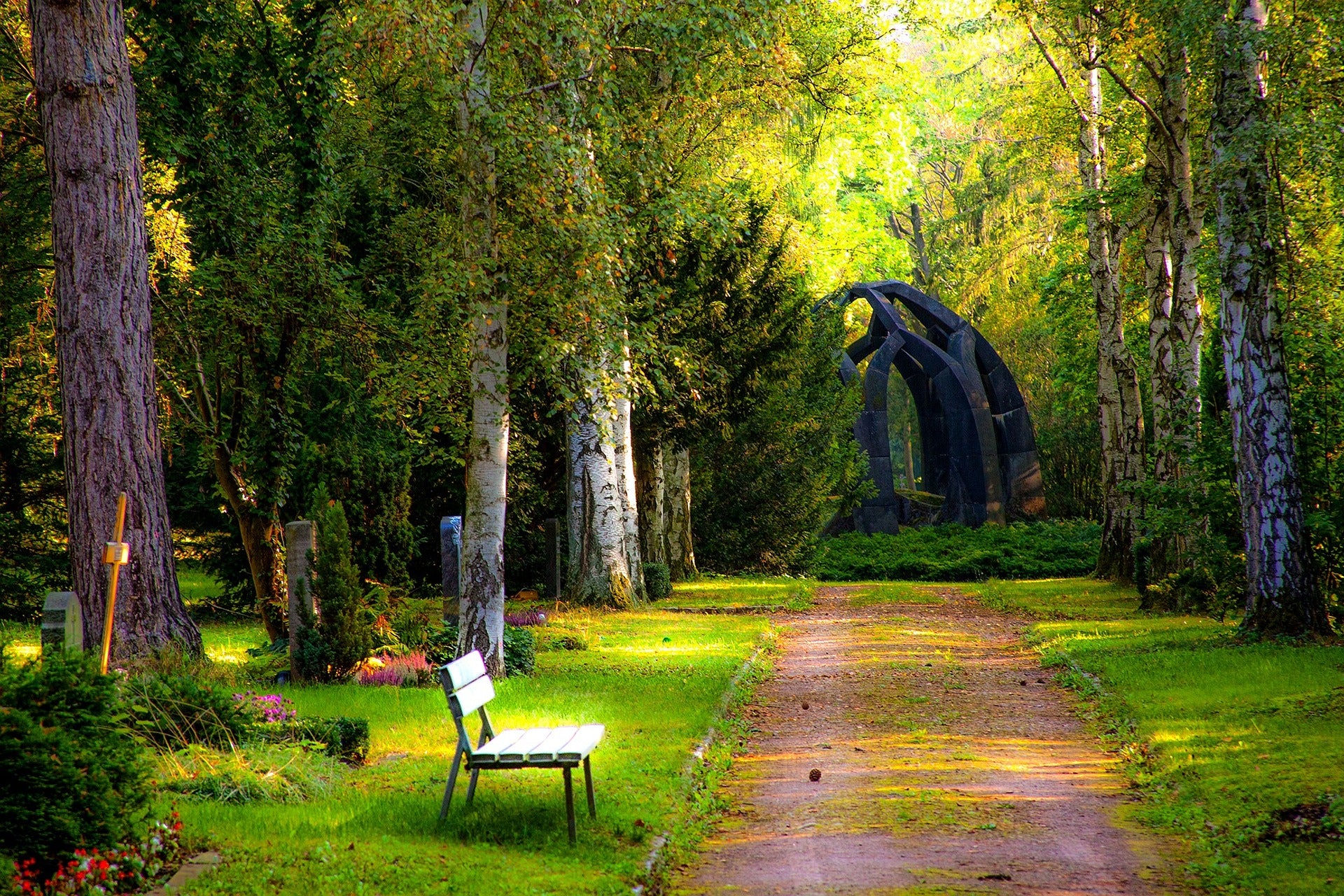
The cemetery plot is another expense you’ll have to consider. Plots can cost anywhere from a few hundred to a few thousand dollars. When you visit the grave of your loved one, you’ll want to have a beautiful cemetery to visit.

Cremation is usually less expensive than burial because it does not require a casket, burial plot, or embalming. However, the cost of a funeral or memorial service may be similar for both options.
The average cost of a plot in the US is around $1,000, but a plot at a higher end cemetery can easily cost upwards of $8,000 dollars, or even hundreds of thousands of dollars for a family mausoleum. In urban areas, cemeteries take up much needed space, so plots cost even more.
When planning a traditional burial you’ll have to organise (and pay for) a number of different elements including:
Cremation, on the other hand, eliminates at least half of these expenses and the hassle of coordinating them. To put this into perspective, the average cost of a cremation is only around $1,000.
Most caskets are hardly environmentally friendly. Modern caskets, although usually made of wood, are finished with chemicals and sealed with glues you definitely don’t want leaking into the soil. Plenty of caskets are also lined with artificial materials that are not biodegradable. On the other hand, cremation doesn’t take up space or pollute the earth.
Cremation has a smaller environmental impact than burial because it does not require land use, embalming, or a casket. However, cremation does release greenhouse gases, and some people may prefer a more eco-friendly option, such as a green burial.
For environmentalists and nature lovers, cremation is the go-to choice.
Not only is it better for the environment, but cremation can be customised to integrate nature into the service. Whether you bury the ashes of your loved one with a tree sapling, or scatter their ashes into the ocean, nature can be a beautiful addition to a ceremony in a way that just isn’t possible with traditional burial.

When planning a funeral service, you want it to be as unique and memorable as your loved one; having a meaningful service is an important part of the healing journey. But if you’re planning a traditional burial, customisation can start to cost thousands of dollars.
When it comes to cremation, customising won’t break the bank. Cremation services can be held virtually anywhere, unlike a traditional funeral, while unique art urns cost less than a few hundred dollars, as opposed to thousands of dollars for a casket. With cremation, you also don’t have to travel to visit your loved one’s grave; their memorial can even be kept in your home.

It's important to consider the wishes of your loved one and family members when making this decision. You may want to have a discussion about funeral preferences and consider what would be most meaningful and respectful for everyone involved.
Ultimately, the decision between cremation and burial depends on personal, cultural, and practical factors. It's important to take the time to consider all of these factors before making a decision that feels right for you and your family.
Not only will cremation save you money and time, it also opens up new doors of creativity that can actually help you and your family heal.
Join us in helping families honor the memory of their loved ones and pets through art!
Our Affiliate Program is now available at https://www.pulvisurns.com/pages/affiliate-program-by-pulvis-art-urns
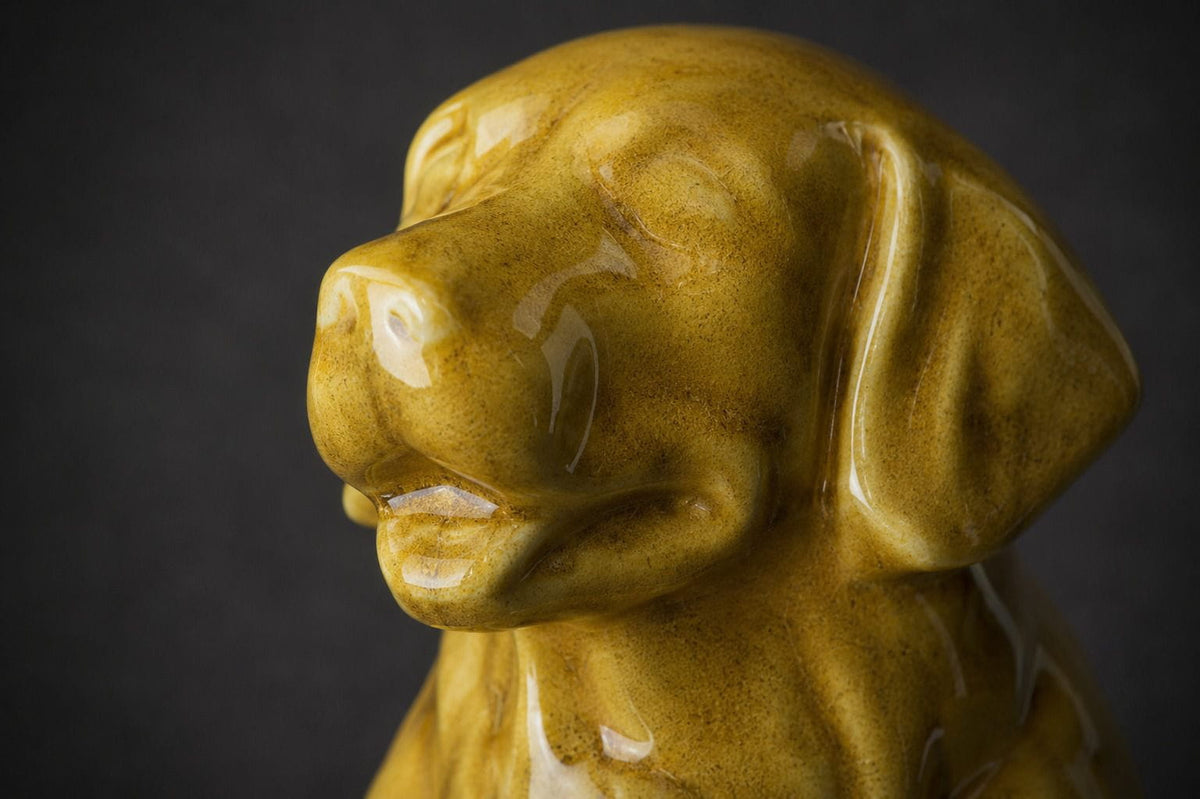
Can a pet urn be more than a vessel for ashes? Explore how craftsmanship, materials and sculptural design can transform a memorial urn into a meaningful work of art that keeps the memory of a beloved companion present.
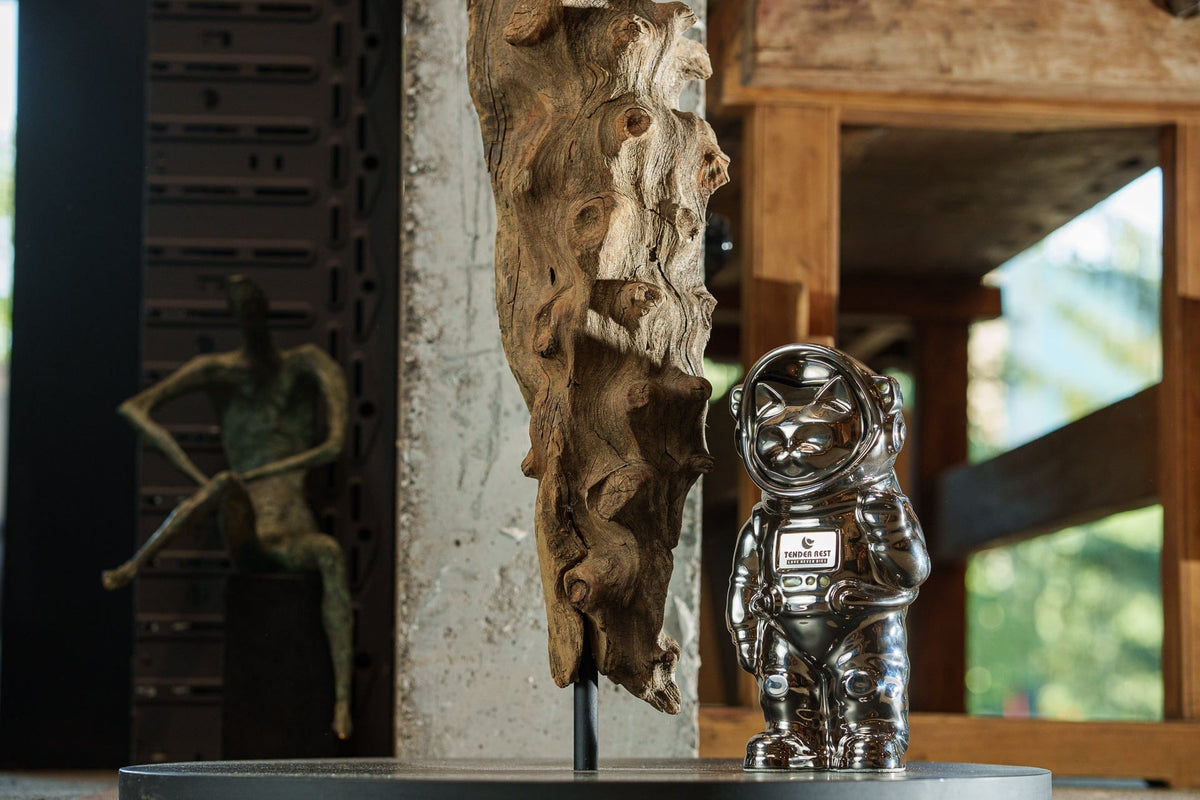
The Pet Funeral Is Changing: What Modern Goodbyes Look Like
Pet funerals are changing as animals become an increasingly important part of our families. Discover how cremation, memorial ceremonies, personalized urns and new rituals are creating more personal ways to say goodbye to a beloved companion.
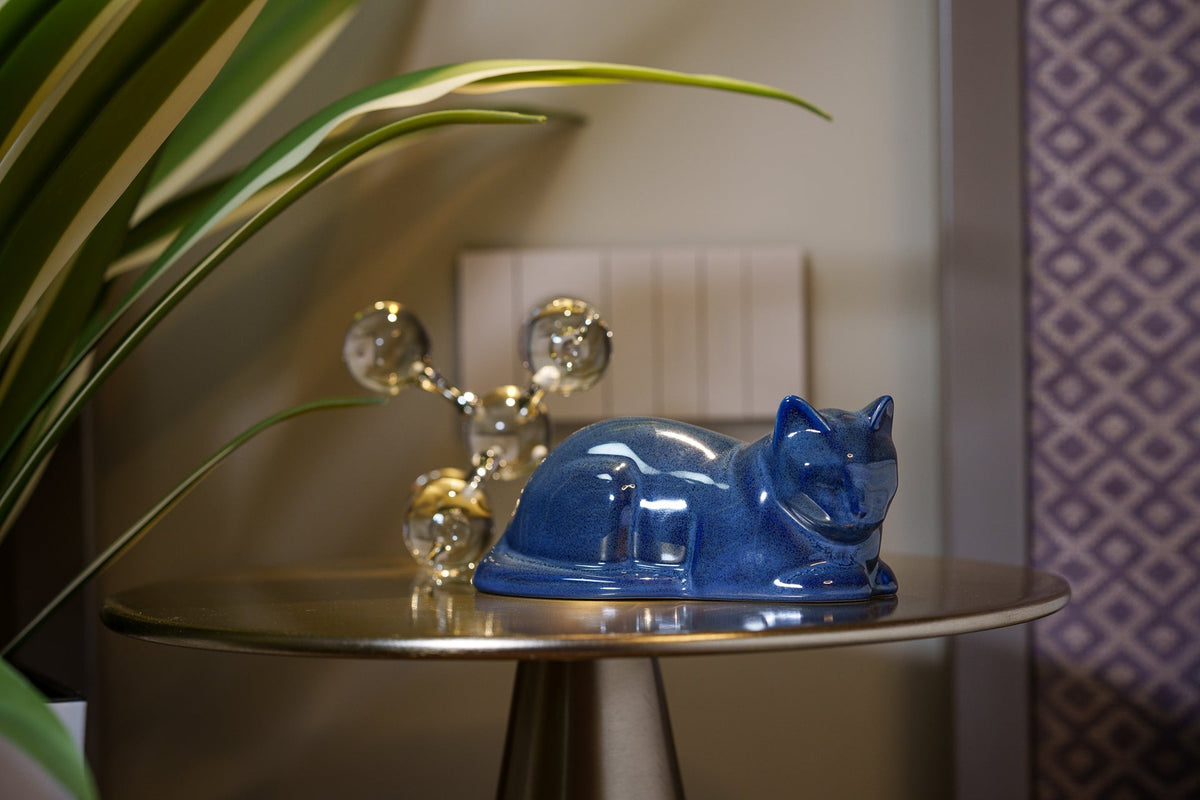
Can the Design of a Pet Urn Change the Way We Grieve?
Can the design of a pet urn influence the way we experience grief? Explore how meaningful materials, forms and memorial design can help transform loss into a lasting connection with a beloved companion.

What Are the Most Unique Urns Available Today?
Discover the most unique cremation urns available today, from handcrafted ceramic and sculptural designs to glass, nature-inspired, personalized, and keepsake memorials. Learn what makes an urn distinctive and how to choose a meaningful design based on capacity, material, placement, and personal significance.
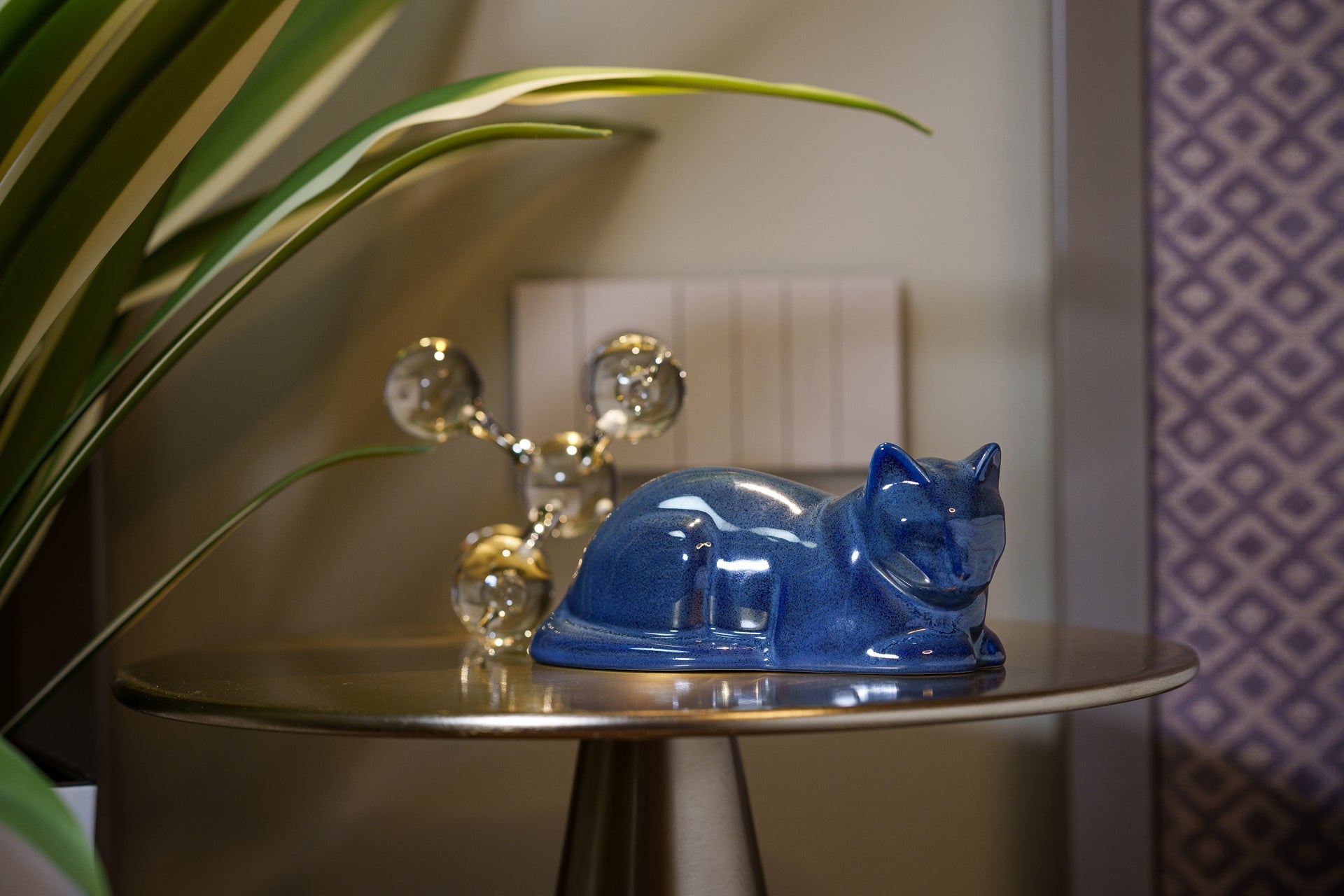
How Do You Choose the Right Pet Urn?
A practical guide to choosing the right pet urn, covering size, capacity, materials, personalization, closure, and meaningful ways to memorialize your beloved companion.


Share:
"The Passage" Cremation Urn - Product Review 2025
"The Passage" Cremation Urn - Product Review 2025