


Here for you: art@pulvisurns.com | (562) 609-4019
Those who choose cremation do so for a variety of reasons. Practicality, affordability, and possibility all contribute to a rising interest in cremation. Take a look at some of the reasons why people choose cremation, and it becomes clear why this process appeals to individuals from a wide range of backgrounds.
In general, cremation is significantly more affordable than traditional burial, typically costing 40-50% less. In addition to embalming, plot purchase, headstones, cemetery maintenance, and funerary service fees, caskets are often much more expensive than ceramic urns for ashes. Additionally there are much more variations when it comes to cremation urns, compared to coffins.

One of the main advantages of cremation is that it provides the family an abundance of time to plan for memorial services. Traditional burial must be carried out quite quickly, which can make the entire grieving and planning process feel rushed.
With cremation, families have more flexibility in deciding when and where to hold memorial services or scatter the ashes.
Traditional burial requires a lot of decision-making, and some folks are put off by the idea of their funeral becoming a big production. Cremation often appeals to people who like to keep things simple, quiet, and understated.

Though there are varying degrees of eco-friendly burials, cremation is generally viewed as a more environmentally friendly option than traditional embalming and burial, which requires the use of chemical pollutants, like formaldehyde and arsenic.
Some individuals choose cremation as a more eco-friendly option since it requires less land and resources compared to burial.
Though it may not be as apparent in large countries, like the United States and Canada, small European countries have recognized for some time that we’re running out of space as a planet. Sprawling cemeteries remind us that land is limited, and cremation offers a great solution for reducing the stress on our land resources.
In densely populated areas where cemetery space is limited, cremation can be a practical choice.
For some, being buried near family is important, yet many are dealing with family plots that are already full. While some cemeteries can’t accommodate additional plots for full caskets, many are able to bury cremation urns for ashes alongside traditional family plots and columbariums, that allow many cremation urns to be placed at one place.

Cremation might be a family tradition passed down through generations or a personal preference based on individual experiences.
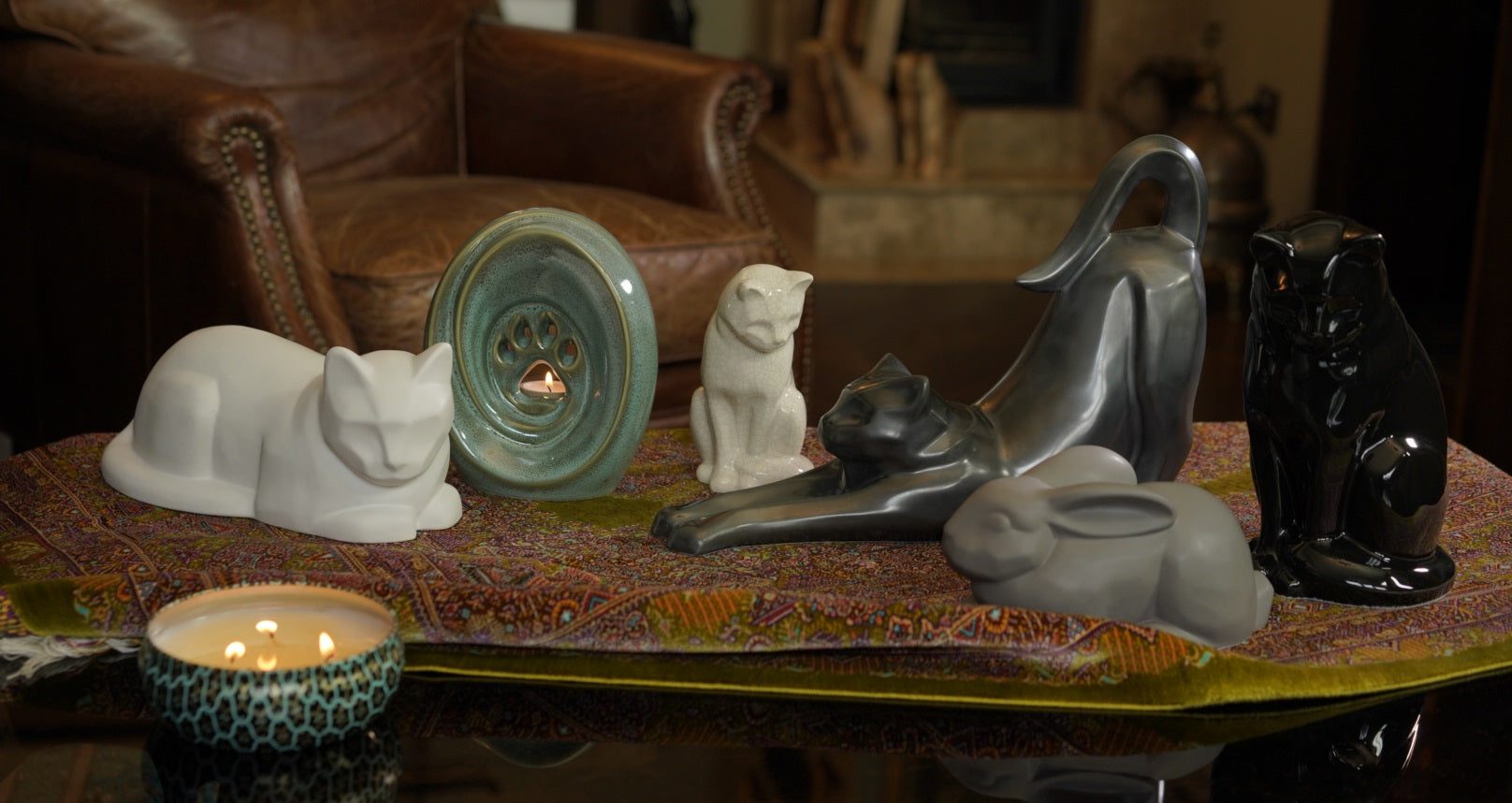
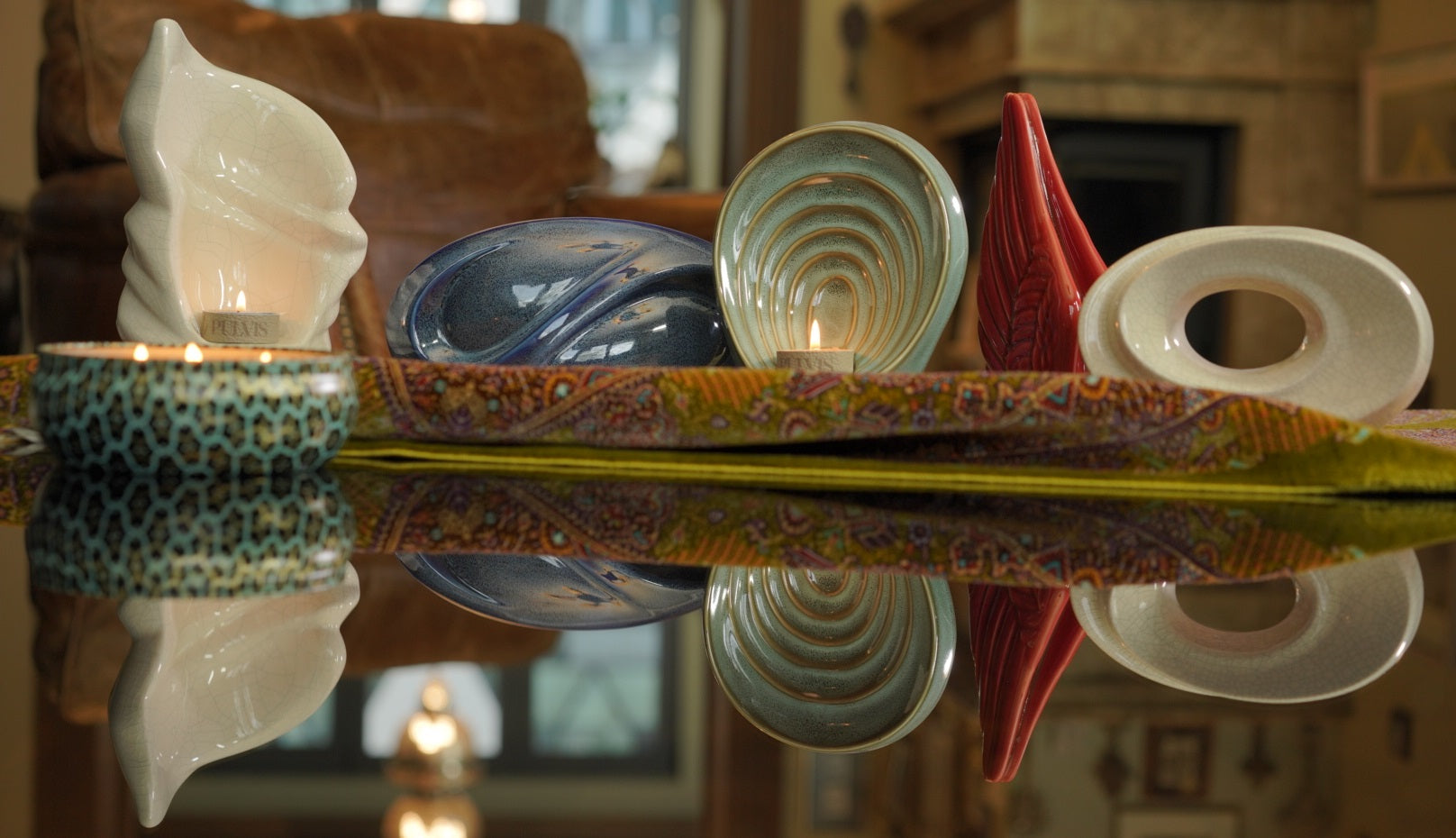
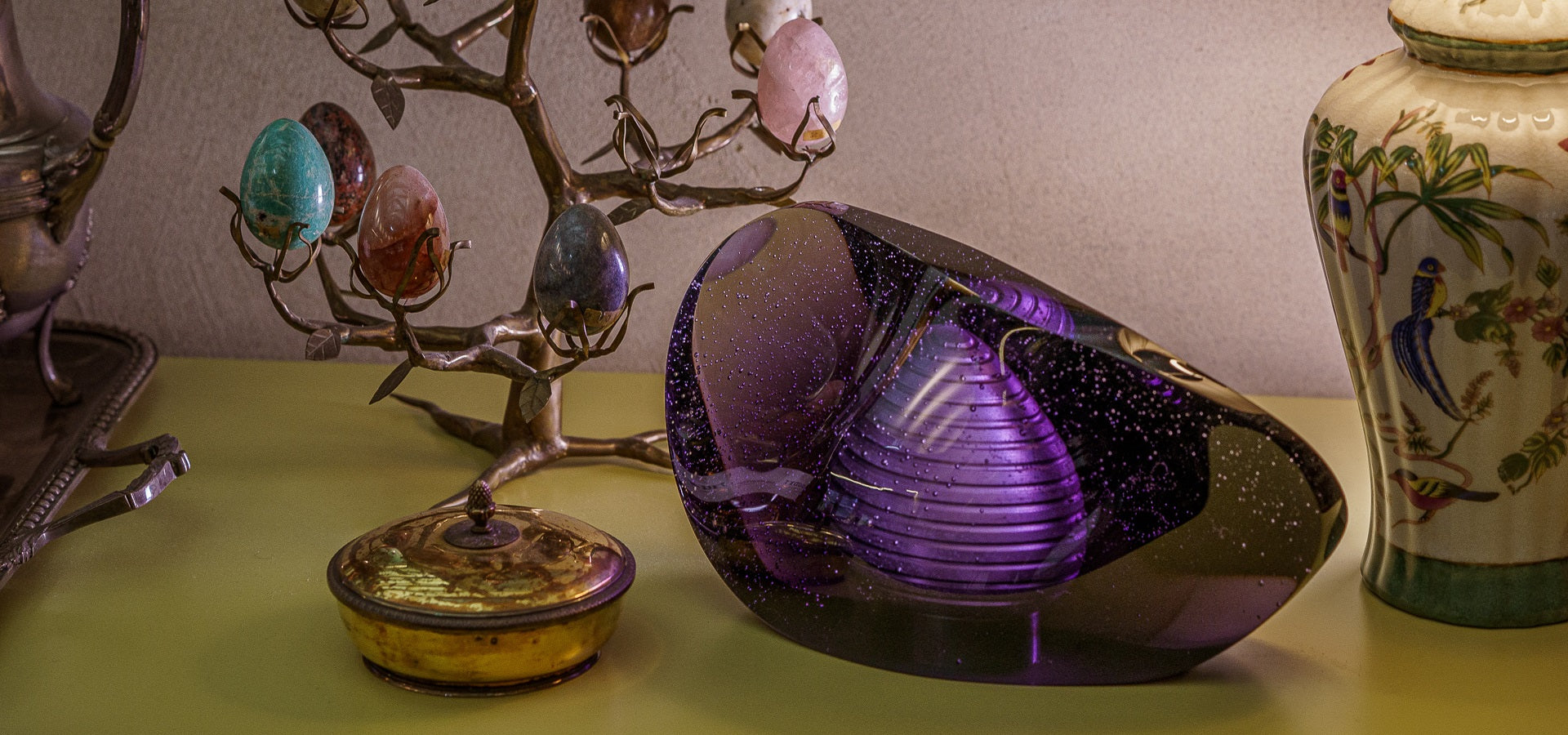
Keeping urns at home is very common for living relatives who cherish physical proximity. From handcrafted urns to art urns to classic ceramic urns, there are so many beautiful vessels available to keep departed loved ones ever-present within the family home.
Some individuals find the act of witnessing the cremation process or being present during the scattering of ashes to be emotionally cathartic and a way to find closure.
Cremated remains are portable and can be easily transported if a family moves or wishes to keep the ashes close by.
Choosing a ‘final resting place’ can be daunting for a person who has moved around throughout their life. Cremation allows surviving loved ones to bring the person’s remains with them – whether moving across town, across country, or abroad.
Likewise, there’s no need to pick a single location to scatter ashes. For those who traveled extensively in their lifetime – or perhaps grew up in one country and lived their adult life in another – scattering a portion of ashes in each place can be a wonderful tribute.
Another benefit of cremation is that ashes can be divided among individuals, allowing each person to honor their loved one as they see fit.

Cremated remains can also be used to create beautiful tokens and keepsakes that are cherished forever. Diamonds, jewelry, medallions, and stained glass are just a few of the options.
Those with a particular passion may choose an intentional destiny for their ashes. There are companies that can accommodate unique interests, like integrating the cremated remains into an artificial reef in the ocean, scattering ashes from a vintage fighter jet, and more – the options are amazing!
In some cultures or religions, cremation is the preferred or mandated method of handling the deceased.
One of the least glamorous – yet honest – reasons for cremation is that many people detest the idea of their body decomposing in a box over the years. Cremation provides a practical way to dispose of your physicality on your own terms.

Others may be committed to the idea of donating viable organs, like the eyes, heart, or lungs, to those in need. Cremating what remains after donation is an efficient conclusion to the process.
Finding peace in Mother Nature continues to provide solace over mortality. Cremation allows individuals to use their remains as a life-giving resource by using a biodegradable urn to plant a tree, taking part in the circle of life.
There are many appealing reasons to choose cremation over traditional burial. The most important thing, however, is that you find the tribute that feels right for you and your loved one.
It's important to note that people's preferences for cremation can vary widely based on personal, cultural, religious, and practical considerations.
Join us in helping families honor the memory of their loved ones and pets through art!
Our Affiliate Program is now available at https://www.pulvisurns.com/pages/affiliate-program-by-pulvis-art-urns

Can You Inherit a Pet’s Memory?
Can we remember a pet we never knew? Explore how stories, photographs, objects and memorials can carry an animal’s memory across generations, turning a private life into part of a family’s shared history.
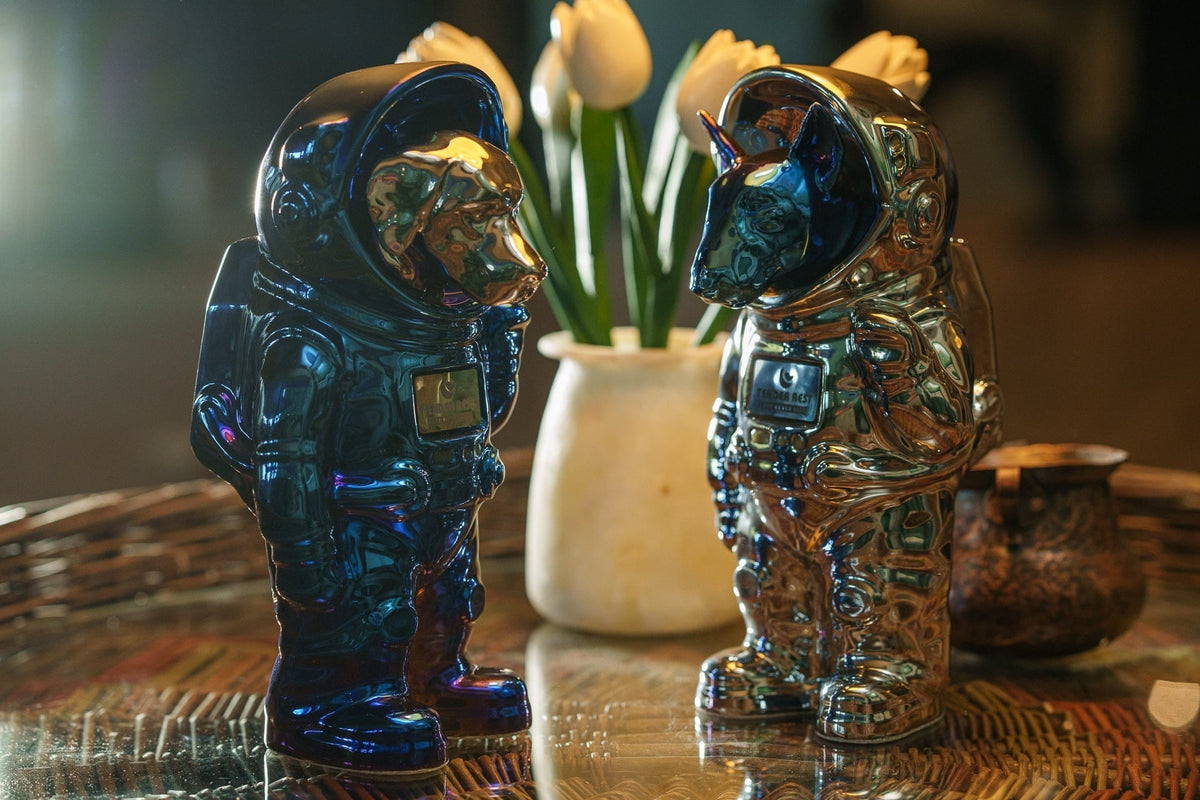
What a Pet Teaches Us About Impermanence
Living alongside a pet teaches us that the most meaningful parts of life are often temporary. Explore how animals shape our understanding of time, impermanence a quiet, lasting expression of what remains.
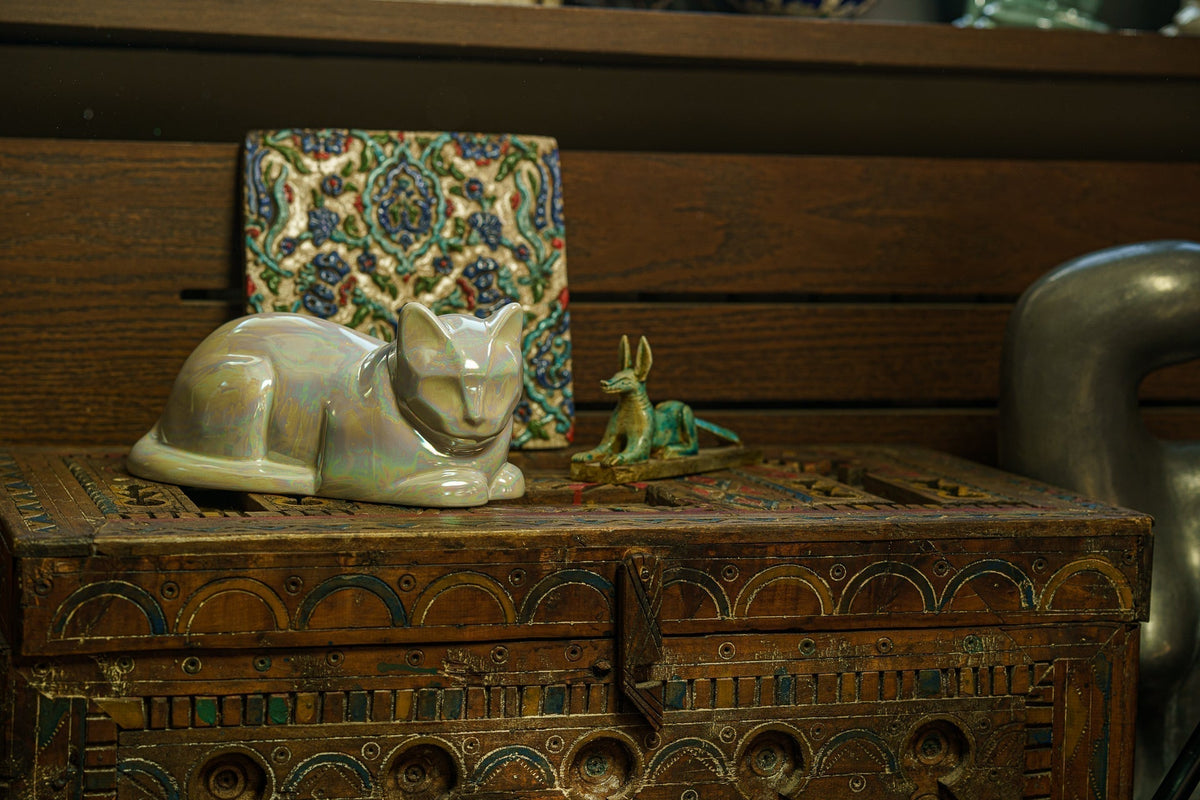
Why the Best Pet Memorials Don't Always Look Like Pet Memorials
The most meaningful pet memorials do not always rely on familiar symbols. Discover how contemporary pet urn design uses form, material, colour, and craftsmanship to create personal memorials that quietly belong within the home.
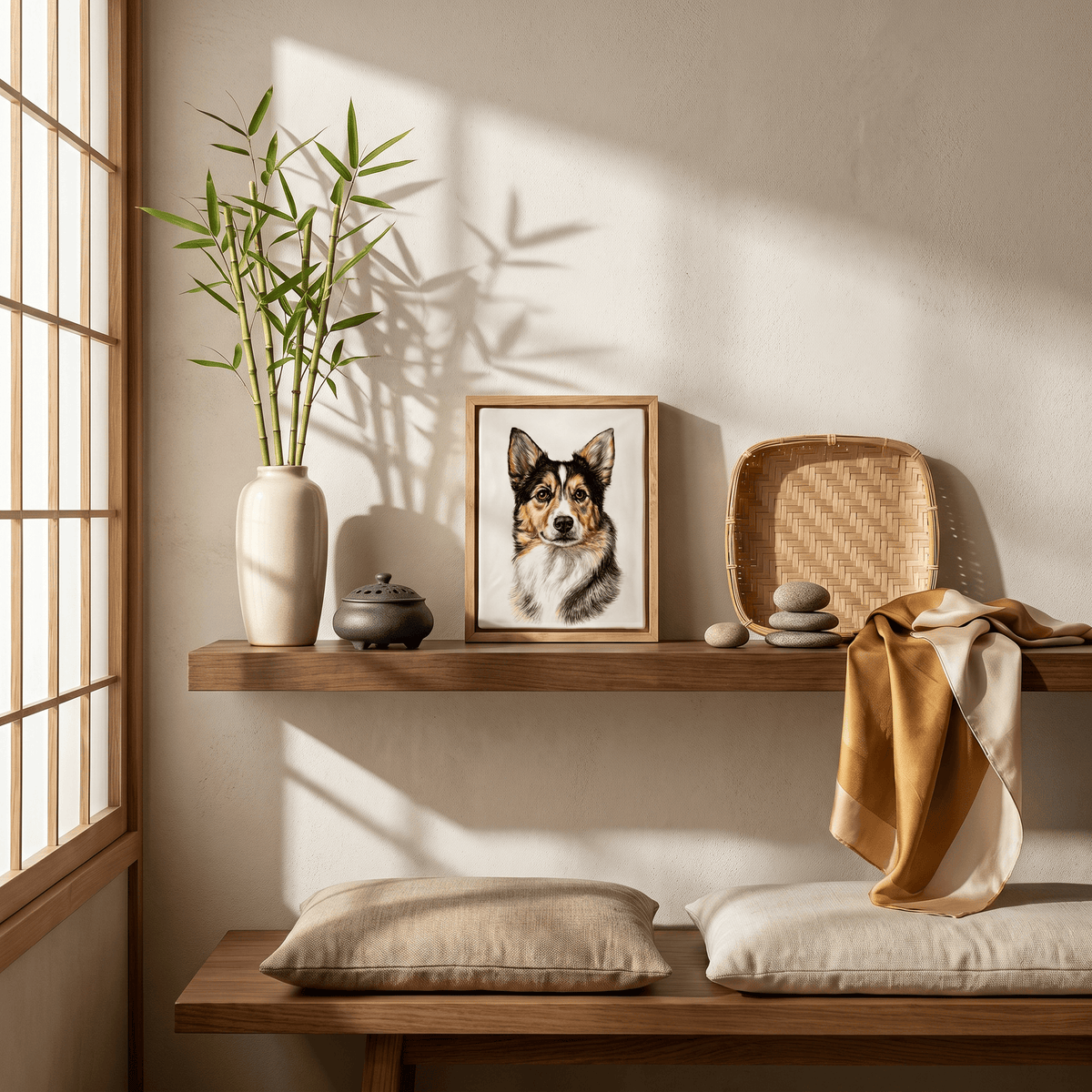
The Urn as a Bridge Between Presence and Absence
What happens when a pet is no longer physically present, but something of that life remains? Explore how a memorial urn can become a bridge between absence and presence, giving memory a tangible form and a lasting place within the home.
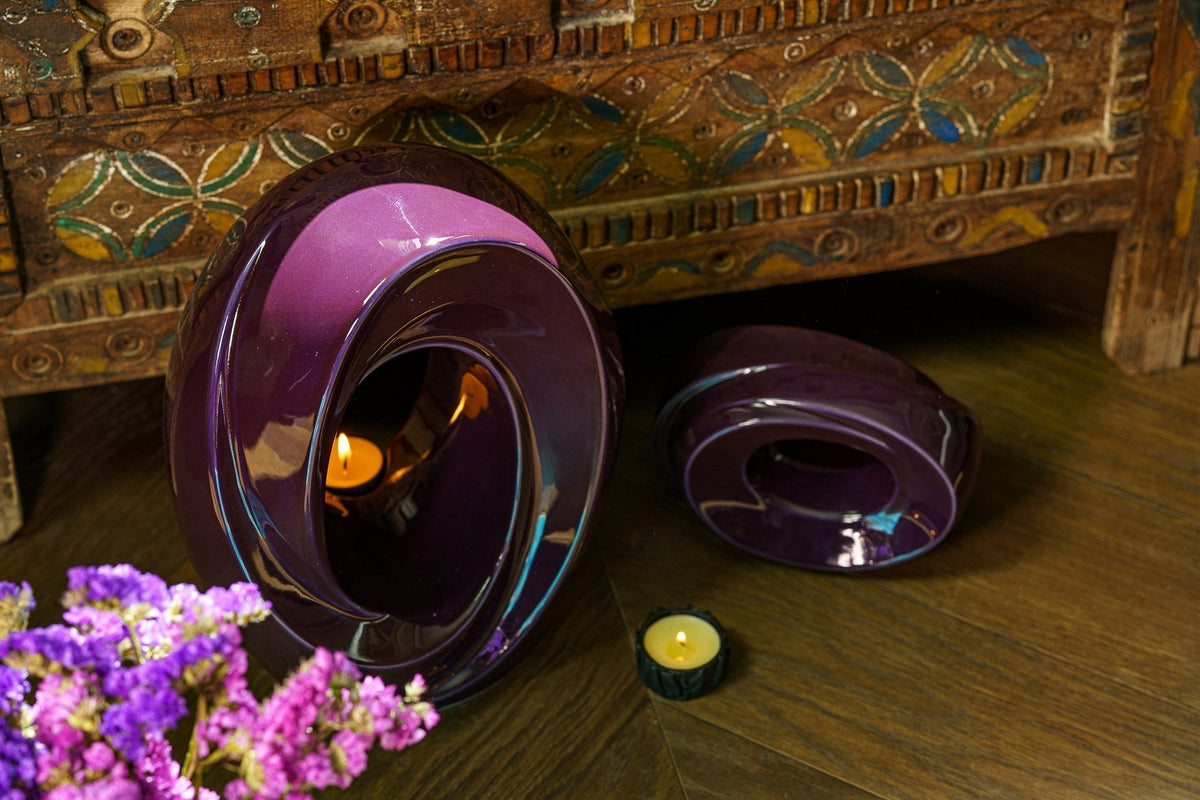
Memento Mori: Why Humans Have Always Made Art About Death
For thousands of years, humanity has transformed death into art — from skulls and fading flowers to portraits, monuments and memorial objects. Explore why we continue to create around mortality, memory and the human desire to make something last.


Share:
Do Cremation Ashes Go Bad?
Common Questions on Pets Cremation in 2023