

Here for you: art@pulvisurns.com | (562) 609-4019
For people who hold traditional religious beliefs, the topic of death can be a tricky conversation to have with others. Not only do religious beliefs about the afterlife vary from faith to faith, but they’re also different for those who do not believe in a god-like figure, atheists.
If you’re not sure what to say to a grieving family but don’t want to cause offense, you can often find yourself at a loss for words. This guide provides a simple approach that can help you gain a deeper sense of understanding – and avoid putting your foot in your mouth at an atheist funeral service.

For those who are unfamiliar with atheism, it’s easy to make faulty assumptions about death – for example, folks think that the idea of death must be depressing if you don’t believe in god or an afterlife. But many atheists would disagree! The lack of an afterlife can also provide a sense of solace and peace. For atheists, the finite nature of life can actually spark wonder and awe at the gift of life itself, inspiring action and motivation to seize the day.
It’s also important to note that not all atheists hold the same beliefs about what happens when a person dies. While some may veer toward a scientific philosophy, others may believe in an undefined communal consciousness that is possible after death. This can still carry deep meaning and significance.
The takeaway? Don’t assume that the concept of death is a sterile idea for atheists. While atheist beliefs may differ from religious ideas, death is still a time of mourning an individual’s loss, learning to get through grief, and finding closure. This is a pretty universal experience for families – regardless of philosophy.
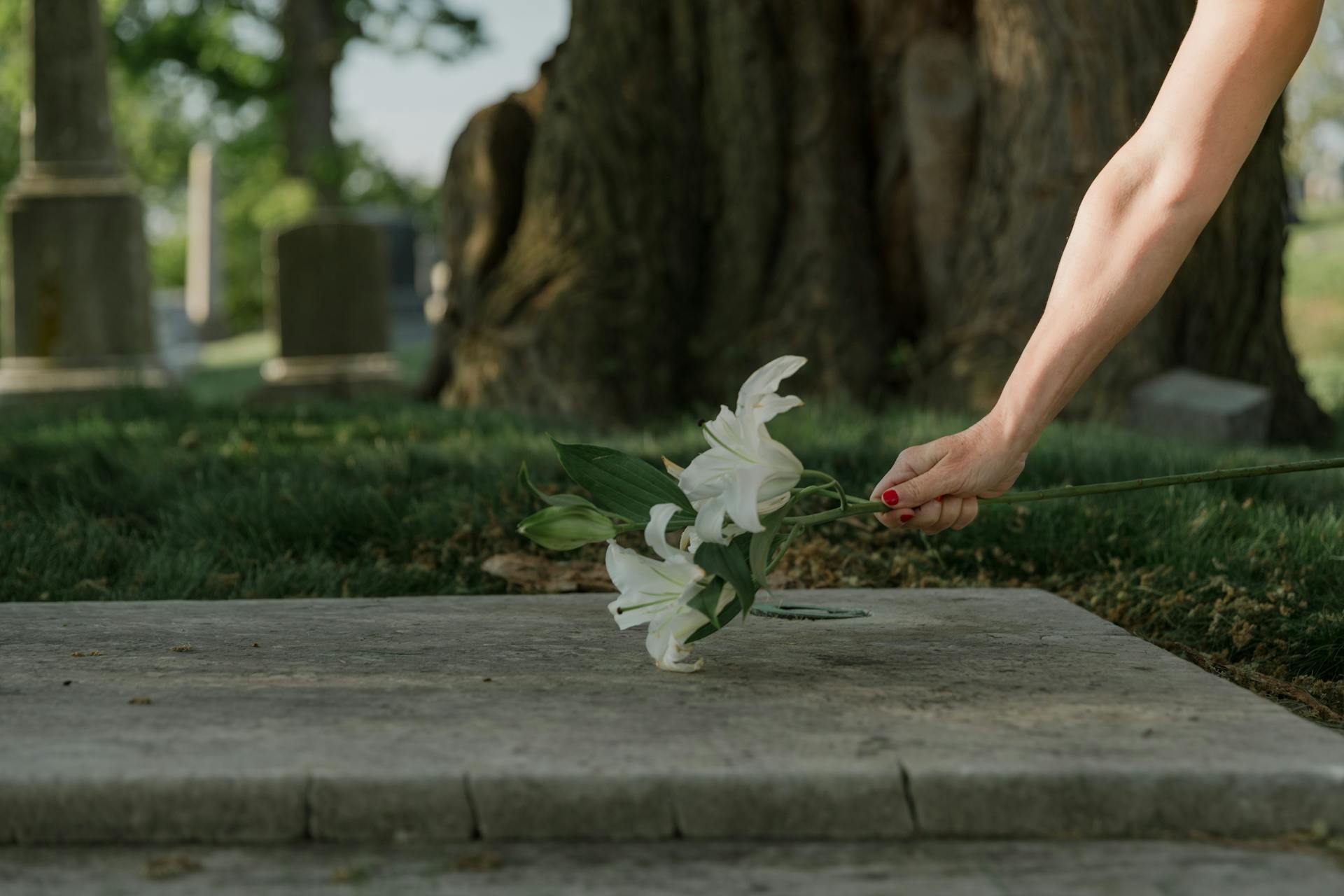
It is common for atheists to hold funeral services, and you do not have to be an atheist in order to attend. Also referred to as Humanist funerals, these services do not have religious undertones – so there’s no mention of god, prayers, or the person’s spirit finding its way in the afterlife. Instead, atheist memorial services are often focused on the remembrance of the person who has passed.
While atheist funeral services can have a lot of variation, there are often elements that are recognizable. If there’s a visitation, there will most likely be a casket and a gathering of loved ones. There may be flower arrangements, photos, candles, or a non-religious reading to cause reflection.
Atheists may choose to have a traditional burial, but cremation tends to be more common since there aren’t any religious doctrines that dictate burial. Keeping the loved one’s ashes in a cremation urn or ceramic keepsake is also common. Artisan urns with handcrafted features are ideal, since there are many modern and abstract cremation urn designs that don’t have religious connotations.

Here are a few things to keep in mind when attending an atheist or Humanist funeral service.
With a little compassion and thoughtful etiquette, it’s possible to pay your respects appropriately – even if a person’s beliefs are different from your own.
------------------
Our Affiliate Program is now available. at https://www.pulvisurns.com/pages/affiliate-program-by-pulvis-art-urns

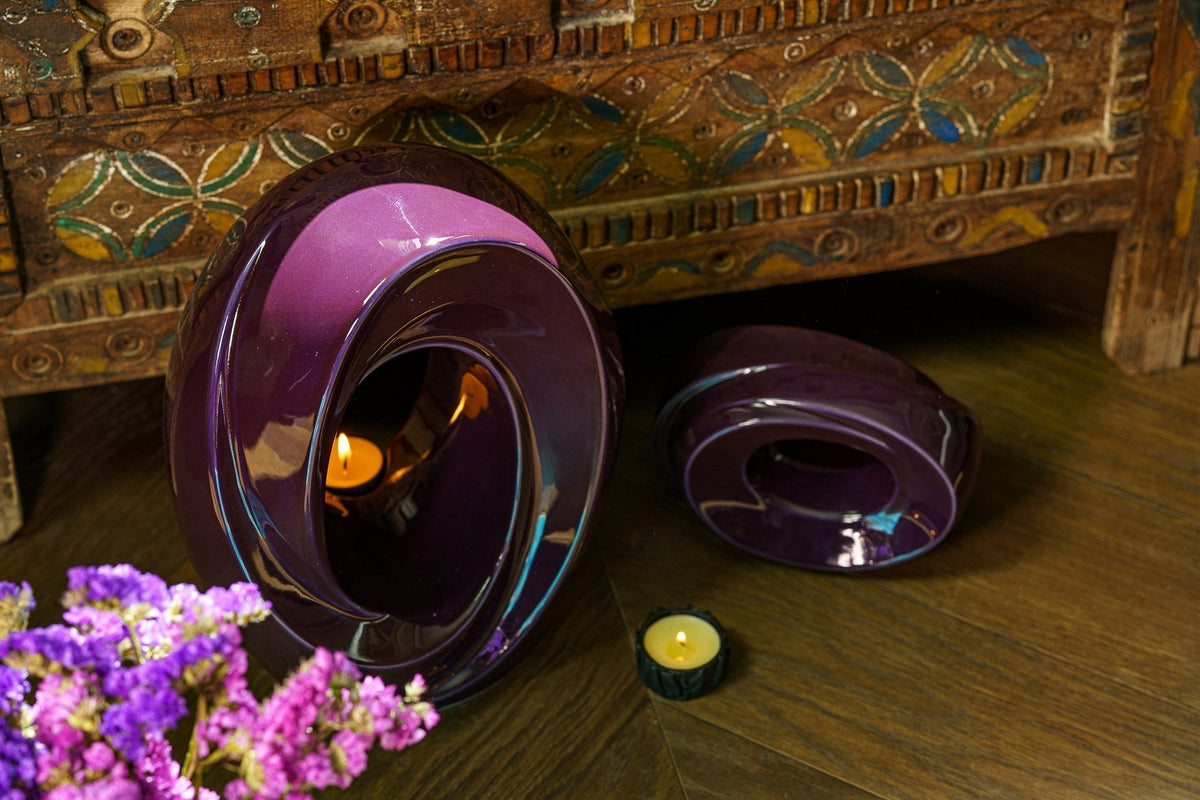
The Urn as a Bridge Between Presence and Absence
What happens when a pet is no longer physically present, but something of that life remains? Explore how a memorial urn can become a bridge between absence and presence, giving memory a tangible form and a lasting place within the home.
Memento Mori: Why Humans Have Always Made Art About Death
For thousands of years, humanity has transformed death into art — from skulls and fading flowers to portraits, monuments and memorial objects. Explore why we continue to create around mortality, memory and the human desire to make something last.

Every pet leaves behind an archive of its life — photographs, familiar objects, stories and traces of everyday routines. Discover how these fragments preserve not only memories, but the physical and emotional story of a beloved companion.
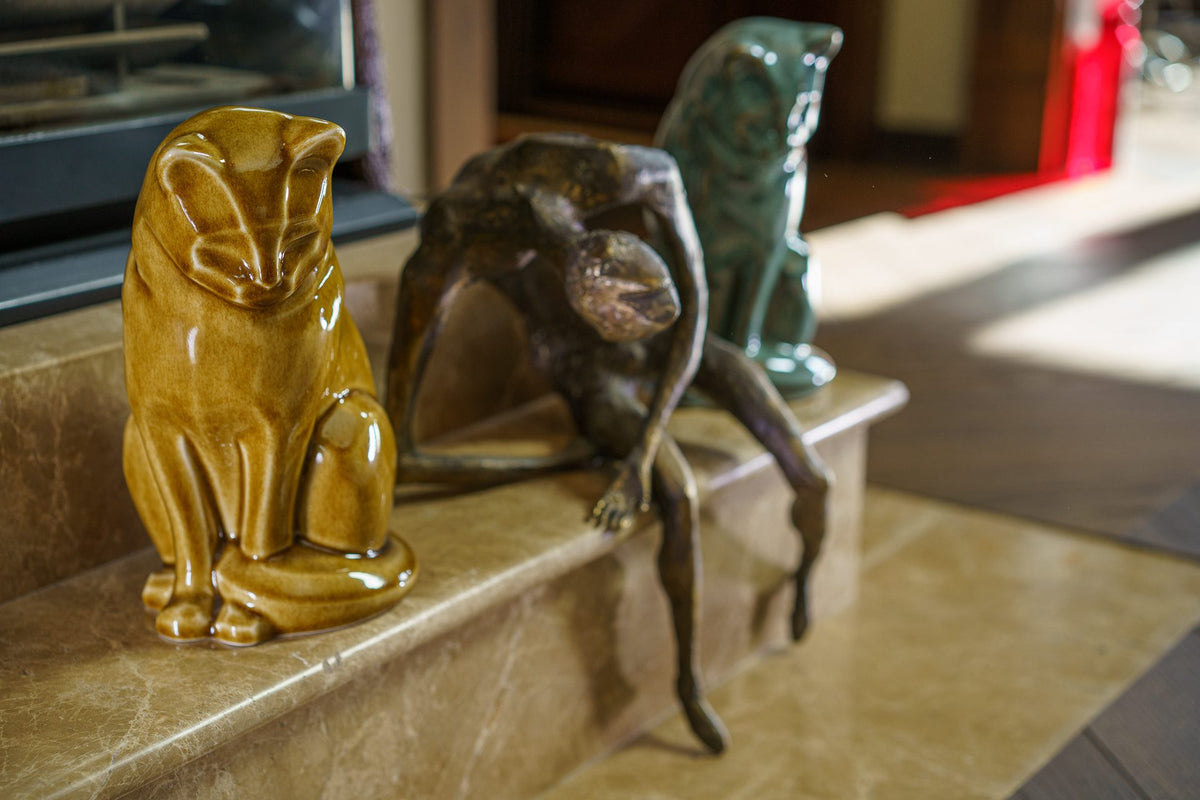
The New Aesthetics of Pet Memorials
Pet memorials are moving beyond traditional symbols of mourning. Explore how contemporary design, art, craftsmanship and materials are creating a more personal and understated aesthetic for remembering a beloved animal.
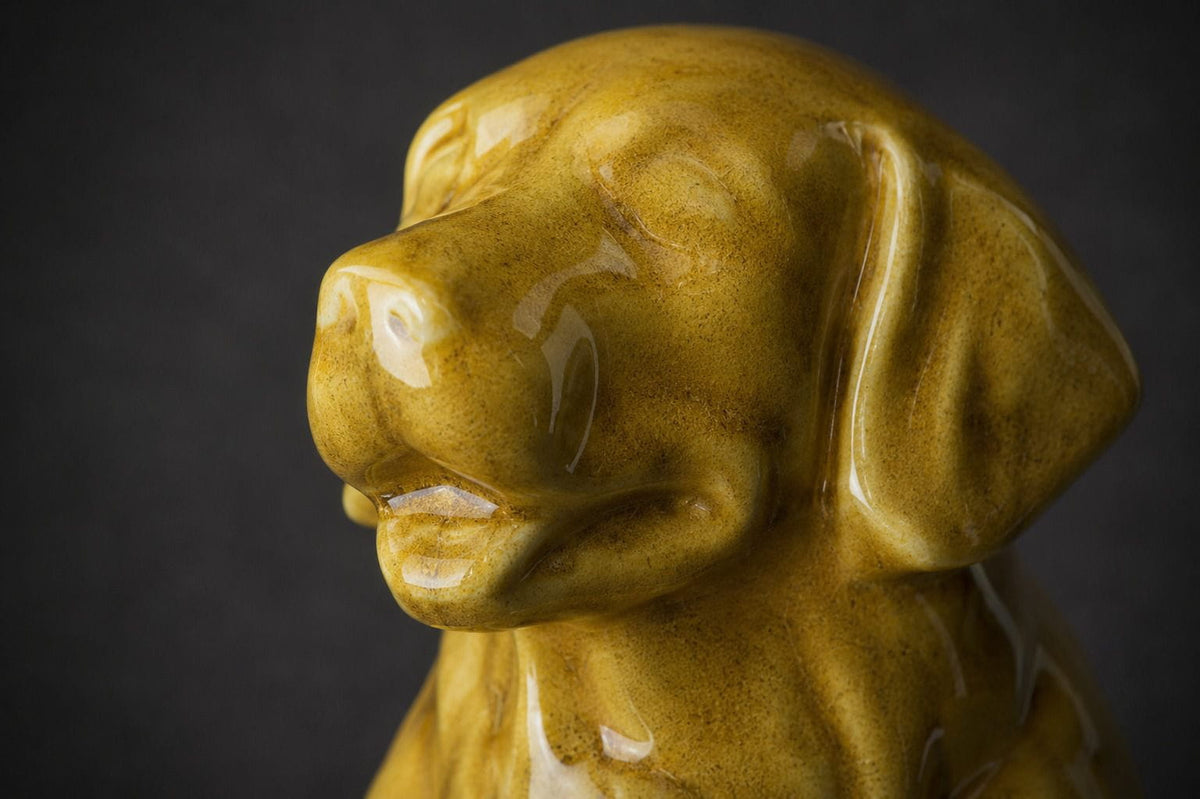
Can a pet urn be more than a vessel for ashes? Explore how craftsmanship, materials and sculptural design can transform a memorial urn into a meaningful work of art that keeps the memory of a beloved companion present.


Share:
How Much Does It Cost to Cremate a Rabbit?
Get Inspired by These Beautiful Cremation Traditions