



Here for you: art@pulvisurns.com | (562) 609-4019
7% off your order
Use this code at checkout:
Grief is a universal experience, yet it is deeply personal and unique for every individual. When faced with the loss of a loved one, many people struggle to express their sorrow or find ways to keep the memory of the deceased alive.
Art has long been regarded as a medium for expressing the inexpressible. During mourning, emotions like sadness, anger, guilt, and longing can be overwhelming. For many, articulating these feelings verbally can feel impossible or inadequate. Art, however, allows individuals to bypass the constraints of language, offering a non-verbal outlet to explore and process their emotions.
The Power of Art in Expressing Grief
In grief, creating art can be cathartic. The physical act of painting broad strokes on a canvas, melding clay with one’s hands, or sketching intricate lines can mirror the tumultuous and layered nature of grief. Each stroke or shape becomes a tangible representation of pain, love, and remembrance, providing a sense of release.
Moreover, art therapy encourages mindfulness quality often lost in the haze of loss. Immersing oneself in the creative process anchors the mind to the present moment, reducing anxiety and fostering a sense of calm.
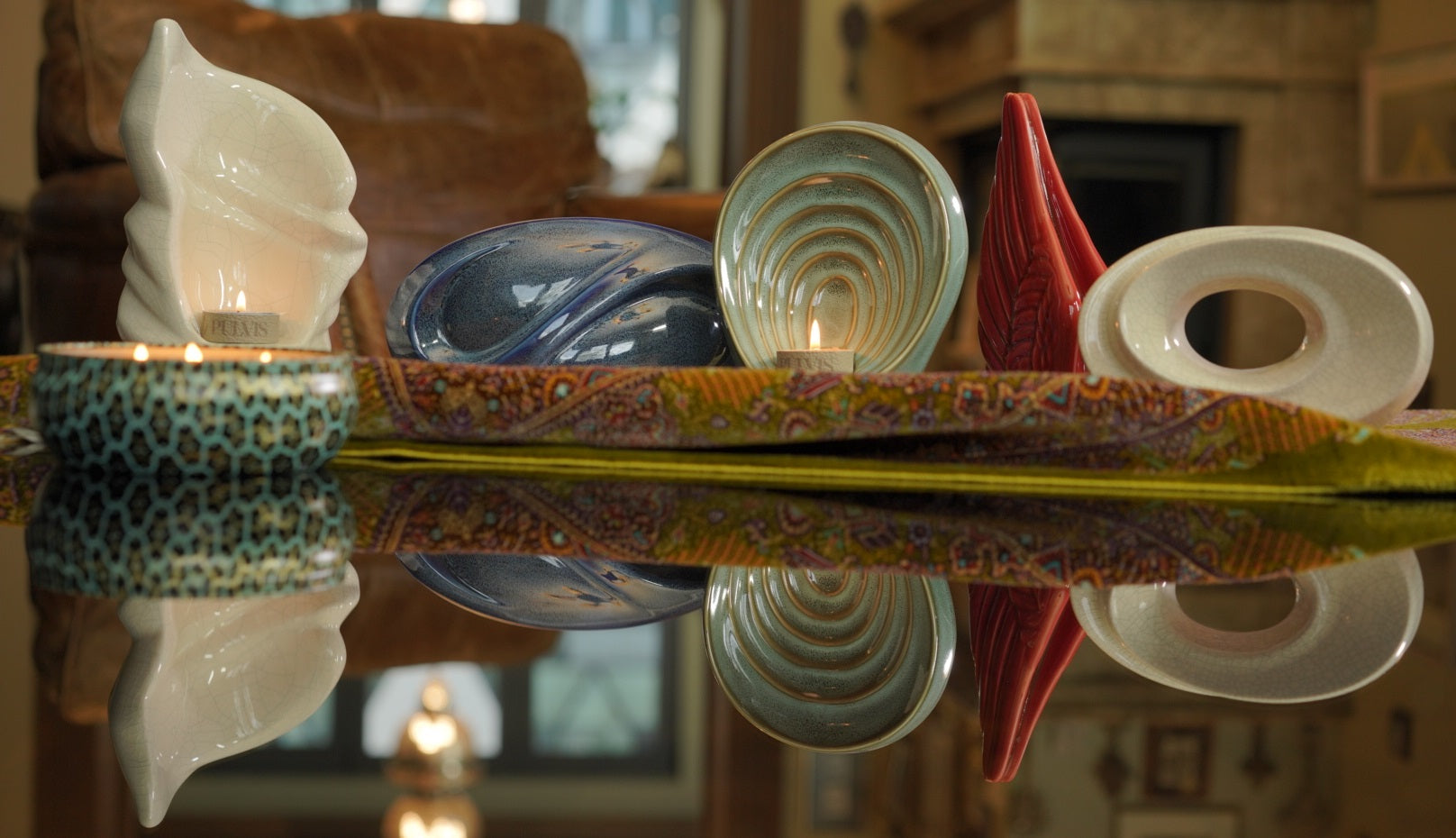
For example, pottery holds symbolic significance in many cultures. Shaping clay into vessels or urns mirrors the human journey of being shaped by experiences, including loss. Handmade urns or keepsakes, for instance, have become increasingly popular to house cremated remains or other mementos, blending functionality with emotional resonance.
Drawing or painting can also serve as a tribute. Portraits, abstract representations of shared memories, or depictions of the loved one’s favourite places can act as enduring reminders of their presence. Such creations can be displayed in homes, serving as both a comfort and a conversation piece that keeps their memory alive.
A Path to Healing
The therapeutic benefits of art are supported by research in psychology and neuroscience. Creating art has been shown to activate the brain’s reward pathways, releasing dopamine—a neurotransmitter linked to pleasure and motivation. This can help counterbalance the low energy and apathy often experienced during grief.
Art therapy also engages both hemispheres of the brain. The left hemisphere, responsible for logical thought and analysis, works in tandem with the right hemisphere, which governs emotions and creativity. This dual engagement fosters a holistic processing of grief, enabling individuals to better integrate their experiences and begin the journey toward acceptance.
For instance, bereavement centres often host sessions where participants create memory boxes. These decorated boxes hold small mementos of the deceased, such as photographs, letters, or objects that evoke fond memories. The process of decorating the box becomes a therapeutic act, helping individuals focus on the positive aspects of their relationship with the departed.
Grief is an arduous journey, but art therapy offers a gentle and effective way to navigate it. Whether through painting vibrant scenes that celebrate a loved one’s life, melding clay into keepsakes that hold memories, or sketching abstract forms that capture raw emotion, art enables individuals to process their pain and find solace.
Despite its benefits, some may feel hesitant to try art therapy, citing a lack of artistic skill or confidence. It is important to emphasize that the value of art therapy lies not in the aesthetic quality of the work but in the process itself. Creating art during mourning is not about producing a masterpiece; it is about expressing oneself authentically.
As a bridge between sorrow and remembrance, art therapy serves as both a tribute and a tool for healing, reminding us of that beauty and meaning can emerge even from the depths of loss. By embracing creativity in mourning, individuals can embark on a journey of transformation, turning grief into a poignant expression of love and resilience.

Which urn size do I need?
A simple rule: about 1 cubic inch of urn per pound of body weight.
Every product page lists the urn's capacity. Keepsake urns hold a small portion of ashes to share.
Need it by a specific date?
Free shipping · Delivery in 3–5 business days
Express delivery in up to 3 business days – choose it at checkout
Need help choosing?
Talk to our team – we're happy to help you find the right urn.
(562) 609-4019 art@pulvisurns.comSend us a message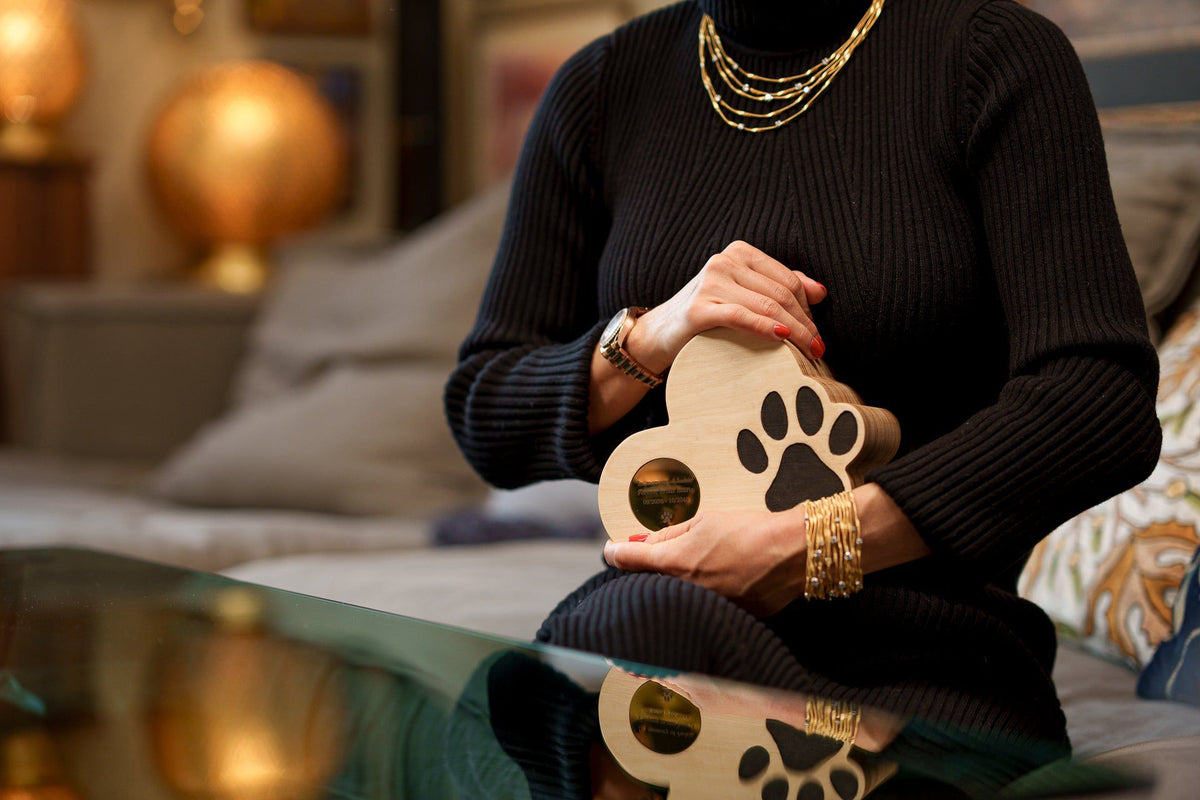
Can You Grieve a Life That Never Had Words?
Discover why losing a beloved pet can be so profound, how wordless bonds shape our lives, and how Pulvis Art Urns brings craftsmanship and thoughtful design to the art of remembering an animal companion.
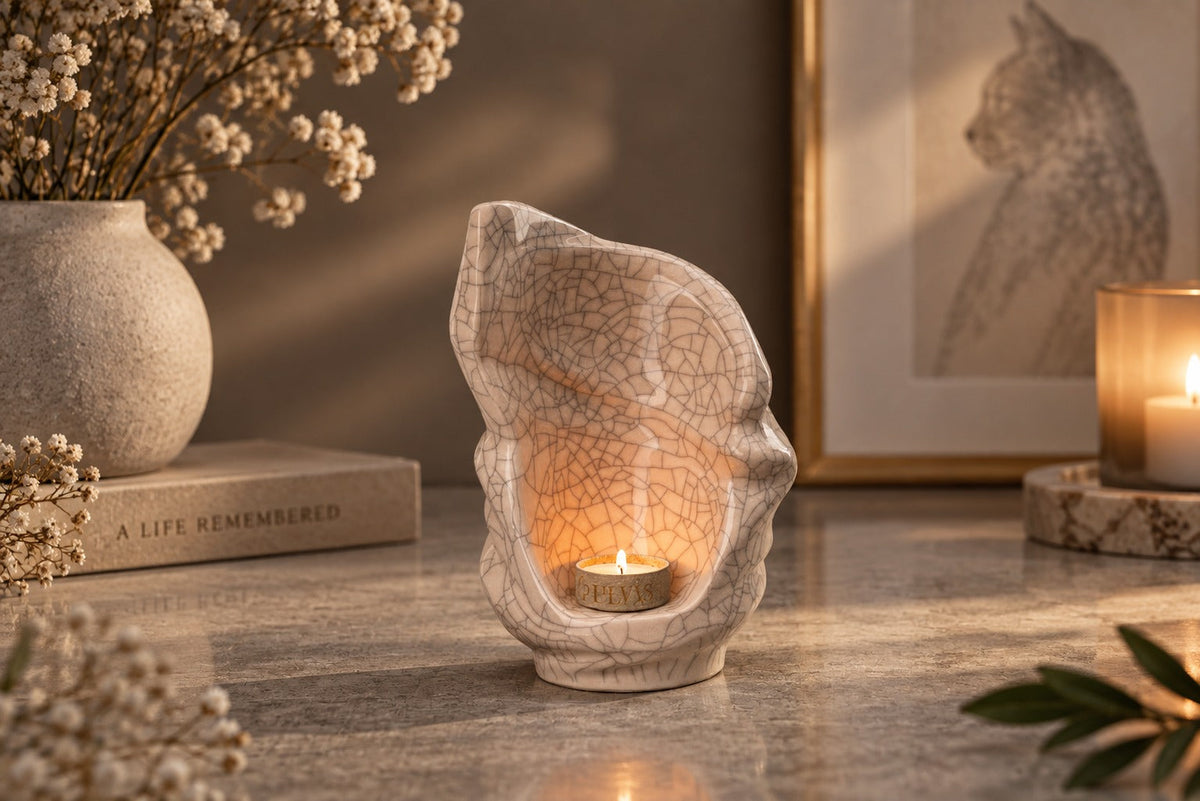
What Does the Bible Say About Cremation?
Explore what the Bible says about cremation, Christian beliefs about resurrection, and meaningful ways to honor a loved one’s memory through a thoughtful memorial.
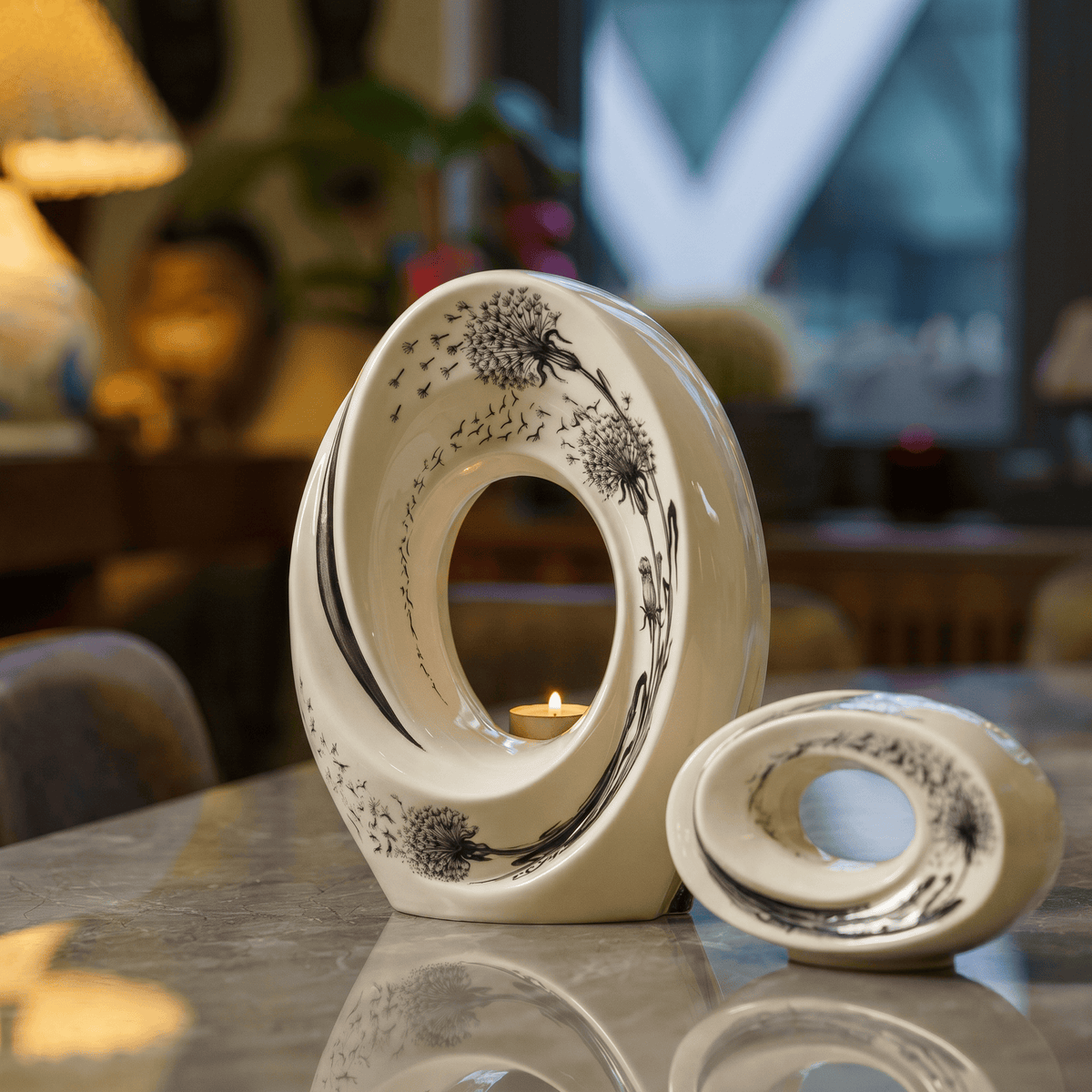
Why Do People Light Candles for the Dead?
Discover the meaning behind lighting candles for the dead, exploring the traditions, beliefs, and emotions that make this simple ritual a lasting expression of remembrance, comfort, and connection within the home.

The Pet as a Witness to a Human Life
Our pets witness far more of our lives than we realise. Explore what it means for an animal to become a quiet witness to our changing homes, relationships, routines and identities — and how a memorial urn can remain as a physical connection to the life they witnessed.

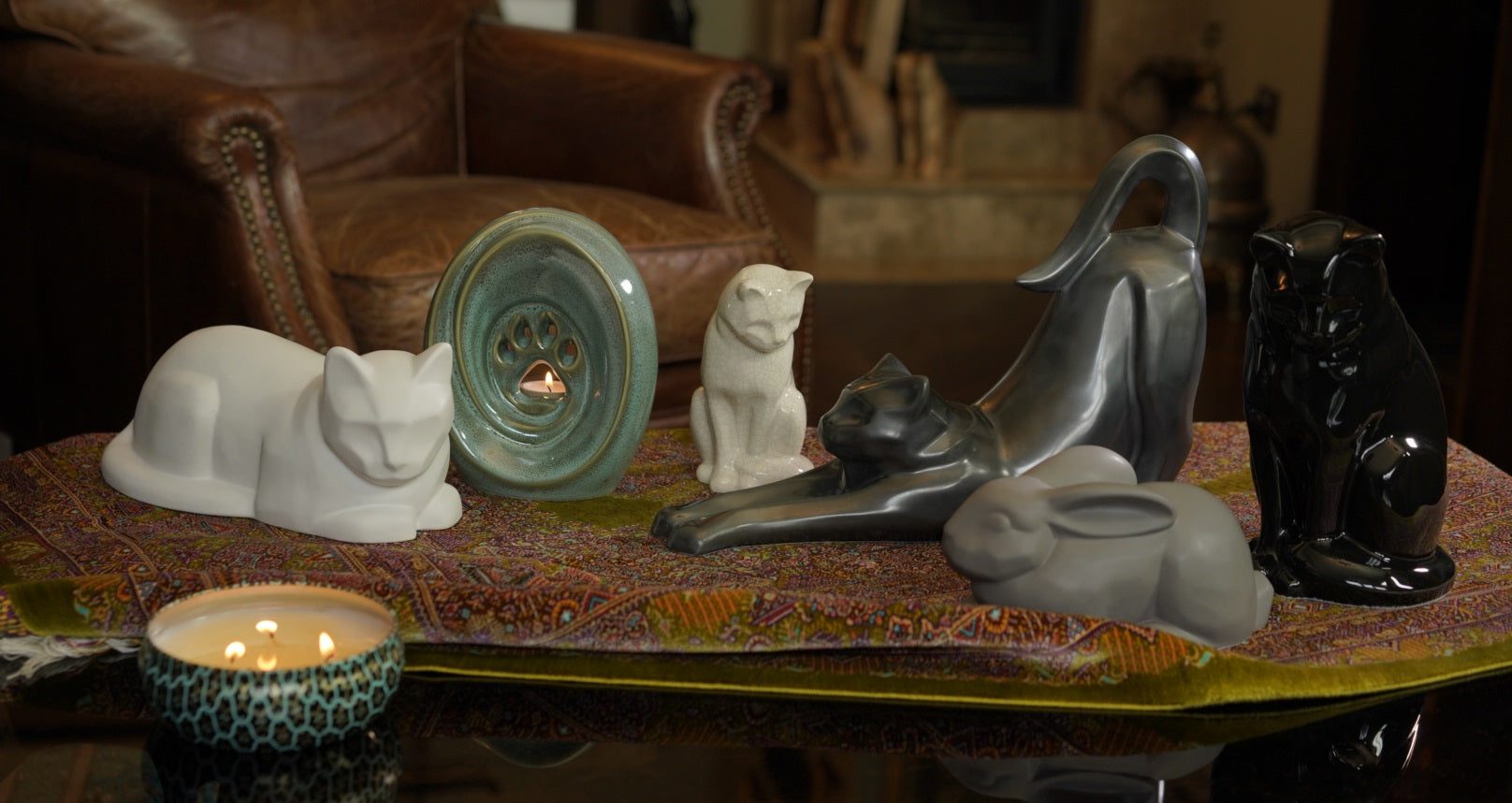
Can You Inherit a Pet’s Memory?
Can we remember a pet we never knew? Explore how stories, photographs, objects and memorials can carry an animal’s memory across generations, turning a private life into part of a family’s shared history.


Share:
Mindfulness and Meditation for Coping with Loss
The Importance of Memorializing Friends