



Here for you: art@pulvisurns.com | (562) 609-4019
7% off your order
Use this code at checkout:
Grief is a deeply personal journey, and losing someone we love is very overwhelming. Mindfulness and meditation offer gentle tools to navigate this journey, helping us manage emotions while honoring the memory of our loved ones in meaningful ways.
Mindfulness is about being present and accepting emotions without judgment. In grief, this means allowing yourself to feel sadness, anger, or guilt without pushing these emotions away. Letting yourself feel all the emotions you have doesn’t have a time limit – for some it’s a matter of weeks and for others even years. Grounding yourself in the present through simple practices like focusing on your breath can bring calm during moments of intense sorrow. It’s all about accepting that you cannot change the present or the past and allowing to transform grief into gratitude about the memories that you have with your loved one.
Meditation can create a sacred space to connect with your loved one’s memory. Guided meditations focused on gratitude can help you reflect on cherished moments. Visualize a favorite memory vividly and feel gratitude for that time together, shifting focus from loss to the richness of your relationship.
Journaling is another mindful way to process grief. Writing letters to your loved one or recording your emotions can foster a continued sense of connection. Mindful rituals, like lighting a candle, taking a walk in their honor, or even participating in their favourite hobby can help celebrate their life and keep their presence alive in small, meaningful ways.
Be gentle with yourself, as grief is not linear. Meditation won’t erase pain, but it helps you coexist with it, allowing healing over time. Even on difficult days, a few mindful breaths or moments of gratitude can make a difference.
Mindfulness reminds us that while our loved ones may no longer be physically present, the bond we share endures. By embracing these practices, we can find healing and keep their spirit alive in a gentle and profound way.

Which urn size do I need?
A simple rule: about 1 cubic inch of urn per pound of body weight.
Every product page lists the urn's capacity. Keepsake urns hold a small portion of ashes to share.
Need it by a specific date?
Free shipping · Delivery in 3–5 business days
Express delivery in up to 3 business days – choose it at checkout
Need help choosing?
Talk to our team – we're happy to help you find the right urn.
(562) 609-4019 art@pulvisurns.comSend us a message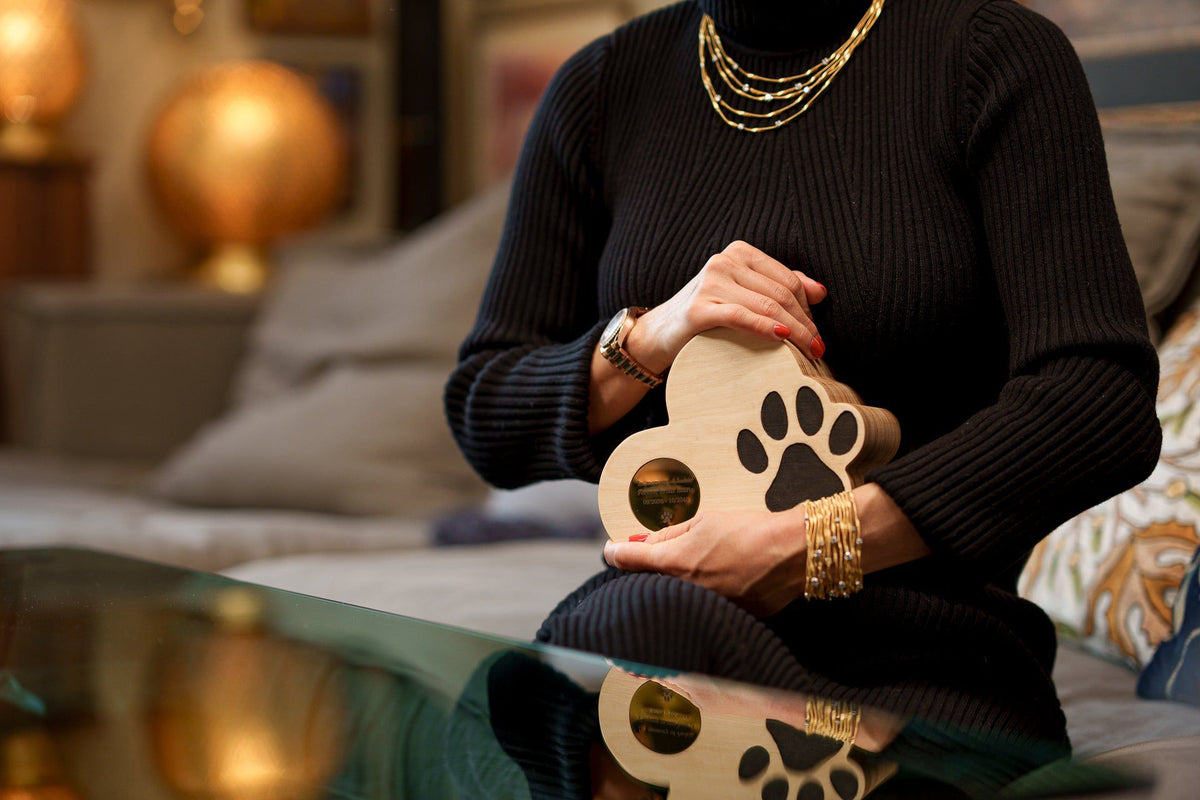
Can You Grieve a Life That Never Had Words?
Discover why losing a beloved pet can be so profound, how wordless bonds shape our lives, and how Pulvis Art Urns brings craftsmanship and thoughtful design to the art of remembering an animal companion.
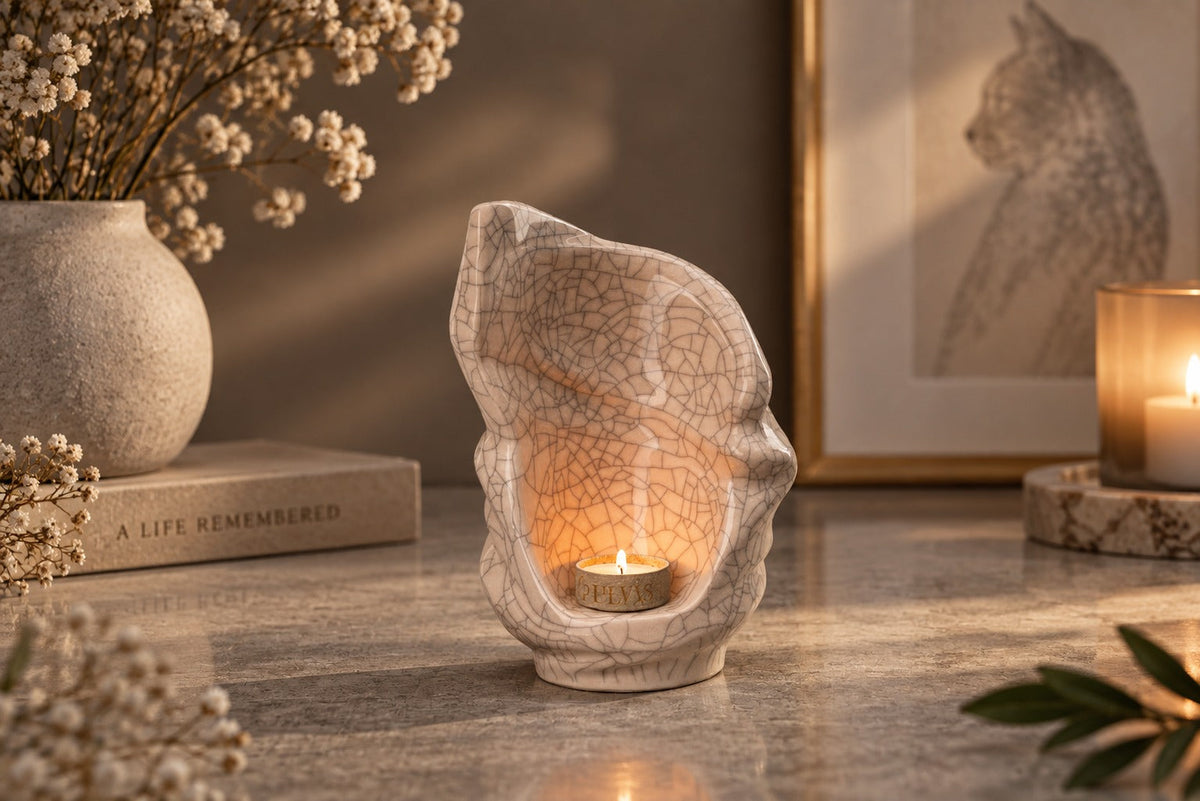
What Does the Bible Say About Cremation?
Explore what the Bible says about cremation, Christian beliefs about resurrection, and meaningful ways to honor a loved one’s memory through a thoughtful memorial.
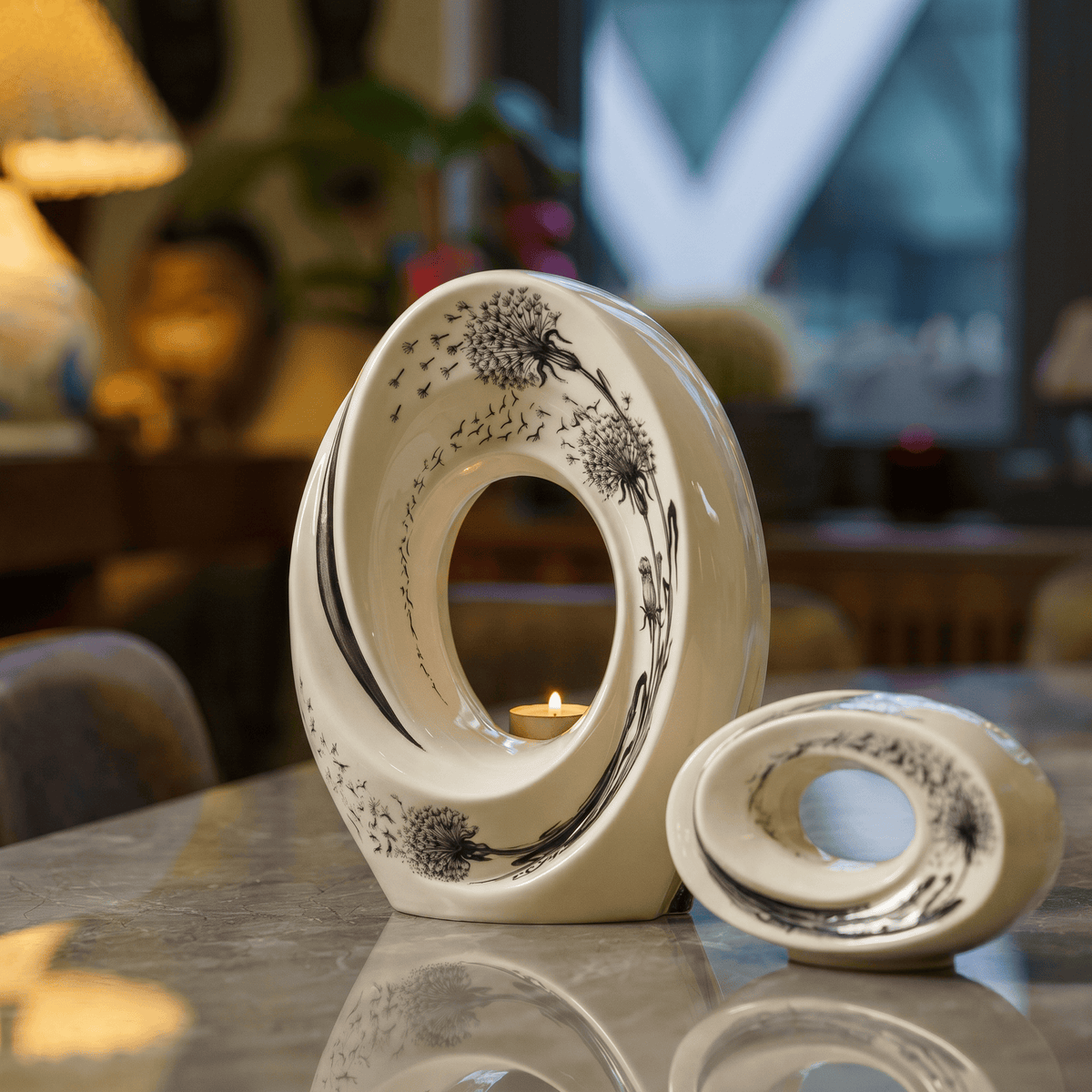
Why Do People Light Candles for the Dead?
Discover the meaning behind lighting candles for the dead, exploring the traditions, beliefs, and emotions that make this simple ritual a lasting expression of remembrance, comfort, and connection within the home.

The Pet as a Witness to a Human Life
Our pets witness far more of our lives than we realise. Explore what it means for an animal to become a quiet witness to our changing homes, relationships, routines and identities — and how a memorial urn can remain as a physical connection to the life they witnessed.

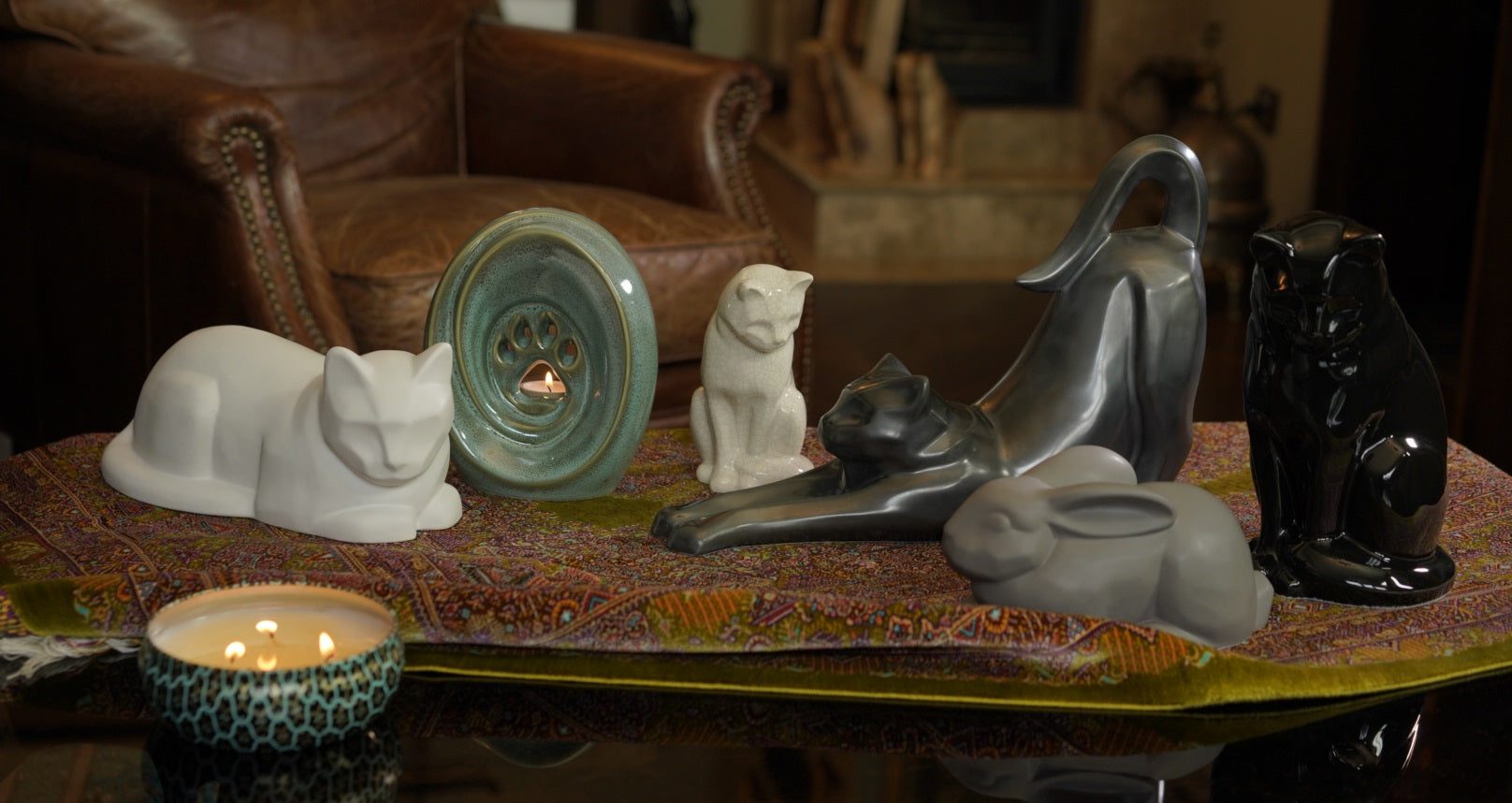
Can You Inherit a Pet’s Memory?
Can we remember a pet we never knew? Explore how stories, photographs, objects and memorials can carry an animal’s memory across generations, turning a private life into part of a family’s shared history.


Share:
Forever Loyal: Dog Urns That Honor the Bond You Shared
Art Therapy in Mourning