

Here for you: art@pulvisurns.com | (562) 609-4019
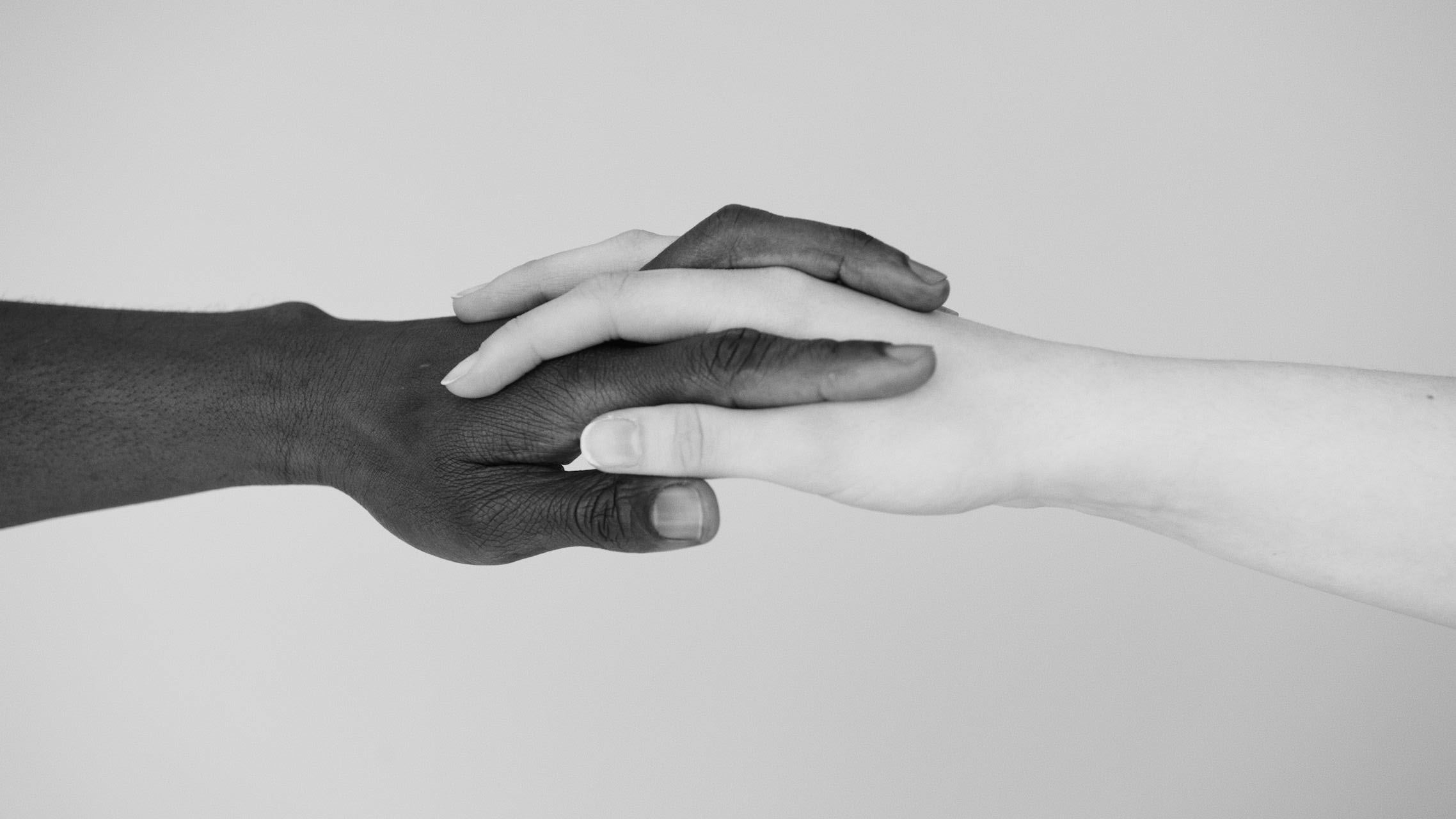
When we think of memorializing loved ones, our thoughts often turn to family: parents, siblings, grandparents, or children. These relationships are integral to who we are, and it’s only natural that they hold a significant place in our hearts and rituals of remembrance. However, there is another type of bond that shapes our lives – the friendship.
Friendships, unlike familial relationships, are chosen. They are built on shared experiences, mutual understanding, and a deep emotional connection. A close friend often knows us in ways family members might not, witnessing our joys, fears, and vulnerabilities without the expectations or obligations that come with family ties.
Society often places greater emphasis on familial ties when it comes to mourning and memorialization. Cultural norms and traditions tend to prioritize family lineage and heritage, sometimes leaving friends in the background. This can make the grieving process for a lost friend feel isolating, as it may not be acknowledged in the same way.
Creating a dedicated space for your memories is one way to keep a friend’s spirit alive. Memorializing a friend does not have to follow the same patterns as familial remembrance. It can be uniquely tailored to reflect the essence of your relationship and the moments you shared. This could be a simple yet heartfelt tribute at home, such as a framed photo, a keepsake from a shared experience, or even a special item that reminds you of them. Placing these objects in a cherished spot allows you to feel their presence and draw comfort from your connection.
Personal rituals can also be a powerful way to honour friends. Visiting places, you both loved, re-reading their favourite books, or listening to songs that remind you of them can become acts of quiet remembrance. Journaling about your memories or writing letters to your late friend can offer an intimate way to process grief and celebrate your shared history.

Grief is a complex process, and the loss of a friend can leave a unique void. By actively engaging in acts of remembrance, we give ourselves permission to mourn, reflect, and heal. The rituals of remembrance help us process the loss while keeping the love and joy of that relationship alive in our hearts.
Recognizing the importance of memorializing friends challenges the traditional narrative of grief, which often prioritizes family. By honoring the unique role of friends, we expand the way we understand love and loss. A friend’s impact on our life can be as profound as that of any family member. Acknowledging this allows us to grieve openly and celebrate the depth of all meaningful relationships.
In today’s world, where friendships can span decades and bridge geographic and cultural divides, it’s crucial to give them the recognition they deserve. A close friend is not just someone who shares our laughter but someone who stands by us during life’s storms. Their absence leaves a void that deserves acknowledgment and memorializing them is a way to keep their spirit alive.
A Legacy of Friendship
The act of memorializing friends ensures their story continues to be told. Whether through simple daily gestures, creative tributes, or communal events, these memorials celebrate the joy and meaning they brought into our lives. In doing so, we honor their legacy and the profound connection that enriched our journey.
Friendship is one of life’s greatest gifts. By choosing to remember and honor our friends, we not only preserve their memory but also reaffirm the irreplaceable role they played in our lives. While familial bonds are often central to traditions of remembrance, let us not forget the friends who stood by us, laughed with us, and shaped who we are. They, too, deserve to be remembered, cherished, and celebrated for the love and light they brought into our world!

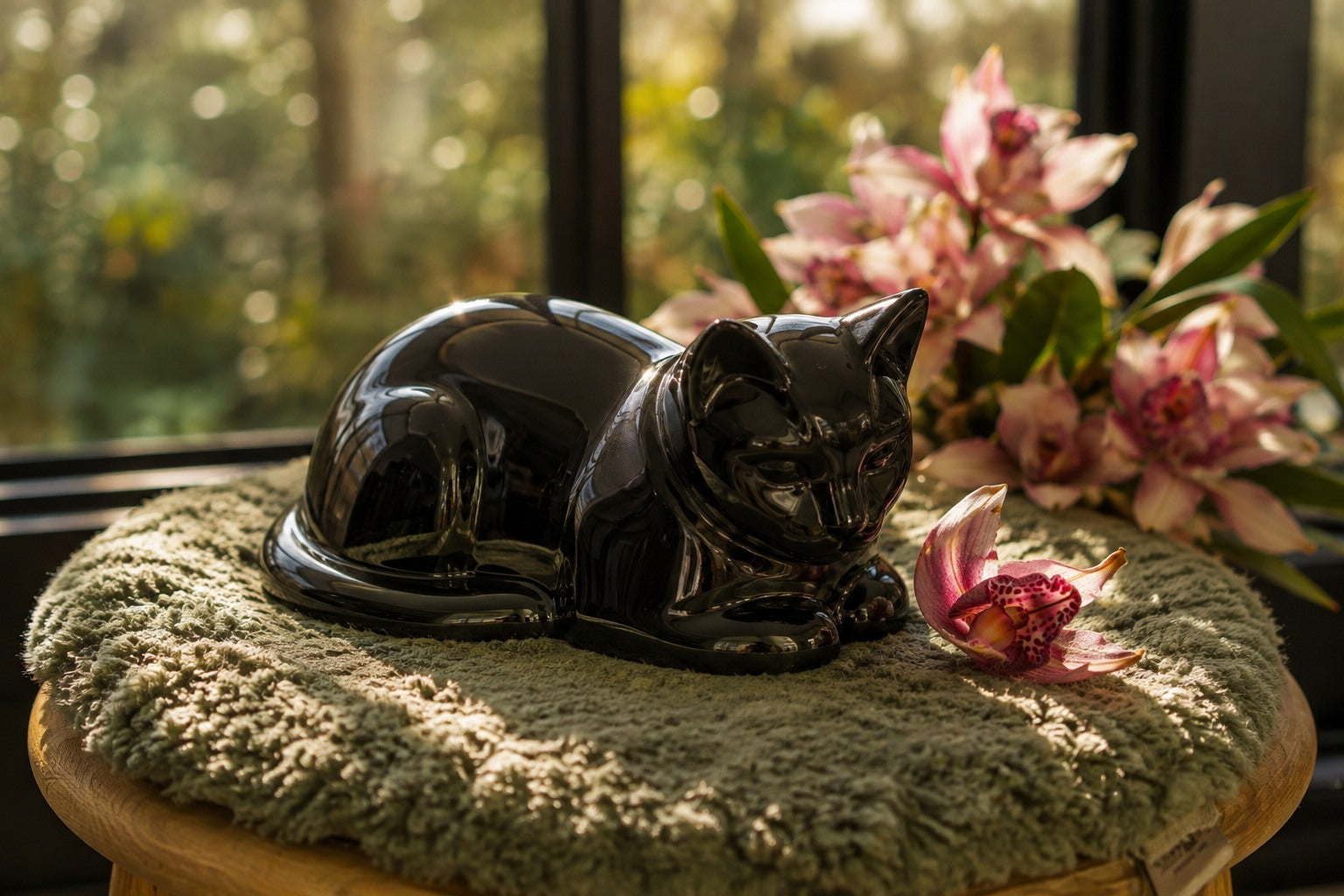
Why Pet Grief Doesn’t Always Get Easier. It Gets Different
Pet grief does not always become easier with time. It changes. Discover how loss evolves, why memories take on new meaning, and how memorial objects such as urns can become quiet reminders of a life once shared.
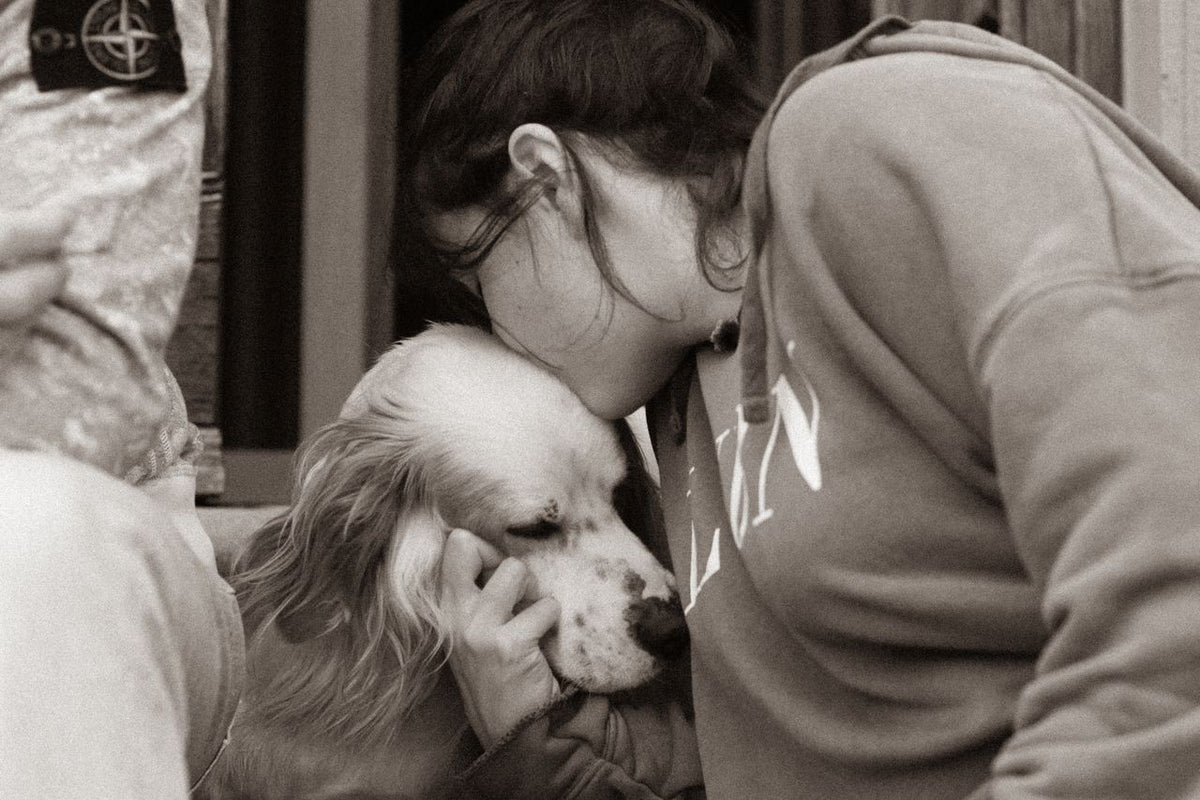
Why Your Pet’s Smell Can Bring Back an Entire Memory
Why can the smell of a pet bring back an entire moment? Discover how scent, emotion and memory are connected, and why the familiar smell of an animal can preserve some of our most intimate memories of life together.
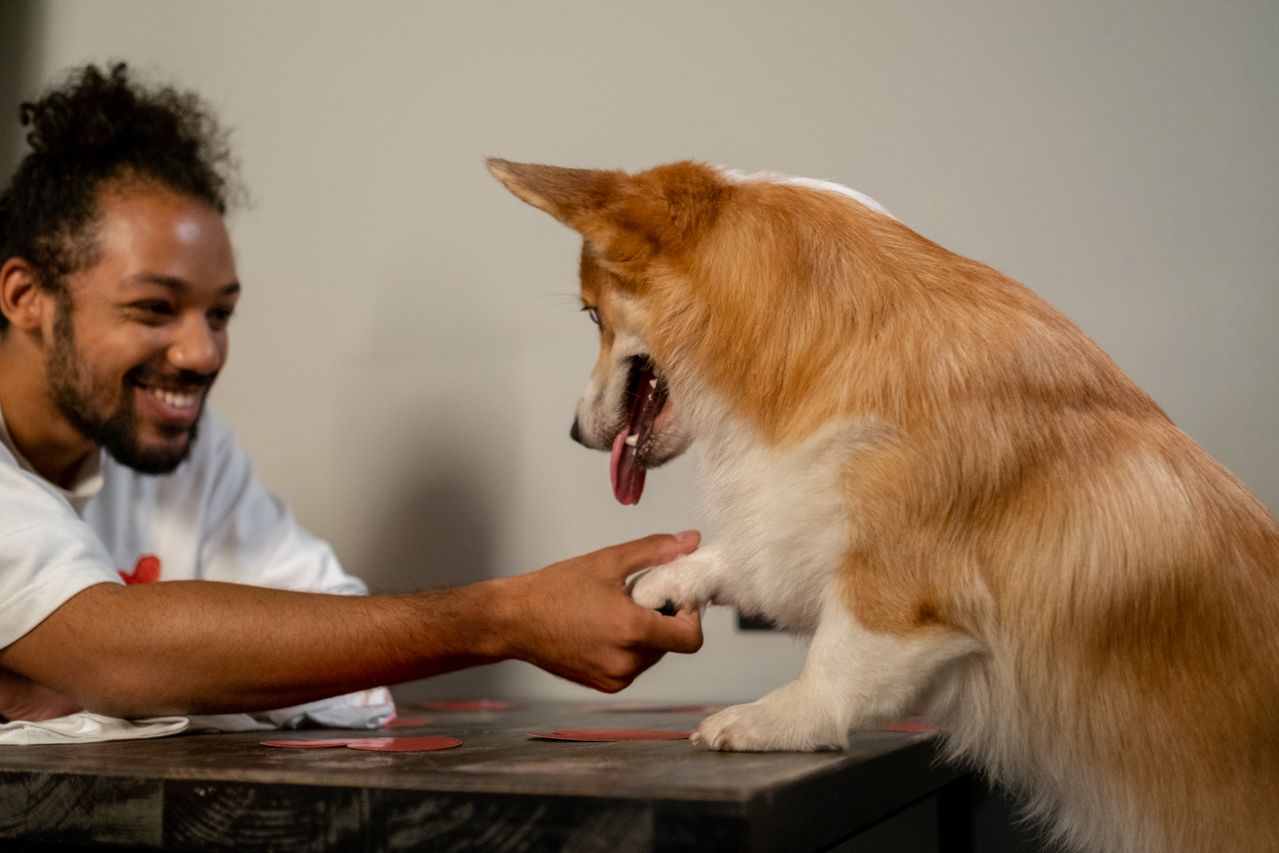
Can You Recognize Your Pet’s Personality in Their Face?
Can you recognize your pet’s personality in their face? Explore how years of companionship teach us to read subtle expressions, emotions and familiar gestures — and why a pet’s face can become one of the most powerful places where memory lives.
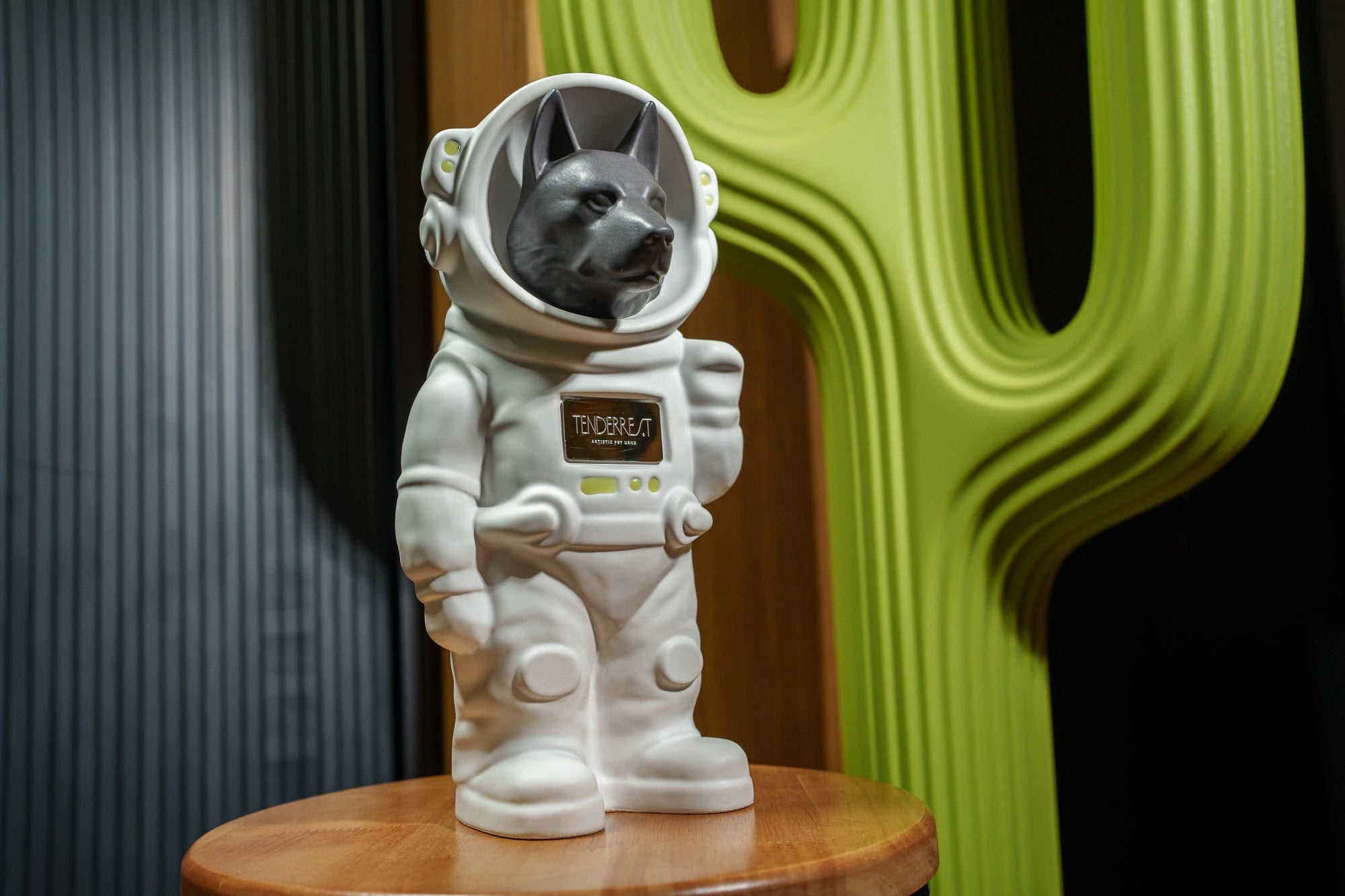
How Technology Is Changing the Way We Remember Our Pets
Our pets now leave behind more than photographs and keepsakes. From videos and voice recordings to social-media profiles and digital archives, technology is changing how we preserve their memories—and how we keep their presence close after they are gone.
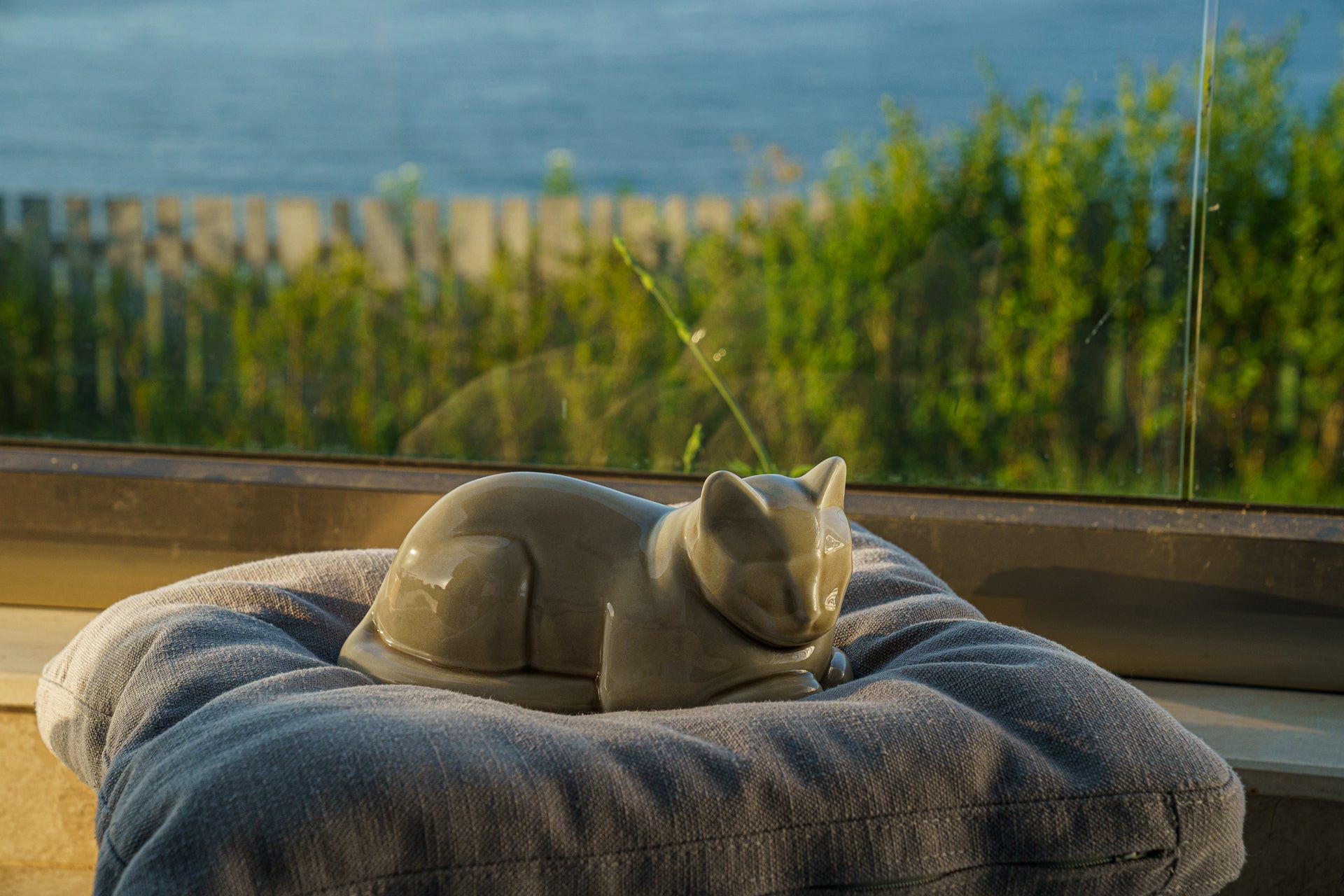
What Are the Best Ways to Memorialize a Pet?
Meaningful ways to memorialize a beloved pet, from choosing the right urn and creating a memory corner to personalized tributes, memorial gardens, artwork, and lasting keepsakes.


Share:
Art Therapy in Mourning
The Impact of Grief on Personal Identity