



Here for you: art@pulvisurns.com | (562) 609-4019
7% off your order
Use this code at checkout:
Why are some of us so afraid of cremation? It is fascinating to think about society’s opposing thoughts on cremation, which mainly stems from differing traditions, cultures and religious beliefs.
In the previous article, we have mentioned the rising cremation rates in the USA, which according to the annual NFDA Cremation and Burial Report for 2018 predicted a rise with 30 % in incineration practices in approximately 20 years. Although there is a gradual increase in the cremation practices, most of the people around the world still seems to opt for burial, neglecting the idea of cremation.
While searching for some information we have found some suggestions why the human mind simply rejects the idea of cremation.
There are several reasons why some people may fear or be uncomfortable with the idea of cremation.
The socio-economic reality shows that in some countries funeral practices still stay on the top of the charts every year.
One common reason is that cremation involves the destruction of the physical body, which some people may find disturbing or disrespectful to the deceased. For many cultures and religions, the body is considered sacred, and cremation may go against their beliefs or traditions.
For example, a study among students in Eastern Europe, large parts of which is orthodox shows the main motives against cremation are:
And the research presents some psychological reasons like: fear of fire - 93 cases (12.48%); due respect of the human body (3 cases);

As mentioned, religion is one of the reasons for cremation to be less preferable.
Religions like Orthodox Christianity, Islam and Judaism follow traditions that frown upon cremation, even prohibiting it. Traditionally, their culture believes that the idea of turning human body into cremation ashes might interfere with God’s ability to resurrect the dead and bring it to heaven.
The Hindu culture, however, approves cremation; they believe that cremating the body induces a feeling of detachment into the freshly disembodied spirit, which will help to its passing on to its next life.
For others the rejection stems from an innate fear of fire. It is in our nature to fight and avoid anything that may cause us suffering or pain. If we saw a flame on a hob, we would not touch it. Fire often equals pain and this is what cremation is often associated with.
Even though most of us are aware that their loved one is no longer living, we would often have some comfort to know that they are still there physically. Burial gives you the option to visit their physical body wherever they are buried.

For some people, the idea of their body being consumed by flames can be unsettling or even terrifying. This fear may be exacerbated by media depictions of fire and the potential for accidents.
For some, the fear of cremation may simply stem from a lack of understanding about the process and what happens to the body during and after cremation.
However, if you think of the body as just an empty vessel after death, which many people do, the idea of cremation can be very appealing. One of the pros is that cremation is far cheaper than the traditional burial. Once you overcome the initial procedure of lots of fire, what to do with the ashes of you, your loved one or your pet, gives you a chance to be creative. Scattering the ashes is the preferred option, however many people opt for keeping the ashes of a loved in a cremation urn at home or columbarium.
These include turning the ashes into a shiny diamond, planting them as a maple tree, or even turn them into a vinyl record - plus many more unusual processes.
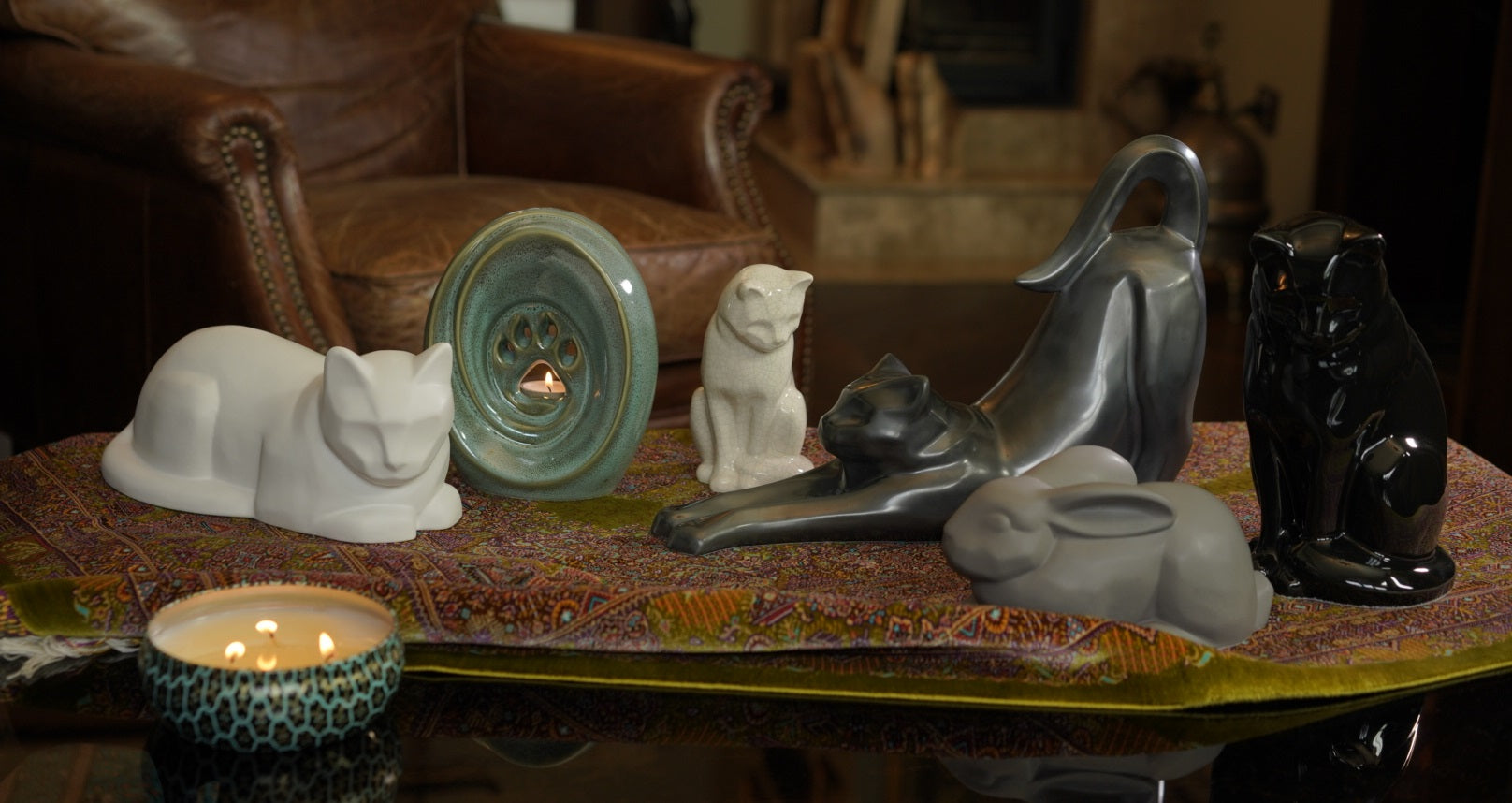
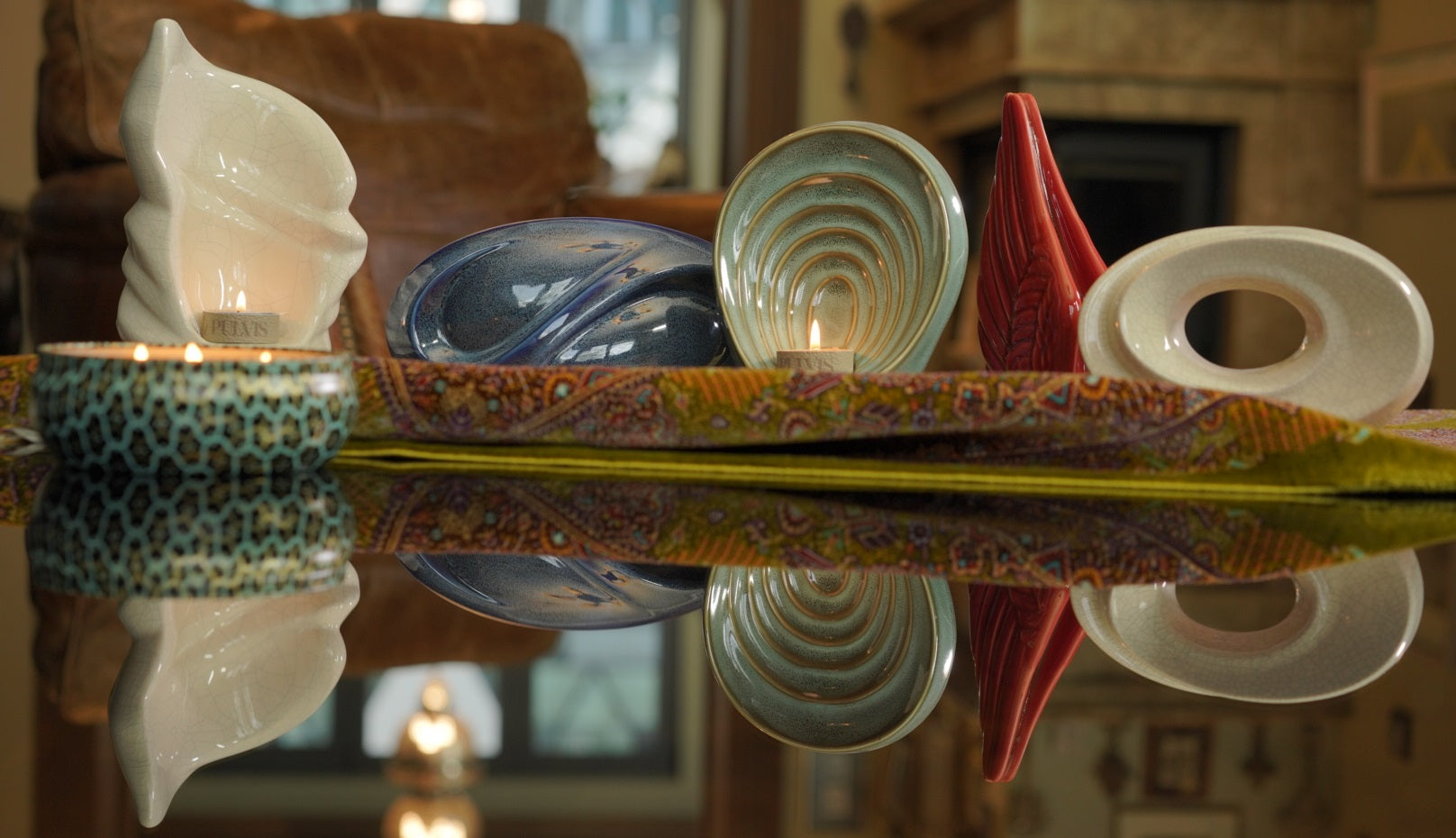
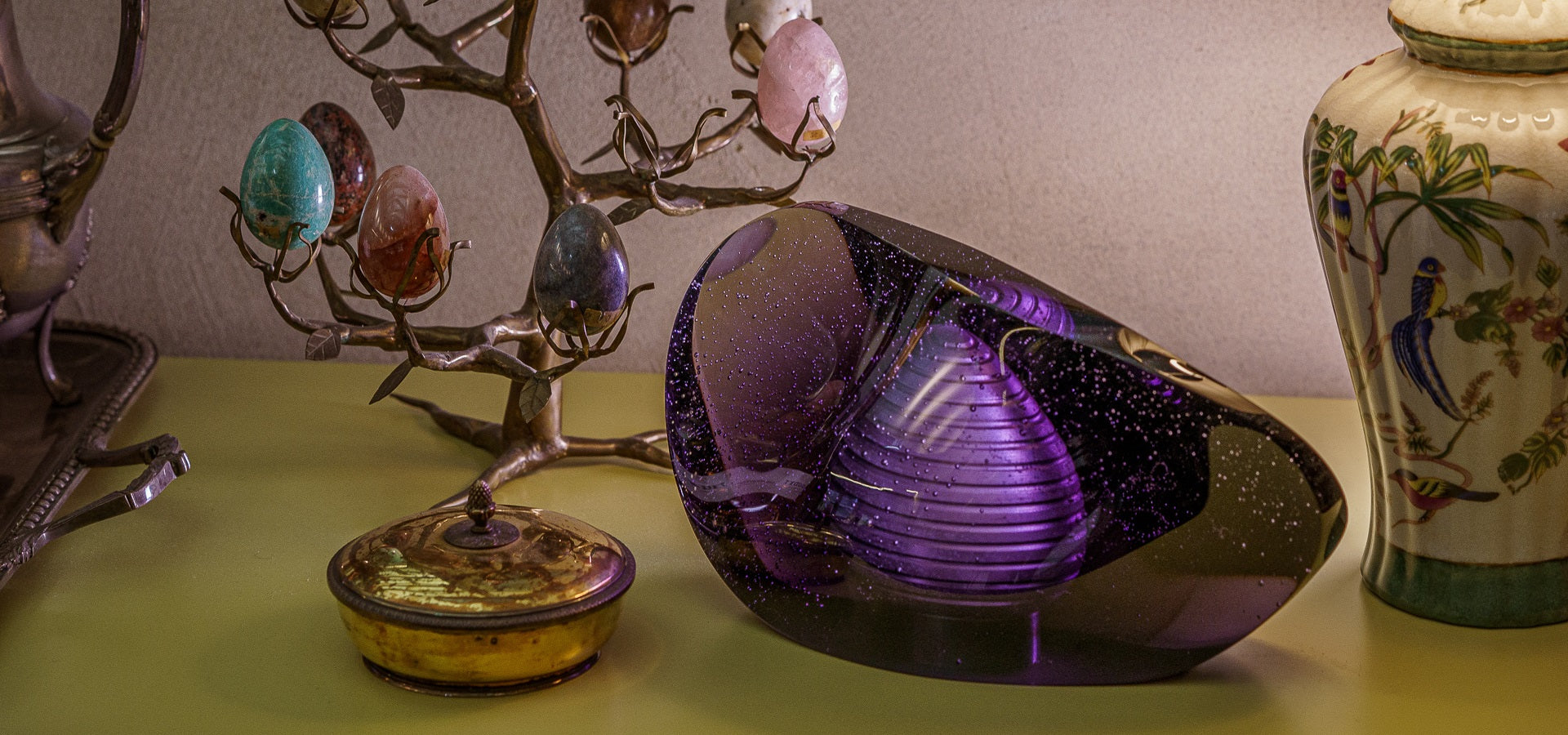
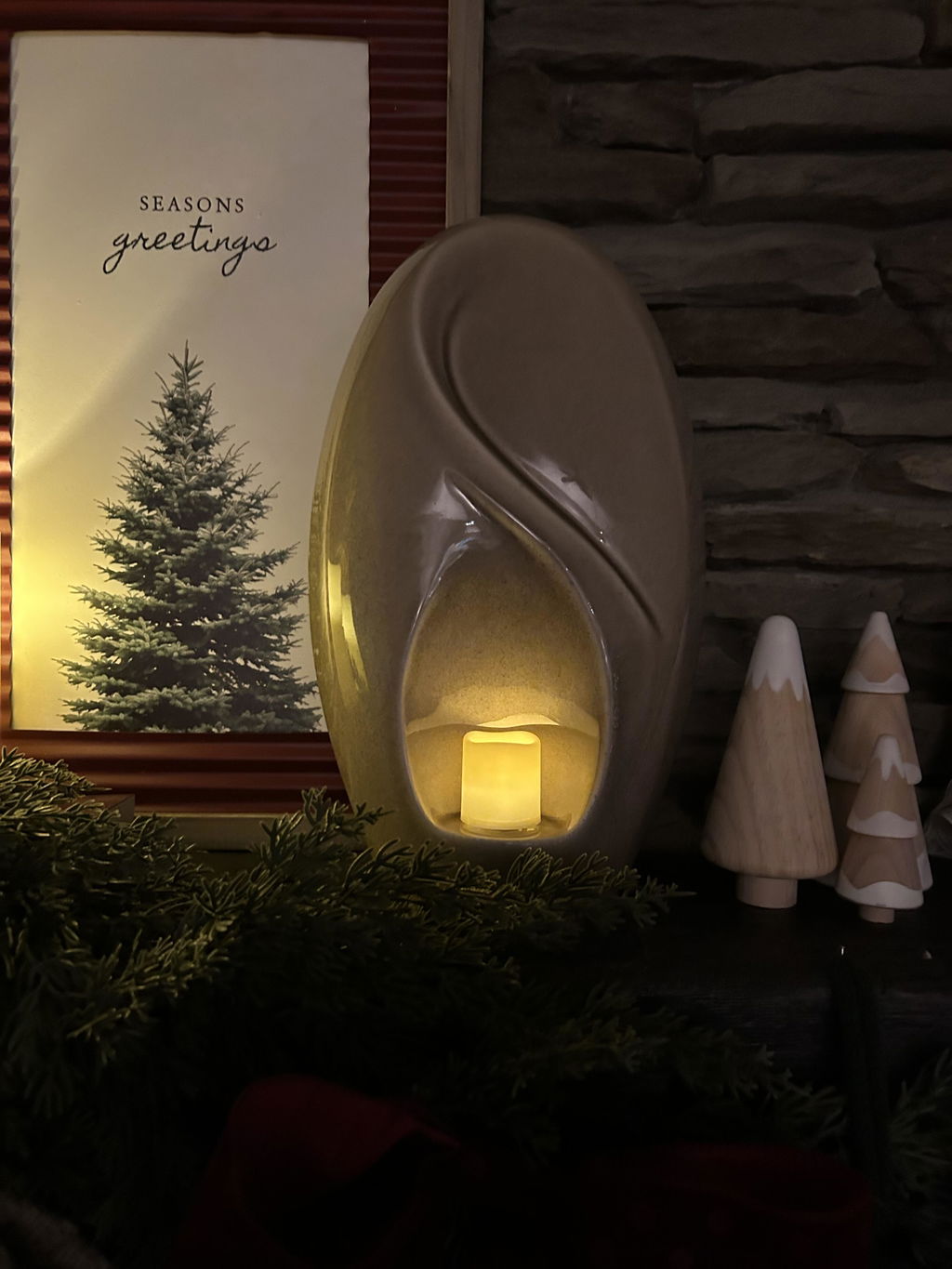
Choosing a modern art urn that fits a certain interior is also more and more preferred option.

Considering all of these options, even though you may still believe burial wins the battle against cremation, it's always good to learn more about the process of cremation in case a friend or family member adds it as part of their final wishes.
It's important to remember that cremation is a very personal choice, and there is no right or wrong decision. It's okay to have concerns about the process, and it's important to talk to loved ones and funeral professionals to better understand the options available and make an informed decision.
Join us in helping families honor the memory of their loved ones and pets through art!
Our Affiliate Program is now available at https://www.pulvisurns.com/pages/affiliate-program-by-pulvis-art-urns
Which urn size do I need?
A simple rule: about 1 cubic inch of urn per pound of body weight.
Every product page lists the urn's capacity. Keepsake urns hold a small portion of ashes to share.
Need it by a specific date?
Free shipping · Delivery in 3–5 business days
Express delivery in up to 3 business days – choose it at checkout
The price you see is all you pay, with no import fees.
Need help choosing?
Talk to our team – we're happy to help you find the right urn.
(562) 609-4019 art@pulvisurns.comSend us a message
Can Animals Sense When Another Animal Is Dying? What Science Reveals About Their Awareness
Can animals sense when another animal is approaching death? From dogs' extraordinary ability to detect changes in scent to elephants' responses to dying companions, scientific research reveals how animals recognise illness, respond to changes in their social environment and react to death.
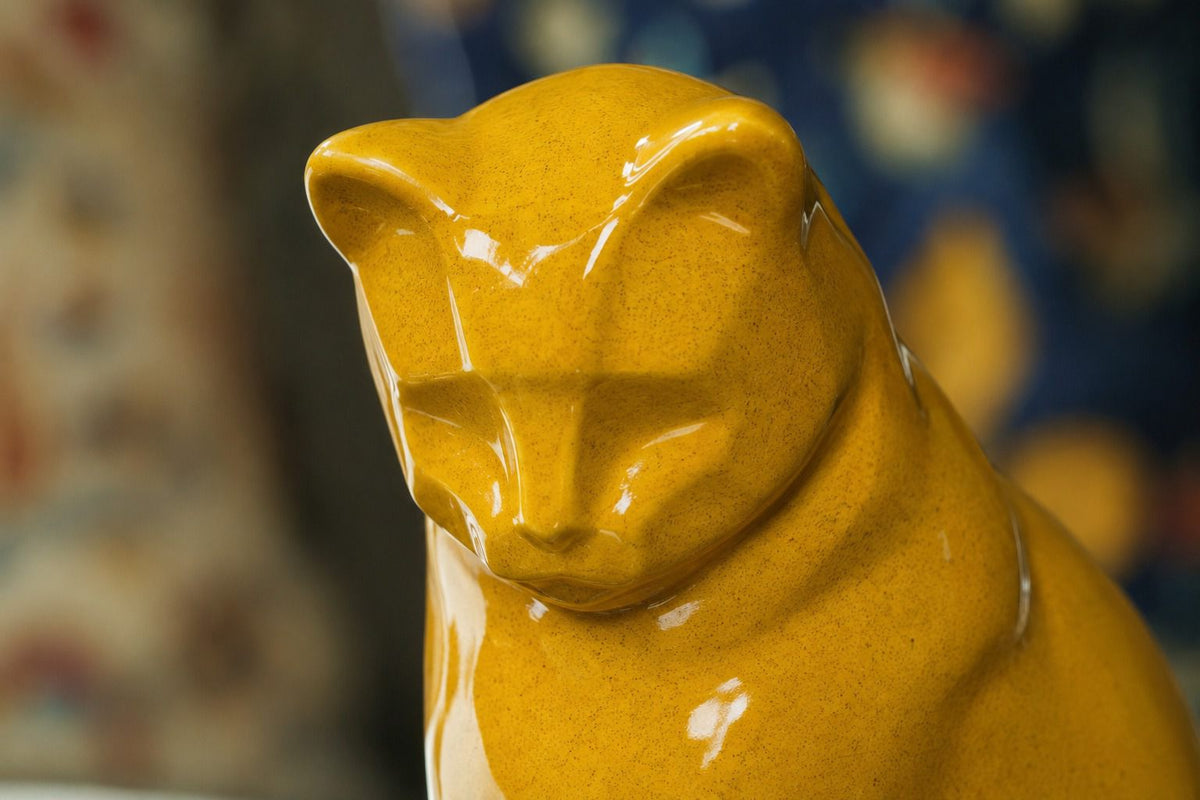
Who Regulates the Pet Aftercare Industry? Understanding the Rules Behind a Final Goodbye
Pet aftercare is often treated as a matter of trust, but who ensures that cremation providers handle animals' remains responsibly? From European legislation and voluntary industry standards to licensing requirements in the United States, this article examines the regulations, gaps and questions surrounding an industry that deserves greater transparency.
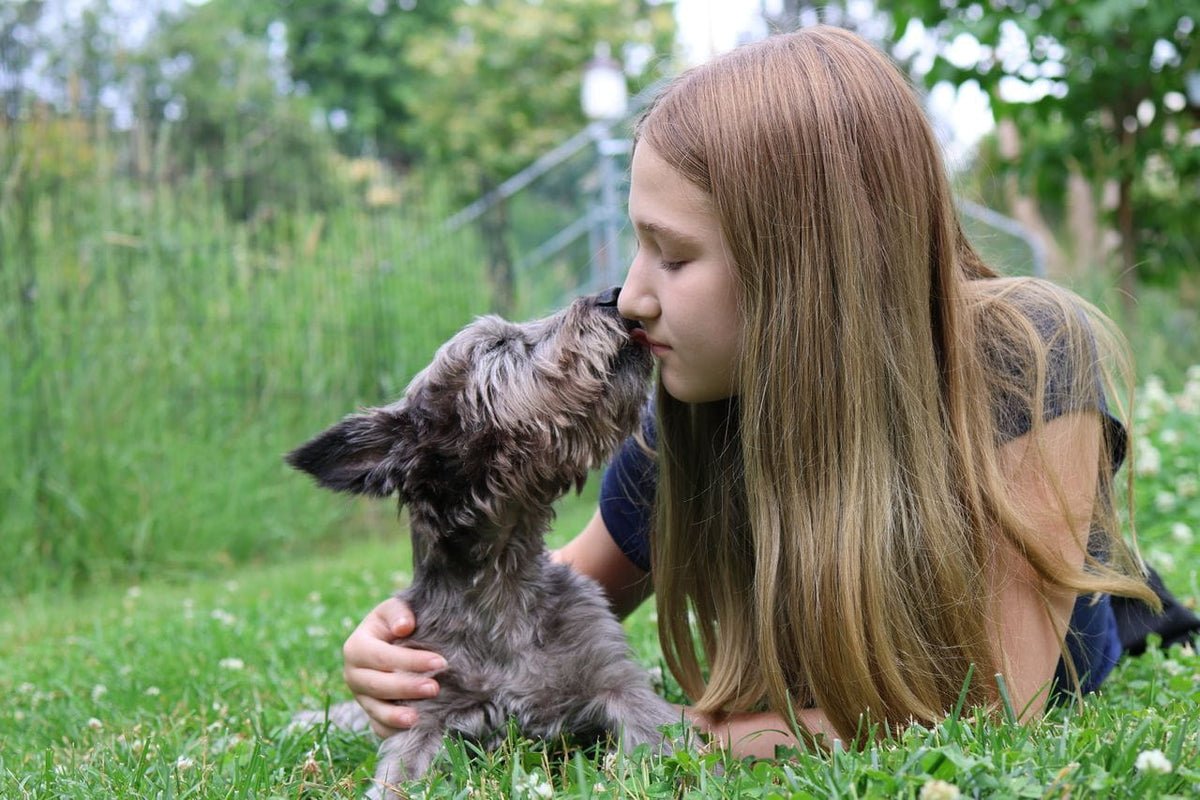
What Happens When a Pet's Ashes Are Not Collected?
What happens when a pet's ashes are never collected? Discover how crematoriums handle unclaimed remains, what owners should know about collection policies and what options may be available.

The Guilt of Feeling Better After Losing a Pet
Feeling better after losing a pet can bring unexpected guilt. Discover why happiness does not diminish the bond you shared and how grief changes over time.
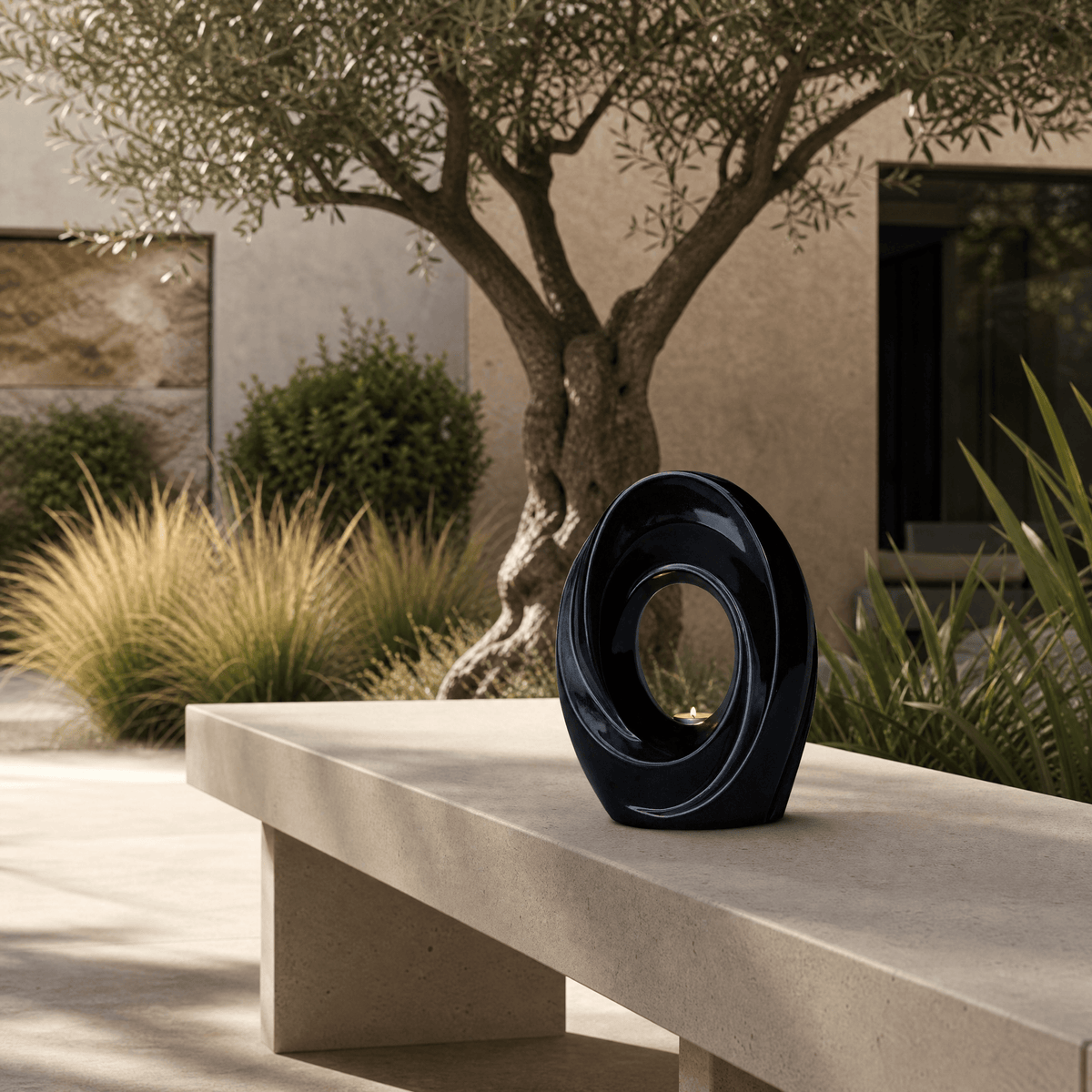
What Is the Best Material for a Cremation Urn?
Discover the best material for a cremation urn by comparing ceramic, metal, wood, glass, and biodegradable options to find a meaningful, lasting memorial for your loved one.


Share:
Pulvis Art Urns joins FIAT-IFTA
Pulvis Art Urns sponsors the Bulgarian Veterans in Canoe Sprint Masters
1 comment
I am interested in cremation with that which was described in your article. I am not positive that this is going to be my final decision, however, I have been doing extensive research in the recent months. Approximately how much is the total cost of the cremation? This is an important factor, making my final decision. I am 68 years old and have no major health problems at this time, however, that factor could always change in the future. I would appreciate your kind attention and sending information to me via email. Thank you so much.