

Here for you: art@pulvisurns.com | (562) 609-4019
Think cremation is taboo? Think again! This dignified option has actually surpassed traditional burial in the United States and many other countries – and it’s only gaining traction around the globe. One of the reasons cremation has become a preferred option is its affordability.
The cost difference between cremation and traditional burial can be astounding – and there’s so much choice involved with cremation services. Take a look at the shifting trend and see if cremation could be the right choice for your family.
Traditional burial is often rooted in religious practices, which is why it has remained the prominent choice in many societies for so long. The religious connotations are also a reason why many people still believe that cremation is taboo. In reality, many religious organizations have actually modified their views on cremation recently, giving way to a new trend: a rising preference for cremation over traditional burial.

In fact, cremation has actually surpassed traditional burial numbers in the United States already, and this trend is currently on track in other parts of the world as well. According to industry data provided by Forbes, the rate of cremation in the U.S. nearly doubled to 57% in just the last 15 years alone.
And the trend isn’t showing signs of slowing down. With land becoming scarcer and the economy continuing to pose challenges to everyday people, it’s no surprise that folks are looking for more cost-effective solutions that can provide just as much meaning and comfort when a loved one passes. The National Funeral Directors Association predicts that in about 20 years, a whopping 80% of Americans will be choosing cremation over burial.
There are many reasons families prefer cremation, including the opportunity to choose meaningful cremation urns for ashes that can be kept at home. Some families anticipate moving, and having cremated ashes kept in a personalized urn allows them more freedom to move while still keeping their loved one’s ashes close. Others simply want to return to the earth in a less obstructive, eco-friendly way, which cremation provides.
However, there’s another significant reason that can’t be ignored: cremation costs much less than traditional burial services. According to the National Funeral Directors Association, a funeral with viewing and burial costs about $8,000. Direct cremation can cost a mere $2,400.

When cost is a factor, families tend to find cremation the better option. And there’s always the opportunity to personalize cremation services, as well, by adding memorial gatherings, artisan cremation urns for ashes, and other meaningful effects. Here are some other benefits of cremation, compared to traditional funeral:
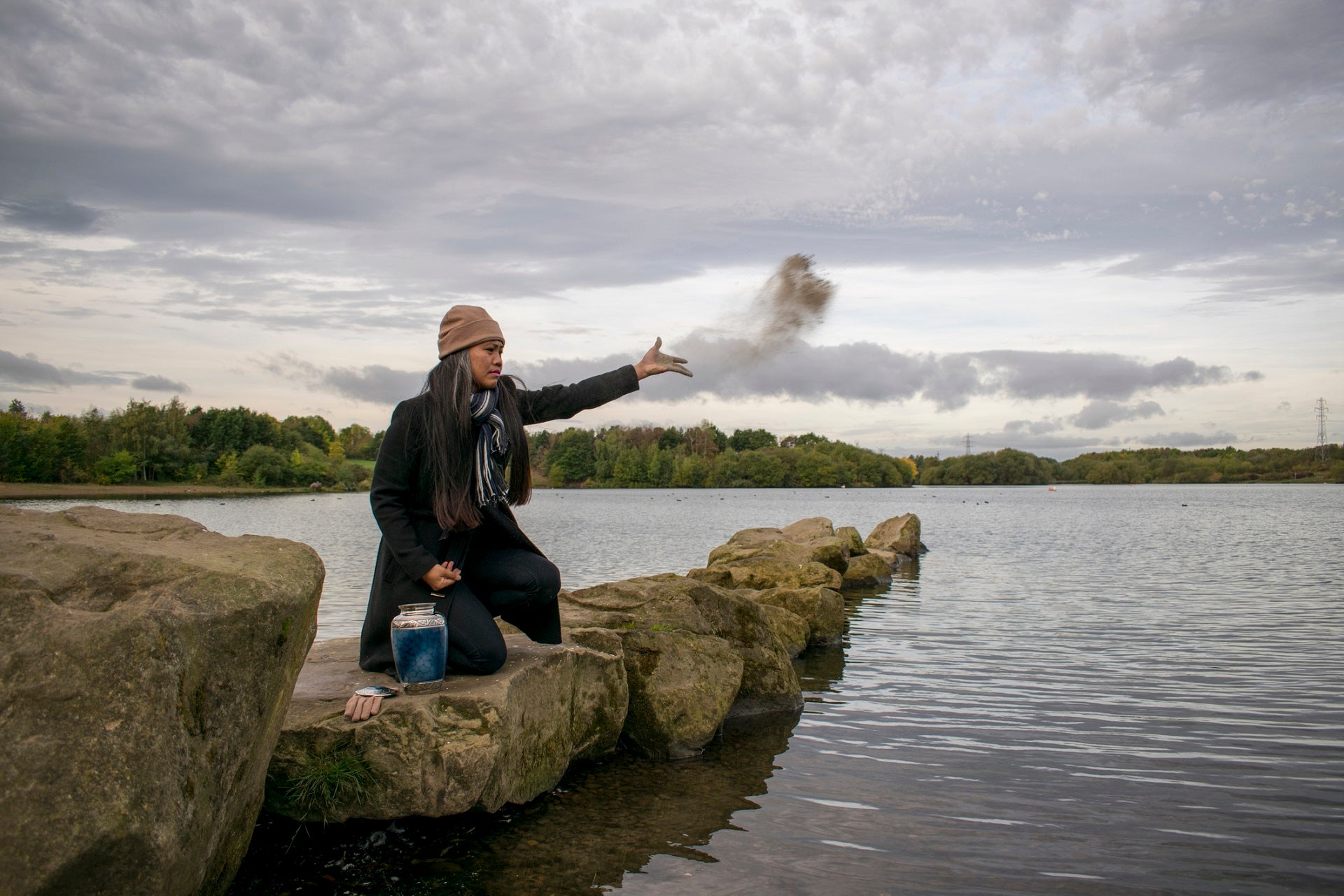
Cremation allows for a variety of memorialization options. Families can choose to keep the ashes in an urn at home, scatter them in a meaningful location, or place them in a columbarium. This flexibility can accommodate diverse preferences.
Cremation doesn't require the use of a traditional burial plot. For individuals or families concerned about limited cemetery space, cremation provides a more space-efficient option.
Cremation is often considered more environmentally friendly than traditional burial, especially if the ashes are not interred in a cemetery. It requires less land and doesn't involve the use of certain burial-related materials.
Cremated remains are portable, allowing family members to move or travel with the ashes. This can be meaningful for families who want to scatter the ashes in multiple locations or who have members living in different places.

Cremation can be carried out relatively quickly after death, providing families with more flexibility in planning memorial services and accommodating the schedules of distant relatives and friends.
Cremation contributes to the conservation of cemetery space, making it a practical choice in areas where available burial plots are limited or where there are restrictions on land use.
It's important to note that the advantages of cremation can vary depending on individual preferences, cultural or religious beliefs, and the specific circumstances of each family. When making such decisions, open communication within the family and consultation with funeral professionals can help ensure that the chosen option aligns with the values and wishes of the deceased and their loved ones.

Memorial service? Keepsakes for ashes? Columbarium interment? Scattering ashes someplace beautiful? There are so many options for memorializing your loved one after you decide that cremation is the right choice for your family. And since cremation is more affordable than traditional burial, many families find that they have a good amount of resources left for making their loved one’s memorial extra special.
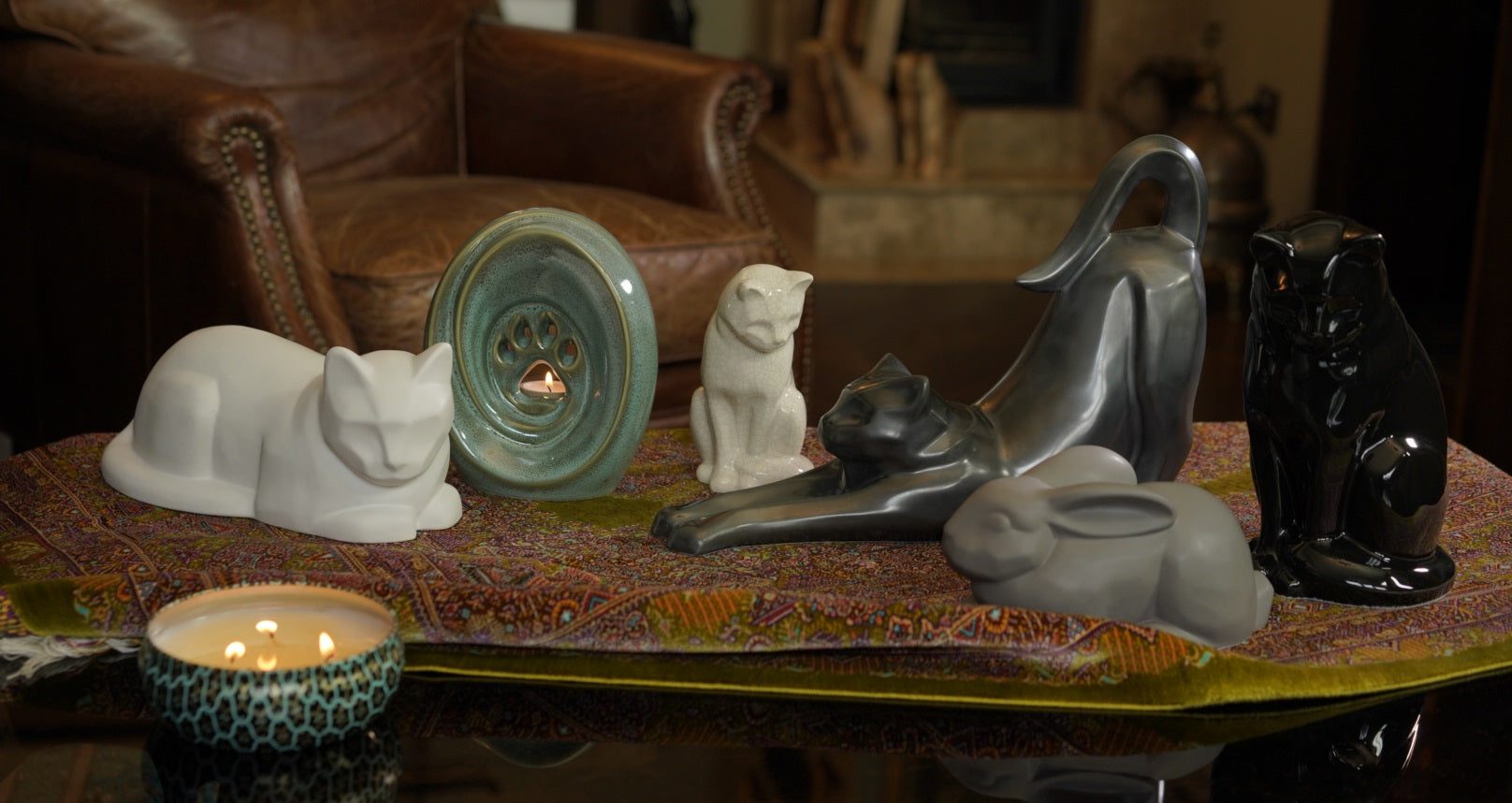
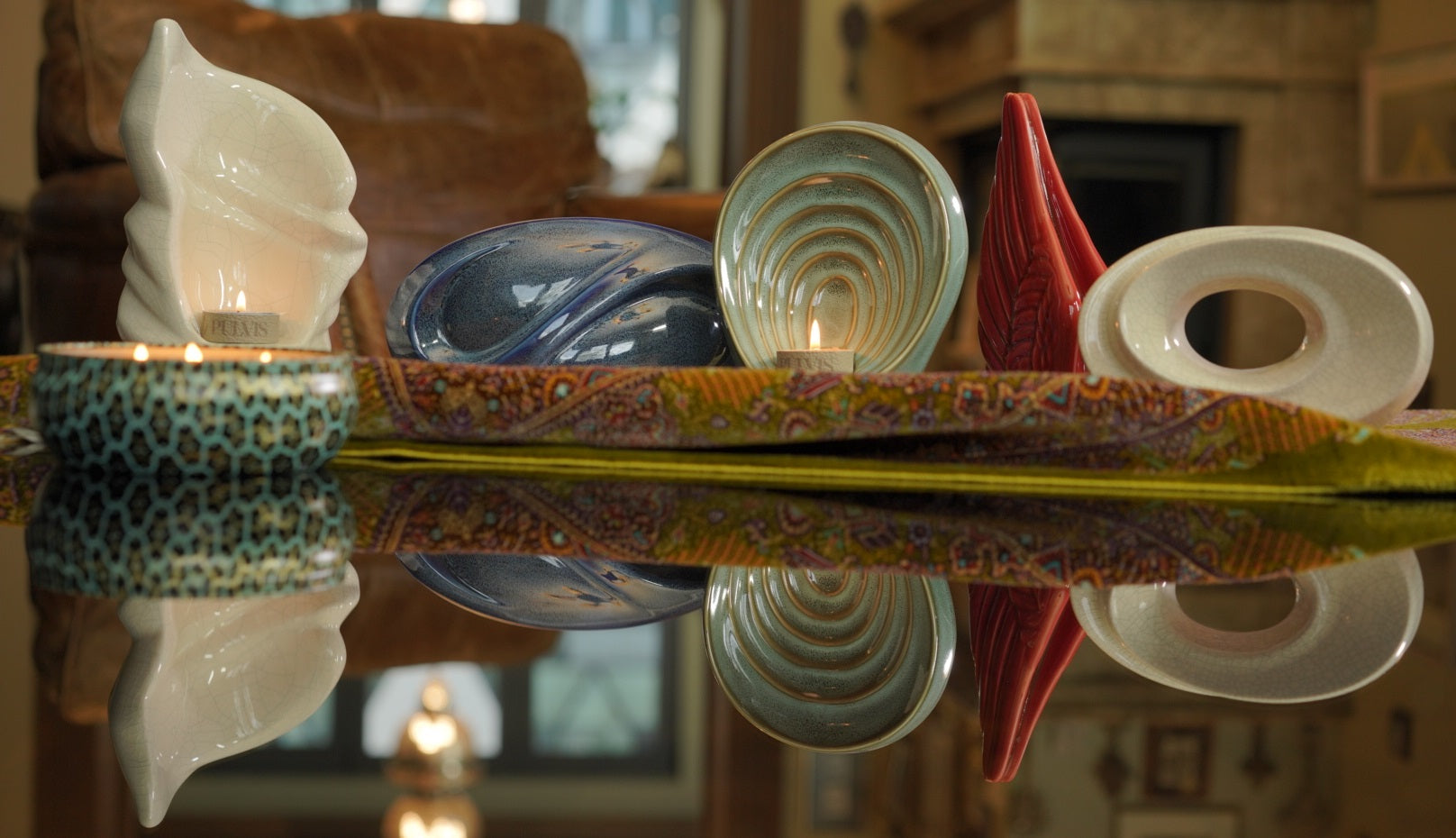
Pulvis Art Urns provide a fantastic resource for finding personalized ceramic urns that embody the unique beauty and spirit of your loved one. You can find a wide range of designs – from modern and abstract shapes to religious-inspired designs – with lots of beautiful colors and options for votive candles.
Choosing cremation does not mean you won’t have a special place to go and reflect on your loved one’s life. These handcrafted cremation urns are a wonderful way to honor your loved one and keep their memory alive right in your own home.
------------------
Our Affiliate Program is now available. at https://www.pulvisurns.com/pages/affiliate-program-by-pulvis-art-urns
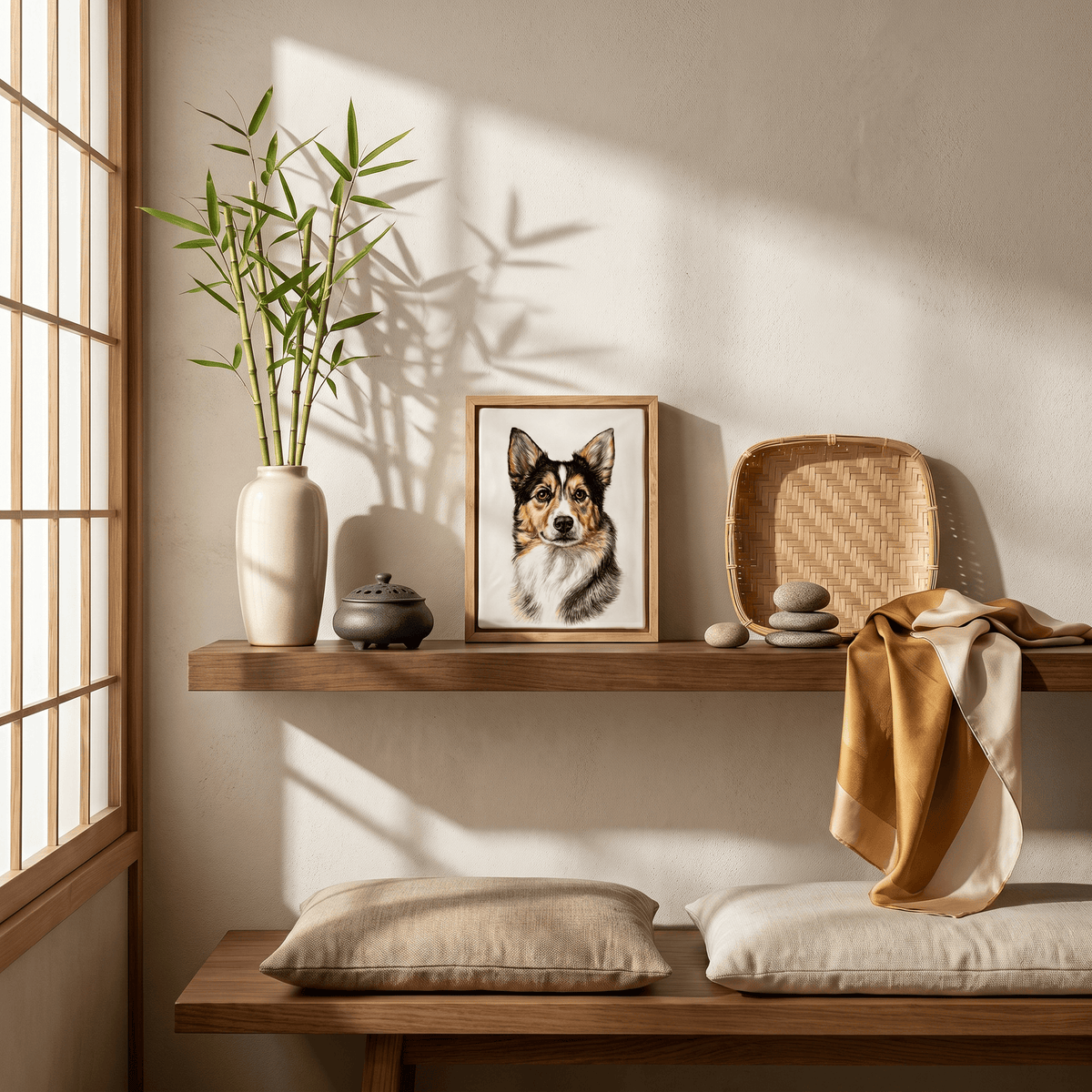
The Urn as a Bridge Between Presence and Absence
What happens when a pet is no longer physically present, but something of that life remains? Explore how a memorial urn can become a bridge between absence and presence, giving memory a tangible form and a lasting place within the home.
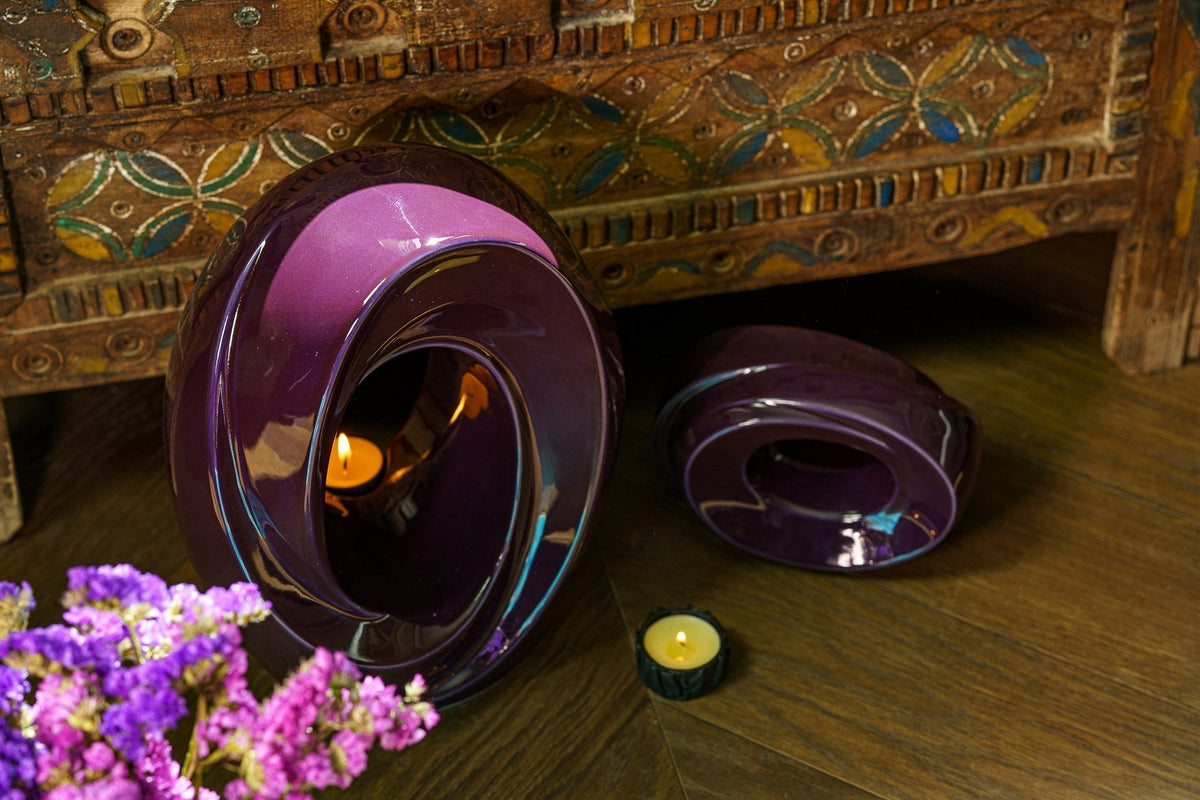
Memento Mori: Why Humans Have Always Made Art About Death
For thousands of years, humanity has transformed death into art — from skulls and fading flowers to portraits, monuments and memorial objects. Explore why we continue to create around mortality, memory and the human desire to make something last.

Every pet leaves behind an archive of its life — photographs, familiar objects, stories and traces of everyday routines. Discover how these fragments preserve not only memories, but the physical and emotional story of a beloved companion.
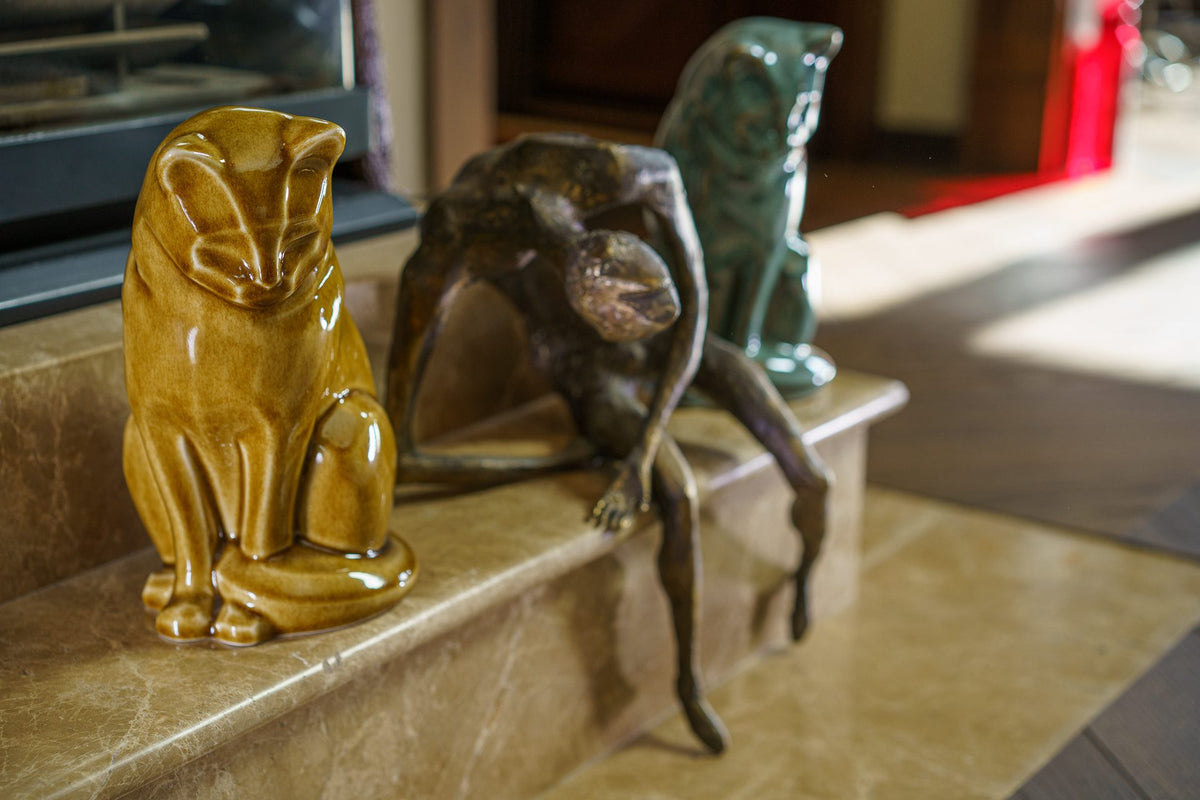
The New Aesthetics of Pet Memorials
Pet memorials are moving beyond traditional symbols of mourning. Explore how contemporary design, art, craftsmanship and materials are creating a more personal and understated aesthetic for remembering a beloved animal.
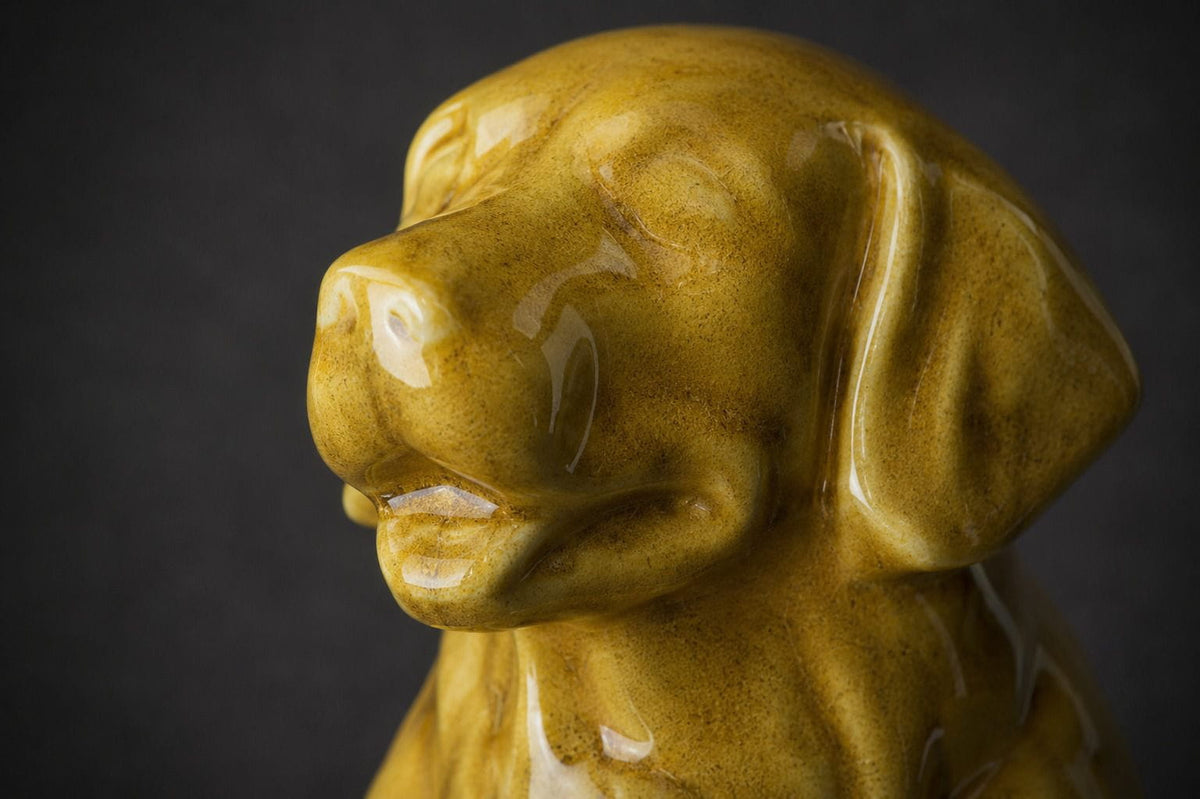
Can a pet urn be more than a vessel for ashes? Explore how craftsmanship, materials and sculptural design can transform a memorial urn into a meaningful work of art that keeps the memory of a beloved companion present.


Share:
Cremation and Modern Society – Finding Space to Preserve Memories
History of Cremation Urns: From Ancient Times to Modern Day