


Selecting an urn is a deeply personal decision, often representing both the memory of a loved one and the emotions tied to remembrance. While urns serve a practical purpose, their style and design also carry significant symbolic meaning. The right urn can reflect personality, values, and aesthetics, offering a beautiful balance between function and sentiment. Whether traditional or contemporary, urn styles can enhance the way memories are honored.
Urns for ashes for adults come in a wide variety of styles, from traditional and ornate designs to sleek and modern options. Choosing the right urn allows families to reflect the personality and legacy of their loved one, whether through a classic timeless piece or a contemporary design that fits a modern aesthetic.
Design is more than appearance—it can evoke comfort, peace, and connection. Some may find solace in the timeless qualities of classic urns, while others may resonate with the clean lines and innovation of modern urns. Understanding the differences between these styles can help in making a choice that feels both meaningful and aesthetically pleasing.

Classic urns are often crafted with timeless shapes, traditional finishes, and elegant detailing. They symbolize dignity and tradition, making them a meaningful choice for families seeking a sense of heritage.
Classic urns often use materials with longstanding cultural and symbolic significance. Metals such as brass, bronze, or copper, along with natural stone or ceramic, are common. These materials have historically been chosen for their durability and their ability to convey a sense of permanence.
Shapes in classic designs tend to follow time-honored forms—rounded bodies, elegant necks, and ornamental lids. These familiar shapes echo traditions of remembrance that stretch back centuries.
Ornamentation in classic urns often includes symbolic elements such as floral engravings, religious motifs, or decorative patterns. These details highlight continuity, respect, and tradition, allowing families to connect their choice with cultural or spiritual heritage.
Classic urns appeal to those who wish to honor tradition and continuity. They provide a sense of dignity and reverence, making them a natural choice for individuals who prefer timeless elegance and designs that have stood the test of time.

Modern urns feature sleek lines, minimalist designs, and contemporary materials. They appeal to those who prefer a stylish, updated look that blends seamlessly with modern home décor.
Modern urns embrace simplicity. With clean lines, geometric forms, and understated finishes, they represent a more contemporary aesthetic. Their designs are often minimalist, prioritizing elegance through subtlety rather than ornamentation.
Modern styles frequently incorporate innovative materials such as glass, stainless steel, or environmentally friendly composites. Matte finishes, polished surfaces, or textured designs give them a unique look that aligns with current design trends.
For many people, modern urns feel more aligned with current lifestyles and interiors. Their designs integrate seamlessly with modern décor, making them suitable for homes or memorial spaces that embrace a contemporary look.
Ceramic urns for ashes are a timeless choice, valued for their beauty and artistry. Each piece is crafted with care, often featuring hand-painted designs, smooth finishes, or intricate patterns. They appeal to those who want to celebrate individuality through unique and innovative designs.

Classic urns emphasize tradition and symbolism, while modern urns focus on design innovation and aesthetics. Choosing between the two depends on personal preference and how you want to honor your loved one.
Classic urns embody timeless elegance through detailed craftsmanship and ornamentation. Modern urns, by contrast, achieve sophistication through clean lines and minimal detail. Both approaches offer beauty, but in very different ways.
Classic urns often carry overt symbolism—floral motifs for growth, religious emblems for faith, or heritage designs for cultural continuity. Modern urns, while more understated, often symbolize individuality and forward-thinking values, resonating with those who prefer subtlety.
· Classic urns: Often chosen for traditional memorial services, columbaria, or family plots. They provide a timeless look that suits formal settings.
· Modern urns: Fit seamlessly into home memorials, contemporary gardens, or personal spaces with modern décor. Their simplicity makes them versatile in diverse settings.

The right urn style should reflect your loved one’s personality and your family’s values. Considering design, material, and display location can help guide your decision.
Known for their durability and aesthetic beauty, Pulvis Art Urns ceramic pieces allow families to honor loved ones in a meaningful and sophisticated way, perfectly blending tradition with contemporary art.
The decision often begins with honoring the wishes of the loved one or considering what best represents their personality. Families who value tradition may lean toward classic urns, while those who appreciate innovation may prefer modern designs.
Consider where the urn will be placed. In a traditional setting, ornate classic urns may harmonize better. In contrast, minimalist designs can blend seamlessly into contemporary interiors without feeling out of place.
For many, symbolism is key. Classic designs carry heritage and cultural meaning, while modern designs may represent individuality, creativity, or a celebration of life lived in the present.

Details such as engravings, high-quality finishes, and durable materials enhance both beauty and meaning. These features can make an urn a lasting tribute to your loved one.
Regardless of style, craftsmanship determines durability and aesthetic appeal. Fine workmanship ensures that the urn not only looks beautiful but also lasts for years to come.
Small design choices—such as engravings, polished finishes, or unique textures—can significantly impact the overall appearance. Details elevate both classic and modern urns, making them truly elegant.
An urn should be both practical and beautiful. Whether crafted from traditional metal or innovative composites, the right design combines strength with aesthetic grace.
Rushing the decision or overlooking important factors like size, material, and placement may lead to regrets. Taking time to compare styles ensures the urn is both functional and meaningful.
While modern styles are appealing, it’s important not to choose an urn solely because it’s trendy. Consider whether the design will continue to resonate emotionally over time.
Size, placement, and intended use matter. Choosing an urn based only on looks without considering practical needs—such as capacity or location—can cause difficulties later.
Design is not just about aesthetics. Choosing an urn without considering the emotional and symbolic weight may result in a choice that feels less meaningful in the long run.
Choosing between classic and modern urn styles is not about right or wrong—it is about what resonates most with personal meaning and family values. Classic urns offer tradition, symbolism, and timeless appeal. Modern urns bring innovation, simplicity, and contemporary elegance. By considering design elements, cultural symbolism, and personal preferences, families can select an urn that not only serves a practical role but also becomes a beautiful representation of remembrance.
Need guidance in selecting the perfect urn for your loved one? Contact us today for compassionate support and a wide range of timeless and modern designs to honor their memory.
Classic urns are often made of traditional materials such as metal, stone, or ceramic and feature timeless shapes with ornamental details. They emphasize tradition and symbolism.
Modern urns embrace minimalism, clean lines, and innovative materials such as glass, stainless steel, or eco-friendly composites. Their beauty lies in simplicity.
Yes. While less ornate, modern urns symbolize individuality, creativity, and contemporary values, offering a subtler form of symbolism.
Modern urns often blend seamlessly with contemporary interiors, while classic urns may better suit traditional home settings. The choice depends on décor and personal preference.
Look for designs that combine durability, craftsmanship, and beauty. Consider factors such as size, placement, and the emotional resonance of the design.

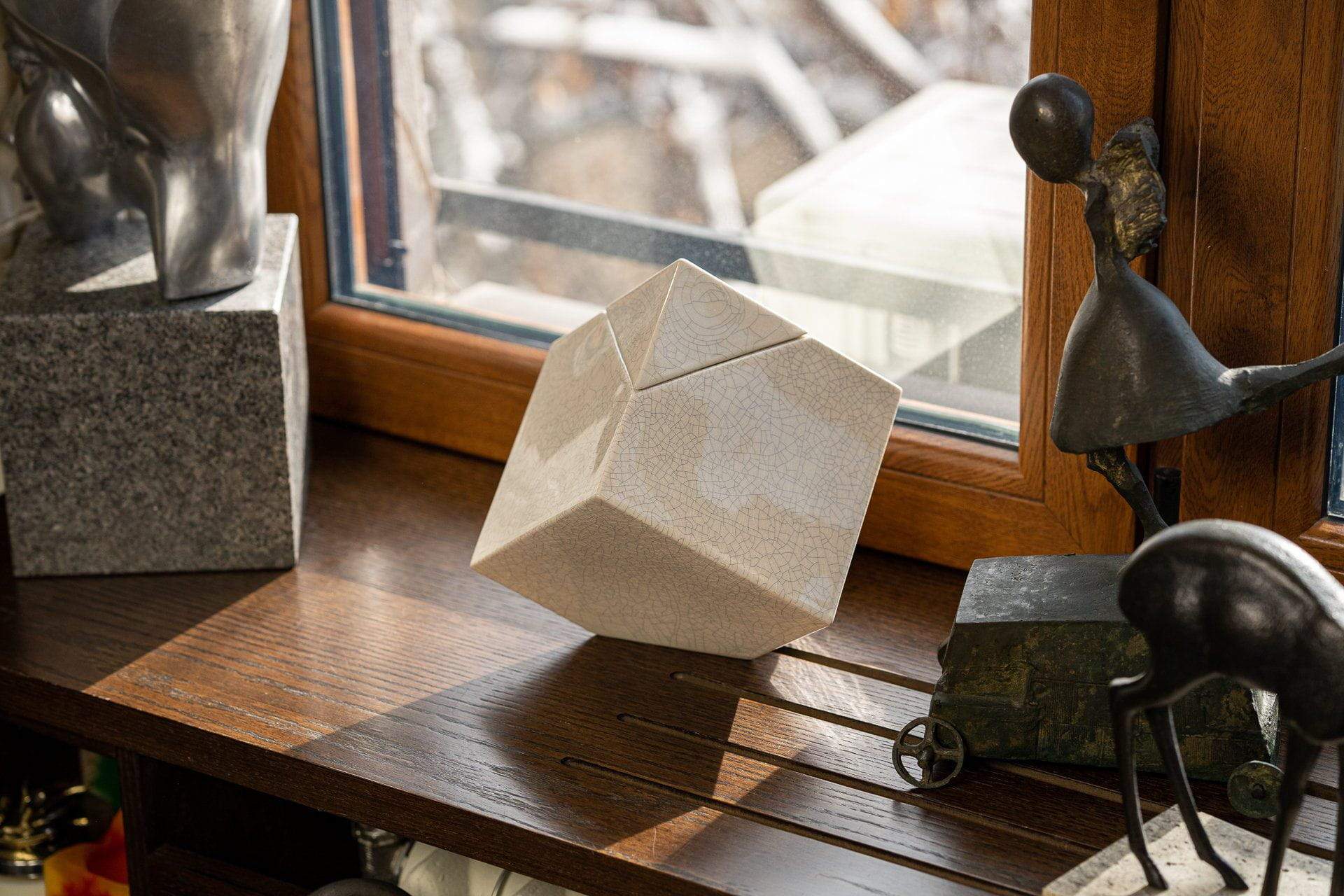
When to Replace an Urn: Signs and Best Practices
An upgrade urn allows you to correct durability issues from a previous material, choose a style that better suits a new memorial space, or create a stronger, more secure container for the long term. It is a positive step toward maintaining the dignity of the memorial.
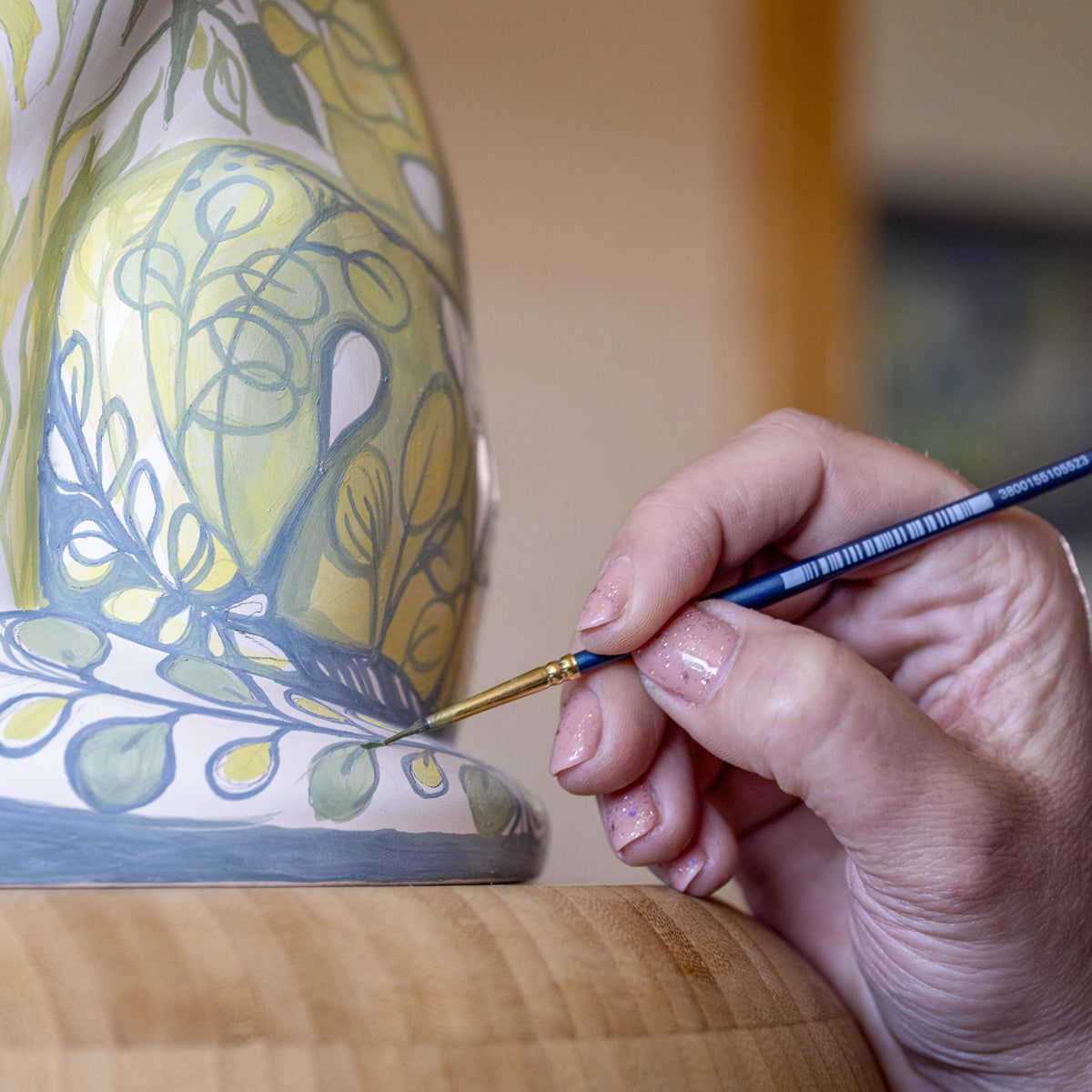
Custom Urn Designs: How to Work with Artisans for a Unique Memorial
Creating a memorial for a loved one is a deeply personal process, and selecting the final resting place is a decision filled with significance. Custom urns provide a meaningful way to honor their memory that goes beyond standard catalog options.

The Colors of Grief: How Mourning Shades Differ Around the World
Grief may be private, but color makes it visible. And in doing so, it reminds us that while mourning rituals differ from place to place, the impulse to honor those we lose is universal.
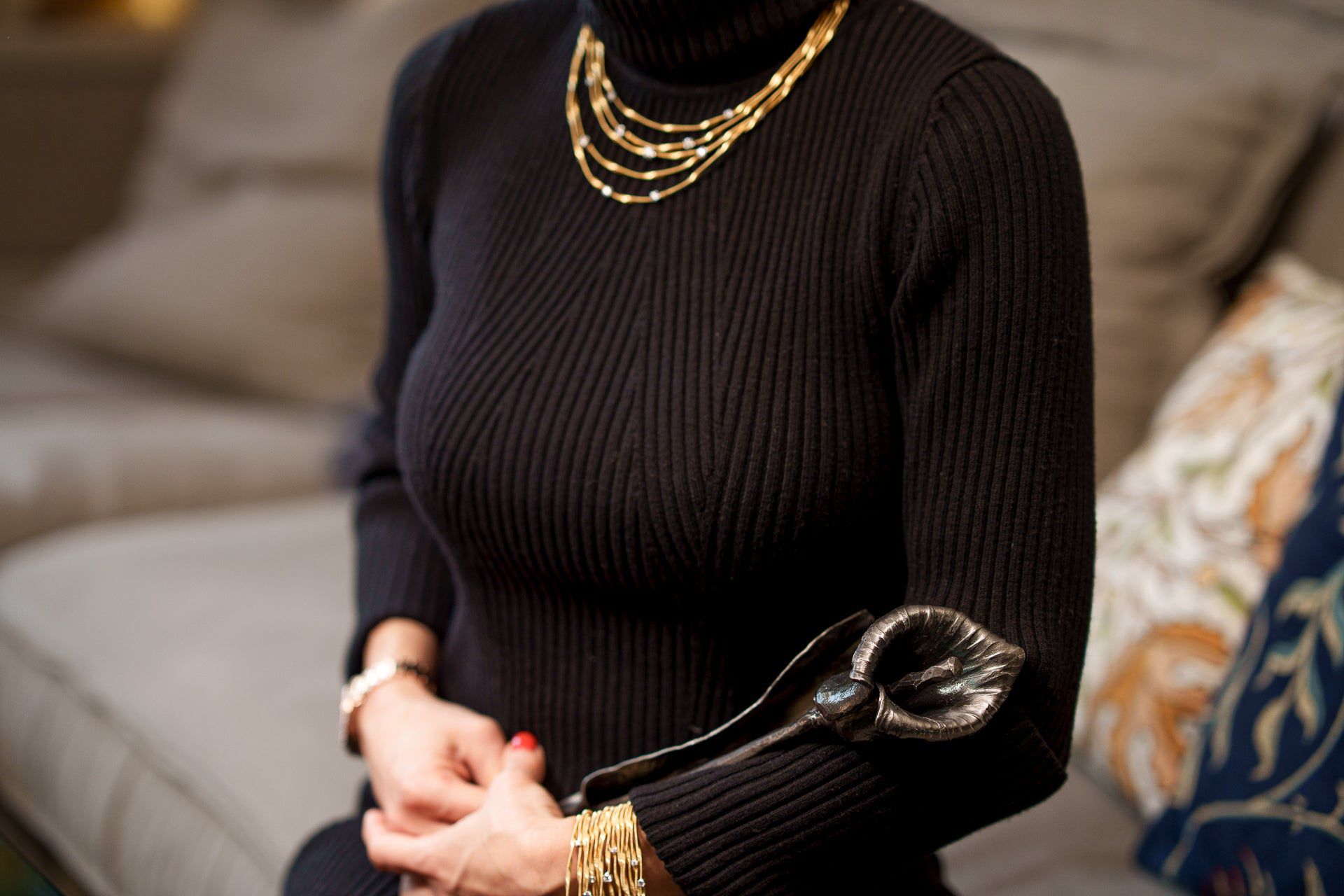
Honoring Loved Ones: Special Memorial Gift Ideas for the Holidays

Finding Meaningful Dog Cremation Jewelry


Share:
The Ghost Festival in China
The Growing Popularity of Cremation Jewelry and Keepsakes