

Here for you: art@pulvisurns.com | (562) 609-4019
Discover the factors influencing cremation costs. Learn about regional and religious influences on pricing, and find practical ways to save money. Know more!
The cost of cremation can be a pivotal factor when individuals and families face the difficult task of planning end-of-life arrangements. As cremation becomes an increasingly popular choice for final disposition, understanding, and planning for the associated expenses is essential. This comprehensive guide will delve into the myriad of factors that influence the cost of cremation, providing readers with a thorough breakdown of potential financial considerations.
Cremation offers a versatile and often more affordable alternative to traditional burial, with options ranging from simple direct cremations to more elaborate ceremonies. The shift towards this method has been notable; predictions indicate an upward trend, with cremation rates potentially reaching 84.1% by 2045.
This guide serves as an educational tool designed to navigate the complexities of cremation costs. Readers will gain insight into:
The spectrum of expenses related to various cremation services
Additional costs that may arise during the planning process
Regional and religious factors impacting pricing
Strategies for preplanning to manage financial impact effectively
Armed with this information, making informed decisions that respect both budget constraints and personal preferences becomes a more achievable endeavor.
Cremation costs can vary dramatically based on a number of factors. They may range from the most budget-friendly options to premium services that come with a higher price tag. Here are the primary considerations:
Understanding these variations is critical when planning for one's final arrangements or those of a loved one.
Comparatively, traditional burial expenses include not just the cost of interment but also a casket, headstone, and often a burial plot and vault, leading to median costs upwards of $7,848 as reported in 2021.
By analyzing these aspects, individuals can approach cremation planning with insight into what drives costs and how they compare to traditional burial expenses.
When considering the types of cremation, the financial implications largely depend on the services selected. Here's a cost breakdown of the primary options:
This is the most economical choice, involving no ceremonial service. The body is cremated shortly after death, and the remains are returned to the family. Costs typically range from $750 to $1,100, covering transportation to the crematorium, a simple container for the body, and the return of the ashes.
This option includes a service held without the body present, often after the cremation has occurred. Average costs can be approximately $1,500, including the basic cremation fee, facility service fee for hosting the memorial, transportation fees, and basic printed materials.
Emulating a traditional burial funeral, this option includes viewing and services before cremation. The median cost in 2021 was $6,970 and can include:
Each type provides different levels of personalization that can reflect on cost variability. For instance:
These figures encapsulate only part of potential expenses; other factors like urns or personalized memorials significantly affect overall costs.
When looking at the cost of cremation services, families often have extra expenses that can quickly add up. These costs are not required, but many people choose to pay for them and they can have a big impact on the overall cost of a cremation. Some of the main things to think about when budgeting for a cremation include:
It's important to think about these extra costs when planning a cremation and to weigh them against what you want for your loved one's memorial. While it can be tempting to spend a lot of money on things like fancy urns or elaborate services, it's also important to make sure that you're not putting yourself in a difficult financial situation.
Cremation costs are not the same across the United States; they can vary significantly depending on the region. The average cost of direct cremation can change a lot from one state to another due to factors such as local economic conditions, how many people choose cremation in that area, and how many businesses offer cremation services. Here are some examples:
States like Nevada and Oregon, which have some of the highest rates of people choosing cremation in the country, might have more affordable choices compared to states where fewer people choose cremation.

Religious beliefs have a big impact on how funerals are done, including decisions about cremation. Some religions have specific rules about what to do with a person's body after they die, which can affect both the decision to get cremated instead of buried and how much it costs:
People who follow religions that either need or don't allow certain things related to cremation will see these preferences in how much they have to pay. Individuals need to talk to religious leaders and follow cultural customs while also thinking about how these choices might affect their money situation when they die.
Preplanning cremation arrangements provide both financial and emotional relief by ensuring that one's wishes are honored without placing a sudden economic burden on loved ones. This foresight can be approached through various cost-saving strategies that effectively manage the expenses associated with cremation.
By integrating these strategies into end-of-life planning, you can significantly alleviate potential financial strain while ensuring a dignified approach to final arrangements.

Navigating the complexities of cremation costs requires making informed decisions and having open discussions with loved ones. Planning a cremation is a personal journey that combines financial considerations with the emotional aspects of saying goodbye. It's important to carefully consider the options available, such as direct cremation or more traditional ceremonies, taking into account your own beliefs and financial situation.
Here are some key takeaways to keep in mind:
The essence of this guidance lies in empowering individuals through knowledge, so they can make choices that honor the wishes of the deceased while also considering the well-being of those left behind.
The significant factors that influence the variation in cremation costs include location and service preferences. These factors can significantly impact the overall cost of cremation services.
There are various types of cremation services available, such as direct cremation and cremation with ceremony, each with its respective cost breakdown. It's important to explore these options to understand the financial implications of each type.
Some optional but commonly incurred costs when arranging for cremation include expenses for urns, memorial services, and personalized keepsakes. These additional expenses should be considered when planning for cremation.
Geographical factors such as location and regional variations play a significant role in contributing to price differences in cremation services across the country. It's important to consider these influences when planning for cremation.
There are several practical ways to save money on cremation costs, including preplanning arrangements, comparing service providers, and considering direct cremation options. These strategies can help mitigate the financial impact of cremation.
It is important to balance financial considerations with emotional needs in cremation planning to ensure that the arrangements meet both practical and personal requirements. This balance can help make informed decisions and discussions with loved ones.
------------------
Our Affiliate Program is now available. at https://www.pulvisurns.com/pages/affiliate-program-by-pulvis-art-urns

The Urn as a Bridge Between Presence and Absence
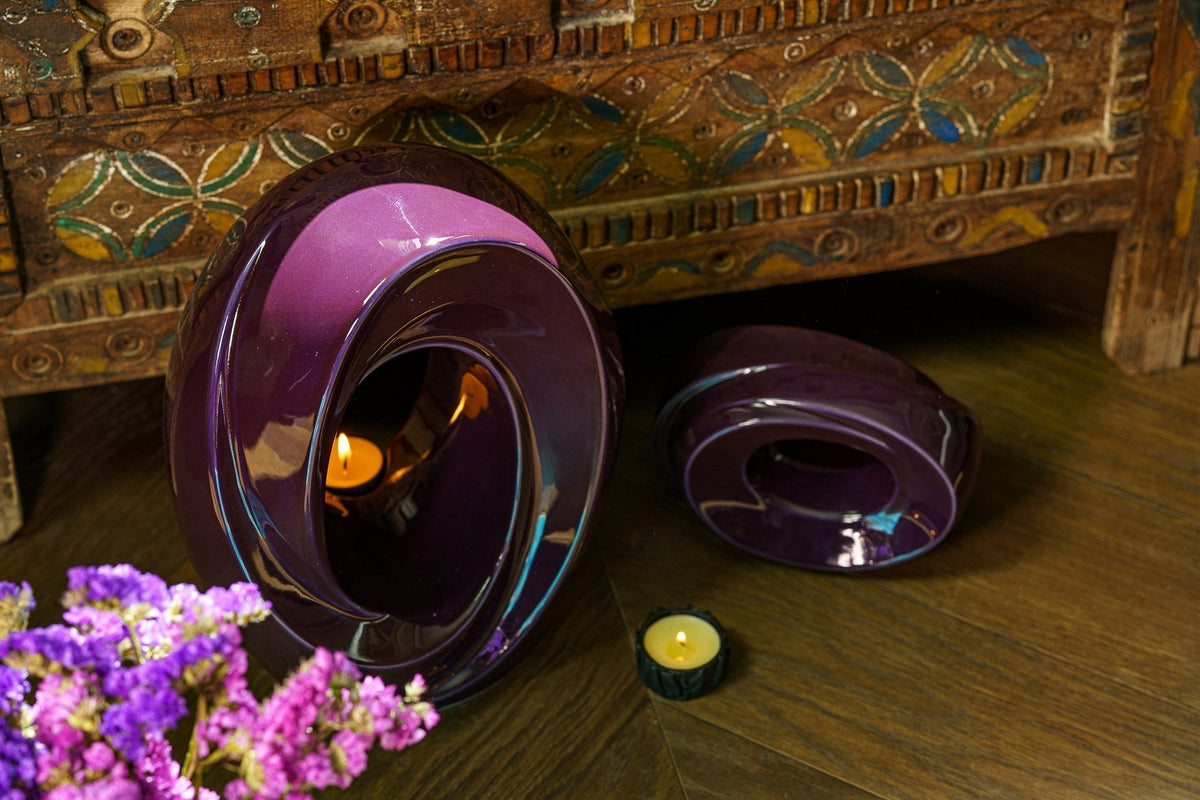
What happens when a pet is no longer physically present, but something of that life remains? Explore how a memorial urn can become a bridge between absence and presence, giving memory a tangible form and a lasting place within the home.
Memento Mori: Why Humans Have Always Made Art About Death
For thousands of years, humanity has transformed death into art — from skulls and fading flowers to portraits, monuments and memorial objects. Explore why we continue to create around mortality, memory and the human desire to make something last.

Every pet leaves behind an archive of its life — photographs, familiar objects, stories and traces of everyday routines. Discover how these fragments preserve not only memories, but the physical and emotional story of a beloved companion.
The New Aesthetics of Pet Memorials
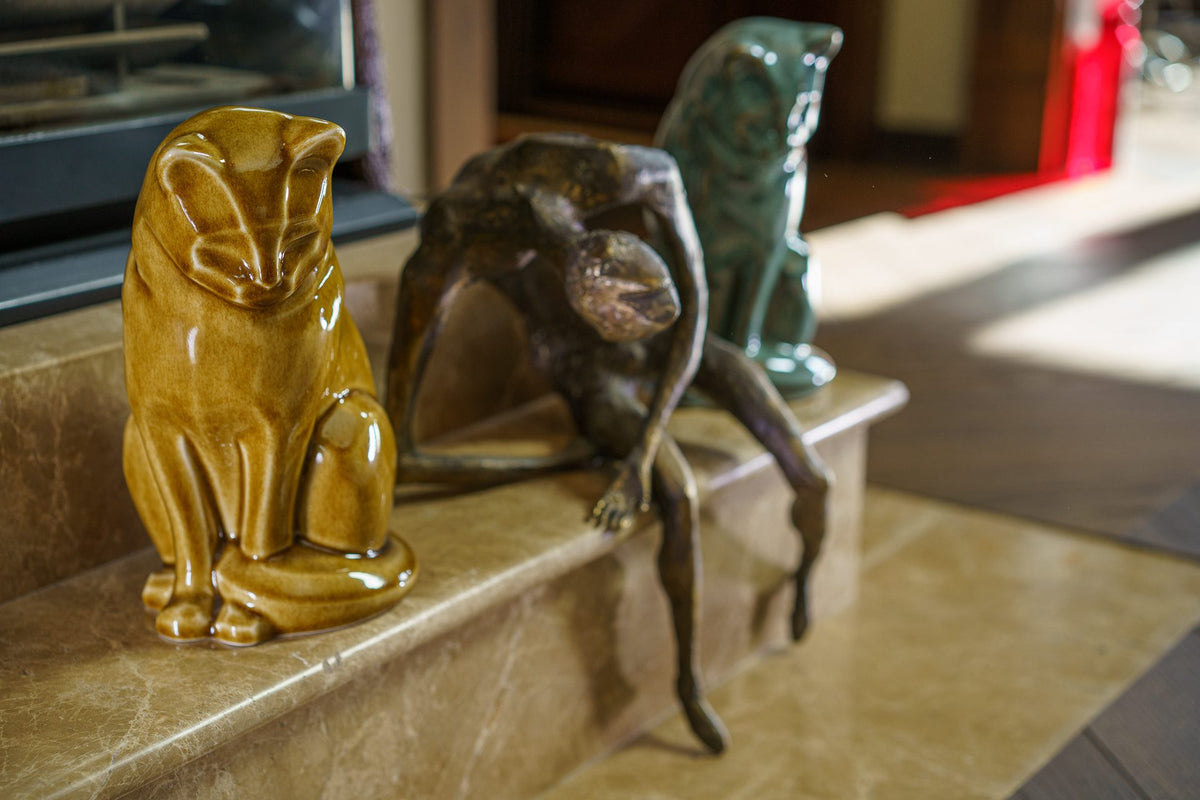
Pet memorials are moving beyond traditional symbols of mourning. Explore how contemporary design, art, craftsmanship and materials are creating a more personal and understated aesthetic for remembering a beloved animal.
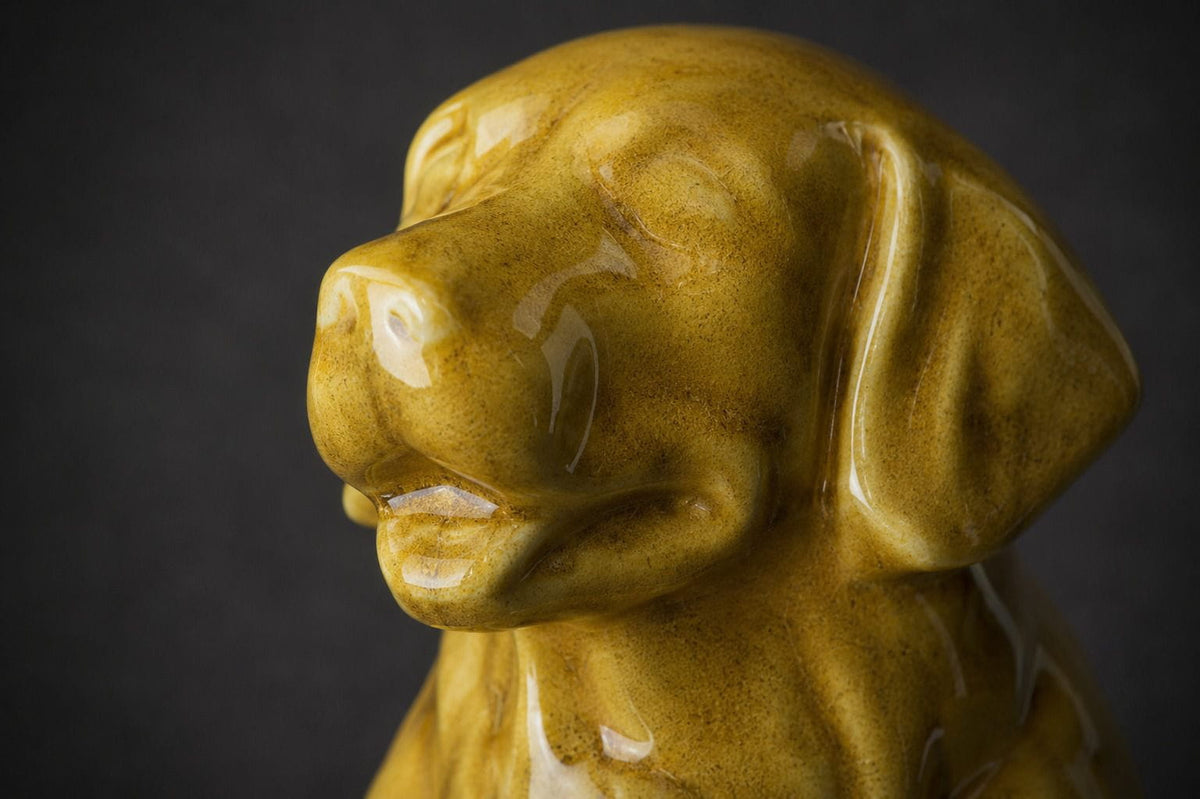
Can a pet urn be more than a vessel for ashes? Explore how craftsmanship, materials and sculptural design can transform a memorial urn into a meaningful work of art that keeps the memory of a beloved companion present.


Share:
Tulip Symbolism: Unlocking the Meaning Behind These Beautiful Flowers
The Empty Seat at Home – How to Deal with Grief