

Here for you: art@pulvisurns.com | (562) 609-4019
Flowers have always been a symbol for expressing many deep feelings as well as part of many funeral traditions around the world.
The choice of flowers and their arrangement can carry different meanings. Common flowers used for funerals include lilies, roses, chrysanthemums,
carnations, and gladioli. Each type of flower may symbolize different sentiments.
For example, lilies often represent the restoration of the soul, while roses can convey love and respect.
When it comes to funeral, nowadays flowers are perceived as a symbol for expressing deep feelings of sympathy and condolences. While flowers and decorations have been traditionally given at many different times to help express feelings of condolence or sympathy, sending flower arrangements to a funeral have also served an secondary motive for many centuries.

In ancient times, flowers were used a lot in embalming practices, in many countries like Peru, Chile and Egypt. In ancient ages flowers were not only symbols of respect, but they were also used as a means to help mask up the unpleasant smell of decomposition. Depending on the environment, the body condition and other different factors, flowers were placed around the body so mourners would tolerate the smell while grieving.
New discoveries suggest that their use date back to the Stone Age. Back early 50s of the previous century an important discovery was found in the Shanidar Cave in Northern Iraq. The discovery includes a Neanderthal grave with soil samples that supports the idea that the bodies were buried along with floral bed. This is an example that the tradition of placing flowers over the graves of the death has started a long time ago and is still alive to this day.
Aside from the practical side of placing flowers at funerals, throughout the years they have earned a very sentimental value. During the Victorian era, most of the funerals were held in funeral homes and the flowers speak for the silent grief of the family and relatives attending the ceremony. The secret language of condolence floral gifts is used to show everything that is way too painful to speak of as well as help create a beautiful final memory.

In modern times, bringing flower to a funeral or cremation has become a tradition. The gift of a plant is often an ideal option, as they provide a long-lasting memorial to the loved one lost. Each and every flower however has its unique symbolism. For example, the lily is the flower most often associated with funeral and cremation services as they symbolise the innocence that has been restored to the soul of the deceased.

Carnations on the other hand are a popular choice for sympathy arrangements. Some flowers like chrysanthemums, also known as Mums are symbolic of death and are only used for funerals or arrangements in combination with urns for ashes or other keepsake memorials.
Our newest model “Light” is especially designed to hold flowers in it. The cremation ashes are fitted inside the walls of the memorial urn, which makes the design truly unique. Visit our shop for more information.

Our Calla Flower Memorial comes in a medium size. Medium size urns can hold a portion of an adult's ashes and are often chosen by families who wish to divide ashes or families who have lost a child or teen.
The early calla lily meaning originates in ancient Greek culture, where the flower was thought to represent magnificent beauty. Whether displayed publicly, or in private settings, this handmade memroial urn is a tasteful way to fill your home with cherished remembrance.
Lilies stand as a traditional emblem of mourning, embodying the essence of a departed loved one and offering solace to grieving hearts. White lilies, particularly fitting for faith-centered ceremonies, symbolize purity and faith.
Carnations, prized for their fragrance and longevity, are a popular choice for expressions of sympathy. White carnations signify innocence, while pink ones evoke memories of cherished moments.
Chrysanthemums, known as mums, hold significance in mourning traditions across Europe and Asia, with white varieties representing grief in cultures like China, Korea, and Japan.
Gladioli, representing strength and resilience, serve as a poignant tribute to individuals of fortitude, conveying a message of support amidst loss.
Roses, with their universal symbolism, offer a range of sentiments suitable for funerals. Red roses express love and reverence, pink roses convey appreciation and elegance, while yellow roses are fitting for honoring close friendships. White roses, akin to lilies, symbolize innocence and purity.
Orchids carry a profound message of everlasting love, particularly in hues of pink, purple, or white, serving as a heartfelt expression of sympathy.
Hydrangeas, as potted plants, offer enduring support beyond the funeral, symbolizing ongoing care and remembrance as they bloom for years to come.
------------------
Our Affiliate Program is now available. at https://www.pulvisurns.com/pages/affiliate-program-by-pulvis-art-urns
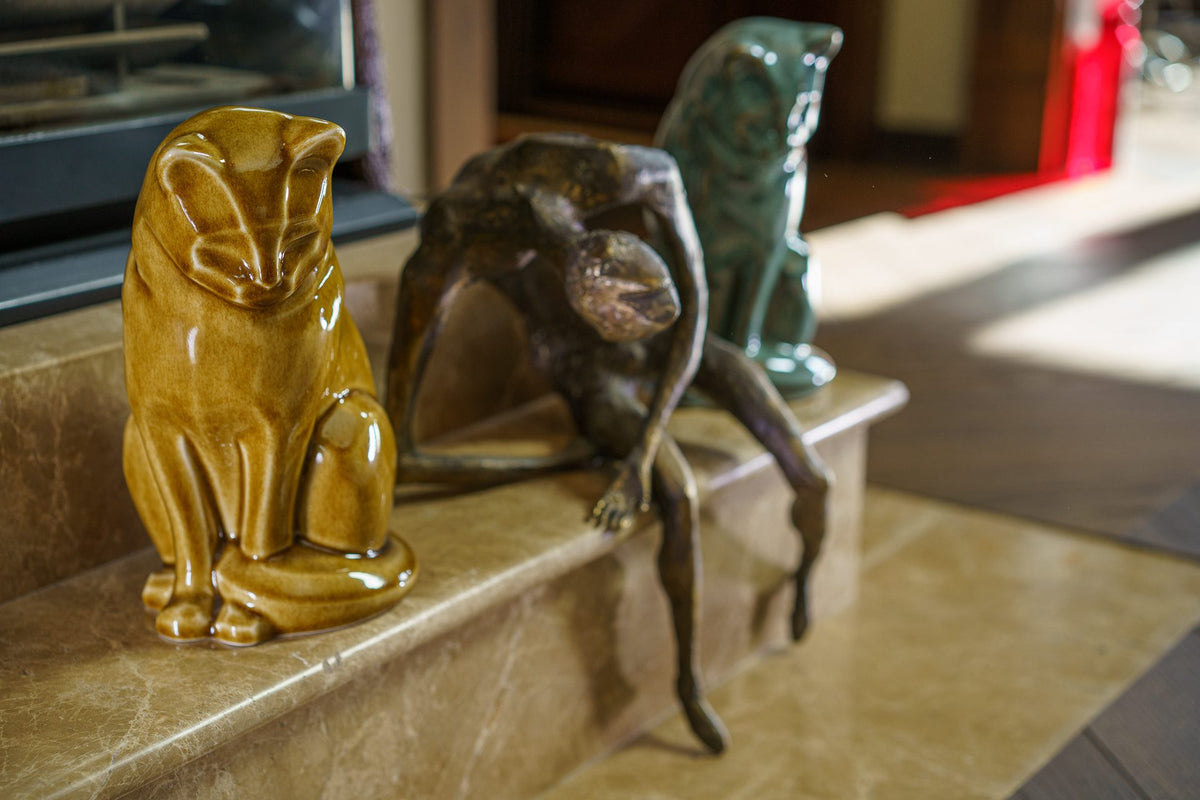
The New Aesthetics of Pet Memorials
Pet memorials are moving beyond traditional symbols of mourning. Explore how contemporary design, art, craftsmanship and materials are creating a more personal and understated aesthetic for remembering a beloved animal.
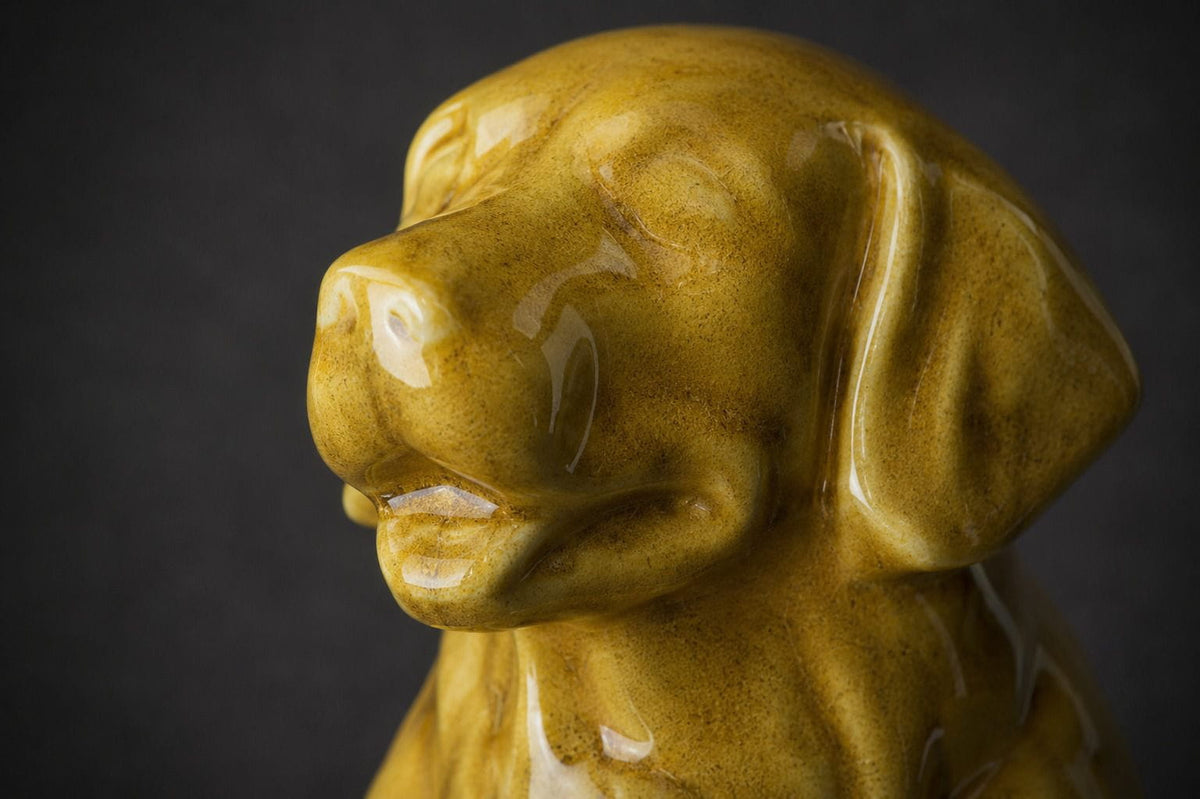
Can a pet urn be more than a vessel for ashes? Explore how craftsmanship, materials and sculptural design can transform a memorial urn into a meaningful work of art that keeps the memory of a beloved companion present.
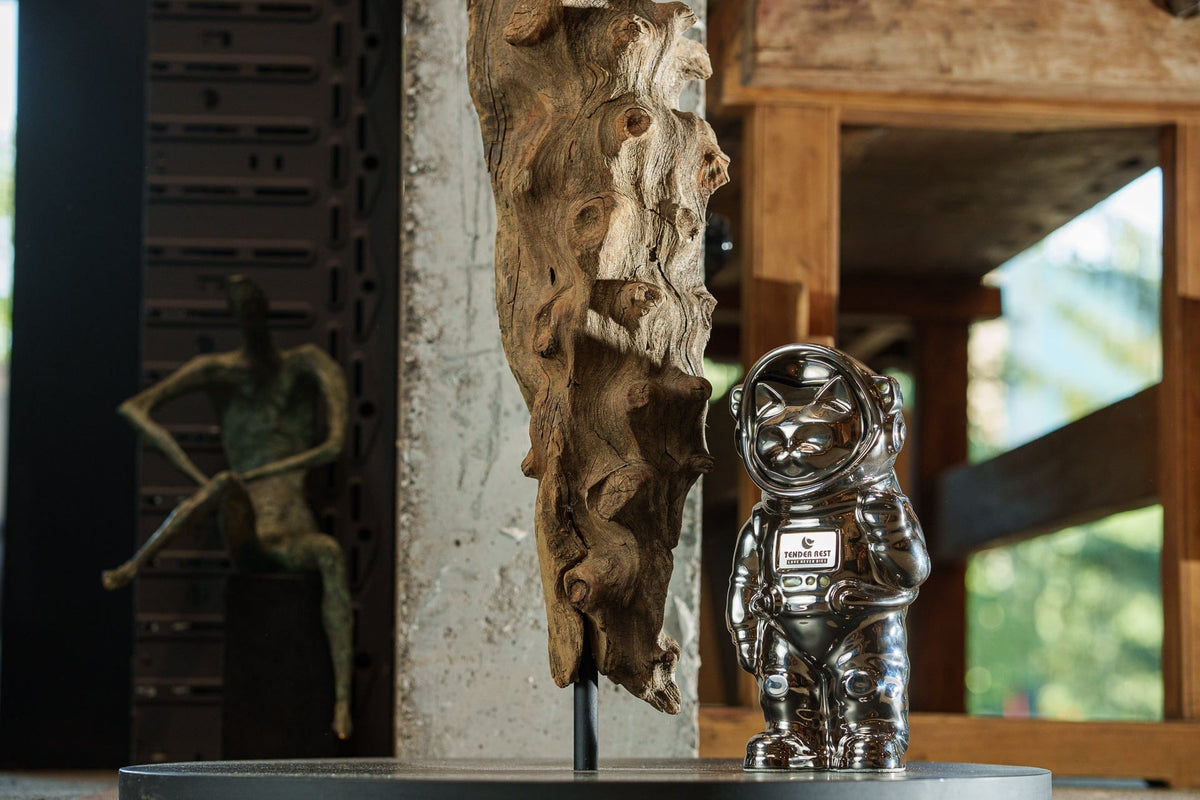
The Pet Funeral Is Changing: What Modern Goodbyes Look Like
Pet funerals are changing as animals become an increasingly important part of our families. Discover how cremation, memorial ceremonies, personalized urns and new rituals are creating more personal ways to say goodbye to a beloved companion.
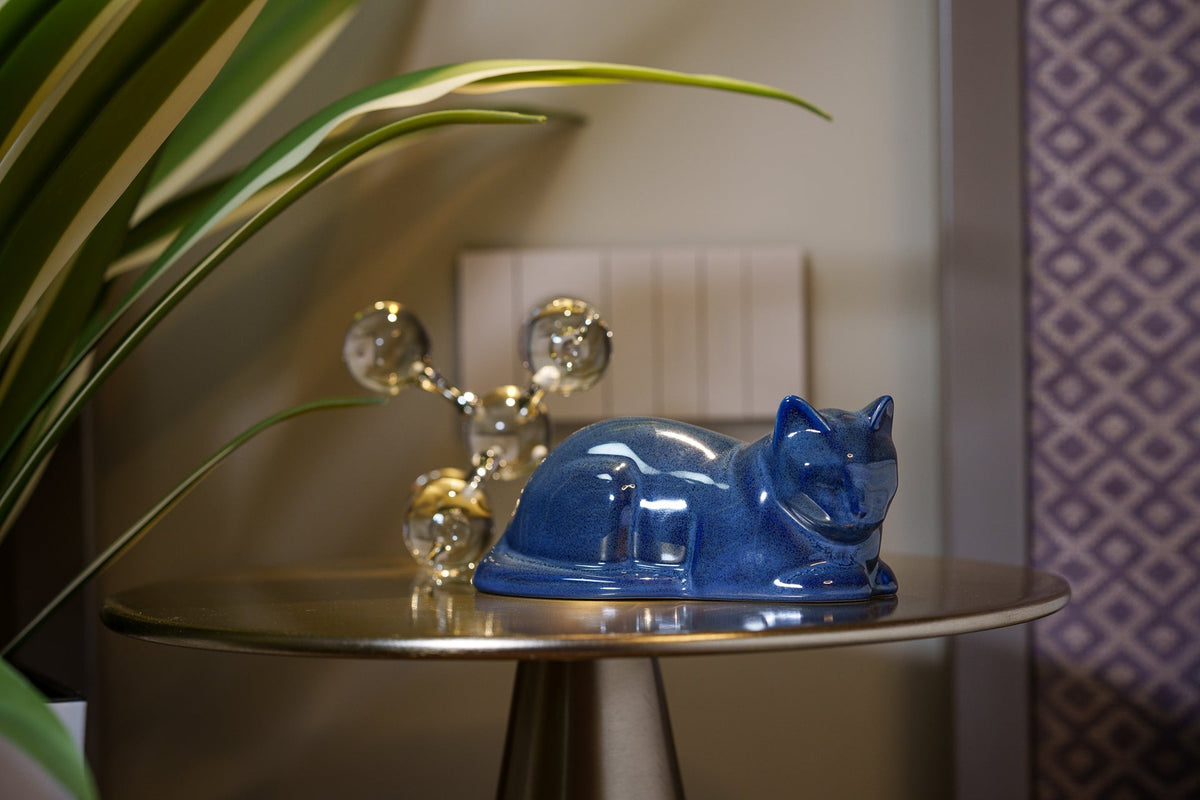
Can the Design of a Pet Urn Change the Way We Grieve?
Can the design of a pet urn influence the way we experience grief? Explore how meaningful materials, forms and memorial design can help transform loss into a lasting connection with a beloved companion.
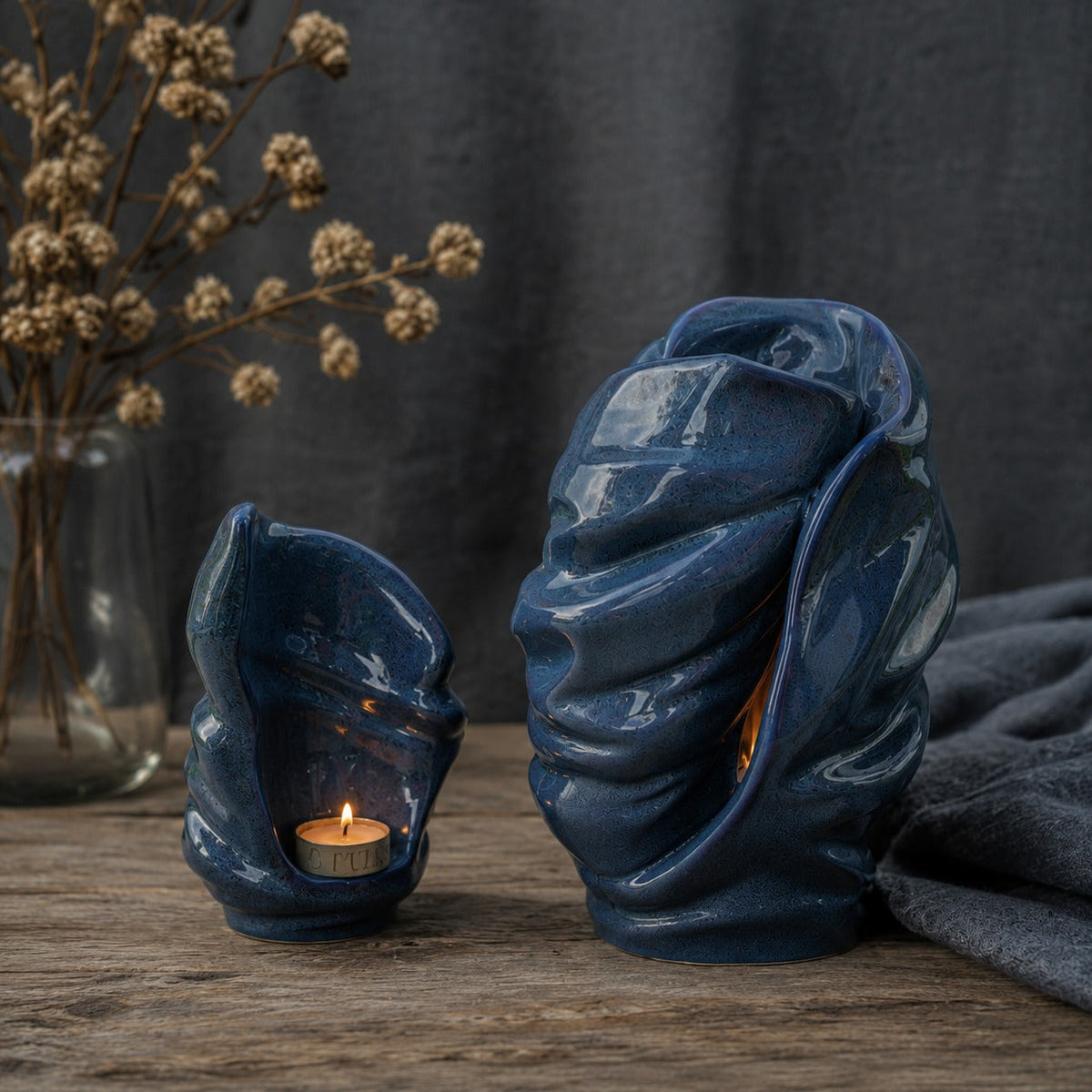
What Are the Most Unique Urns Available Today?
Discover the most unique cremation urns available today, from handcrafted ceramic and sculptural designs to glass, nature-inspired, personalized, and keepsake memorials. Learn what makes an urn distinctive and how to choose a meaningful design based on capacity, material, placement, and personal significance.

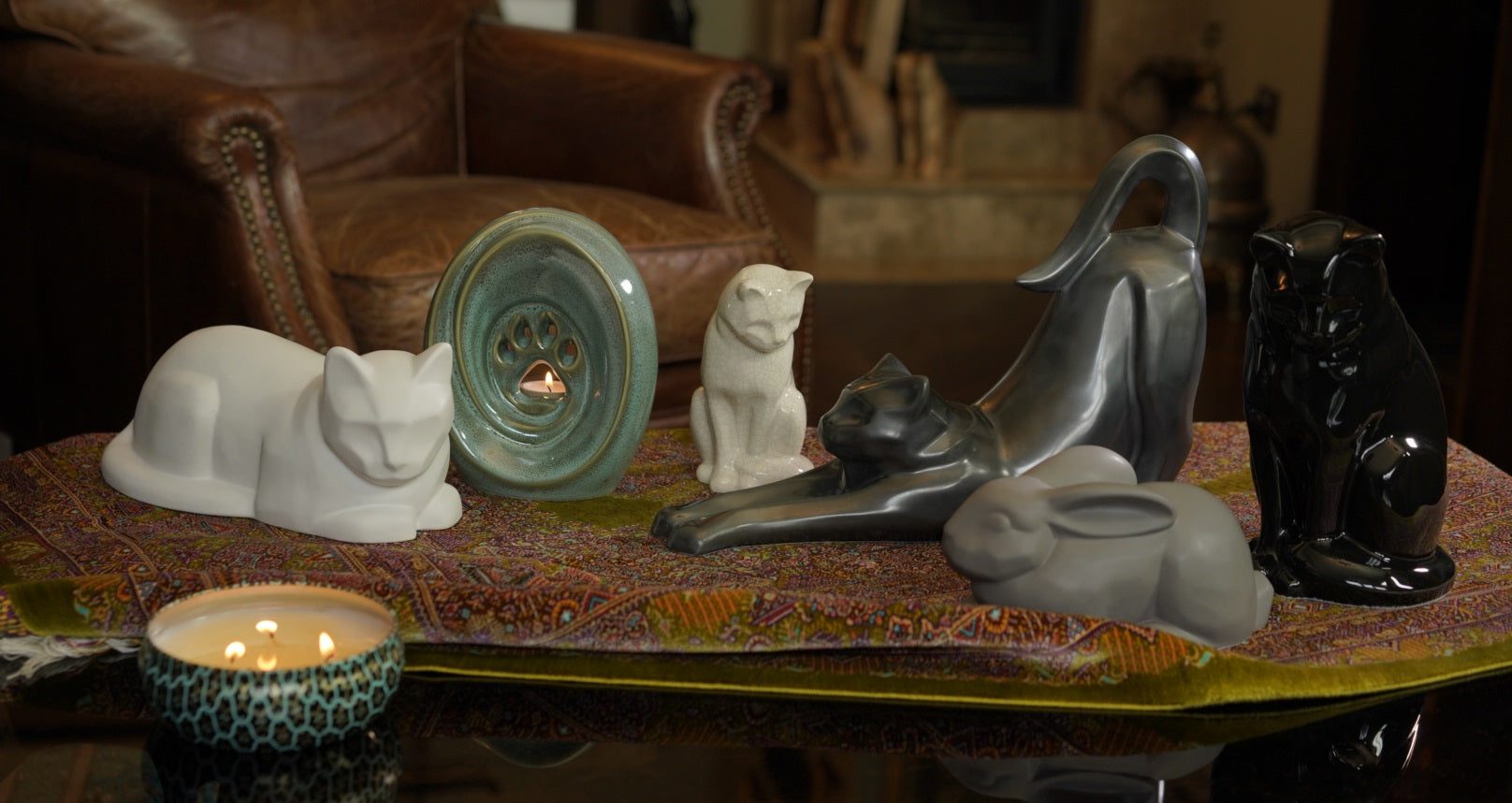
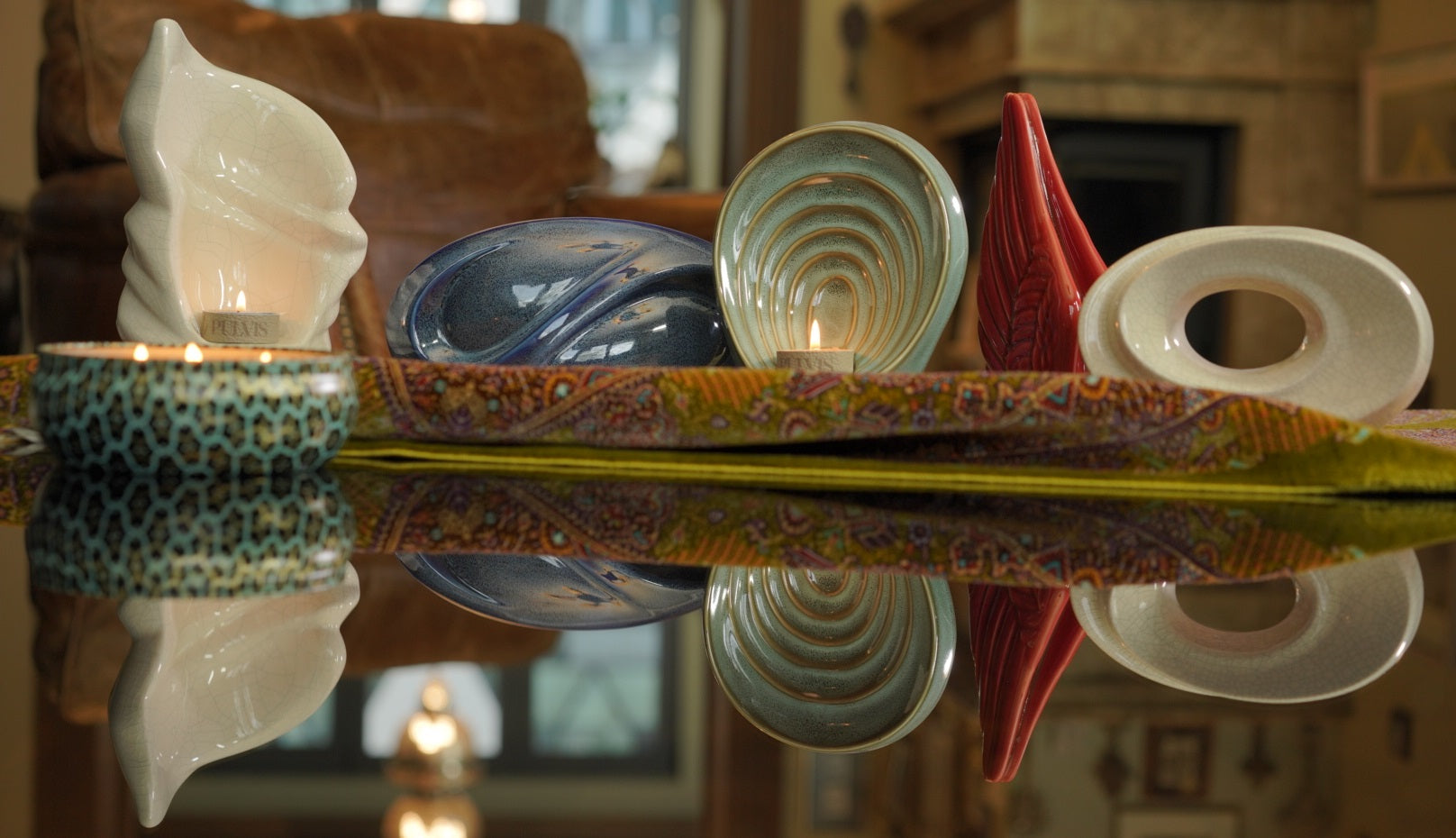

Share:
Artistic Urns: Combining Art and Memory in Pet Memorials
Cremations are on the Rise. Which Countries are Leaders ?