


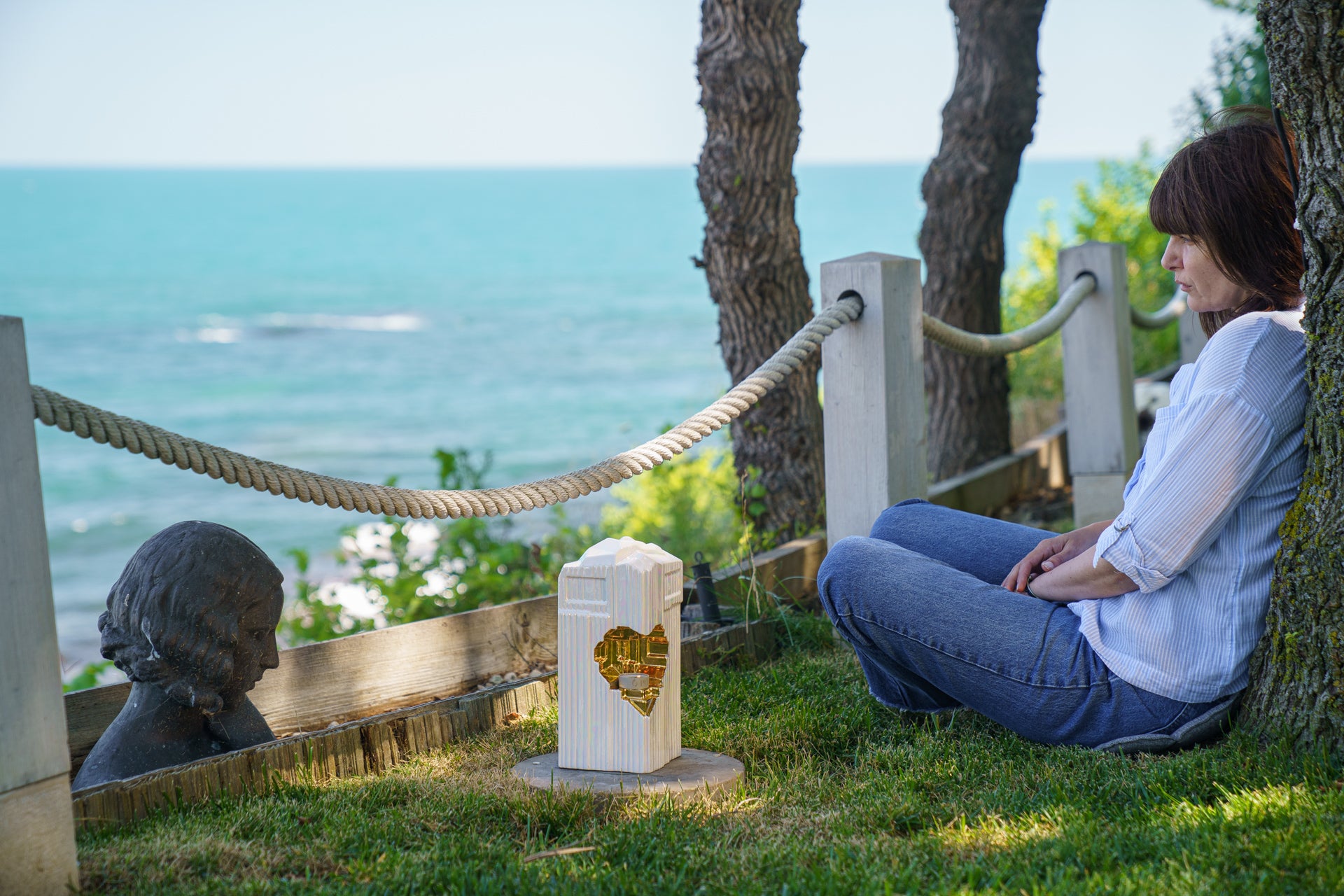
Scattering ashes is a deeply personal and meaningful way to honour a loved one. However, it's essential to understand the legal considerations involved to ensure that this final gesture respects both the law and the memory of the deceased.
Key takeaway: Before scattering ashes, it is crucial to comprehend the legal implications and emotional significance associated with this ritual.
Understanding property laws is crucial when deciding where to scatter human ashes. Rules can vary greatly depending on the area and the type of property involved.
Key Considerations:
Public vs. Private Property
Cemeteries and Religious Grounds
Some cemeteries have specific sections designated for ash scattering. Religious sites might have additional protocols based on denominational beliefs and practices.
Why Permission is Important
Getting permission is essential to show respect for the land and its owners, and to avoid any potential legal issues. Scattering ashes without authorization on private property could result in trespassing charges or civil disputes, which would take away from the seriousness of the event.
Example: If you want to scatter ashes in a family member’s backyard, making sure you have clear permission from everyone involved can help avoid conflicts later on.
Following property laws not only meets legal requirements but also shows respect for your loved one’s final resting place.

When considering scattering ashes in public spaces, particularly national parks and other public lands, adhering to specific regulations is essential. Public land regulations vary by location, but they universally emphasize respect for the environment and other visitors.
Guidelines for Scattering Ashes in National Parks
National parks often have specific guidelines for ash scattering to preserve natural beauty and ensure visitor respect. Key guidelines include:
Specific Regulations Regarding Ash Scattering in Public Lands
Beyond national parks, other public lands such as state parks or municipal reserves may have their own regulations:
Respecting these regulations ensures that the final resting place of your loved one remains a beautiful and undisturbed part of nature.
By understanding and complying with these guidelines, you can honor your loved one's memory while preserving the integrity of these cherished landscapes.
Ocean scattering of ashes is a favored option for many due to its serene and symbolic nature. However, it is vital to understand the legality surrounding this practice.
Overview of the Legality Surrounding Ocean Scattering
Scattering ashes in the ocean is legal in the United States but falls under specific regulations set by the Environmental Protection Agency (EPA). The EPA mandates that all cremated remains must be scattered at least three nautical miles from shore. This guideline ensures environmental protection and adheres to federal laws governing ocean activities.
Required Guidelines and Reporting to the EPA
To comply with EPA regulations, consider these essential guidelines:
These measures ensure that ash scattering respects both environmental standards and legal requirements, providing peace of mind during this meaningful act.
This understanding makes the process more straightforward, allowing you to focus on honouring your loved one without legal concerns.

Types of Containers Needed for Transporting Cremains
Transporting cremains requires appropriate containers to ensure the ashes are handled with care and respect. Two main types of containers are recommended:
Benefits of Using Decorative Scattering Urns
Using decorative scattering urns can enhance the ash-scattering ceremony in several ways:
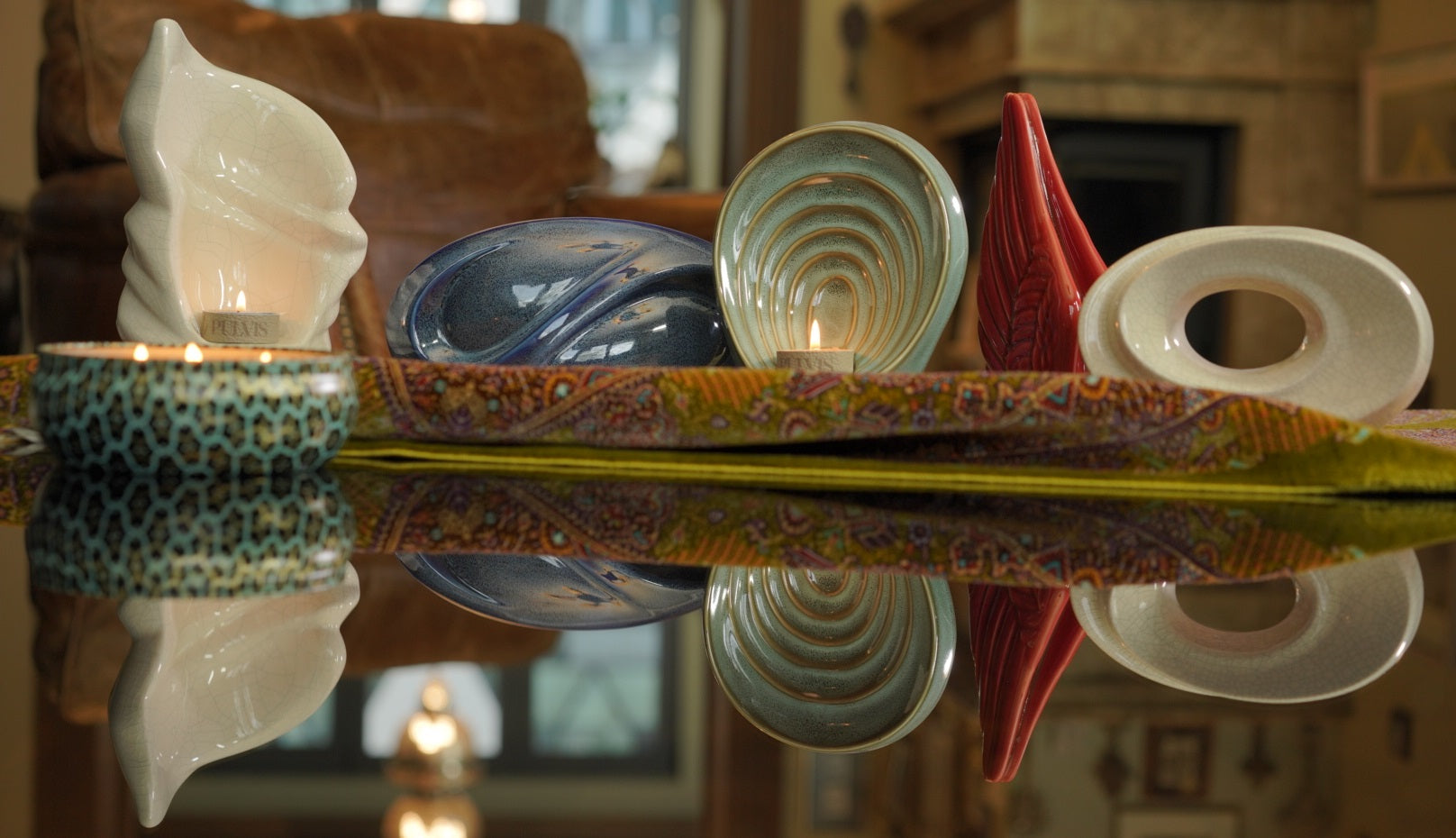
Pulvis Art Urns offers a range of handcrafted scattering urns that combine functionality with artistic design to honour your loved ones respectfully.
Choosing a location for ash scattering is a deeply personal and emotional decision. This choice often reflects the individual's connection to a particular place that held significance during their lifetime.
Considerations for Location Selection:
Using these considerations ensures the selected location not only honours the deceased but also provides solace for those left behind, reinforcing their emotional connection to the loved one’s memory.

Selecting the right environmental conditions can greatly enhance the experience of an ash scattering ceremony. Here are some key tips to consider:
By taking these environmental factors into account, you can create a respectful and meaningful ash scattering ceremony that honours your loved one's memory while being considerate of nature and other individuals present
Creating keepsakes from a small portion of ashes after the scattering ceremony offers a meaningful way to keep your loved one close. Several options exist for transforming ashes into lasting memorials, ensuring their memory continues to be cherished.
Memorial Jewelry from Ashes
One popular choice is memorial jewelry. These pieces can incorporate a minute amount of ashes into:
Artistic Creations
Ashes can also be integrated into artistic creations like:
Keepsake Urns
Small portions of ashes can be stored in keepsake urns, which are smaller versions of traditional urns. These are ideal for sharing remains among family members or keeping a part of your loved one in multiple locations.
Garden Memorials
Another option involves incorporating ashes into garden memorials:
Choosing the right commemorative option depends on personal preference and the unique ways you wish to honour your loved one's memory.

The process of scattering ashes is a deeply personal journey that reflects the unique relationships and cherished memories we hold. It is important to recognize the significance of personal choices in ensuring that the ceremony aligns with both emotional and legal considerations.
By familiarizing ourselves with property laws, public space regulations, and environmental guidelines, we can honour our loved ones in a way that is both respectful and lawful.
Choosing meaningful locations, preparing thoughtfully for the ceremony, and creating keepsakes from cremains are all ways to keep their memory alive. Each step we take in this process is a reflection of our commitment to respect, love, and remembrance.
For those seeking unique and meaningful ways to memorialize their loved ones, Pulvis Art Urns offers a diverse range of handcrafted urns for ashes. Each piece is meticulously designed to reflect both emotional depth and artistic craftsmanship.
Why Choose Pulvis Art Urns?
Here are some reasons why you should consider choosing Pulvis Art Urns:
Pulvis Art Urns ensures that each urn serves as a beautiful tribute, capturing the essence of your cherished memories.

What are the legal considerations for scattering ashes?
Before scattering ashes, it is crucial to understand the legal implications associated with this ritual. Laws can vary by location, especially concerning private property and public spaces. Always seek permission when scattering on private land and familiarize yourself with local regulations.
Is it illegal to scatter human ashes in certain locations?
The legality of scattering human ashes can depend on the specific location. For example, national parks and public lands have particular regulations that must be followed. It is essential to consult local laws and guidelines before proceeding.
What are the EPA regulations regarding ocean scattering of ashes?
When scattering ashes in the ocean, there are specific EPA regulations that must be adhered to. These include guidelines on where you can scatter and requirements for reporting the scattering within specified timeframes.
How should I prepare for an ash scattering ceremony?
Preparing for a meaningful ash scattering ceremony involves selecting appropriate containers for transporting cremains, such as decorative scattering urns. These urns not only serve a practical purpose but also enhance the emotional experience of the ceremony.
What factors should I consider when choosing a location for ash scattering?
Choosing a location for ash scattering should involve an emotional connection to ensure that the spot honors the memory of your loved one. Consider places that held significance to them or that resonate with their spirit.
What commemorative options are available after scattering ashes?
After an ash scattering ceremony, there are various options for keeping your loved one's memory alive, such as creating memorial jewelry from a small portion of their ashes. This allows you to carry a piece of them with you while honoring their legacy.

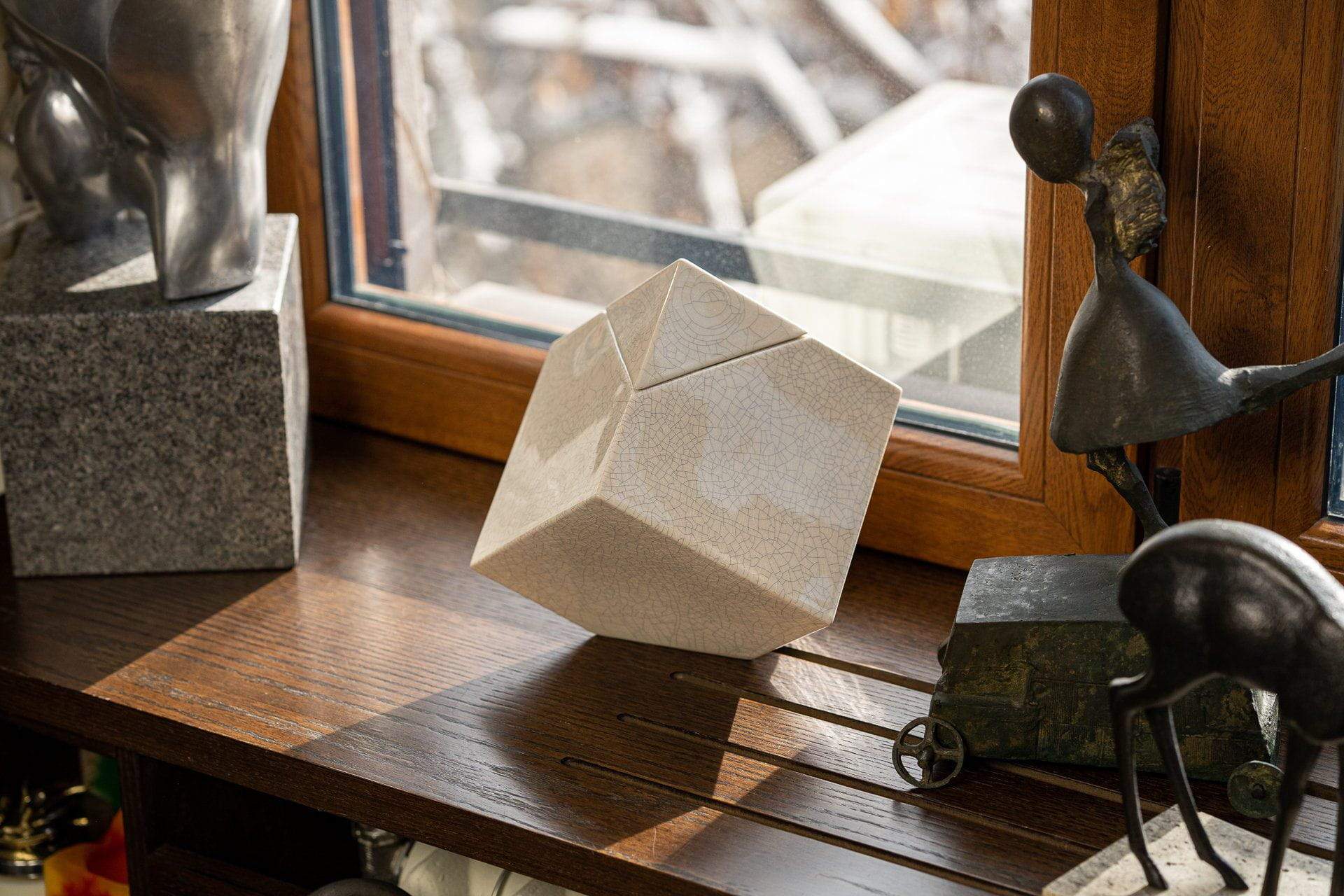
When to Replace an Urn: Signs and Best Practices
An upgrade urn allows you to correct durability issues from a previous material, choose a style that better suits a new memorial space, or create a stronger, more secure container for the long term. It is a positive step toward maintaining the dignity of the memorial.
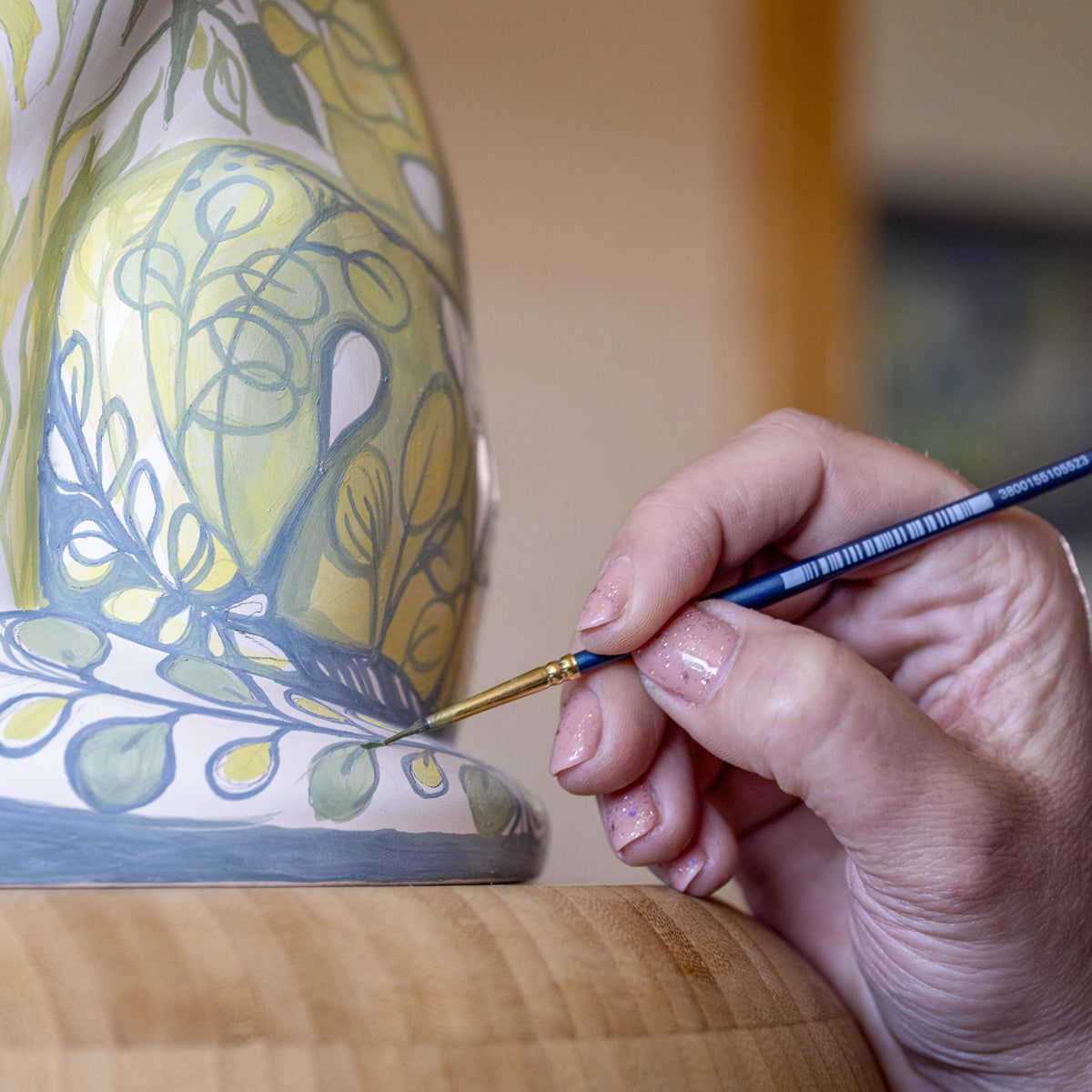
Custom Urn Designs: How to Work with Artisans for a Unique Memorial
Creating a memorial for a loved one is a deeply personal process, and selecting the final resting place is a decision filled with significance. Custom urns provide a meaningful way to honor their memory that goes beyond standard catalog options.

The Colors of Grief: How Mourning Shades Differ Around the World
Grief may be private, but color makes it visible. And in doing so, it reminds us that while mourning rituals differ from place to place, the impulse to honor those we lose is universal.

Honoring Loved Ones: Special Memorial Gift Ideas for the Holidays

Finding Meaningful Dog Cremation Jewelry


Share:
A Bridge to Forever: Comforting Hearts Across Generations
Did You Know About Green Burials? Here's What You Need to Know