



Here for you: art@pulvisurns.com | (562) 609-4019
7% off your order
Use this code at checkout:
Just a few decades ago, burial was the dominant method of laying the dead to rest in much of the world. Cremation, once uncommon and even controversial in many societies, has seen a dramatic rise. Today, cremation is the leading choice in many countries—particularly in Japan, South Korea, Canada, and parts of Europe—where over 70% of deaths now result in cremation. Even in cultures with strong burial traditions, cremation is gaining momentum. This shift is transforming global attitudes toward death, remembrance, and the final resting place—where the urn for ashes has become a central element.

In the past, cremation was discouraged or outright prohibited by many major religions. Faiths like Christianity, Islam, and Judaism traditionally favoured burial, often due to beliefs in bodily resurrection or ancestral customs. But over the past century—especially since the 1960s—many religious authorities have softened their views. For instance, the Catholic Church removed its ban on cremation in 1963, permitting the practice as long as it isn’t chosen as a rejection of core beliefs.
At the same time, global societies have become more secular, and cremation has found broader acceptance. Modern crematoriums are often seen as religiously neutral, which suits families with diverse or blended spiritual backgrounds. The urn for ashes has become a universally adaptable vessel—used in both religious and secular remembrance rituals.

In highly populated countries like Japan, Singapore, and the Netherlands, limited land availability has made traditional burial less viable. Burial plots are expensive and often come with time constraints, after which remains may be moved. Cremation provides a space-saving, practical alternative. Keeping ashes in an urn allows families to remember their loved ones without incurring ongoing costs for grave maintenance.
Environmental factors are also influencing this change. Traditional burials can involve embalming chemicals, non-biodegradable caskets, and land disturbance. While cremation does produce emissions, it's often considered a more environmentally responsible option—especially with the growing use of green cremation methods and eco-friendly biodegradable urns.
The rising cost of funerals worldwide has led many families to seek more affordable options. Cremation generally costs far less than a burial, particularly in countries where cemetery space comes at a premium. In places like North America, cremation can be up to 50% cheaper, and urns for ashes come in a wide range of price points—from modest, practical containers to elaborate, customized memorials.
The cost-effectiveness of cremation has helped popularize direct cremation, where no formal funeral takes place before the cremation. Families often choose to hold memorials afterward, in settings that are more personal and meaningful. This approach makes cremation—and the urn for ashes—a flexible and accessible option for many.

Modern lifestyles are more mobile than ever. As families become more geographically spread out, the tradition of visiting a family grave becomes less practical. Cremation allows for more flexible forms of remembrance. A loved one’s ashes can be stored in an urn at home, shared among family members, or transported easily if someone relocates.
Scattering ashes in a cherished location be it a favourite forest, seashore, or mountain is now a widely embraced practice. It provides a symbolic and often uplifting way to say goodbye, shifting focus from mourning to celebration. In this way, the urn for ashes serves not just as a container but as a vessel for memory and connection.
There is a growing preference for funerals that reflect the personality and story of the deceased. Traditional services are increasingly being replaced, or paired, with more customised ceremonies. These may include curated music, memory displays, or uniquely crafted urns for ashes.
Cremation offers more creative freedom than burial. Families can decide how, where, and when to honor their loved one, whether that’s with an urn displayed at home, interred in a memorial park, or by scattering ashes during a meaningful ceremony. This adaptability aligns well with modern values of individuality and personal expression.
The global rise of cremation reflects evolving views on death, shaped by practical, spiritual, and environmental considerations. Cremation, with the urn for ashes as its symbolic core, offers a respectful, affordable, and flexible alternative to traditional burial.
Whether driven by space limitations, economic realities, changing beliefs, or a desire for personalisation, cremation has emerged not merely as an option, but as the new norm in many societies. Today, the urn for ashes is more than a vessel, it is a central part of how we honour, remember, and celebrate the lives of those we’ve lost.

Which urn size do I need?
A simple rule: about 1 cubic inch of urn per pound of body weight.
Every product page lists the urn's capacity. Keepsake urns hold a small portion of ashes to share.
Need it by a specific date?
Free shipping · Delivery in 3–5 business days
Express delivery in up to 3 business days – choose it at checkout
Need help choosing?
Talk to our team – we're happy to help you find the right urn.
(562) 609-4019 art@pulvisurns.comSend us a message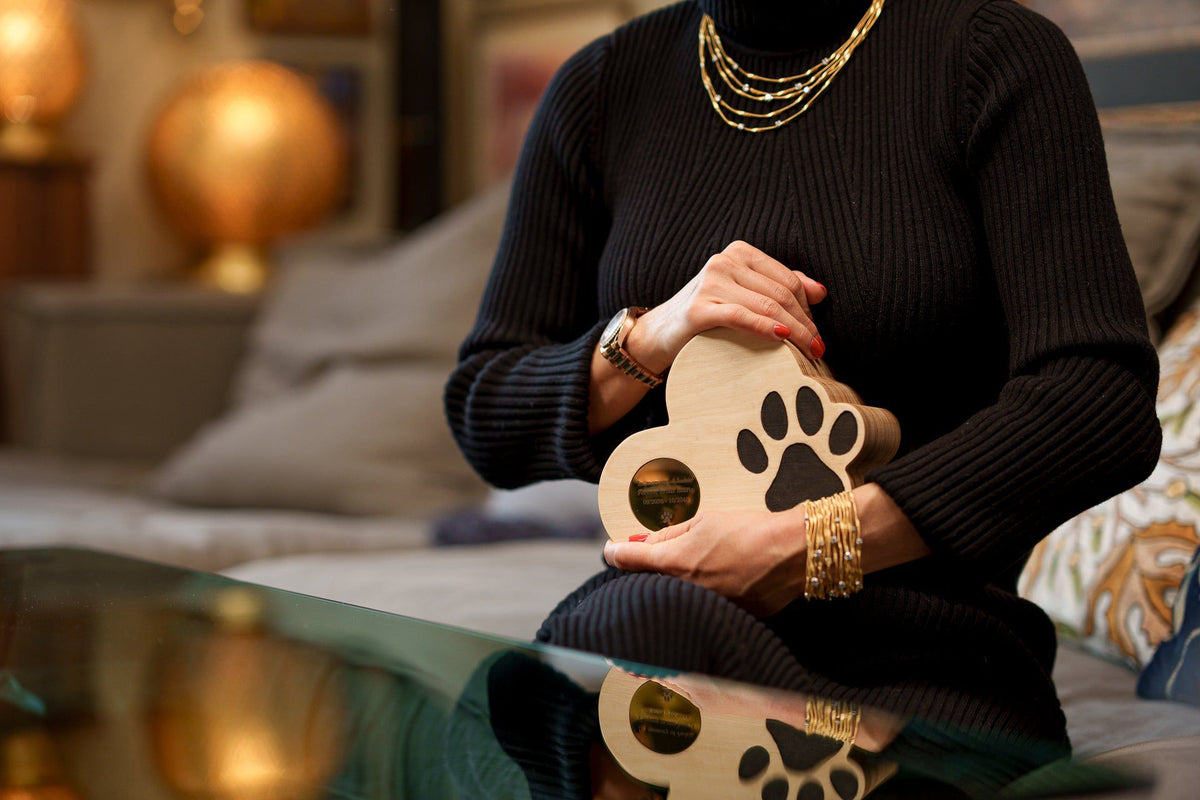
Can You Grieve a Life That Never Had Words?
Discover why losing a beloved pet can be so profound, how wordless bonds shape our lives, and how Pulvis Art Urns brings craftsmanship and thoughtful design to the art of remembering an animal companion.
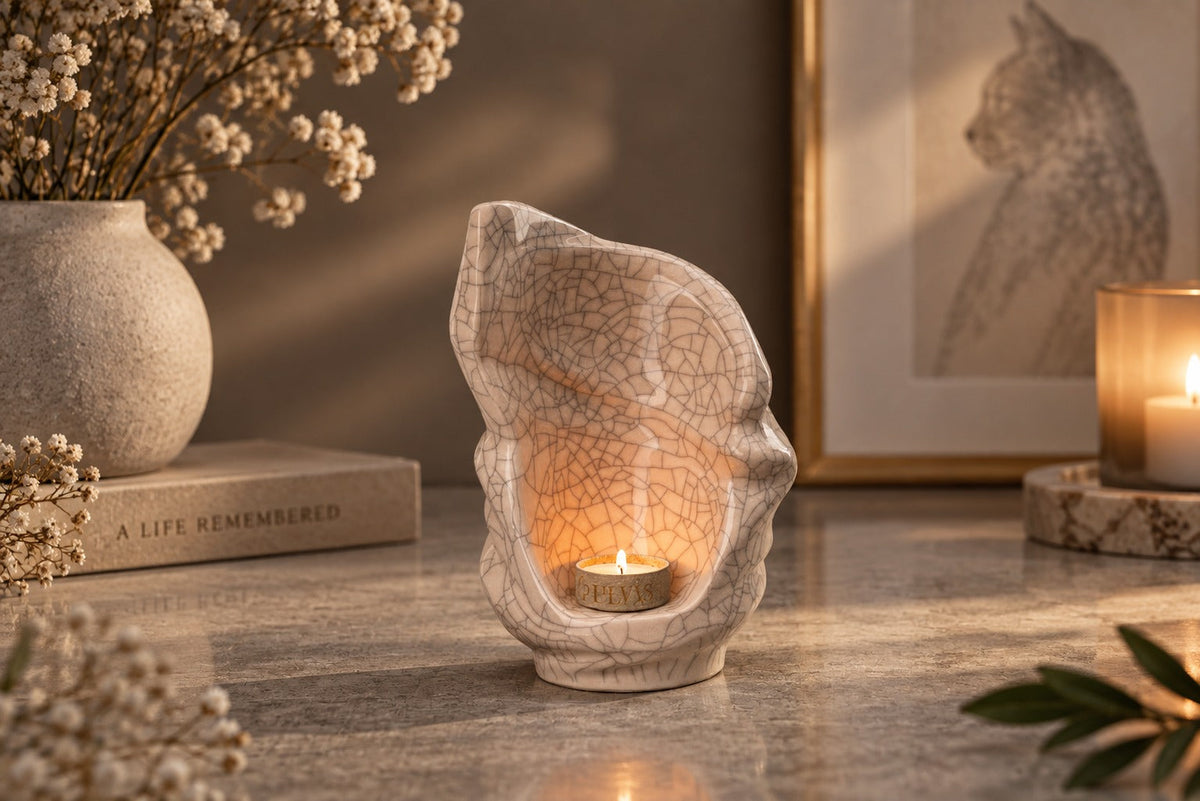
What Does the Bible Say About Cremation?
Explore what the Bible says about cremation, Christian beliefs about resurrection, and meaningful ways to honor a loved one’s memory through a thoughtful memorial.
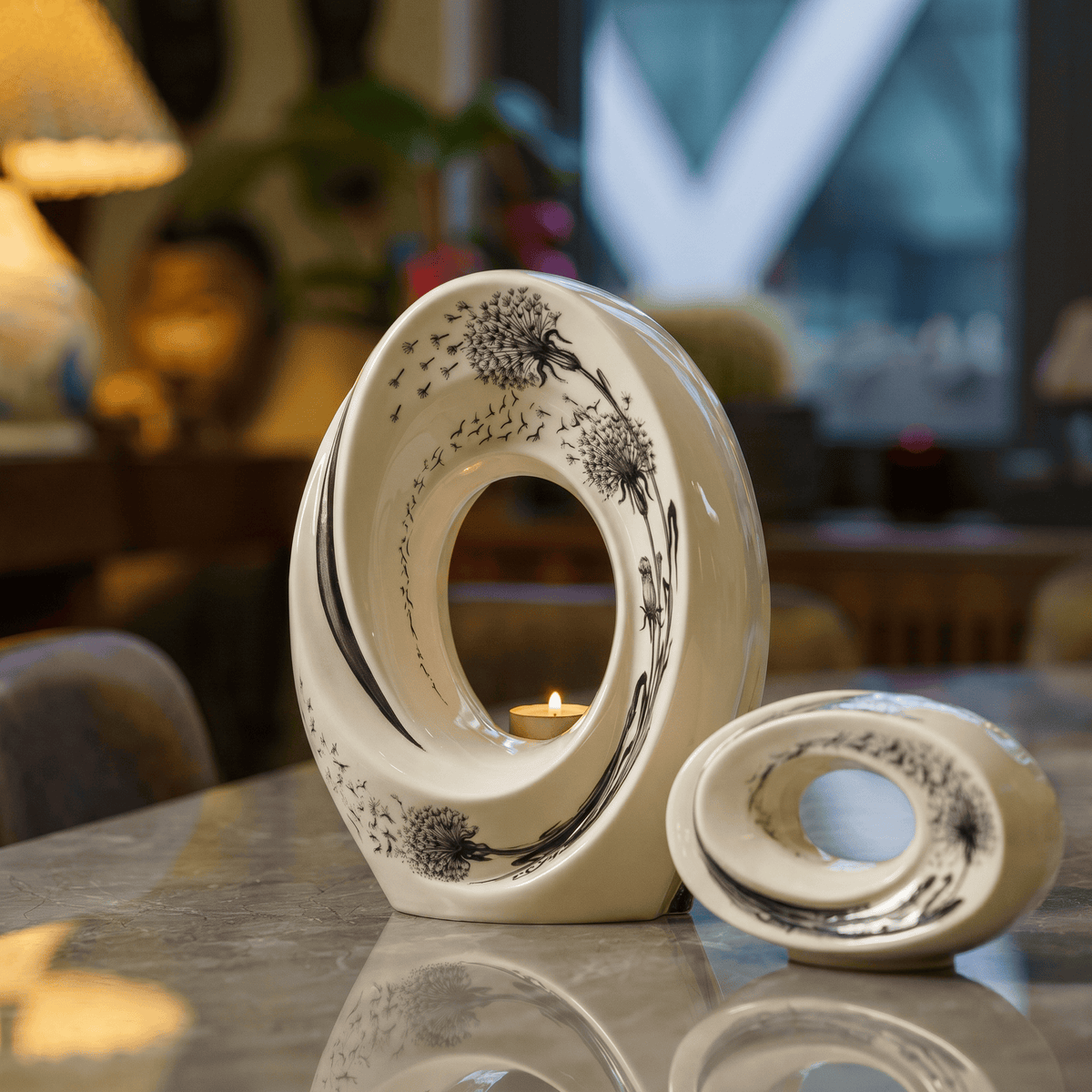
Why Do People Light Candles for the Dead?
Discover the meaning behind lighting candles for the dead, exploring the traditions, beliefs, and emotions that make this simple ritual a lasting expression of remembrance, comfort, and connection within the home.

The Pet as a Witness to a Human Life
Our pets witness far more of our lives than we realise. Explore what it means for an animal to become a quiet witness to our changing homes, relationships, routines and identities — and how a memorial urn can remain as a physical connection to the life they witnessed.

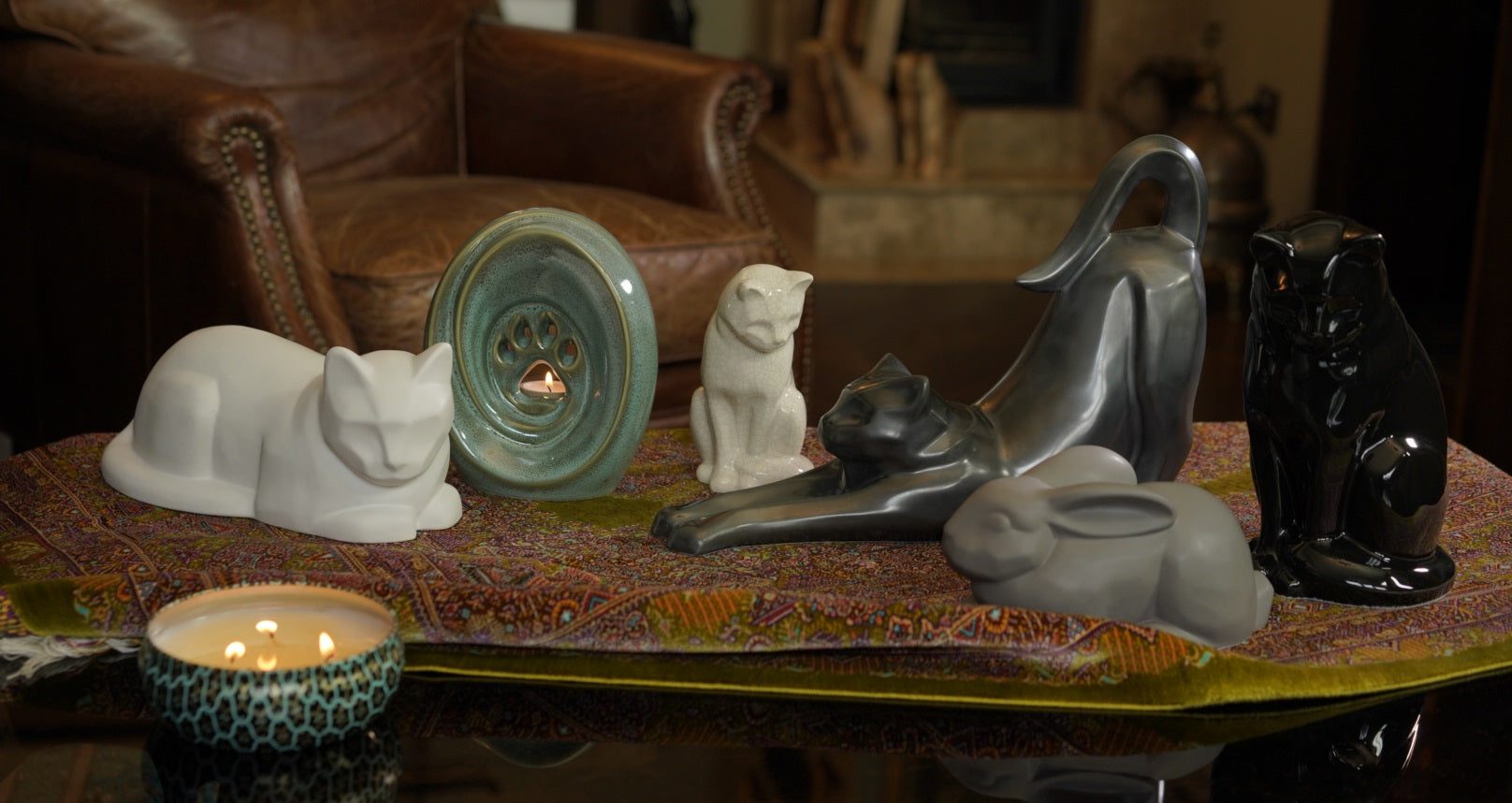
Can You Inherit a Pet’s Memory?
Can we remember a pet we never knew? Explore how stories, photographs, objects and memorials can carry an animal’s memory across generations, turning a private life into part of a family’s shared history.


Share:
Thai Funeral Traditions: Rituals, Beliefs, and Community
The Ghost Festival in China