

Here for you: art@pulvisurns.com | (562) 609-4019
7% off your order
Use this code at checkout:
There are relationships that never require a conversation to become meaningful. A dog waiting beside the door, a cat settling into the familiar curve of its owner's body, or a small animal recognising the sound of footsteps can become part of a person's emotional world without a single spoken promise. The relationship develops through repetition, proximity, touch, and the quiet certainty of being present in one another's lives. When that presence disappears, the silence it leaves behind can be difficult to explain.

The loss of an animal is sometimes misunderstood precisely because the relationship cannot be described through the familiar language of human companionship. There may have been no conversations about the future, no verbal expressions of affection, and no explicit understanding of what the relationship meant. Yet animals occupy a distinctive place in human lives. They share domestic spaces, accompany everyday routines, and witness private moments that may never be seen by anyone else. Their presence becomes so familiar that it is often noticed most clearly when it is gone.
Perhaps one of the most unusual qualities of loving an animal is that the relationship can feel deeply understood without ever being verbally explained. Humans communicate with companion animals through gestures, sounds, facial expressions, and learned patterns of behaviour. Over time, a person may recognise the difference between a pet's invitation to play and its request for distance, while the animal may learn to anticipate familiar routines or respond to subtle changes in its owner's behaviour. Although the precise nature of this understanding varies between animals and individuals, the relationship develops through a shared history rather than spoken language.

This makes the experience of loss particularly complex. When an animal dies, a person loses not only a companion but also a familiar system of interactions: the footsteps heard across the floor, the weight of a sleeping animal beside them, the daily walk, or the quiet greeting at the end of a long day. These moments may appear insignificant from the outside. For the person who lived them, however, they formed the ordinary structure of a shared life. Grief can emerge in the middle of these familiar routines, when the body remembers what the mind already knows has changed.
There is also a particular difficulty in grieving a relationship that cannot be reconstructed through conversation. With a human loved one, memories may include recorded messages, letters, familiar expressions, and conversations that can be revisited in the mind. A relationship with an animal leaves a different kind of archive. It survives in photographs, sounds, objects, habits, and the memory of physical presence. A worn collar, a favourite toy, or a place beside the window may become significant because it preserves a small, tangible connection to the life that once occupied it.

None of this means that the relationship was incomplete because it lacked words. Language is only one way of expressing attachment. The daily act of caring for an animal, recognising its needs, and making room for its existence can create a bond whose meaning is not easily reduced to a verbal description. Some of its most important moments may have been so ordinary that they were never consciously recognised as memories being made.
This is where the idea of a memorial takes on a different meaning. Remembering an animal is not simply a matter of preserving photographs or keeping its belongings. It can also mean finding a lasting place for the relationship within the life that continues. A memorial does not need to reproduce the animal's appearance or tell its entire story. Sometimes, its significance lies in providing a tangible reminder of a bond that was built through years of shared routines, familiar gestures, and quiet companionship.
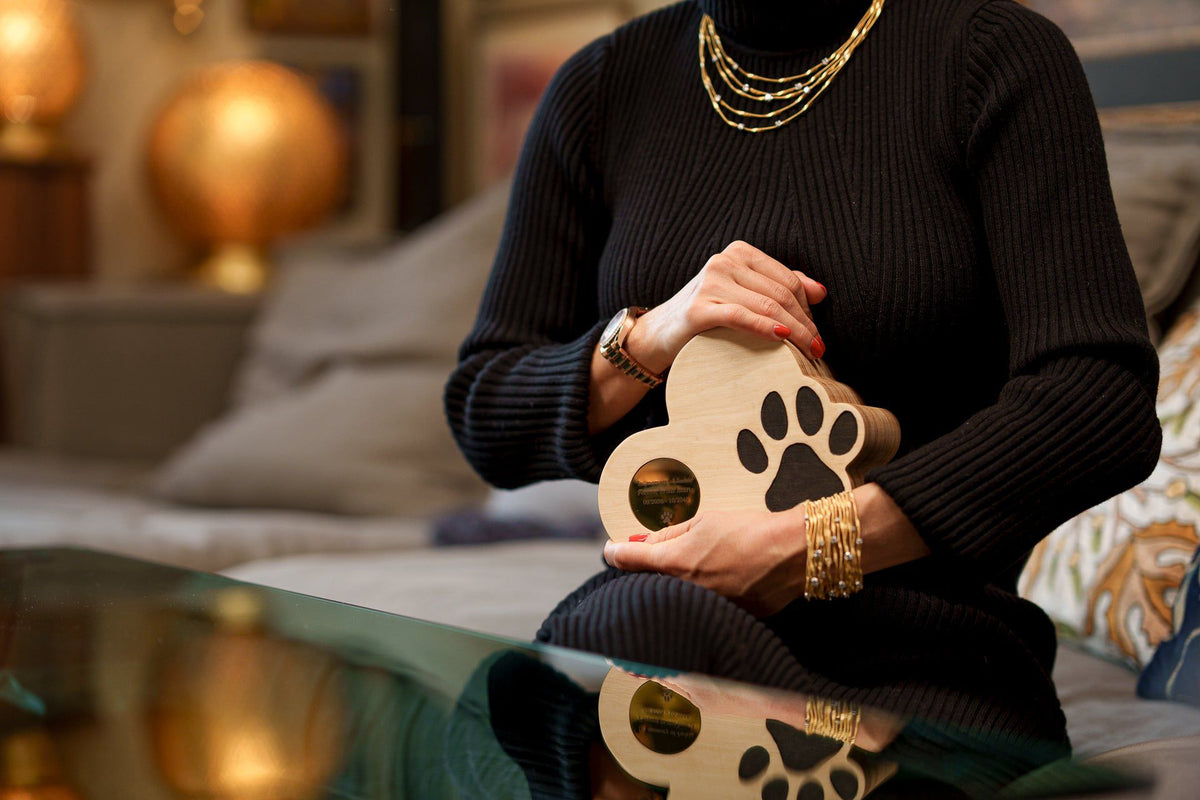
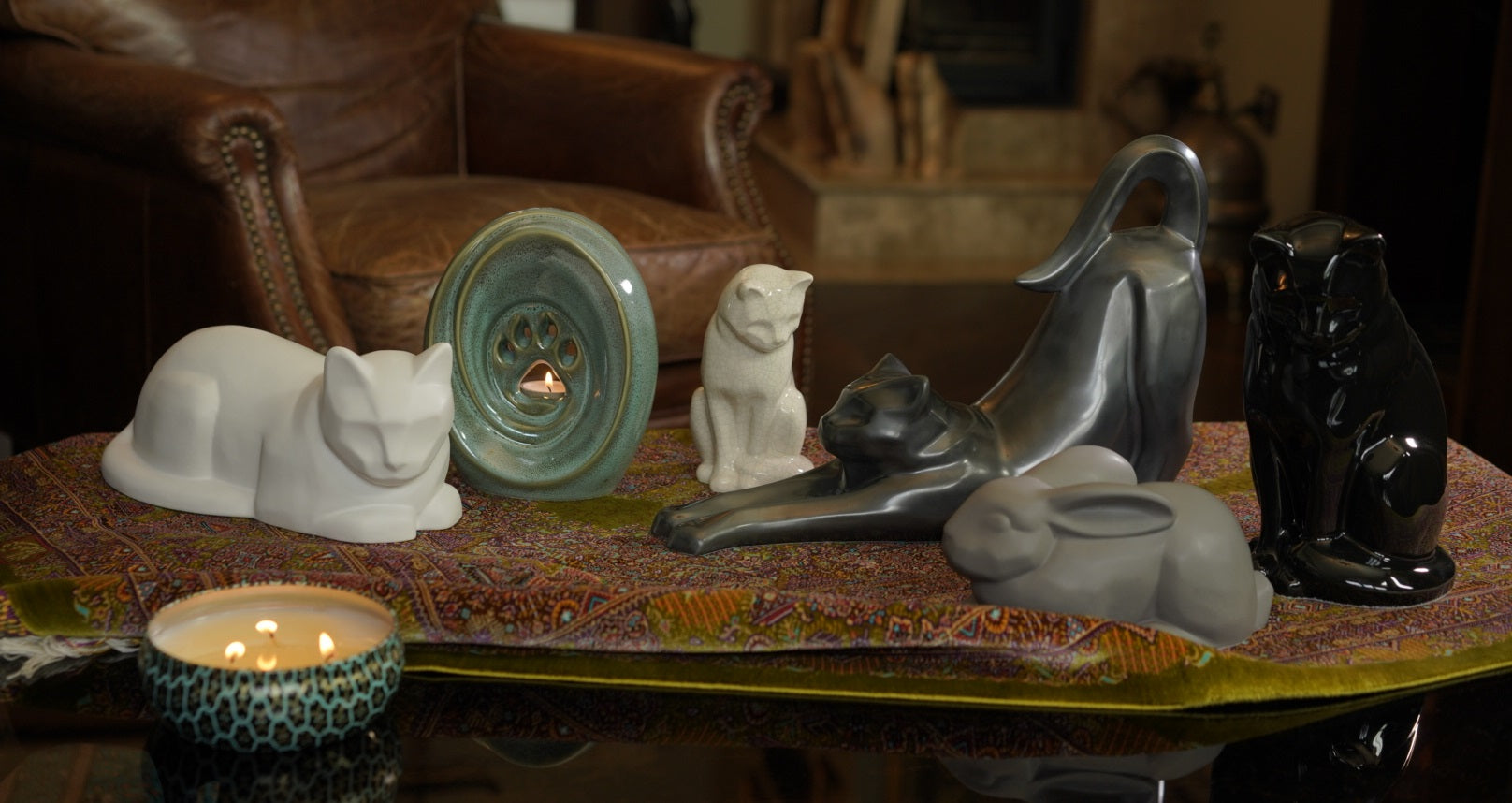
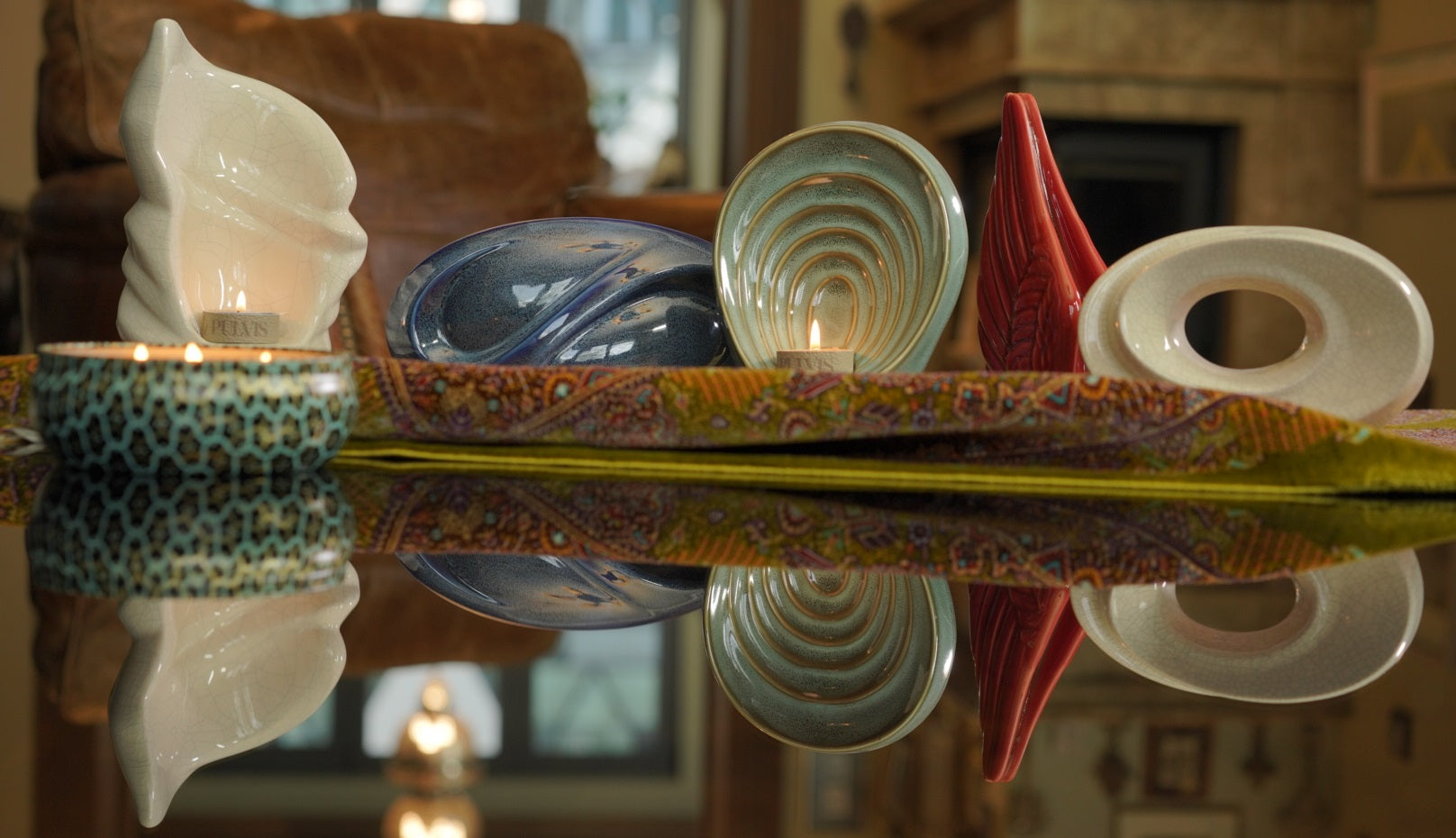
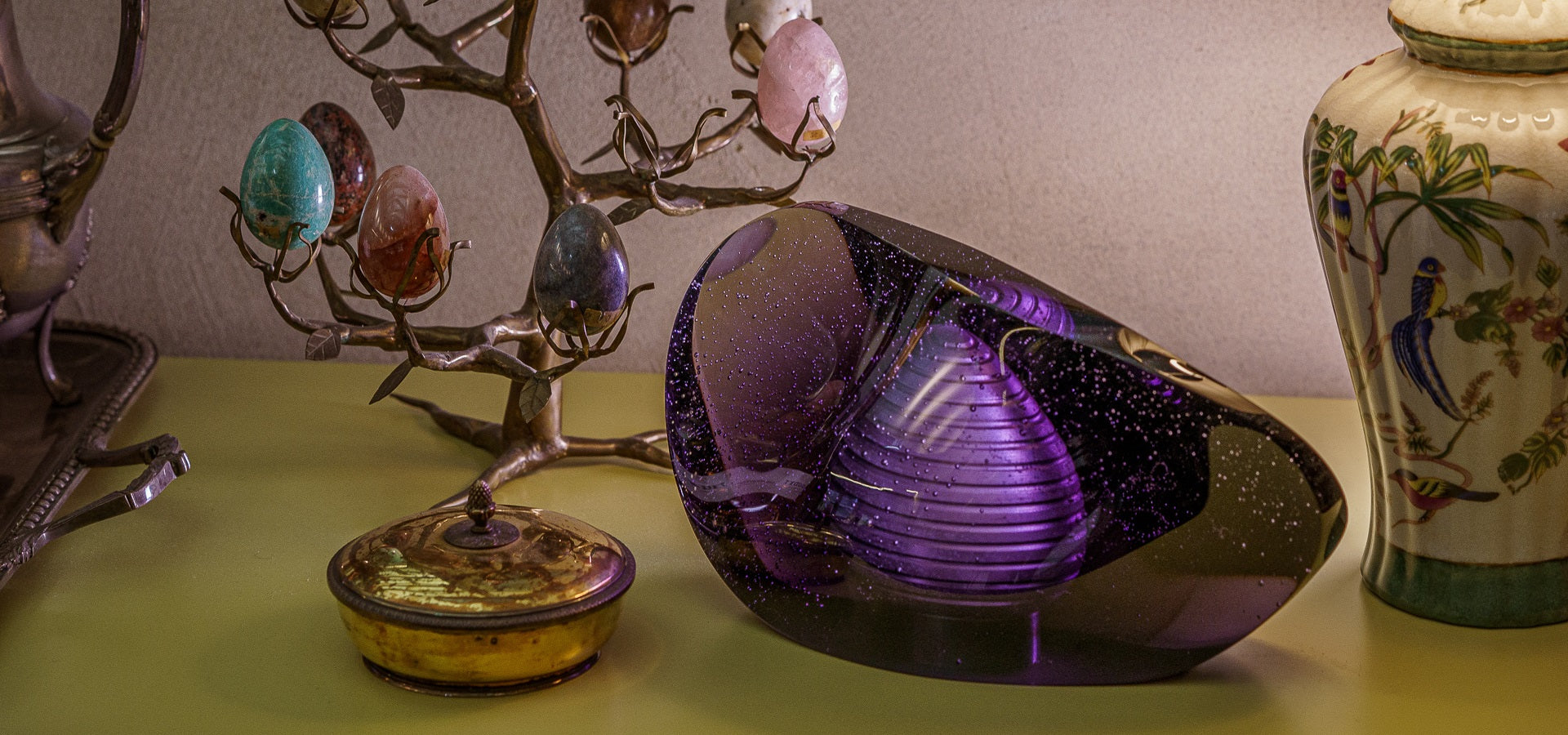
At Pulvis Art Urns, this understanding of remembrance is reflected in the creation of artistic memorial urns for beloved animals. Rather than treating an urn as merely a functional container, Pulvis approaches memorial design as an opportunity to bring together craftsmanship, material, and personal meaning. Ceramic forms, considered details, and distinctive designs offer an alternative to conventional memorial objects, allowing families to choose a piece that feels appropriate to the life they wish to honour.
The material itself can become part of that experience. Ceramic occupies an interesting place between function and art: it can hold something precious while also existing as an object to be seen, touched, and lived alongside. A carefully crafted urn can therefore become part of a home's personal landscape, placed among books, photographs, or other objects that carry the history of a life. Its presence need not make grief the centre of a room. Instead, it can offer a quiet point of connection, allowing remembrance to exist alongside the ordinary activities of everyday life.

Choosing a memorial is also a deeply personal decision. Some people find comfort in familiar symbols, while others prefer an understated form that does not immediately reveal its purpose to anyone who enters the room. There is no universal design for remembrance, just as there is no universal way to experience the loss of an animal. The most meaningful choice is one that reflects the relationship rather than an external expectation of what a memorial should look like.
For Pulvis, the value of an artistic memorial lies in this relationship between object and memory. The urn cannot recreate a familiar greeting, the warmth of an animal resting beside its owner, or the small rituals that once defined their days together. It can, however, provide a considered physical form through which that relationship continues to be acknowledged. In this way, craftsmanship becomes part of a larger conversation about how people preserve what matters to them when its original form is no longer present.
Can you grieve a life that never had words? Perhaps the question assumes that words were necessary for the relationship to be understood in the first place. An animal may never have been able to describe its attachment, and its owner may never have found a complete expression for theirs. Still, the relationship existed in countless ordinary acts of recognition, care, and companionship.
When that life ends, the silence that follows is not evidence of an absence of meaning. It is the absence of a presence that once gave meaning to everyday things. And sometimes, remembering an animal begins with learning to recognise just how much of a life was shared without ever needing to be said.
Which urn size do I need?
A simple rule: about 1 cubic inch of urn per pound of body weight.
Every product page lists the urn's capacity. Keepsake urns hold a small portion of ashes to share.
Need it by a specific date?
Free shipping · Delivery in 3–5 business days
Express delivery in up to 3 business days – choose it at checkout
Need help choosing?
Talk to our team – we're happy to help you find the right urn.
(562) 609-4019 art@pulvisurns.comSend us a message
Can You Grieve a Life That Never Had Words?
Discover why losing a beloved pet can be so profound, how wordless bonds shape our lives, and how Pulvis Art Urns brings craftsmanship and thoughtful design to the art of remembering an animal companion.
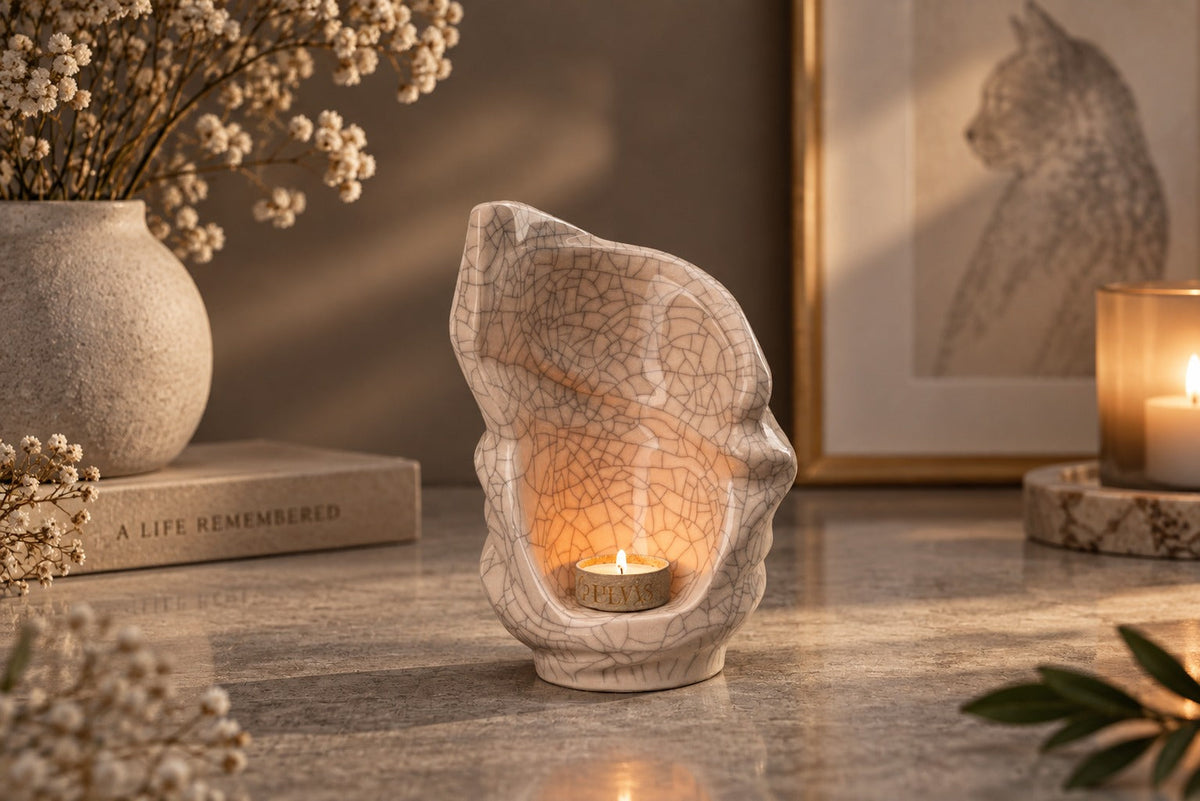
What Does the Bible Say About Cremation?
Explore what the Bible says about cremation, Christian beliefs about resurrection, and meaningful ways to honor a loved one’s memory through a thoughtful memorial.
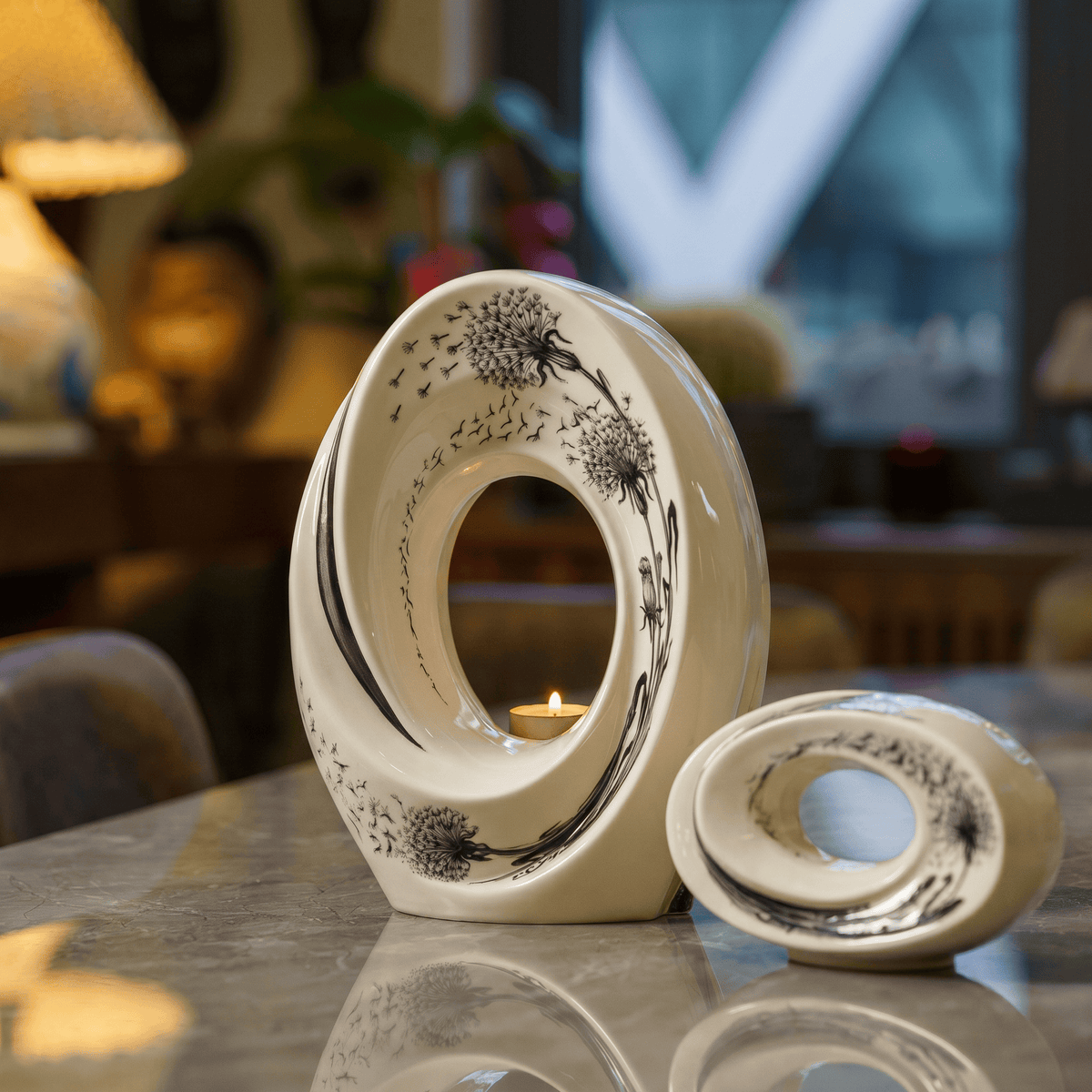
Why Do People Light Candles for the Dead?
Discover the meaning behind lighting candles for the dead, exploring the traditions, beliefs, and emotions that make this simple ritual a lasting expression of remembrance, comfort, and connection within the home.
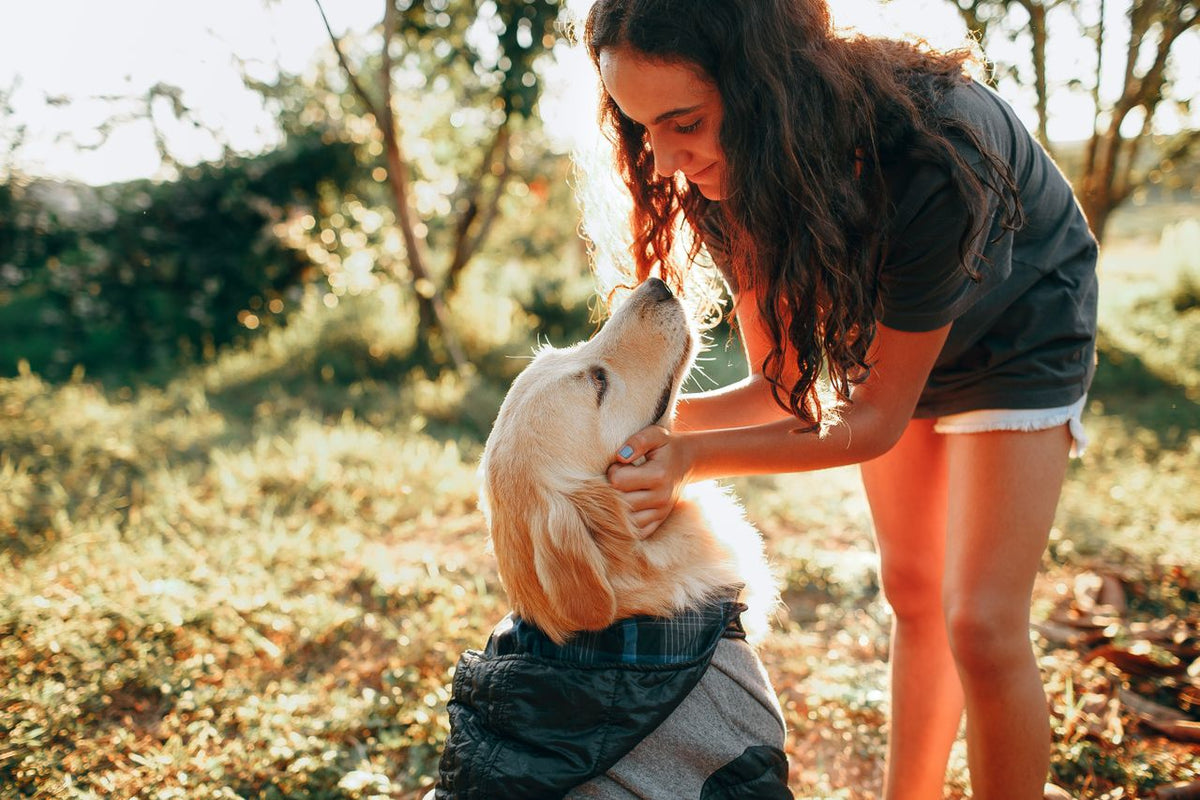
The Pet as a Witness to a Human Life
Our pets witness far more of our lives than we realise. Explore what it means for an animal to become a quiet witness to our changing homes, relationships, routines and identities — and how a memorial urn can remain as a physical connection to the life they witnessed.
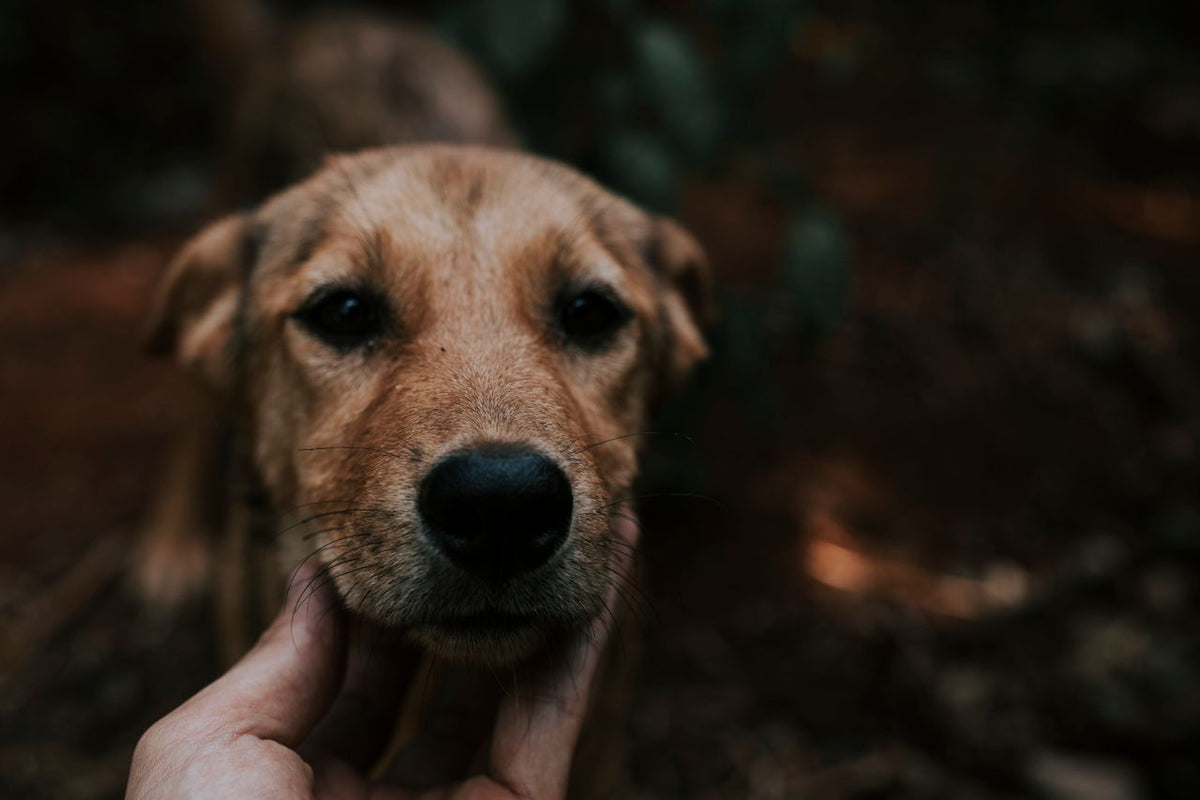
Can You Inherit a Pet’s Memory?
Can we remember a pet we never knew? Explore how stories, photographs, objects and memorials can carry an animal’s memory across generations, turning a private life into part of a family’s shared history.


Share:
What Does the Bible Say About Cremation?