



Here for you: art@pulvisurns.com | (562) 609-4019
7% off your order
Use this code at checkout:
For many, the passing of a loved one brings a complex blend of emotions - sadness, regret, guilt, love, and even gratitude. Grieving the loss of a loved one is one of the most profound and universal human experiences. While the rituals surrounding death vary widely across cultures and religions, the core need to process grief remains constant.
In recent years, psychologists and grief counsellors have increasingly highlighted the therapeutic benefits of writing letters to those who have passed. This deeply personal act can serve as a bridge between the past and the present, offering solace and clarity to those navigating the challenging journey of loss.
Even after a loved one has passed away, our bond with them often endures. We may find ourselves yearning for one last conversation or wishing we could share a piece of news. Writing a letter to the deceased provides a unique way to maintain this connection. It allows us to express what may have been left unsaid, to seek forgiveness or understanding, and to affirm the love that remains.
Expressive writing, a technique often used in therapy, has been shown to promote emotional well-being by helping individuals process difficult emotions. According to research in psychology, the act of writing engages both the cognitive and emotional centres of the brain. It encourages us to articulate our feelings, giving them form and structure. This practice is particularly valuable in grief, as it transforms the often-overwhelming flood of emotions into something tangible and manageable.

Unlike conversations with friends or therapists, letter-writing offers a private space to be entirely vulnerable. There is no need to filter emotions or worry about how others might react. In this sacred dialogue with the deceased, individuals can explore their grief without judgment. Whether expressing sorrow, anger, or gratitude, the freedom to "say it all" often brings profound relief.
For those who carry feelings of guilt or regret, writing to the deceased can be a particularly cathartic exercise. Many people experience unresolved emotions after a loss, such as wishing they had said or done something different. Writing offers an opportunity to address these lingering thoughts and, in doing so, begin to forgive themselves and find healing.
Writing letters to the deceased can also become part of a personal grief ritual. Rituals have long played a significant role in mourning across cultures, offering a sense of structure and meaning in the face of loss. Incorporating letter-writing into these rituals can add a deep personal dimension. For example, some individuals choose to write letters on significant anniversaries or during moments of major life change, using these letters to "share" their lives with the departed. Others may choose to burn or bury the letters, symbolizing release and acceptance.
Countless individuals have found solace in writing letters to the deceased. A bereaved daughter who had lost her mother described how writing regular letters helped her navigate her grief. In her letters, she shared her struggles, sought advice, and even recounted happy memories. Over time, she found that these written conversations allowed her to feel closer to her mother, even in her absence.
Such practices not only honour the memory of the deceased but also help the living environment navigate their evolving relationship with grief. In many ways, these letters become a testament to the enduring bond between the writer and their loved one.

If you’re considering writing a letter to a deceased loved one, remember that there is no right or wrong way to do it. Start by finding a quiet, comfortable space where you feel at ease. This might be a cosy corner of your home, a peaceful spot in nature, or even a place that held special meaning for the person you’re writing to. Once settled, let your heart guide you. Write as though you’re speaking directly to your loved one, expressing your thoughts, emotions, and memories openly. There’s no need to hold back; honesty is key.
When your letter is complete, decide what to do with it in a way that feels most meaningful to you. Some people choose to keep their letters as personal keepsakes, tucking them away to revisit later. Others find comfort in symbolic acts, such as burning the letter as a way of releasing their emotions or burying it in a special place. You might even read it aloud in a private moment. Whatever you choose the act of writing itself can be a powerful step toward healing.
This simple yet powerful practice reminds us that love transcends the boundaries of life and death. By giving voice to our feelings and memories, we honour the lives of those we’ve lost and create space for healing in our own.
Which urn size do I need?
A simple rule: about 1 cubic inch of urn per pound of body weight.
Every product page lists the urn's capacity. Keepsake urns hold a small portion of ashes to share.
Need it by a specific date?
Free shipping · Delivery in 3–5 business days
Express delivery in up to 3 business days – choose it at checkout
Need help choosing?
Talk to our team – we're happy to help you find the right urn.
(562) 609-4019 art@pulvisurns.comSend us a message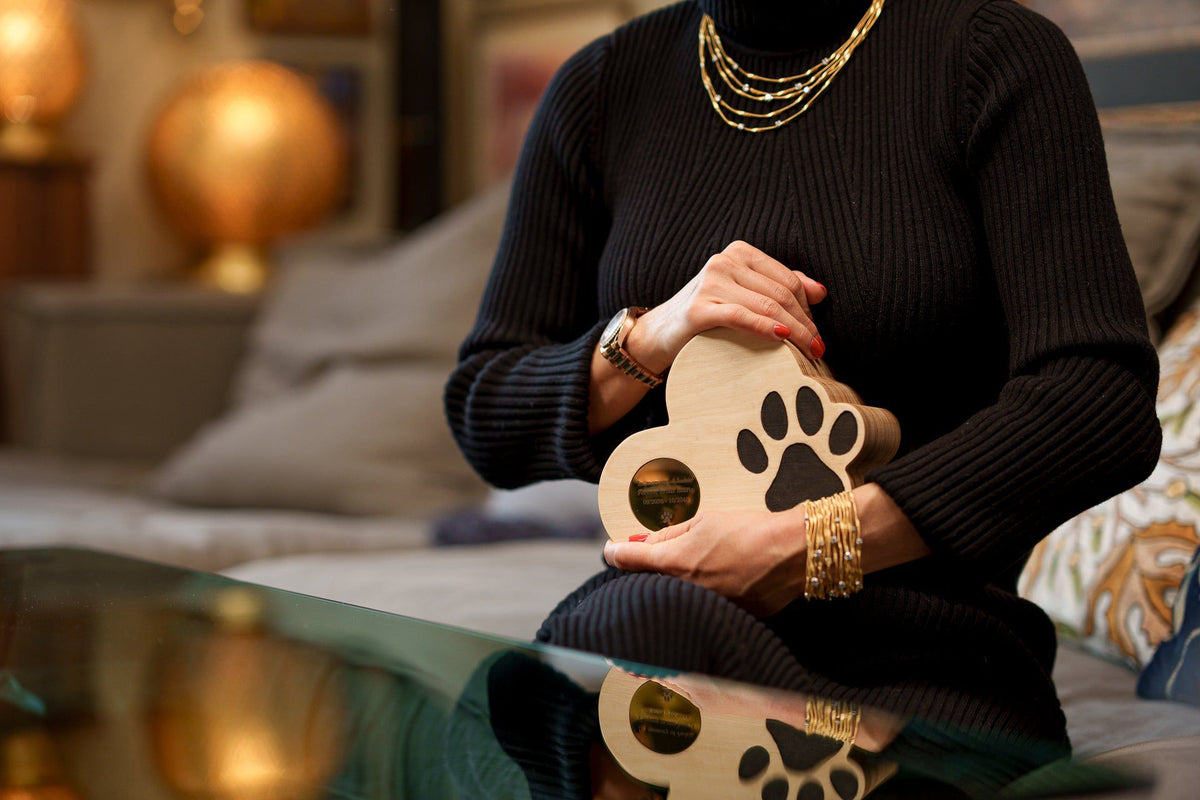
Can You Grieve a Life That Never Had Words?
Discover why losing a beloved pet can be so profound, how wordless bonds shape our lives, and how Pulvis Art Urns brings craftsmanship and thoughtful design to the art of remembering an animal companion.
What Does the Bible Say About Cremation?
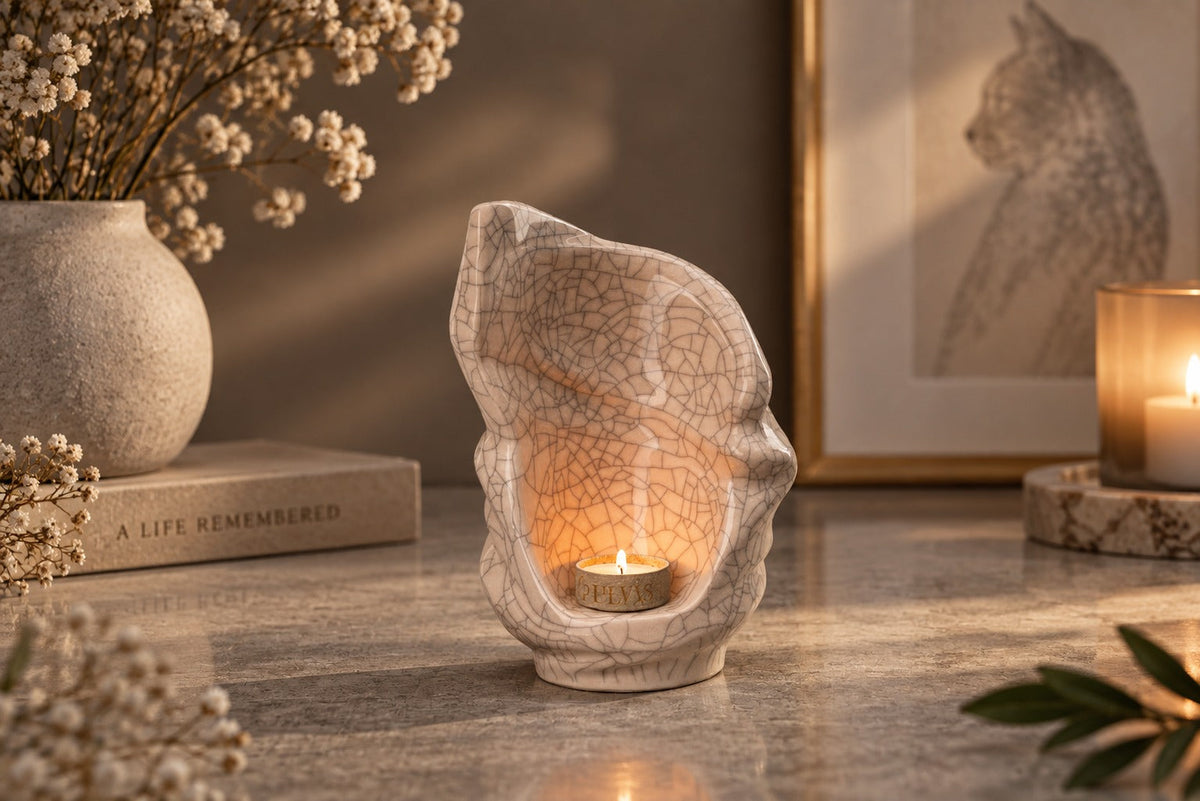
Explore what the Bible says about cremation, Christian beliefs about resurrection, and meaningful ways to honor a loved one’s memory through a thoughtful memorial.
Why Do People Light Candles for the Dead?
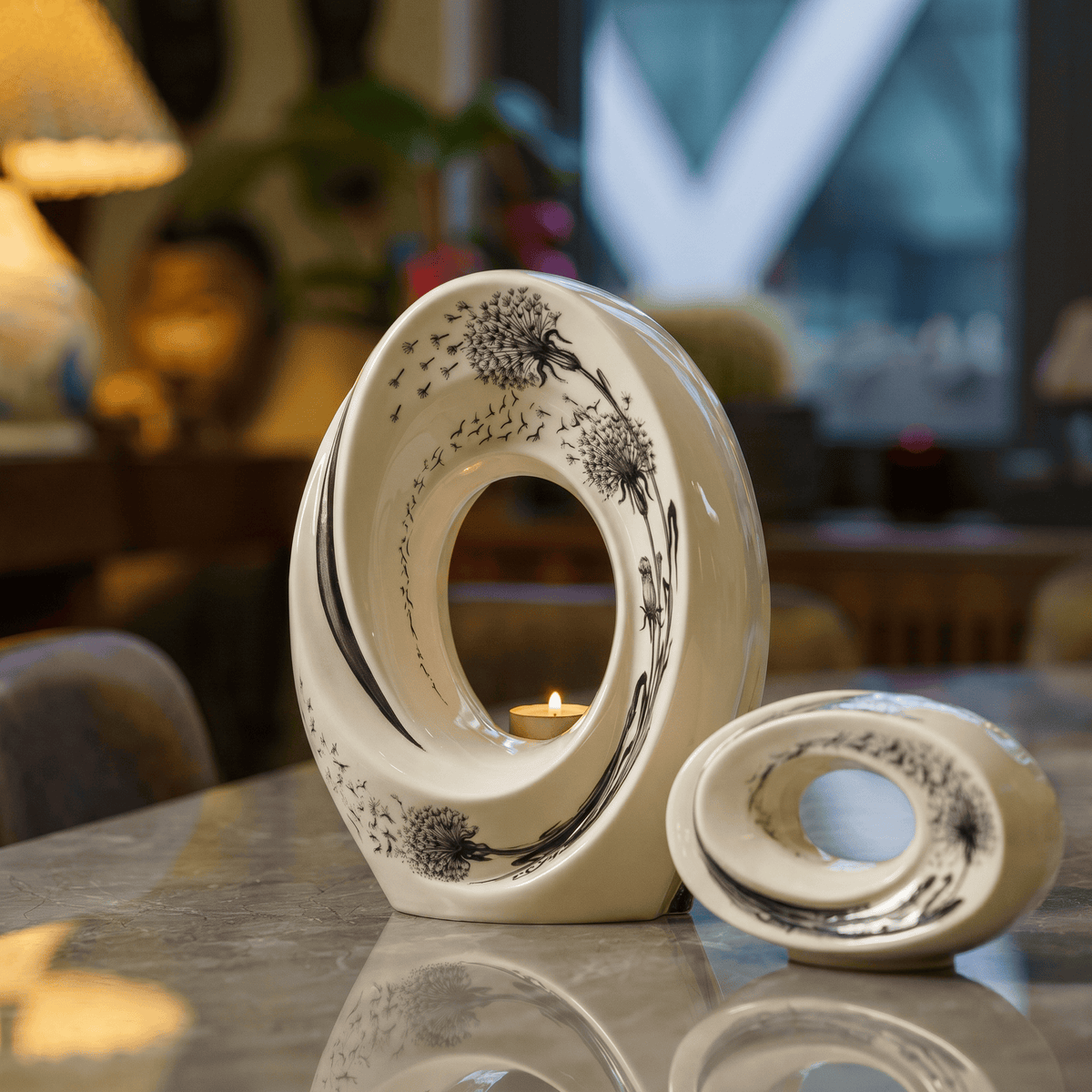
Discover the meaning behind lighting candles for the dead, exploring the traditions, beliefs, and emotions that make this simple ritual a lasting expression of remembrance, comfort, and connection within the home.

The Pet as a Witness to a Human Life
Our pets witness far more of our lives than we realise. Explore what it means for an animal to become a quiet witness to our changing homes, relationships, routines and identities — and how a memorial urn can remain as a physical connection to the life they witnessed.

Can You Inherit a Pet’s Memory?
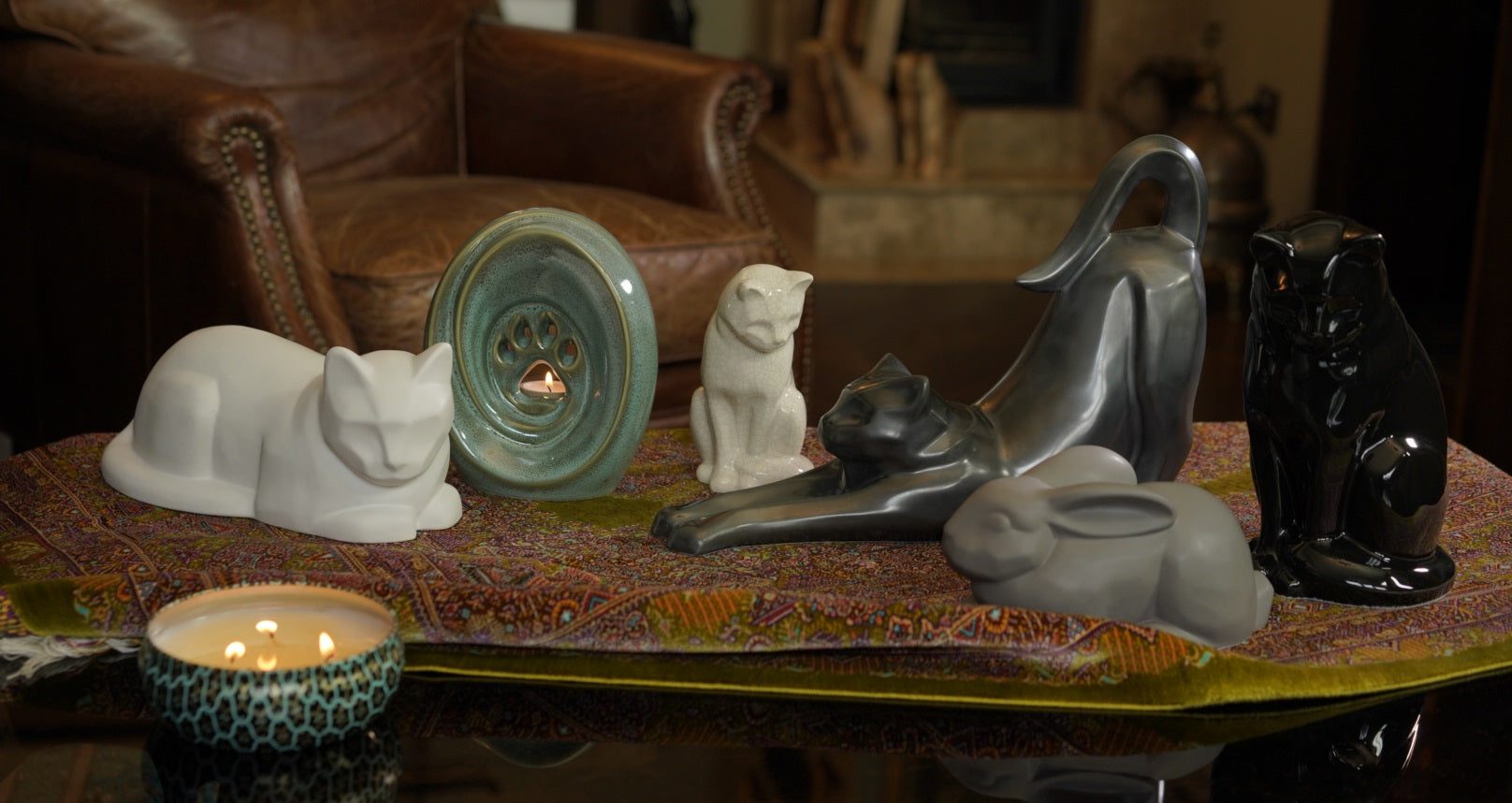
Can we remember a pet we never knew? Explore how stories, photographs, objects and memorials can carry an animal’s memory across generations, turning a private life into part of a family’s shared history.


Share:
Cremation and Religion
The Role of Food in Memorials and Grieving Rituals
1 comment
Bonjour maman, Maria, Timofti , j’aurais voulu pour que tu m’as abandonné à l’âge de 10 mois quand je me suis fait opérer du bas du lèvres comment tu aurais pu m’appeler à part Giorgiana ? Est-ce que j’ai des frères et sœurs et de la famille qui est encore en vie est-ce que tu m’aimais et tu m’aurais donné quel prénom Autre et pour moi géniteur n’a jamais voulu me connaître. Je t’aime, tu me manques énormément