



Here for you: art@pulvisurns.com | (562) 609-4019
7% off your order
Use this code at checkout:
Grief is heavy, yet food makes it bearable. Across cultures and generations, food has whispered comfort to the grieving, becoming more than sustenance. It transforms into a language—silent, yet deeply understood—offering warmth when words fail and anchoring us in rituals that bridge the living and the dead.
In Mexico, during Día de los Muertos, food becomes an altar of love. Families prepare the favorite dishes of their departed, placing them alongside sugar skulls and marigolds. Tamales, mole, and pan de muerto—each bite is a tribute, a way of saying: “You are still here, in every flavor, in every memory”. It is a feast not of mourning, but of reunion, where the boundary between worlds feels paper-thin.
In contrast, the Japanese obon festival is delicate in its reverence. Lanterns light the way for spirits, and offerings like rice, fruits, and sweets are laid out in quiet humility. The simplicity of these foods reflects the transient nature of life—an offering that feeds not the body, but the soul.
Closer to home, the American South serves grief on porcelain platters at funeral gatherings. Fried chicken, casseroles, and cornbread line tables, a comforting excess designed to ease the sorrow. Here, food is less about symbolism and more about presence: a casserole left at a doorstep says, “I am here for you”. It is an act of collective mourning, a community offering nourishment to the heart as much as to the body.
The memorials in Greece and other Eastern Orthodox countries, with their koliva or just jito, embody deep symbolism. Made from wheat, honey, and nuts, this dish reminds mourners of the cycle of life and death, with wheat symbolizing resurrection. The taste is bittersweet, much like grief itself—a reminder that even in sorrow, life continues.

Even in less overt rituals, food quietly weaves itself into memory. A grandmother’s recipe passed down becomes a family’s heirloom, each meal a remembrance. A tea shared in silence after a funeral can be as profound as any eulogy.
Food in grieving rituals connects us to something timeless. Whether it’s a celebratory feast or a simple bowl of rice, it anchors the fleeting, grounding us in tradition, memory, and love. In every culture, in every kitchen, food whispers the same message: grief is shared, and through sharing, we heal.
Which urn size do I need?
A simple rule: about 1 cubic inch of urn per pound of body weight.
Every product page lists the urn's capacity. Keepsake urns hold a small portion of ashes to share.
Need it by a specific date?
Free shipping · Delivery in 3–5 business days
Express delivery in up to 3 business days – choose it at checkout
Need help choosing?
Talk to our team – we're happy to help you find the right urn.
(562) 609-4019 art@pulvisurns.comSend us a message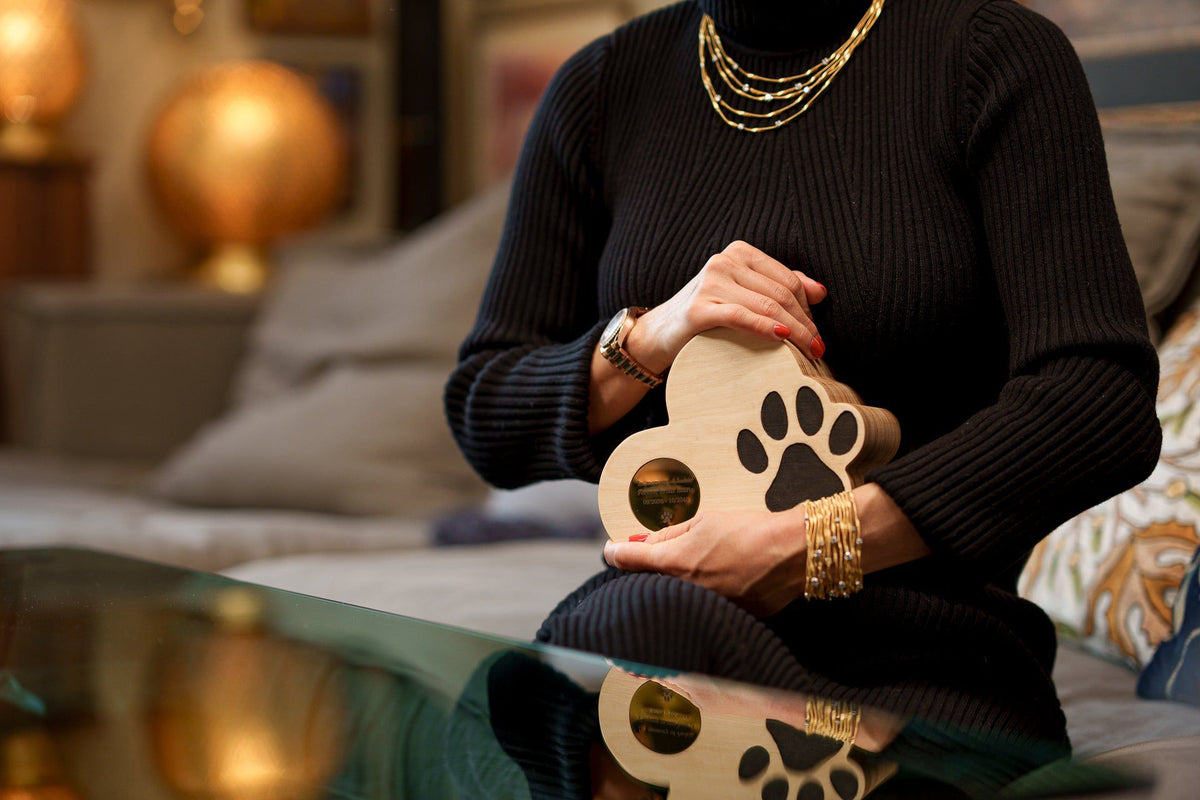
Can You Grieve a Life That Never Had Words?
Discover why losing a beloved pet can be so profound, how wordless bonds shape our lives, and how Pulvis Art Urns brings craftsmanship and thoughtful design to the art of remembering an animal companion.
What Does the Bible Say About Cremation?
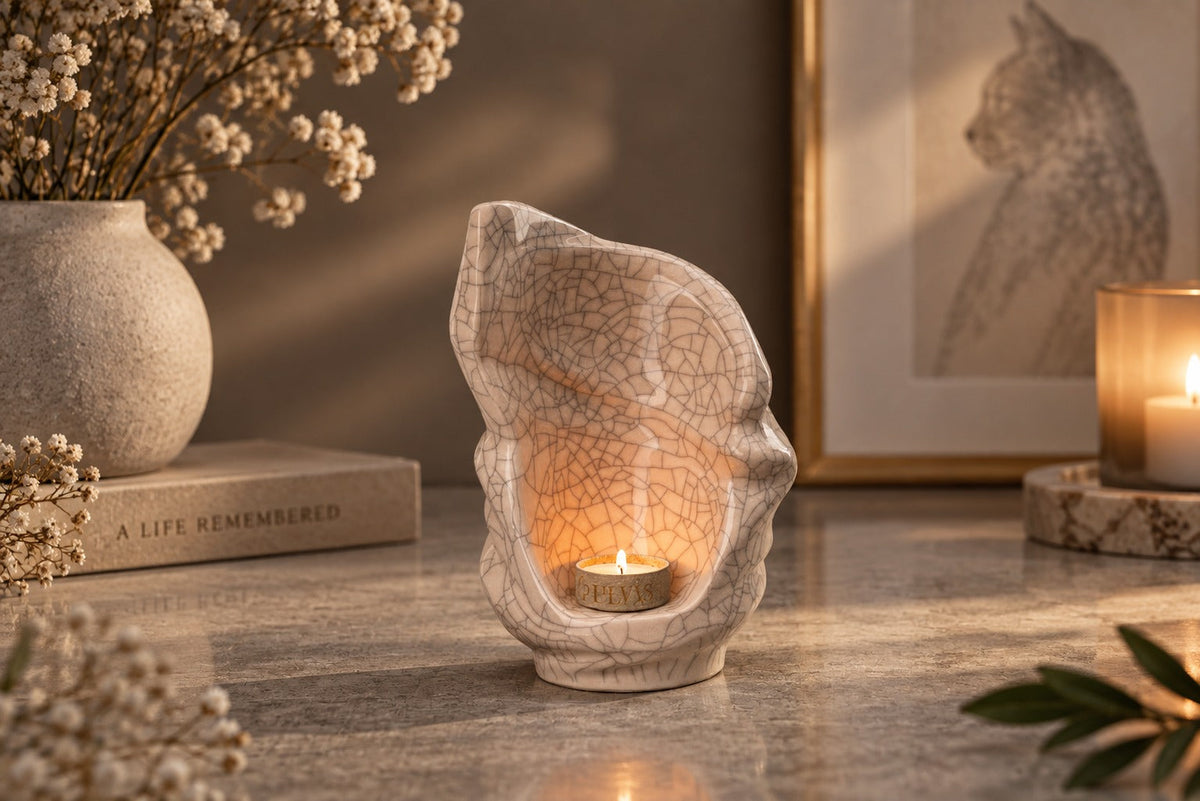
Explore what the Bible says about cremation, Christian beliefs about resurrection, and meaningful ways to honor a loved one’s memory through a thoughtful memorial.
Why Do People Light Candles for the Dead?
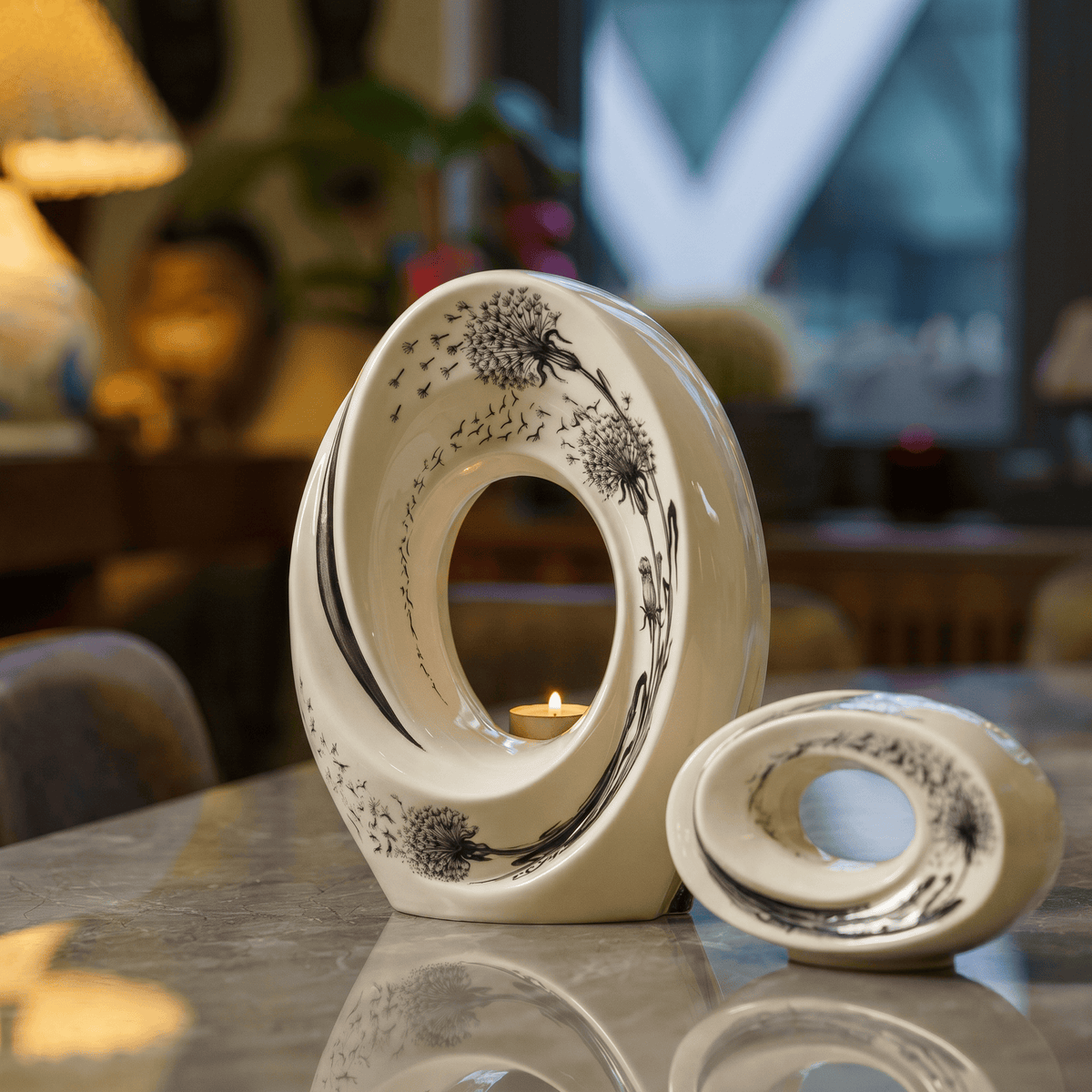
Discover the meaning behind lighting candles for the dead, exploring the traditions, beliefs, and emotions that make this simple ritual a lasting expression of remembrance, comfort, and connection within the home.

The Pet as a Witness to a Human Life
Our pets witness far more of our lives than we realise. Explore what it means for an animal to become a quiet witness to our changing homes, relationships, routines and identities — and how a memorial urn can remain as a physical connection to the life they witnessed.

Can You Inherit a Pet’s Memory?
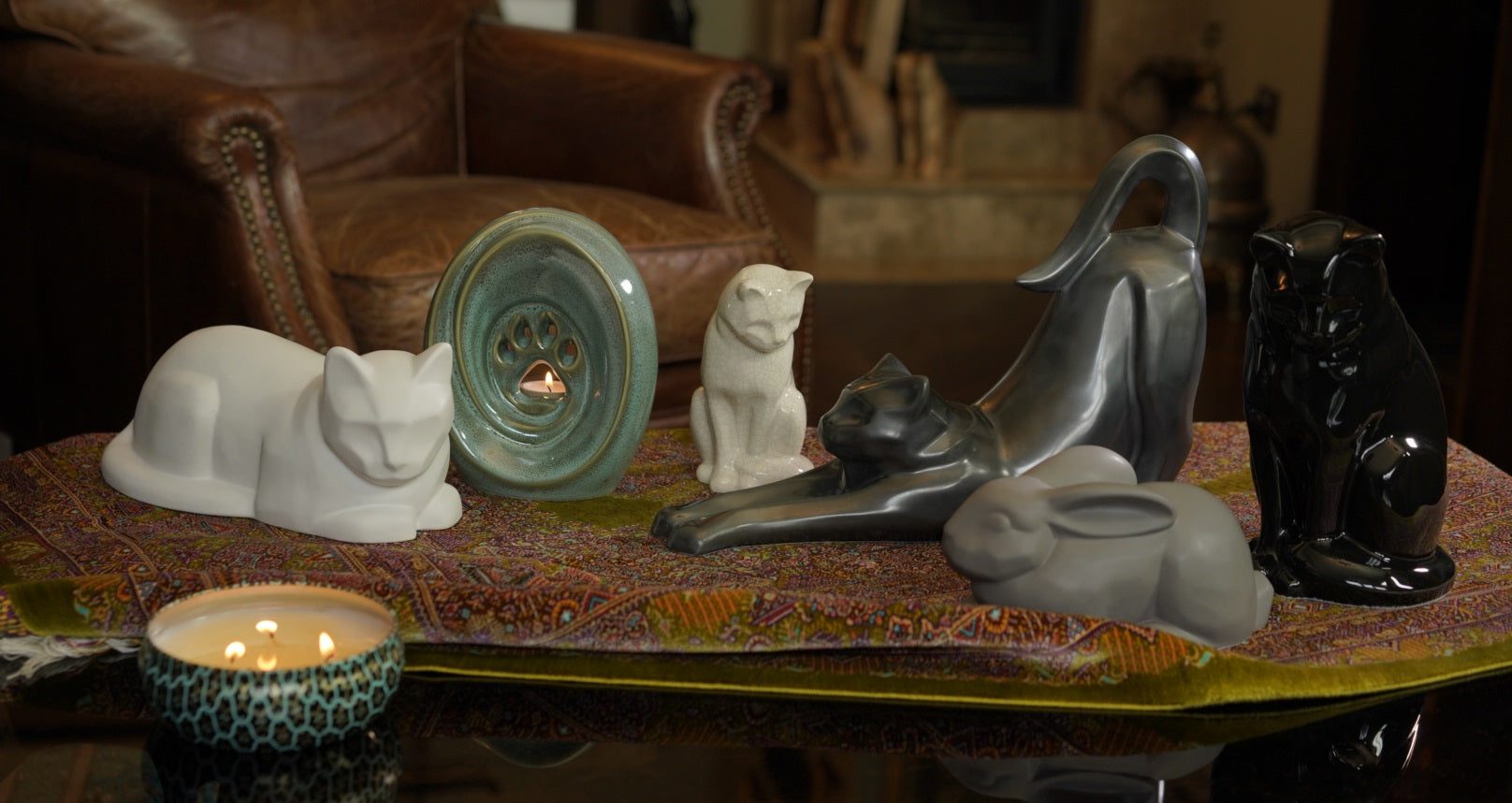
Can we remember a pet we never knew? Explore how stories, photographs, objects and memorials can carry an animal’s memory across generations, turning a private life into part of a family’s shared history.


Share:
The Therapeutic Power of Writing Letters to the Deceased
Cost of Cremation Jewellery