



We are here for you: art@pulvisurns.com or (562) 609-4019 (WhatsApp)
In a state defined by its vast diversity and forward-thinking values, California has become a leader in modern funeral practices. As we navigate the complexities of 2026, families in the Golden State are increasingly moving away from traditional rituals in favor of options that prioritize personal meaning, environmental sustainability, and financial practicality. Whether you are planning in the heart of Los Angeles or the quiet communities of the Central Valley, understanding the current landscape is essential for making a choice that honors your loved one with dignity.
1. Traditional Burial vs. Cremation
Emotional, Financial, and Environmental Impacts
The choice between a traditional burial and cremation is a significant decision that impacts a family’s grieving process and financial future.
Emotional and Psychological Factors
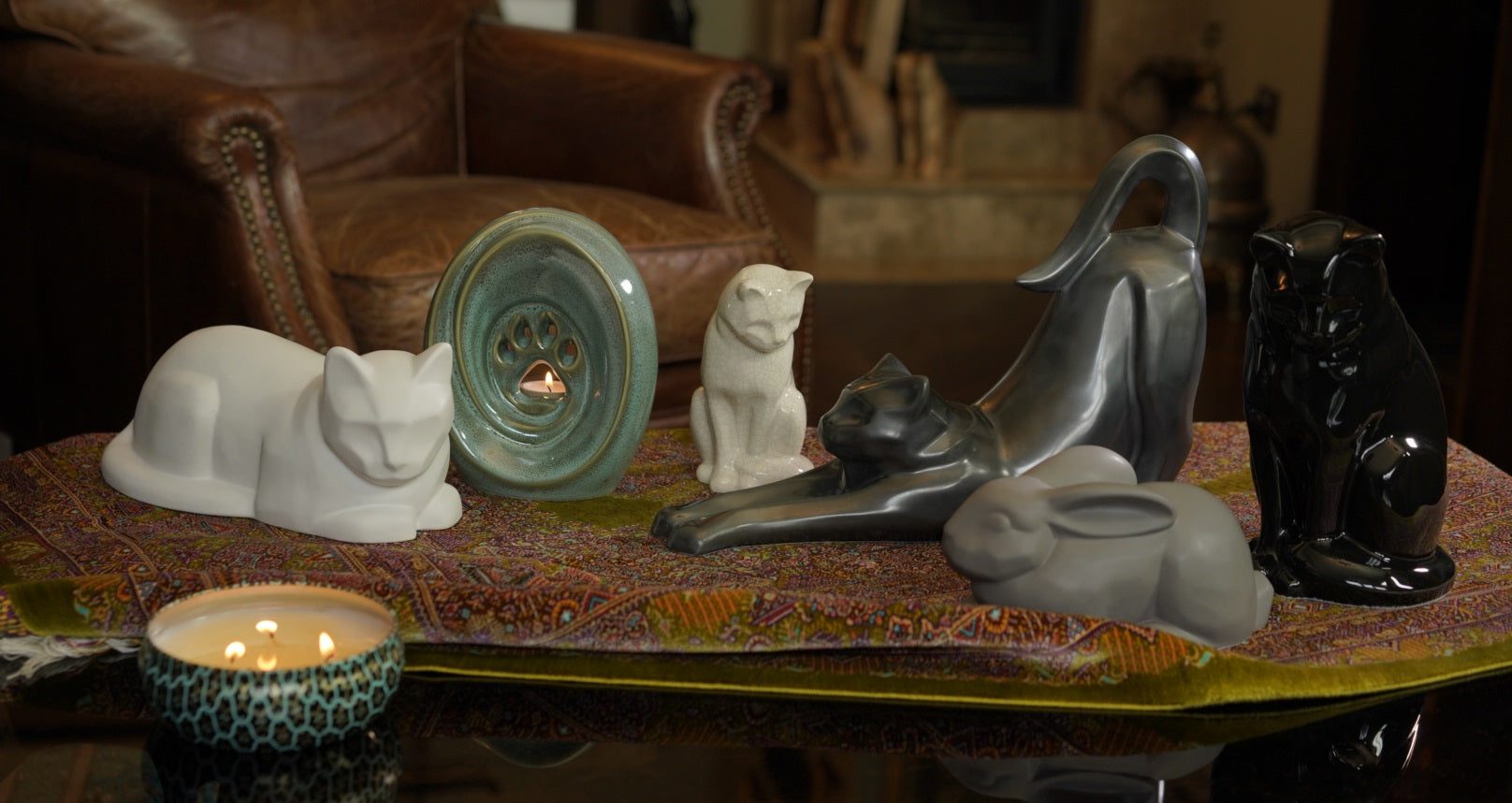
A traditional burial is often selected by those who value the concept of a "final resting place." The emotional benefit of a burial lies in its permanence; it provides a physical location—a headstone or monument—where family members can gather for generations to reflect and remember. Cremation, conversely, has grown in popularity because it offers "the gift of time." In a state as geographically large as California, family members are often scattered. Cremation allows for a memorial service to be held at a later date, ensuring all loved ones can be present. Additionally, many find comfort in keeping their loved one close in a handcrafted ceramic urn within their home, allowing the person’s memory to remain a part of daily life.

Financial Realities
According to analysis from Signature Headstones, the financial gap between these two choices is stark in California. High real estate values have driven the cost of cemetery plots to historic highs. A traditional burial involves professional services, a casket, a vault, and the plot itself. Cremation eliminates the need for these expensive land-based requirements, making it a much more accessible option for families on a budget.
Environmental Impact
Environmental stewardship is a core value in California. Traditional burials involve the use of non-biodegradable materials and embalming fluids that can impact the soil. While cremation consumes energy, it is often seen as more sustainable because it avoids the permanent use of land. Placing remains in a designer ceramic urn for home display is an eco-friendly alternative that bypasses the need for traditional cemetery infrastructure.

2. California State-Specific Statistics for 2026
Data from Signature Headstones highlights that California is at the forefront of the national shift toward cremation, largely due to economic factors and a mobile, diverse population.
Cremation Rates
As of 2026, the cremation rate in California has reached approximately 66%. Тhis means nearly two-thirds of families are opting for cremation. This trend is particularly strong in coastal cities and the Bay Area, where burial space is both limited and highly expensive.
Average Cost Breakdown
In the current 2026 market, California families can expect the following average costs:
Traditional Funeral with Burial:
The average cost for a full-service funeral inCalifornia is approximately $7,848. However, in major urban centers, this figure often reaches $15,000 or more when cemetery plots and headstones are included.
Direct Cremation:
For those choosing a simple, ceremony-free process,direct cremation in California averages $1,581.
Full-Service Cremation:
A cremation that includes a formal viewing and memorial service typically averages $5,414.
3. Urn Selection & Sizing Guide
For families choosing cremation, selecting the right vessel is a vital technical and aesthetic step. To ensure the remains fit securely, you must follow the industry standard: one pound of body weight prior to cremation = one cubic inch of ash.
Standard Adult Urns:
For most adults, a Standard Urn with a 200-cubic-inch capacity is the appropriate choice. Collections like "The Passage" offer a sophisticated, artful tribute.

Keepsake Urns:
If you wish to share a small portion of remains among family members, Keepsake Urns are perfect for holding a symbolic amount.
Companion Urns:
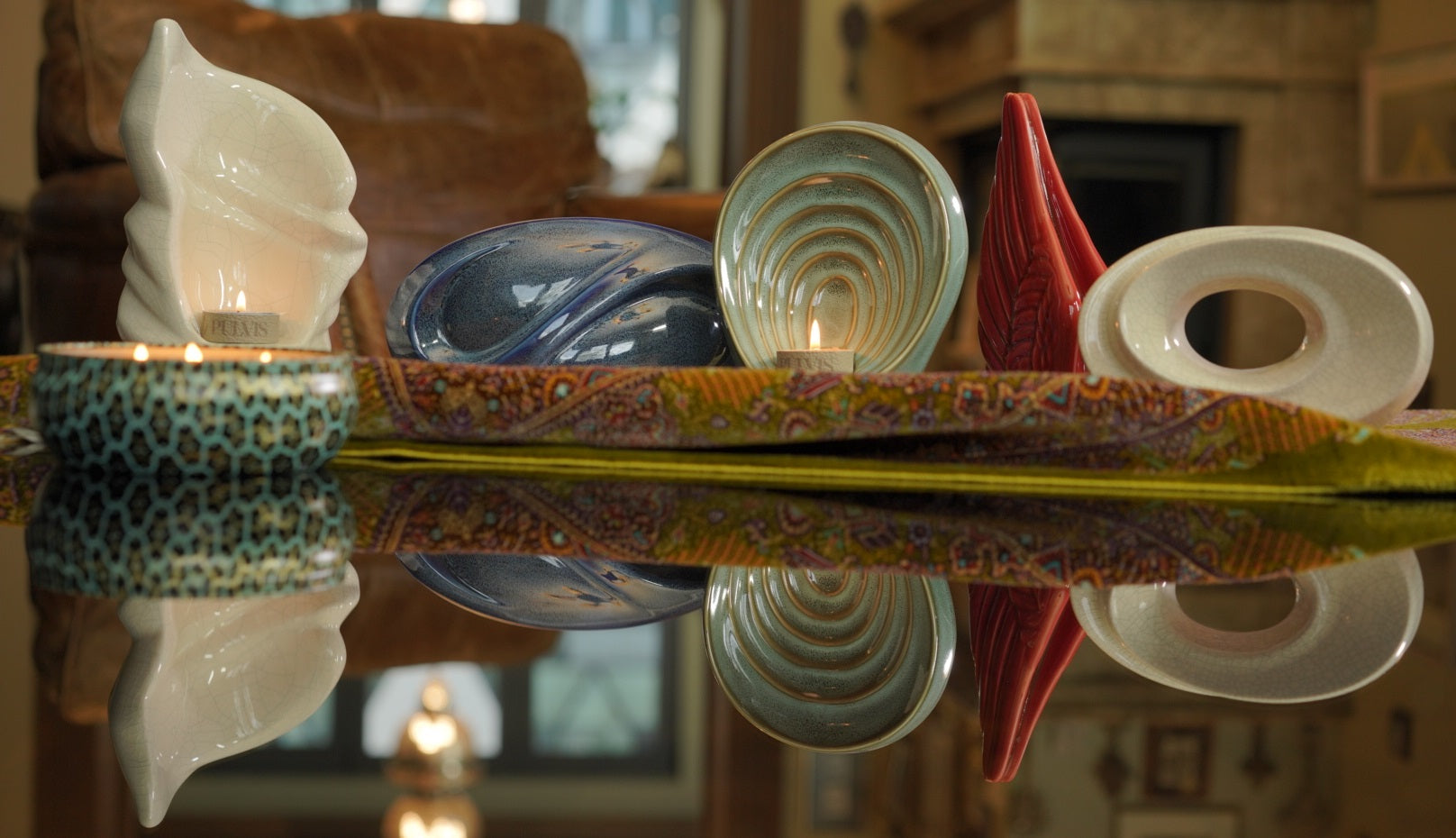
For couples who wish to stay together, Companion Urns offer a larger 400-cubic-inch capacity. Our unique ceramic urns are designed to serve as modern sculptures, ensuring your loved one is honored with a piece of art that blends seamlessly into your home.

4. Featured Funeral Homes in California. Pulvis Art Urns List
To help guide you, Pulvis Art Urns has gathered a list of funeral homes across California.
Under the Federal Trade Commission's "Funeral Rule," remember that you have the right to purchase an urn from an outside source. You are not required to buy a vessel from the funeral home, and they cannot charge you a fee for using a handcrafted vessel from Pulvis.
Final Thoughts
Whether you find peace in a traditional gravesite or the sculptural beauty of aceramic urn on your mantle, your choice is a meaningful act of love. By understanding the 2026 costs and statistics in California, you can make an informeddecision that honors your loved one’s legacy with the dignity and respect they deserve.
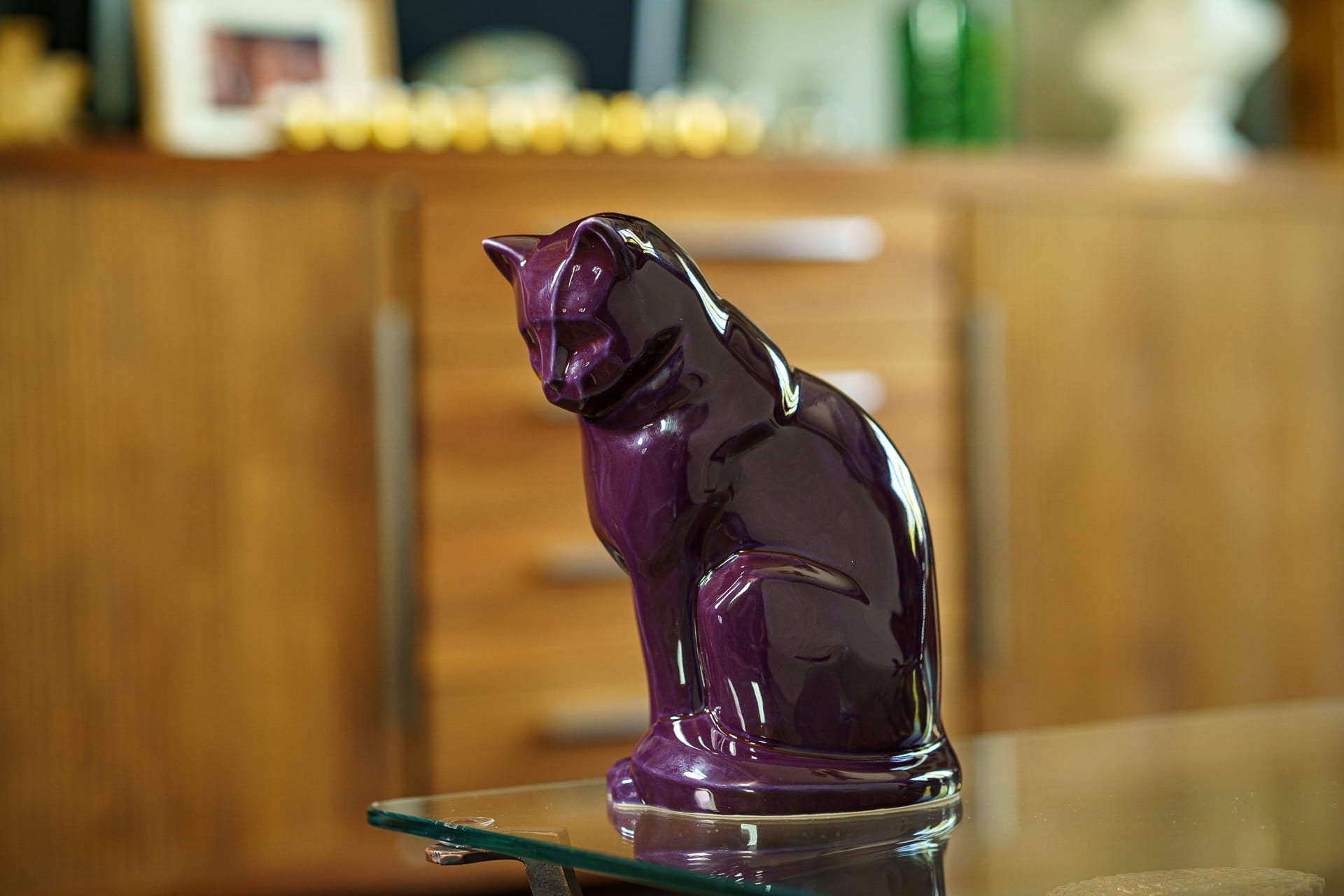
Can Pet Ashes Be Made Into Glass Art?
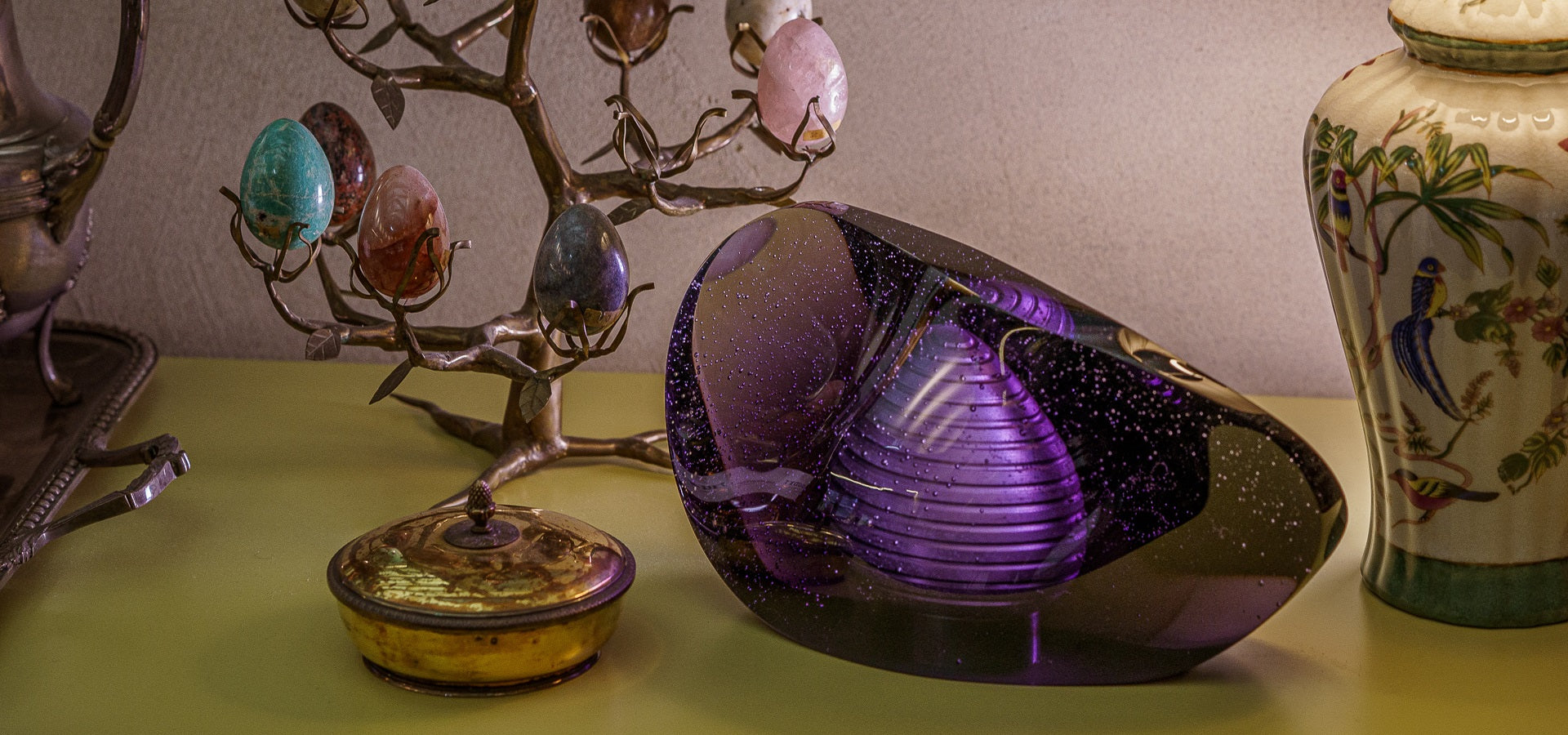
Can pet ashes be made into glass art? Discover how a small amount of cremated remains can be incorporated into a unique glass memorial and how families can preserve their pet’s memory through art.
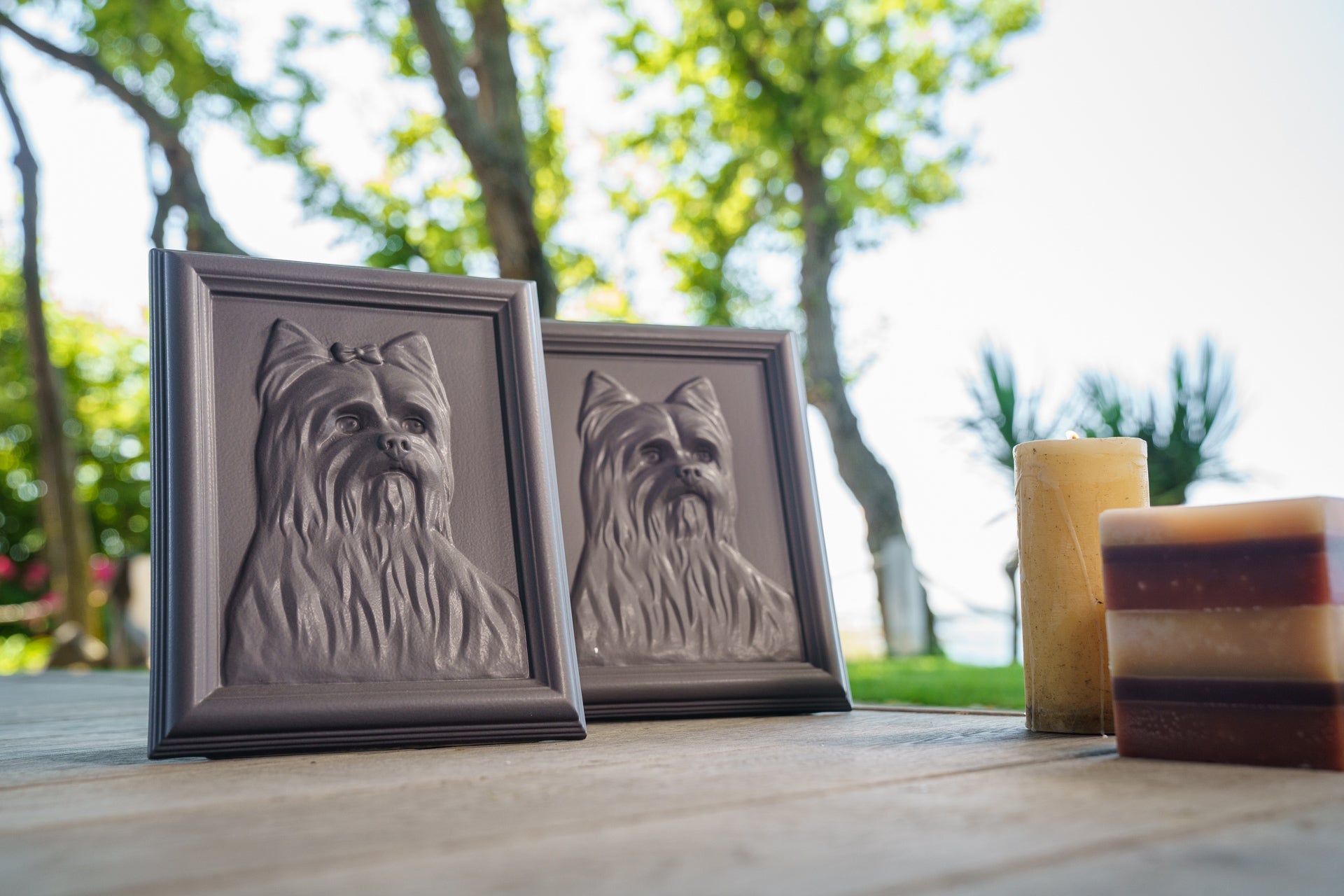
How Are Pet Ashes Identified After Cremation?
How are a pet’s ashes identified after cremation? Learn how pet crematoriums maintain identification and traceability, what happens during individual cremation, and what families should know before choosing a cremation service.
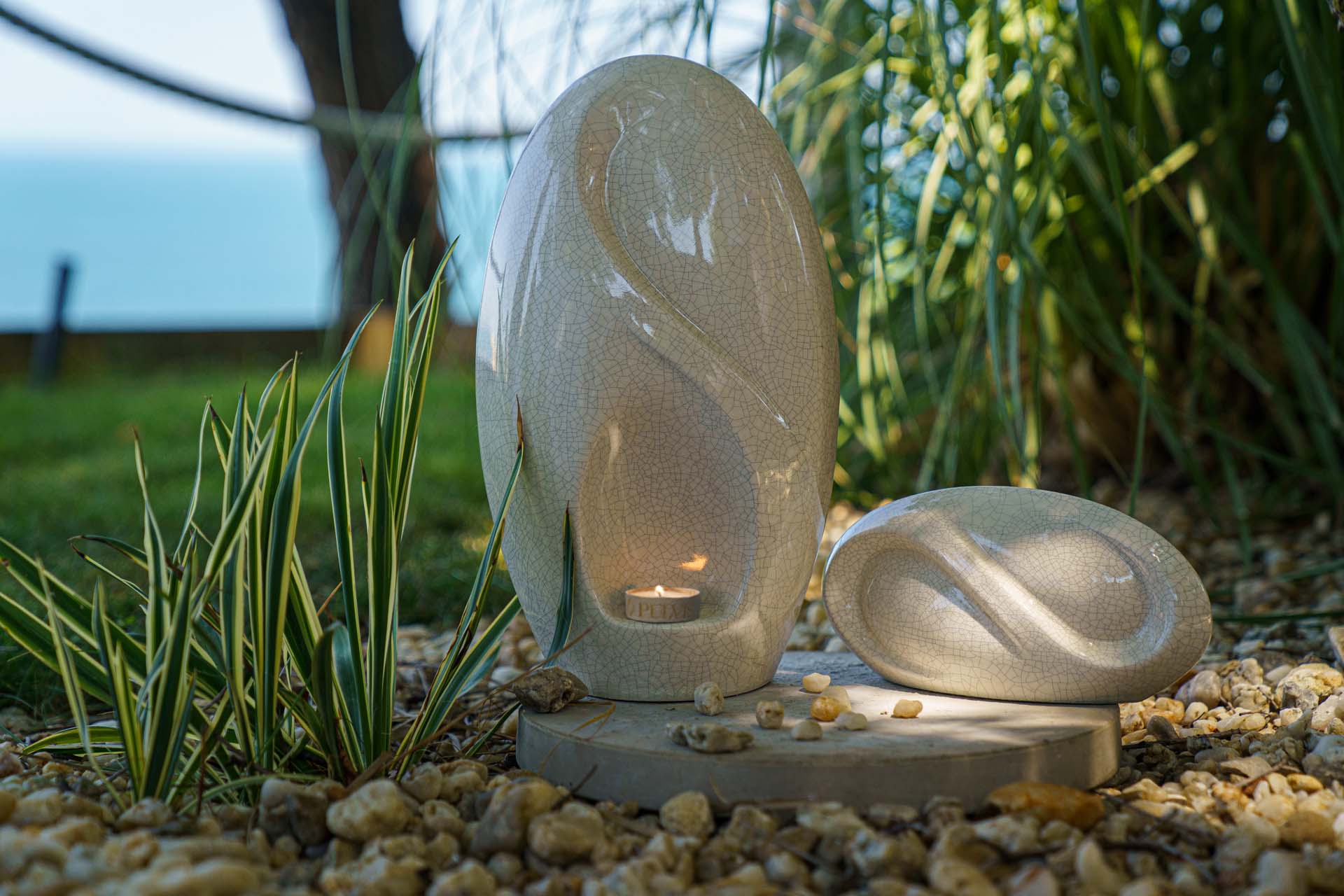
Can You Travel Internationally With Cremated Remains?
Traveling internationally with a loved one’s ashes requires more than careful packing. Learn what to consider when taking an urn across borders, from airline policies and security screening to documentation, customs requirements, and choosing the right container.

Moving Into a Retirement Home: What to Do With a Loved One’s Urn
Moving into a retirement home often means downsizing, but deciding what to do with a loved one’s urn can be especially emotional. Explore thoughtful ways to bring, display, or relocate an urn while creating a meaningful memorial space in a new home.
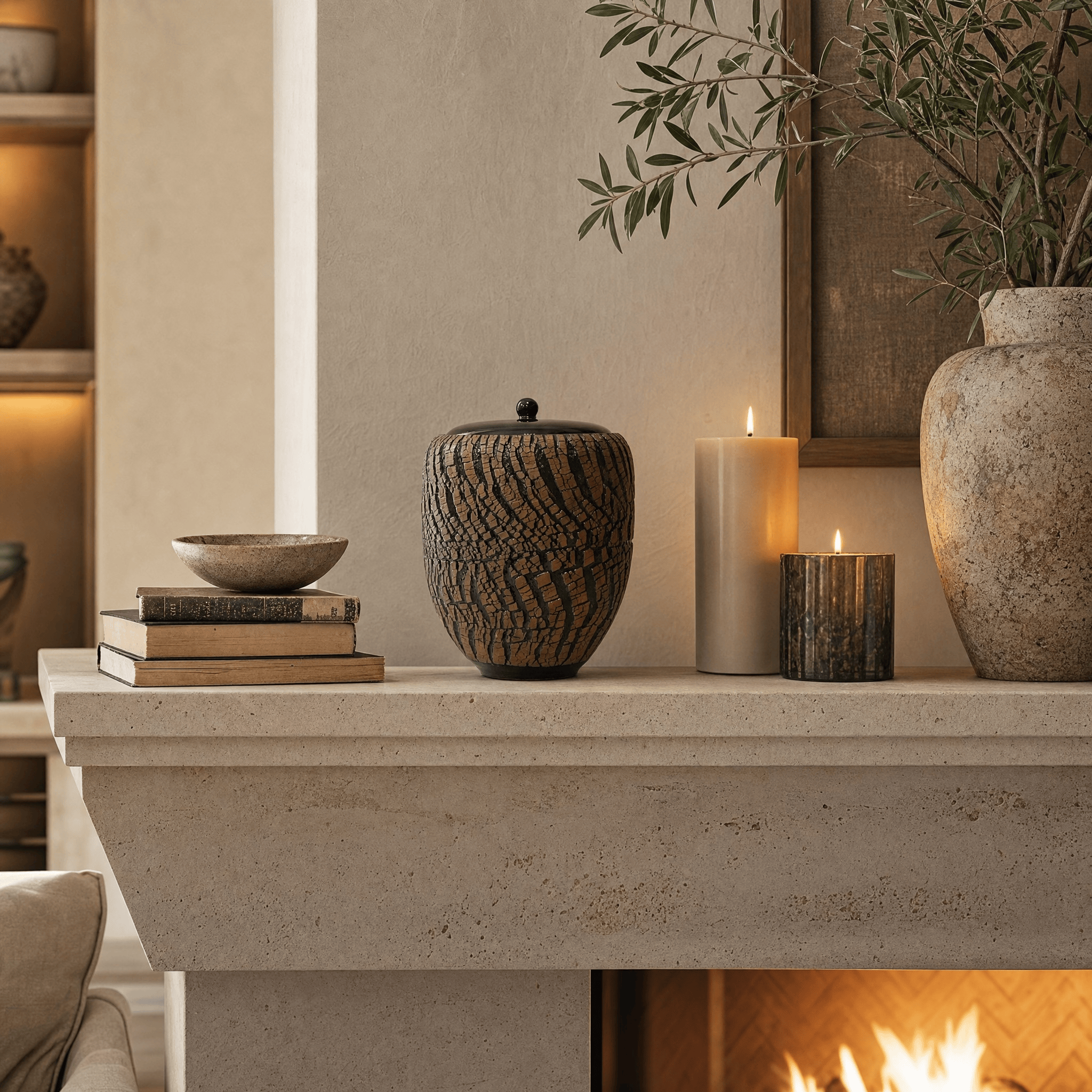
What to Do With an Urn When You Move House
Moving house with a memorial urn requires thoughtful planning and care. Discover how to safely pack, transport, and protect an urn, including tips for international moves, downsizing, and creating a meaningful memorial space in your new home.


Share:
Funeral Merchandise Cost Guide 2026: Understanding Caskets, Urns, and More
Easy Guide to Funeral Homes in Texas