


Here for you: art@pulvisurns.com | (562) 609-4019
7% off your order
Use this code at checkout:
In Connecticut, the "Constitution State," end-of-life traditions are defined by a blend of New England's colonial history and a modern, high-standard of living. Families here often balance a deep respect for heritage—seen in the historic, stone-walled cemeteries of the Litchfield Hills—with an increasing interest in environmentally progressive options. As of 2026, Connecticut is notable for its high cost of funeral services and its early adoption of sustainable practices. Whether you are navigating the refined suburbs of Fairfield County or the coastal towns along the Sound, this guide provides the essential data and local resources to help you create a legacy that reflects Connecticut’s unique character.
A Connecticut Perspective on Heritage and Space
In Connecticut, the decision between burial and cremation is often influenced by the high value placed on land and a growing desire for eco-friendly "green" alternatives.
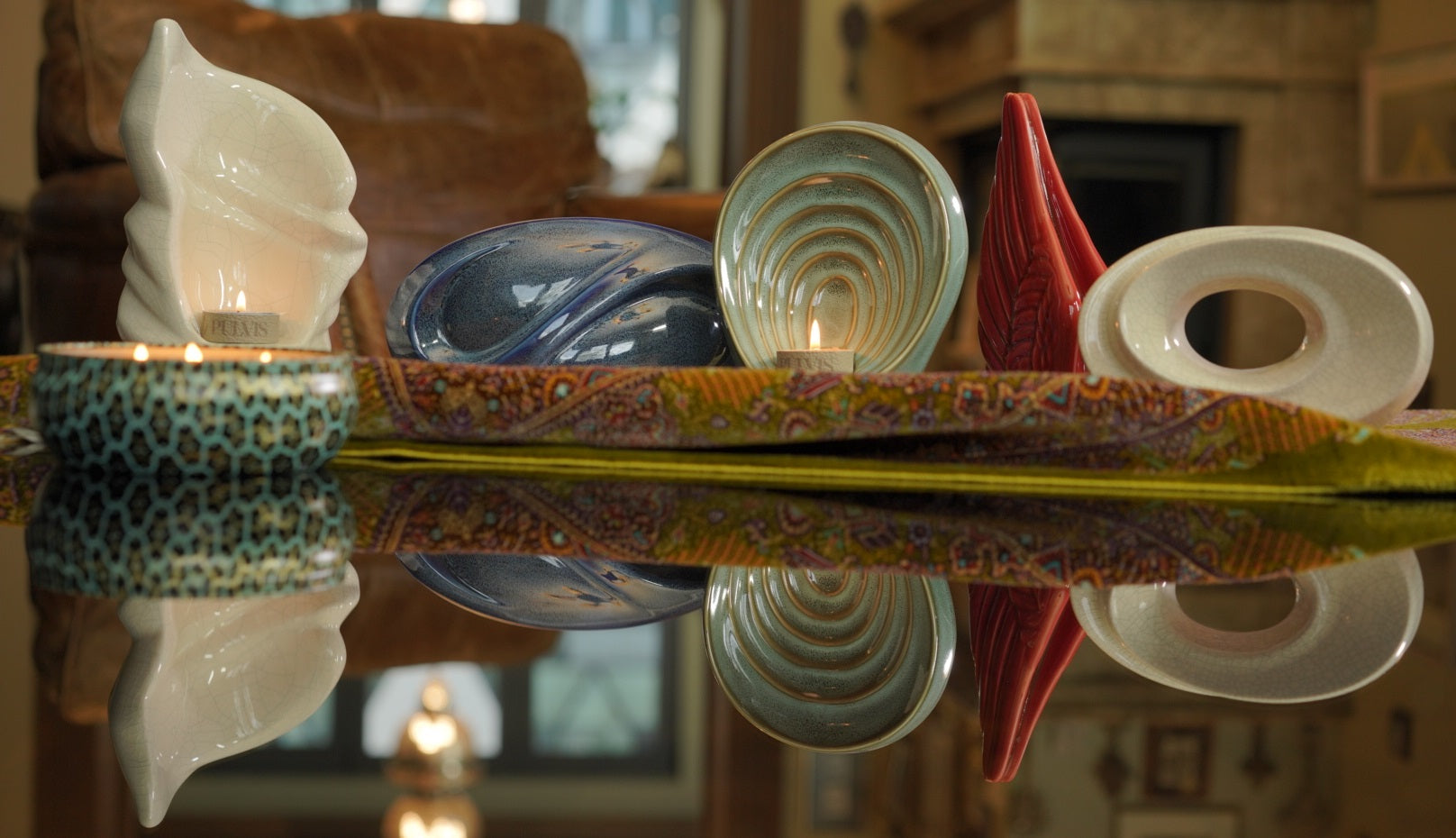
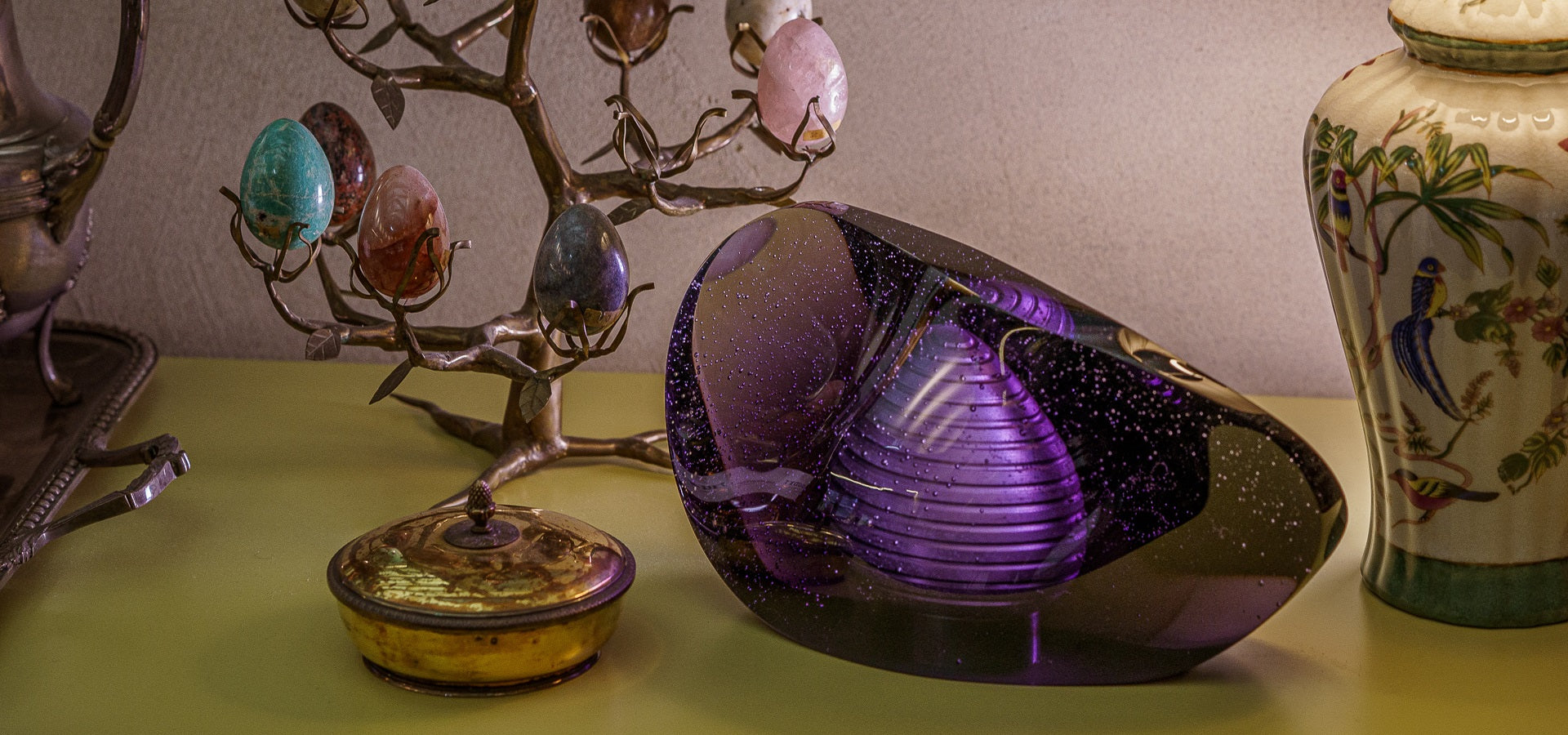
Emotional and Psychological Factors: For many long-time Connecticut families, a traditional burial in a family plot is a way of maintaining a link to the past. However, because land in the state is finite and expensive, cremation is increasingly seen as the more "practical" and "modern" choice. It offers flexibility in timing, allowing families to wait until the spring thaw or a summer weekend for a memorial service at a coastal lighthouse or a scenic vineyard. Many families choose to keep a portion of the remains in a sculptural Cremation Urn, turning the memory of their loved one into a piece of fine art that complements the sophisticated decor of a Connecticut home.

The "Green" Revolution: Connecticut is one of the states where Alkaline Hydrolysis (Aquamation) is legally recognized and regulated. This "water cremation" uses a gentle liquid process instead of flame, appealing to the state's environmentally conscious residents. It produces significantly fewer carbon emissions and is often favored by those who want a "gentle return" to the earth.
Financial Realities: Connecticut has some of the highest funeral costs in the nation. According to 2026 data, the overhead for a traditional burial in areas like Greenwich or Hartford can be substantial. Cremation is a strategic way for families to manage these costs while still holding a high-quality, meaningful tribute.
In 2026, Connecticut’s funeral landscape reflects its position as a high-cost, progressive state with a high rate of cremation adoption.
Cremation Rates: As of 2026, the cremation rate in Connecticut is approximately 60-62%. While this follows the national upward trend, the state also sees a higher-than-average interest in "Direct Cremation" as a way to bypass traditional funeral home markups.
Average Cost Breakdown: In 2026, Connecticut families should budget for the following average expenses:
Traditional Funeral with Burial: A full-service funeral in Connecticut averages $9,609. In premium coastal areas, when including a cemetery plot, vault, and monument, the total can easily reach $12,000 - $15,000.
Direct Cremation: For a simple process with no ceremony, the average cost in Connecticut is $3,102—notably higher than the national average. However, specialized providers in the Hartford and New Haven areas offer packages starting as low as $1,600.
Full-Service Cremation: A cremation that includes a formal viewing and memorial service typically averages $7,156.
For the majority of Connecticut families choosing cremation, the vessel is a statement of personal style and a bridge to the person’s legacy.
Sizing Rules: The industry standard is: 1 lb of body weight prior to cremation = 1 cubic inch of ash. Most adults require a Standard Adult Urn with 200 cubic inches of capacity. Note that Alkaline Hydrolysis can produce about 32% more remains, so a slightly larger vessel or additional Memorial Keepsakes may be needed.
The Memorial Keepsake: In the Northeast, Memorial Keepsakes are a popular way to share a loved one's presence among family members who may have moved to New York or Boston. These small, artistic tokens allow everyone to keep a physical connection.

Creative Connecticut Tributes: Modern trends in 2026 include "Coastal Scattering" ceremonies in Long Island Sound (at least 3 nautical miles out), garden memorials in historic districts, and the use of artistic ceramic urns that match the timeless, "coastal-chic" aesthetic of Connecticut's seaside homes.
Based on 2026 service excellence ratings and current directories, here are several highly-regarded providers serving the state:
In the Hartford area, Carmon Community Funeral Homes is a respected, family-owned institution with multiple locations. They are known for their state-of-the-art facilities and commitment to personalized service. They can be reached at (860) 688-2200.
Serving the Fairfield County region, Shaughnessey Banks Funeral Home in Fairfield is highly rated for its compassionate and detailed approach to both traditional and modern services. They are located at 50 Reef Rd, Fairfield, CT 06824, and can be reached at (203) 255-1031.
In Danbury, Danbury Memorial Funeral Home & Cremation Services offers a modern approach with transparent, itemized pricing and a focus on "non-ceremonial" direct options. They are located at 117 South St, Danbury, CT 06810, and can be reached at (203) 739-0114.
Important Legal Note: In Connecticut, a death must be registered within five business days. Additionally, there is a mandatory 48-hour waiting period before a cremation can take place.
Whether you find peace in a traditional service in a historic Connecticut village or in the sculptural beauty of a Cremation Urn displayed in your home, your choice is a profound act of love. By understanding the 2026 costs and the specific legal waiting periods in Connecticut, you can ensure your final act is one that honors both your life and the state’s long-standing traditions of excellence.
Which urn size do I need?
A simple rule: about 1 cubic inch of urn per pound of body weight.
Every product page lists the urn's capacity. Keepsake urns hold a small portion of ashes to share.
Need it by a specific date?
Free shipping · Delivery in 3–5 business days
Express delivery in up to 3 business days – choose it at checkout
Need help choosing?
Talk to our team – we're happy to help you find the right urn.
(562) 609-4019 art@pulvisurns.comSend us a message
Can You Grieve a Life That Never Had Words?
Discover why losing a beloved pet can be so profound, how wordless bonds shape our lives, and how Pulvis Art Urns brings craftsmanship and thoughtful design to the art of remembering an animal companion.
What Does the Bible Say About Cremation?
Explore what the Bible says about cremation, Christian beliefs about resurrection, and meaningful ways to honor a loved one’s memory through a thoughtful memorial.
Why Do People Light Candles for the Dead?
Discover the meaning behind lighting candles for the dead, exploring the traditions, beliefs, and emotions that make this simple ritual a lasting expression of remembrance, comfort, and connection within the home.

The Pet as a Witness to a Human Life
Our pets witness far more of our lives than we realise. Explore what it means for an animal to become a quiet witness to our changing homes, relationships, routines and identities — and how a memorial urn can remain as a physical connection to the life they witnessed.

Can You Inherit a Pet’s Memory?
Can we remember a pet we never knew? Explore how stories, photographs, objects and memorials can carry an animal’s memory across generations, turning a private life into part of a family’s shared history.



Share:
Easy Guide to Funeral Homes in Alaska
The Alchemy of Remembrance: The Definitive Master Guide to Choosing the Color of a Memorial Urn