


Here for you: art@pulvisurns.com | (562) 609-4019
7% off your order
Use this code at checkout:
The first holiday after losing someone we love is often one of the most emotionally challenging experiences of grief. A celebration that once represented warmth, connection, tradition, and togetherness can suddenly feel unfamiliar. The decorations may still appear in the same places, the same songs may play, the same foods may be prepared, and family members may gather around the same table, yet something important has changed.
Someone is missing.
Holidays are not simply dates on a calendar. They are collections of memories, traditions, emotions, and shared experiences built over years. They represent the moments when families come together, repeat familiar rituals, and reconnect with the people who have shaped their lives.
A person who always prepared a special dish. A family member who decorated the home in a particular way. Someone who told the same stories every year. The person who made everyone feel welcome. The one who called relatives, organised gatherings, or created the feeling that the holiday was truly beginning.
When that person dies, the holiday itself does not disappear, but the experience of it changes. The traditions remain, but the person who helped create those traditions is no longer physically present.
This is why the first holiday without someone often feels so different. It is not only about missing the individual. It is also about experiencing a familiar moment in a completely new reality.
The first holiday after loss becomes a reminder that life continues while someone important is no longer there to experience it with us. This can create a mixture of emotions that may feel confusing: sadness, nostalgia, gratitude, guilt, love, and even moments of happiness.
All of these feelings can exist together.
The first holiday without someone is not only a moment of absence. It is also a moment that reveals the depth of the relationship that existed and the lasting impact that person continues to have on the lives they left behind.

Grief does not only appear during difficult moments. It often becomes strongest during moments that are supposed to feel meaningful.
Holidays have a unique emotional power because they are connected to repetition. The human brain creates strong associations through repeated experiences. When something happens in a similar way every year, it becomes part of our emotional memory.
A holiday meal is not just a meal. It may represent decades of conversations, laughter, family stories, and shared experiences.
A decoration is not simply an object. It may remind someone of the person who placed it there every year.
A song is not only music. It may bring back an entire period of life.
A recipe is not only food. It may represent the hands that prepared it, the person who taught it to others, and the memories created around it.
After someone dies, these connections remain. The brain continues to associate certain sights, sounds, smells, and traditions with that person.
This is why holidays often make grief feel more intense. They bring the person’s absence into situations where their presence was once expected.
During an ordinary day, someone may be able to adapt to the reality of loss more easily. They may have routines, responsibilities, and distractions that help them move through the day.
A holiday removes many of those distractions. It creates a space where memories naturally return.
The empty chair at the table, the missing voice during conversations, or the absence of a familiar tradition can suddenly make the loss feel much more real.
Holidays do not create grief. They reveal the depth of the bond that already exists.

One of the reasons the first holiday after loss feels so powerful is because the human mind struggles with the transition between expectation and reality.
Throughout life, we create mental images of the future. We imagine who will be there, what traditions will continue, and how important moments will unfold.
When someone we love dies, these expectations do not immediately disappear.
A person may still instinctively think:
“They will be here for this.”
“They will call today.”
“They will sit in their usual place.”
“They will make that familiar dish.”
Even when someone understands the reality of death, emotional expectations often take much longer to change.
This is why the first holiday can create moments that feel surprising or overwhelming. Someone may enter a room and briefly expect to see the person they lost. They may hear a familiar phrase and immediately think of them. They may prepare a tradition and suddenly realise that the person who was always part of it is no longer there.
These experiences are a normal part of grief.
They happen because relationships become integrated into everyday life. The people we love are not only present during special moments; they become part of our expectations, routines, and understanding of the world.
When they are gone, the mind must slowly adjust to a new reality.
The first holiday represents one of the first times when that adjustment becomes impossible to ignore.
For many people, the weeks before the holiday are more difficult than the celebration itself.
The anticipation creates uncertainty. People begin imagining what the day will feel like before it arrives.
They may wonder whether they should celebrate normally or change everything. They may worry about becoming emotional in front of others. They may question whether enjoying the holiday means they are moving on too quickly.
These thoughts can create a significant emotional burden.
Many people experience what is known as anticipatory grief—the sadness and anxiety that appears when thinking about a future moment connected to loss.
The mind begins preparing for the absence before the moment actually happens.
A person may imagine seeing an empty chair. They may think about hearing a favourite song without the person being there. They may picture a family gathering where something feels different.
This emotional preparation can make the days leading up to the holiday extremely difficult.
However, many families discover that the reality of the day is often different from what they feared. There may still be sadness, but there may also be comfort, connection, and meaningful moments.
The holiday may not feel the same, but it may still contain moments of warmth.

One of the strongest experiences during the first holiday without someone is how visible their absence becomes.
Loss often becomes most noticeable through small details.
The empty seat where someone always sat.
The missing voice during a conversation.
The person who usually welcomed everyone.
The family member who always prepared a certain dish.
The tradition that suddenly feels incomplete.
Before loss, these moments may have seemed ordinary. They were simply part of the holiday routine.
After loss, they reveal how deeply that person was woven into family life.
Many people discover that what they miss most are not only major memories or important events. They miss the everyday details that made the person feel present.
They miss the way someone laughed.
They miss the expressions they always used.
They miss the small habits that were once easy to overlook.
This is because relationships are built through thousands of ordinary moments. A person becomes part of the atmosphere of a family, part of the rhythm of a home, and part of the traditions that bring people together.
When they are gone, the absence is felt not only emotionally but physically.
The holiday space itself feels different.
One of the most difficult decisions families face after a death is deciding what to do with traditions.
Should everything continue exactly as before? Should some things change? Is changing a tradition a sign of forgetting someone?
The answer is no.
Traditions have always changed because families themselves change. People grow older, new generations join, circumstances shift, and life continues to evolve.
Loss is another moment when traditions naturally adapt.
Some families find comfort in continuing old traditions exactly as they were. Repeating familiar actions can create stability during a time when everything else feels uncertain.
Others find that certain traditions are too painful without the person who created them. They may need to change the celebration, simplify it, or create something completely new.
Both responses are meaningful.
A family may continue preparing a loved one’s favourite meal, light a candle in their memory, display a photograph, share stories about them, or create a new tradition inspired by something they valued. These actions do not replace the person. Instead, they allow their presence to continue in a different form.
Changing a tradition does not mean leaving someone behind.
Sometimes change is the way families carry someone forward.

One of the most important things to understand about grief is that even when a family experiences the same loss, each person will experience that loss in their own way. The first holiday without someone often reveals these differences because every family member had a unique relationship with the person who died.
A spouse may grieve the loss of daily companionship and shared routines. A child may miss the guidance, protection, and memories created throughout their life. A sibling may mourn the person who shared their childhood and family history. A close friend may grieve the conversations, support, and connection they once had. Everyone is remembering the same person, but everyone is remembering a different part of them.
Because of this, families sometimes struggle when their approaches to the holiday do not match. One person may want to talk openly about the person who died, while another may avoid conversations because they feel overwhelmed. Someone may want to continue every tradition, while someone else may need to change certain things because they are too painful.
These differences do not mean that someone cared more or less. They are simply different expressions of love and grief.
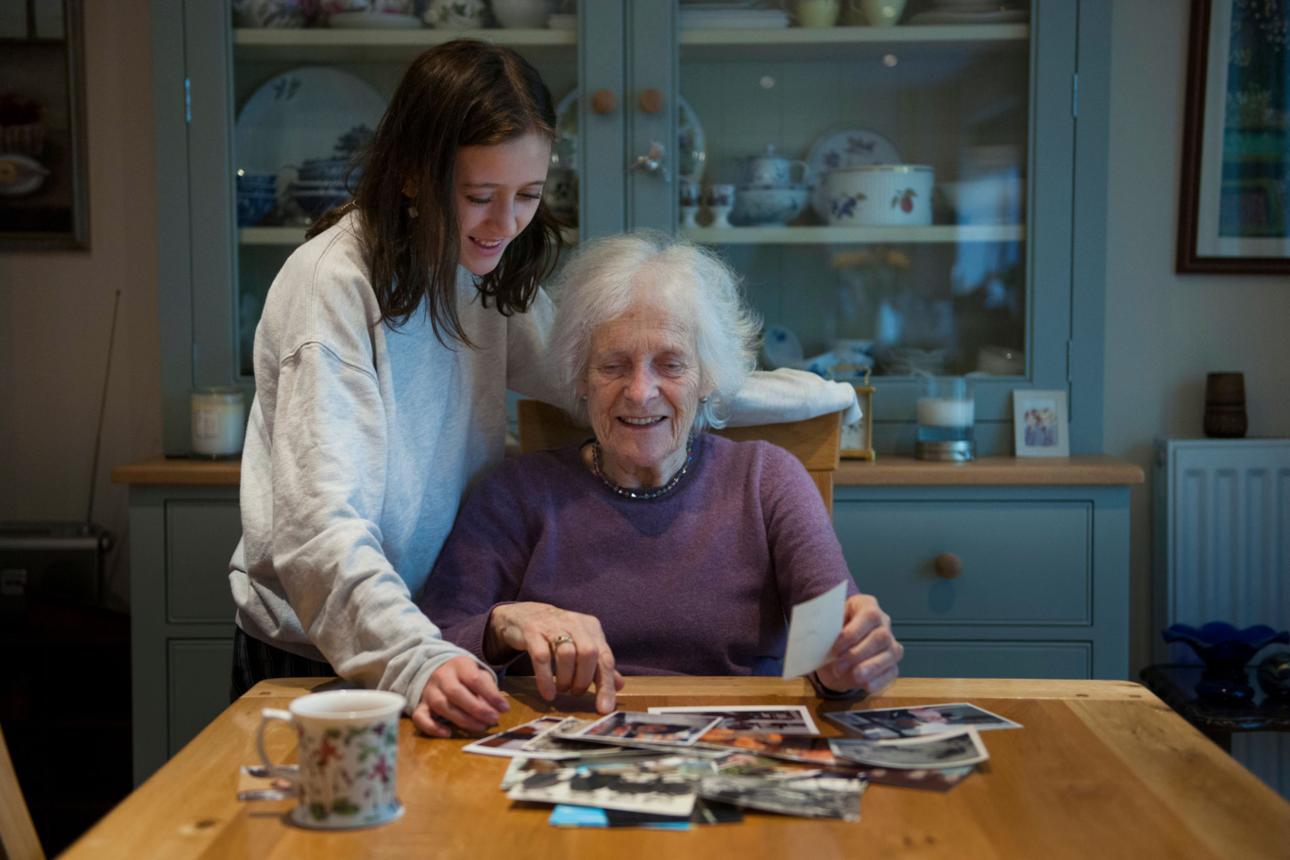
For example, one family member may feel connected by preparing a loved one’s favourite recipe because cooking was something they shared together. Another person may find comfort in looking through photographs or visiting a meaningful place. Someone else may prefer quietly keeping a personal belonging nearby.
There is no single correct way to remember someone.
The healthiest families often learn that different forms of remembrance can exist together. One person’s way of grieving does not need to replace another person’s way of grieving. The holiday can become a space where different memories and emotions are allowed to exist at the same time.

Children often experience loss differently from adults because their understanding of death develops gradually. For a child, the first holiday without someone important can feel confusing because they may understand that the person is gone, but they may still expect familiar traditions and routines to continue.
A child might ask questions such as why someone is not coming, whether that person knows about the holiday, or whether they will ever celebrate together again. These questions can sometimes be difficult for adults because they reveal the child’s attempt to understand a world that has suddenly changed.
Children often process grief through actions rather than conversations. They may not always explain their emotions directly, but they may show their feelings through behaviour, questions, drawings, stories, or a desire to participate in familiar traditions.
Simple acts can help children feel connected. Looking through photographs, sharing stories, preparing a meal the person loved, lighting a candle, or creating a small remembrance ritual can help them understand that although someone is no longer physically present, their importance remains.
It is also important for children to see that sadness and happiness can exist together. Many children feel confused when they see adults crying during a holiday that is usually associated with celebration. Explaining that missing someone does not mean the entire day must be unhappy can help children develop a healthier understanding of grief.
The first holiday without someone can become one of the earliest experiences through which children learn that love continues beyond physical presence.
For those who lose a spouse or life partner, the first holiday can bring a particularly deep sense of change. Holidays are often built around shared routines between couples: decorating together, preparing meals, exchanging gifts, visiting relatives, travelling, or simply enjoying quiet moments at home.
When a partner dies, these shared experiences can suddenly feel unfamiliar.
The home may look the same, the decorations may still be there, and the traditions may continue, but the person who gave those moments meaning is missing.
Many people describe this experience as feeling like they are living in a different version of the same holiday. Everything appears familiar, but emotionally it feels completely changed.
Certain moments can become especially difficult. Sitting at a table designed for two people. Preparing a meal that was always shared together. Hearing a song that was connected to a relationship. Returning to a place that was meaningful as a couple.
These experiences can create a powerful awareness of absence.
However, over time, many people find ways to transform these moments. A tradition that once belonged only to the couple can become a way of honouring their partner’s memory. A favourite meal can continue. A special decoration can remain part of the celebration. A story can be shared with future generations.
Continuing a tradition does not mean pretending nothing has changed.
It means recognising that the relationship still has meaning.
Love does not disappear when someone dies. It changes from something experienced through daily physical presence into something carried through memory, values, and the ways that person continues to influence life.
One of the most complicated emotions many grieving people experience during the first holiday is guilt.
They may feel uncomfortable laughing. They may hesitate to enjoy a meal. They may feel that celebrating means they are forgetting the person who died.
This feeling is incredibly common because grief and love are deeply connected. When someone mattered greatly, it can feel wrong to experience happiness in a world where they are no longer present.
However, happiness does not reduce love.
Smiling at a memory does not mean someone is missed less. Enjoying time with family does not mean the loss is forgotten. Creating new memories does not erase old ones.
Grief is not measured by constant sadness.
The pain someone feels after a loss exists because the relationship was meaningful. Moments of happiness can exist alongside that pain because human emotions are not limited to one feeling at a time.
Many people eventually discover that allowing happiness back into their lives is not a betrayal of the person they lost. Instead, it can become a way of honouring them.
The people we love usually represent the things they wanted for us: connection, kindness, joy, and a meaningful life. Continuing to experience those things can be part of keeping their influence alive.
The first holiday may include tears and laughter in the same conversation. It may include moments of sadness followed by moments of warmth.
That combination is not a contradiction.
It is grief.

Holidays are powerful because they involve every part of our senses. Memories are not stored only as thoughts; they are connected to physical experiences that help us remember people and moments.
A familiar smell can instantly bring someone back into our minds. The scent of a specific dish, a particular perfume, a holiday decoration, or a family recipe can create an emotional reaction before we even consciously understand why.
This happens because the brain connects sensory information with emotional memory. A smell associated with someone can become a direct pathway back to a moment shared with them.
Sounds have the same power. A holiday song, a familiar phrase, a certain laugh, or even the sound of someone’s voice from an old recording can create a sudden feeling of closeness.
These experiences can be painful because they remind us of what has changed. At the same time, they can also be comforting because they show that the relationship continues through memory.
Many people fear that remembering someone will only bring sadness, but memories often contain both grief and gratitude. The sadness comes from knowing the person is gone. The comfort comes from knowing they were once here.
The senses become a bridge between the past and present.
They allow people to experience a connection with someone who is no longer physically there.
After a loss, many families eventually discover new ways to include remembrance in their celebrations. These rituals do not need to be complicated or formal. Often, the simplest gestures carry the deepest meaning.
A family may set aside a moment to share a favourite story. They may prepare a meal the person loved. They may place a photograph somewhere meaningful. They may light a candle or visit a special location. They may create a new tradition that reflects something important about the person’s personality or values.
These actions help transform the holiday from something defined only by absence into something that also contains connection.
New traditions do not replace old ones. They grow alongside them.
A family may always miss the way things used to be, but they can also create new memories that honour the person who is no longer physically present.
This is one of the ways grief evolves. In the beginning, remembrance may focus mainly on what has been lost. Over time, it often becomes more focused on what remains: love, influence, stories, and the impact someone had on the lives around them.
The holiday changes, but the connection continues.

Many people expect the first holiday after a loss to be the most difficult. It is the first time experiencing a major celebration without someone who was always present, so it is natural to assume that future holidays will gradually become easier.
For some people, that is true. However, others discover that the second holiday can feel unexpectedly difficult.
This often happens because the first holiday may be surrounded by a strong sense of support and understanding. Family members may be more aware of the loss, friends may offer extra support, and everyone may recognise that the occasion is especially emotional.
By the second holiday, some of that attention may have faded. Others may assume the person is “doing better” because time has passed, even though grief does not follow a simple timeline.
The second holiday can also feel difficult because the reality of the loss has become more permanent. The first holiday may carry a sense of disbelief or shock. The second one can bring a deeper awareness that the person truly will not return for future celebrations.
The traditions that once felt temporary may now feel permanently changed.
A family may realise that the person will not be there to create new memories, tell new stories, or participate in future milestones. This awareness can create a different kind of sadness.
However, the second holiday can also bring something important: a deeper understanding of how remembrance can evolve. By this point, many people begin discovering ways to include the person’s memory without feeling completely overwhelmed by their absence.
They begin finding a balance between honouring the past and continuing to live in the present.
Grief does not remain the same forever. The relationship with loss changes as time passes, and holidays often reflect this transformation.
In the beginning, holidays may feel dominated by what is missing. The empty space left behind can feel impossible to ignore. Traditions may feel painful because they are reminders of a life that has changed.
Over time, however, many people find that memories begin to carry more than sadness.
The holiday may still bring moments of longing, but it can also become an opportunity to remember the person’s life, personality, and influence.
A story that once caused tears may eventually bring laughter. A favourite recipe may become a comforting tradition. A familiar song may become a reminder of love rather than only loss.
This does not mean someone is forgotten.
It means the relationship with their memory has changed.
Grief is not about reaching a point where someone no longer matters. It is about learning how to carry their importance in a different way.
The people we love continue to shape us through the values they taught, the memories they created, and the impact they had on our lives.
The holiday becomes a place where the past and present can exist together.
One of the most helpful things families can do after a loss is allow remembrance to exist naturally.
Many people worry about making others uncomfortable by mentioning someone who has died during a celebration. They may avoid saying the person’s name because they fear creating sadness.
However, silence does not always protect people from grief.
In many cases, avoiding memories can make the absence feel even stronger.
For many grieving people, hearing someone speak about their loved one can actually bring comfort. It shows that the person is still remembered and that their life continues to matter.
Sharing stories, looking at photographs, or simply mentioning someone’s name can create moments of connection.
The goal is not to make the holiday entirely focused on loss. The goal is to recognise that grief is part of the experience and that remembering someone does not take away from the celebration.
A holiday can hold many emotions at once.
It can contain sadness for what has changed and gratitude for what once existed. It can include tears and laughter. It can honour the past while making space for the future.
Supporting someone who is experiencing their first holiday without a loved one does not require perfect words. Often, the most meaningful support comes from simply acknowledging what they are experiencing.
Many grieving people feel pressure to appear strong during holidays because they do not want to make others uncomfortable. They may hide their emotions, participate when they are exhausted, or avoid talking about the person they lost.
A simple acknowledgement can make a significant difference.
Saying that you know the holiday may be difficult, asking how they are feeling, or inviting them to share memories can help someone feel less alone.
It is also important to avoid rushing someone through grief. Statements that suggest they should “move on” or “focus on the positive” can unintentionally create more isolation.
Grief is not something that needs to disappear before someone can enjoy life again.
The most supportive approach is often to allow space for whatever emotions appear.
Some moments may be emotional. Some may be peaceful. Some may even be joyful.
All of these experiences are part of grieving.

One of the most meaningful parts of grief is the way families learn to create continuity after change.
A death can end certain traditions, but it can also inspire new ones.
A family may begin gathering at a different location. They may create a yearly remembrance ritual. They may prepare a meal connected to the person they lost. They may donate to a cause that mattered to them. They may share stories that ensure younger generations know who that person was.
These new traditions are not replacements.
They are extensions of love.
Families often discover that remembrance becomes something active rather than something passive. Instead of only looking back at what has been lost, they begin carrying forward what was meaningful about that person.
A loved one’s kindness can continue through acts of generosity. Their creativity can continue through family traditions. Their values can continue through the choices others make.
This is how people remain part of our lives even after death.
Not through physical presence, but through influence.
The first holiday without someone we love is difficult because holidays represent connection. They remind us of who was there, what was shared, and how life once felt.
The sadness we experience during these moments is not a sign that something is wrong.
It is evidence of love.
We miss people because they mattered. We feel their absence because their presence changed our lives.
Over time, the goal is not to stop missing them. The goal is to learn how to include their memory in a life that continues.
The person may no longer sit at the table, but their stories may still be shared. They may no longer prepare the traditional meal, but the recipe may continue. They may no longer decorate the home, but the traditions they created may live on.
The first holiday without someone will always be different because the relationship has changed.
But different does not mean empty.
A holiday after loss can still contain love, connection, and meaning. It can become a reminder that although physical presence ends, the impact someone has on the people who loved them can continue for generations.
In the end, the first holiday without someone is not only a reminder of what was lost.
It is also a reflection of what remains.
The memories.
The traditions.
The lessons.
The love.
And the lasting connection that continues in new forms.
Which urn size do I need?
A simple rule: about 1 cubic inch of urn per pound of body weight.
Every product page lists the urn's capacity. Keepsake urns hold a small portion of ashes to share.
Need it by a specific date?
Free shipping · Delivery in 3–5 business days
Express delivery in up to 3 business days – choose it at checkout
Need help choosing?
Talk to our team – we're happy to help you find the right urn.
(562) 609-4019 art@pulvisurns.comSend us a message
Can You Grieve a Life That Never Had Words?
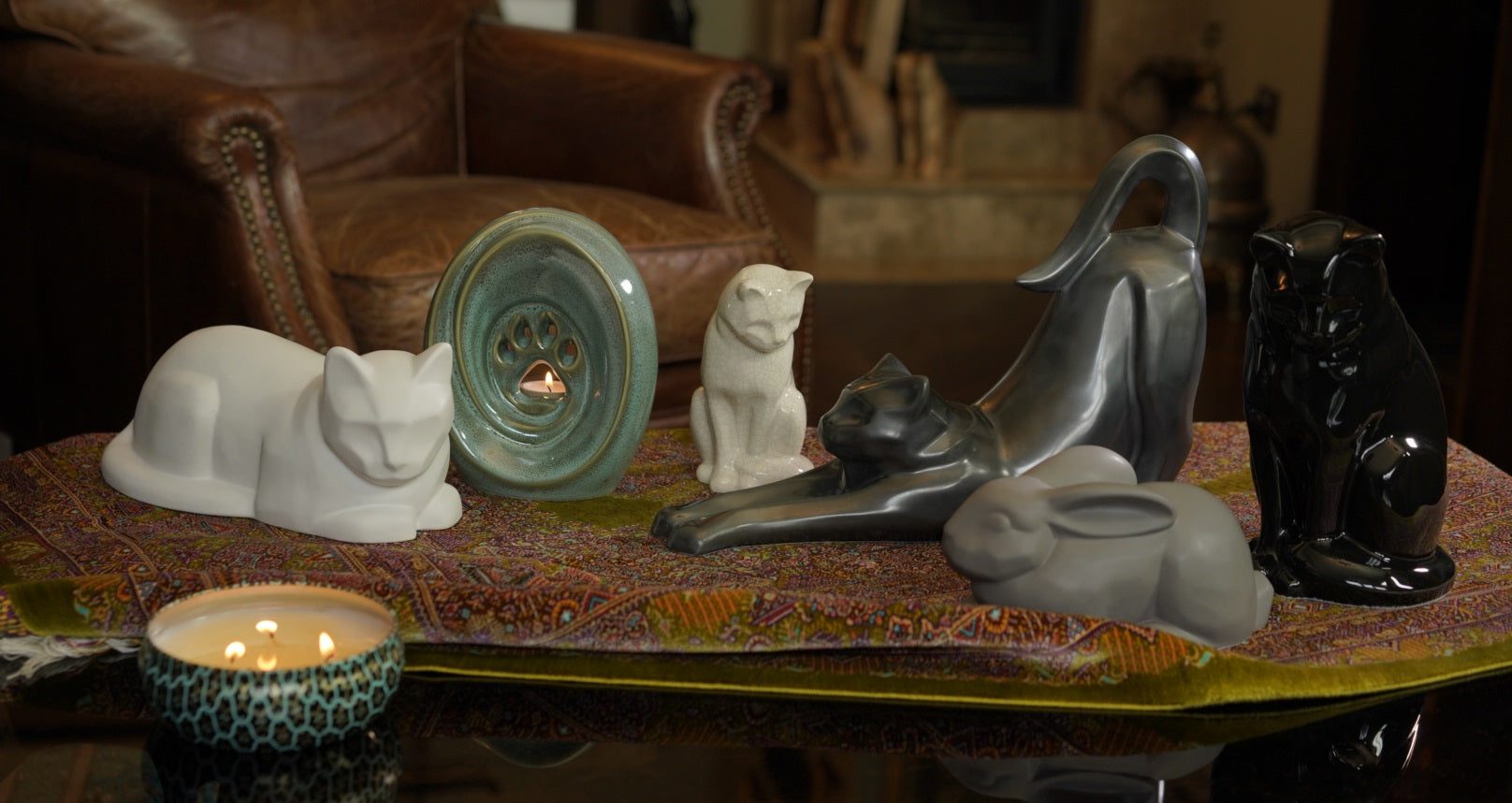
Discover why losing a beloved pet can be so profound, how wordless bonds shape our lives, and how Pulvis Art Urns brings craftsmanship and thoughtful design to the art of remembering an animal companion.

What Does the Bible Say About Cremation?
Explore what the Bible says about cremation, Christian beliefs about resurrection, and meaningful ways to honor a loved one’s memory through a thoughtful memorial.
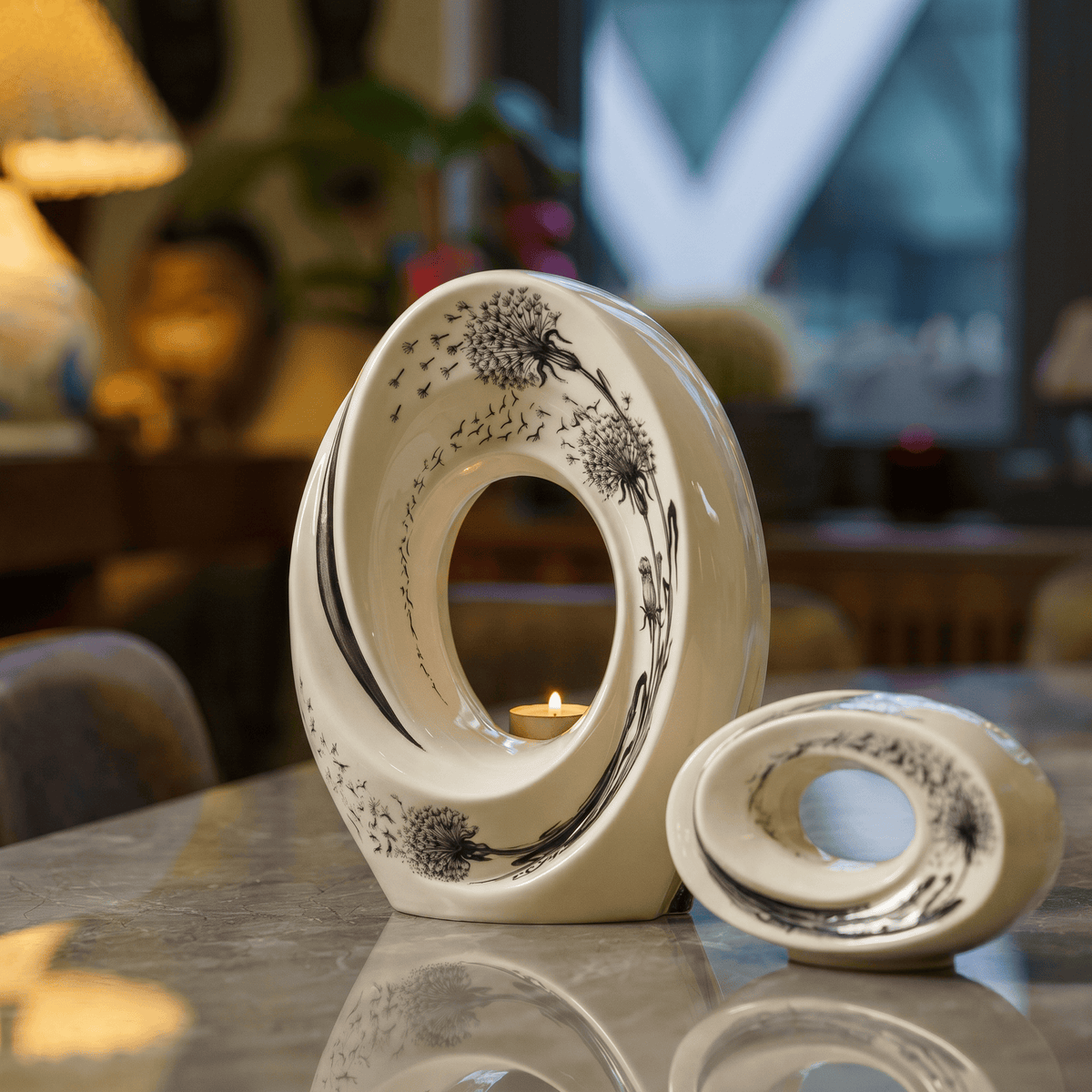
Why Do People Light Candles for the Dead?
Discover the meaning behind lighting candles for the dead, exploring the traditions, beliefs, and emotions that make this simple ritual a lasting expression of remembrance, comfort, and connection within the home.

The Pet as a Witness to a Human Life
Our pets witness far more of our lives than we realise. Explore what it means for an animal to become a quiet witness to our changing homes, relationships, routines and identities — and how a memorial urn can remain as a physical connection to the life they witnessed.

Can You Inherit a Pet’s Memory?
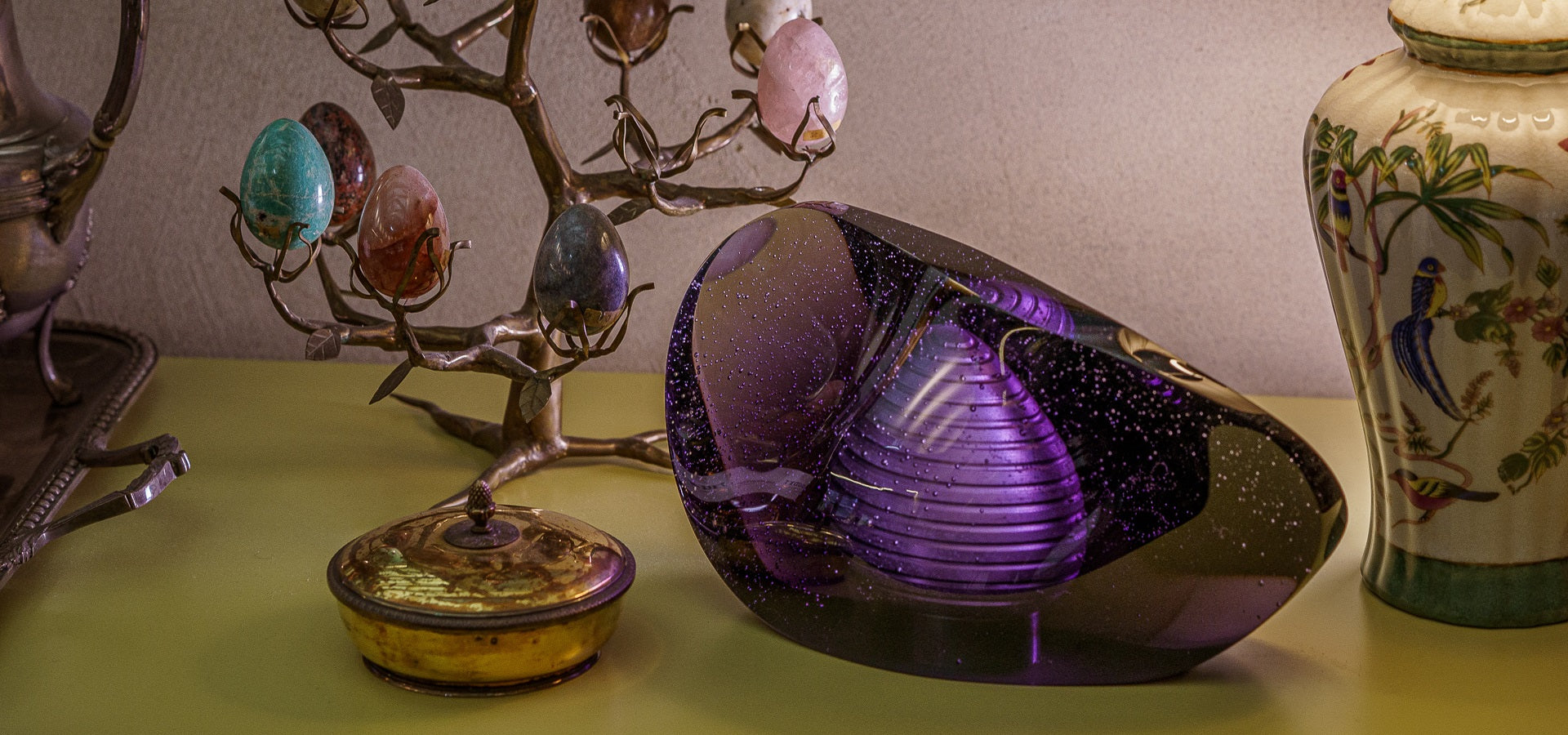
Can we remember a pet we never knew? Explore how stories, photographs, objects and memorials can carry an animal’s memory across generations, turning a private life into part of a family’s shared history.




Share:
How Everyday Sounds Can Trigger Powerful Memories: The Emotional Connection Between Sound, Memory and Loss
The Emotional Weight of “Lasts”: The Last Conversation, Last Hug, Last Goodbye