

You’ve probably got questions when it comes to exploring cremation options. From choosing cremation urns for ashes to considering more personalized keepsakes for ashes, there’s so much to consider. But the first place to start is the type of cremation. This article provides important information that will help you decide if direct cremation is a good idea for your family.
Direct cremation is a type of cremation that covers the basics, without any unnecessary extras. As the name suggests, direct cremation involves the simple, straightforward process of cremating the body and returning the ashes to the family. Basic cremation does not include a memorial service, visitation time, flowers, ceramic urns, burial plots, or other traditional embellishments.
The straightforward nature of direct cremation can provide some often overlooked benefits. First off, direct cremation can be a much more affordable option than a traditional funeral service. It’s also a faster process, since there’s no need to make additional arrangements.

Many people don’t realize that direct cremation typically takes place outside of peak crematorium hours, which allows for it to be carried out sooner. For some families, the faster the cremation is finalized, the sooner they can find closure.
A final benefit of direct cremation is that it takes care of the logistics, giving the family more time to focus on emotional healing or planning memorial services at a later date when the family is better prepared.
One significant drawback of direct cremation is that you typically can’t choose the time or location of the cremation process, as these details are left up to the crematorium. While most crematoriums will notify you of when the cremation will occur and may even allow a few close relatives to be present, many crematoriums do not allow additional guests during the process.

Another drawback of direct cremation is that no prior visitation is organized, meaning there’s no opportunity for friends and families to see their loved one in person before saying goodbye.
This type of cremation is well-suited for a number of situations. Private, reserved individuals who don’t like the idea of a large, showy display may request direct cremation in their will, effectively bypassing the pomp and circumstance that accompanies a traditional funeral service.

In addition, families who are too devastated by their loss may not have the focus or desire to make decisions concerning elaborate funeral arrangements. Direct cremation cuts out the need of planning those extra details.
On the other end of the spectrum, a family may want to plan a large, celebratory memorial service but they don’t have the time or financial means to do so immediately. In this scenario, direct cremation takes care of the obvious logistics so that the family can take all the time they need to prepare an appropriate memorial. This may entail saving money, finding a venue, preparing a service, selecting from a variety of ceramic urns or handcrafted urns, choosing flowers, and giving loved ones at a distance the time they need to travel for the service.
As you can see, direct cremation is an option that suits a variety of situations. By simplifying cremation and taking the rush out of preparing a service, direct cremation can reduce some of the stress felt during this difficult time.
------------------
Our Affiliate Program is now available. at https://www.pulvisurns.com/pages/affiliate-program-by-pulvis-art-urns

Easy Guide to Funeral Homes in North Dakota
From the rise of Green Burial to the pragmatics of a $5,600 saving with cremation, North Dakota’s 2026 landscape is shifting. This guide breaks down the "Peace Garden State’s" unique eight-day rule, 2026 cost averages, and how families are honoring prairie roots with sophisticated, sculptural legacies.
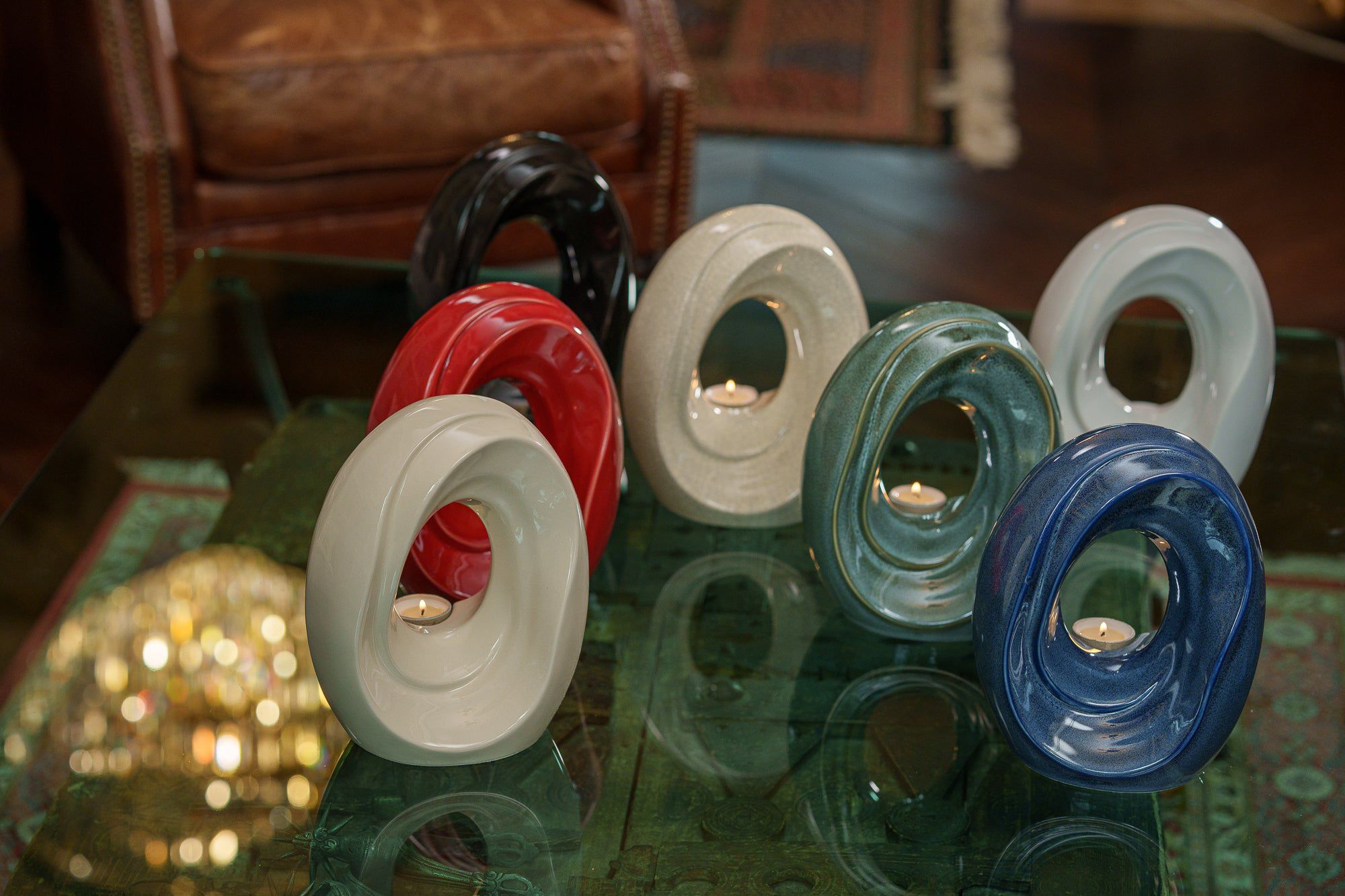
The Alchemy of Remembrance: The Definitive Master Guide to Choosing the Color of a Memorial Urn
Choosing a memorial urn is a profound act of love where color serves as the "visual frequency" of a legacy. From the tranquil depth of celestial blues to the radiant warmth of amber glazes, the right hue transforms a vessel into a storyteller. Explore our master guide to matching personality, tradition, and home decor to find a tribute that resonates with the soul it holds.
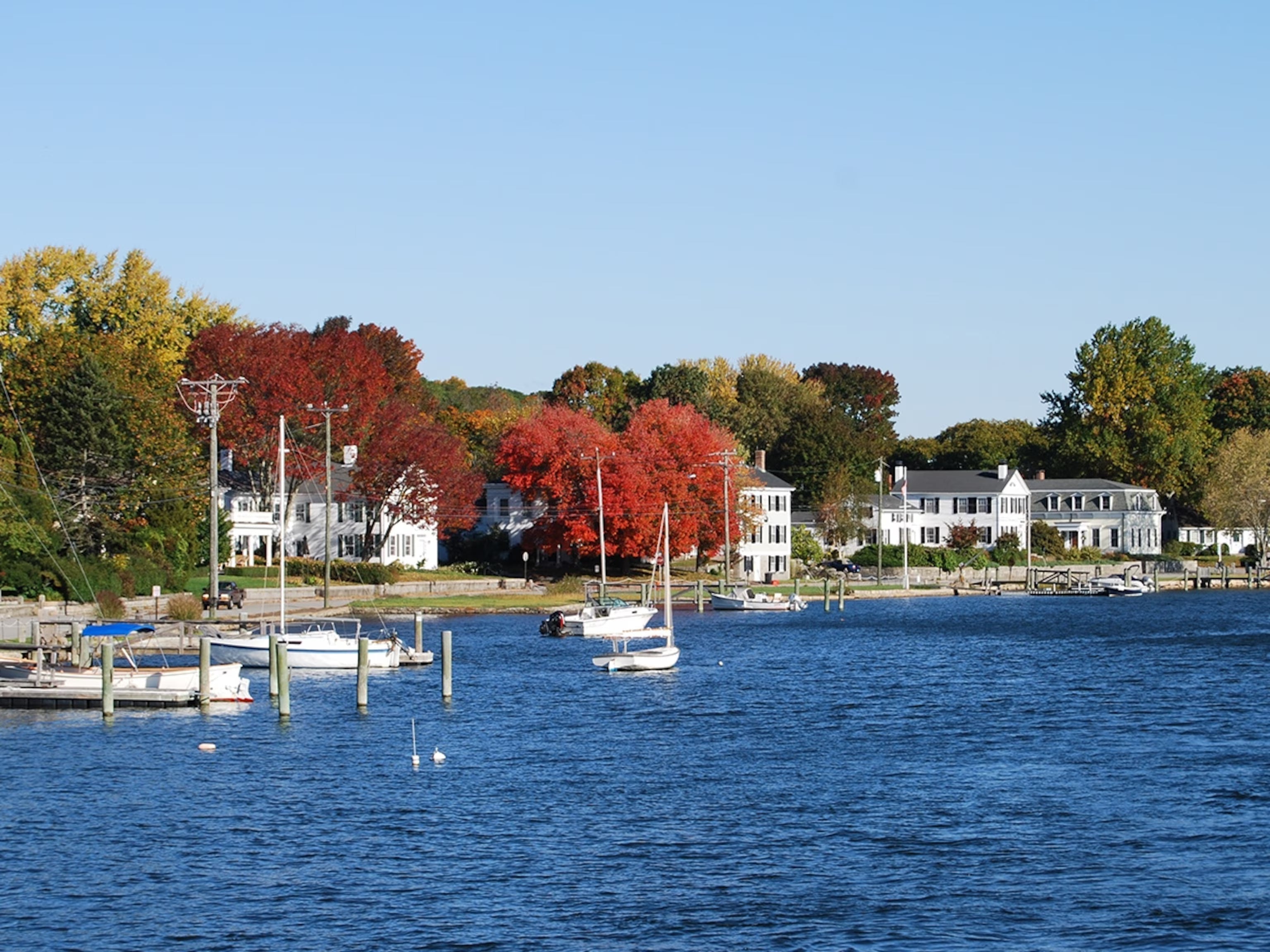
Easy Guide to Funeral Homes in Connecticut
In Connecticut, tradition meets modern, eco-friendly choices. As of 2026, cremation rises to 60–62%, with costs averaging ~$9,600 for burials and ~$3,100 for direct cremation. State law mandates a 48-hour wait before cremation. Families honor loved ones through historic plots or artistic urns reflecting Connecticut’s coastal, refined style.
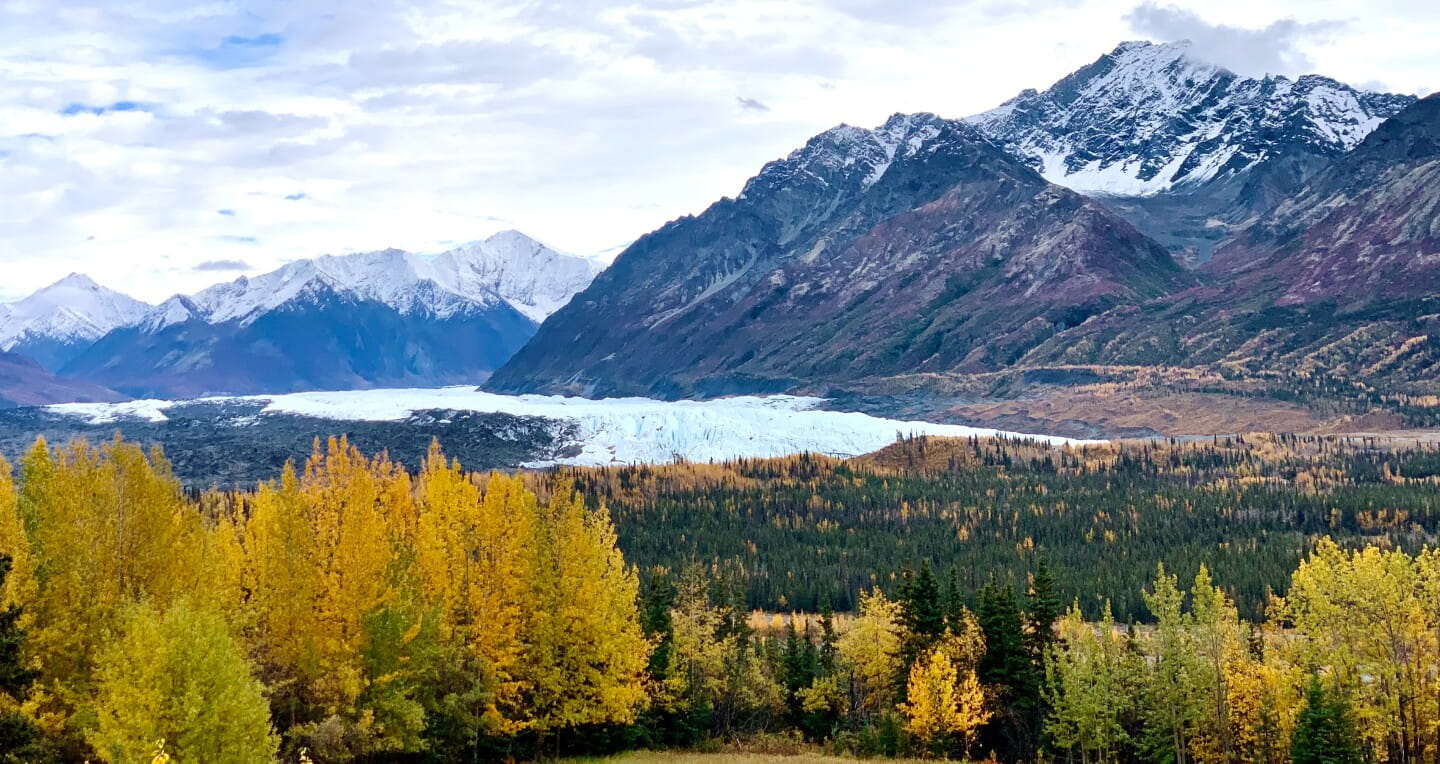
Easy Guide to Funeral Homes in Alaska
From the debut of Natural Organic Reduction to the pragmatic shift toward coastal cremation, Delaware’s 2026 funeral landscape is changing. This guide breaks down the "First State’s" essential costs, the unique five-day rule, and how to plan a personalized "portable legacy" from Wilmington to the Atlantic shore.
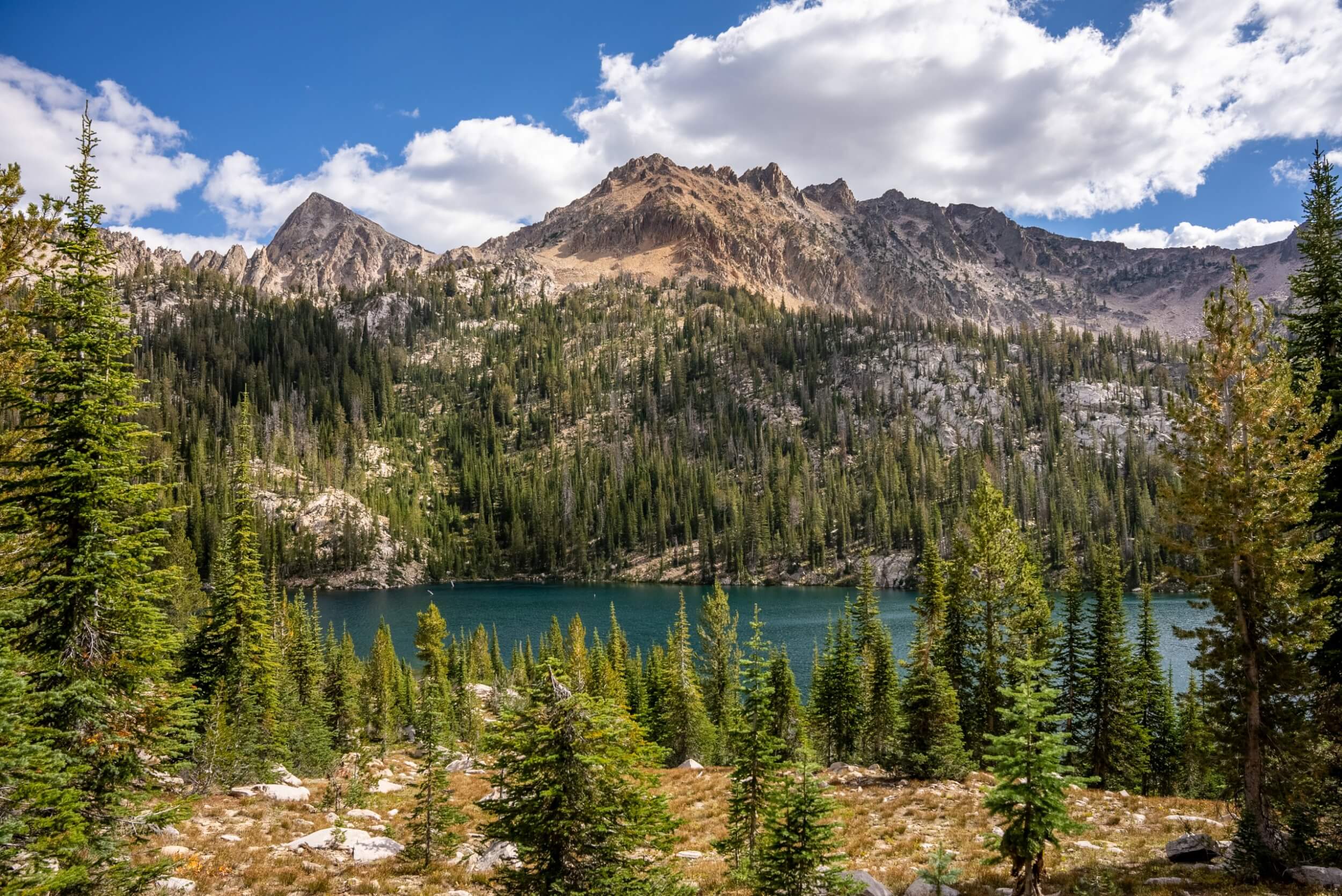
Easy Guide to Funeral Homes in Idaho
In Idaho, rugged landscapes shape unique end-of-life traditions. By 2026, cremation and nature-focused memorials are rising, while traditional burial remains meaningful in farming communities. Costs: $765–$1,706 for cremation, $7,745–$9,750 for burial. Idaho law requires 24-hour waiting, coroner approval, and death certificate filing. Outdoor ceremonies are common. Artistic urns honor loved ones.


Share:
Pulvis Art Urns at Funeral Service Times
Funerary Art and Urns
1 comment
Why do some people have urns in their house?