


Here for you: art@pulvisurns.com | (562) 609-4019
The grieving process is different for everyone. For most, the loss of a loved one can feel like the whole world has been thrown off its axis – routines change, it’s hard to focus, and overwhelming sadness sets in. While there are many resources for working through grief, one aspect that often gets lost in the shuffle is self-care.
Follow these 5 tips for maintaining self-care during the grieving process – you just might find that caring for yourself can actually help you find peace and adapt to the new normal.

It’s normal to indulge in extra sweets or comfort foods when grieving. On the other hand, some people experience a total loss of appetite. Whether you find yourself with cravings or not, it’s best to maintain a healthy meal plan (breakfast, lunch, dinner) while grieving to ensure your body is getting sufficient nutrients.
There’s nothing wrong with staying indoors to meditate, look over old photos, sleep, or reflect. But studies show that too much time isolated indoors – like going several weeks without leaving home – can actually halt the grieving process and cause individuals to get stuck in a depressive state. Even a brief walk outdoors can release endorphins, regulate circadian rhythms, and even help you sleep better.
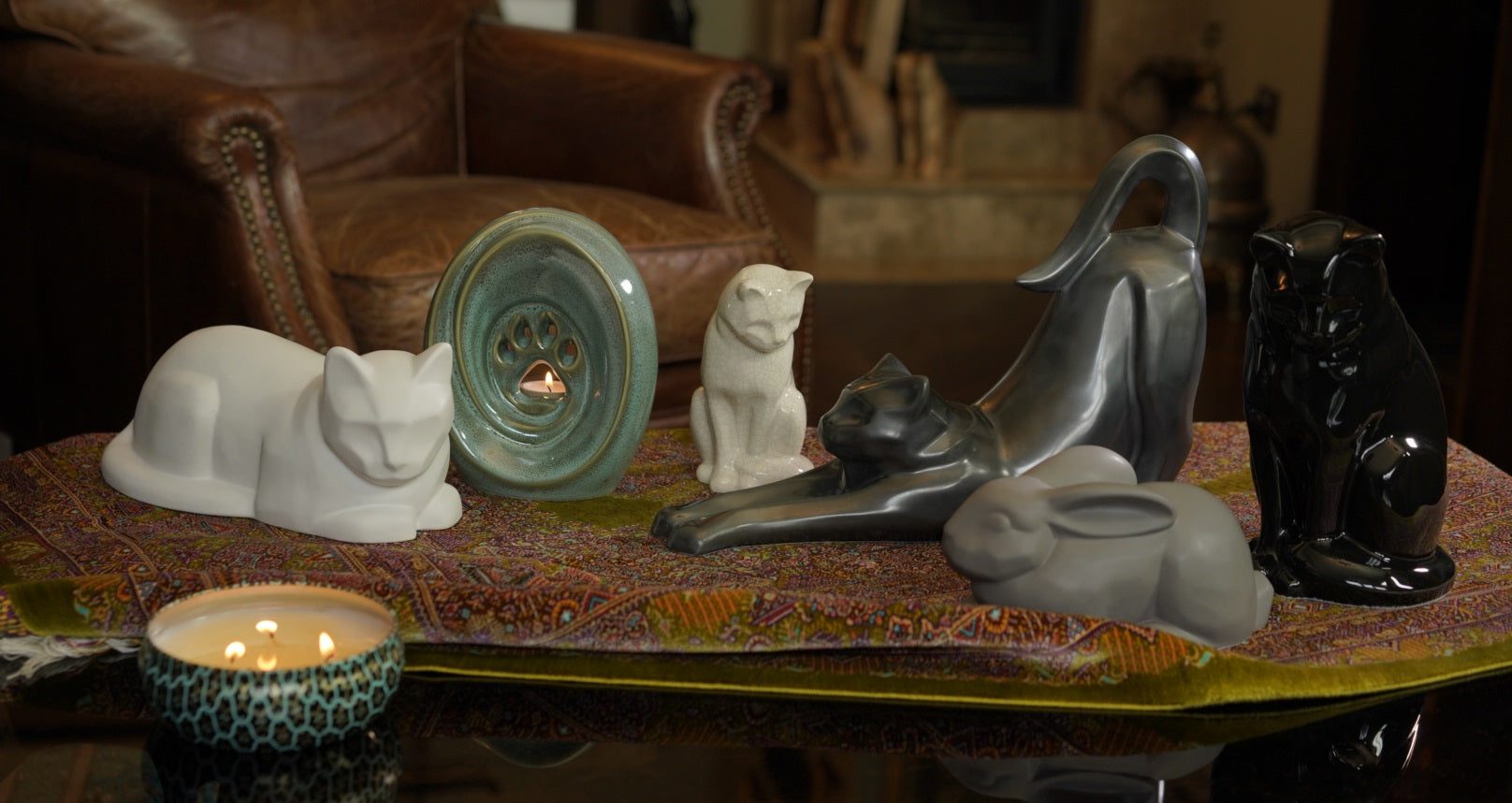
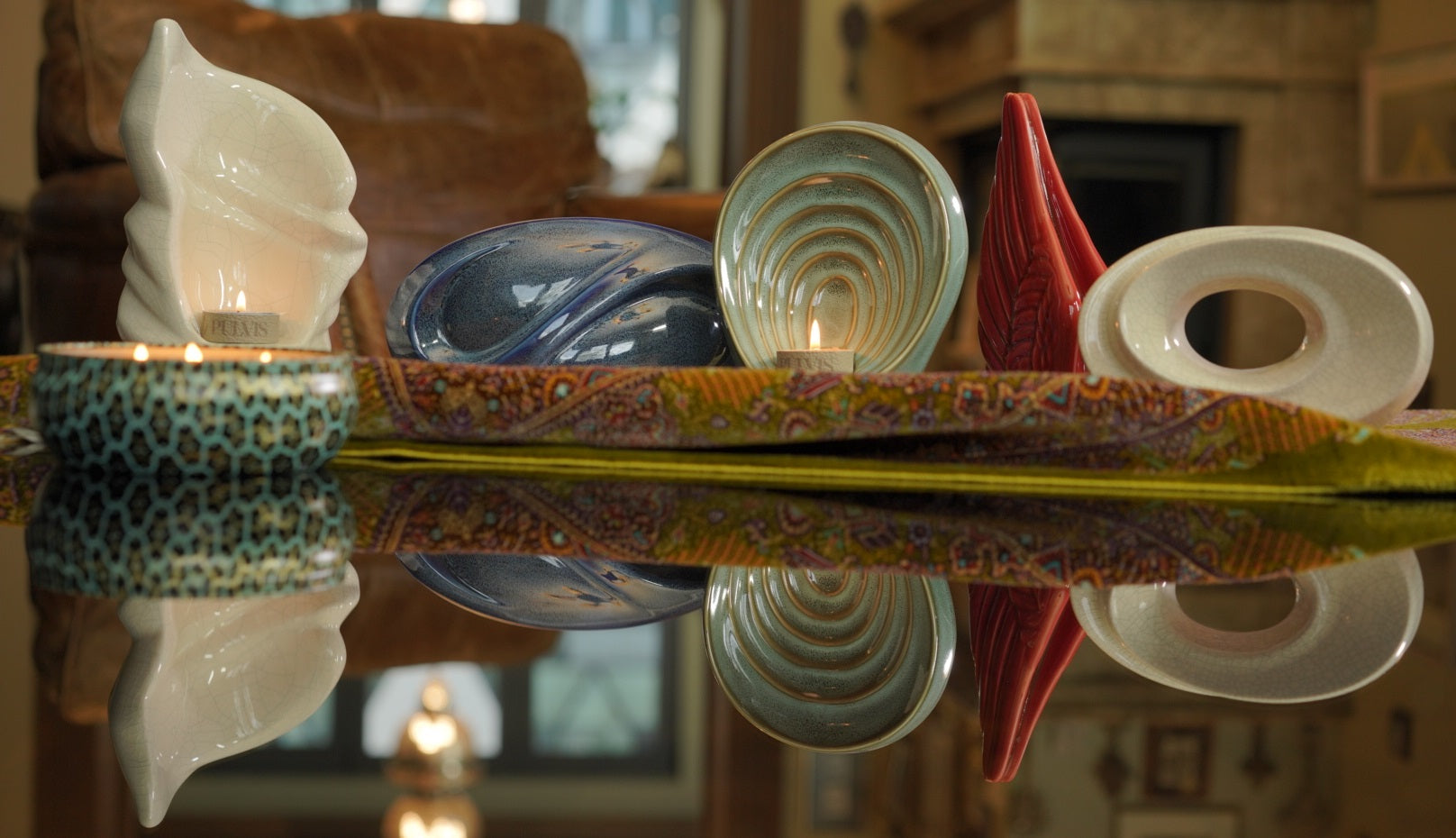
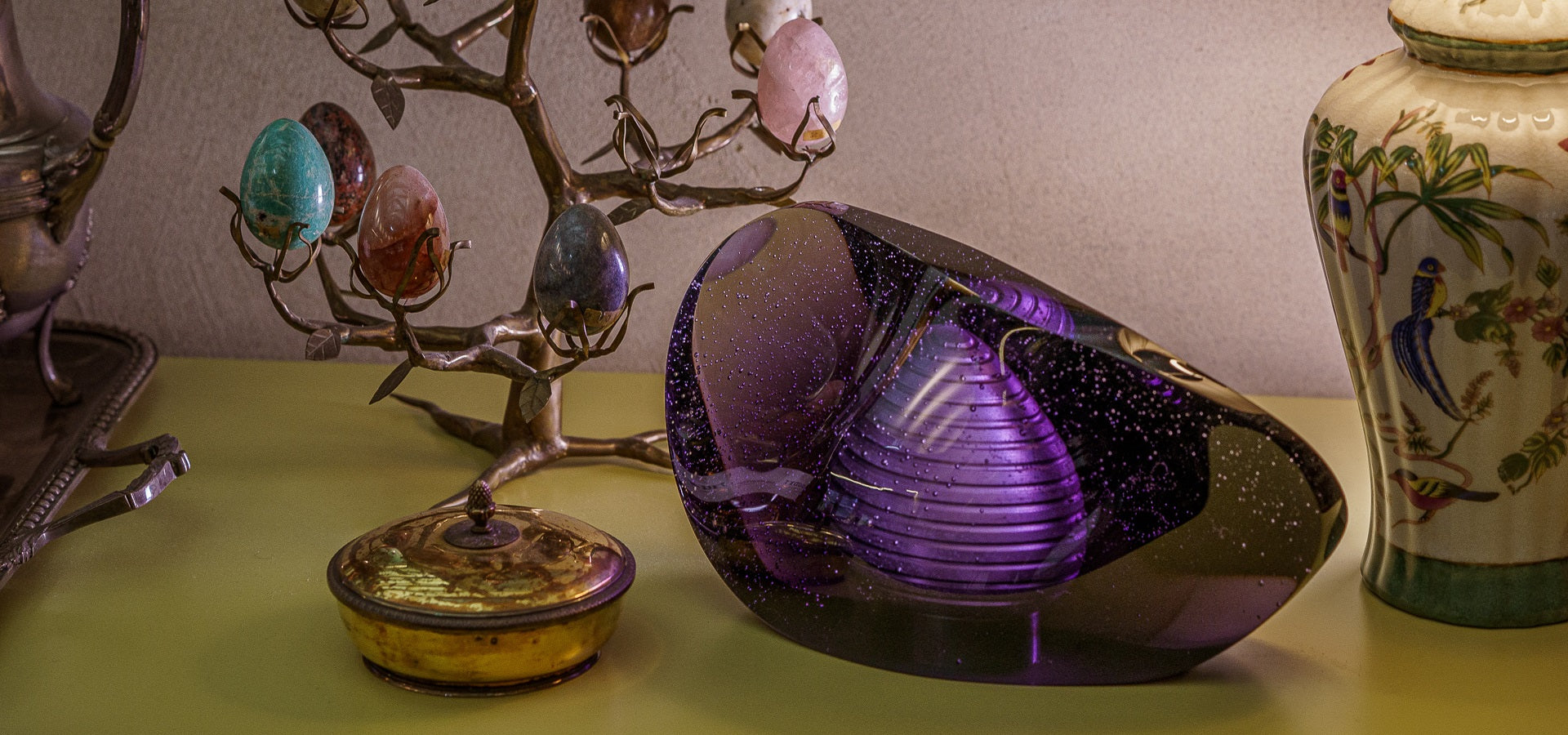
One way to help with grief and practice self-care is to reflect on your unique relationship with your late loved one and create a customized memorial that expresses their personality. Selecting cremation urns for ashes that are personalized with artistic designs can provide the creative outlet needed to help with grief. Artisan urns and handcrafted urns are a great option for finding a unique, one-of-a-kind keepsake for ashes which you can then turn into a special memorial for your home.

While grief can trigger introspection, it’s good to stay connected with other people. Social interaction is vital in the healing process, and it can be uplifting to know that you’re not the only one who has experienced this type of loss and trauma. Whether you discuss your grief or simply want to chat about other things – staying in touch with friends, family and neighbors can be essential to self-care.
It’s common for others to offer help during difficult times, but they may not know how to help appropriately. Let your support system know what you need – and what you don’t need! For example, if someone offers to bring groceries but you aren’t feeling up for a long visit, let them know that you only have 10 or 15 minutes to chat when they come by. Setting boundaries – and accepting help – can both strengthen your resolve and your relationships.

The grieving process may take longer for some, and that’s okay! Whether you’re in the process of picking out cremation urns for ashes, arranging a funeral, or learning to tackle the day-to-day without your loved one, be sure to practice self-care throughout in order to maintain your physical and mental wellbeing.
------------------
Our Affiliate Program is now available. at https://www.pulvisurns.com/pages/affiliate-program-by-pulvis-art-urns
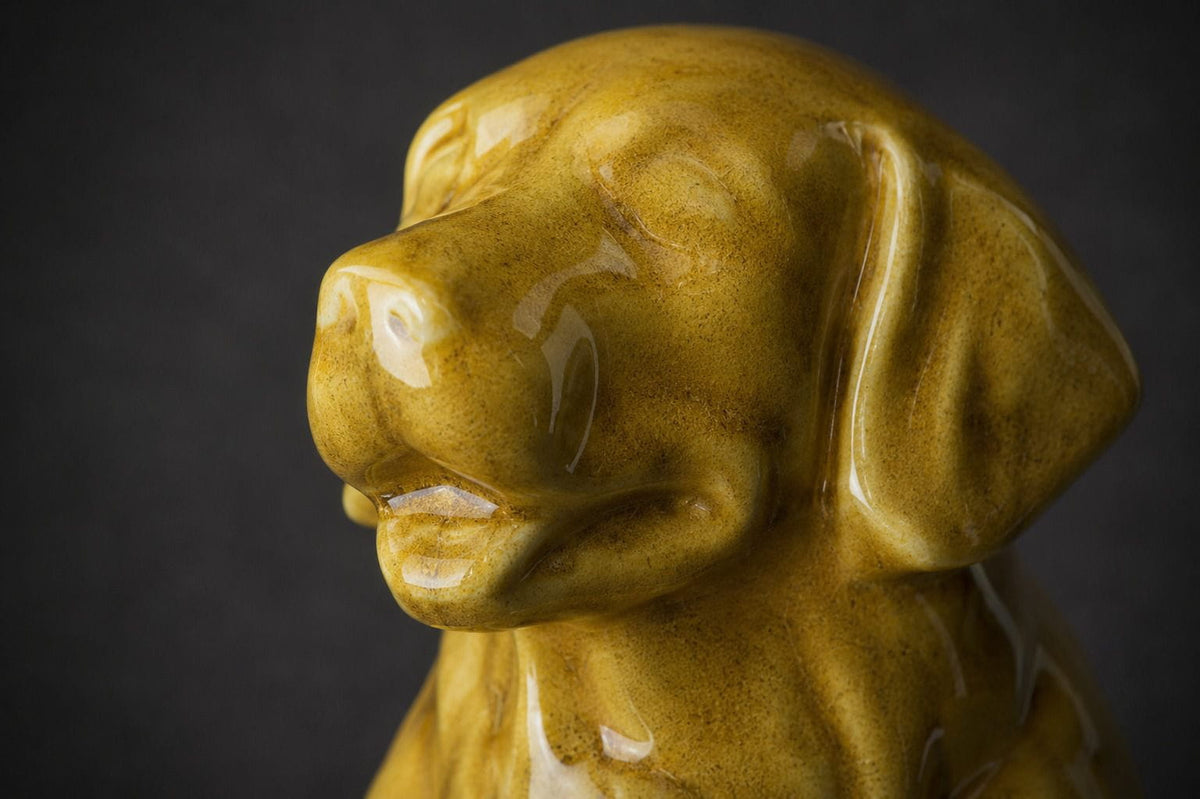
Can a pet urn be more than a vessel for ashes? Explore how craftsmanship, materials and sculptural design can transform a memorial urn into a meaningful work of art that keeps the memory of a beloved companion present.
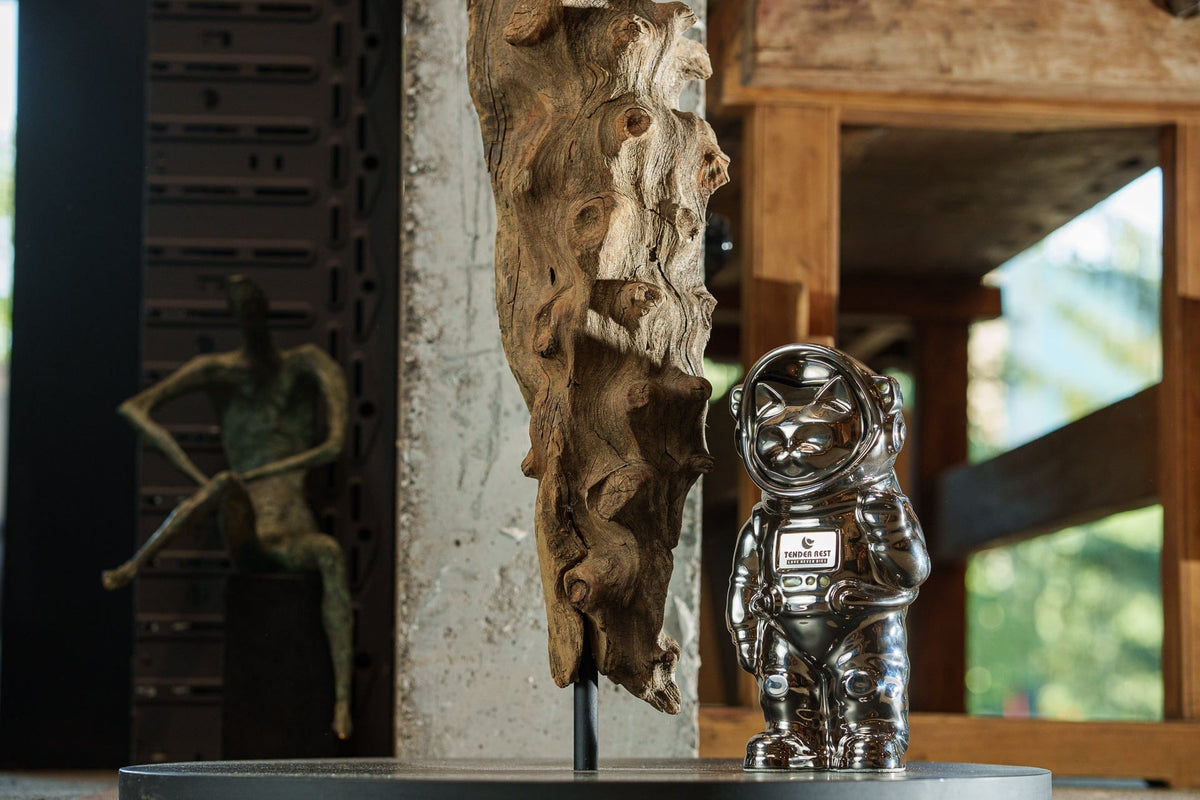
The Pet Funeral Is Changing: What Modern Goodbyes Look Like
Pet funerals are changing as animals become an increasingly important part of our families. Discover how cremation, memorial ceremonies, personalized urns and new rituals are creating more personal ways to say goodbye to a beloved companion.
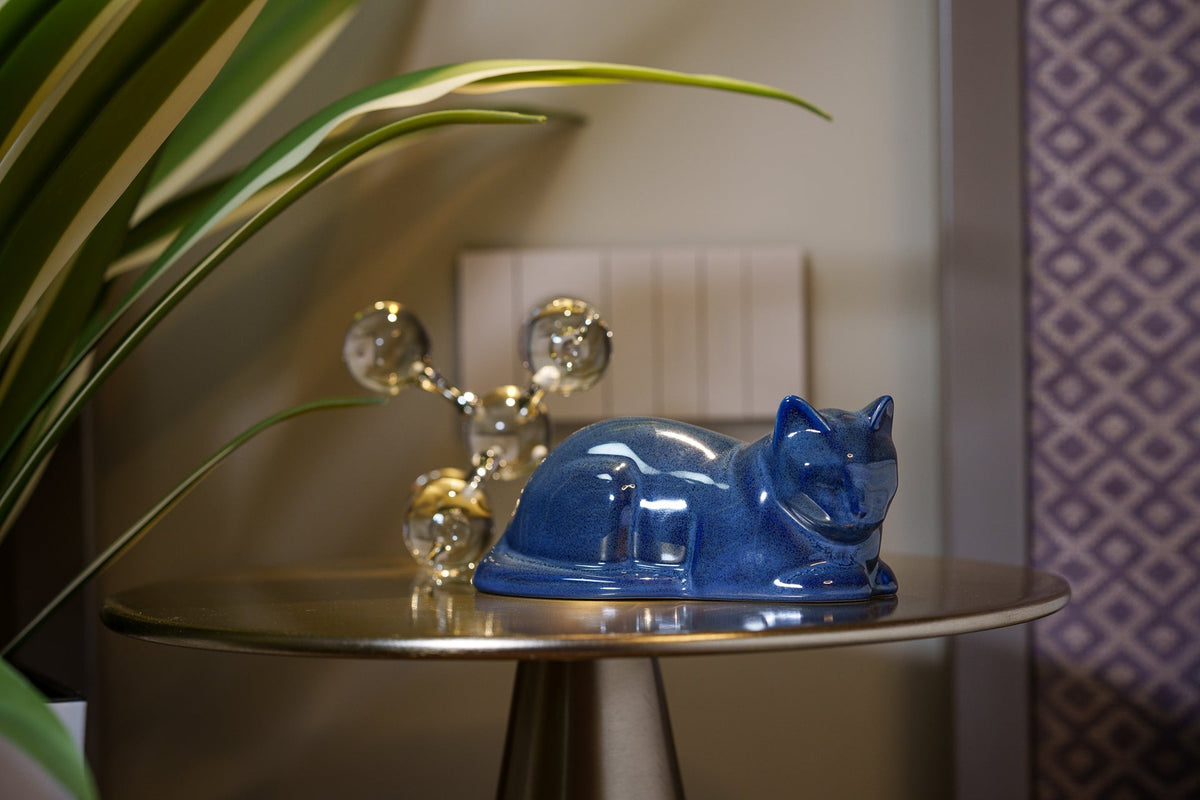
Can the Design of a Pet Urn Change the Way We Grieve?
Can the design of a pet urn influence the way we experience grief? Explore how meaningful materials, forms and memorial design can help transform loss into a lasting connection with a beloved companion.

What Are the Most Unique Urns Available Today?
Discover the most unique cremation urns available today, from handcrafted ceramic and sculptural designs to glass, nature-inspired, personalized, and keepsake memorials. Learn what makes an urn distinctive and how to choose a meaningful design based on capacity, material, placement, and personal significance.
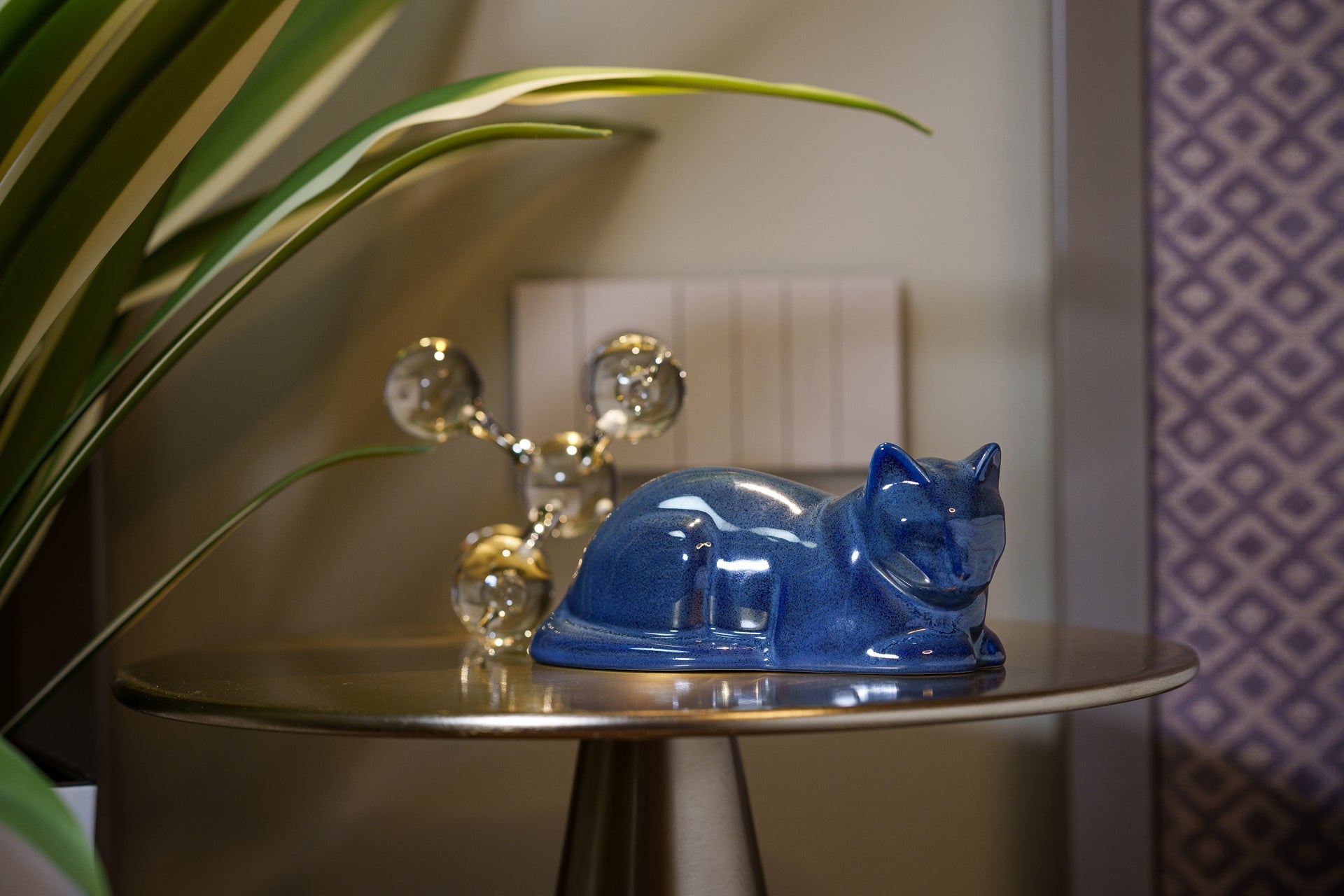
How Do You Choose the Right Pet Urn?
A practical guide to choosing the right pet urn, covering size, capacity, materials, personalization, closure, and meaningful ways to memorialize your beloved companion.


Share:
Talking With Children about Death - 6 Tips That Can Help
How to Write an Obituary