

Here for you: art@pulvisurns.com | (562) 609-4019
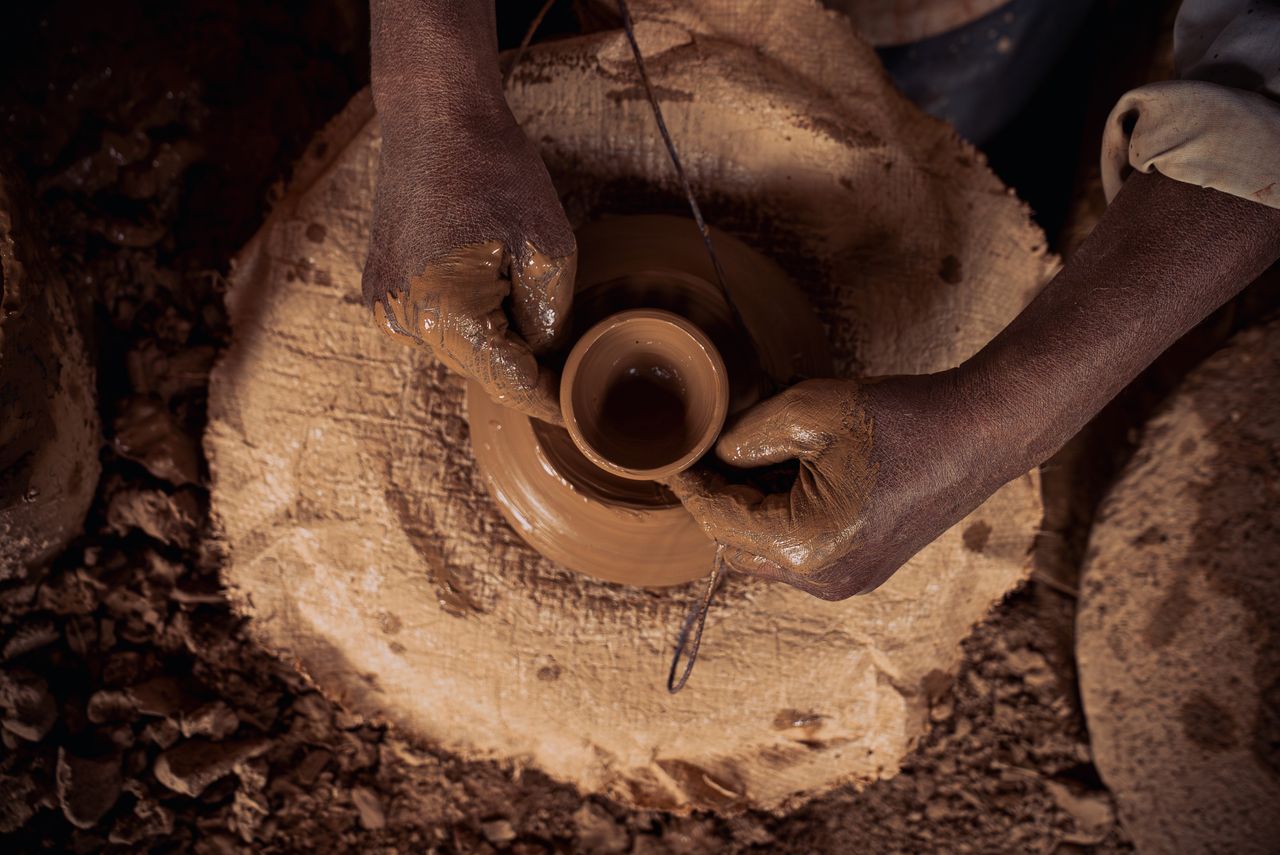
Throughout human history, people have instinctively turned to handmade objects to mark life's most meaningful moments. We exchange handcrafted gifts to celebrate new beginnings, pass treasured heirlooms from one generation to the next, and preserve letters, photographs, jewellery, and keepsakes that remind us of those we love. Long before machines could produce identical objects by the thousands, every item was shaped by human hands, carrying with it not only skill and craftsmanship but also time, patience, and intention. Even today, in a world filled with mass-produced products and digital experiences, handmade objects continue to hold a special place in our lives because they offer something that cannot be manufactured: authenticity.
This emotional connection becomes especially significant after the loss of someone we love. During grief, people often find themselves holding onto objects that might appear ordinary to everyone else. A favourite mug, a handwritten recipe, a knitted blanket, a worn leather wallet or an old ceramic bowl suddenly becomes irreplaceable. Their value is no longer defined by the materials they are made from or by their monetary worth. Instead, they become vessels of memory, carrying stories, routines, and emotions that continue long after physical presence has disappeared.
The same is true of memorial objects. Whether it is a framed photograph, a carefully preserved letter, or a handcrafted memorial urn, these pieces become more than physical possessions. They offer comfort during moments of sorrow, provide a place for reflection, and quietly remind us that love does not simply disappear with death. They allow memory to take physical form, creating something we can return to whenever we need to feel close to the people who shaped our lives.
The remarkable emotional power of handmade objects is not simply sentimental. Psychology, neuroscience, history, and art all suggest that humans naturally connect more deeply with things created by other human beings. Every handcrafted piece reflects decisions, patience, imperfections, and creativity that machines cannot truly replicate. When these qualities become part of an object associated with remembrance, they create something profoundly meaningful.
Understanding why handmade objects carry such emotional weight reveals not only the importance of craftsmanship but also something much deeper about the human experience. It reminds us that remembrance has never been only about preserving the past. It has always been about creating lasting connections that continue into the future.

Our attachment to meaningful objects begins surprisingly early in life. Developmental psychologists have long observed that children often form strong emotional connections with blankets, stuffed animals, or favourite toys. These "transitional objects," a concept introduced by the British paediatrician and psychoanalyst Donald Winnicott, help children feel safe as they gradually learn to navigate the world independently. While the objects themselves are ordinary, they become symbols of comfort, security, and love.
Although adulthood changes many aspects of our lives, this psychological tendency never disappears. Instead, our attachments become connected to relationships and experiences. A wedding ring symbolises commitment. A passport filled with stamps represents adventures shared with loved ones. A cookbook inherited from a grandparent preserves family traditions that extend far beyond the recipes written on its pages.
These objects matter because they are woven into our personal narratives. Every time we use them, we reinforce the memories connected to them. Over years or even decades, they become part of our identity, quietly accompanying birthdays, celebrations, holidays, and ordinary afternoons that later become precious memories.
When someone dies, these familiar objects often become even more significant. They provide continuity during a period when life feels profoundly disrupted. They reassure us that although circumstances have changed, the relationship itself has not disappeared from our hearts. Rather than representing an inability to move forward, they often become healthy expressions of continuing love.
One of the reasons handmade objects feel so different from factory-made products is that they visibly reflect the presence of the person who created them. Every curve, brushstroke, carved detail, or textured surface tells the story of human effort.
Unlike industrial manufacturing, where precision and uniformity are the ultimate goals, craftsmanship embraces subtle variation. No two handmade ceramic vessels are ever exactly alike. Tiny differences in shape, glazing, texture, or colour become evidence that a real person devoted time and attention to creating something unique.
These variations are not imperfections.
They are signs of life.
When we hold a handcrafted object, we unconsciously recognise the countless decisions made throughout its creation. The artisan selected the materials, refined the proportions, adjusted the smallest details, and patiently guided the object through every stage of its development. This awareness changes the way we perceive the finished piece. Rather than viewing it as simply another possession, we see it as the result of care, dedication, and creative expression.
This human presence becomes especially meaningful during grief because it mirrors the qualities we associate with the relationships we cherish most. Love itself is rarely perfect or symmetrical. It is shaped gradually through shared experiences, patience, forgiveness, and countless small moments that accumulate over time. Handmade objects reflect these same qualities, making them particularly comforting companions during periods of remembrance.

Memory is often associated with photographs or stories, but our strongest memories are rarely visual alone. They are deeply connected to the senses.
The scent of fresh bread may instantly remind someone of childhood.
A favourite song can transport us back decades.
The feel of an old sweater may evoke memories of a parent or grandparent with extraordinary clarity.
Touch is especially powerful because it connects directly with emotional processing in the brain. Unlike digital memories stored on a screen, physical objects have texture, weight, temperature, and presence. They invite interaction rather than observation.
This is one reason people naturally reach for physical reminders after a loss. Holding an object that belonged to someone we love provides a quiet sense of continuity. While it cannot replace the person, it creates a tangible link between memory and the present moment.
Handmade ceramics possess a unique tactile quality. Their surfaces reveal subtle textures left by the artist's hands, their weight feels reassuring, and their natural materials invite slow, intentional interaction. In a world increasingly experienced through smooth glass screens and digital interfaces, these sensory qualities become even more meaningful.
Long before written history, humans were creating objects to honour those who had died. Archaeological discoveries from ancient civilisations reveal beautifully crafted burial vessels, carved stone monuments, ceremonial pottery, and carefully decorated memorial objects dating back thousands of years.
The Egyptians filled elaborately crafted vessels with symbolic offerings intended to accompany the deceased into the afterlife. Ancient Greek artisans transformed funeral urns into remarkable works of ceramic art, often decorated with intricate scenes celebrating life, family, and mythology. Roman memorial traditions continued this emphasis on craftsmanship, while cultures throughout Asia developed elegant ceramic forms inspired by harmony, balance, and nature.
Although these traditions differed greatly, they shared one remarkable belief: remembrance deserved beauty.
People could have created simple functional containers.
Instead, they invested extraordinary skill, artistry, and creativity into memorial objects.
This instinct continues today. Whether through sculpture, architecture, ceramics, or personal keepsakes, humans consistently seek beauty when expressing love and remembrance. Far from being unnecessary decoration, artistic craftsmanship reflects the importance of the life being honoured.

Among all artistic materials, few possess the rich history of clay. For thousands of years, clay has served humanity as both a practical resource and a creative medium. It has preserved food, carried water, recorded history, and expressed culture. Yet beyond its practical uses, clay has always held symbolic significance.
It begins as earth—soft, flexible, and constantly changing.
Through water, careful shaping, fire, and time, it transforms into something remarkably strong and enduring.
This transformation has inspired cultures throughout history because it mirrors many aspects of the human experience. Growth often emerges through challenge. Strength develops through patience. Beauty appears through careful craftsmanship.
It is therefore unsurprising that ceramics have played such an important role in memorial traditions across the world. A handcrafted ceramic urn is not simply formed from clay. It carries within it thousands of years of artistic tradition, cultural symbolism, and human creativity.
For many families, this quiet symbolism adds another layer of meaning to remembrance, allowing the memorial itself to reflect the enduring nature of love.
Although grief is often associated with sadness, it is also deeply connected to our appreciation of beauty. Throughout history, people have responded to loss not only with tears but also with art. They have composed music, written poetry, painted portraits, carved sculptures, built magnificent memorials, and created objects intended to preserve memory for generations. This universal response raises an interesting question: why do humans instinctively create beautiful things during moments of profound sorrow?
Part of the answer lies in our psychological need to find meaning. Beauty encourages reflection. It invites us to pause, breathe, and observe more carefully. During grief, when emotions can feel overwhelming and life suddenly seems uncertain, beautiful surroundings often provide a sense of calm that words cannot achieve. Soft natural light, carefully chosen colours, harmonious shapes, and handcrafted materials help create environments where remembrance feels peaceful rather than overwhelming.
This explains why memorial objects have rarely been designed as purely functional items. Across centuries and cultures, people have believed that a life deserves to be honoured with care, dignity, and artistry. The beauty of a memorial does not diminish the sadness of loss. Instead, it reflects the beauty of the relationship that continues to be remembered.
For many families today, this philosophy remains just as important. Rather than hiding reminders of a loved one away, they seek memorials that feel harmonious within their homes and reflect the personality of the individual they are honouring. In doing so, remembrance becomes integrated into everyday life instead of being separated from it.

There is an important difference between an object that serves a practical purpose and one that carries emotional significance. While both may be made from similar materials, their meaning is entirely different.
A handcrafted memorial urn, for example, begins as a carefully shaped ceramic vessel. Yet once it becomes connected to a particular life, it takes on an entirely new role. It becomes a place of remembrance, a symbol of love, and a lasting expression of memory. Families often find that, over time, the urn becomes woven into the rhythm of everyday life. It may stand beside photographs, flowers, candles, or cherished keepsakes. It quietly becomes part of the home, offering a comforting sense of continuity.
Unlike many possessions that gradually lose significance, meaningful memorial objects often become more valuable as the years pass. Their importance grows because they continue to accompany family milestones, quiet moments of reflection, and conversations that keep stories alive. They remind children and grandchildren not only of the person who has died but also of the values, traditions, and relationships that continue to shape the family.
In this way, a memorial object becomes more than something that preserves ashes. It becomes part of a family's history.
As contemporary attitudes toward remembrance continue to evolve, many families are looking beyond traditional memorial products in search of something more personal. Increasingly, they are choosing handcrafted pieces that reflect the individuality of the person they have lost while also complementing the spaces in which they live.
This philosophy lies at the heart of Pulvis Art Urns. Every urn begins not as an anonymous product on an assembly line but as a work of ceramic craftsmanship shaped by skilled artisans. Each curve is refined by hand, every surface carefully finished, and every glaze applied with attention to detail. Because no two handcrafted ceramic pieces are ever completely identical, every urn possesses its own subtle character.
This individuality reflects an important truth: no two lives are exactly alike.
Rather than viewing memorial urns as objects that should be hidden away, Pulvis embraces the idea that they can become meaningful works of art—pieces that honour memory while bringing quiet beauty into the home. Their contemporary designs combine centuries-old ceramic traditions with modern aesthetics, creating memorials that feel timeless rather than temporary.
In this way, craftsmanship becomes part of remembrance itself. The care invested in creating the object mirrors the care families continue to hold for the people they love.

One of the most remarkable qualities of handmade craftsmanship is its ability to outlive the generations that created it. A hand-carved table, a woven tapestry, or a ceramic vase often remains part of a family for decades, carrying stories that grow richer with time.
Memorial objects are no different.
As years pass, children become adults, grandchildren are born, and new chapters of family history unfold. The handcrafted pieces that remain quietly witness these changes. They inspire conversations about grandparents, parents, siblings, partners, and friends whose lives continue to influence future generations through the stories that are shared.
Unlike digital memories that may become buried among thousands of photographs stored on phones and computers, physical objects occupy a visible place in daily life. They invite curiosity. A grandchild may ask about the beautiful ceramic urn displayed beside family photographs. That simple question becomes an opportunity to tell stories that might otherwise have been forgotten.
In this way, handmade memorials preserve much more than memory.
They preserve identity.
They preserve family history.
They preserve love.
Modern technology has transformed the way objects are made. Today, millions of identical products can be manufactured with extraordinary speed and precision. While this efficiency has many advantages, it has also created a growing appreciation for objects that retain a visible connection to human craftsmanship.
People increasingly seek handmade ceramics, furniture, artwork, textiles, and jewellery because these pieces feel authentic. Their slight variations remind us that they were created by real people rather than machines. They possess individuality in much the same way that every human life is unique.
This appreciation becomes especially meaningful when choosing memorial objects. A handcrafted urn reflects values that extend far beyond aesthetics. It speaks of patience, care, creativity, and respect. It reminds us that remembrance deserves more than convenience. It deserves intention.
This is one reason handcrafted memorials continue to resonate so deeply with families around the world. They represent a conscious decision to honour a life with something created thoughtfully rather than produced anonymously.

Psychologists often explain that grief is not about forgetting. Healthy grieving involves learning to carry love in a different way. Rather than ending the relationship, people gradually discover new forms of connection through memory, rituals, traditions, and meaningful objects.
Creating a dedicated place for remembrance can become part of this process. Some families arrange photographs beside fresh flowers. Others display letters, candles, favourite books, or treasured keepsakes. A handcrafted memorial urn often becomes the quiet centre of this space, bringing these individual elements together into a place of reflection that feels both personal and peaceful.
These spaces do not exist to keep people trapped in sorrow. Instead, they remind us that love continues to have a place within everyday life. They encourage moments of gratitude alongside sadness, reflection alongside remembrance, and hope alongside grief.
Over time, the memorial itself changes. What begins as a painful reminder gradually becomes a familiar presence, woven naturally into the life of the family. In this way, remembrance evolves—not because love fades, but because it finds new ways to exist.
In every culture and every period of history, people have created handmade objects to celebrate, honour, and remember the lives that matter most. This enduring tradition reminds us that craftsmanship has never been only about making beautiful things. It has always been about expressing something deeply human.
A handcrafted object carries evidence of time, patience, creativity, and care. It reflects the unique touch of the person who made it and the intention behind its creation. When such an object becomes part of remembrance, it gains another layer of meaning. It becomes a quiet companion to memory, a symbol of enduring love, and a lasting reminder that meaningful relationships continue to shape us long after physical presence has ended.
Handmade memorial urns embody this philosophy in a particularly profound way. They unite ancient ceramic traditions with contemporary craftsmanship, transforming clay into something that preserves not only ashes but also stories, identity, and love. They remind us that remembrance does not need to be hidden away or separated from everyday life. Instead, it can exist peacefully within the spaces we call home, becoming part of the ongoing story of a family.
Perhaps this is why handmade objects continue to resonate so deeply, even in an increasingly digital world. They remind us that behind every meaningful creation stands another human being. They carry traces of imagination, patience, and compassion that machines can never truly reproduce.
In the end, handmade objects carry human emotion because they begin with it. They are shaped by human hands, inspired by human stories, and chosen to accompany life's most meaningful moments. Long after words have faded and time has passed, they continue to speak quietly of the people we love, the memories we cherish, and the enduring beauty of remembrance.

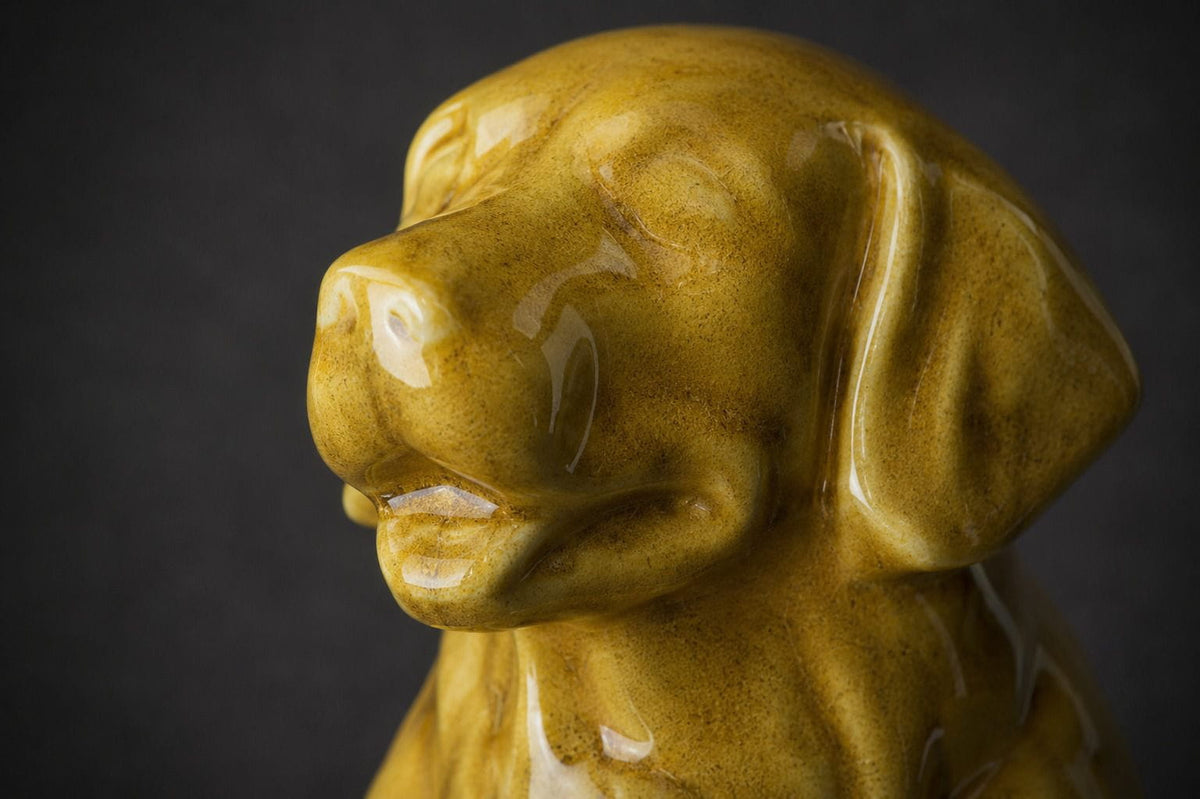
Can a pet urn be more than a vessel for ashes? Explore how craftsmanship, materials and sculptural design can transform a memorial urn into a meaningful work of art that keeps the memory of a beloved companion present.
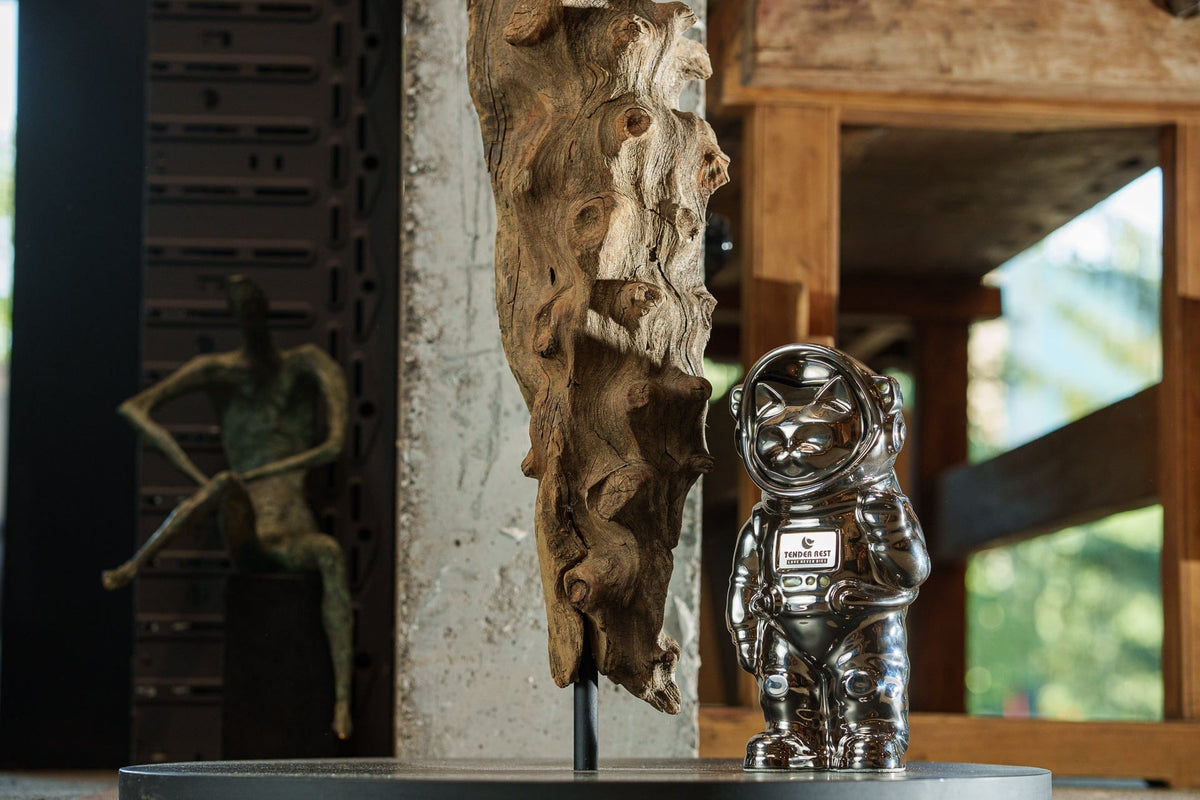
The Pet Funeral Is Changing: What Modern Goodbyes Look Like
Pet funerals are changing as animals become an increasingly important part of our families. Discover how cremation, memorial ceremonies, personalized urns and new rituals are creating more personal ways to say goodbye to a beloved companion.
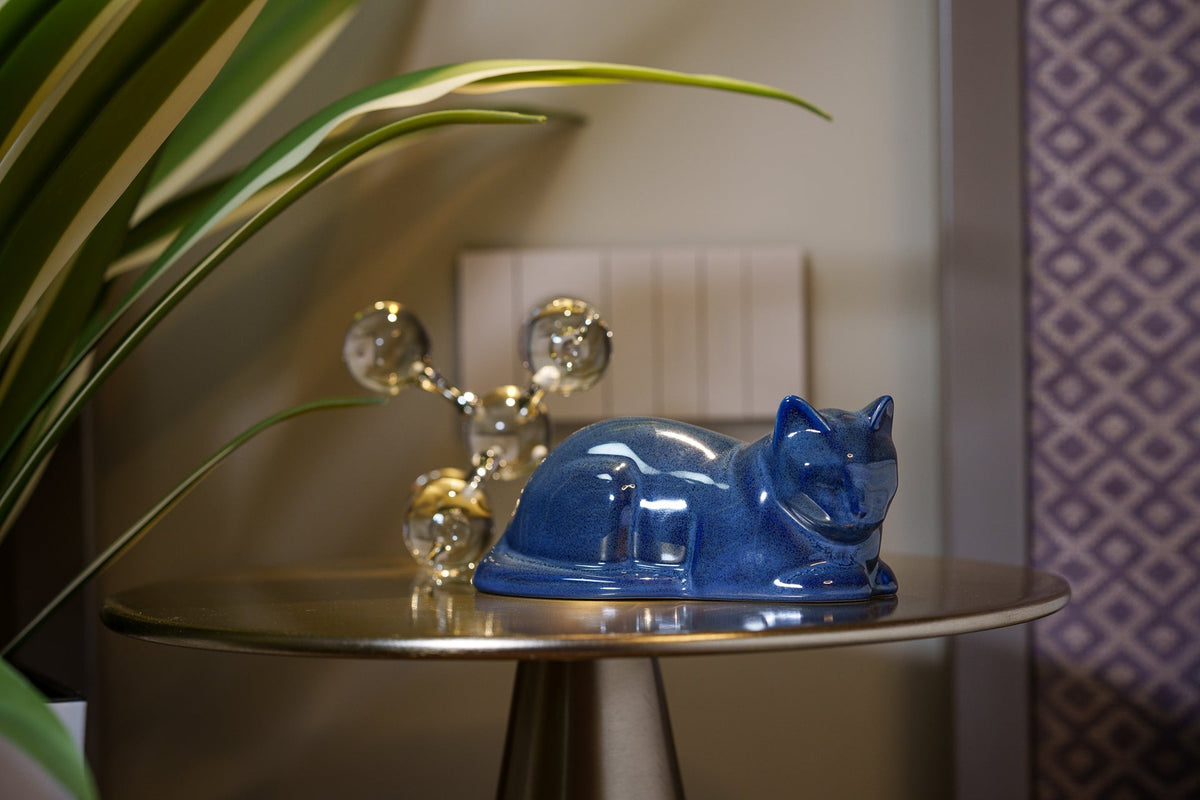
Can the Design of a Pet Urn Change the Way We Grieve?
Can the design of a pet urn influence the way we experience grief? Explore how meaningful materials, forms and memorial design can help transform loss into a lasting connection with a beloved companion.
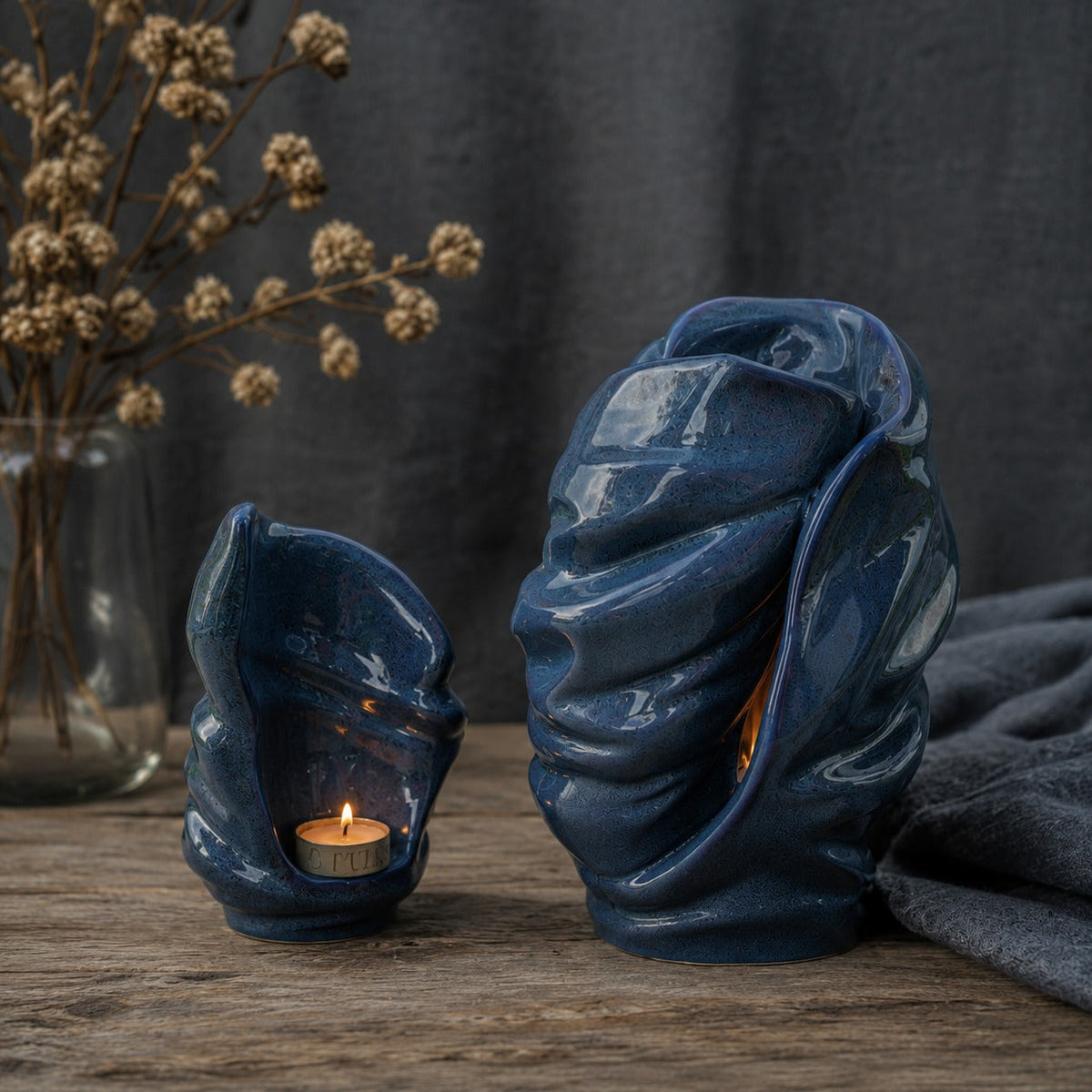
What Are the Most Unique Urns Available Today?
Discover the most unique cremation urns available today, from handcrafted ceramic and sculptural designs to glass, nature-inspired, personalized, and keepsake memorials. Learn what makes an urn distinctive and how to choose a meaningful design based on capacity, material, placement, and personal significance.
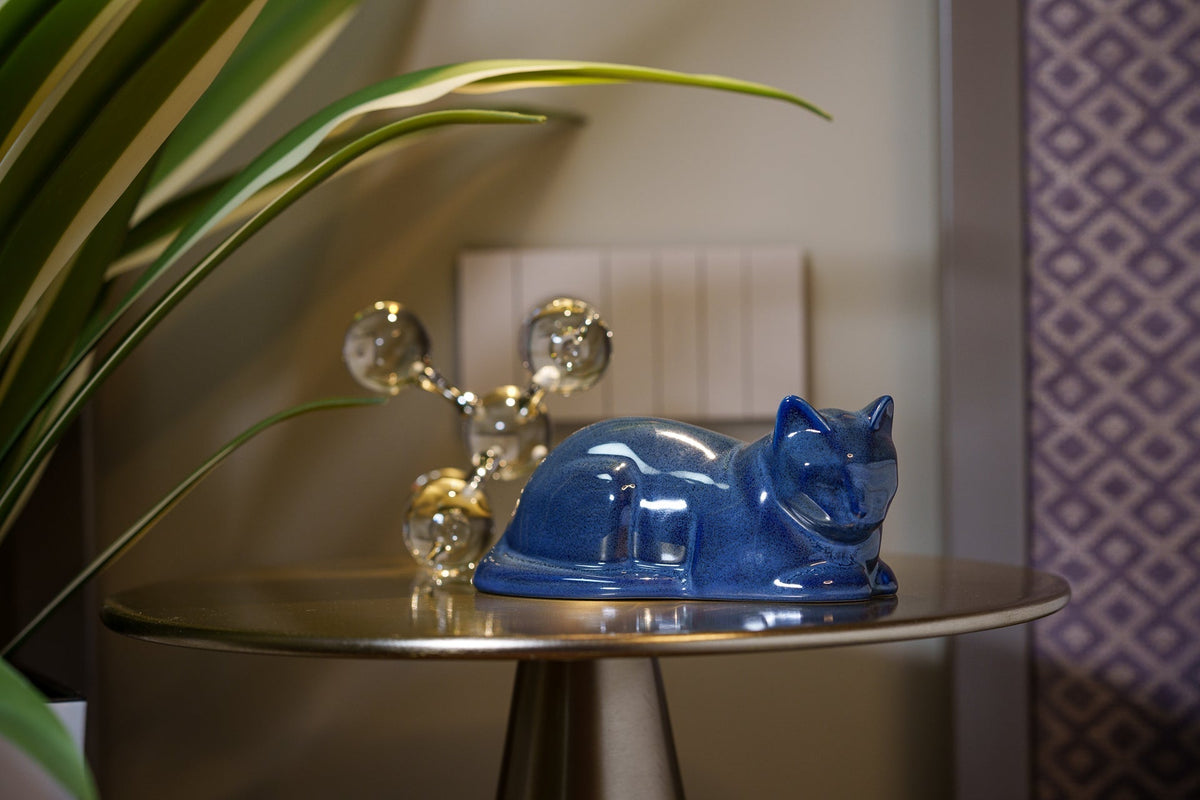
How Do You Choose the Right Pet Urn?
A practical guide to choosing the right pet urn, covering size, capacity, materials, personalization, closure, and meaningful ways to memorialize your beloved companion.


Share:
The Conversation We Avoid: Why Talking About Death Is an Act of Love
The Art of Giving Absence a Shape