

Here for you: art@pulvisurns.com | (562) 609-4019
Death is the one certainty every human being shares, yet it remains one of the subjects we are least willing to discuss. We celebrate beginnings with joy. We gather for birthdays, weddings, graduations, and anniversaries. We eagerly plan for careers, travel, retirement, and the future. But when the conversation turns toward the end of life, silence often takes its place.
Many of us instinctively change the subject. We reassure ourselves that there will be time to talk about it later, when we are older, healthier, or somehow "more prepared." Some avoid the topic because they believe speaking about death invites bad luck. Others fear upsetting the people they love or worry that planning ahead somehow means giving up hope.
In reality, the opposite is often true.
Avoiding the conversation does not make death less certain.
It simply leaves the people we love with more uncertainty when the time eventually comes.
Over the past two decades, psychologists, grief researchers, palliative care specialists, and hospice professionals have encouraged families to rethink how they approach conversations about death. Rather than seeing them as dark or pessimistic, many experts now describe these discussions as profound acts of love.
Talking openly about end-of-life wishes allows families to replace uncertainty with understanding. It reduces emotional burdens, prevents unnecessary conflict, and gives loved ones something incredibly valuable during one of the hardest moments of their lives: confidence that they are honoring someone's final wishes.
Perhaps most importantly, these conversations remind us that preparing for death is not really about dying.
It is about caring for the people who will continue living after we are gone.

If death is inevitable, why is it still so difficult to discuss?
The answer lies deep within human psychology.
Death reminds us that life is temporary. It forces us to confront uncertainty, loss, and the reality that everyone we love—including ourselves—will one day reach the end of life's journey.
To protect ourselves from these uncomfortable emotions, our minds often rely on avoidance.
Avoidance can feel comforting in the short term. By postponing difficult conversations, we momentarily escape anxiety and fear.
Unfortunately, avoidance rarely solves the problem.
Instead, it postpones decisions until families are least emotionally prepared to make them.
Culture also shapes our relationship with death.
In some societies, discussing death is viewed as disrespectful or unlucky. Parents avoid the subject with their children. Adult children avoid it with aging parents. Even close friends may never speak honestly about how they wish to be remembered.
As a result, millions of families spend decades talking about nearly every aspect of life except the one experience every family will eventually share.
When someone dies without ever sharing their wishes, those left behind often carry an unexpected burden.
They are suddenly faced with dozens of difficult decisions.
Would they have preferred burial or cremation?
Did they want a religious service or a celebration of life?
Would they have wanted something intimate or something larger?
Where would they have wanted their ashes to rest?
Who should make these decisions?
During grief, even simple choices can feel overwhelming.
Without guidance, families often find themselves relying on guesswork.
Every decision carries uncertainty.
"I hope this is what they wanted."
"I wonder if they would have chosen something different."
Even when every decision is made with love, uncertainty has a way of lingering.
Sometimes siblings disagree.
Sometimes partners interpret wishes differently.
Sometimes guilt quietly follows people for years—not because they made the wrong choice, but because they never had the opportunity to know the right one.
A conversation that lasts thirty minutes can spare loved ones months—or even years—of doubt.

Many people think planning for death is primarily about practical matters.
Legal documents.
Financial planning.
Funeral arrangements.
Those things are certainly important.
But perhaps the greatest gift planning offers is emotional rather than practical.
When we share our wishes, we remove uncertainty from those we love.
We allow them to spend less time making difficult decisions and more time remembering the life we shared together.
Planning ahead quietly says:
"I know this day will hurt you."
"I want to make it just a little easier."
That simple intention transforms planning from an administrative task into one final expression of care.
It becomes another way of protecting the people we love.
The most meaningful conversations about death rarely stay focused on logistics.
Instead, they become conversations about life.
People begin telling stories.
They remember childhood adventures.
They explain why certain places hold special meaning.
They share values they hope future generations will continue.
Someone may talk about their favorite piece of music.
Another remembers family holidays.
Someone else reveals dreams they never had the chance to fulfill.
Without realizing it, families begin preserving something far more valuable than funeral instructions.
They begin preserving identity.
Every answer helps loved ones understand not simply how someone wished to be remembered, but who they truly were.

The way we approach death is changing.
Families today have more choices than ever before.
Cremation has become increasingly common across many parts of the world.
Memorial ceremonies are becoming more personal.
Traditional customs are evolving alongside modern lifestyles.
At the same time, families are often geographically separated. Children may live in different cities or countries. Loved ones may come from different cultural or religious backgrounds.
All of this means that end-of-life decisions have become more personal—but also more complex.
Without previous conversations, families may struggle to understand what feels most appropriate.
With open communication, those same decisions become opportunities to celebrate an individual's life rather than sources of uncertainty.
Talking about death before it becomes necessary allows families to focus on remembrance instead of decision-making.
There is one emotion people rarely speak about after losing someone.
Relief.
Not relief because someone has died.
Relief because they know they fulfilled that person's wishes.
Grief already carries sadness, disbelief, loneliness, and longing.
Removing uncertainty allows families to devote their emotional energy to healing rather than questioning every choice they made.
Many people later describe this certainty as one of the greatest comforts they experienced.
Knowing removes doubt.
Knowing replaces guilt with confidence.
Knowing allows love to remain at the center of remembrance.
It is interesting how quickly conversations about death stop being about death.
Instead, they become conversations about what truly matters.
People begin asking questions they may never have asked before.
"What are you most proud of?"
"What memory always makes you smile?"
"What lesson do you hope your grandchildren will remember?"
"What kind of legacy would you like to leave?"
These questions rarely produce short answers.
They open doors to stories that might otherwise have remained untold forever.
Families laugh.
Sometimes they cry.
Sometimes they discover entirely new sides of one another.
The conversation becomes less about preparing for an ending and more about celebrating everything that came before it.
In doing so, families often become closer long before loss ever arrives.
As cremation continues to become an increasingly common choice, more families are discovering the importance of discussing it openly.
For some, cremation reflects environmental values.
For others, it offers greater flexibility when creating a personal memorial.
Many appreciate the possibility of keeping a loved one close within the home, creating a peaceful remembrance space, or choosing a location that held deep personal meaning throughout life.
Having these conversations before they become necessary removes uncertainty during an emotionally overwhelming time.
Instead of wondering what their loved one might have wanted, families can focus on honoring clearly expressed wishes.
Choosing a memorial urn is often part of this discussion as well.
Today, an urn is increasingly viewed not simply as a practical vessel but as a lasting tribute to an individual life. Thoughtfully designed memorials can reflect personality, values, and the unique story of the person they honor.
At Pulvis Art Urns, this philosophy guides every handcrafted creation. Each urn is designed not only to preserve ashes but to celebrate individuality through contemporary design, exceptional craftsmanship, and timeless artistry. Rather than representing loss alone, these memorials become enduring expressions of love, remembrance, and the life that continues to inspire those left behind.

One of the greatest benefits of talking openly about death has very little to do with funeral arrangements or legal planning.
It has everything to do with feeling heard.
Every person wants to know that their life has mattered. We want the people we love to understand what was important to us, what brought us joy, what we believed in, and what we hope will remain after we are gone.
Conversations about the end of life create a rare opportunity to express these thoughts openly.
Parents share lessons they hope their children will carry into adulthood.
Grandparents tell stories that may never have been spoken before.
Partners express gratitude for years spent together.
Friends remember adventures that shaped their lives.
These conversations often become some of the most honest discussions a family will ever have.
They invite vulnerability.
They encourage gratitude.
They strengthen relationships while everyone still has the opportunity to enjoy them.
Ironically, talking about death often helps people appreciate life more deeply.
Instead of focusing on endings, families begin reflecting on everything they have shared together and everything that still matters today.
When people think about legacy, they often think about houses, savings, heirlooms, or valuable possessions.
But these are only a small part of what we leave behind.
Our greatest inheritance is often invisible.
It is our kindness.
Our sense of humor.
Our traditions.
The recipes we cooked every Sunday.
The advice we gave during difficult moments.
The courage we showed when life became challenging.
The compassion we offered to strangers.
The values we passed from one generation to the next.
Long after physical possessions have been divided, these invisible gifts continue shaping families for decades.
Talking openly about death creates an opportunity to share this emotional inheritance intentionally.
It allows us to say not only what we would like done after we are gone, but also what we hope people will remember about the way we lived.
In many ways, these conversations become opportunities to tell our own story.

Some people wonder why the appearance of a memorial object should matter at all.
If remembrance is about love, why should design play any role?
The answer lies in the way human beings experience their surroundings.
We naturally surround ourselves with objects that reflect our identities.
We decorate our homes.
We display artwork.
We preserve family photographs.
We choose furniture, colors, music, and personal belongings because beauty influences how we feel.
Memorials are no different.
A thoughtfully designed memorial does not exist to impress visitors or follow trends.
It exists to create an environment where remembrance feels peaceful rather than overwhelming.
Beauty cannot erase grief.
But it can soften the spaces where grief is experienced.
A handcrafted memorial object reflects care.
It communicates dignity.
It honors individuality.
Rather than becoming a reminder only of death, it becomes a reminder of a life that deserves to be celebrated.
This philosophy has inspired a growing movement toward artistic memorials that blend craftsmanship, symbolism, and contemporary design.
For many families, choosing an artistic urn is not simply about selecting an object.
It is about choosing how they wish to remember someone they love every single day.

One of the biggest reasons people postpone conversations about death is because they believe there will eventually be a "right" moment.
Unfortunately, that perfect moment rarely arrives.
Life is busy.
Families become occupied with work, children, travel, celebrations, and everyday responsibilities.
Years pass quickly.
Sometimes illness appears unexpectedly.
Sometimes accidents happen without warning.
Waiting for the perfect opportunity often means waiting too long.
The best time to have these conversations is while everyone is healthy enough to participate without urgency.
When there is no immediate crisis, people can speak calmly, ask questions, share stories, and make thoughtful decisions together.
Planning ahead removes pressure.
It replaces rushed choices with meaningful conversations.
Many people know they should have these discussions but simply do not know how to begin.
The good news is that the conversation does not need to happen all at once.
It can begin with a single question.
"Have you ever thought about how you would like to be remembered?"
"What matters most to you when you think about your legacy?"
"If something happened to me, I would want you to know my wishes. Can we talk about yours too?"
These questions are not intended to create fear.
They create understanding.
It is important to approach the conversation with patience rather than urgency.
Listen without judgment.
Allow emotions to surface naturally.
Accept that silence is sometimes part of the process.
Not every answer needs to come immediately.
Like many meaningful conversations, this one may continue over weeks, months, or even years.
What matters most is simply opening the door.
Perhaps the greatest challenge is changing our perspective.
For generations, many societies have treated death as something hidden away.
Something to fear.
Something to avoid discussing until there is no other choice.
But what if we looked at it differently?
What if conversations about death were really conversations about love?
What if planning ahead was not about expecting the worst, but about protecting the people who matter most?
What if discussing memorial wishes became another way of telling our families:
"I care about you."
"I don't want you to carry unnecessary burdens."
"I want you to feel confident that you are honoring my life."
Viewed through this lens, preparing for the end of life becomes one final expression of generosity.
Not because we expect death.
But because we value the people who will carry our memory forward.

Perhaps the greatest misunderstanding about death is believing that planning for it somehow diminishes life.
In reality, it often has the opposite effect.
When we acknowledge that life is finite, we become more intentional about how we live.
We express gratitude more often.
We forgive more easily.
We spend more time with the people who matter.
We begin asking ourselves not simply how long we will live, but how we hope to be remembered.
These reflections remind us that our lives are measured not only by years but by relationships.
By kindness.
By compassion.
By the countless moments we shared with others.
No conversation about death will ever remove the pain of saying goodbye.
Nothing can.
Grief is the price we pay for loving deeply.
But one honest conversation can remove something else.
It can remove uncertainty.
It can remove second-guessing.
It can remove the fear that those left behind may somehow fail to honor the wishes of someone they cherished.
Perhaps that is one of the greatest gifts we can ever leave our families.
Not simply instructions.
Not only practical decisions.
But reassurance.
The reassurance that they will never have to wonder.
They will know.
They will know what mattered to us.
They will know how we hoped our lives would be celebrated.
They will know which traditions we wished to continue.
They will know what brought us peace.
And because they know, they can spend less time making difficult decisions and more time remembering the laughter, kindness, courage, and love that defined our lives.
In many ways, the conversation itself becomes part of our legacy.
It tells our families that even when thinking about our own mortality, our greatest concern was still their well-being.
That we wanted to spare them unnecessary doubt.
That we trusted them with our memories.
That we believed love continues long after a life has ended.
Because that is what remembrance truly is.
Not holding on to the past.
But allowing love to continue finding new expressions in the present.
Whether through stories shared around a family table, traditions passed from one generation to the next, photographs that still make us smile, or a thoughtfully crafted memorial that quietly honors a remarkable life, remembrance keeps relationships alive in meaningful ways.
Death may end a life.
It does not end influence.
It does not erase love.
It does not silence the lessons, values, kindness, or hope we leave behind.
Those things continue living within every person whose life we touched.
Perhaps that is why talking about death is never really about death at all.
It is about making sure that love has a clear path forward.
It is about leaving certainty instead of confusion.
Peace instead of doubt.
Connection instead of silence.
Because every meaningful conversation about death is, at its heart, a conversation about life.
About gratitude.
About family.
About memory.
About legacy.
And above all, about love.
The love that shaped our lives.
The love that remains after we are gone.
And the love that, when shared openly, becomes the greatest legacy we could ever leave behind.


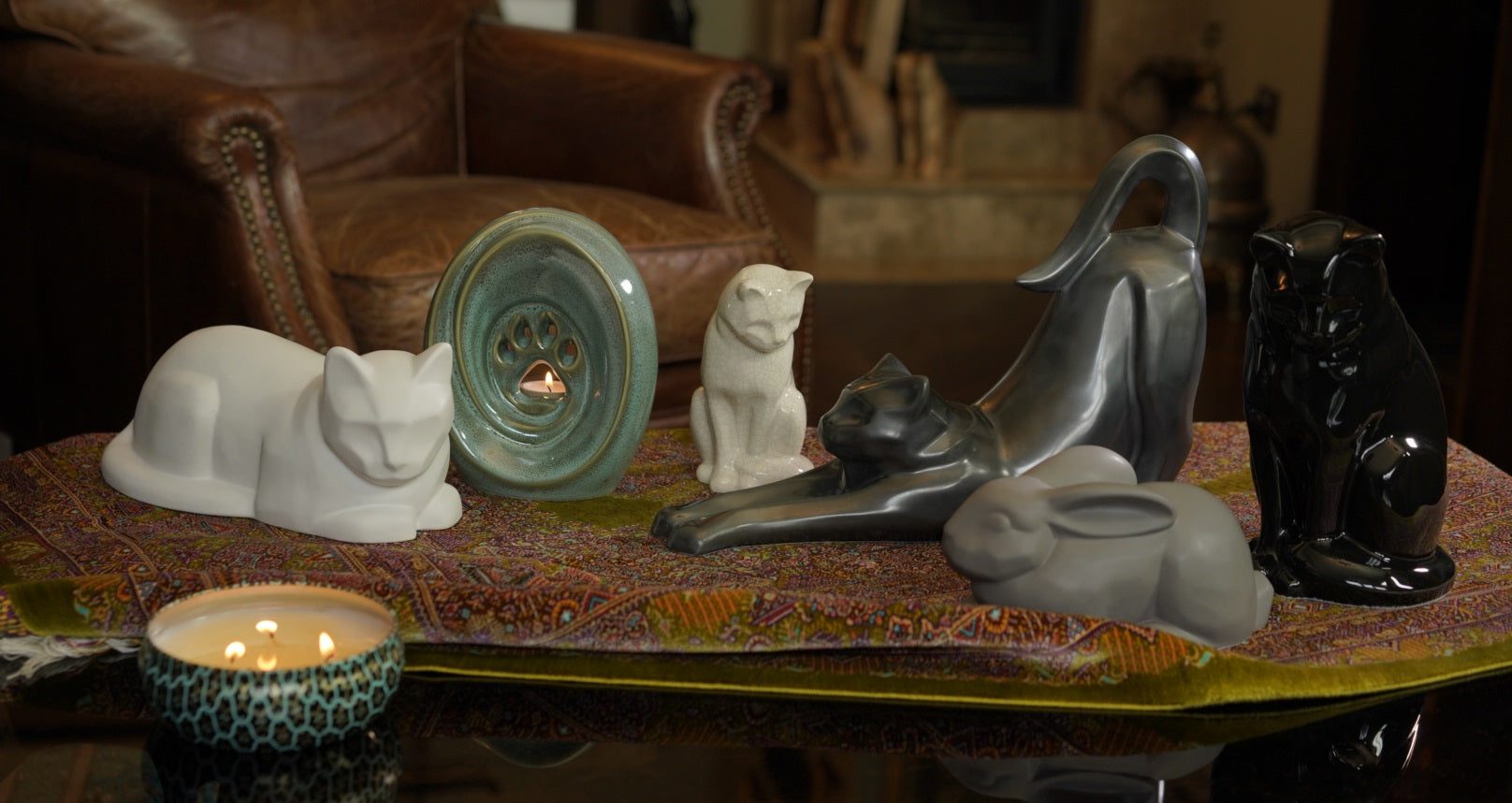
Can the Design of a Pet Urn Change the Way We Grieve?
Can the design of a pet urn influence the way we experience grief? Explore how meaningful materials, forms and memorial design can help transform loss into a lasting connection with a beloved companion.

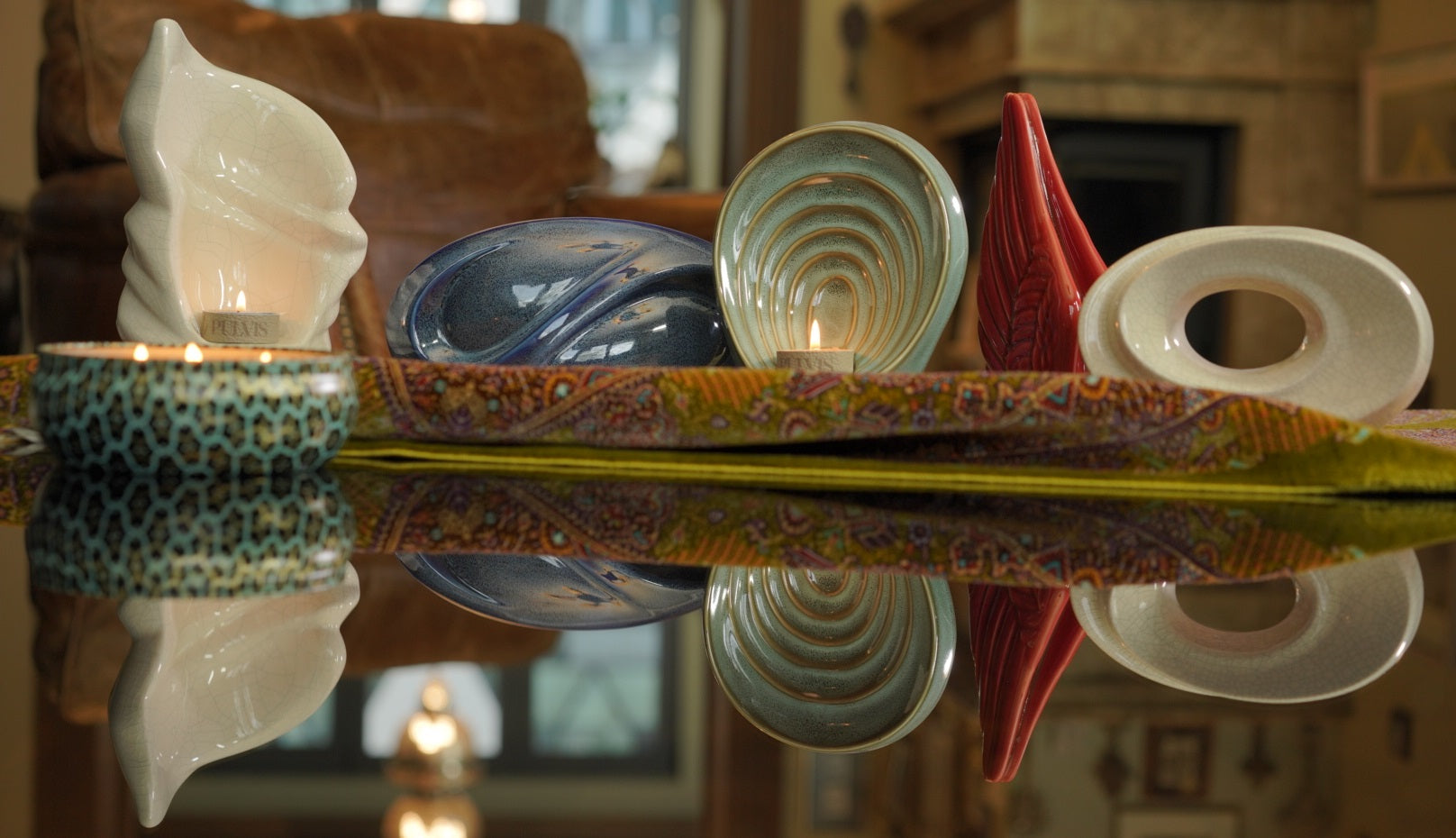
What Are the Most Unique Urns Available Today?
Discover the most unique cremation urns available today, from handcrafted ceramic and sculptural designs to glass, nature-inspired, personalized, and keepsake memorials. Learn what makes an urn distinctive and how to choose a meaningful design based on capacity, material, placement, and personal significance.

How Do You Choose the Right Pet Urn?
A practical guide to choosing the right pet urn, covering size, capacity, materials, personalization, closure, and meaningful ways to memorialize your beloved companion.

Why Pet Grief Doesn’t Always Get Easier. It Gets Different
Pet grief does not always become easier with time. It changes. Discover how loss evolves, why memories take on new meaning, and how memorial objects such as urns can become quiet reminders of a life once shared.
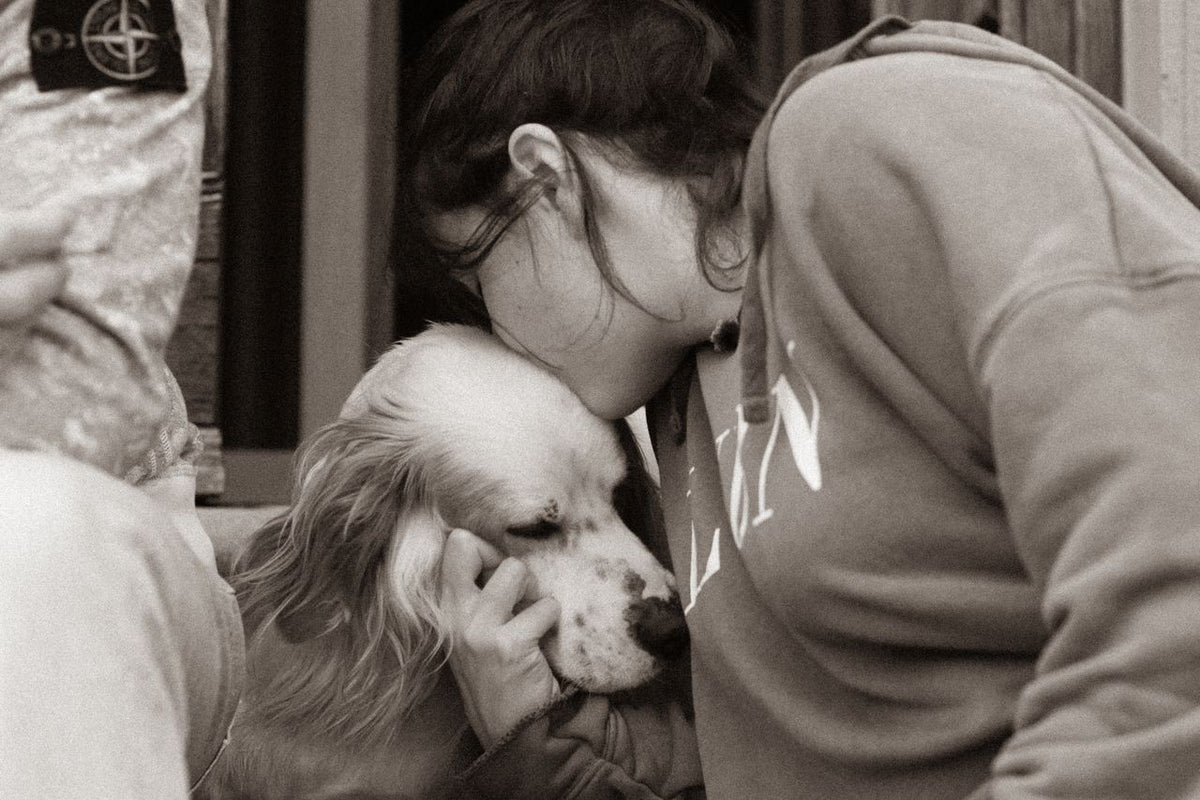
Why Your Pet’s Smell Can Bring Back an Entire Memory
Why can the smell of a pet bring back an entire moment? Discover how scent, emotion and memory are connected, and why the familiar smell of an animal can preserve some of our most intimate memories of life together.


Share:
Can an Object Help Us Grieve? The Psychology Behind Meaningful Memorials
How Handmade Objects Carry Human Emotion: Why Craftsmanship Matters in Times of Remembrance