

Nowadays, cremation is becoming increasingly popular around the world, due to the different remarkable and personal ways that the service provides to the loved ones of those who passed away.
The main reasons for this rise are the lower cost of cremation practices, the perceived environmental impact and the weakening of traditional religion.
There are various memorial options available and dividing ashes can be an option for families that want to celebrate, honor and memorialise their loved ones.

The main idea is that the cremains can be divided into few keepsakes (small urns) that then can be shared among family members. The days when families had to decide which loved one would keep the memorial are gone. Today everyone may have part of the ashes in a keepsake.
So if you wonder whether to purchase a keepsake and divide the ashes or not, you will find this article helpful with some ideas and tips
In most of the countries law is silent about the practice of dividing the ashes between the family relatives and friends.
When there is a dispute in the family regarding what is going to happened with the ashes, usually family members decide this cases in the court due to the unclear jurisdictional regulations. In the USA and most of the European countries do not any regulations when it comes to dividing ashes, however we suggest that you consult with the local authorities prior that.
Check this article if you are in the United States - Cremation Laws in the USA . It provides basic information and contacts, regarding cremation in all the states.

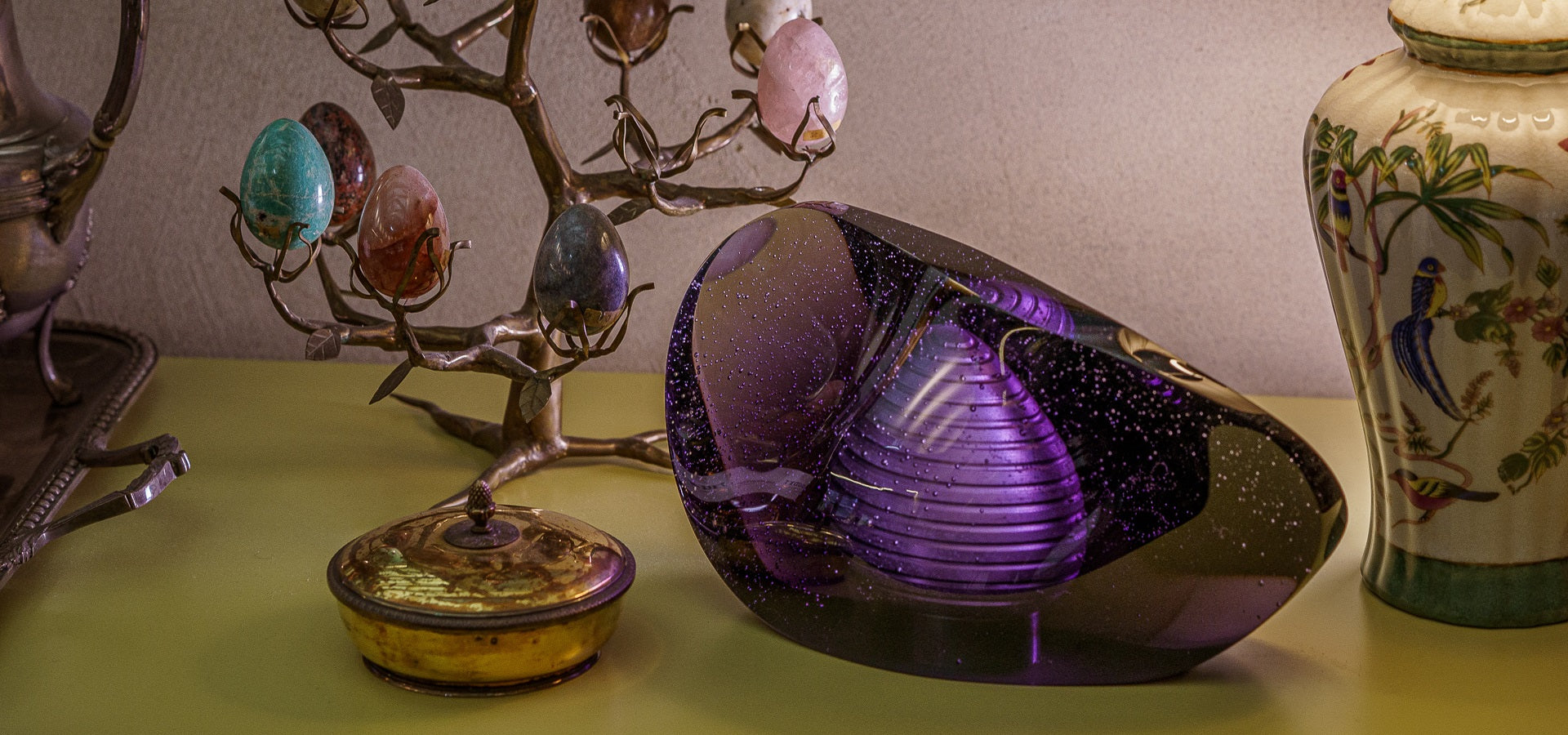
Palm stone urns by Pulvis Art Urns
The position of religion varies when it comes to separating the cremains to those who passed away, due to the different theological approaches. For example, the Muslim and Jewish traditions stands strongly against the cremation practice as being a form of disrespectful action towards the human body. Meanwhile the Hinduism, Buddhism and other Eastern religions encourages cremation and have no further guideline to how the family is going to store the ashes.When it comes to Christianity, the churches community remains deeply silent.
In 2016 the Vatican announced that those that the Catholics who have their bodies cremated should not have their ashes scattered at sea or stored at home. Contemplating this thoughts you should make a further notice that the Christianity stays indifferent to how the ashes are handled and if you need a further advice on this you can seek guidance from the local authorities.
Deciding the fate of your body after passing away is one of the most difficult topics that a person can think of, but is one of the most important considerations in one’s life. Most of the times the family of the loved one is left with no instructions of what the person would want the ashes to be carried or even if the family have the approval to separate the cremains.

If a loved one has expressed a wish to be cremated, then he should certainly be cremated. In such cases, unless the member of the family who passed away has specifically left instructions that his or her remains should not be separated, it is appropriate to assume that dividing them among a couple of keepsake urns meets with his approval.
When it comes to dividing ashes - the wish of the loved one should be a top priority.
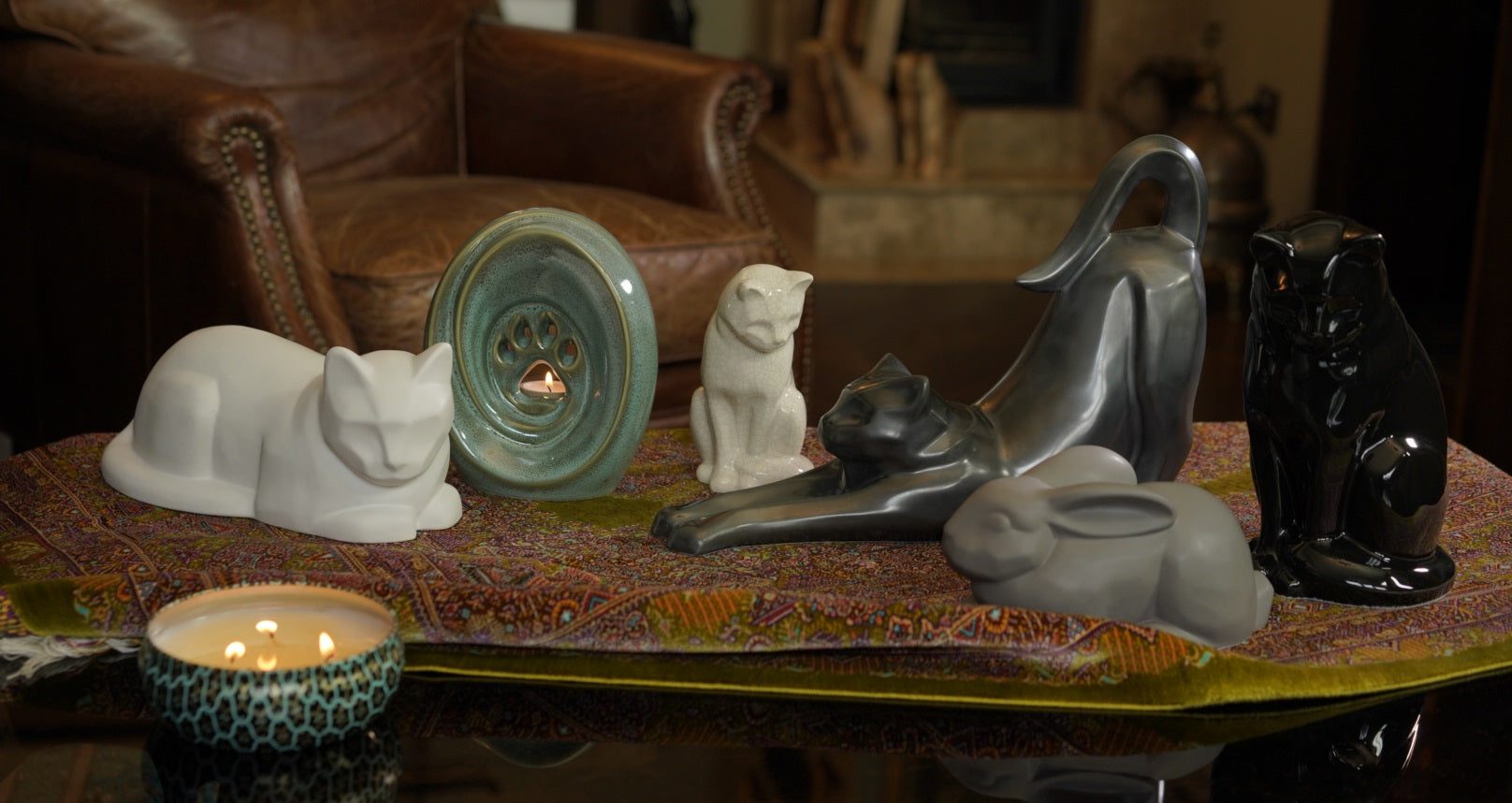
Keepsakes are an excellent choice if someone wants to keep a small portion of the cremated ashes.
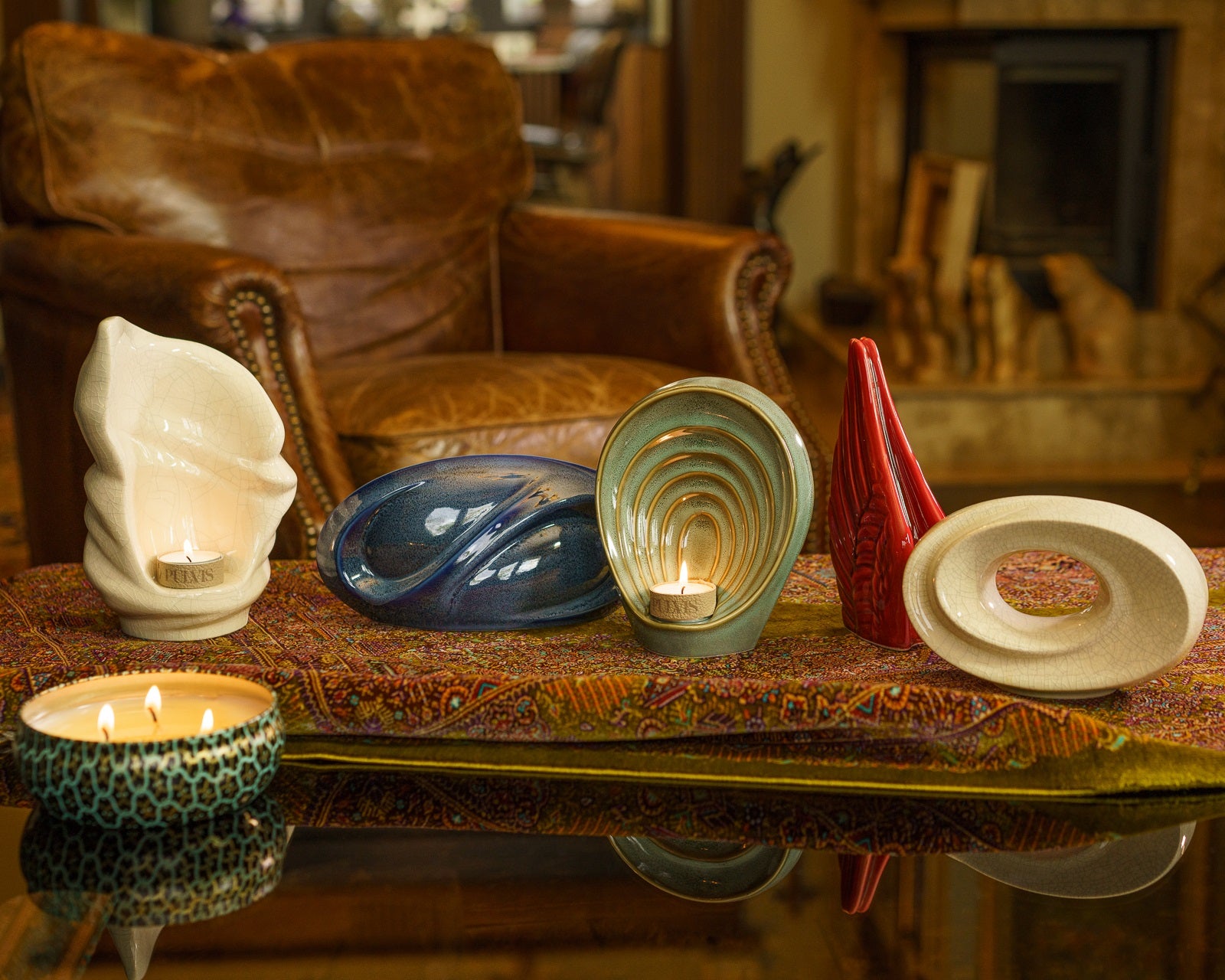
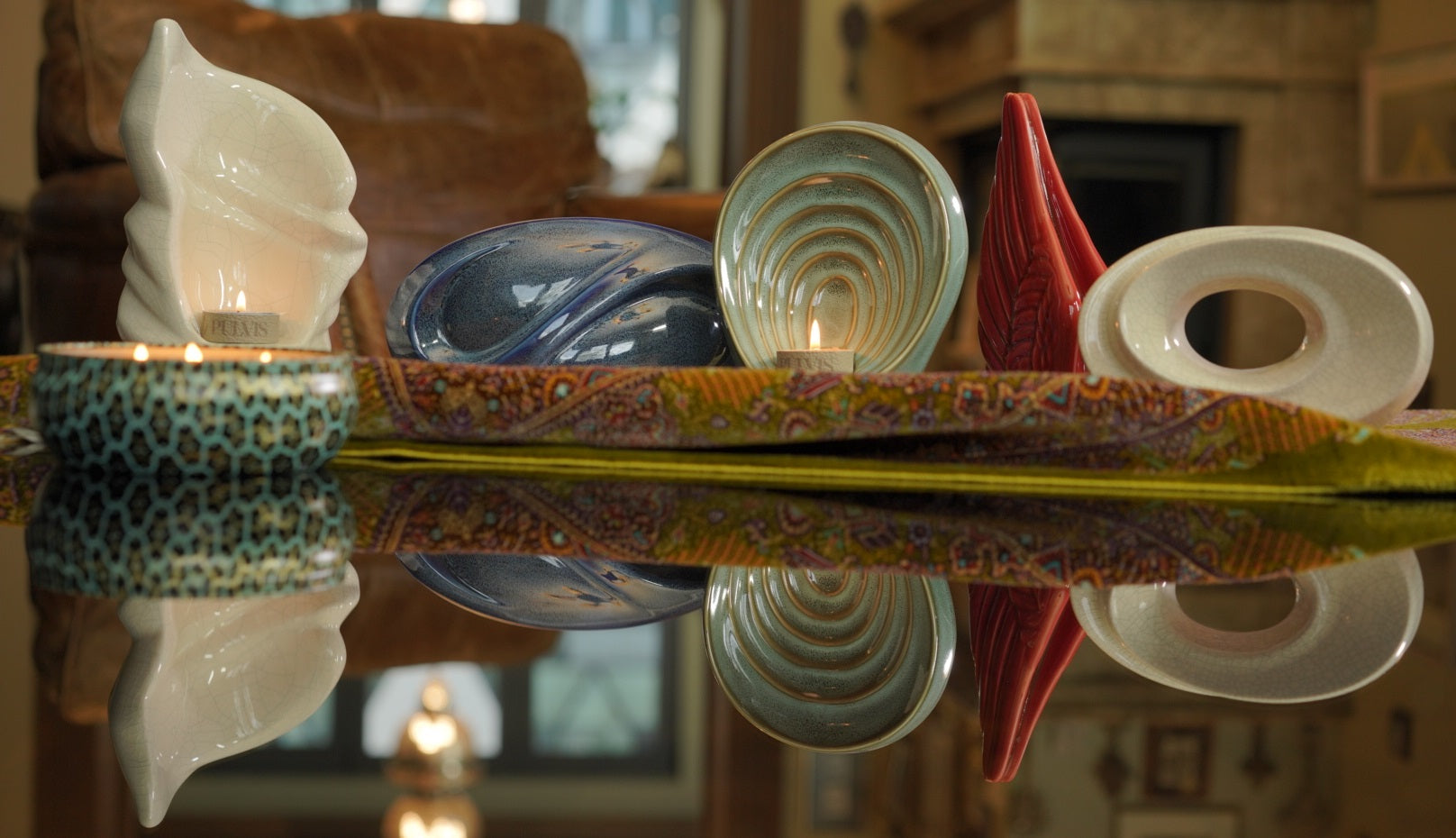
Our company offers a large variety of cremation keepsake urns for ashes, which can be found at this link https://www.pulvisurns.com/collections/keepsake-ceramic-urns-for-ashes
Cremation urns come in variety of sizes, but they are usually grouped into three main categories: adult, keepsake and extra large.

When it comes to keepsake it is clear that only small portion of the ashes will be stored so it is a good idea to buy a large size urn for the most of the ashes or scatter them. Here are some other things to consider:
Respect and sensitivity: Handling ashes should be done with utmost respect and sensitivity. Consider the emotional significance attached to these remains and handle them accordingly.
Disposal or storage: Determine whether the ashes will be scattered, stored, or buried. Each family member might have their preference, so it's crucial to accommodate these wishes respectfully.
Professional guidance: If unsure or uncomfortable with the process, consider seeking advice from a funeral director or crematorium staff. They can provide guidance on the division process and legal aspects.
Communication: Open communication among family members is crucial throughout this process. It helps in understanding each other's feelings, preferences, and ensures a more respectful division.
As a rule of thumb, each pound of body weight equals roughly one cubic inch of ashes after cremation. It is suggested to select an urn a bit larger than the space, expected to use. Usually, created remains weigh 3-7 pounds and require about 180-220 cubic inches capacity. In case you have decided to store the urn in a columbarium, check with the authorities about the size of urns allowed.
This, of course, is a deeply personal decision. Dividing cremains is a well know practice, which provides various options and make it easier for family and friends to each remember and honour the memory of their lost loved one.
Thank you for reading this article. If you are planning to buy one of our handmade products, use the coupon READER10 at checkout to receive 10% off your order.
------------------
Our Affiliate Program is now available. at https://www.pulvisurns.com/pages/affiliate-program-by-pulvis-art-urns

The Eternal Vessel: When an Urn Becomes a Family Heirloom Across Generations
Traditionally, heirlooms were jewelry or watches. Today, high-quality ceramic urns are the new family anchors. Explore the science of preservation, the ethics of passing the memorial torch, and why art urns are the definitive choice for a 2026 legacy.

The Science of Ashes: Do Cremated Remains Expire and Why Do Colors Vary?
Many families wonder about the longevity of cremated remains. Do they have a shelf life? Why do colors vary from white to dark grey? This comprehensive guide dives into the chemistry of calcium phosphate, the impact of modern medicine on ash color, and how to preserve these remains for eternity.
The Geometry of Grief: A Research Guide to Cremation, Art, and the Psychology of Presence
As we move through 2026, cremation has evolved from a simple method of final disposition into a sophisticated foundation for legacy building. But what happens after the process is complete? This master research guide explores the "Geometry of Grief," merging technical engineering data with modern psychological theories on bereavement. From the high-thermal science of the cremation retort to the neuro-aesthetics of tactile memorial art, discover everything you need to know about honoring a loved one’s unique spirit through modern innovation and timeless craftsmanship.
3D-Printed Urns with Parametric Design: The Future of Memorial Art
The world of memorial design is evolving. This in-depth guide explores how 3D-printed parametric urns combine mathematics, nature, and ceramic craftsmanship to create deeply personal and lasting tributes. From ancient traditions to cutting-edge technologies like AI, NFC, and sustainable materials, discover how the Echo Collection by Pulvis Art Urns is redefining remembrance.

The Legal Maze of Final Disposition: Who Has the Right to Ashes After Cremation?
Disputes over cremation ashes can quickly become emotional and complex. This in-depth guide explains who has the legal right to cremated remains, why conflicts arise, and how to prevent them through proper planning. From statutory hierarchy to modern memorial solutions, gain clarity on one of the most sensitive aspects of final arrangements.


Share:
Pulvis Art Urns at TanExpo2018
Keeping Urns and Ashes in a Cemetery. What you should know.