


Here for you: art@pulvisurns.com | (562) 609-4019
Losing a loved one is a universal human experience, yet the path through the aftermath is intensely individual. As we progress through 2026, the global shift toward cremation has reached an unprecedented peak, with over 62% of families now choosing this path. Driven by environmental consciousness, urban land scarcity, and a cultural movement toward personalized, non-traditional rituals, cremation has evolved from a simple disposition method into a sophisticated foundation for legacy building.
This guide serves as a comprehensive technical and emotional roadmap, exploring the intricate mechanics of the cremation process and the profound psychological impact of how we choose to house and interact with remains.
Cremation is a process of rapid thermal reduction. While the concept of using fire to release the spirit is ancient—dating back to the Urnfield Culture of 1300 BC—the technology used in 2026 is a marvel of environmental engineering and dignified care.
The process begins not with heat, but with administrative rigor. Families must provide a signed Cremation Authorization form. In 2026, legal frameworks prioritize consumer transparency, often requiring a 24-to-48-hour waiting period from the time of death to ensure all vital records are filed and no foul play is suspected.
To prevent any possibility of error, modern crematories utilize a Stainless Steel Identification Tag system. This tag is assigned at the moment of intake and remains with the deceased inside the chamber, eventually being placed inside the memorial urn to provide permanent, immutable verification of identity.

The cremation takes place in a "retort," a specialized furnace lined with industrial-grade refractory bricks designed to withstand extreme thermal stress.
Thermal Dynamics: The chamber is heated to between 1,400°F and 1,800°F. In 2026, next-generation crematory equipment features AI-controlled cycles that adjust airflow and fuel in real-time to optimize efficiency and minimize carbon output.
The Process: Under this intense heat, the organic matter is oxidized and transformed into gases and bone fragments. A standard cycle for an adult takes approximately 2 to 3 hours.
Sustainability is no longer optional in 2026. Modern facilities utilize secondary afterburners to neutralize emissions and, in some progressive regions, heat recovery systems. These systems capture the thermal energy from the process to provide heating for the facility or even contribute back to community energy grids, aligning the final act of the deceased with the goal of environmental stewardship.
The definition of "disposition" has expanded beyond fire. The industry now offers solutions that cater to the "Green Burial" movement and the "Digital Legacy" era.
Often called "Flameless Cremation," this process uses a solution of 95% water and 5% alkali to accelerate natural decomposition.
The Result: It produces 30% more remains than flame cremation. These "ashes" are snowy-white and fine, making them exceptionally well-suited for the precise parametric designs of modern ceramic urns.

The Ethics: Water cremation uses 90% less energy and produces no direct greenhouse gas emissions, making it the preferred choice for eco-conscious families.
In 2026, the urn is often the physical key to a digital world. AI Digital Persona technology allows families to authorize social media data and voice recordings to create interactive biographies.
The Integrated Urn: Many exclusive Pulvis Art Urns now feature embedded NFC tags. When a smartphone is tapped against the ceramic, it can trigger a digital memorial space—curated with video, music, and AI-driven narratives—effectively blending the physical sanctuary with digital immortality.
Once the family receives the urn—perhaps a hand-crafted piece from Pulvis Art Urns—the journey shifts from logistics to the "Psychology of Presence."
For decades, psychologists urged "closure." However, 2026 grief therapy focuses on Continuing Bonds Theory. This suggests that healthy grief involves maintaining a relationship with the deceased.
Searching Behavior: Grief triggers a subconscious desire to "find" the missing person. A sculptural memorial provides a physical anchor for this search.

Proximity: Knowing a loved one is "under the same roof" mitigates the sharp edges of loneliness, acting as a surrogate for the physical space they once occupied.
The aesthetic of the vessel is a functional tool for healing. Research into Biophilic Design shows that patterns mimicking nature—ripples, waves, or fractals—can reduce cortisol.
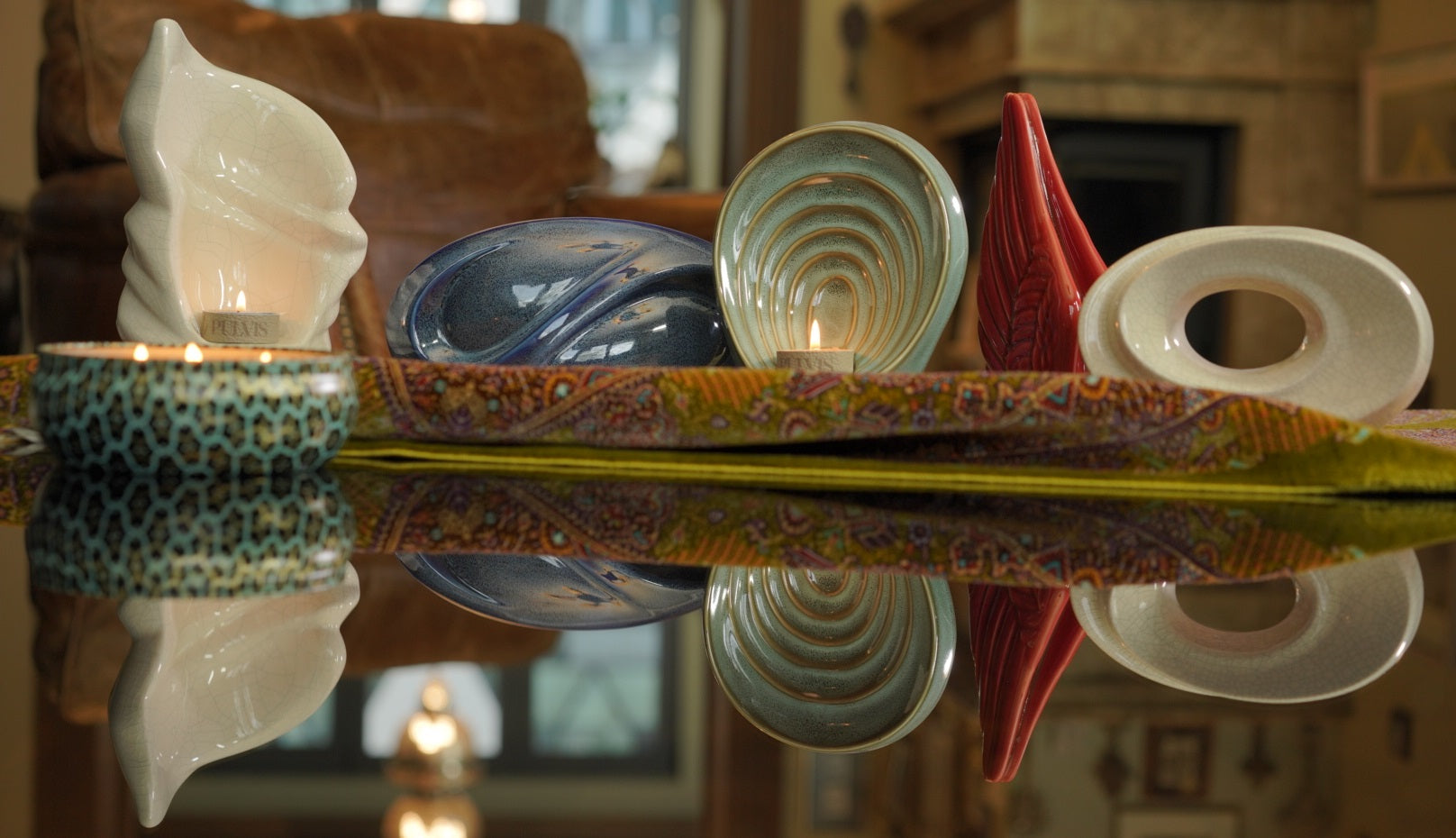
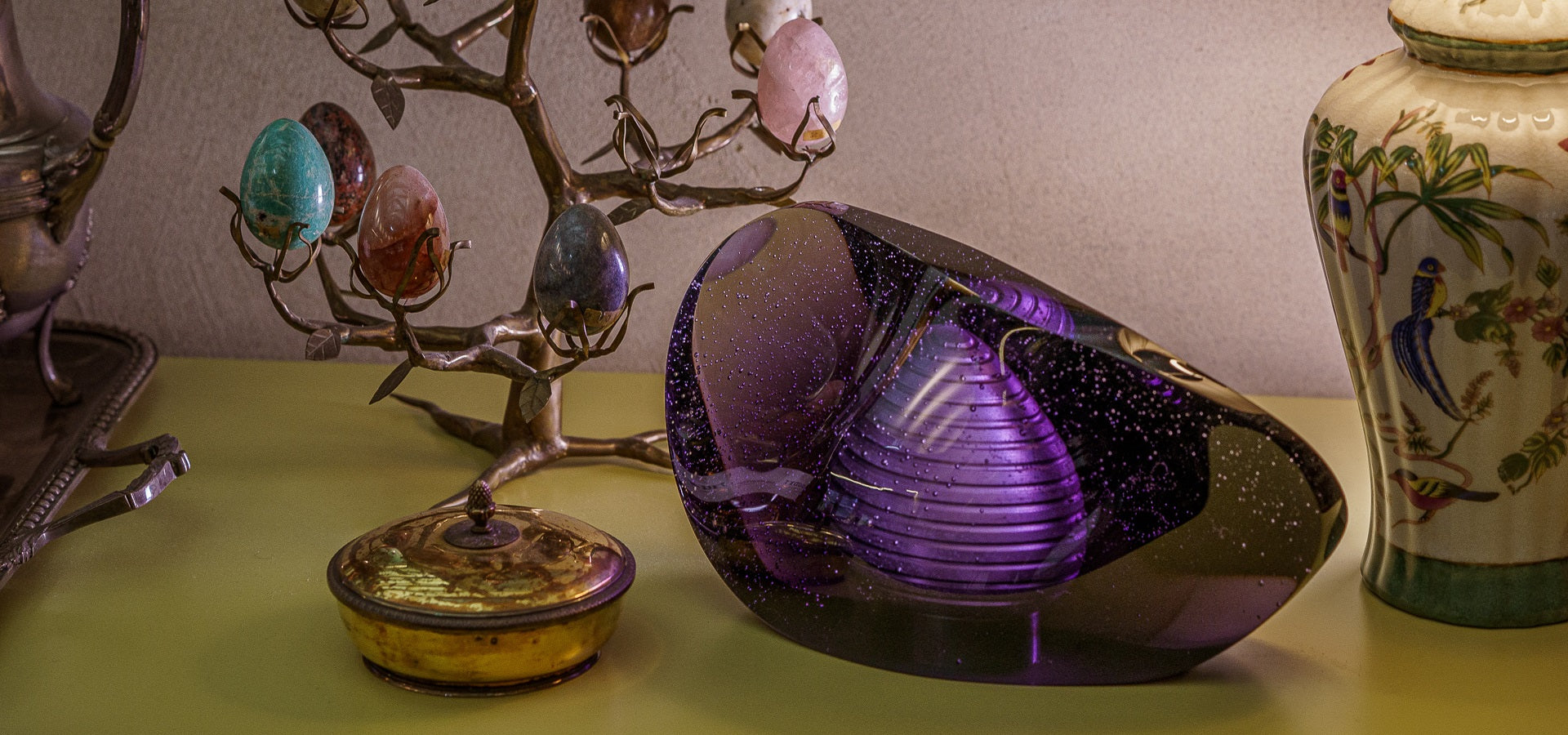
The "Artistic Proxy": A clinical box feels morbid. A Pulvis art urn transforms remains into contemporary sculpture. This "artistic proxy" honors the vibrant personality of the deceased, making the home feel like a gallery of legacy rather than a site of mourning.
Not everyone finds comfort in keeping ashes at home. This reaction is scientifically valid and linked to how our brains perceive domestic boundaries.
The Uncanny Valley: In psychological terms, this is the unease caused by something familiar yet "not alive." Introducing remains into a space of growth (the home) can create a "categorical mismatch."
The "Houseguest" Phenomenon: Some survivors feel "watched" or unable to move forward (e.g., dating again) because the urn is in the room.
The Middle Ground: For these families, keepsake urns offer a solution. Keeping a small, mini-urn provides a subtle nod to the memory without the overwhelming physical weight of a full-sized vessel.

Our attachment style—formed in childhood—dictates how we handle memorialization:
Secure Attachment: These individuals view the urn as a positive symbol of a bond that remains unbroken.
Anxious Attachment: They may become "hyper-vigilant" over the vessel, fearing that any movement signifies a second loss.
Avoidant Attachment: They may find the physical presence of remains too intense and prefer columbarium interment or scattering to create a separate "grief destination."
If you decide to keep an urn at home, the following 2026 "Best Practices" can help balance the energy of the room:
1. Placement Matters: Avoid high-stress areas like the kitchen or laundry room. Choose a "remembrance corner" where the light is soft.
2. Height and Eye Contact: Place the urn at or slightly below eye level. Placing it too high can feel distant; placing it too low can feel disrespectful.
3. Dynamic Lighting: Natural light creates shifting shadows on textured ceramic urns, making the memorial feel responsive to the environment.

4. The One-Year Rule: Funeral directors often suggest keeping remains at home in a dignified art vessel for the first year. This allows you to navigate the "Year of Firsts" before making a permanent decision on scattering or burial.
A common source of stress is the "Legacy Burden"—the worry of what happens to the ashes when the current keeper passes away.
Interment-Ready Design: Choosing a high-fired ceramic urn with a secure, sealable lid is essential.
Durability: Pulvis urns are vitrified at temperatures exceeding 2,000°F, making them indestructible to moisture and rot. This ensures that whether the urn stays on a mantle or is eventually interred in a columbarium, the legacy is safe.
In 2026, funeral homes are rebranding as "Celebration Centers." The dark carpets and heavy drapes are being replaced by light-filled, airy spaces featuring local art.
Hybrid Funerals: Services now combine in-person attendance with online participation. The urn, as the physical centerpiece, is often flanked by digital offering screens where global friends can light virtual candles and leave messages.
Keepsake Sharing: It is now common to divide remains among matching keepsake urns, allowing children or siblings to share the physical presence of a parent across different households.

There is no "right" way to handle the remains of a loved one. If keeping them close in a beautiful, sculptural ceramic vessel brings you warmth, then the home is where they belong. If the presence feels like a weight, then scattering or cemetery interment is a profound act of love.
Grief is a landscape we must all walk in our own shoes. Whether you choose a large masterpiece urn for the living room or a hand-crafted mini-urn, the goal is the same: to find a "Shape of Spirit" that brings you peace. Trust your instinct, listen to your heart, and know that in 2026, you have more options than ever to honor a life with dignity, art, and innovation.
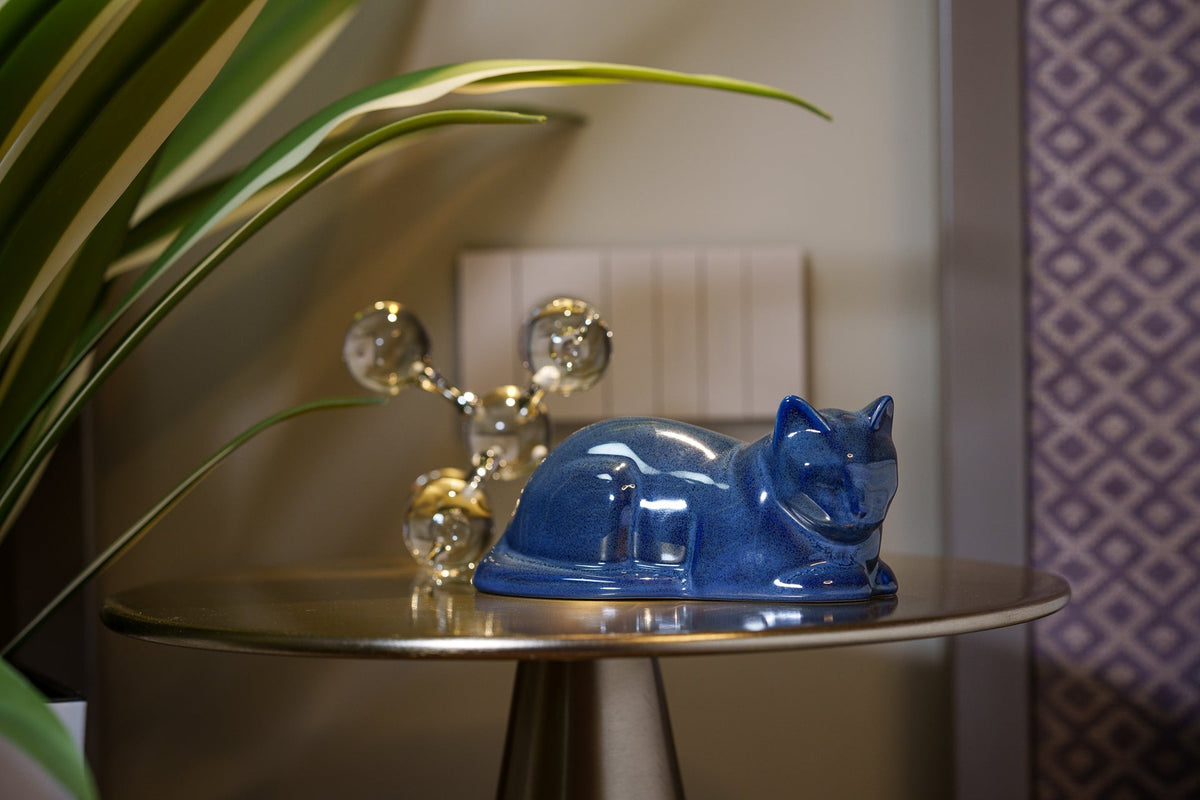
Can the Design of a Pet Urn Change the Way We Grieve?
Can the design of a pet urn influence the way we experience grief? Explore how meaningful materials, forms and memorial design can help transform loss into a lasting connection with a beloved companion.

What Are the Most Unique Urns Available Today?
Discover the most unique cremation urns available today, from handcrafted ceramic and sculptural designs to glass, nature-inspired, personalized, and keepsake memorials. Learn what makes an urn distinctive and how to choose a meaningful design based on capacity, material, placement, and personal significance.
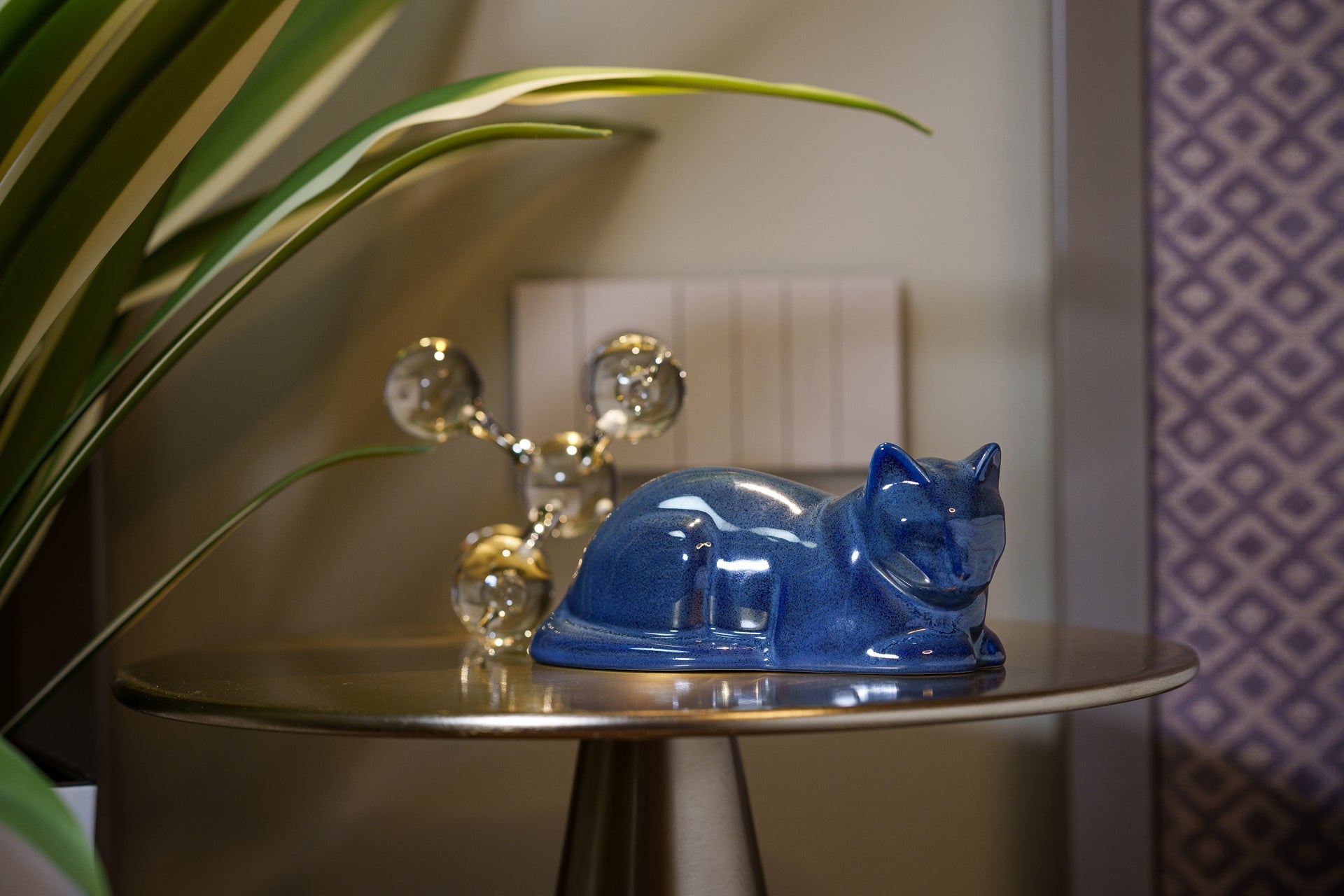
How Do You Choose the Right Pet Urn?
A practical guide to choosing the right pet urn, covering size, capacity, materials, personalization, closure, and meaningful ways to memorialize your beloved companion.
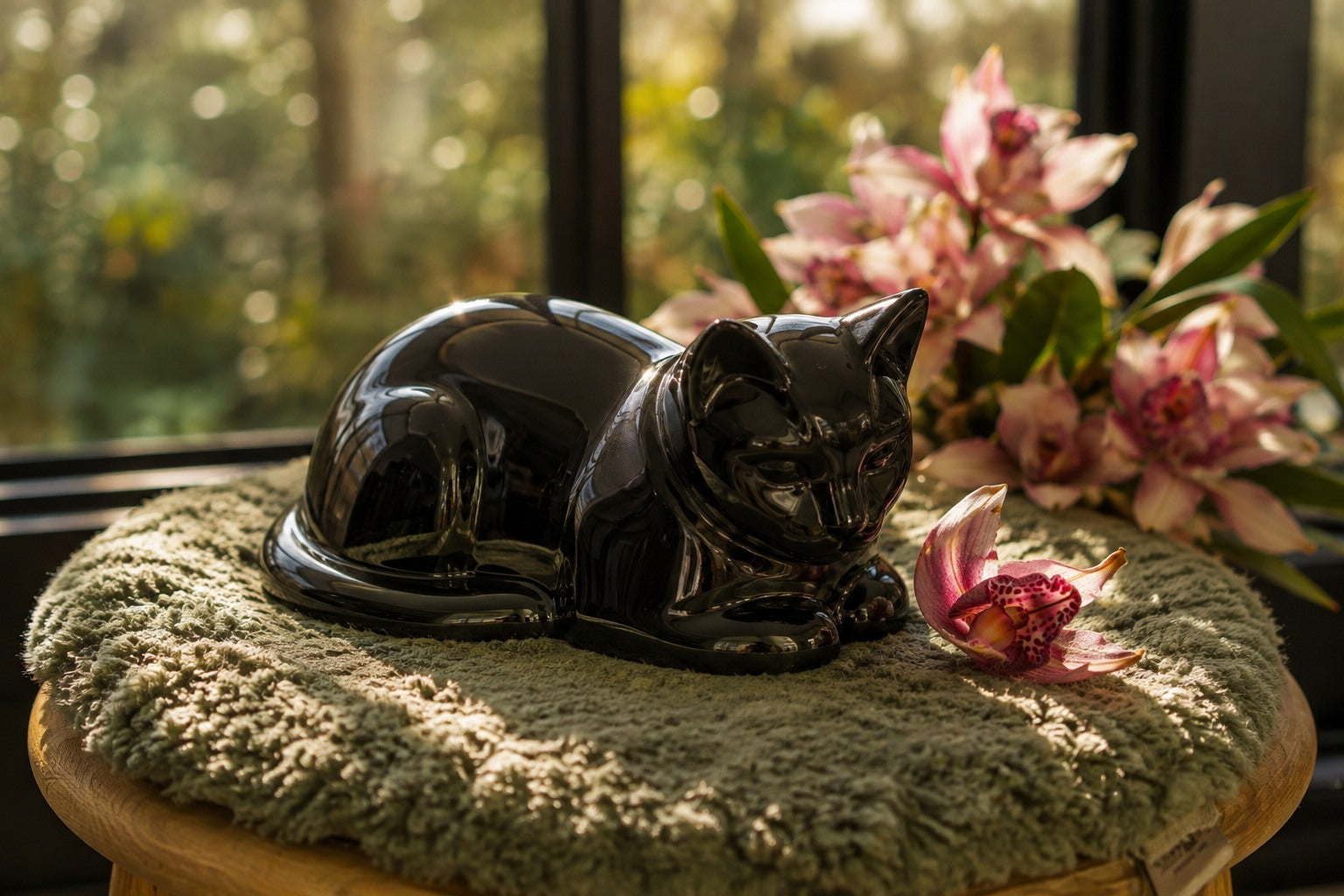
Why Pet Grief Doesn’t Always Get Easier. It Gets Different
Pet grief does not always become easier with time. It changes. Discover how loss evolves, why memories take on new meaning, and how memorial objects such as urns can become quiet reminders of a life once shared.

Why Your Pet’s Smell Can Bring Back an Entire Memory
Why can the smell of a pet bring back an entire moment? Discover how scent, emotion and memory are connected, and why the familiar smell of an animal can preserve some of our most intimate memories of life together.


Share:
3D-Printed Urns with Parametric Design: The Future of Memorial Art
The Science of Ashes: Do Cremated Remains Expire and Why Do Colors Vary?