



Here for you: art@pulvisurns.com | (562) 609-4019
7% off your order
Use this code at checkout:
Losing a large dog at home can be an incredibly emotional and challenging experience. The bond shared with pets, especially larger breeds like Great Danes and Mastiffs, often runs deep due to their affectionate nature and significant presence in the household.
The emotional toll of losing a large dog is substantial. Owners may experience intense grief, similar to losing a family member. Feelings of loneliness, sadness, and even guilt are common as one navigates through the loss.
Handling the death of a large dog presents unique challenges:
Being prepared for pet loss can significantly ease the burden during this difficult time:
By recognizing these aspects, owners can approach this inevitable moment with greater compassion and preparedness.
Evaluating if your large dog has passed away is a crucial first step. Here are some signs to check:
Contacting a veterinarian for guidance is essential once you suspect your dog has passed away. A vet can provide:
It's advisable to call a veterinarian's office promptly. This not only provides peace of mind but also ensures you follow appropriate procedures during this difficult time.

When a large dog passes away at home, it is crucial to handle their body with care and respect. This process can be emotionally challenging, but understanding the proper steps can help ease some of the burden during this difficult time.
Handling a large dog's body requires careful attention to avoid any injury to yourself or disrespect to your pet. Here are some techniques to consider:
Ensuring safety for yourself and maintaining hygiene is equally important in this process. Here are key safety measures:
By following these steps, you honor your pet's memory while ensuring you handle them safely and respectfully.
When faced with the loss of a large dog at home, knowing how to temporarily store the body until professional help arrives is crucial. Here are some best practices:
Storing your dog's body properly ensures it remains preserved until you can make further arrangements, such as contacting a veterinarian or pet loss service.

When you lose a large dog at home, one of the main things to think about is how to handle the body. Pet cremation offers a respectful and practical solution.
The following steps generally occur during individual cremation:
Mobile vet services can provide immediate assistance when your large dog passes away at home:
For those seeking additional ways to honor their pets post-cremation, consider these unique options:
Understanding your options allows you to make informed decisions during this difficult period.
Honoring the memory of a cherished pet can be deeply personal. Here are some unique ways to keep their spirit alive:
Using a Living Urn or BioUrn, you can plant a tree that incorporates your dog's ashes. This method not only provides a lasting tribute but also contributes positively to the environment.
Pros:
Cons:
Memorial jewelry offers a tangible way to keep your pet close. Ashes can be incorporated into pendants, rings, or bracelets.
Pros:
Cons:
Factors like personal beliefs, local regulations, and space availability play a crucial role in deciding between burial and cremation. Whether you choose a traditional pet burial or opt for dog cremation options, the key is to find what feels right for you and honors the bond you shared with your beloved companion.

Losing a large dog can leave a big emotional gap. It's important to talk to friends and family who understand your connection with your pet. They can listen, share memories, and comfort you during this tough time.
Getting emotional support is crucial for dealing with the grief that comes with losing a beloved pet. Joining supportive communities and using available resources can help you remember your pet while finding comfort in shared experiences.

After confirming your dog's passing, contact a veterinarian's office for guidance. It's important to evaluate if your dog has indeed passed away and to seek professional advice on the next steps.
When handling your dog's body, wear gloves and use protective materials. Wrap the body in blankets or towels and ensure you lift and move them safely to avoid any injury.
To temporarily store your dog's body, keep it in a cool, dry place such as a garage or basement. Ensure the environment remains calm and quiet to help manage emotional distress.
You can choose between burial and cremation for your pet's body. Each option has its pros and cons, including personal beliefs and local regulations that may influence your decision.
Unique ways to remember your pet include planting a tree with their ashes using a Living Urn or BioUrn, as well as creating memorial jewelry as keepsakes. Consider what resonates most with you when choosing a memorial method.
Seek support from friends and family who can help you navigate this difficult time. Additionally, consider joining support groups or online forums dedicated to coping with pet loss for further assistance.

Which urn size do I need?
A simple rule: about 1 cubic inch of urn per pound of body weight.
Every product page lists the urn's capacity. Keepsake urns hold a small portion of ashes to share.
Need it by a specific date?
Free shipping · Delivery in 3–5 business days
Express delivery in up to 3 business days – choose it at checkout
Need help choosing?
Talk to our team – we're happy to help you find the right urn.
(562) 609-4019 art@pulvisurns.comSend us a message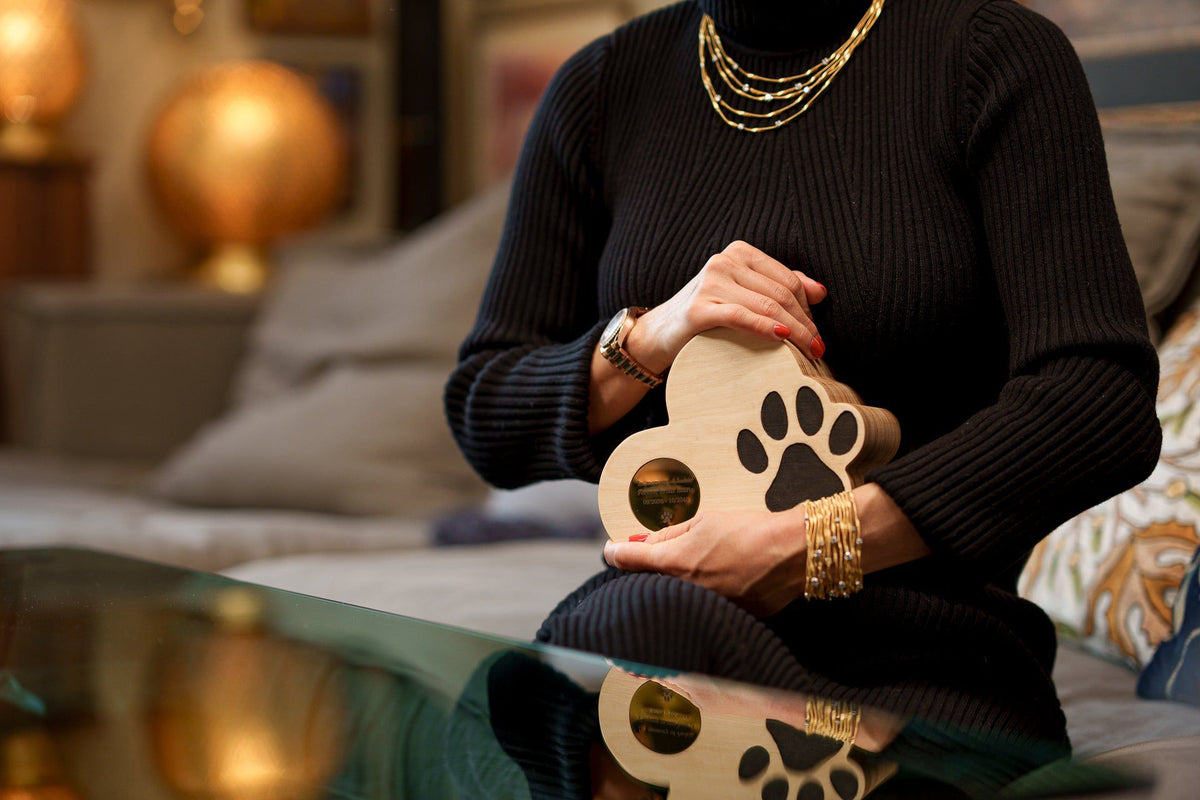
Can You Grieve a Life That Never Had Words?
Discover why losing a beloved pet can be so profound, how wordless bonds shape our lives, and how Pulvis Art Urns brings craftsmanship and thoughtful design to the art of remembering an animal companion.
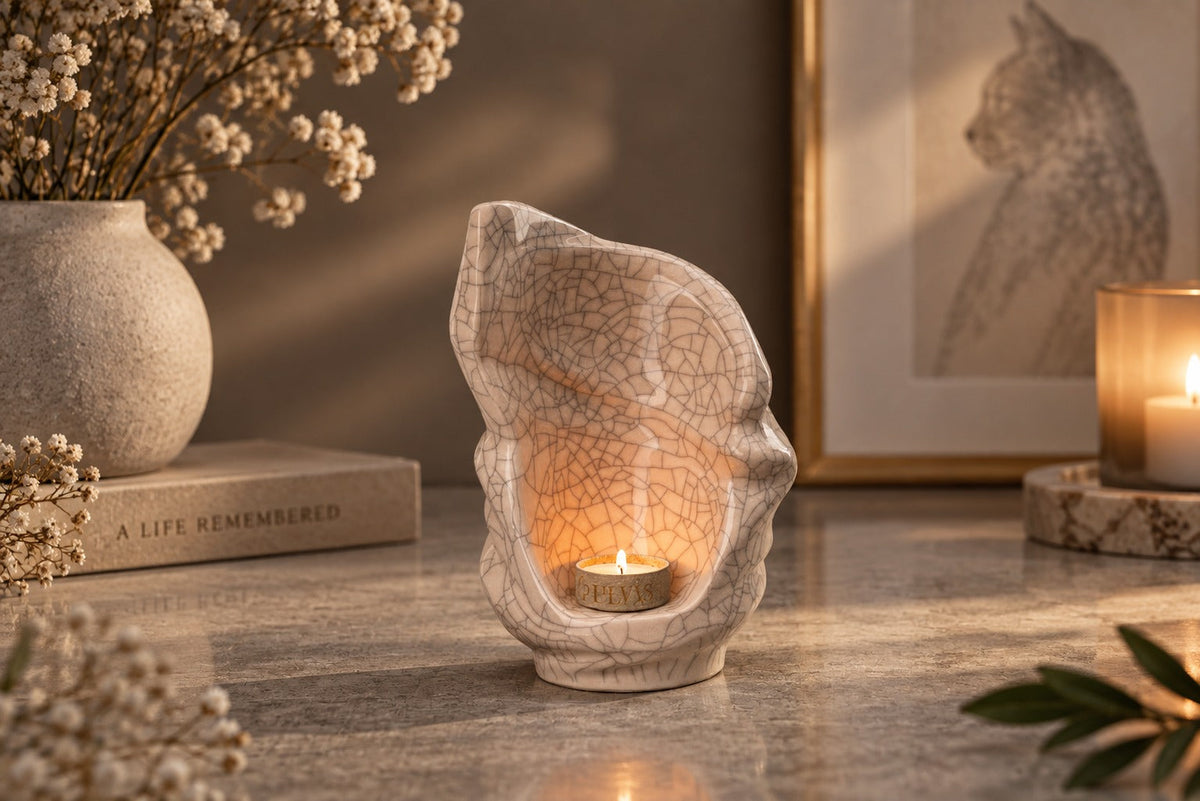
What Does the Bible Say About Cremation?
Explore what the Bible says about cremation, Christian beliefs about resurrection, and meaningful ways to honor a loved one’s memory through a thoughtful memorial.
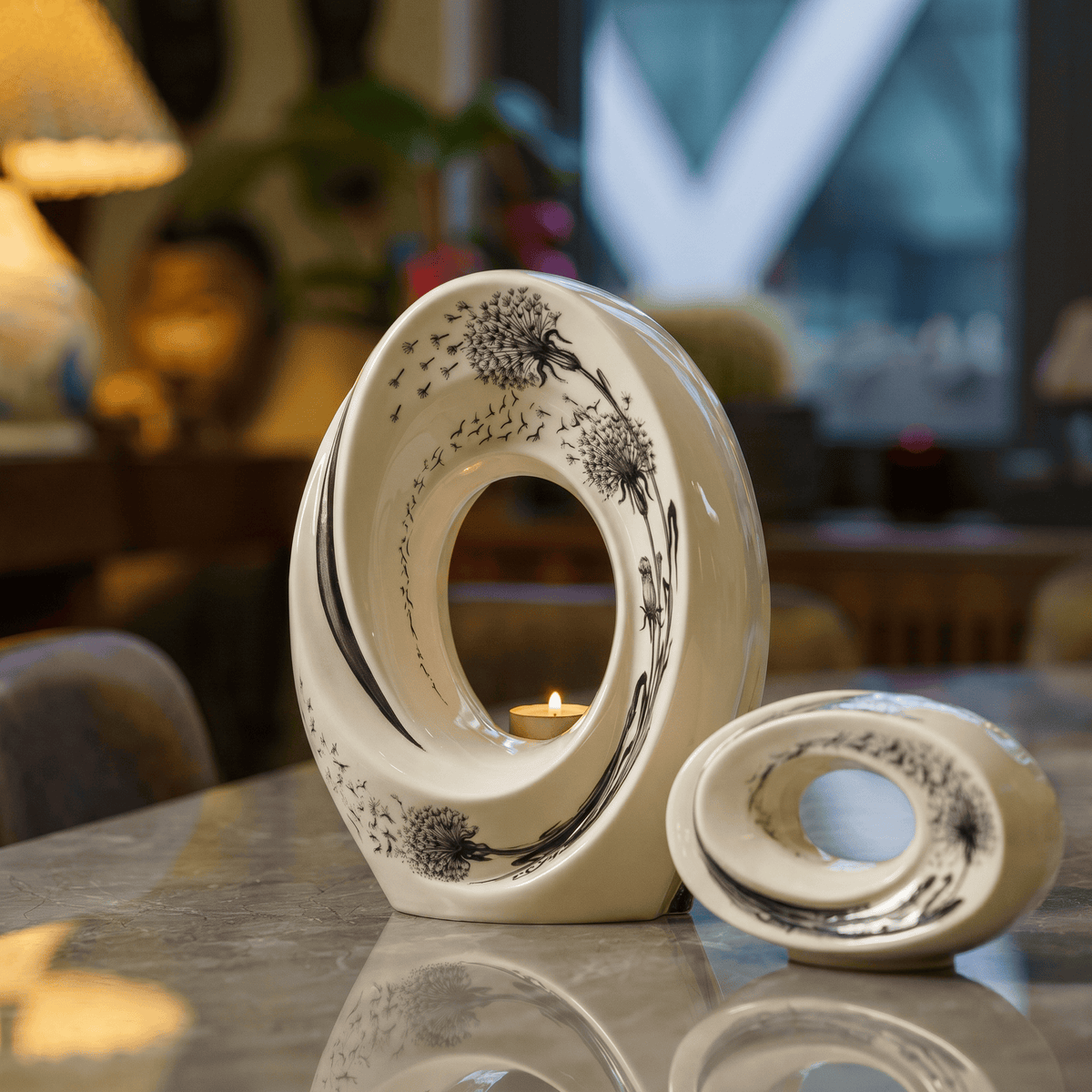
Why Do People Light Candles for the Dead?
Discover the meaning behind lighting candles for the dead, exploring the traditions, beliefs, and emotions that make this simple ritual a lasting expression of remembrance, comfort, and connection within the home.
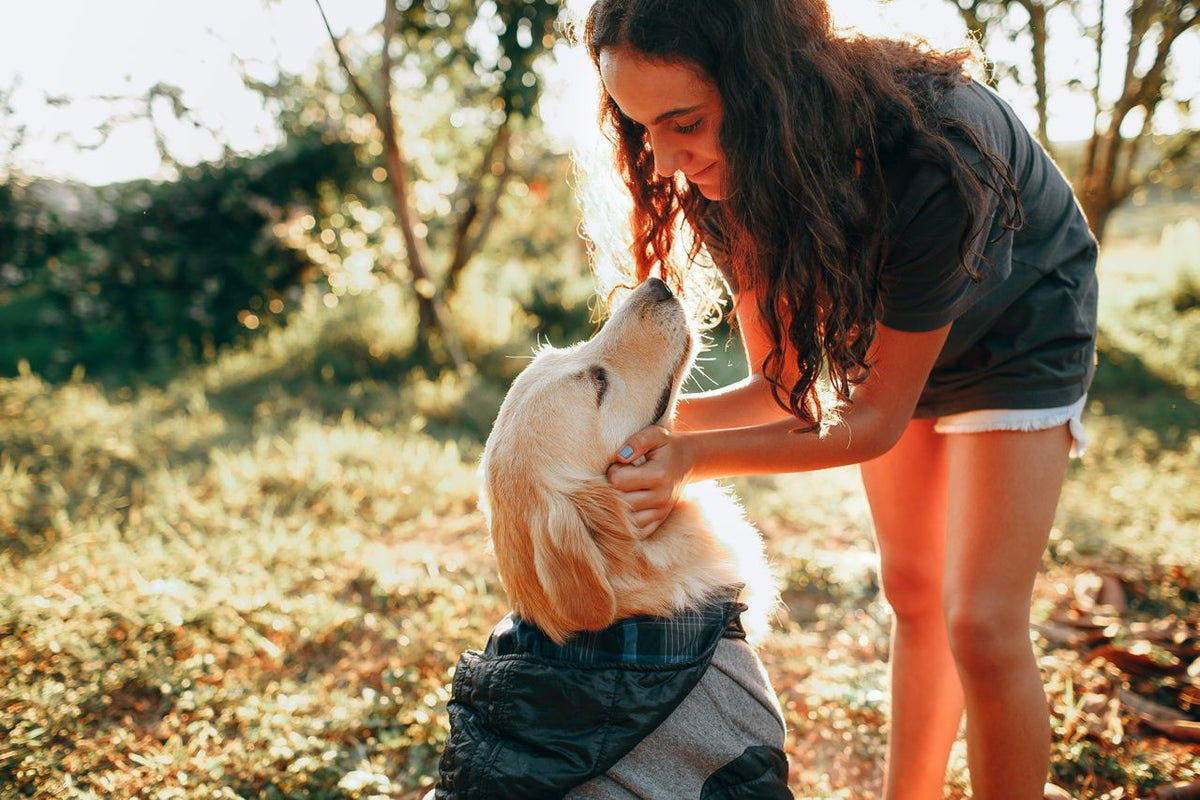
The Pet as a Witness to a Human Life
Our pets witness far more of our lives than we realise. Explore what it means for an animal to become a quiet witness to our changing homes, relationships, routines and identities — and how a memorial urn can remain as a physical connection to the life they witnessed.

Can You Inherit a Pet’s Memory?
Can we remember a pet we never knew? Explore how stories, photographs, objects and memorials can carry an animal’s memory across generations, turning a private life into part of a family’s shared history.




Share:
Did You Know About Green Burials? Here's What You Need to Know
The Unique Way To Remember Your Furry Friend: Custom Urn Options