

Here for you: art@pulvisurns.com | (562) 609-4019
When we think of an urn, we often imagine a vessel: quiet, solemn, containing the remains of a loved one. But urns are never just vessels. They are stories told in clay, stone, or ceramic. They are bridges between past and present, between the silence of absence and the murmur of memory.
Yet beneath their surfaces lies a timeless question: do urns represent a cult of the individual, or are they acts of tribute to something beyond the self?
This question touches on how we understand death, memory, and even the meaning of life. And to explore it, we must travel through history, philosophy, and art.

From the earliest civilizations, urns were more than containers. They were vessels of meaning.
The urn’s meaning has always been twofold: it preserved the individual and gave shape to a ritual.
Mircea Eliade, the historian of religion, described such rituals as acts that allow humans to situate themselves in the cosmos. Urns are not just objects of mourning; they are symbols that locate us in the cycle of life and death.

To call something a “cult” of the individual may sound excessive, but the impulse behind it is familiar. We are all, in one way or another, afraid of being forgotten.
Every life is unique. Every person leaves behind gestures, words, and traces that cannot be repeated. The urn is a way of protecting this singularity from being dissolved into anonymity.
Philosopher Martin Heidegger suggested that being human means living “towards death.” Death is not an interruption of life—it is what gives it urgency and meaning. To preserve individuality through ritual is, paradoxically, to affirm life itself.
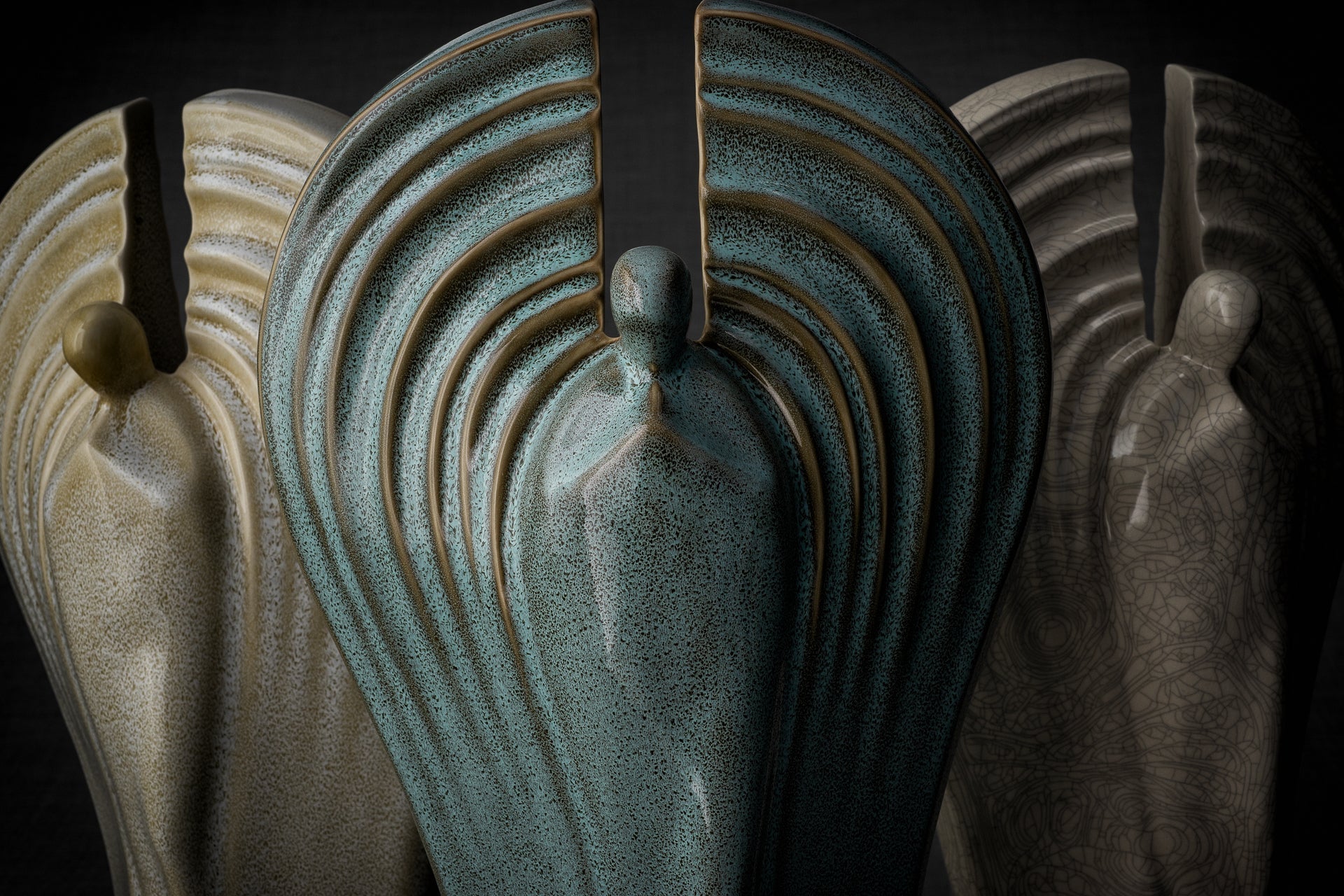
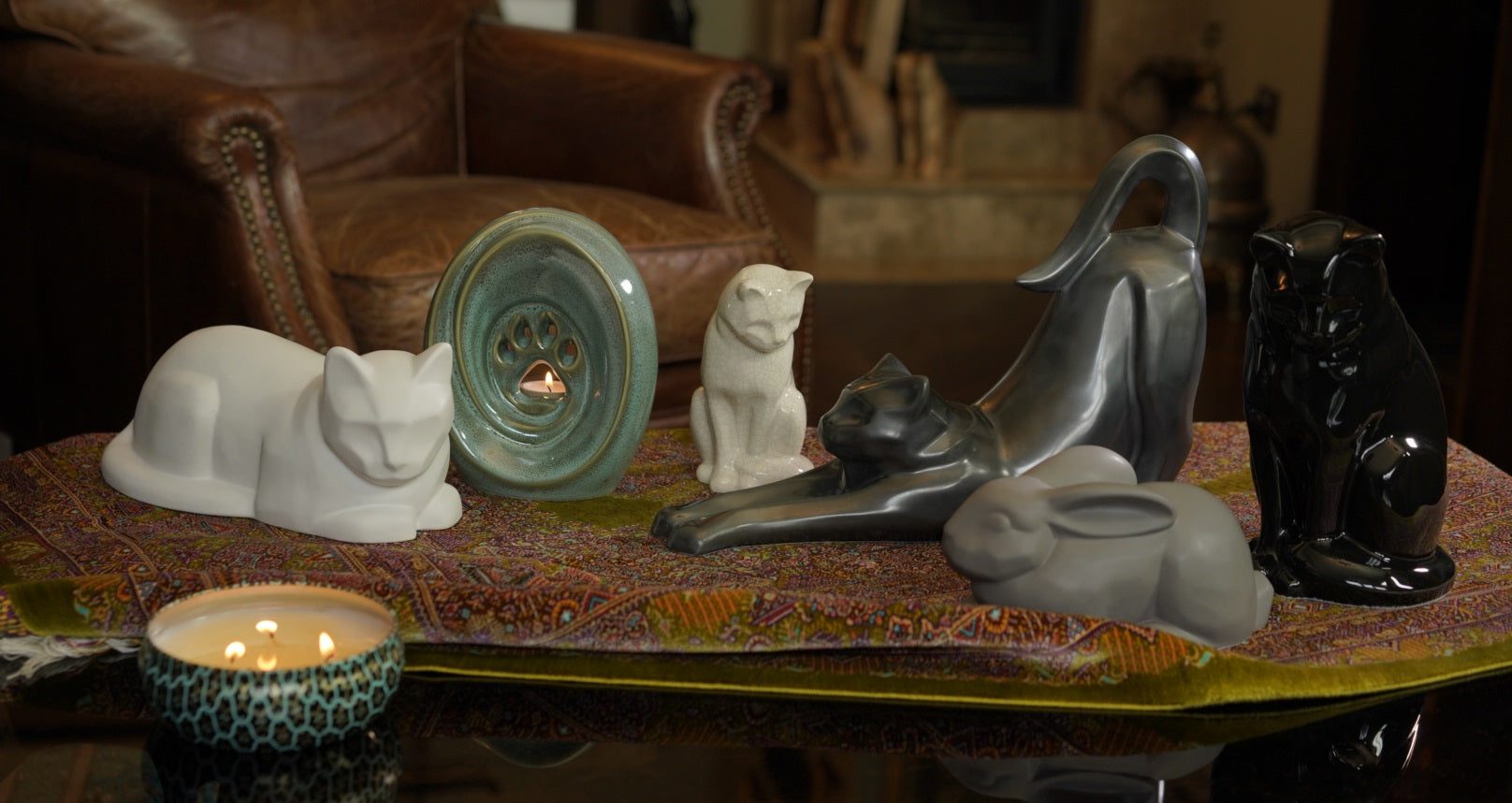
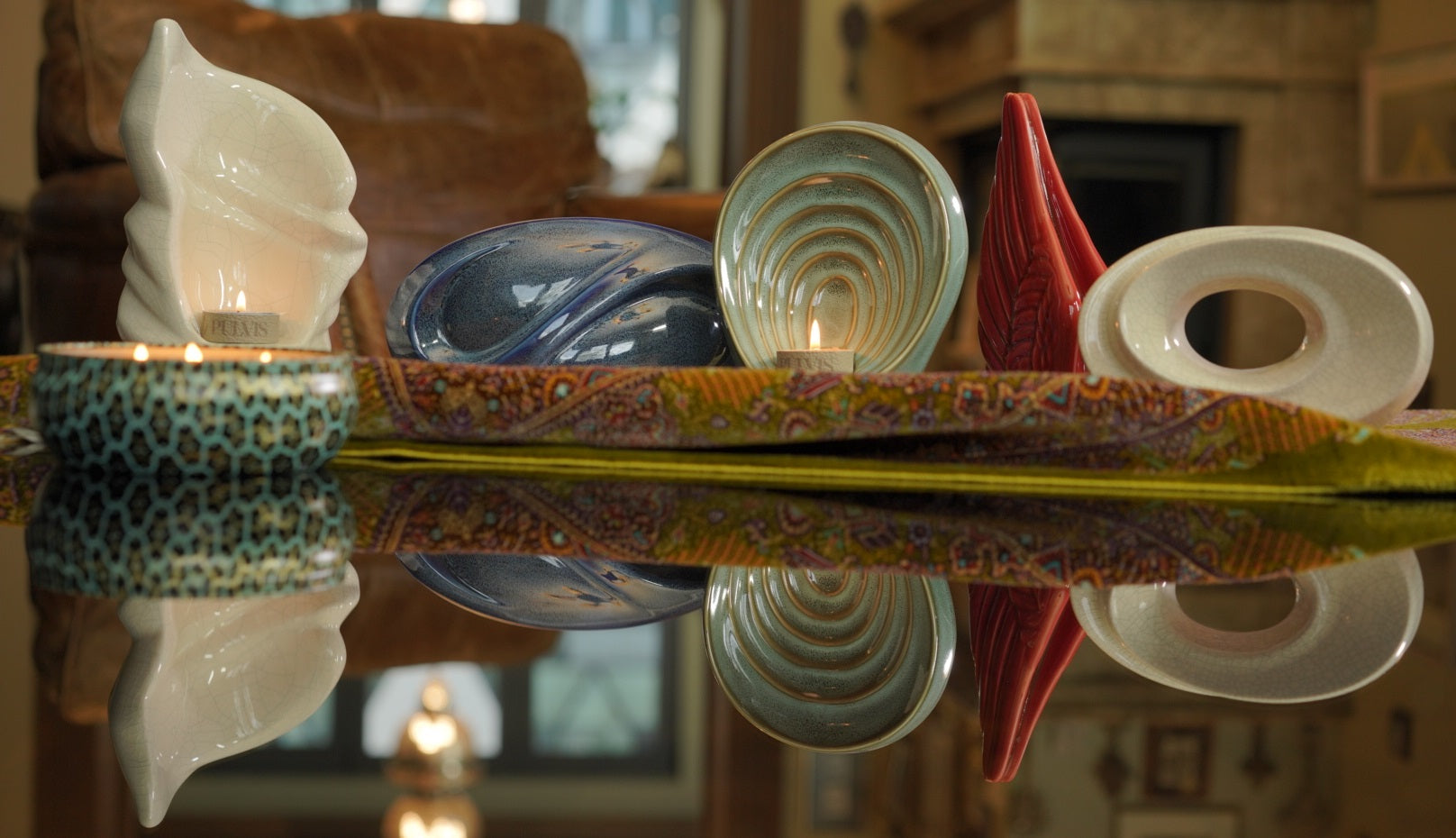
Modern urns reflect this. They are not always plain containers. Many are sculptural objects—works of art designed to echo the personality of the one they hold. A calm, wave-shaped urn might suit someone who loved the sea. A radiant, wing-like form may honor someone who embodied freedom and spirit.
In this sense, urns are portraits—silent images of the self made tangible. They are acts of resistance against the fading of memory. They say: this life was here, unrepeatable and real.
 Yet urns are never only for the departed. They are also for those who remain. The urn is a focal point for remembrance. A child who places flowers before it is not communing with ashes but with memory. A spouse who lights a candle is creating a moment of presence in absence. Friends who gather around it are affirming that grief is not borne alone.
Albert Camus once said the only serious philosophical question is whether life is worth living. But urns suggest another: how is life worth remembering?
In this light, the urn is not simply about individual preservation. It is an act of tribute to relationships, to shared experiences, to love. It is a way of saying: your life mattered to us all, not just to you.
The urn becomes a gift for the living. It offers a place to channel grief, to transform pain into ritual, and to keep alive the invisible threads of connection.

Here is where artistry enters the picture. When grief is overwhelming, words often fail. But form, texture, and shape can speak in silence.
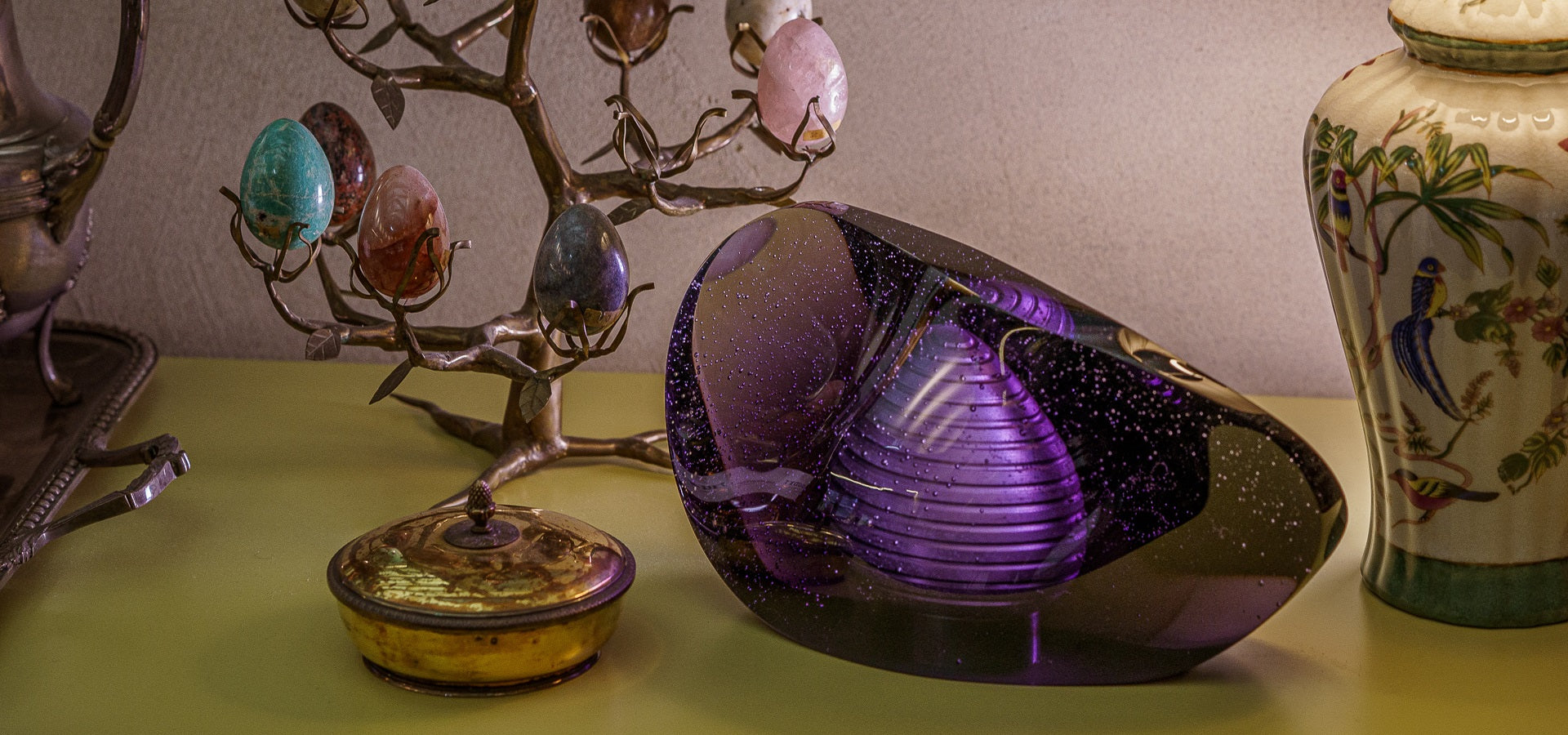
An urn crafted as sculpture—rather than a mere container—can become a language for grief. Its curves may suggest serenity; its colors may echo eternity; its presence may invite touch, contemplation, and memory.
This is the philosophy behind Pulvis Art Urns. Our guiding phrase “Shapes of Spirit” reminds us that art is not decoration but revelation. Our urns are created by artisans who treat clay as a medium of philosophy, shaping not only objects but symbols.
A Pulvis urn does not shout; it whispers. Our design allows families to see both individuality and universality. A single vessel becomes both personal portrait and communal tribute.

Why does this matter? Because modern life often strips rituals of meaning. Death is privatized, hidden, made sterile. Philippe Ariès, the historian of death, wrote that Western society has tried to make death invisible - something to be managed discreetly, rather than faced communally.
Urns resist this invisibility. They are unapologetically present. They invite us to pause, to gather, to reflect. They transform grief into something tangible, something we can approach and touch.
In this sense, the urn is more than an object. It is a philosophical statement:
When crafted with care the vessel becomes a meditation. It is art that says: absence is real, but so is presence.

So, what are urns? Are they cults of the individual or acts of tribute?
The answer, of course, is that they are both. And it is precisely in this tension that their meaning lies.
They preserve individuality, protecting the memory of a life from being lost. They offer tribute, giving the living a place to gather, grieve, and continue.
In other words, urns allow us to hold both truths at once: that each human life is unrepeatable, and that each life belongs to something larger—a family, a community, a world.
Perhaps we should not see urns as endpoints at all, but as beginnings. They are beginnings of conversations, of rituals, of acts of remembrance that ripple outward long after physical life has ended.
They remind us that grief is not only about loss, but also about love. That memory is not only about the past, but about the future it inspires.
A sculptural urn, like those of Pulvis, embodies this philosophy. It offers both a portrait and a symbol, a private remembrance and a communal tribute. It is not only clay but conversation—between the living and the departed, between the self and the collective, between grief and meaning.
So, urns - are they cults of the individual, or acts of tribute?
The truth is that they are both—and that is their deepest significance. They are reminders that life is precious not only because it is ours, but because it touches others. They preserve the spark of individuality while also offering that spark as light for those who remain.
An urn is never only a container. It is a gesture, a philosophy, a promise. A gesture of remembrance, a philosophy of continuity, a promise that love endures even when life does not.
In this light, the artistry of Pulvis Art Urns becomes more than craft. It becomes an act of care, shaping vessels not just of ashes but of meaning. Each urn becomes a quiet bridge between individuality and community, between the self and the collective, between memory and eternity.
And perhaps that is the answer: urns are not simply about one or the other. They are about the human desire to honor both—the unrepeatable self, and the ties that bind us all.

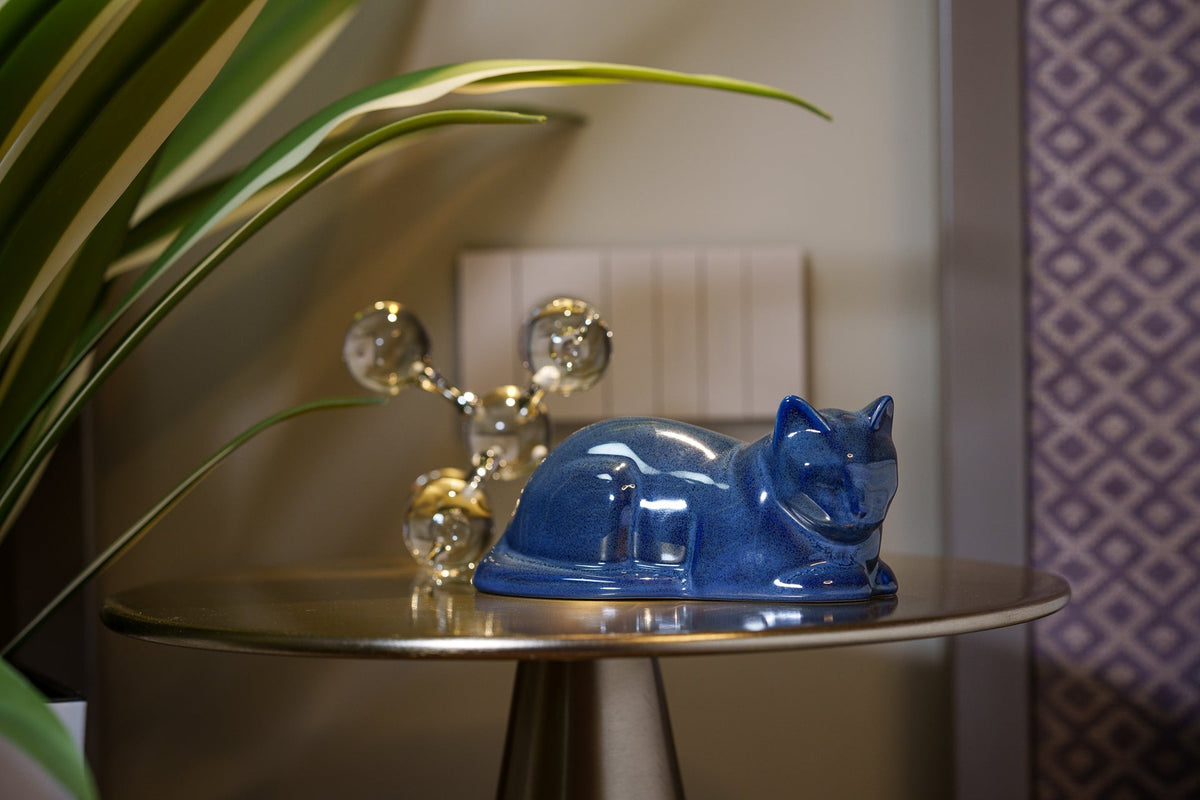
Can the Design of a Pet Urn Change the Way We Grieve?
Can the design of a pet urn influence the way we experience grief? Explore how meaningful materials, forms and memorial design can help transform loss into a lasting connection with a beloved companion.

What Are the Most Unique Urns Available Today?
Discover the most unique cremation urns available today, from handcrafted ceramic and sculptural designs to glass, nature-inspired, personalized, and keepsake memorials. Learn what makes an urn distinctive and how to choose a meaningful design based on capacity, material, placement, and personal significance.
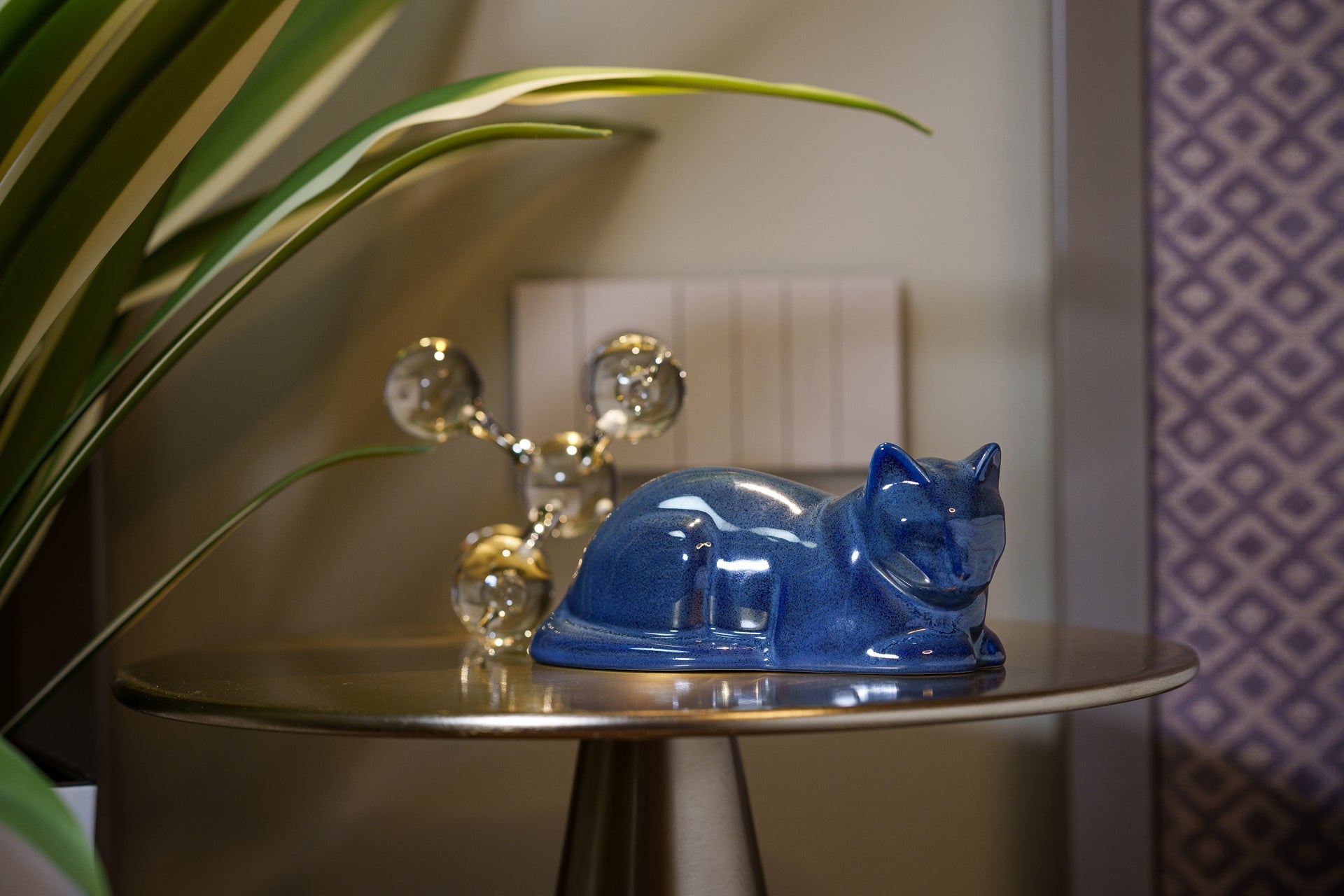
How Do You Choose the Right Pet Urn?
A practical guide to choosing the right pet urn, covering size, capacity, materials, personalization, closure, and meaningful ways to memorialize your beloved companion.
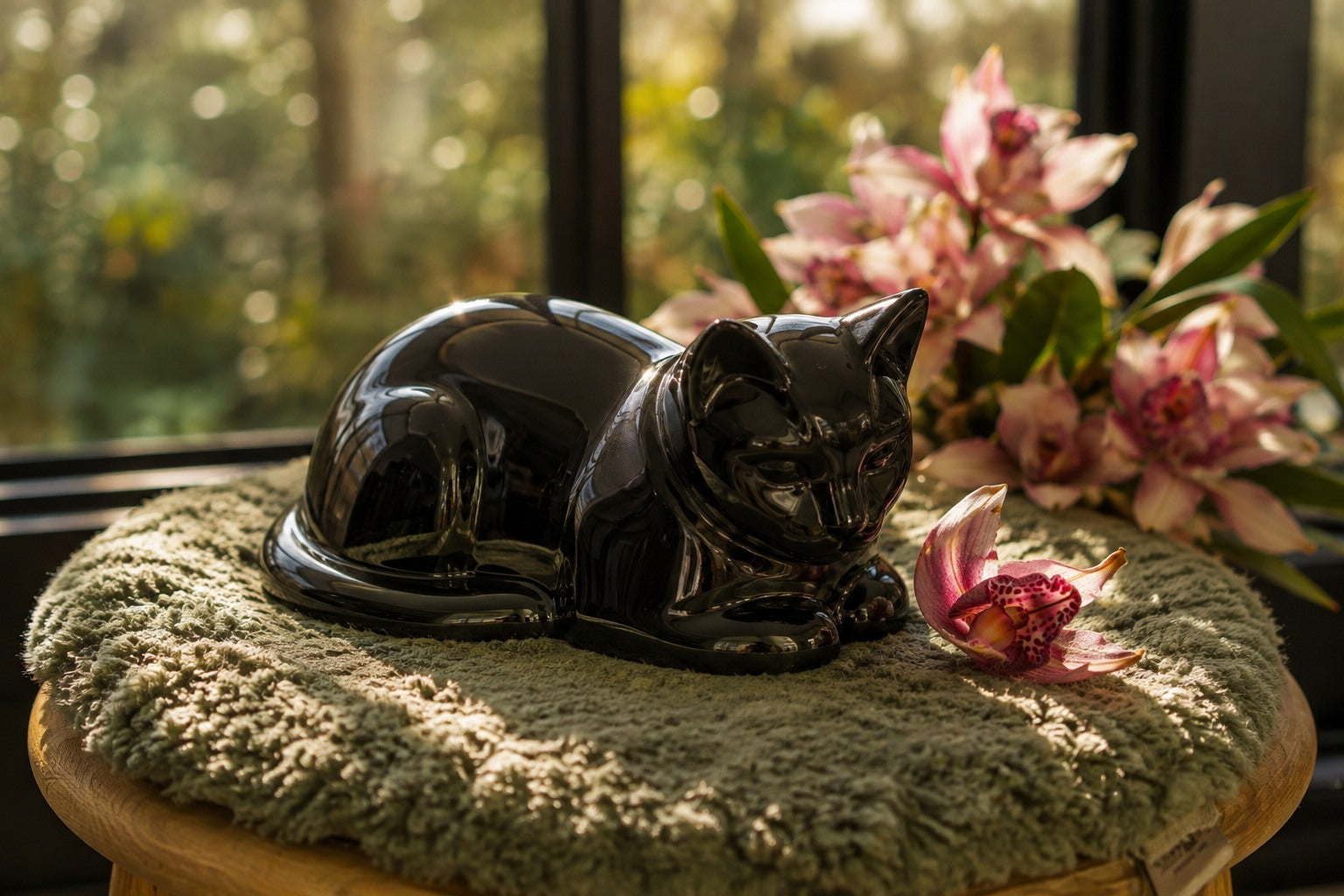
Why Pet Grief Doesn’t Always Get Easier. It Gets Different
Pet grief does not always become easier with time. It changes. Discover how loss evolves, why memories take on new meaning, and how memorial objects such as urns can become quiet reminders of a life once shared.

Why Your Pet’s Smell Can Bring Back an Entire Memory
Why can the smell of a pet bring back an entire moment? Discover how scent, emotion and memory are connected, and why the familiar smell of an animal can preserve some of our most intimate memories of life together.


Share:
Funeral Food Traditions by Country
Thai Funeral Traditions: Rituals, Beliefs, and Community