

Here for you: art@pulvisurns.com | (562) 609-4019
7% off your order
Use this code at checkout:
There was a time when remembering a pet meant keeping a collar in a drawer, framing a favourite photograph, or holding on to a toy that still carried the shape of a familiar life. Today, memory looks different.
Our pets leave behind something that previous generations could never have accumulated in quite the same way: a digital life.
A dog may have thousands of photographs taken over the years. A cat may appear in videos, messages, social-media posts and cloud albums. There may be recordings of a particular bark, a familiar purr, the sound of paws running across the floor, or an ordinary moment that seemed unimportant at the time. Pet cameras can capture their daily routines even when we are away. A phone can preserve expressions and movements that once existed only in memory.
When a pet dies, these records do not disappear.
In some ways, they make the absence more tangible. In others, they offer an extraordinary way of keeping a part of an animal's presence close.
We rarely set out to create an archive of our pets. It happens almost without our noticing.
A photograph taken during a walk. A video of a puppy discovering snow for the first time. A recording of a cat making an unusual sound. A picture sent to a family group chat simply because the animal looked particularly happy that morning.
Individually, these moments may seem insignificant. Together, they become a remarkably detailed record of a life.
And unlike a traditional photograph, digital memories can contain much more than an image. They preserve movement, sound, surroundings and behaviour. They can remind us not only of what our pet looked like, but of how they moved through the world.
This is particularly important because memory does not preserve everything equally. Over time, individual details can become less precise. We may remember the feeling of having our dog beside us without being able to recall exactly how their bark sounded. We may remember that a cat always slept in a particular place without remembering the tiny routine that led them there.
A video can bring those details back in an instant.
Technology therefore changes not only how we store memories, but also how much of a pet's personality can remain accessible to us.

The modern relationship between people and their pets is also increasingly documented by technology that was never designed specifically for remembrance.
Pet cameras, smart devices and mobile phones allow owners to observe animals throughout the day. A camera may record a dog waiting by the door, a cat returning to the same window every afternoon or an animal following a familiar routine while its owner is at work.
At the time, these recordings are often simply reassuring or amusing.
Later, they can become something else entirely.
A seemingly ordinary clip can preserve a behaviour that would otherwise exist only in someone's recollection. The way a pet waited for its favourite person. The place where it always slept. The moment it became excited by the sound of a familiar key in the door.
The technology itself is unremarkable. What it preserves can be anything but.
There is another form of digital remembrance that has become increasingly familiar: the social-media profile.
For many people, their pet has an online presence of its own. Photographs, milestones, birthdays, holidays and everyday moments may have been shared publicly for years. Some animals even have dedicated accounts followed by large communities of people who have never met them.
After a pet dies, those accounts can remain.
A profile created to celebrate an animal's life can gradually become an unintended memorial. Old photographs remain available. Captions preserve the way their owners once described them. Comments from friends and strangers can reveal just how many people came to know an animal through a screen.
It creates a peculiar kind of permanence.
A physical object may eventually be placed in a box or displayed in the home. A digital memory can remain visible indefinitely, accessible with a few taps.
But this permanence also raises a question that previous generations never had to consider: what should happen to a pet's digital life after they are gone?
Should an account remain active? Should photographs be kept privately? Should everything be archived somewhere safe? There is no universal answer.
For some people, leaving the account untouched feels like preserving a small corner of their pet's existence. For others, returning to it can make the loss more difficult.
The technology provides the possibility. The meaning remains deeply personal.

Perhaps the most significant change is only beginning.
Artificial intelligence can now generate images, restore damaged photographs, imitate voices and create increasingly sophisticated representations of people and animals. This introduces a new possibility in pet remembrance: instead of simply looking at what was recorded, technology can begin creating something new from what remains.
A photograph can be transformed into artwork. Old images can be restored. A collection of photographs can be organised into a digital memorial. A pet's appearance can be recreated in new visual settings.
But there is a boundary worth considering.
Preserving a memory is not the same as recreating the individual we have lost.
An image generated from photographs may resemble a pet, but it is not that pet. A digitally produced sound may resemble a familiar noise, but it is not the same as hearing the animal itself. The distinction matters precisely because grief is not simply about losing an image or a voice. It is about losing a living presence.
Technology can preserve traces of that presence. It cannot reproduce the relationship itself.
Perhaps that is why the most meaningful digital memorials are often the simplest ones: the photograph that really happened, the video recorded on an ordinary afternoon, the message sent to a friend, the collection of images that documents a life without trying to recreate it.
For all the possibilities technology offers, physical memorials have not disappeared.
In fact, the two forms of remembrance can complement one another.
A digital archive can contain hundreds or thousands of photographs. A physical memorial gives remembrance a place. A collar, a favourite toy, a photograph or a carefully chosen urn can exist within the home as a tangible connection to the life that was shared there.
One can be carried in a phone. The other can be held.
That distinction may become increasingly important as more of our lives move into digital spaces. The abundance of photographs does not necessarily make a physical object less meaningful. If anything, it can make the decision to keep one particular object even more deliberate.
Out of thousands of digital images, there may be one photograph that feels unmistakably like them.
Out of countless recordings, there may be one sound that immediately brings back a familiar presence.
And among all the things a pet leaves behind, there may be one physical object that still feels impossible to put away.

There is an irony in the way we remember pets today.
We have more ways than ever to document their lives, yet no technology can preserve the part we ultimately miss most: their presence in the room.
A camera can record a dog sleeping beside the sofa, but it cannot recreate the warmth of its body. A photograph can show a cat looking towards the window, but it cannot reproduce the feeling of having it climb onto your lap. A recording can preserve a familiar sound, but not the moment in which that sound once belonged to an ordinary day.
Technology can preserve evidence of a life.
The meaning we attach to that evidence comes from somewhere else.
It comes from the relationship itself.
Perhaps this is why digital remembrance has become so powerful. We are not necessarily trying to keep our pets alive through photographs, videos or recordings. We are trying to hold on to the details that made their lives uniquely theirs.
The way they looked at us.
The places they preferred.
The sounds they made.
The routines they never seemed willing to abandon.
The moments we never realised would one day become memories.
Our pets now leave behind an extraordinary digital footprint, one that can remain long after their physical presence has disappeared. But technology has not changed the reason we remember them.
It has simply given memory more places to live.
And perhaps, in the end, that is what these photographs, recordings, objects and digital archives really are: not substitutes for the pet we lost, but small pieces of a life that was once very much here.

Which urn size do I need?
A simple rule: about 1 cubic inch of urn per pound of body weight.
Every product page lists the urn's capacity. Keepsake urns hold a small portion of ashes to share.
Need it by a specific date?
Free shipping · Delivery in 3–5 business days
Express delivery in up to 3 business days – choose it at checkout
Need help choosing?
Talk to our team – we're happy to help you find the right urn.
(562) 609-4019 art@pulvisurns.comSend us a message
What Does the Bible Say About Cremation?
Explore what the Bible says about cremation, Christian beliefs about resurrection, and meaningful ways to honor a loved one’s memory through a thoughtful memorial.
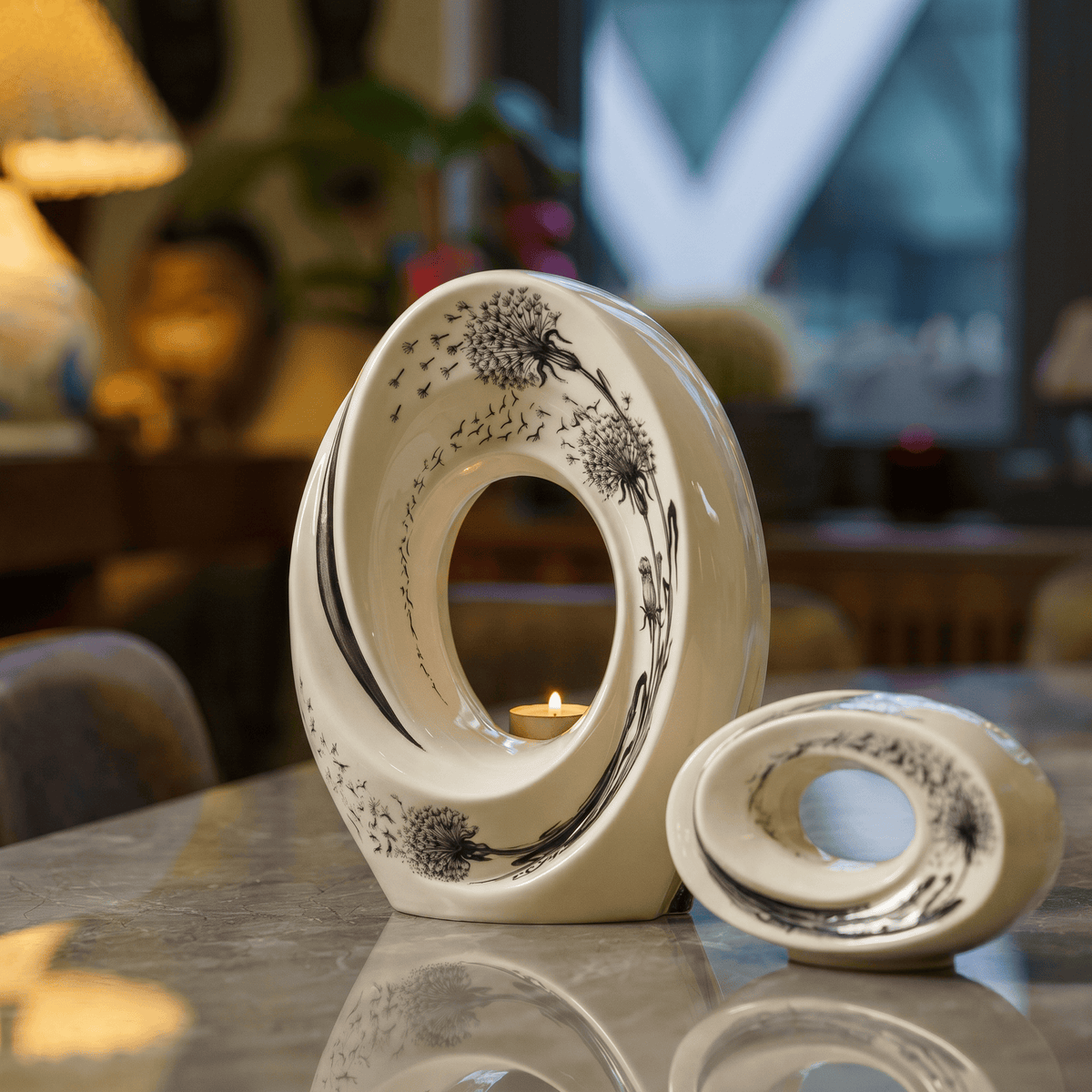
Why Do People Light Candles for the Dead?
Discover the meaning behind lighting candles for the dead, exploring the traditions, beliefs, and emotions that make this simple ritual a lasting expression of remembrance, comfort, and connection within the home.
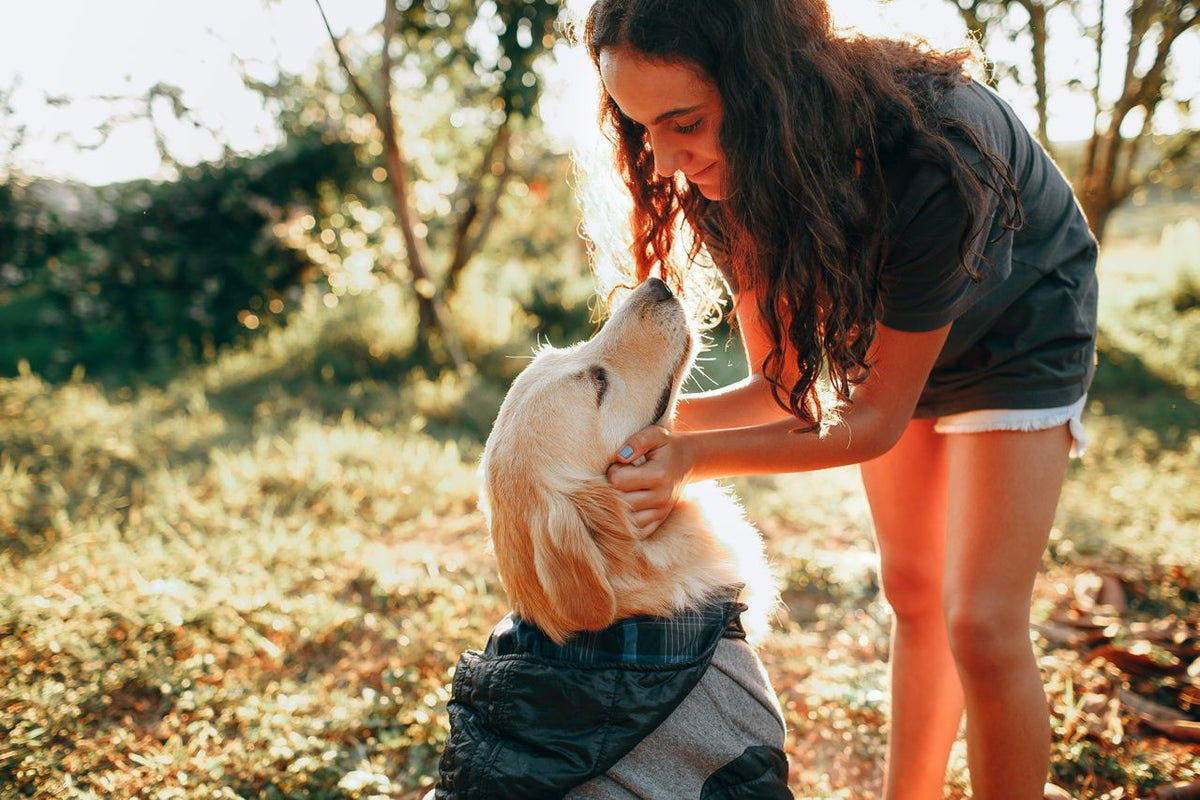
The Pet as a Witness to a Human Life
Our pets witness far more of our lives than we realise. Explore what it means for an animal to become a quiet witness to our changing homes, relationships, routines and identities — and how a memorial urn can remain as a physical connection to the life they witnessed.
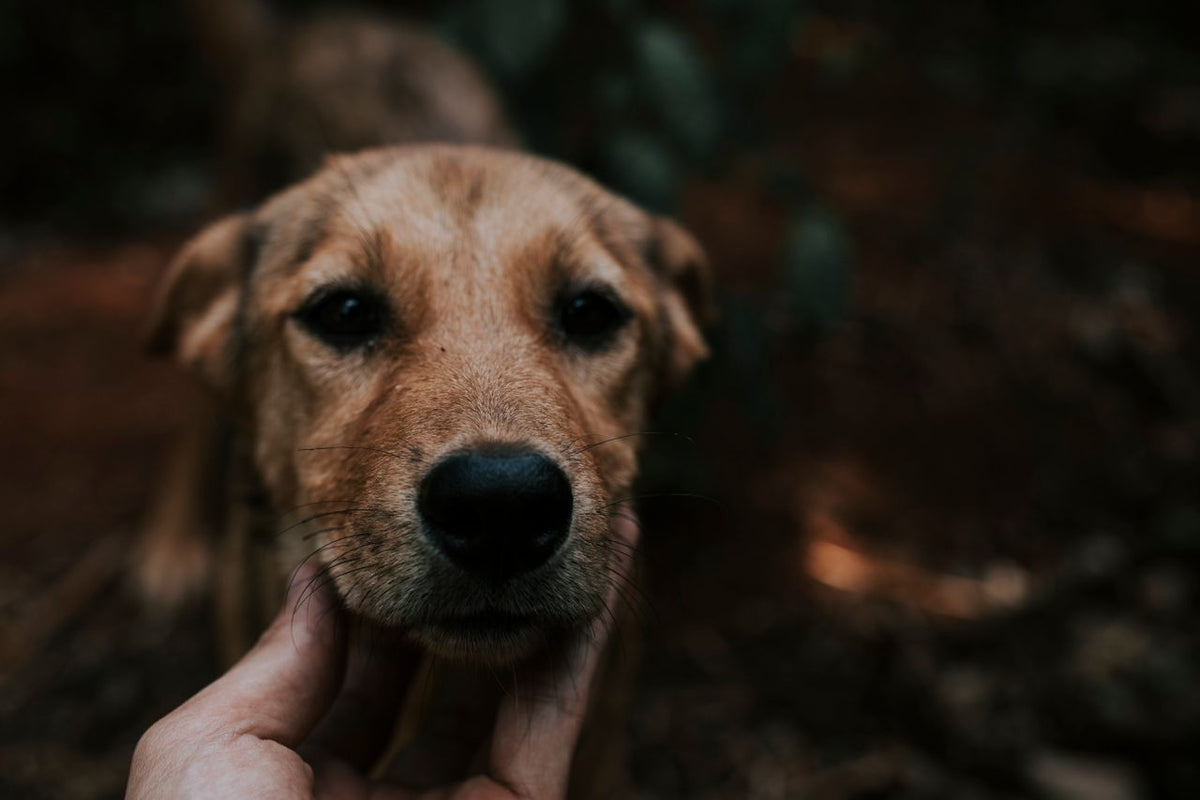
Can You Inherit a Pet’s Memory?
Can we remember a pet we never knew? Explore how stories, photographs, objects and memorials can carry an animal’s memory across generations, turning a private life into part of a family’s shared history.
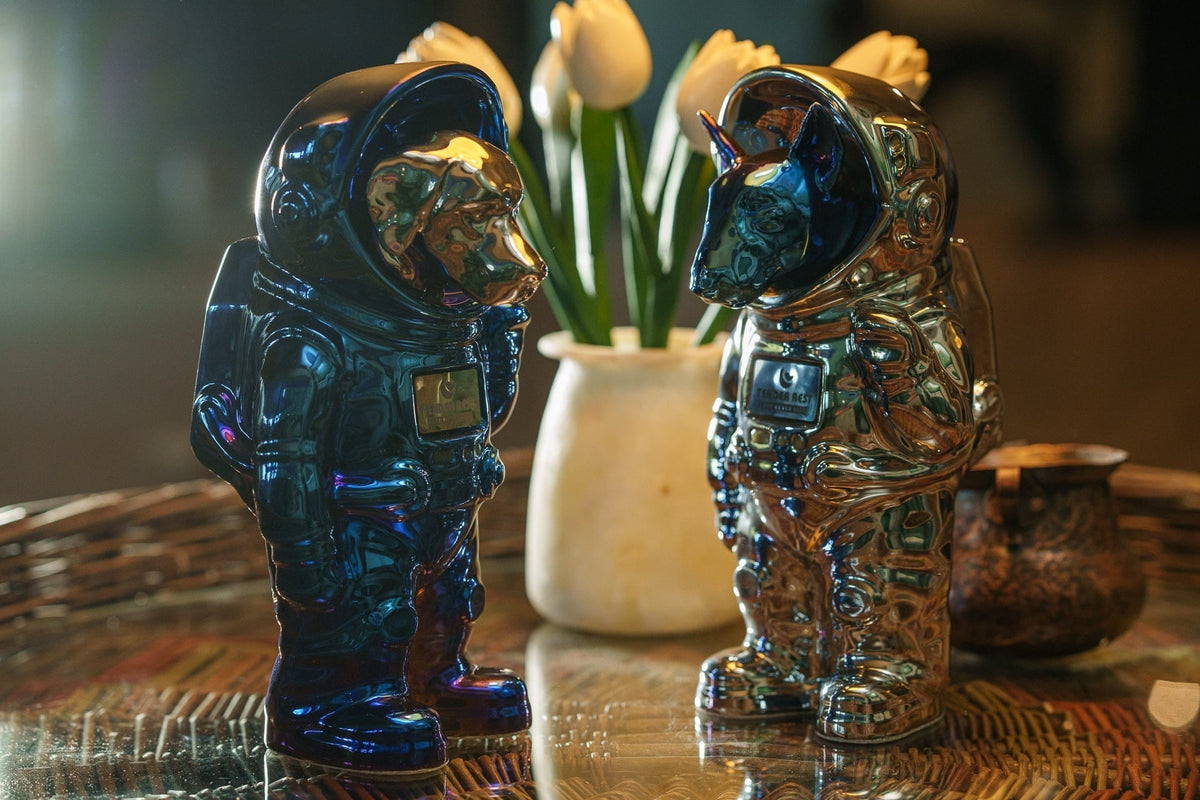
What a Pet Teaches Us About Impermanence
Living alongside a pet teaches us that the most meaningful parts of life are often temporary. Explore how animals shape our understanding of time, impermanence a quiet, lasting expression of what remains.


Share:
What Are the Best Ways to Memorialize a Pet?
Can You Recognize Your Pet’s Personality in Their Face?