



Here for you: art@pulvisurns.com | (562) 609-4019
7% off your order
Use this code at checkout:
Grief is a universal experience, yet its impact on our personal identity is deeply individual and profound. When we lose a loved one, it can feel as if the foundation of our existence has shifted, leaving us struggling to make sense of who we are without them .
Our identity is often shaped by our relationships. Whether as a partner, child, parent, sibling, or friend, our sense of self is intertwined with the roles we play and the bonds we share. When someone we love dies, those roles may disappear or change dramatically. For example, the loss of a spouse might leave one questioning their role as a partner, while the death of a parent could challenge one’s understanding of familial structure and support. These changes are not just external; they reverberate internally, causing us to reassess our purpose, priorities, and even our core beliefs.
The Emotional Turmoil of Losing a Loved One
The emotional weight of grief can make it difficult to maintain a clear sense of self. Feelings of sadness, anger, guilt, or confusion often arise, and these emotions can cloud one’s ability to connect with their identity. For some, grief might lead to questioning their values or beliefs, especially if the loss feels unfair or unexpected. For others, it might amplify feelings of loneliness or isolation, further detaching them from their sense of self.
While the immediate aftermath of loss can be disorienting, it also offers an opportunity for growth. In many cases, grief forces individuals to confront questions they may not have considered before: Who am I without this person? What do I value most in life? How can I honour their memory while moving forward?
Recovering from the loss of a loved one isn’t about returning to who you were before—they were an integral part of your life, and their absence will always be felt. Instead, it’s about creating a new version of yourself that integrates your memories of them while allowing room for growth and healing.

Give yourself permission to grieve fully. Suppressing emotions often delays healing, while confronting them allows you to process the loss and its impact on your identity. Journaling, therapy, or even talking with a trusted friend can provide valuable outlets for your feelings. Finding meaning doesn’t mean justifying or rationalizing the loss - it’s about understanding how the experience has shaped you. This could involve reflecting on lessons you learned from your loved one or considering how their influence might inspire you to move forward.
The absence of a loved one may leave gaps in your life, but it also creates space for new experiences. Pursue hobbies, volunteer opportunities, or social activities that align with your values. These pursuits can help you reconnect with your identity and build new connections.
Honouring your loved one can help maintain a sense of connection while allowing you to move forward. This could be as simple as lighting a candle on their birthday or as involved as creating a memorial project in their name. Such rituals can provide comfort and a sense of continuity. Grief is a deeply personal journey, but it doesn’t have to be a solitary one. Support groups, counsellors, and trusted friends or family members can provide understanding and encouragement as you navigate your new identity.
The Path to Rediscovery
Loss is a painful, life-altering experience, but it doesn’t have to define you in a negative way. Over time, grief can transform into a source of strength and wisdom, helping you build a more resilient and compassionate sense of self. By honouring your loved one’s memory and embracing opportunities for growth, you can create a life that is both meaningful and reflective of their enduring influence on your identity.
While the road to rediscovery is rarely easy, it is one of the most profound journeys we can undertake. As we learn to weave the threads of loss into the fabric of our lives, we not only redefine our identity but also carry forward the love and lessons of those we have lost. In doing so, we honour their legacy while embracing our own.

Which urn size do I need?
A simple rule: about 1 cubic inch of urn per pound of body weight.
Every product page lists the urn's capacity. Keepsake urns hold a small portion of ashes to share.
Need it by a specific date?
Free shipping · Delivery in 3–5 business days
Express delivery in up to 3 business days – choose it at checkout
Need help choosing?
Talk to our team – we're happy to help you find the right urn.
(562) 609-4019 art@pulvisurns.comSend us a message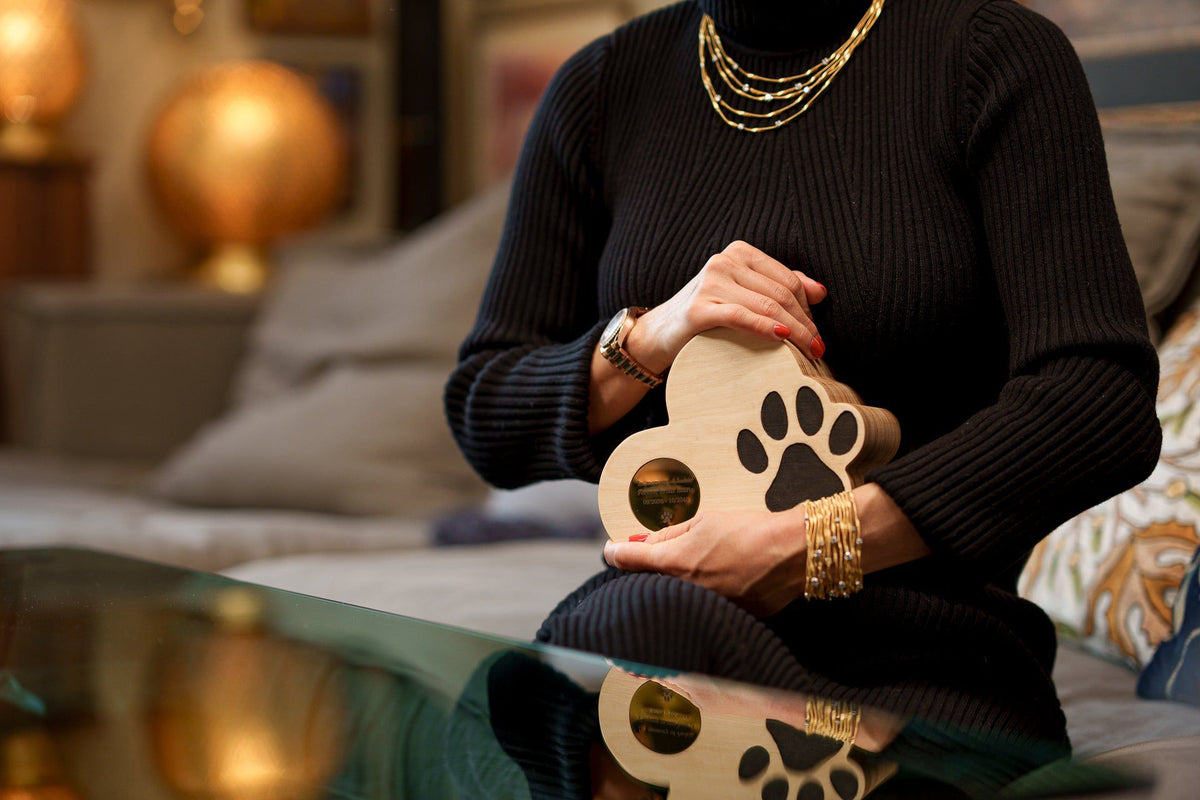
Can You Grieve a Life That Never Had Words?
Discover why losing a beloved pet can be so profound, how wordless bonds shape our lives, and how Pulvis Art Urns brings craftsmanship and thoughtful design to the art of remembering an animal companion.
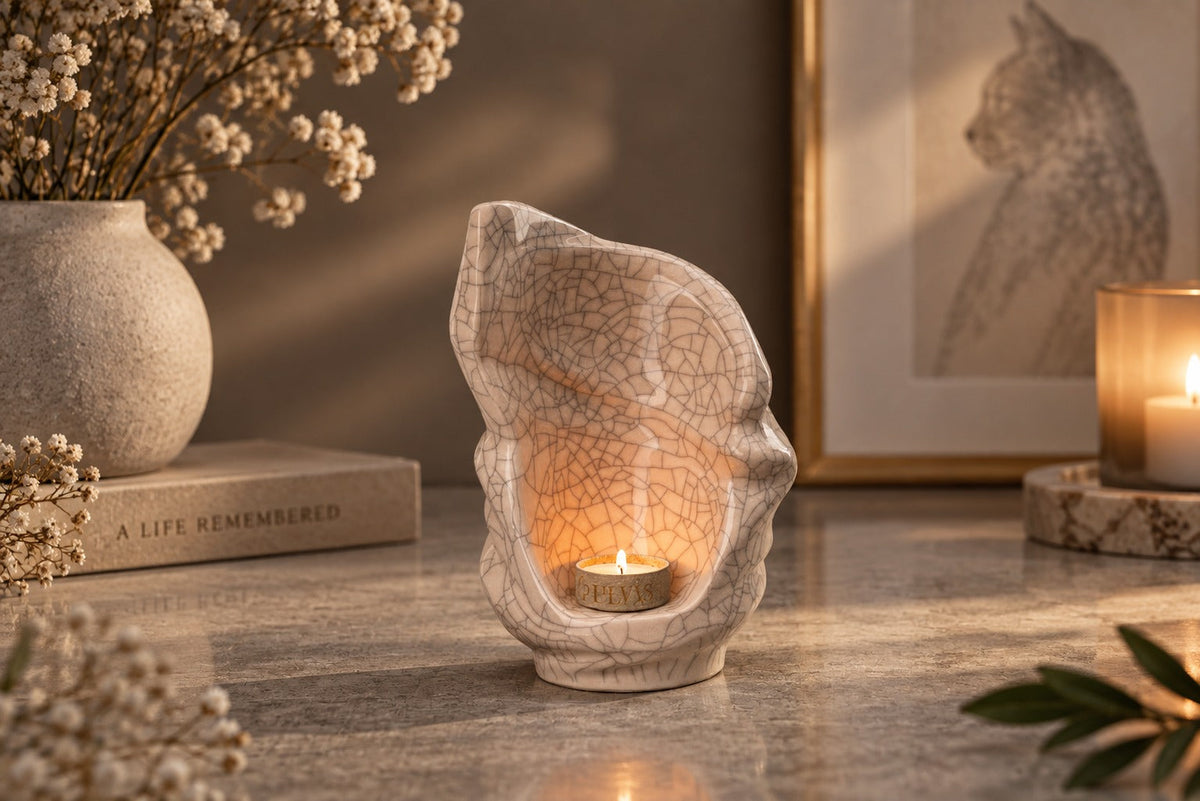
What Does the Bible Say About Cremation?
Explore what the Bible says about cremation, Christian beliefs about resurrection, and meaningful ways to honor a loved one’s memory through a thoughtful memorial.
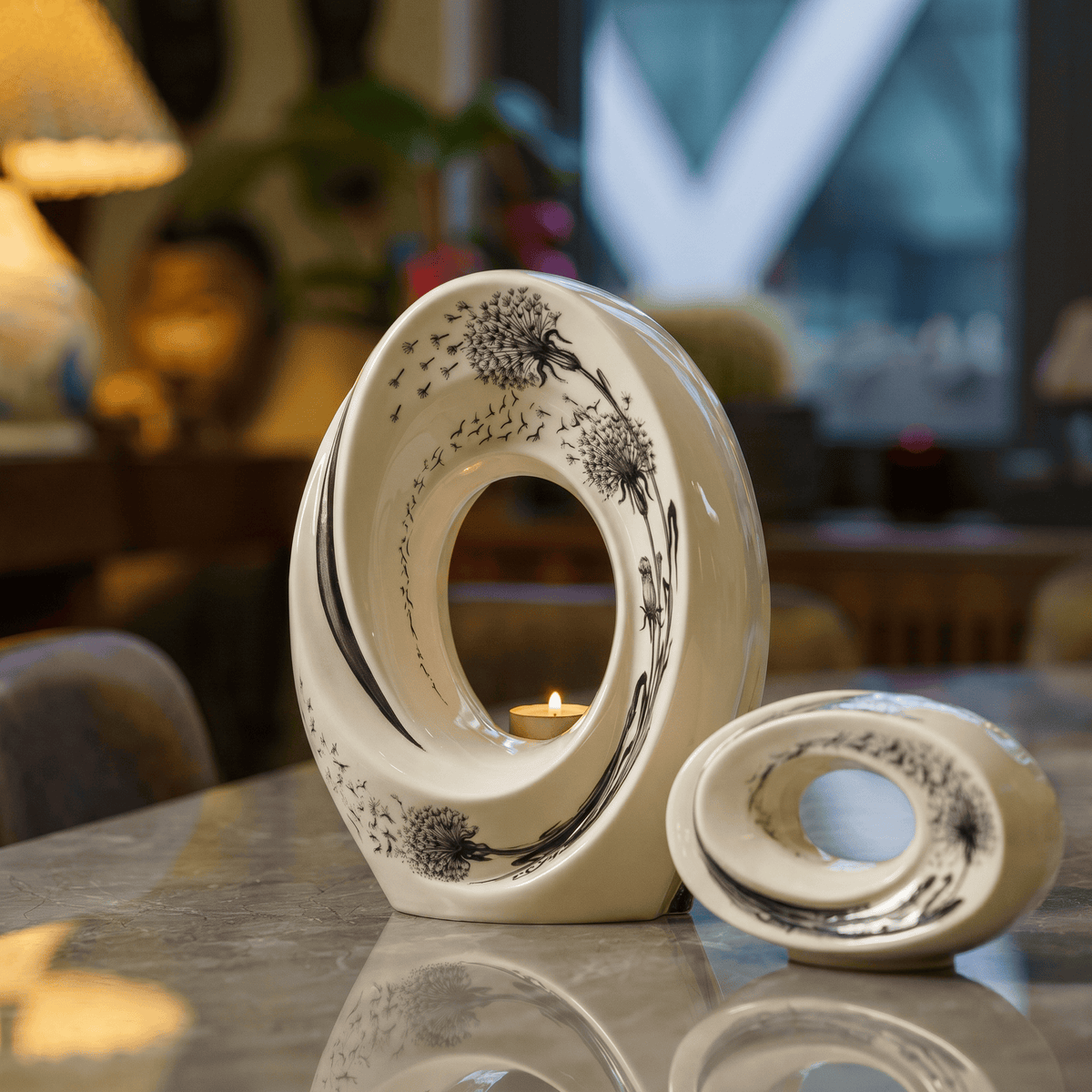
Why Do People Light Candles for the Dead?
Discover the meaning behind lighting candles for the dead, exploring the traditions, beliefs, and emotions that make this simple ritual a lasting expression of remembrance, comfort, and connection within the home.

The Pet as a Witness to a Human Life
Our pets witness far more of our lives than we realise. Explore what it means for an animal to become a quiet witness to our changing homes, relationships, routines and identities — and how a memorial urn can remain as a physical connection to the life they witnessed.

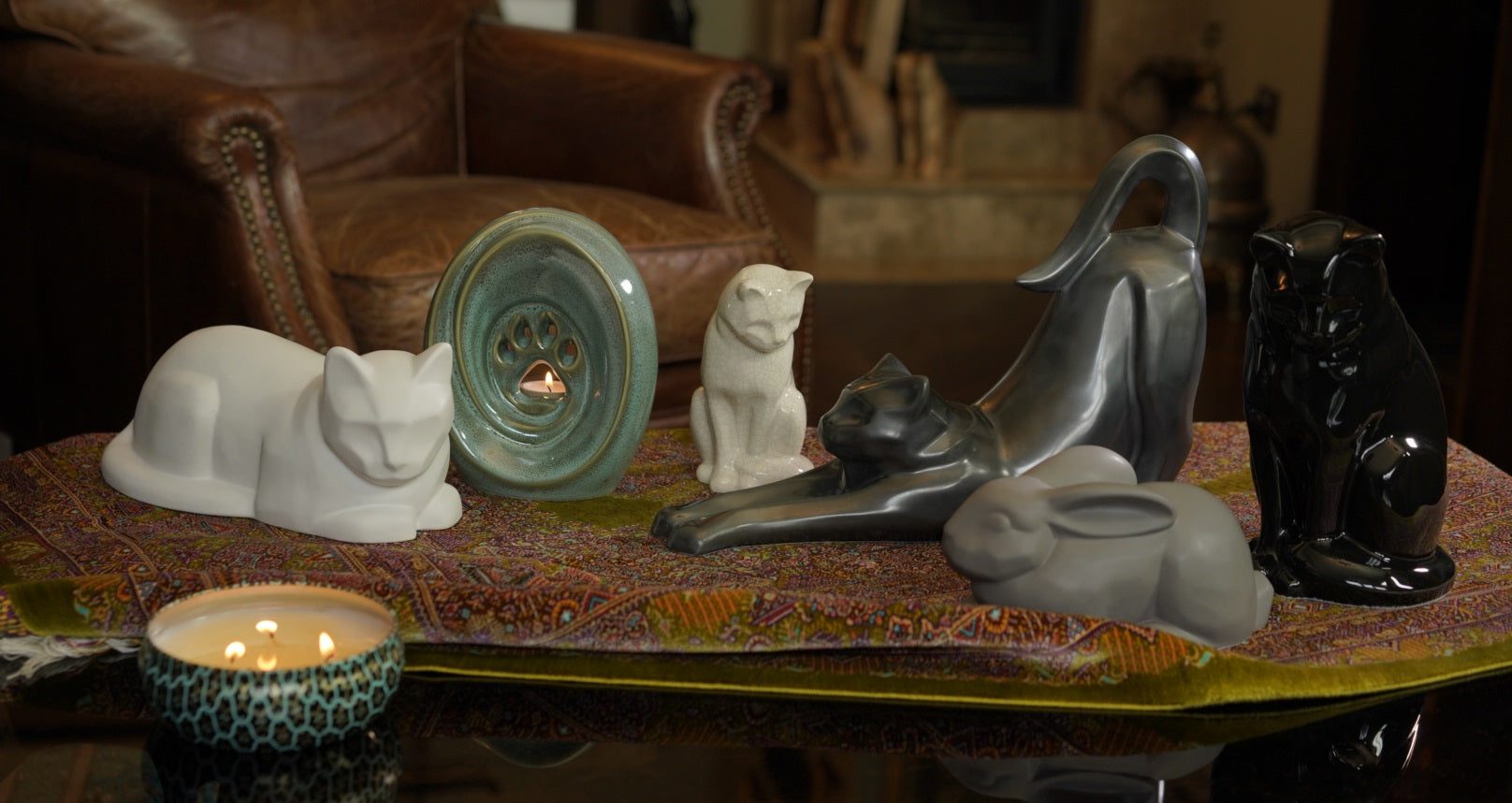
Can You Inherit a Pet’s Memory?
Can we remember a pet we never knew? Explore how stories, photographs, objects and memorials can carry an animal’s memory across generations, turning a private life into part of a family’s shared history.


Share:
The Importance of Memorializing Friends
A Guide to Home Memorials: Displaying Urns with Dignity & Style