


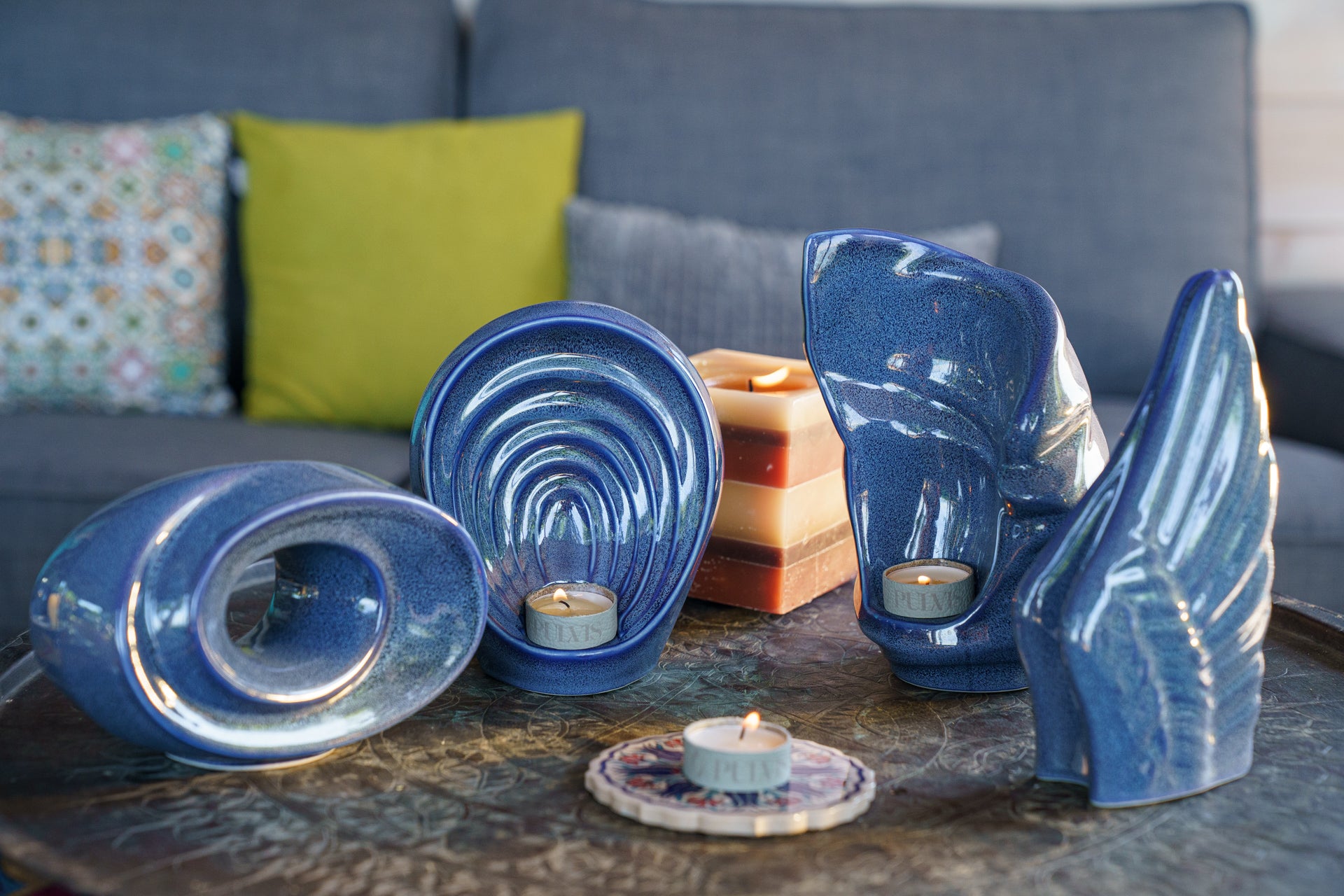
Dividing ashes into multiple ceramic urns is a wonderful solution for larger families, family members separated by distance, and those who have different ideas about how to honor a loved one after they’re gone.
Though many people assume that cremated ashes are supposed to stay in one single urn, it’s actually a very common process to divvy up the ashes. In fact, it can even be part of someone’s final wishes!
Thinking about getting multiple cremation urns for ashes so that more than one person can honor their loved one? Read on for some sound advice on this popular choice.
Did you know that many religious communities are okay with dividing cremation ashes into multiple urns? Though some religious traditions – like Judaism and Catholicism – are still warming up to the idea of cremation overall, there are not many specific rules when it comes to what to do with the ashes or how to keep them in a memorial.

This means that dividing ashes to keep them in multiple urns is not taboo or looked down upon; it is simply a personal choice. And a practical one, at that!
Where to hold a memorial, who to invite, what to do with the ashes – there are so many decisions involved with end-of-life ceremonies. In many families, it’s not uncommon for the surviving family members to quarrel over what they think is best – especially if there isn’t a will and testament to follow.

Dividing the ashes amongst multiple keepsake urns and distributing them to the closest family members is a great solution that can avoid conflict and tension. After all, this isn’t the time to be arguing over the plan – rather, this is a time for grieving, healing, and revisiting fond memories of family.
What happens if the surviving family members live in different cities? Choosing only one person to keep the ashes often feels unfair. Dividing the ashes into multiple ceramic urns or getting unique keepsakes for ashes is a great way to help several family members grieve for their loved one without feeling isolated or left out.
Though we don’t like to think about it, we must acknowledge that accidents do happen. Having multiple keepsake urns for ashes kept in different places can be the saving grace when one urn takes a tumble.

Even if you don’t plan on distributing the cremation urns among multiple households, having an urn in 2 or 3 different rooms of the house can provide the peace of mind that you’ll have something to hold onto in case an accident happens to one of the urns.
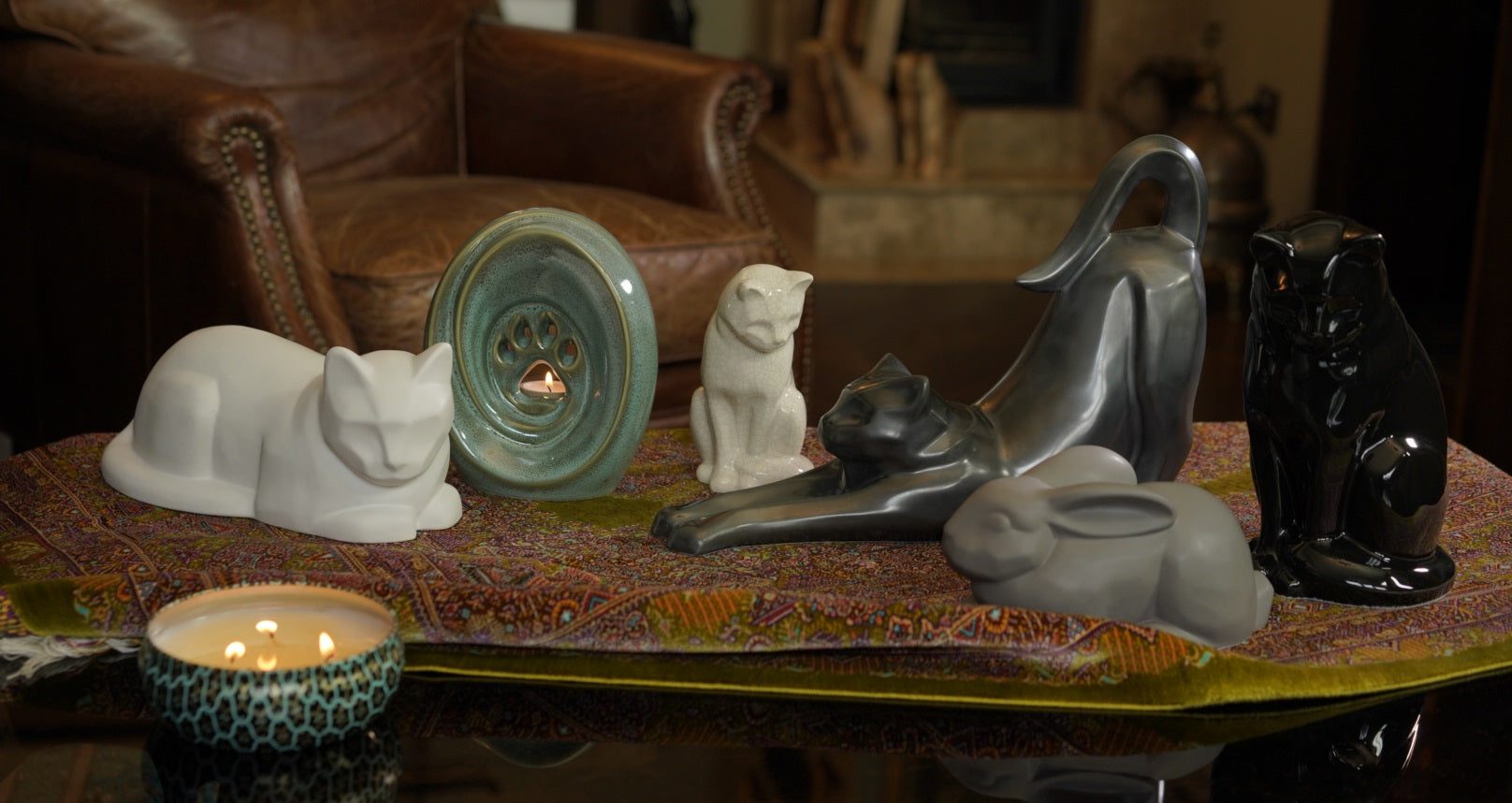
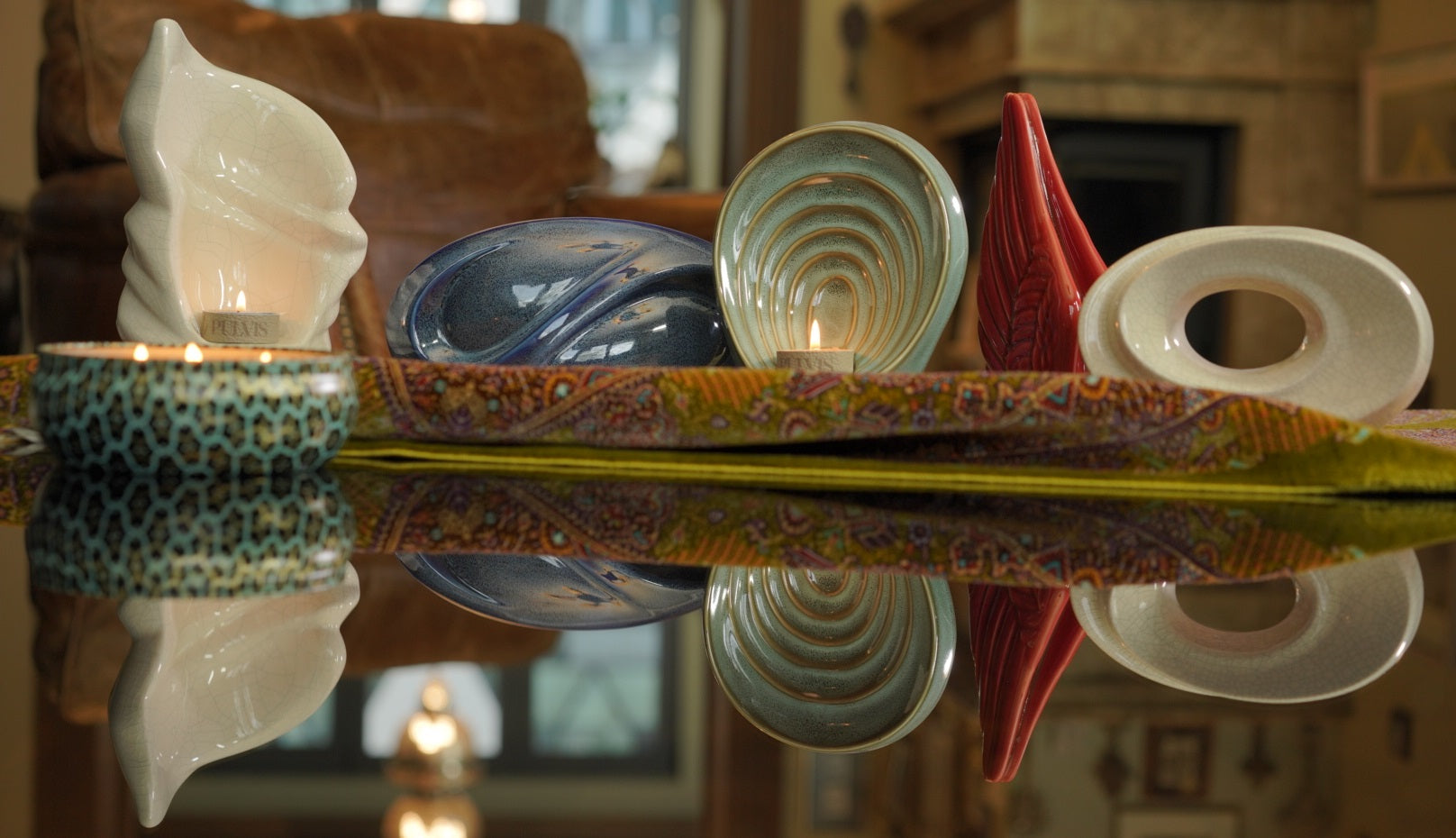
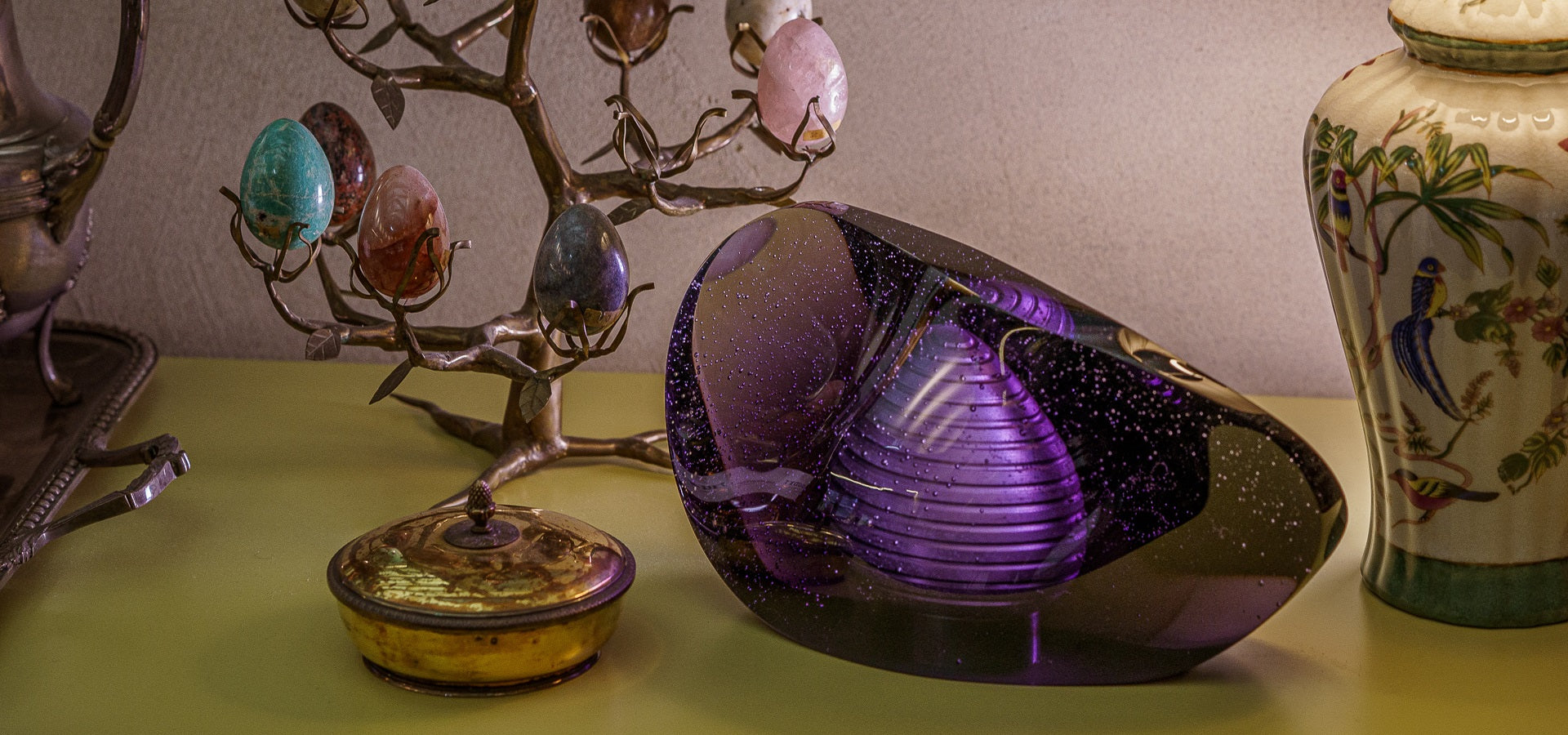
Another advantage of getting multiple urns is that you can be more creative and flexible in your selections. Take a look at handcrafted urns, artisan urns, modern urns with candles, and other unique designs. You can also choose from smaller urns to save some of the ashes while spreading the remaining ashes in a special place, like a park or lake.
Dividing ashes amongst several cremation keepsake urns has lots of practical advantages. But above all, it helps individuals grieve and find peace the way they need to – and that’s essential during any loss.
------------------
Our Affiliate Program is now available. at https://www.pulvisurns.com/pages/affiliate-program-by-pulvis-art-urns

Easy Guide to Funeral Homes in North Dakota
From the rise of Green Burial to the pragmatics of a $5,600 saving with cremation, North Dakota’s 2026 landscape is shifting. This guide breaks down the "Peace Garden State’s" unique eight-day rule, 2026 cost averages, and how families are honoring prairie roots with sophisticated, sculptural legacies.
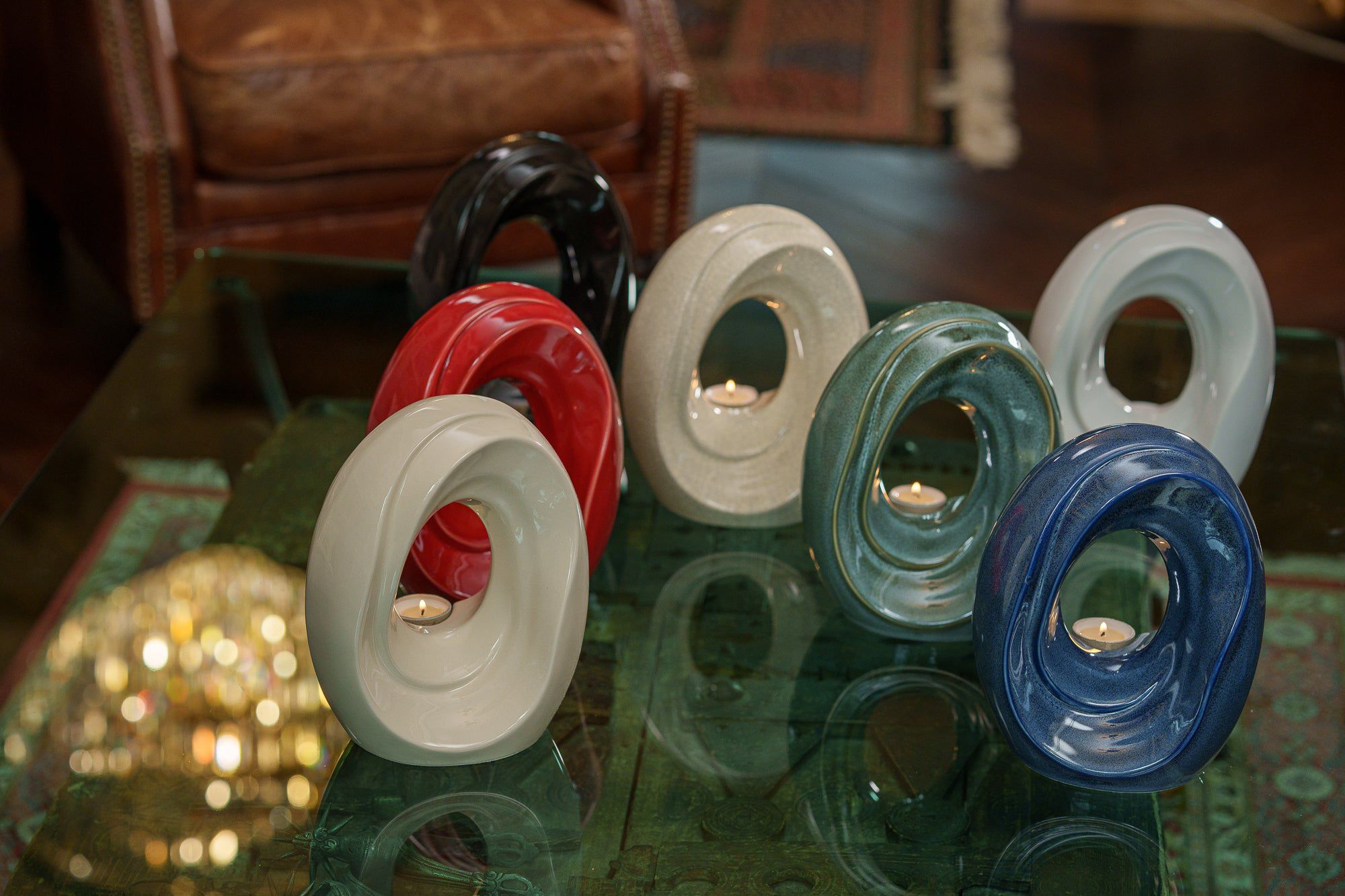
The Alchemy of Remembrance: The Definitive Master Guide to Choosing the Color of a Memorial Urn
Choosing a memorial urn is a profound act of love where color serves as the "visual frequency" of a legacy. From the tranquil depth of celestial blues to the radiant warmth of amber glazes, the right hue transforms a vessel into a storyteller. Explore our master guide to matching personality, tradition, and home decor to find a tribute that resonates with the soul it holds.
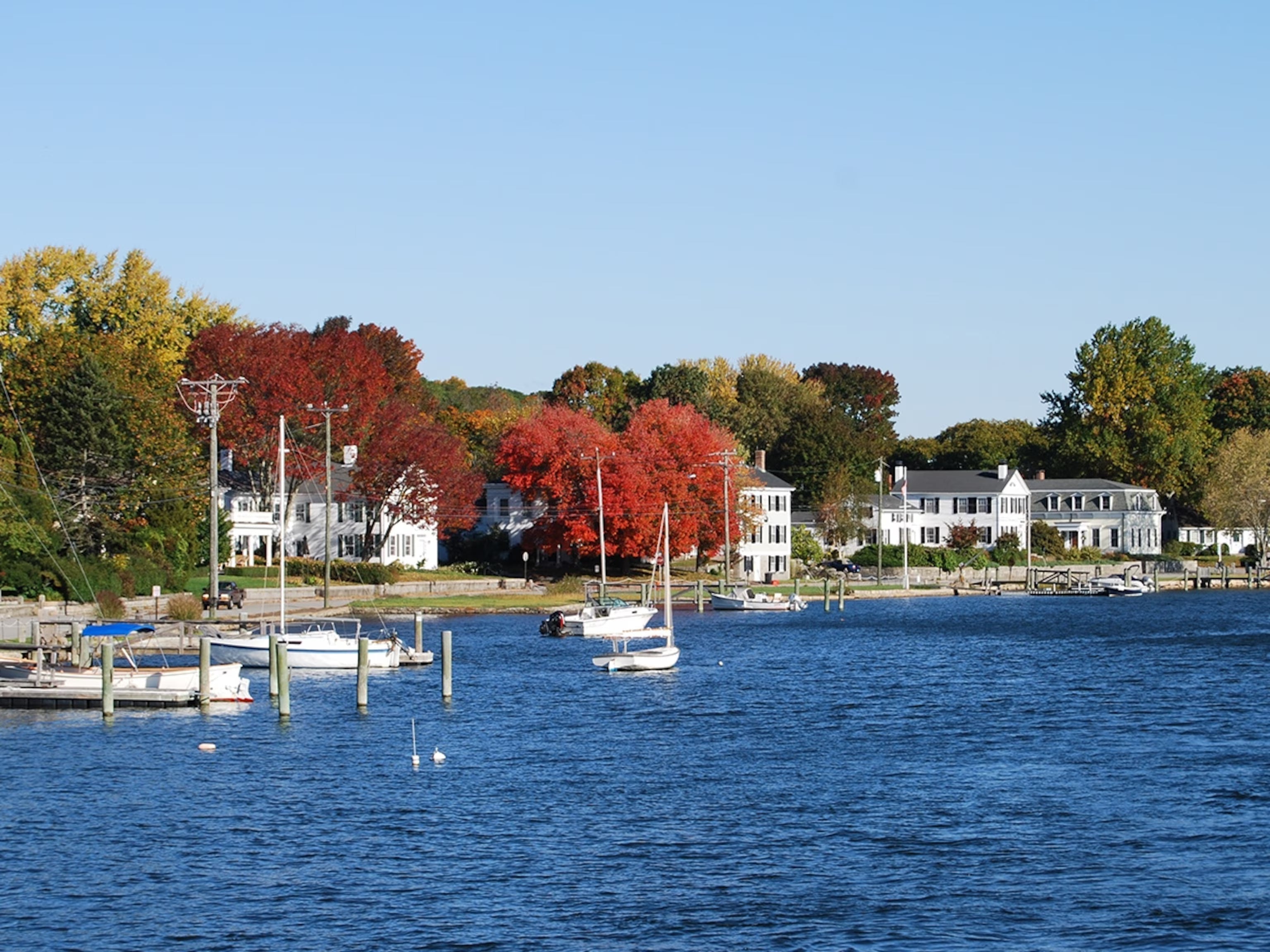
Easy Guide to Funeral Homes in Connecticut
In Connecticut, tradition meets modern, eco-friendly choices. As of 2026, cremation rises to 60–62%, with costs averaging ~$9,600 for burials and ~$3,100 for direct cremation. State law mandates a 48-hour wait before cremation. Families honor loved ones through historic plots or artistic urns reflecting Connecticut’s coastal, refined style.
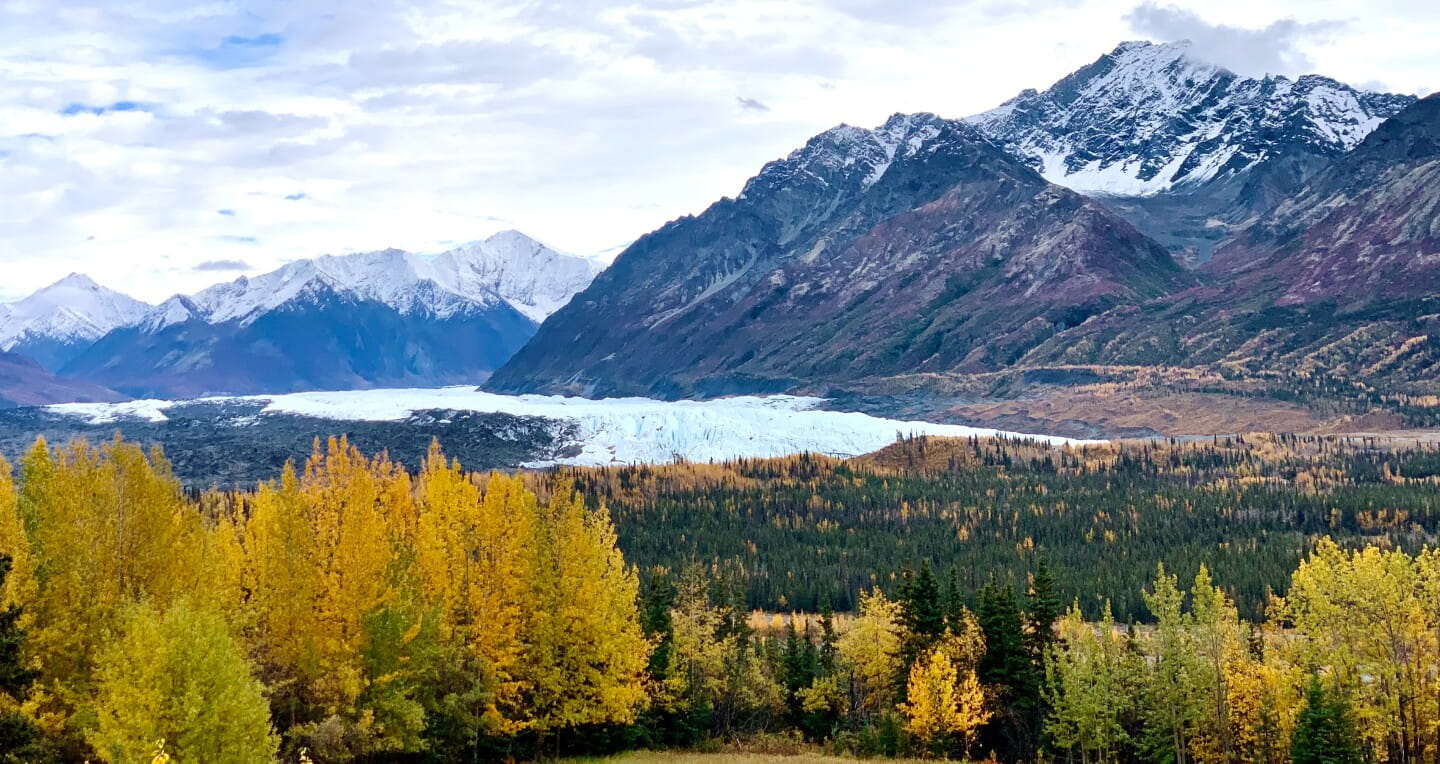
Easy Guide to Funeral Homes in Alaska
From the debut of Natural Organic Reduction to the pragmatic shift toward coastal cremation, Delaware’s 2026 funeral landscape is changing. This guide breaks down the "First State’s" essential costs, the unique five-day rule, and how to plan a personalized "portable legacy" from Wilmington to the Atlantic shore.
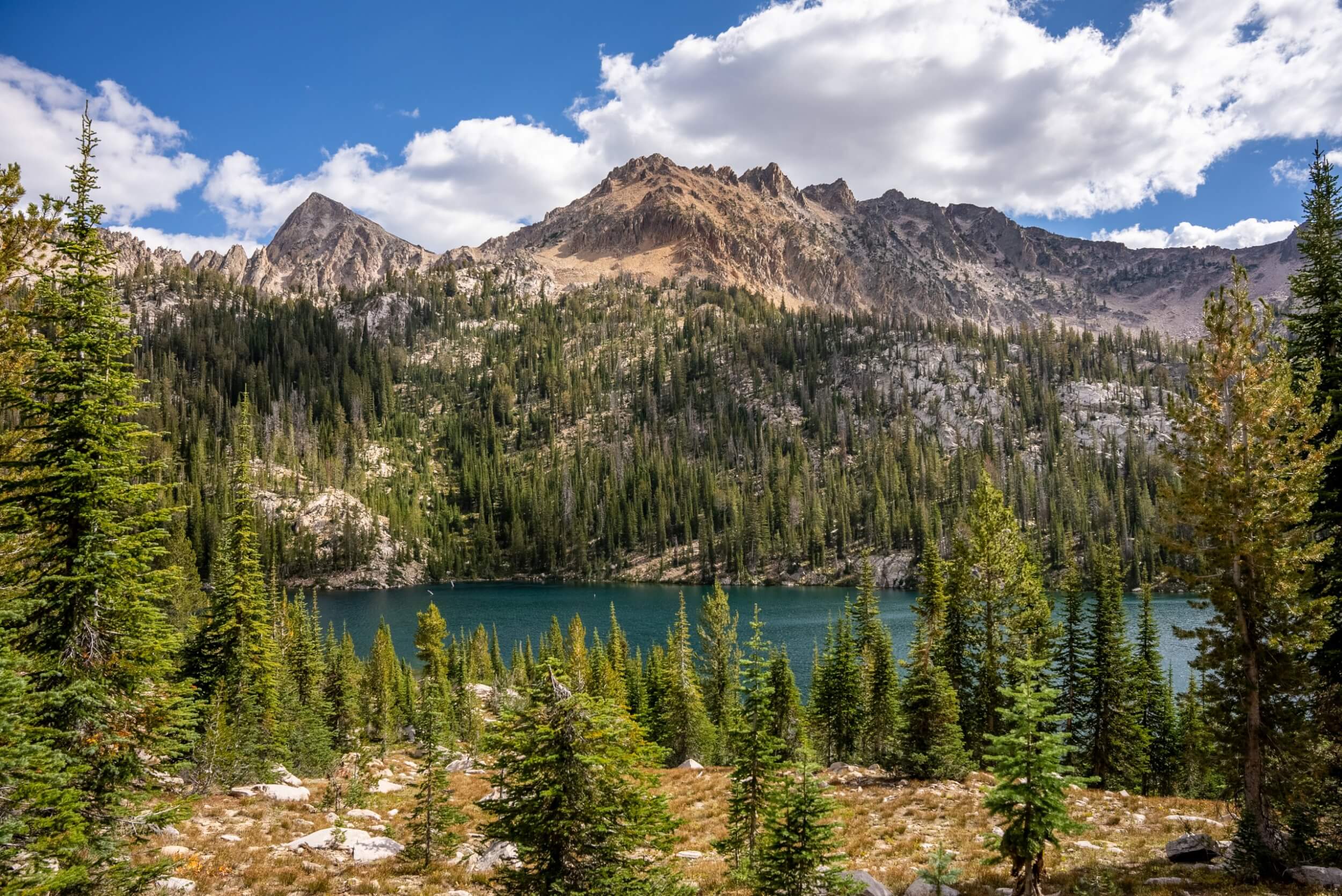
Easy Guide to Funeral Homes in Idaho
In Idaho, rugged landscapes shape unique end-of-life traditions. By 2026, cremation and nature-focused memorials are rising, while traditional burial remains meaningful in farming communities. Costs: $765–$1,706 for cremation, $7,745–$9,750 for burial. Idaho law requires 24-hour waiting, coroner approval, and death certificate filing. Outdoor ceremonies are common. Artistic urns honor loved ones.


Share:
Can Catholics Be Cremated?
Japanese Funeral Traditions: The Cremation Ceremony