


Here for you: art@pulvisurns.com | (562) 609-4019
Organized religions often have strict rules that are designed to help people make appropriate decisions according to their faith. Catholicism is no different, and for many years the Catholic Church had a very strict view on cremation. However, times have changed – and with it, so has the Church.
Whether you’re preparing your own will and testament or you’re in the position of making arrangements for a loved one, it’s best to clear the air about Catholicism and cremation. Having clarity on the Church’s history and current teachings can help you make plans with confidence and feel free to choose what seems right for your family.

Cremation is a scientific process that can be carried out regardless of a person’s beliefs or values. Thus, local laws usually deem cremation as legal or not – no matter the religion of the deceased individual.
With that said, many religious people consider the rules of their faith as holding more weight than local laws. So, even in places where cremation is fully accepted and commonplace (from a legal standpoint), those with a Catholic background may falter when deciding if this process is right for their family.
Hinduism, Buddhism, and many other spiritual communities have embraced the practice of cremation and keeping cremation urns at home for centuries. Religion is very closely linked with culture, which is why different views on cremation have emerged throughout different societies.
The Catholic faith teaches that all people will be reunited when Jesus returns. Because the body is considered to be “made in God’s image,” it is to be treated appropriately – even after death. This means proper funeral rites and a peaceful burial are extremely important to Catholics.
For this reason, the Catholic Church originally opposed cremation, believing that it would conflict with God’s plan to resurrect and rejoin believers one day.
The Catholic Church has been around for a very long time, so it’s no stranger to cultural, political, and societal change. Because the world around us is constantly changing, the Catholic Church has become accustomed to adapting some of its teachings to better serve people in modern times.
Though cremation was originally prohibited, the Catholic Church decided to permit cremation in 1963, lifting the staunch rule forbidding the practice. This decision really reflected an awareness of changing trends and needs within the Catholic community worldwide. As cremation practices started gaining in popularity, the Church needed to adapt.

With that said, the taboo of choosing cremation remains in many Catholic communities throughout the world. In some regions, time is still needed before Catholics feel completely free to choose cremation without disapproval from other members of their faith.
Though the Catholic Church no longer forbids cremation, it doesn’t exactly encourage it either. Nor does it encourage scattering ashes, showing a clear preference for keeping urns at home. This puts people in a very tricky spot, considering that cremation continues to gain popularity and provides a plethora of advantages – both personal and environmentally.

In the modern era, many people consider cremation a practical, affordable, and respectful way to honor a deceased loved one. For Catholics, it remains a matter of personal choice.
------------------
Our Affiliate Program is now available. at https://www.pulvisurns.com/pages/affiliate-program-by-pulvis-art-urns
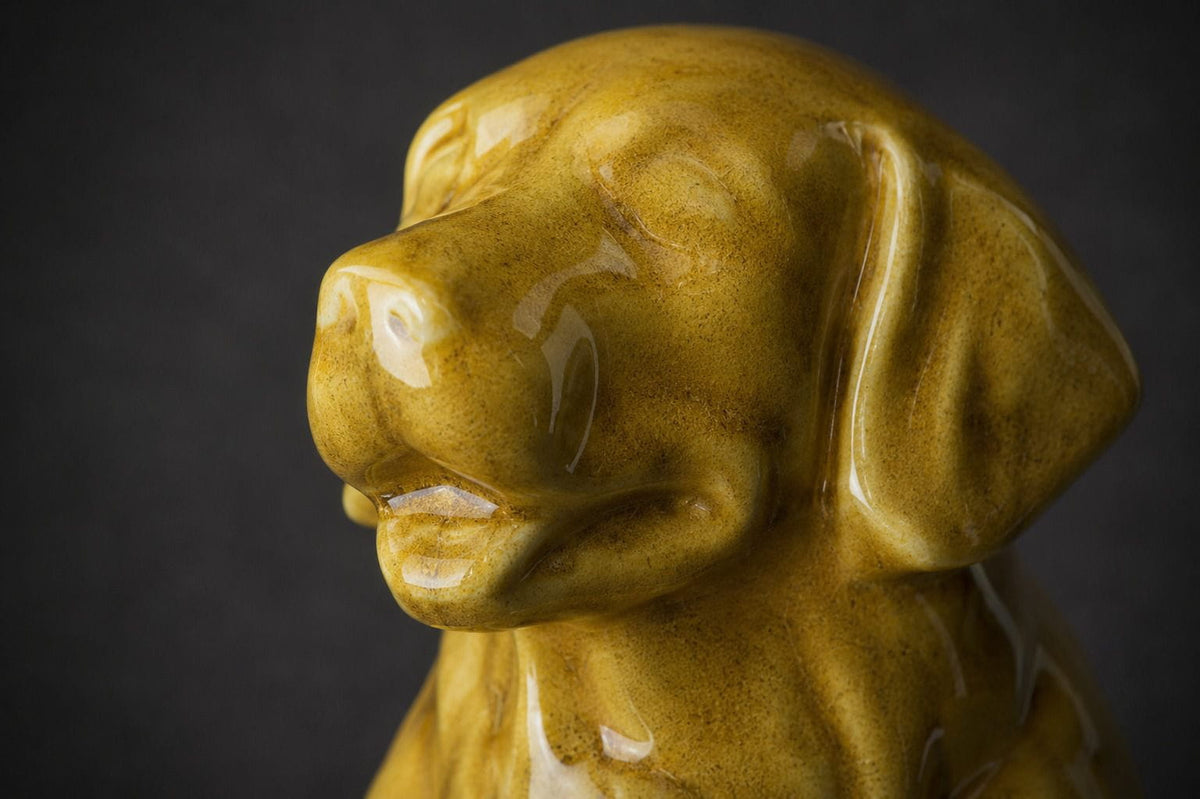
Can a pet urn be more than a vessel for ashes? Explore how craftsmanship, materials and sculptural design can transform a memorial urn into a meaningful work of art that keeps the memory of a beloved companion present.
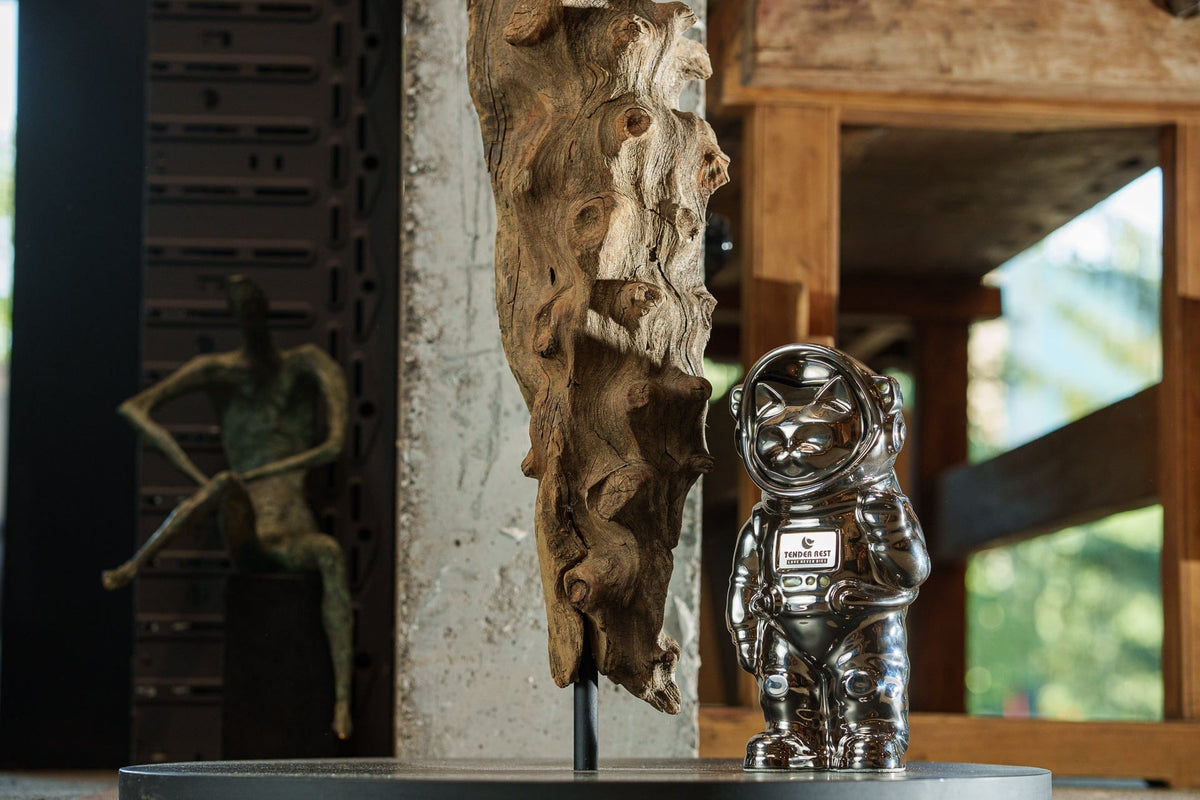
The Pet Funeral Is Changing: What Modern Goodbyes Look Like
Pet funerals are changing as animals become an increasingly important part of our families. Discover how cremation, memorial ceremonies, personalized urns and new rituals are creating more personal ways to say goodbye to a beloved companion.
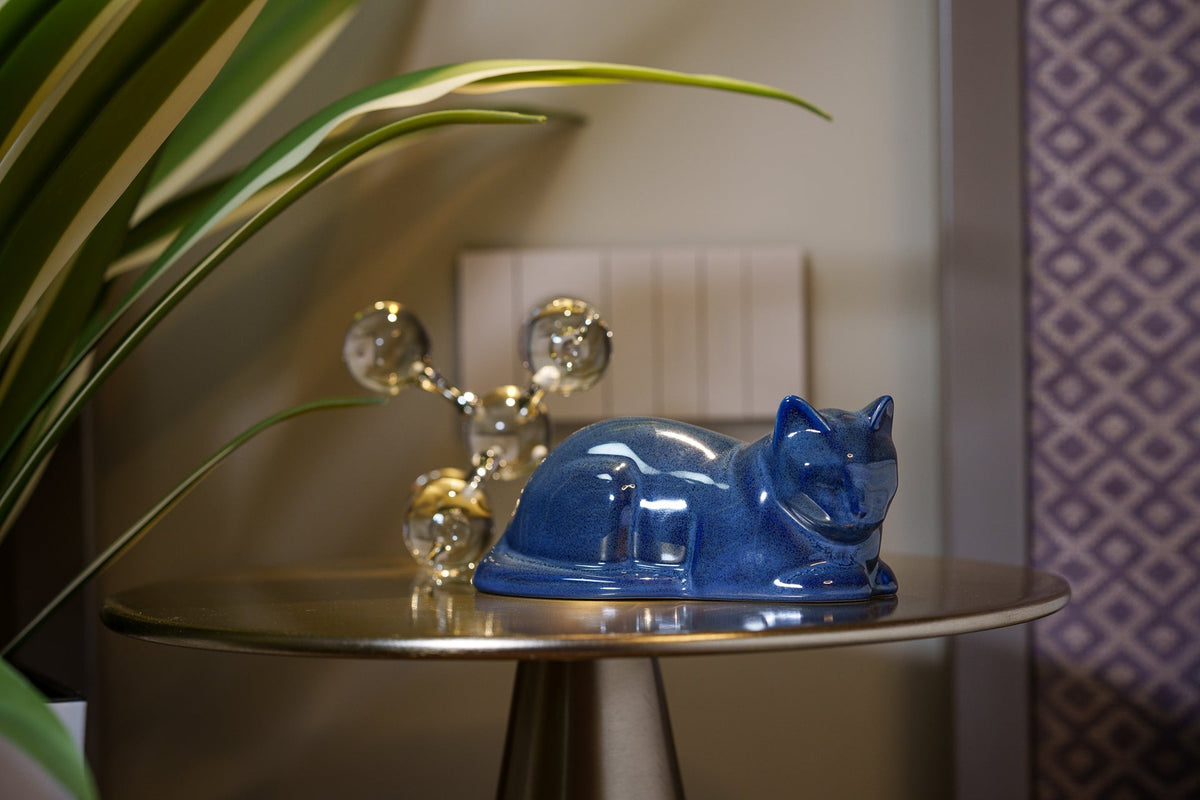
Can the Design of a Pet Urn Change the Way We Grieve?
Can the design of a pet urn influence the way we experience grief? Explore how meaningful materials, forms and memorial design can help transform loss into a lasting connection with a beloved companion.

What Are the Most Unique Urns Available Today?
Discover the most unique cremation urns available today, from handcrafted ceramic and sculptural designs to glass, nature-inspired, personalized, and keepsake memorials. Learn what makes an urn distinctive and how to choose a meaningful design based on capacity, material, placement, and personal significance.
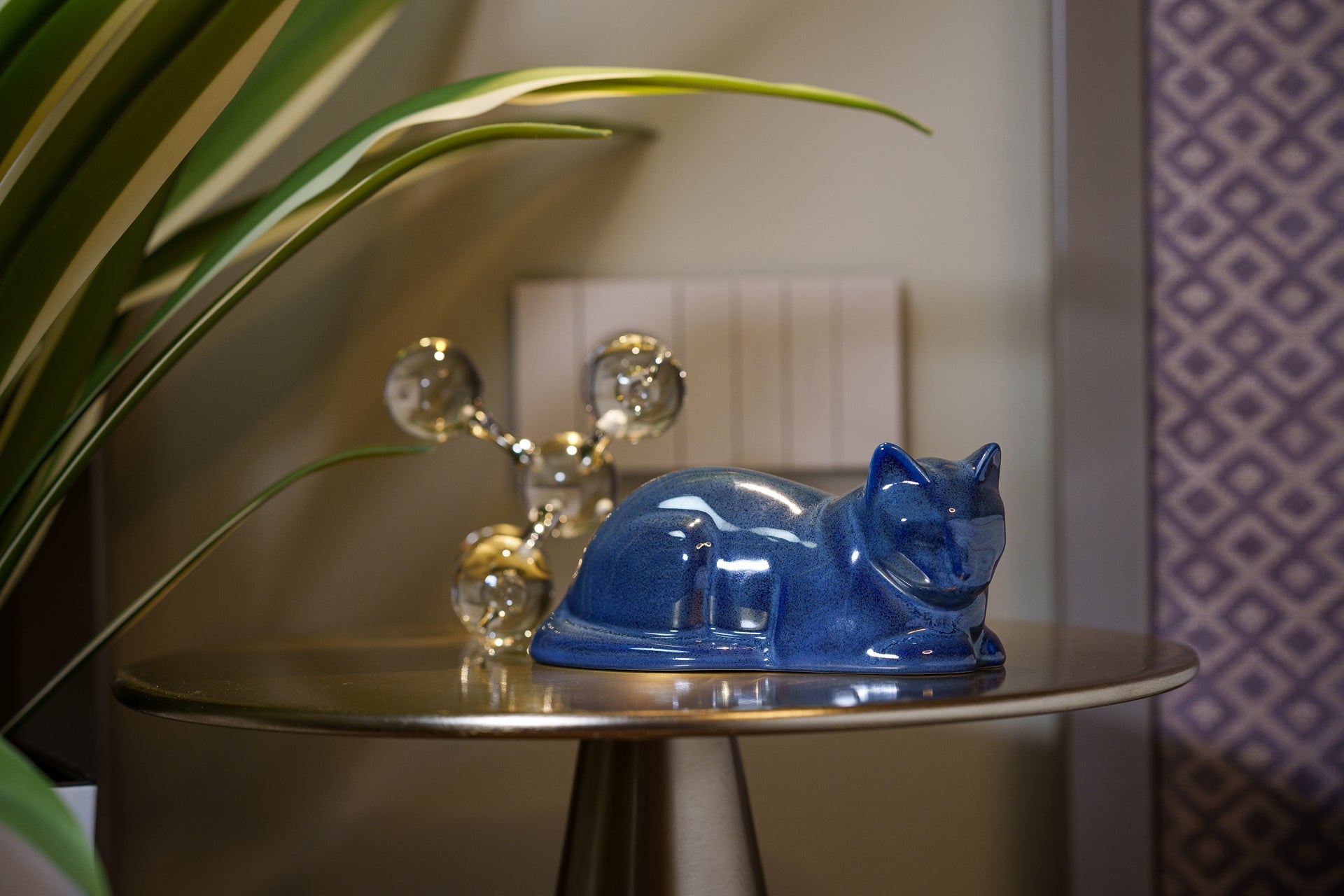
How Do You Choose the Right Pet Urn?
A practical guide to choosing the right pet urn, covering size, capacity, materials, personalization, closure, and meaningful ways to memorialize your beloved companion.


Share:
Pet Cremation – How Much Does it Cost?
Multiple Urns for Sharing Ashes with Family