


Here for you: art@pulvisurns.com | (562) 609-4019
7% off your order
Use this code at checkout:
In a world increasingly shaped by sustainability and environmental stewardship, more people are seeking memorial options that reflect their values—even in how they honor their loved ones. Eco-friendly urns are rising in popularity as meaningful, sustainable alternatives to traditional cremation vessels. These urns offer a respectful return to nature, blending beauty with biodegradability.
At Pulvis Urns, we understand the need for remembrance that’s not only deeply personal but also kind to the planet. Whether you’re looking for biodegradable urns for water burial, plantable urns to grow living tributes, or elegant clay urns that decompose naturally, we’re here to help you choose a sustainable farewell.

Eco-friendly urns offer a thoughtful way to honour your loved one while minimizing your environmental impact. They are designed to naturally return ashes to the earth or water, aligning the memorial with life’s natural cycles. In a time when sustainability matters more than ever, green urns reflect values of conservation, renewal, and gentle remembrance.
Beyond environmental benefits, choosing a sustainable urn is also a deeply symbolic gesture—one that says goodbye without causing lasting harm to the planet. It transforms grief into a powerful act of restoration.
Conventional urns are often made from materials like metal, synthetic resins, or heavy ceramics that don’t decompose easily remaining in the environment indefinitely. Eco-friendly urns are crafted from biodegradable materials like natural clay, salt, paper, cornstarch, or bamboo, which safely return to the earth or water.
By selecting an eco-urn, you actively reduce your carbon footprint and support the shift toward green cremation and sustainable burial practices.
Eco urns are designed to decompose gracefully, completing the life cycle by allowing ashes to blend with soil or dissolve into water. Many families find comfort in this return-to-nature concept, as it reflects peace, regeneration, and ecological harmony.
Choosing an eco urn doesn’t mean compromising on beauty or craftsmanship. Today’s sustainable urns combine artisan aesthetics with environmentally responsible materials. Whether minimalist or intricately designed, they honour a loved one’s legacy with dignity and elegance.
There is a growing variety of sustainable urns to fit every need and ceremony style:
Each type supports a memorial that is beautiful, responsible, and aligned with your values.
Crafted from water-soluble paper, salt, sand, or unfired clay, these urns decompose naturally when buried in soil or submerged in water. They're ideal for earth burials or water-based memorial ceremonies.
These unique urns are embedded with tree or flower seeds, allowing you to plant a living tribute using the ashes. Over time, your loved one’s memory lives through a blooming tree or garden—symbolizing growth, life, and healing.
Specifically engineered to dissolve in water within minutes to hours, these urns support water-based scattering ceremonies or alkaline hydrolysis (a sustainable cremation alternative). They are made from materials like sand, gelatin, or paper pulp.
For families who wish to share ashes or keep a small portion in a personal space, keepsake urns offer a compact, eco-friendly solution. They are often made with biodegradable paper clay or wood and come in artistic shapes suitable for home display.

Eco urns are crafted with natural, non-toxic materials that decompose cleanly and leave no lasting environmental footprint:
These materials are thoughtfully selected to meet both aesthetic standards and eco-friendly goals.
Unfired or low-fired natural clays break down gradually without releasing harmful substances into the environment. Glazes used in eco urns are water-based and non-toxic, making them safe for soil and aquatic ecosystems.
Biodegradable urns often use cornstarch, bamboo fibers, recycled paper, or cellulose-based resins. These materials degrade quickly and require minimal energy to produce, aligning with low-impact manufacturing practices.
Innovative green urns are now incorporating mycelium (fungus roots) and seed paper, turning the burial process into a regenerative act. These materials nourish the soil and support reforestation—creating life from loss.

Choosing the ideal urn starts with your values, ceremony plans, and the wishes of your loved one:
Always ensure the urn is verified biodegradable and ethically made. At Pulvis Urns, we offer full transparency and guidance for choosing with confidence.
Consider how and where the urn will be used—burial, scattering, water placement, or display. Water-soluble urns dissolve quickly, while plantable or clay urns degrade slowly over months. Match the material to your ceremonial plans and timeline.
Eco urns come in full-size (to hold all cremated remains), companion urns (for two people), or keepsake versions (small portions). Choose a design that resonates emotionally—whether that’s a nature motif, organic shape, or symbolic sculpture.
Trust urns that meet environmental standards like ASTM D6400 (for compostability) or are explicitly labeled as biodegradable. At Pulvis Urns, we prioritize full material transparency and artisan production to give you peace of mind.
A memorial urn for ashes is a timeless way to honor and preserve the memory of a loved one. Designed with care and dignity, urns provide a meaningful resting place, whether displayed at home, placed in a columbarium, or buried. They serve as a lasting tribute, symbolizing love, remembrance, and respect. Eco urns are designed to integrate with nature, but a little care goes a long way:
If you’ve chosen a memorial urn for ashes meant for display before burial or scattering, many eco urns can be kept temporarily in the home. Look for sealed designs or moisture-resistant finishes that protect the contents during the holding period.
When using a plantable urn, choose native trees or flowers for optimal growth. Ensure the soil is nutrient-rich and not treated with chemicals. For water burials, comply with local regulations—many allow biodegradable urns if placed at least 3 nautical miles from shore.
Weather can affect the speed of biodegradation. Urns decompose faster in warm, moist soil than in cold or dry climates. Water urns dissolve more quickly in moving or warm water than in still, cold lakes.
Families often choose to divide ashes among several urns—allowing multiple family members to participate in ceremonies across different locations. Keepsake urns offer a compact and respectful way to honor shared remembrance.
Choosing an eco-friendly urn is more than a practical decision—it’s a conscious tribute to a life well-lived and a commitment to the earth we all share. By selecting biodegradable or sustainable urns, you honor your loved one while contributing to a more compassionate, eco-conscious legacy.
At Pulvis Urns, we’re proud to offer a curated collection of green urns that blend artistic craftsmanship with environmental responsibility. From plantable memorials to water-burial designs, every piece tells a story of life, love, and sustainability.
📍 Ready to find the perfect eco-urn? Browse our collection of sustainable cremation urns or contact us for personalised support.

Biodegradable urns naturally break down in soil or water, returning to the earth without leaving synthetic residue. The process can take from hours to several months, depending on the environment.
Yes, many plantable urns are designed to be mixed with ashes and soil to grow trees or flowers. Make sure to follow planting instructions and choose a species that suits your region.
Eco urns are durable enough for short-term display or transportation but are not intended for long-term indoor storage unless kept in dry, cool environments. Some are reinforced for temporary display before burial.
Absolutely. Many eco-friendly urns are elegantly crafted and suitable for display on shelves or altars before being planted or scattered. Just keep them away from high humidity or direct sunlight.
Look for full transparency in materials, compostability or biodegradability certifications, and production processes. At Pulvis Urns, all eco urns are made with verified natural ingredients and minimal environmental impact
Which urn size do I need?
A simple rule: about 1 cubic inch of urn per pound of body weight.
Every product page lists the urn's capacity. Keepsake urns hold a small portion of ashes to share.
Need it by a specific date?
Free shipping · Delivery in 3–5 business days
Express delivery in up to 3 business days – choose it at checkout
Need help choosing?
Talk to our team – we're happy to help you find the right urn.
(562) 609-4019 art@pulvisurns.comSend us a message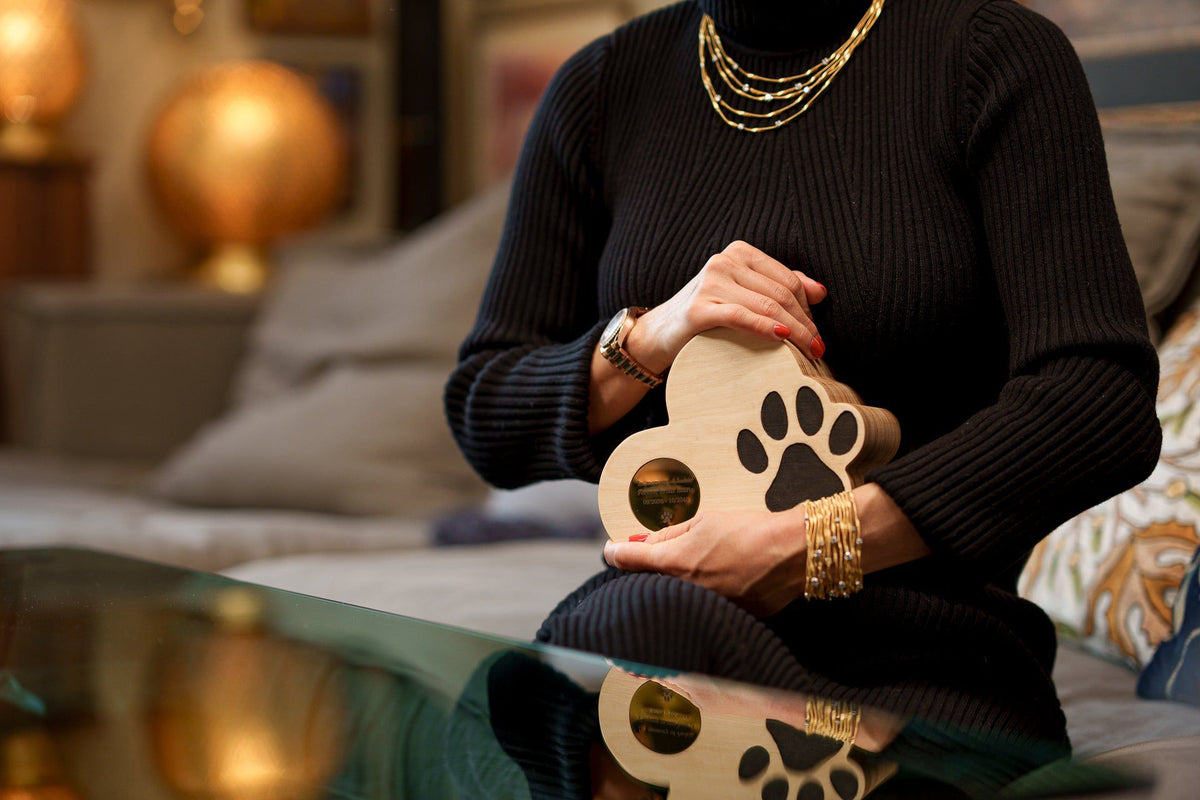
Can You Grieve a Life That Never Had Words?
Discover why losing a beloved pet can be so profound, how wordless bonds shape our lives, and how Pulvis Art Urns brings craftsmanship and thoughtful design to the art of remembering an animal companion.
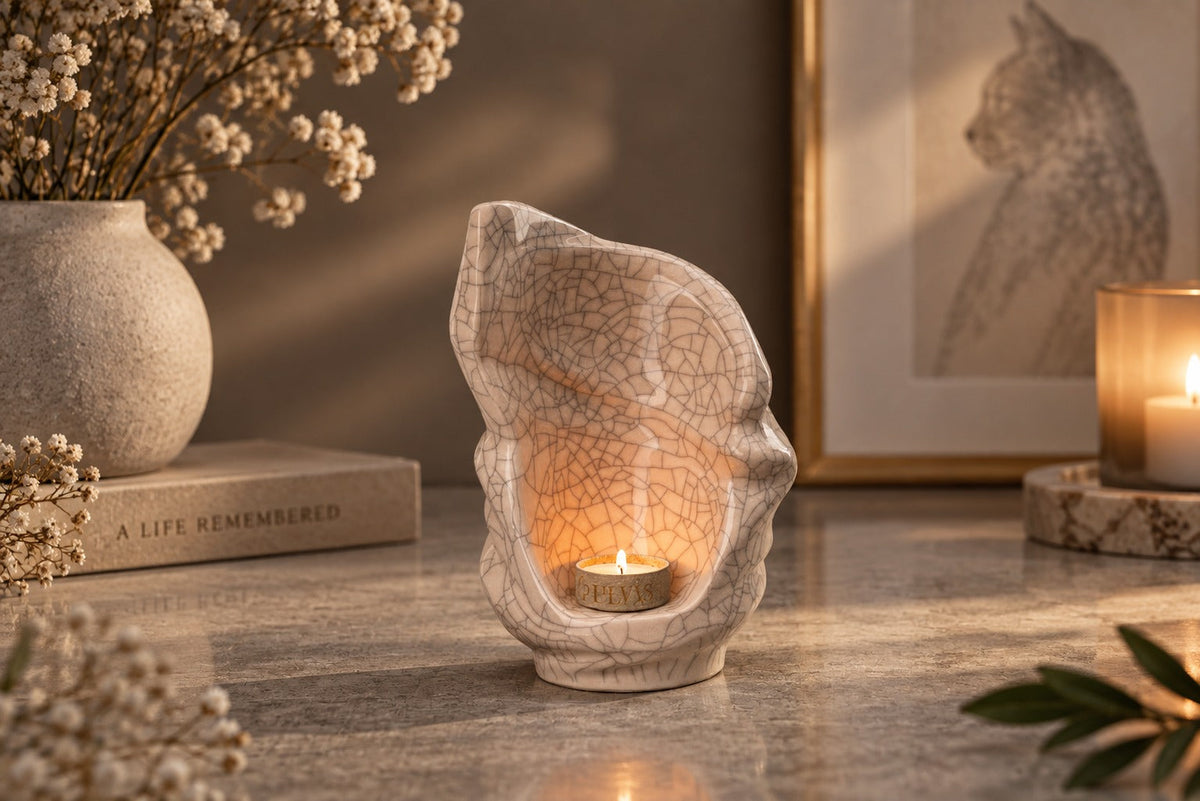
What Does the Bible Say About Cremation?
Explore what the Bible says about cremation, Christian beliefs about resurrection, and meaningful ways to honor a loved one’s memory through a thoughtful memorial.
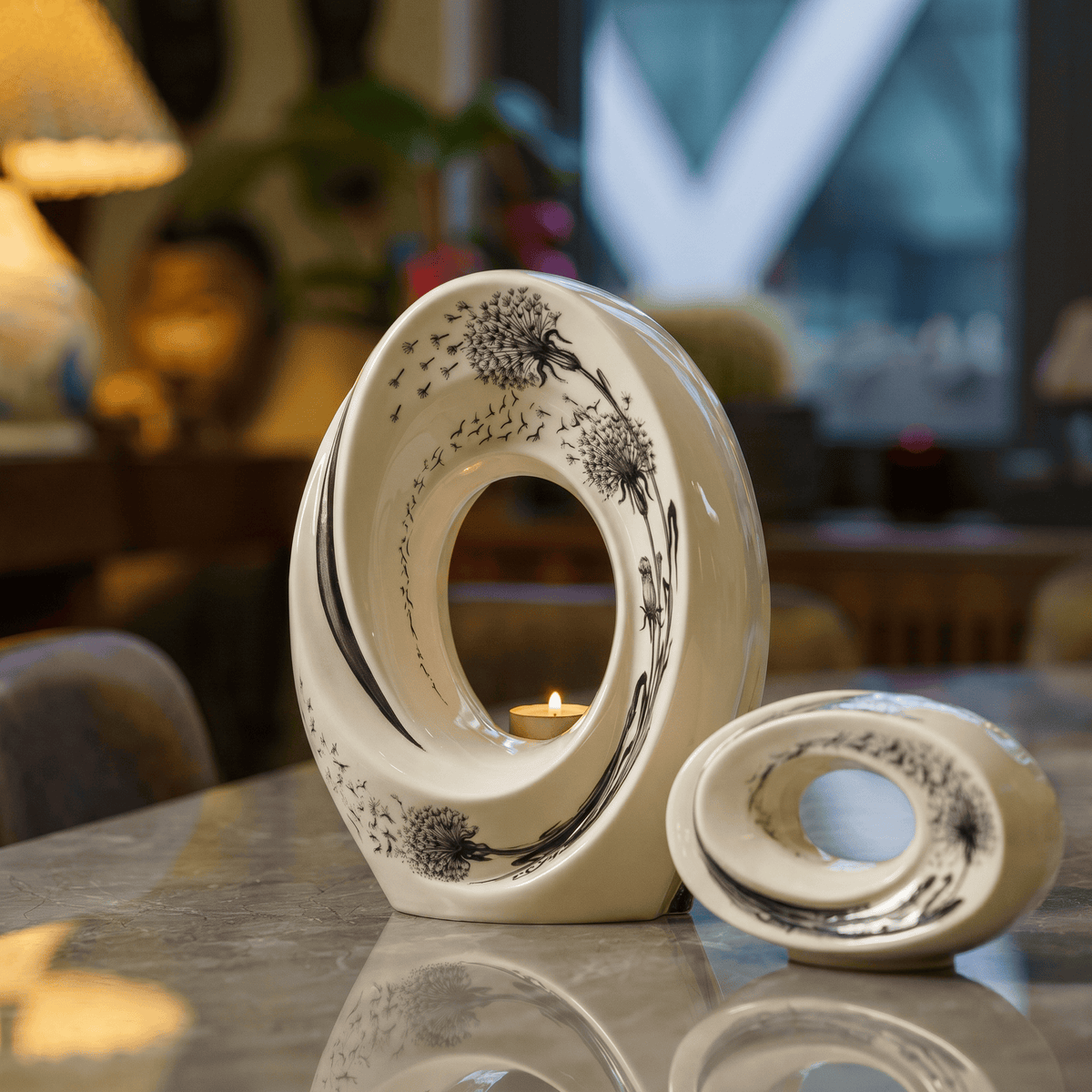
Why Do People Light Candles for the Dead?
Discover the meaning behind lighting candles for the dead, exploring the traditions, beliefs, and emotions that make this simple ritual a lasting expression of remembrance, comfort, and connection within the home.

The Pet as a Witness to a Human Life
Our pets witness far more of our lives than we realise. Explore what it means for an animal to become a quiet witness to our changing homes, relationships, routines and identities — and how a memorial urn can remain as a physical connection to the life they witnessed.

Can You Inherit a Pet’s Memory?
Can we remember a pet we never knew? Explore how stories, photographs, objects and memorials can carry an animal’s memory across generations, turning a private life into part of a family’s shared history.


Share:
How to Incorporate an Urn into Your Home?
How to Properly Care for Your Cremation Urn