


Here for you: art@pulvisurns.com | (562) 609-4019
7% off your order
Use this code at checkout:
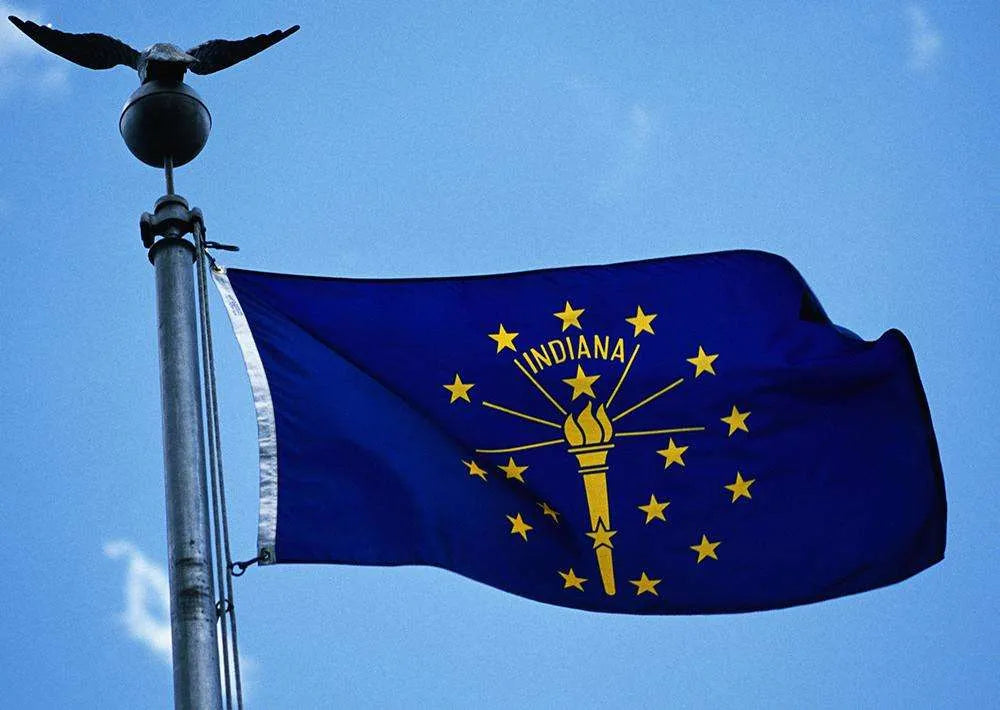
In Indiana, a state known for its expansive farmland and deeply communal "Hoosier Hospitality," end-of-life traditions are undergoing a quiet but significant transformation. While Indiana has historically been a stronghold for traditional faith-based funerals and multi-generational cemetery plots, the 2026 landscape reveals a growing appetite for innovation and eco-consciousness. Notably, the state has recently legalized Alkaline Hydrolysis (Water Cremation), positioning it at the forefront of the Midwest's green death-care movement. Whether you are in the historic hubs of Indianapolis or the quiet, lakeside communities of the north, this guide provides the essential data and local resources to help you create a legacy that honors the spirit of Indiana.
A Hoosier Perspective on Community and Conservation
In Indiana, the choice between burial and cremation is increasingly a choice between "anchoring" a legacy in a physical plot or "branching" it through flexible, artistic memorialization.
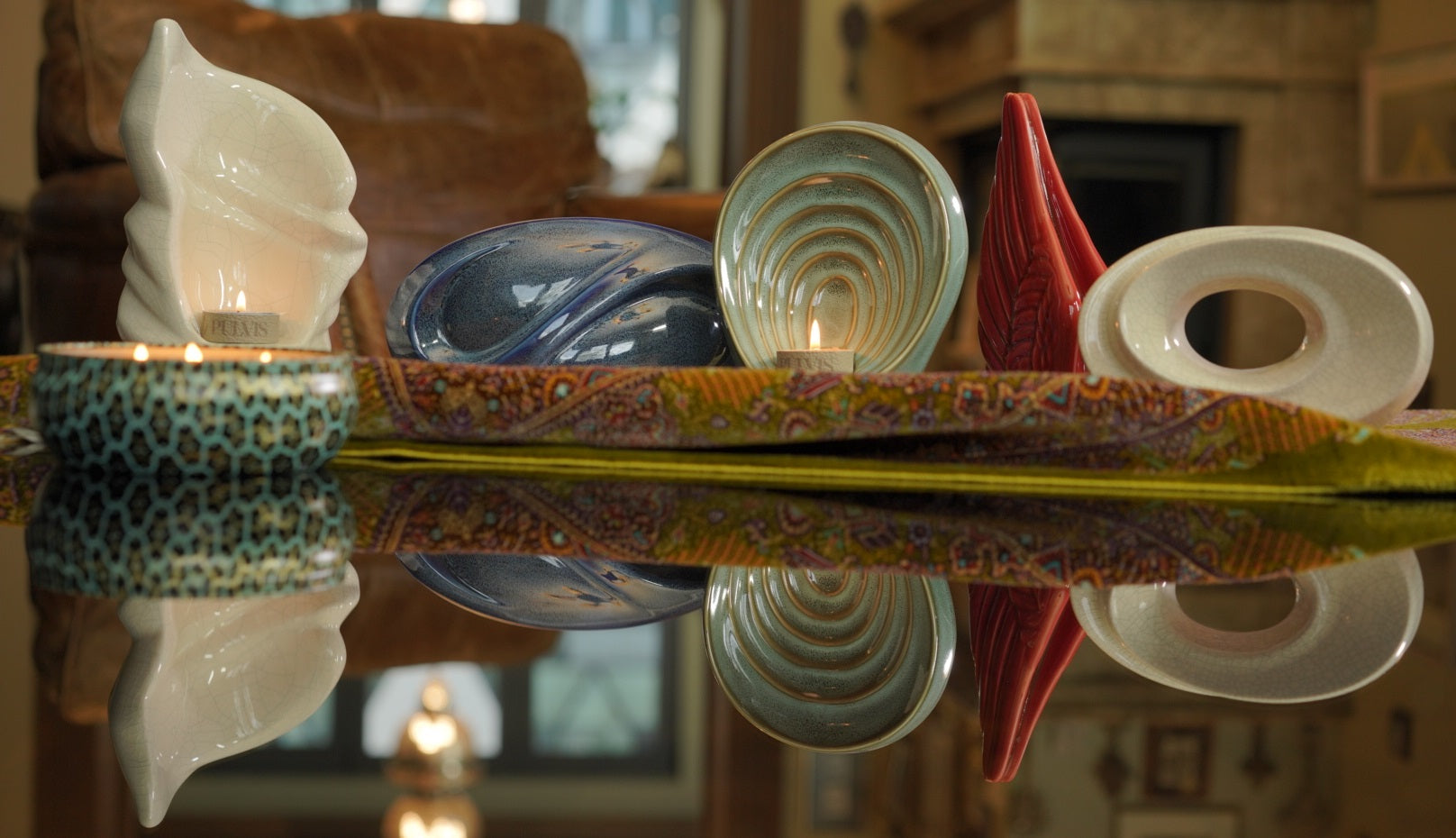
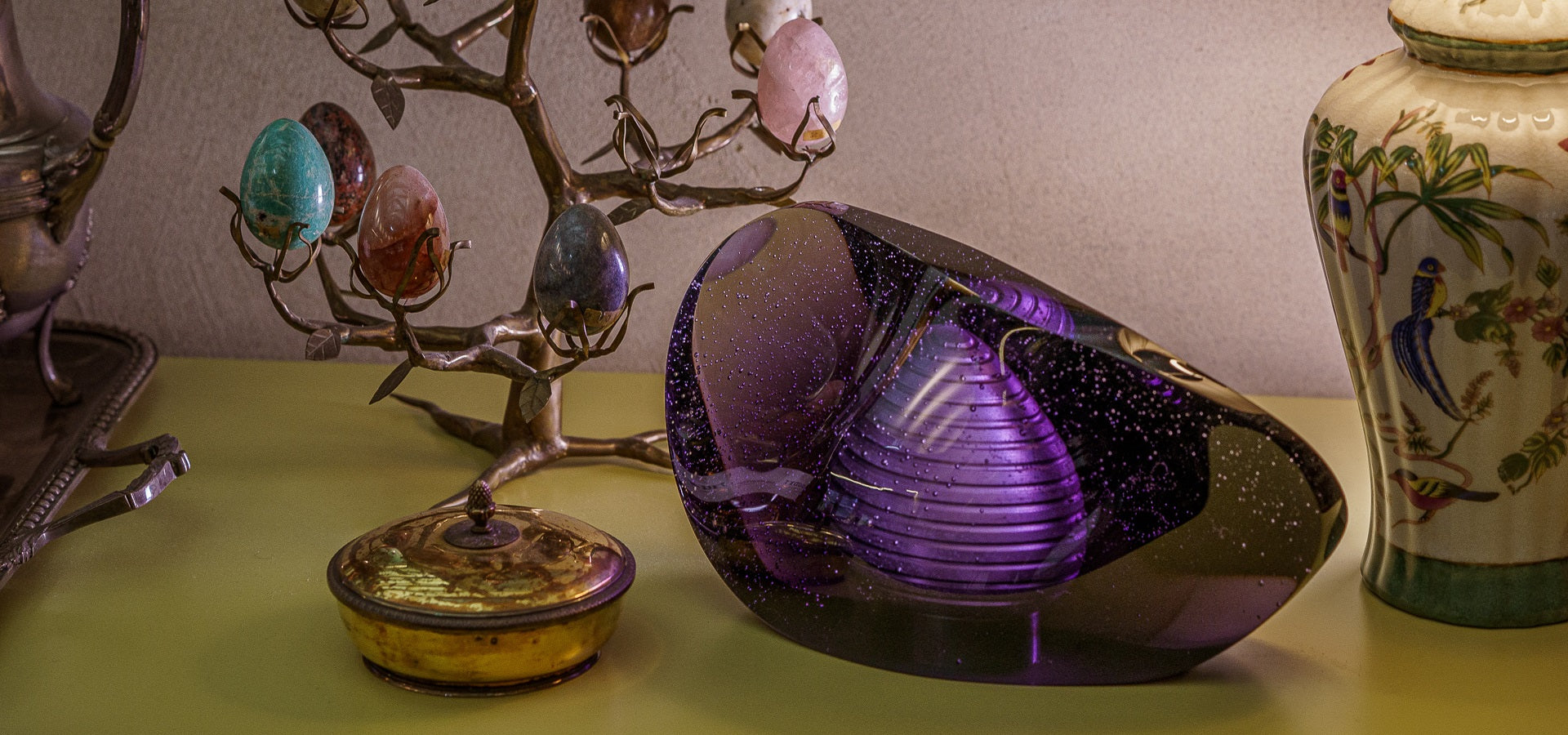
Emotional and Psychological Factors: For many in Indiana, particularly in rural counties, a traditional burial remains the gold standard for honoring a life lived in service to the family and land. The "visitation" often serves as a massive community gathering. However, as the "Show-Me" practicality of the modern era takes hold, many families are choosing cremation to avoid the rigidity of a fixed location. A Celebration of Life can now be held at a local park, a favorite golf course, or even a classic Indiana basketball gym. Many families find deep comfort in keeping their loved one's remains in a sculptural Cremation Urn, allowing the deceased to remain a vibrant, artistic part of the home as the seasons change.

The Rise of "Green" Options: As of 2026, Indiana is making headlines for its adoption of Alkaline Hydrolysis (Aquamation). This process uses water and heat to return remains to the earth in a way that is far gentler than fire-based cremation. It appeals to the Hoosier value of stewardship, offering a 90% reduction in carbon footprint compared to traditional methods.
Financial Realities: Economic mindfulness is a core Indiana trait. 2026 data shows that a traditional funeral with a casket and vault can be a major financial undertaking. Cremation, particularly Direct Cremation, allows families to focus their resources on a meaningful legacy—such as a donation to a local youth sports league or the purchase of a high-quality, handcrafted ceramic urn that serves as a permanent family heirloom.
In 2026, Indiana continues to see a steady climb in cremation rates, though it maintains a higher-than-average respect for traditional burial compared to the coastal states.
Cremation Rates: As of 2026, the cremation rate in Indiana has reached approximately 58-60%. This is a significant jump from a decade ago, driven by the legalization of water cremation and a shift toward less formal services.
Average Cost Breakdown: In 2026, Indiana families should budget for the following average expenses:
Traditional Funeral with Burial: A full-service funeral in Indiana averages $8,280. In metropolitan areas like Indianapolis or Fort Wayne, when you add the cemetery plot, vault, and opening fees, the total often ranges from $10,000 - $13,500.
Direct Cremation: For a simple process with no ceremony, the average cost in Indiana is $2,295. However, specialized societies in Central Indiana offer basic packages starting as low as $950 - $1,200.
Full-Service Cremation: A cremation that includes a formal viewing and memorial service typically averages $6,385.
For the majority of Hoosiers choosing cremation, the vessel is a critical design choice that bridges the gap between mourning and art.
Sizing Rules: Always follow the industry standard: 1 lb of body weight prior to cremation = 1 cubic inch of ash. Most adults require a Standard Adult Urn with 200 cubic inches of capacity.
The Memorial Keepsake: In Indiana, Memorial Keepsakes are extremely popular for families who wish to share a portion of the remains among siblings. These small, artistic tokens are often kept in different homes across the state, ensuring everyone has a physical connection to their loved one.

Creative Indiana Tributes: Modern trends in 2026 include hosting "Hoosier Hysteria" themed memorials, scattering ceremonies in state parks (with permits), and the use of artistic ceramic urns that complement the warm, wood-toned aesthetics of traditional and modern Indiana homes.
Based on 2026 service excellence and directory data, here are several highly-regarded providers serving the state:
In the Indianapolis area, Flanner Buchanan is an industry leader with over 140 years of service. They are known for their modern "Celebration of Life" centers and were one of the first in the state to receive the NFDA Pursuit of Excellence Award. They can be reached at (317) 387-7000.
Serving the Southside of Indy, O'Riley-Branson Funeral Service & Crematory is a top-rated family-owned firm known for exceptional, personalized care and warm, luxurious surroundings. They are located at 6107 S East St, Indianapolis, IN 46227, and can be reached at (317) 787-8224.
For those seeking affordable, direct options, the Cremation Society of Indiana offers dignified services starting under $1,000. They have multiple locations across central Indiana and can be reached at (317) 783-3393.
Important Legal Note: Indiana law (IC 23-14-31-0.3) was recently amended to include Alkaline Hydrolysis under the definition of cremation. This means you now have the legal right to choose water-based dissolution as an eco-friendly alternative in the state.
Whether you find peace in a traditional service in a historic Indiana church or in the sculptural beauty of a Cremation Urn displayed in your home, your choice is a profound act of love. By understanding the 2026 costs and the new "green" laws in Indiana, you can ensure that your final tribute is as dignified and meaningful as the life it celebrates.
Which urn size do I need?
A simple rule: about 1 cubic inch of urn per pound of body weight.
Every product page lists the urn's capacity. Keepsake urns hold a small portion of ashes to share.
Need it by a specific date?
Free shipping · Delivery in 3–5 business days
Express delivery in up to 3 business days – choose it at checkout
Need help choosing?
Talk to our team – we're happy to help you find the right urn.
(562) 609-4019 art@pulvisurns.comSend us a message
Can You Grieve a Life That Never Had Words?
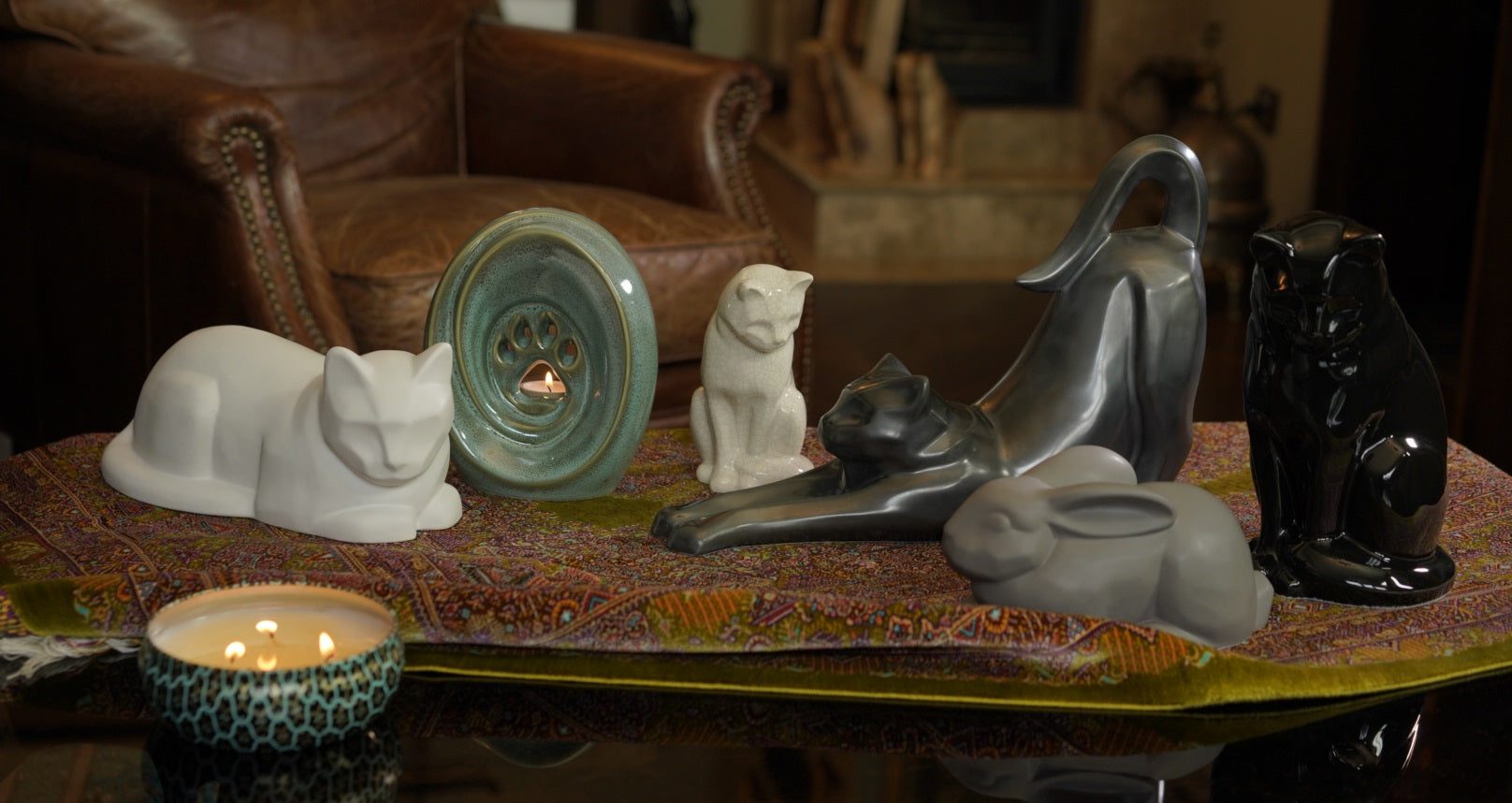
Discover why losing a beloved pet can be so profound, how wordless bonds shape our lives, and how Pulvis Art Urns brings craftsmanship and thoughtful design to the art of remembering an animal companion.
What Does the Bible Say About Cremation?
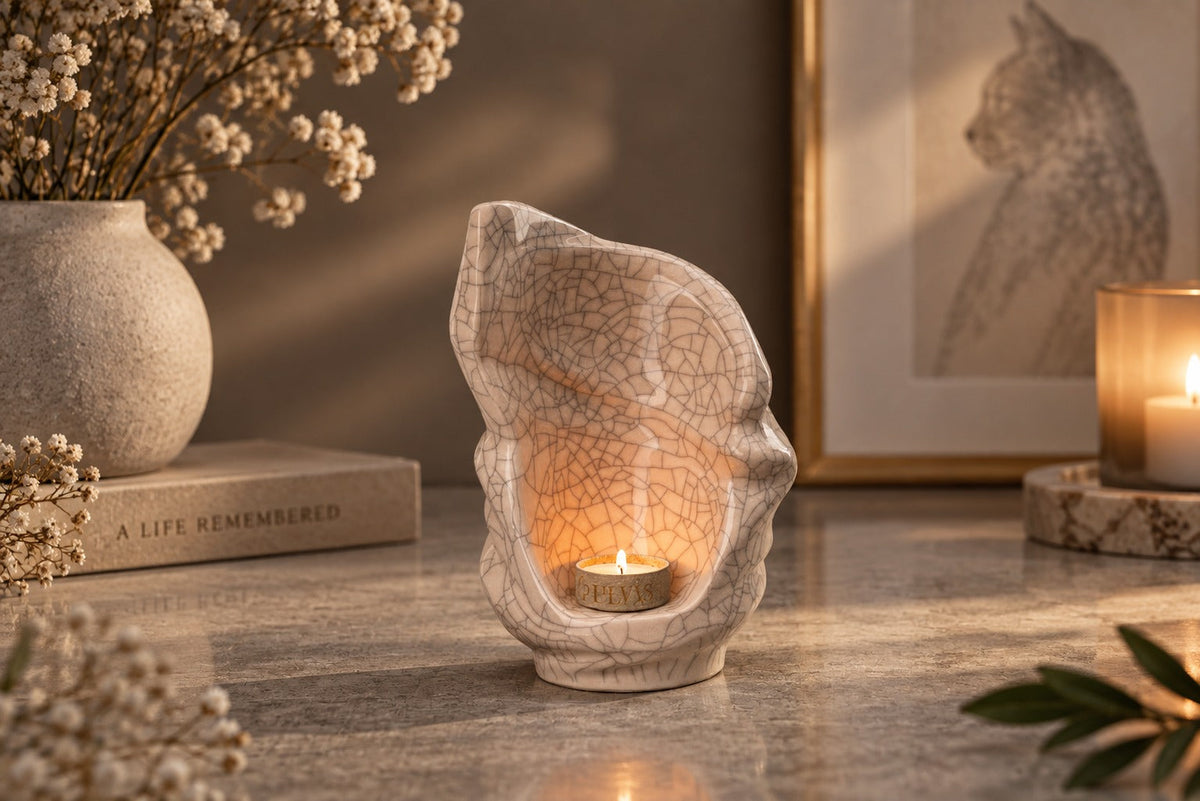
Explore what the Bible says about cremation, Christian beliefs about resurrection, and meaningful ways to honor a loved one’s memory through a thoughtful memorial.
Why Do People Light Candles for the Dead?
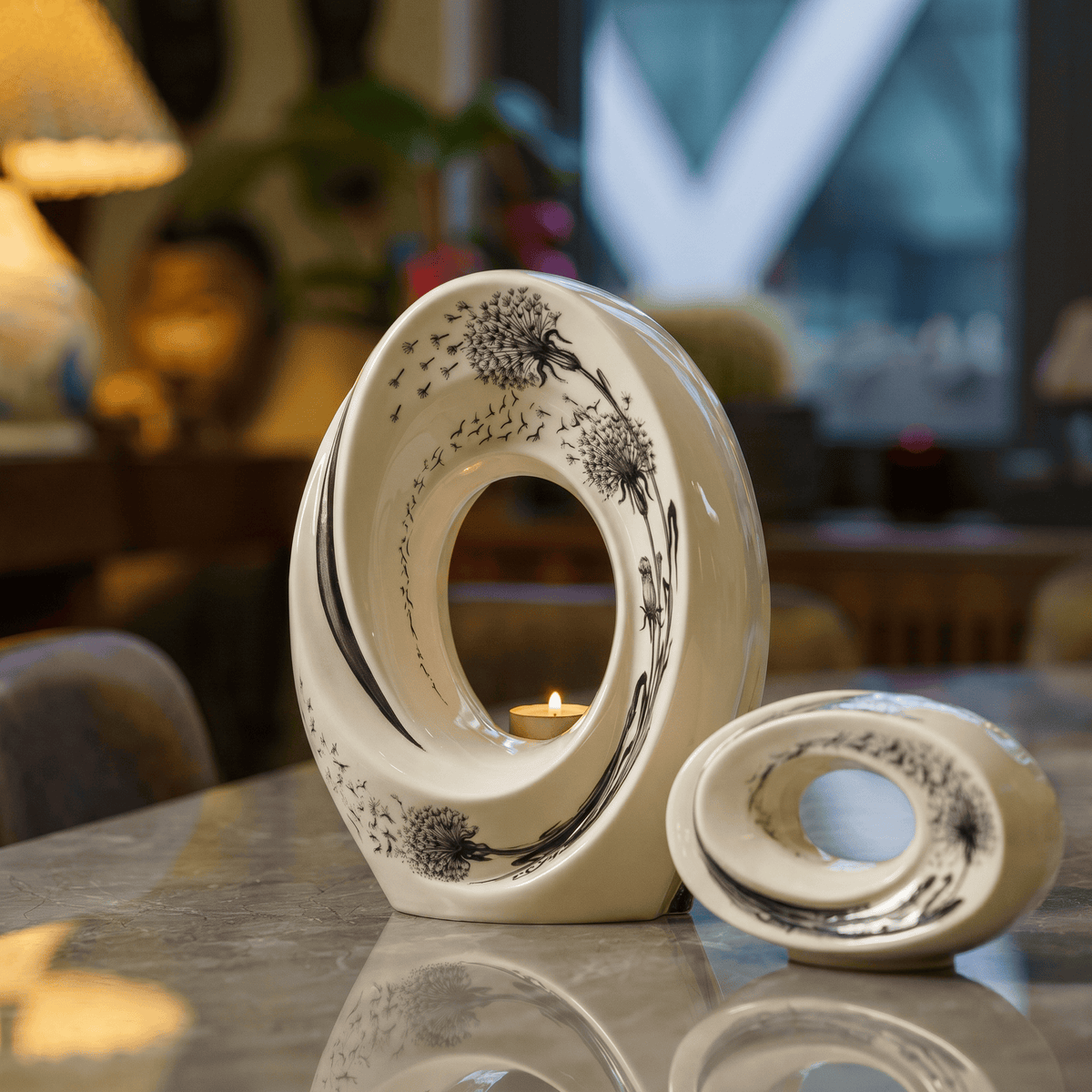
Discover the meaning behind lighting candles for the dead, exploring the traditions, beliefs, and emotions that make this simple ritual a lasting expression of remembrance, comfort, and connection within the home.

The Pet as a Witness to a Human Life
Our pets witness far more of our lives than we realise. Explore what it means for an animal to become a quiet witness to our changing homes, relationships, routines and identities — and how a memorial urn can remain as a physical connection to the life they witnessed.

Can You Inherit a Pet’s Memory?
Can we remember a pet we never knew? Explore how stories, photographs, objects and memorials can carry an animal’s memory across generations, turning a private life into part of a family’s shared history.


Share:
Easy Guide to Funeral Homes in Tennessee
Easy Guide to Funeral Homes in Wisconsin