

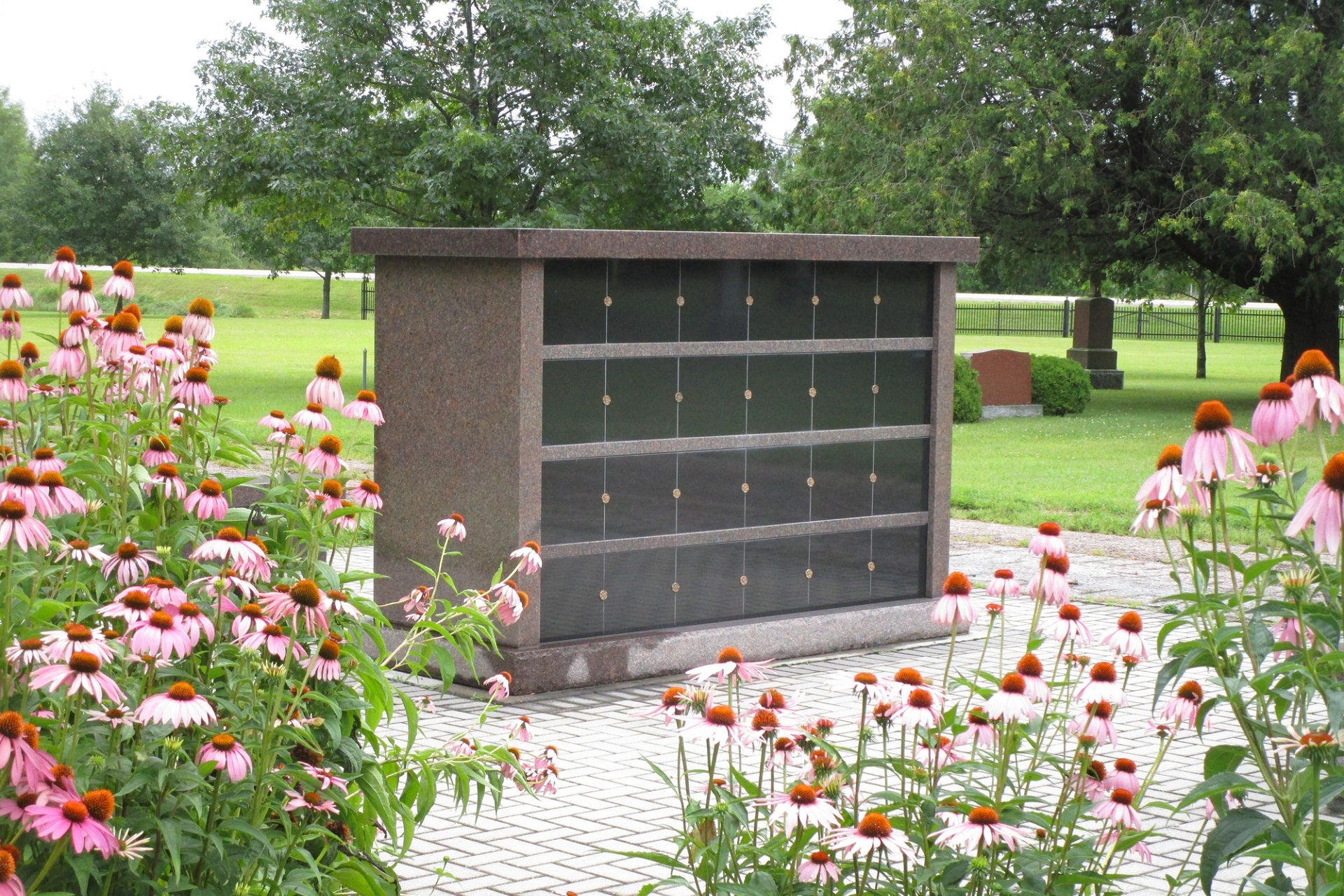
As land resources continue to dwindle down and burial space becomes limited, people in urban areas are pressured to find alternative plans for putting their loved ones to rest. Cremation offers a solution that families can be proud of, providing a personalized way to preserve memories with minimal impact on land resources.
Burial plots in cemeteries were traditionally reserved in advance for several family members. Open areas of land that had not yet been developed – more common a century or two ago – seemed to be endless, and the question over cemetery space was rarely an issue.
Traditional cemetery burials were often conducted with the intent to remain permanent, thus the phrase giving someone their “final resting place.” However, with the global population reaching its highest total yet in recorded history – approximately 8 billion – folks are finally starting to realize that traditional cemetery plots are not a sustainable option in the long run. Or in the immediate future.
Of course, more densely populated areas, such as old European cities, have anticipated this issue for a while. But now it’s coming to the forefront in megacities around the globe, like Shanghai and Chicago. Experts in Sydney, Australia estimate that they’ll run out of traditional burial space in one of their most celebrated cemeteries in just 3 years.

As available burial space becomes limited, the price of reserving those plots skyrockets – and oftentimes, reservations must be made years in advance to secure the desired plot. This can make traditional burial expensive, competitive, and unsustainable.
Even if you can manage to secure a spot and pay for it, this predicament really starts to raise a philosophical question – is traditional burial the best solution for modern society? Shifting burial trends seem to answer this question. As cities expand and people leave rural areas for more populated city centers, the interest and willingness to adapt has become more prominent than ever.
Out of pure necessity, lack of space, affordability and many other reasons, many folks in urban areas have adopted cremation as their go-to option rather than traditional burial. In fact, many families have found that cremation is the better option overall – not just to avoid land limitations.
Cremation relieves many of the modern issues that come with traditional burial, the most obvious being no need to monopolize a small plot of land. For families that move frequently, having a cremation urn for ashes is actually a fantastic solution, because it enables mobility without leaving the loved one behind.
On the other hand, those who still desire a “final resting place” for their loved one have many solutions for finding that solace. Scattering ashes in a beautiful natural space – like a mountain, river or lake – has become a very popular option. This can even be arranged as a formal event, similar to a memorial service that enables friends and family to come together in honor of the one who has passed.
Cremation has become increasingly common and widely accepted in modern society, and its prevalence has grown for various reasons. Here are some aspects of how cremation is intertwined with modern society:
Modern societies often exhibit more diverse and evolving attitudes toward death. There is a trend toward personalization and flexibility in funeral and memorial practices, aligning with the contemporary emphasis on individual choice and expression.
The environmental impact of traditional burials has led some individuals to choose cremation as a more eco-friendly option. Cremation generally requires fewer resources and less land, making it a choice that aligns with growing environmental consciousness.
In densely populated urban areas where land is limited and expensive, cremation can be a practical solution. It allows for a more efficient use of space compared to traditional burial, contributing to the preservation of land for other purposes.

In our increasingly globalized society, families and individuals often live in different locations. Cremation provides a portable solution for the deceased's remains, allowing families to keep or transport ashes as they move or travel.
While some religions historically preferred traditional burials, attitudes within religious communities have evolved. Many religious groups now accept or accommodate cremation, contributing to its increased popularity.
Modern societies are often characterized by cultural diversity. Cremation allows for adaptation to various cultural practices and beliefs, providing a more inclusive option for people of different backgrounds.
Advances in technology have contributed to the personalization of funeral and memorial services. Cremation allows for creative and unique memorialization options, such as turning ashes into jewelry, creating digital memorials, or even incorporating ashes into artworks.
In an era where cost-consciousness is prevalent, cremation is often chosen for its relative affordability compared to traditional burial. The flexibility it provides in terms of memorial services also contributes to cost-effective options.
With a trend toward secularization in modern societies, individuals and families may be more inclined to choose funeral practices that are not tied to specific religious rituals. Cremation, with its flexibility and adaptability, aligns with this trend.

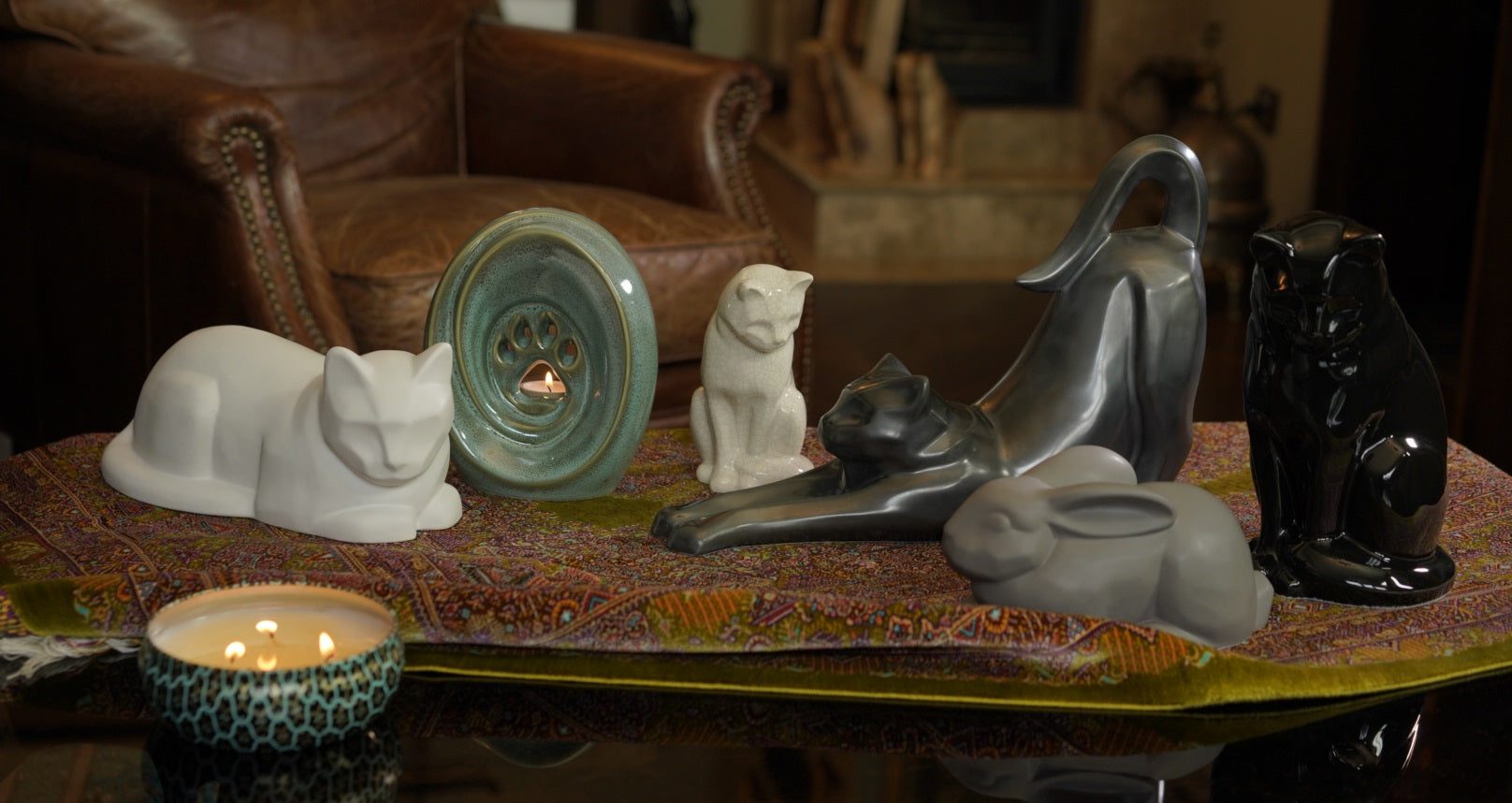
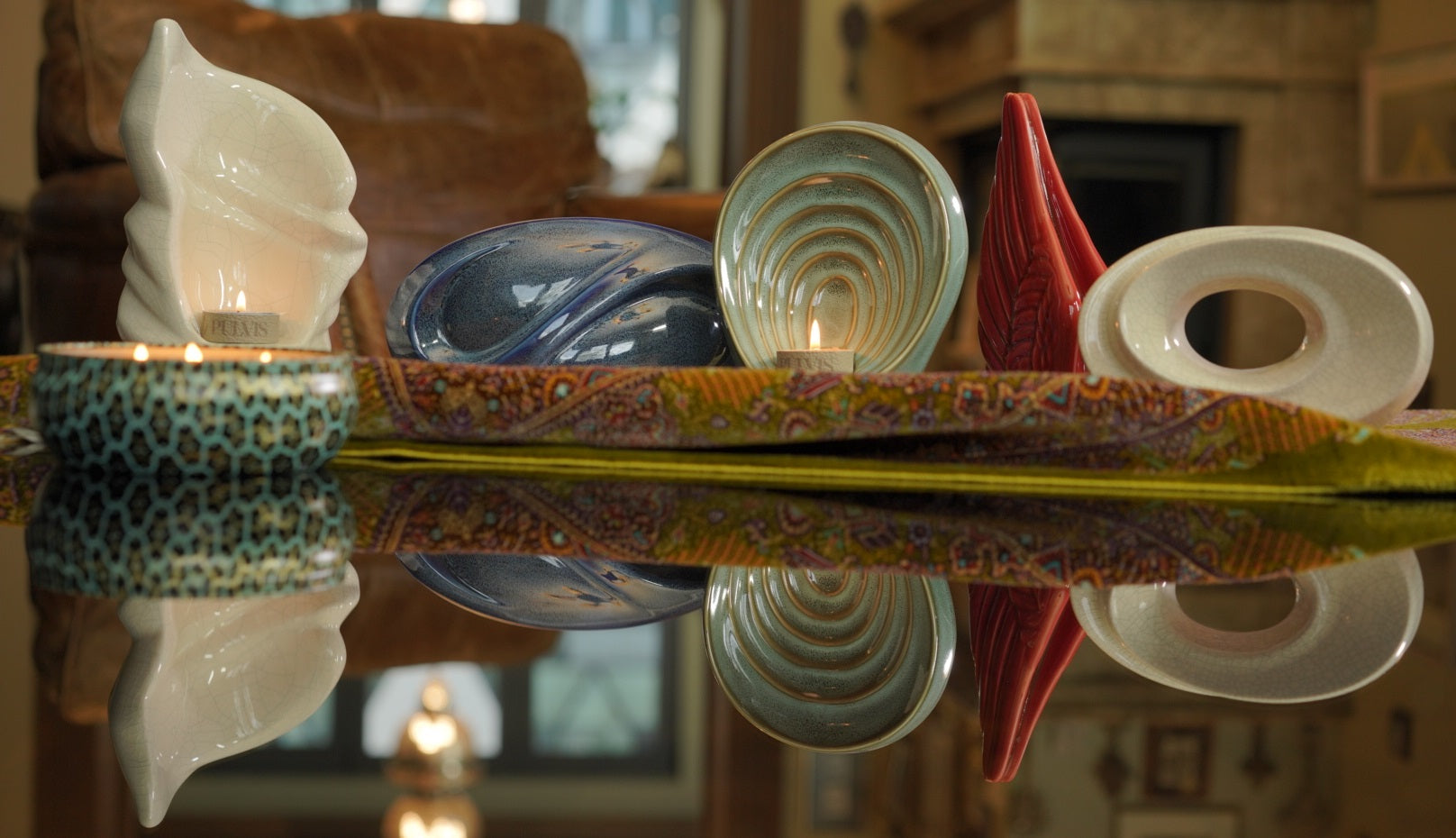
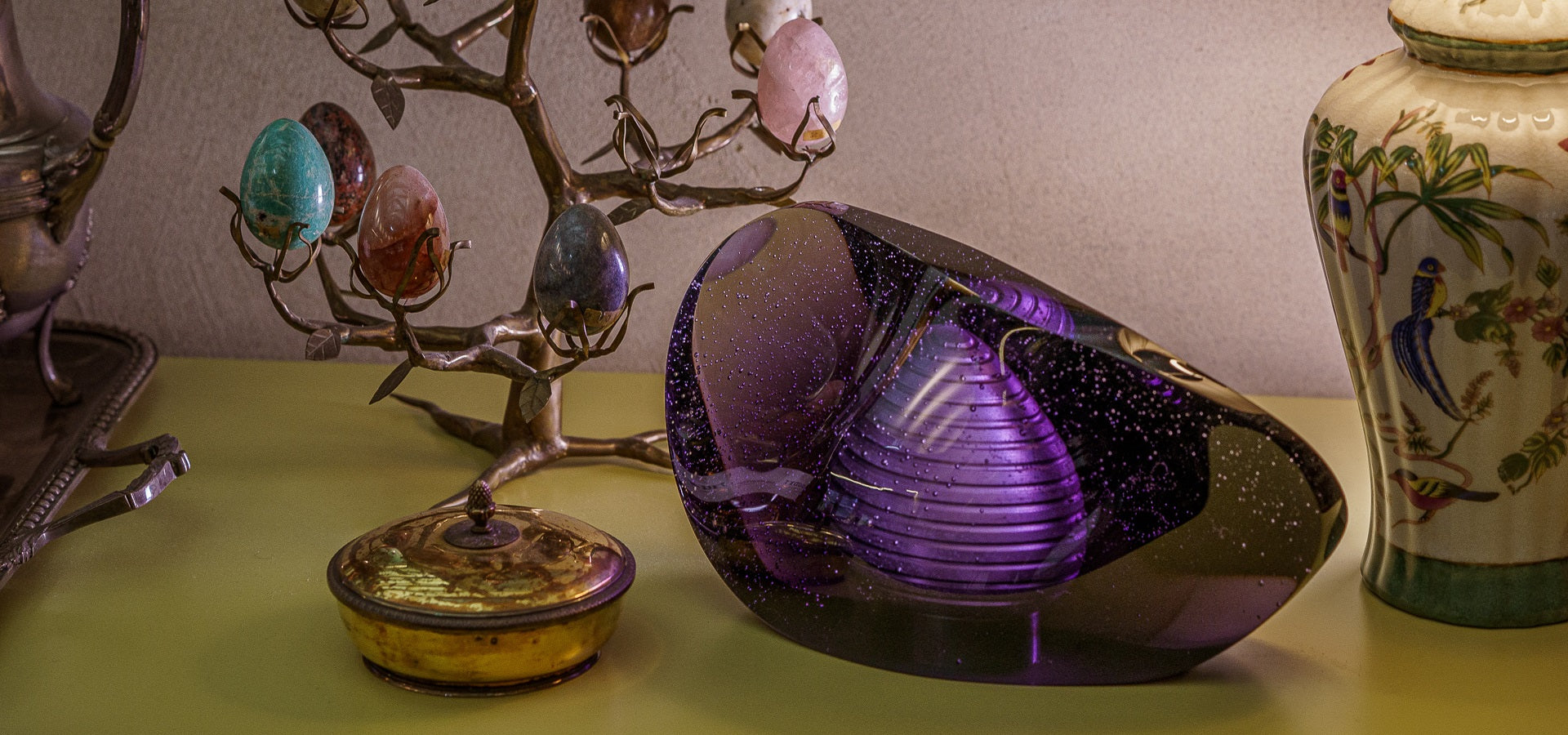
Small, portable, and highly customizable, artisan cremation urns provide a beautiful and dignified way to keep a loved one’s memory alive – without worrying about what will happen to their burial plot as communities expand and run out of open land.
------------------
Our Affiliate Program is now available. at https://www.pulvisurns.com/pages/affiliate-program-by-pulvis-art-urns

Easy Guide to Funeral Homes in North Dakota
From the rise of Green Burial to the pragmatics of a $5,600 saving with cremation, North Dakota’s 2026 landscape is shifting. This guide breaks down the "Peace Garden State’s" unique eight-day rule, 2026 cost averages, and how families are honoring prairie roots with sophisticated, sculptural legacies.
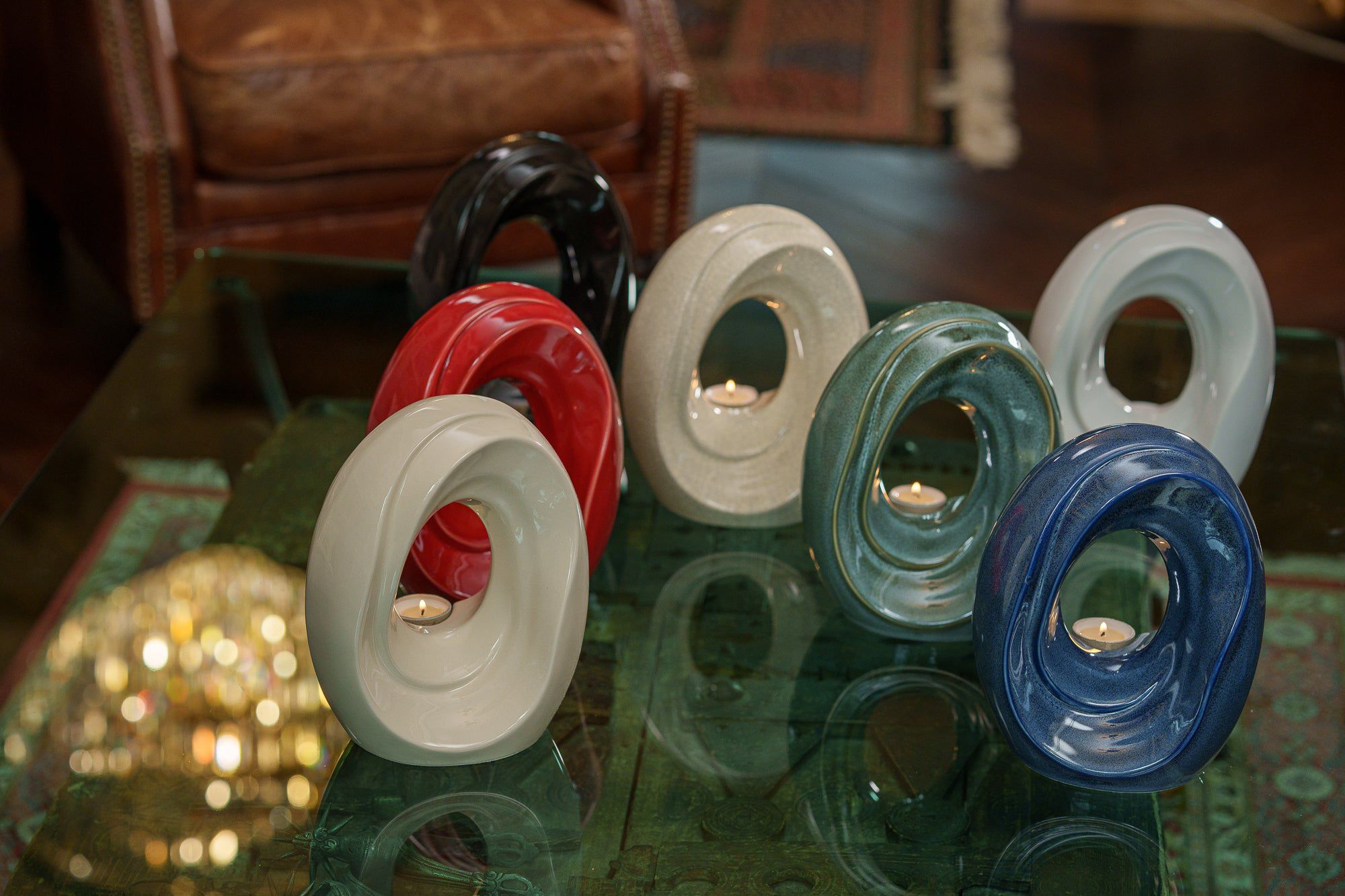
The Alchemy of Remembrance: The Definitive Master Guide to Choosing the Color of a Memorial Urn
Choosing a memorial urn is a profound act of love where color serves as the "visual frequency" of a legacy. From the tranquil depth of celestial blues to the radiant warmth of amber glazes, the right hue transforms a vessel into a storyteller. Explore our master guide to matching personality, tradition, and home decor to find a tribute that resonates with the soul it holds.
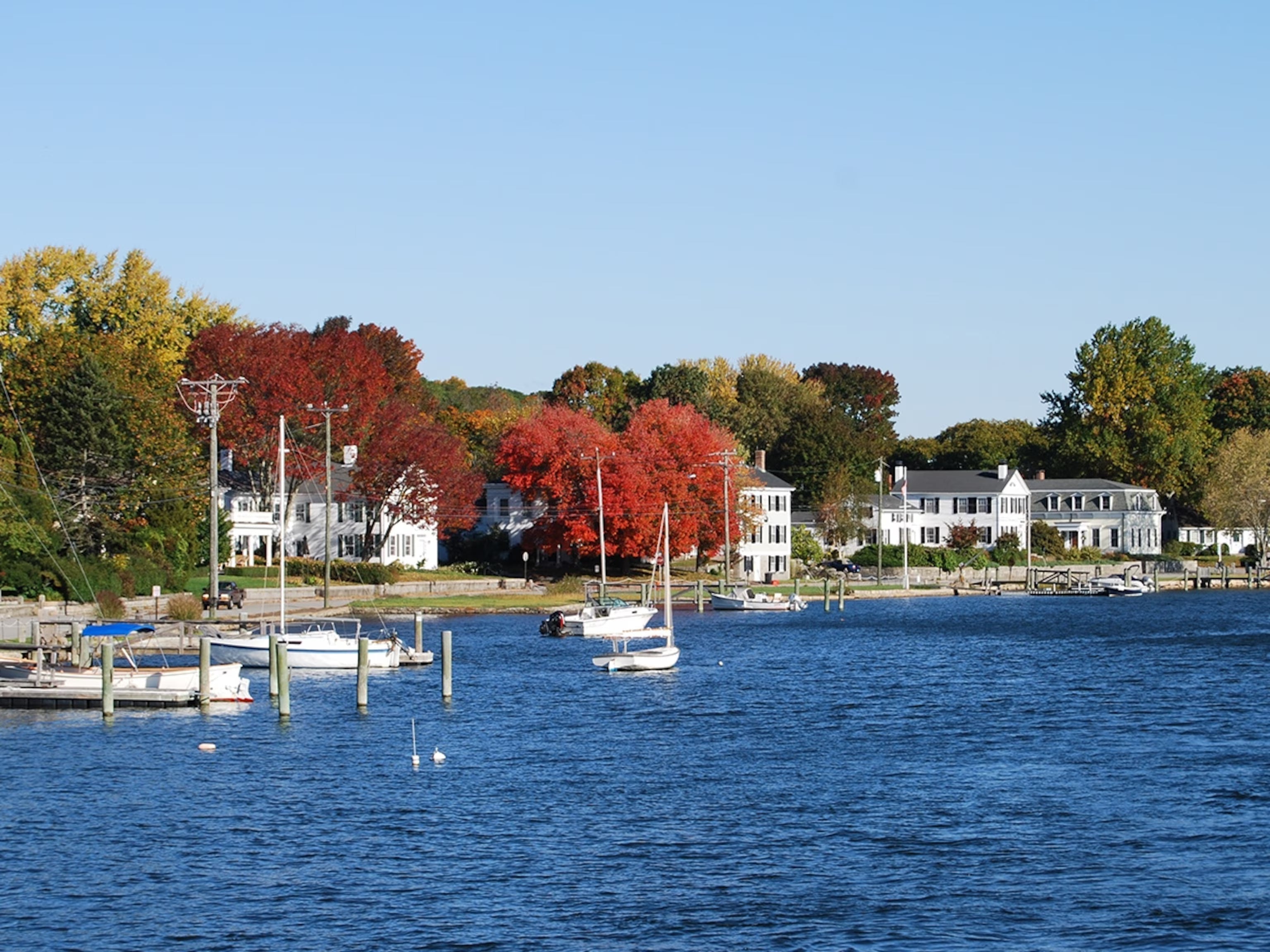
Easy Guide to Funeral Homes in Connecticut
In Connecticut, tradition meets modern, eco-friendly choices. As of 2026, cremation rises to 60–62%, with costs averaging ~$9,600 for burials and ~$3,100 for direct cremation. State law mandates a 48-hour wait before cremation. Families honor loved ones through historic plots or artistic urns reflecting Connecticut’s coastal, refined style.
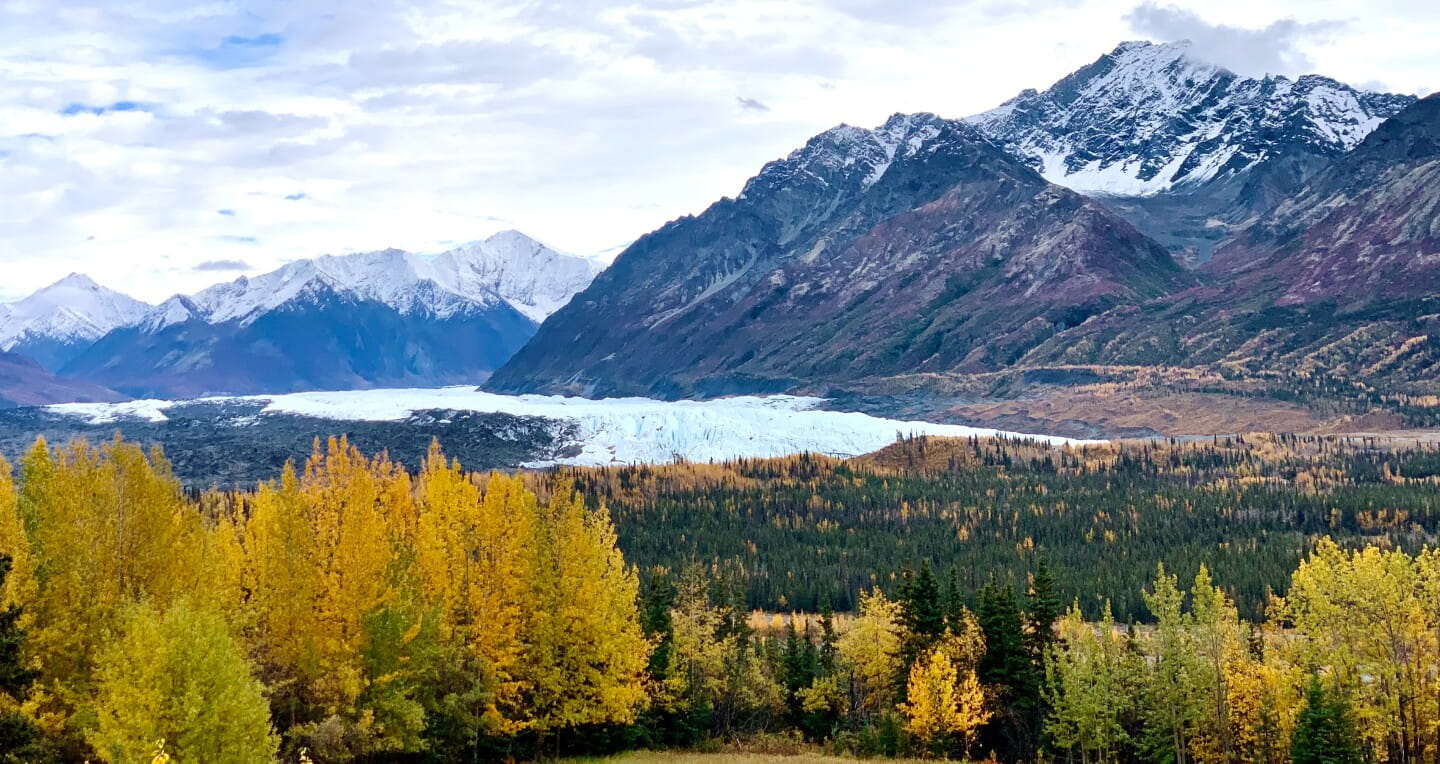
Easy Guide to Funeral Homes in Alaska
From the debut of Natural Organic Reduction to the pragmatic shift toward coastal cremation, Delaware’s 2026 funeral landscape is changing. This guide breaks down the "First State’s" essential costs, the unique five-day rule, and how to plan a personalized "portable legacy" from Wilmington to the Atlantic shore.
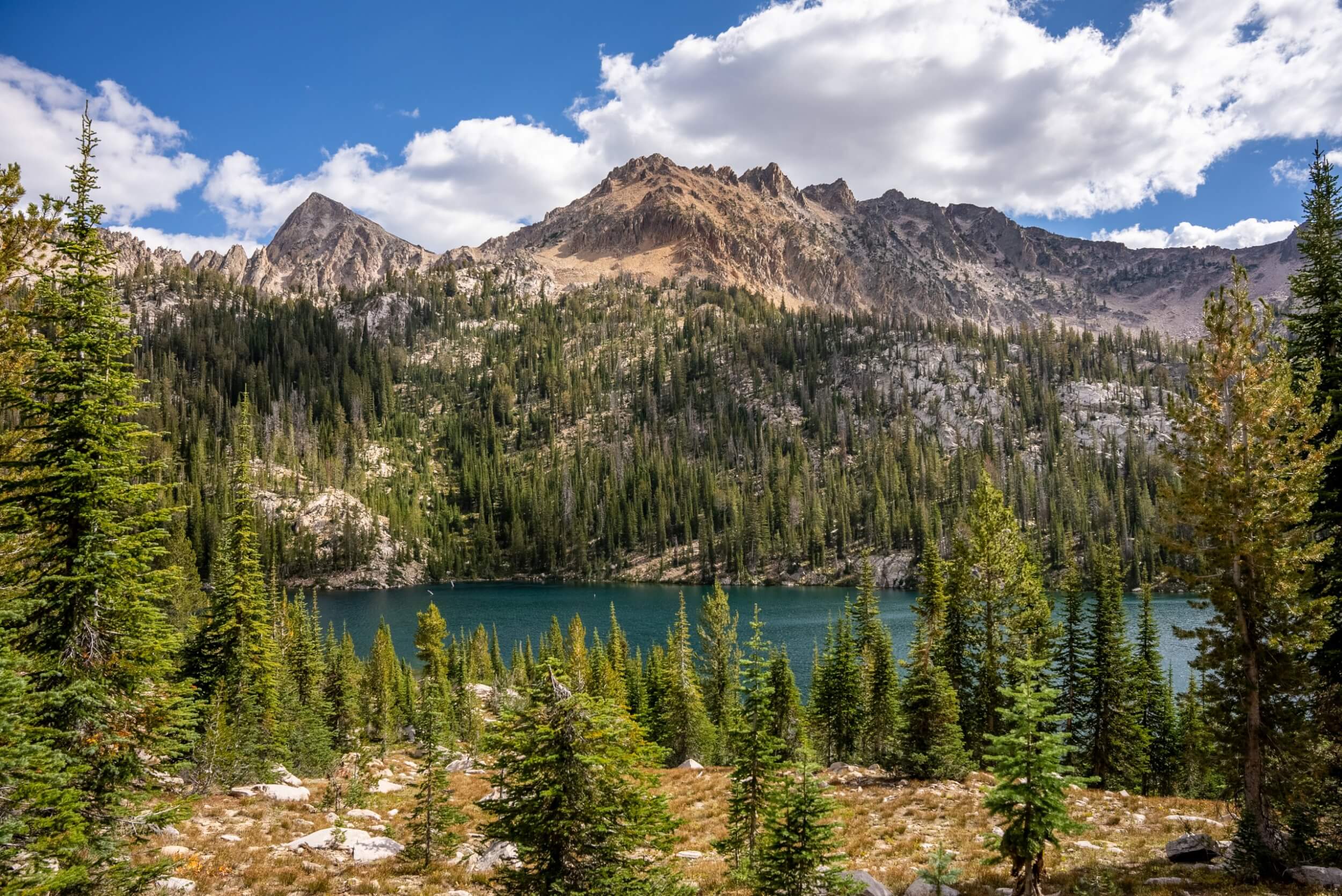
Easy Guide to Funeral Homes in Idaho
In Idaho, rugged landscapes shape unique end-of-life traditions. By 2026, cremation and nature-focused memorials are rising, while traditional burial remains meaningful in farming communities. Costs: $765–$1,706 for cremation, $7,745–$9,750 for burial. Idaho law requires 24-hour waiting, coroner approval, and death certificate filing. Outdoor ceremonies are common. Artistic urns honor loved ones.


Share:
10 Unique Ideas for Cremation Ashes in 2024
Cremation Is Gaining Popularity as Funeral Costs Rise