


Here for you: art@pulvisurns.com | (562) 609-4019
7% off your order
Use this code at checkout:
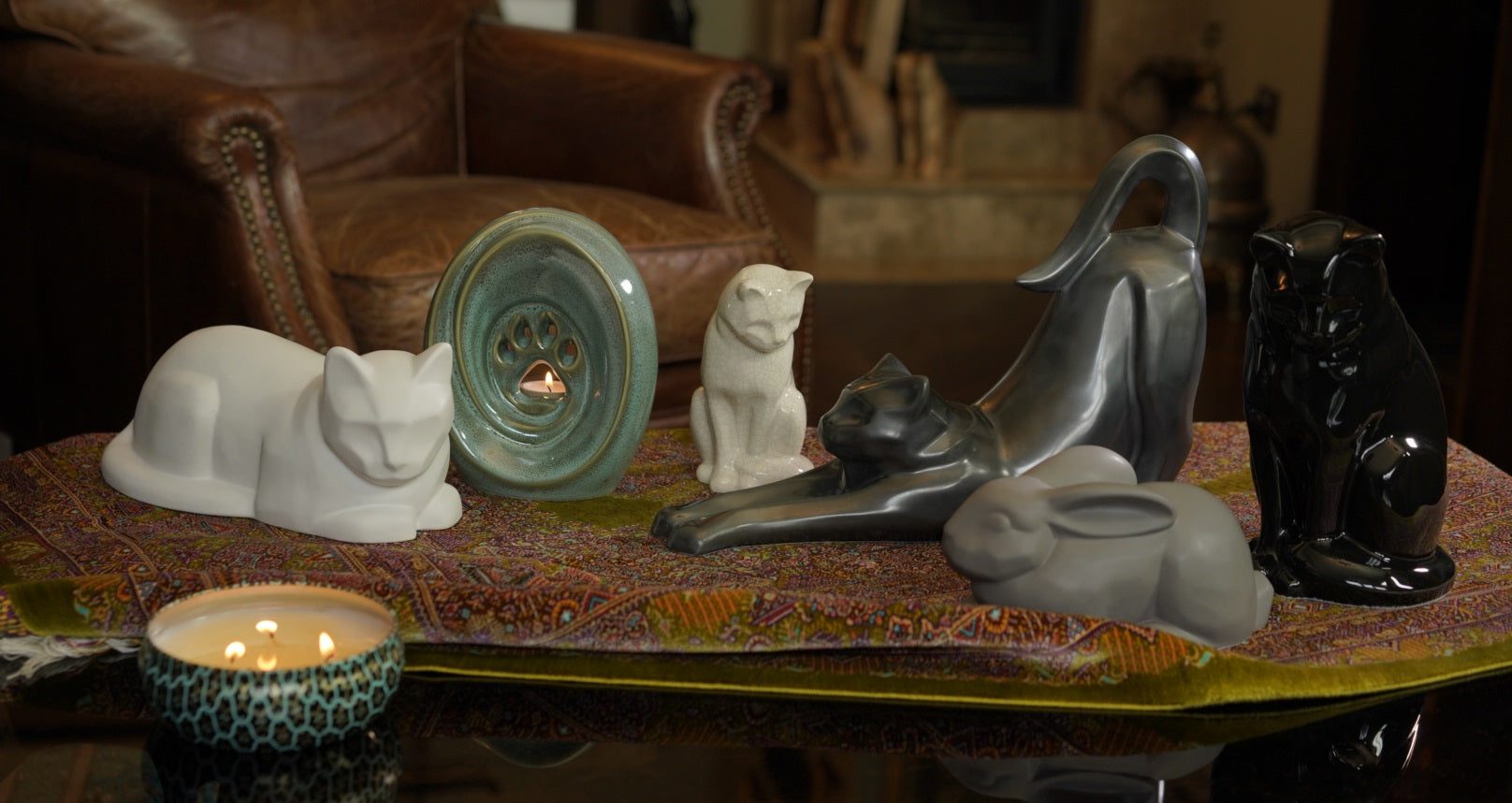
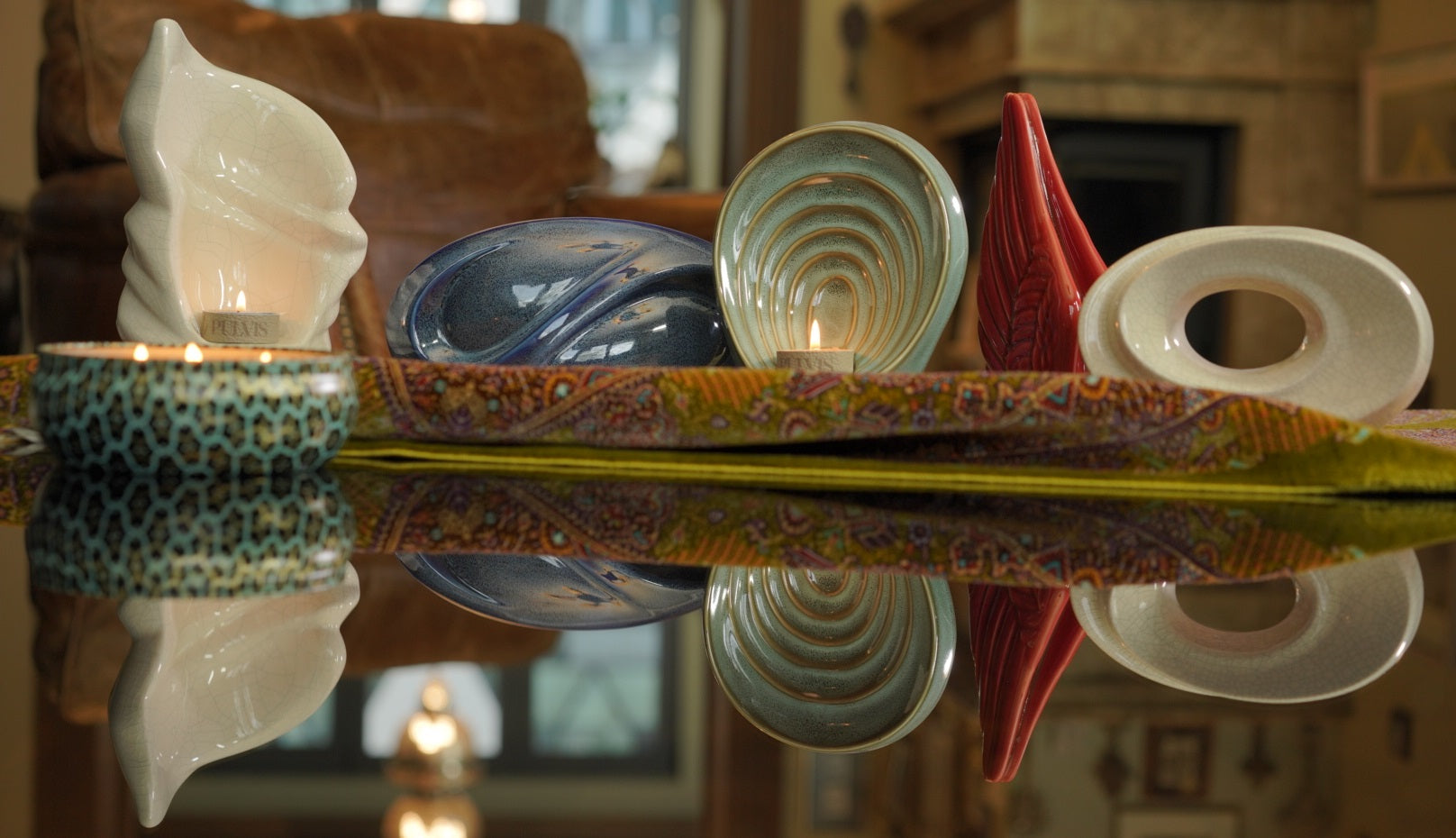
Ceramic urns are handcrafted art pieces—unique, colorful, and expressive, ideal for home memorials where emotional connection and decorative appeal matter most.
Metal urns, made from brass, aluminum, stainless steel, bronze, or pewter, are highly durable, impact‑resistant, and offer a classic, formal look suited for long‑term, traditional memorials.
Care needs differ: ceramic urns require gentle handling, soft dusting, and protection from bumps and harsh cleaners; metal urns are easy to maintain with occasional soft cleaning and light polishing.
Placement and setting guide the choice: ceramic urns blend naturally with interior décor for indoor display, while metal urns are robust enough for indoor, outdoor, or columbarium use.
There is no single “better” material; choose ceramic if you prioritize artistry and uniqueness, or metal if you value strength, tradition, and long‑term physical durability.
Choosing an urn is one of the most meaningful decisions families make after the loss of a loved one. An urn is more than a container; it serves as a lasting tribute, preserving memories and honoring a unique life. Among the many options available today, ceramic urns and metal urns remain two of the most popular choices.
At Pulvis Urns, families often ask whether ceramic or metal is the better material for a memorial urn. The answer depends on several factors, including appearance, durability, display preferences, emotional significance, and long-term preservation needs.
This guide compares ceramic and metal urns in detail, helping you make an informed decision based on your family's preferences and memorial goals.

Before comparing specific features, it's important to understand why material matters when selecting an urn.
The material of an urn influences its appearance, weight, longevity, maintenance requirements, and overall memorial experience. Different urn materials offer distinct advantages, making certain options more suitable for home display, columbarium placement, burial, or outdoor memorial settings.
Discover the Perfect Urn Material for Your Memorial. From elegant ceramic designs to durable metal urns, choosing the right material can help create a lasting tribute. Browse urns by material and find a style that reflects your loved one's memory.
Ceramic and metal remain leading choices because both provide lasting protection for cremated remains while offering a wide range of artistic and personal design options.
Ceramic urns are handcrafted memorial vessels created from clay and hardened through high-temperature firing processes. Many ceramic urns are individually shaped, glazed, and finished by skilled artisans.
Unlike mass-produced products, ceramic urns often showcase artistic craftsmanship, making them attractive centerpiece memorials for homes and memorial spaces.
Families frequently choose ceramic urns for ashes because they offer a warm, elegant, and personal appearance. Their handcrafted nature can make them feel more meaningful and unique than many factory-produced alternatives.

Handcrafted artistic designs
Wide variety of colors and finishes
Smooth glazed surfaces
Unique one-of-a-kind appearance
Suitable for home display and memorial settings
Available in contemporary and traditional styles
Metal urns are typically manufactured using materials such as brass, aluminum, stainless steel, bronze, or pewter. They are known for their strength and long-lasting construction.
Many metal urns feature engraved designs, decorative etching, polished finishes, and protective coatings that help preserve their appearance over time.
Metal urns are widely chosen because they combine durability with traditional memorial aesthetics.
Strong and impact-resistant construction
Traditional memorial appearance

The visual appearance of an urn is often one of the most important factors families consider.
Every memorial reflects the personality and legacy of a loved one. Because of this, many families prioritize design and artistic expression when selecting an urn.
Ceramic urns are often regarded as artistic memorial pieces. Their handcrafted nature allows for greater creativity in shape, texture, color, and symbolism.
Many ceramic designs feature:
Nature-inspired themes
Contemporary art styles
Floral patterns
Minimalist finishes
Sculptural shapes
The result is a memorial that feels personal and expressive rather than purely functional.
Metal urns often present a more formal and traditional appearance. Their polished surfaces and engraved details create a timeless memorial aesthetic.
Popular finishes include:
Antique brass
Silver tones
Matte black
Gold accents
Families seeking a classic memorial often appreciate the elegance and familiarity of metal urns.
Ready to Choose a Meaningful Memorial? With cremation becoming an increasingly preferred choice for families, selecting the right urn can help create a personal and lasting tribute. Discover Urns' collection of unique cremation urns today.
An urn serves an emotional purpose as much as a practical one.
Families often select the option that feels most representative of their loved one's personality and life story.
Many people feel a stronger emotional connection to ceramic urns because they are handcrafted and artistic.
A handcrafted memorial urn may feel:
More personal
More unique
More meaningful
More reflective of individuality
For families seeking a truly distinctive memorial urn for ashes, ceramic often provides a deeper artistic connection.
Metal urns appeal to families who value tradition, strength, and timeless symbolism.
Their formal appearance often conveys:
Stability
Permanence
Respect
Heritage
Both options can be deeply meaningful depending on the family's preferences

Proper care helps preserve an urn’s appearance for many years. Both ceramic and metal urns require simple maintenance, but each material has different care needs.
Ceramic urns should be handled gently and cleaned with soft materials. Regular dusting with a microfiber cloth, avoiding abrasive cleaners, and keeping the urn in a safe location can help prevent damage.
Metal urns are durable and easy to maintain. They can be cleaned with a soft cloth and may need occasional polishing. Avoiding harsh chemicals and keeping the surface dry helps maintain their finish.
From artistic ceramic designs to classic metal finishes, find an urn that matches your personal style and memorial preferences. Shop our collection today and discover a tribute designed to preserve cherished memories.
Many families choose to display an urn at home as a lasting memorial and a personal reminder of their loved one. The environment where the urn will be placed often plays an important role in deciding which material is the right fit.
The display environment often influences which material is most suitable.
Ceramic urns are often chosen because they have an artistic and decorative appearance. Their designs can blend naturally with home interiors, allowing them to feel like part of the living space rather than only a traditional memorial item. Their elegant finishes and artistic details can help create a peaceful and comforting memorial area.
Metal urns offer a more classic and formal memorial appearance. Their strong structure, durable finish, and traditional style make them a popular choice for families who prefer a timeless look. Metal urns can create a strong visual presence while maintaining a sense of elegance and permanence.
The best choice depends on the style of the memorial setting.

Families frequently ask which urn provides the best long-term memorial solution.
The answer depends on your priorities.
Choose ceramic urns if you value:
Artistic beauty
Handmade craftsmanship
Unique designs
Decorative home display
Choose metal urns if you prioritize:
Maximum impact resistance
Traditional aesthetics
Outdoor suitability
Long-term physical strength
Both materials can preserve cremated remains safely for generations when properly maintained.
Learn more about our handcrafted memorial collections and find the tribute that best honors your loved one's legacy. If you need assistance choosing the right urn, contact us and our team will be happy to help.
When comparing ceramic urns and metal urns, there is no universally correct choice. The better option is the one that best reflects your loved one's personality, your memorial preferences, and your family's needs.
At Pulvis Urns, we believe every memorial should tell a unique story. Whether you choose ceramic or metal, selecting an urn that feels meaningful is what truly matters.
What are ceramic urns?
Ceramic urns are handcrafted memorial vessels made from clay and hardened through high-temperature firing. Individually shaped, glazed, and finished by skilled artisans, they showcase artistic craftsmanship and unique designs. Families choose ceramic urns for their warm, elegant, personal appearance, making them ideal centerpiece memorials for homes and memorial spaces with contemporary or traditional styles.
What are metal urns?
Metal urns are manufactured using materials like brass, aluminum, stainless steel, bronze, or pewter. Known for strength and long-lasting construction, they feature engraved designs, decorative etching, polished finishes, and protective coatings. Metal urns combine durability with traditional memorial aesthetics, appealing to families seeking classic, elegant, and timeless memorial options for lasting tribute.
How do ceramic urns compare aesthetically to metal urns?
Ceramic urns stand out as artistic, expressive pieces with creative shapes, textures, colors, and symbolism, including nature themes, floral patterns, and sculptural designs. Metal urns offer formal, traditional appearances with polished surfaces and engraved details. Ceramic feels personal and unique; metal conveys classic elegance and familiarity, depending on family preferences and memorial style.
What emotional connection do families feel with ceramic urns?
Many feel stronger emotional connections to ceramic urns because they are handcrafted and artistic. Handcrafted memorial urns feel more personal, unique, meaningful, and reflective of individuality. For families seeking distinctive memorials, ceramic provides a deeper artistic connection, honoring a loved one’s personality and legacy through creative, expressive design that resonates emotionally.
What emotional appeal do metal urns offer?
Metal urns appeal to families valuing tradition, strength, and timeless symbolism. Their formal appearance conveys stability, permanence, respect, and heritage. The classic elegance and familiar aesthetic make them deeply meaningful for those preferring traditional memorial styles, offering a dignified tribute that reflects enduring values and lasting remembrance of their loved one.
How do I care for ceramic urns?
Ceramic urns require gentle handling and soft cleaning materials. Dust regularly with a microfiber cloth, avoid abrasive cleaners, and place in safe locations to prevent damage. Proper care preserves their elegant finishes and artistic details, ensuring the urn remains a peaceful, comforting memorial for years while maintaining its handcrafted beauty and decorative appeal.
How do I care for metal urns?
Metal urns are durable and easy to maintain. Clean with a soft cloth and polish occasionally if needed. Avoid harsh chemicals and keep surfaces dry to maintain finishes like brushed bronze, antique brass, or matte black. Simple care preserves their polished appearance and traditional elegance, ensuring long-lasting memorial beauty and strength.
Which urn is better for home display?
Ceramic urns excel in home memorials due to artistic, decorative appearances blending naturally with interiors, feeling like part of living spaces. Metal urns offer classic, formal looks with strong structure and traditional style. Choose based on memorial setting style: ceramic for peaceful, artistic displays; metal for timeless, elegant presence fitting formal home environments.
Which urn is better for long-term memorialization?
Choose ceramic if valuing artistic beauty, handmade craftsmanship, unique designs, and decorative home display. Choose metal for maximum impact resistance, traditional aesthetics, outdoor suitability, and long-term physical strength. Both materials preserve cremated remains safely for generations when maintained properly. The best choice reflects your loved one’s personality and family’s memorial priorities.
Are ceramic or metal urns more durable?
Metal urns are more impact-resistant and physically strong, ideal for outdoor or high-traffic settings. Ceramic urns are sturdy but require gentle handling to prevent damage. While both offer lasting protection, metal excels in durability, whereas ceramic prioritizes artistic beauty. Choose based on your priorities: strength and tradition (metal) or artistry and uniqueness (ceramic).
Which urn material should I choose for my loved one?
There is no universally correct choice; select the urn reflecting your loved one’s personality, memorial preferences, and family needs. Ceramic offers artistic, handcrafted uniqueness; metal provides traditional, durable elegance. Consider display environment, emotional significance, and long-term goals. At Pulvis Urns, every memorial tells a unique story—choose the material that feels most meaningful.
Which urn size do I need?
A simple rule: about 1 cubic inch of urn per pound of body weight.
Every product page lists the urn's capacity. Keepsake urns hold a small portion of ashes to share.
Need it by a specific date?
Free shipping · Delivery in 3–5 business days
Express delivery in up to 3 business days – choose it at checkout
Need help choosing?
Talk to our team – we're happy to help you find the right urn.
(562) 609-4019 art@pulvisurns.comSend us a message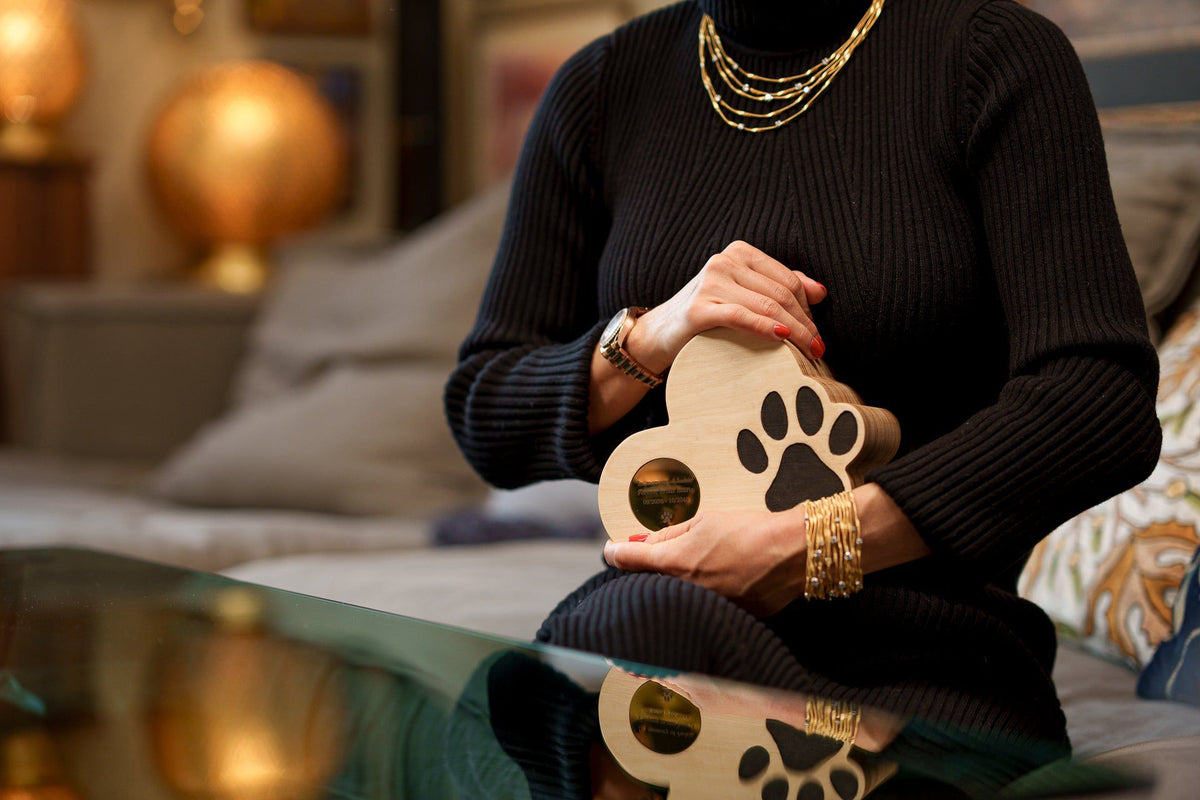
Can You Grieve a Life That Never Had Words?
Discover why losing a beloved pet can be so profound, how wordless bonds shape our lives, and how Pulvis Art Urns brings craftsmanship and thoughtful design to the art of remembering an animal companion.
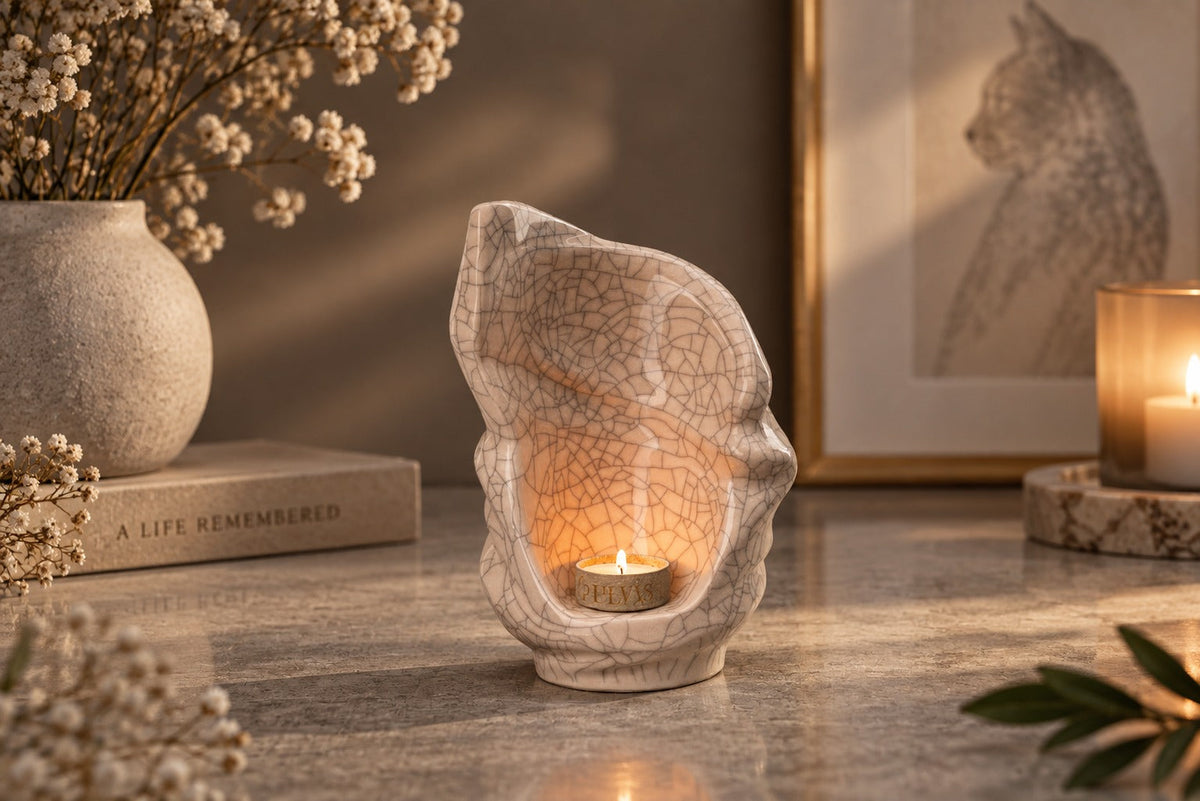
What Does the Bible Say About Cremation?
Explore what the Bible says about cremation, Christian beliefs about resurrection, and meaningful ways to honor a loved one’s memory through a thoughtful memorial.
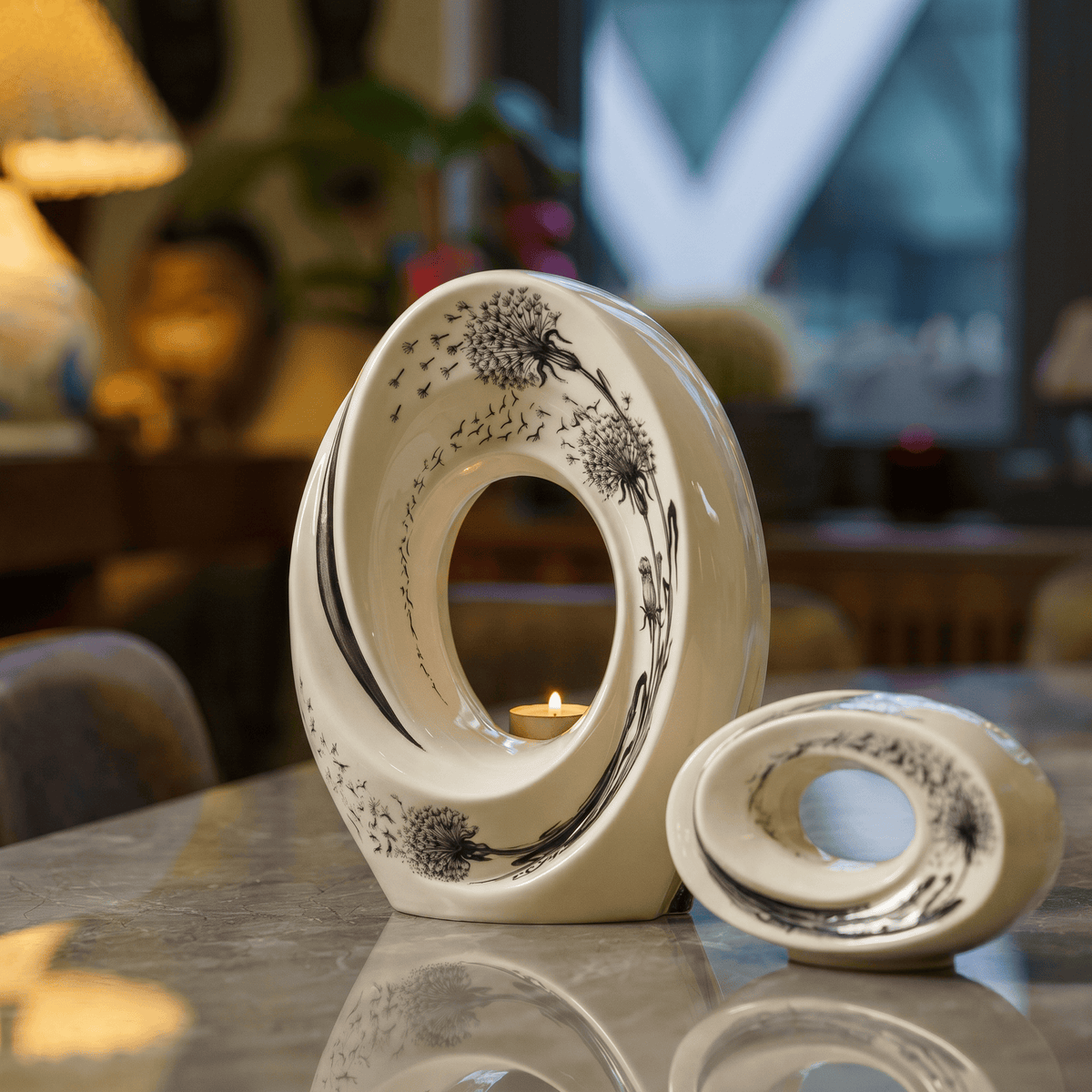
Why Do People Light Candles for the Dead?
Discover the meaning behind lighting candles for the dead, exploring the traditions, beliefs, and emotions that make this simple ritual a lasting expression of remembrance, comfort, and connection within the home.

The Pet as a Witness to a Human Life
Our pets witness far more of our lives than we realise. Explore what it means for an animal to become a quiet witness to our changing homes, relationships, routines and identities — and how a memorial urn can remain as a physical connection to the life they witnessed.

Can You Inherit a Pet’s Memory?
Can we remember a pet we never knew? Explore how stories, photographs, objects and memorials can carry an animal’s memory across generations, turning a private life into part of a family’s shared history.


Share:
What Size Urn Do I Need for Human Ashes?
Should You Choose a Keepsake Urn or Full-Size Urn?