


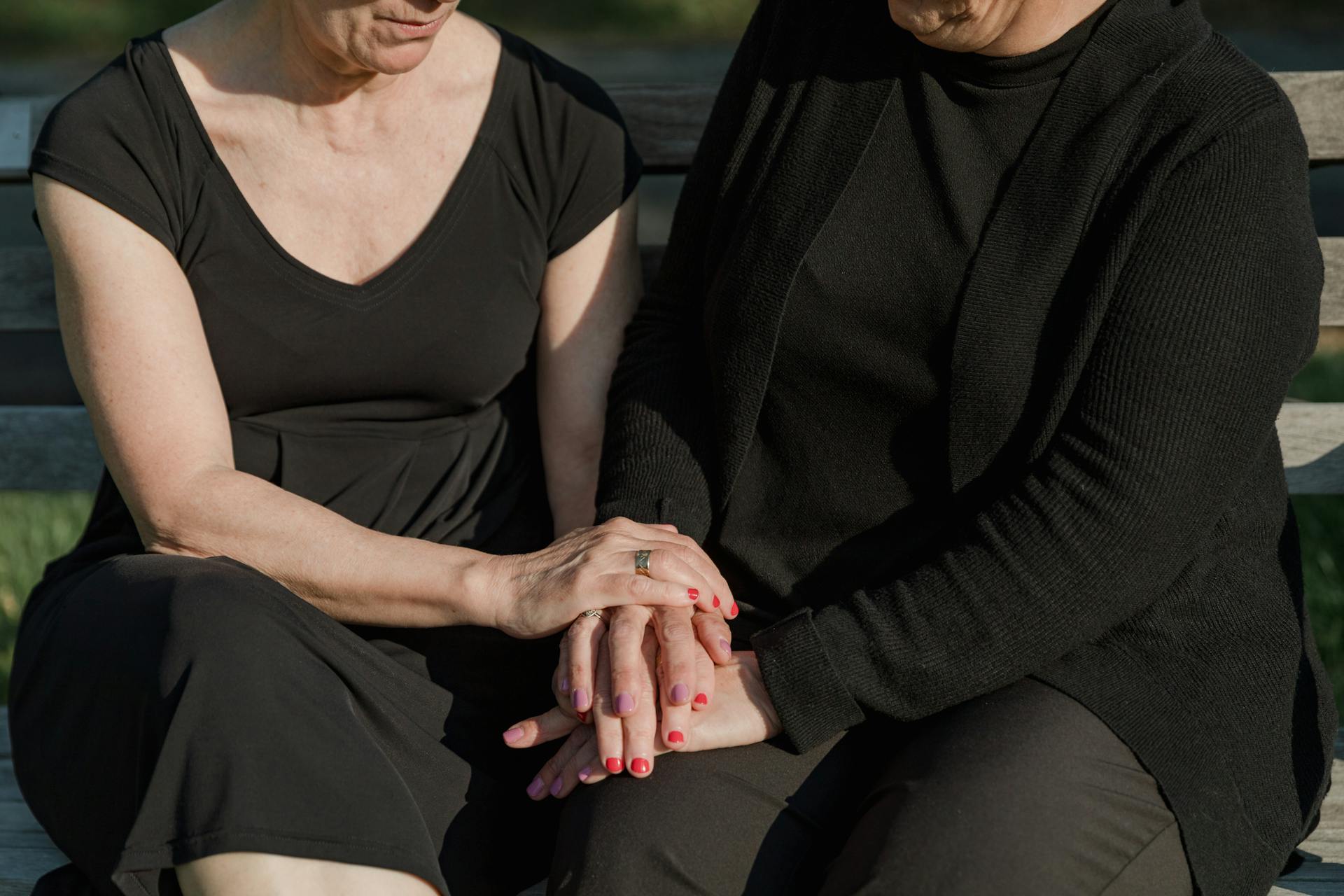
Losing a loved one is one of the most painful experiences anyone can go through. Whether it's a family member, friend, or pet, the grief can be overwhelming . During this difficult time, it's important to allow yourself to grieve and to take care of yourself. Surround yourself with supportive friends and family who can provide comfort and understanding .Showing condolences and sympathy is crucial for each person.
During times of loss or difficulty, people often feel overwhelmed by emotions. Knowing that others empathize with their pain and are there to offer support can provide immense comfort. Offering condolences validates the person's feelings of grief and sorrow. It lets them know that their emotions are recognized and accepted, which can help in the healing process. Grief can be an isolating experience, but receiving condolences reminds the person that they are not alone in their sorrow. It helps counteract feelings of isolation and loneliness .
When you say something to the mourner, it shows that you care enough to make the effort. It shows that their grief matters. And when you can talk about the decedent, it shows that their loved one’s life matters too, and is remembered.


While the pain of loss may never fully dissipate, it is possible to find healing and resilience in the aftermath of grief. Drawing upon the love, support, and cherished memories of our departed loved ones, we can find solace and strength to carry on. These messages are intended to offer comfort, support, and solace to those who are mourning the loss of a loved one.

Acknowledge their Loss Start by acknowledging the loss and expressing your sympathy. You could say something like, "I'm so sorry for your loss. My heart goes out to you and your family during this difficult time."
Offer Specific Support Let the grieving person know that you're there for them and offer specific ways you can help. For example, you could say, "If you need someone to talk to, I'm here for you," or "I'm available to help with errands or household tasks if you need assistance."
Help with Funeral or Cremation arrangement
Share Fond Memories If you knew the person who passed away, share any fond memories or stories you have of them. This can help bring comfort to the grieving person and keep the memory of their loved one alive.
Be a Good Listener Sometimes, the most important thing you can do is simply listen. Allow the grieving person to express their feelings without judgment or interruption. Offer a supportive presence and validate their emotions.
Send a Thoughtful Note or Gift If you're unable to express your condolences in person, consider sending a thoughtful note or gift. This could be a heartfelt letter, a bouquet of flowers, or a sympathy card with a personalized message.
Respect Their Space Everyone grieves differently, so it's important to respect the grieving person's need for space and privacy. Let them know that you're there for them whenever they're ready to reach out, but also give them the time and space they need to heal.

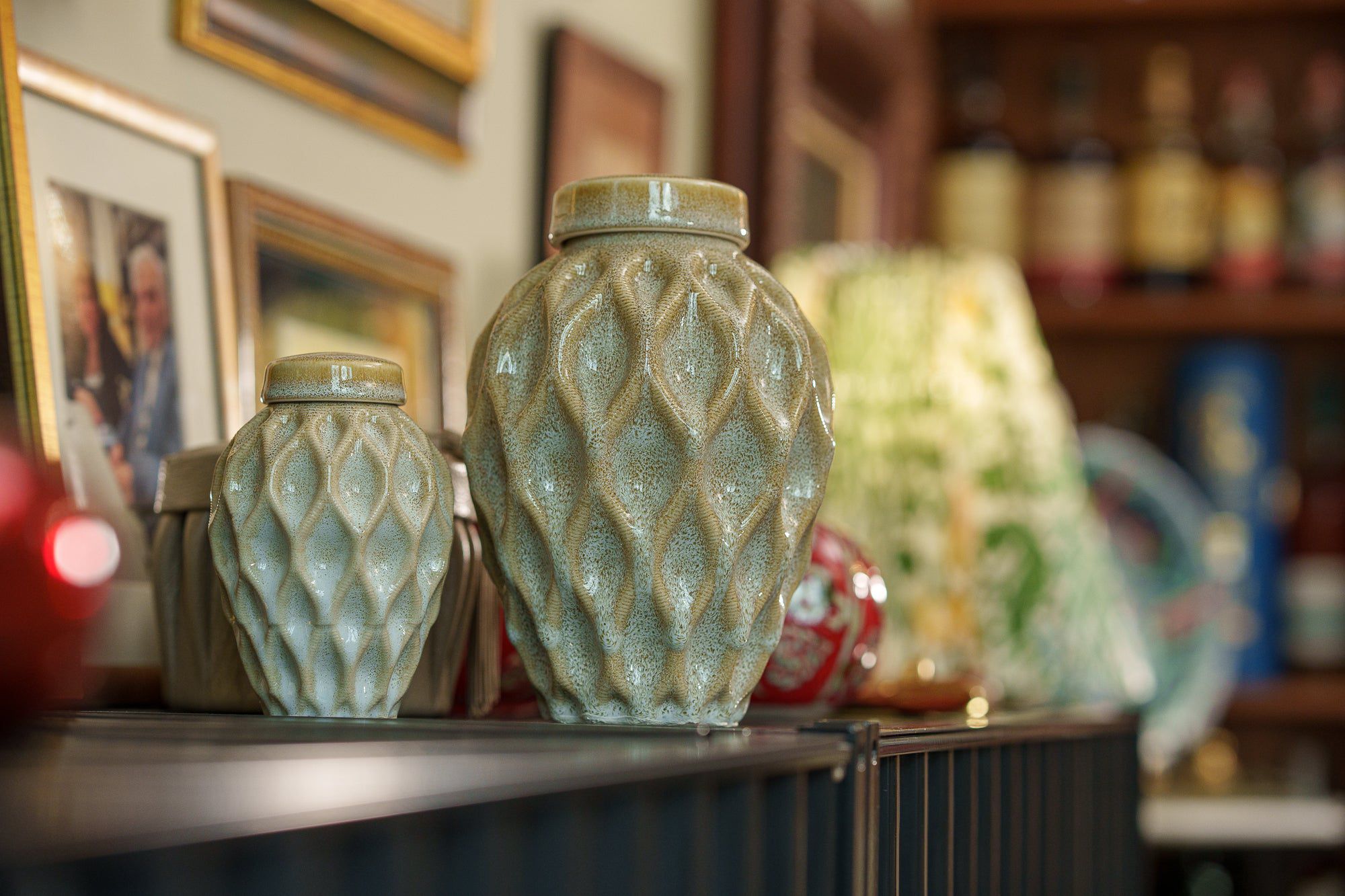
When selecting a cremation urn, it’s important to consider size, material, design, and the personal story of the person being remembered. Some families look for timeless elegance, while others prefer artistic or symbolic designs that reflect personality, beliefs, or cherished memories.
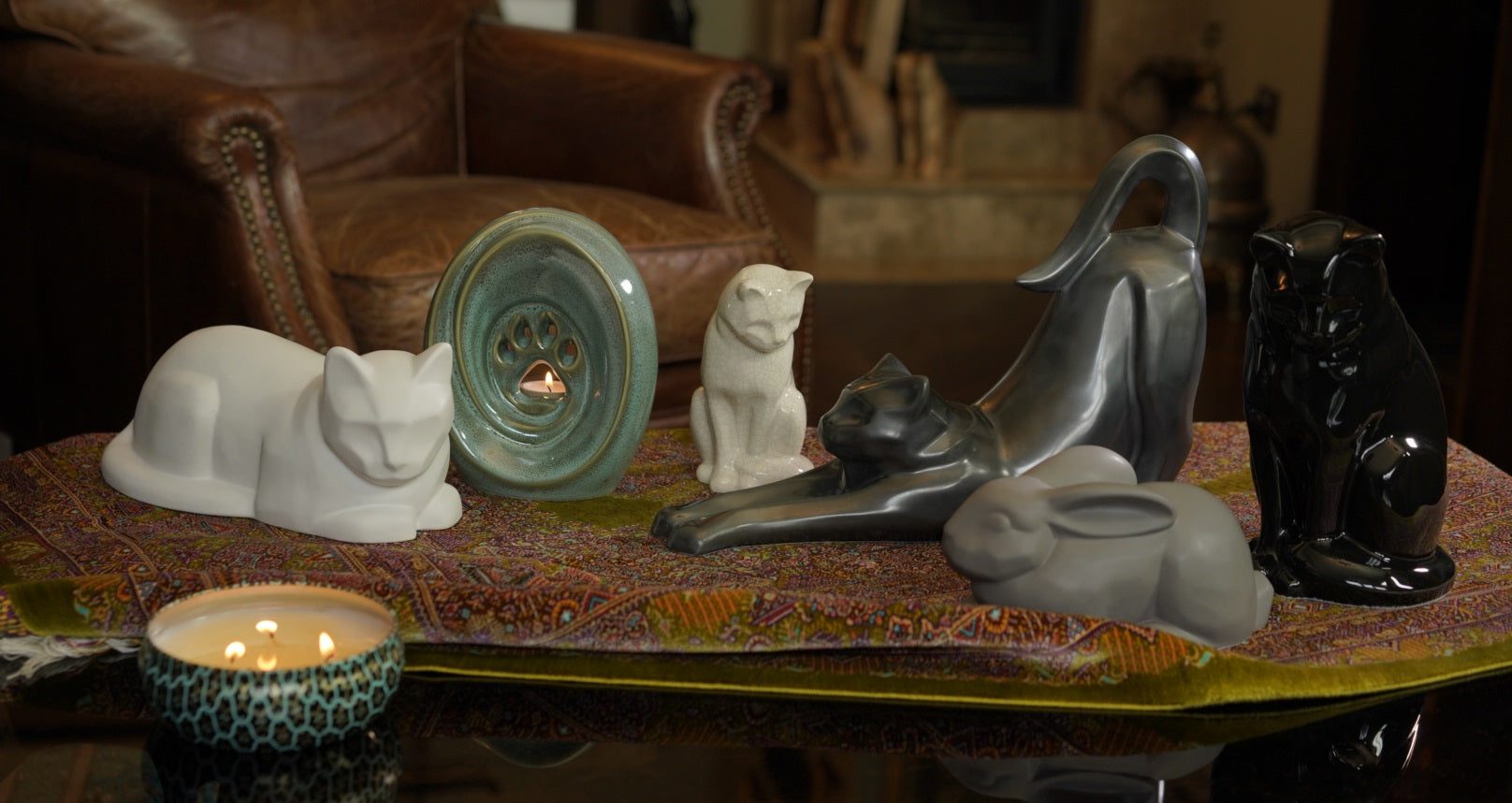
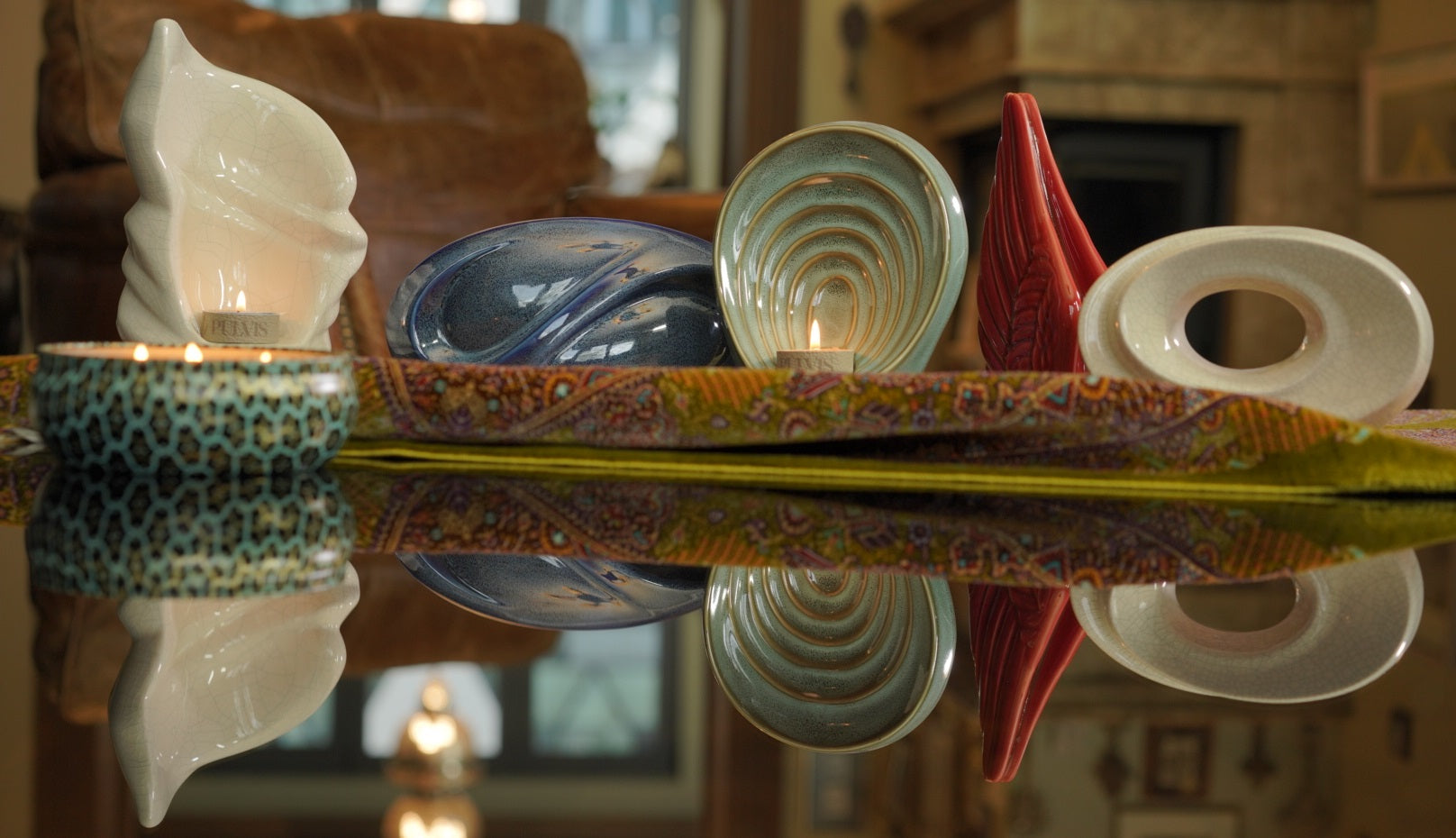
Pulvis Art Urns offers a carefully curated range of handcrafted cremation urns for both humans and pets, designed to combine dignity, artistry, and lasting quality. From elegant ceramic urns to thoughtfully designed memorial pieces, each urn is created to serve not just as a vessel, but as a lasting tribute—helping families find comfort in honoring a life well lived.

Expressing grief and sympathy when someone loses a loved one is not only a natural response but also an important part of the human experience. Showing grief and sympathy demonstrates empathy and compassion toward those who are experiencing loss. It acknowledges their pain and validates their emotions, showing them that they are not alone in their sorrow. Ultimately, expressing grief and sympathy when someone loses a loved one is a fundamental aspect of human interaction that promotes empathy, compassion, and support during times of sorrow. It helps individuals navigate the complex emotions associated with loss and fosters a sense of community and understanding within society.
3D-Printed Urns with Parametric Design: The Future of Memorial Art
The world of memorial design is evolving. This in-depth guide explores how 3D-printed parametric urns combine mathematics, nature, and ceramic craftsmanship to create deeply personal and lasting tributes. From ancient traditions to cutting-edge technologies like AI, NFC, and sustainable materials, discover how the Echo Collection by Pulvis Art Urns is redefining remembrance.

The Legal Maze of Final Disposition: Who Has the Right to Ashes After Cremation?
Disputes over cremation ashes can quickly become emotional and complex. This in-depth guide explains who has the legal right to cremated remains, why conflicts arise, and how to prevent them through proper planning. From statutory hierarchy to modern memorial solutions, gain clarity on one of the most sensitive aspects of final arrangements.

The Definitive Guide to the Cremation Process: Ethics, Science, and Memorialization
Cremation is more than a practical choice—it shapes how we remember, honor, and say goodbye. This comprehensive guide explores every stage of the cremation process, from legal protections and scientific details to modern memorial options and emotional considerations. Whether you are planning ahead or navigating a recent loss, gain the clarity and confidence to make informed, meaningful decisions.

5 Reasons for the Rise of Cremation in 2026
In 2026, the U.S. cremation rate has reached a record 63.4%, officially doubling the rate of traditional burials. This transformation is driven by a move toward "Legacy Portability," allowing families to keep loved ones close in artistic ceramic vessels that travel with them. Beyond the significant cost savings, modern families are prioritizing environmental ethics, with over 61% now seeking sustainable "green" options and tech-integrated memorials.

Easy Guide to Funeral Homes in Maine
In 2026, Maine’s cremation rate exceeds 77%, reflecting the state's preference for simple, eco-conscious legacies. Key for the "Pine Tree State" is the mandatory 48-hour waiting period before cremation can occur. While traditional burials average $8,453, direct cremation offers a pragmatic alternative at an average of $2,348. Maine’s unique laws also protect the "Right to Direct" your own wishes and allow for private home burials. Whether you choose a coastal scattering or a sculptural ceramic urn, Maine provides a dignified landscape for a final return to nature.




Share:
The Empty Seat at Home – How to Deal with Grief
Pet Loss And How to Honor Your Furry Friend. What We Need to Know?